
15 min 02 sec
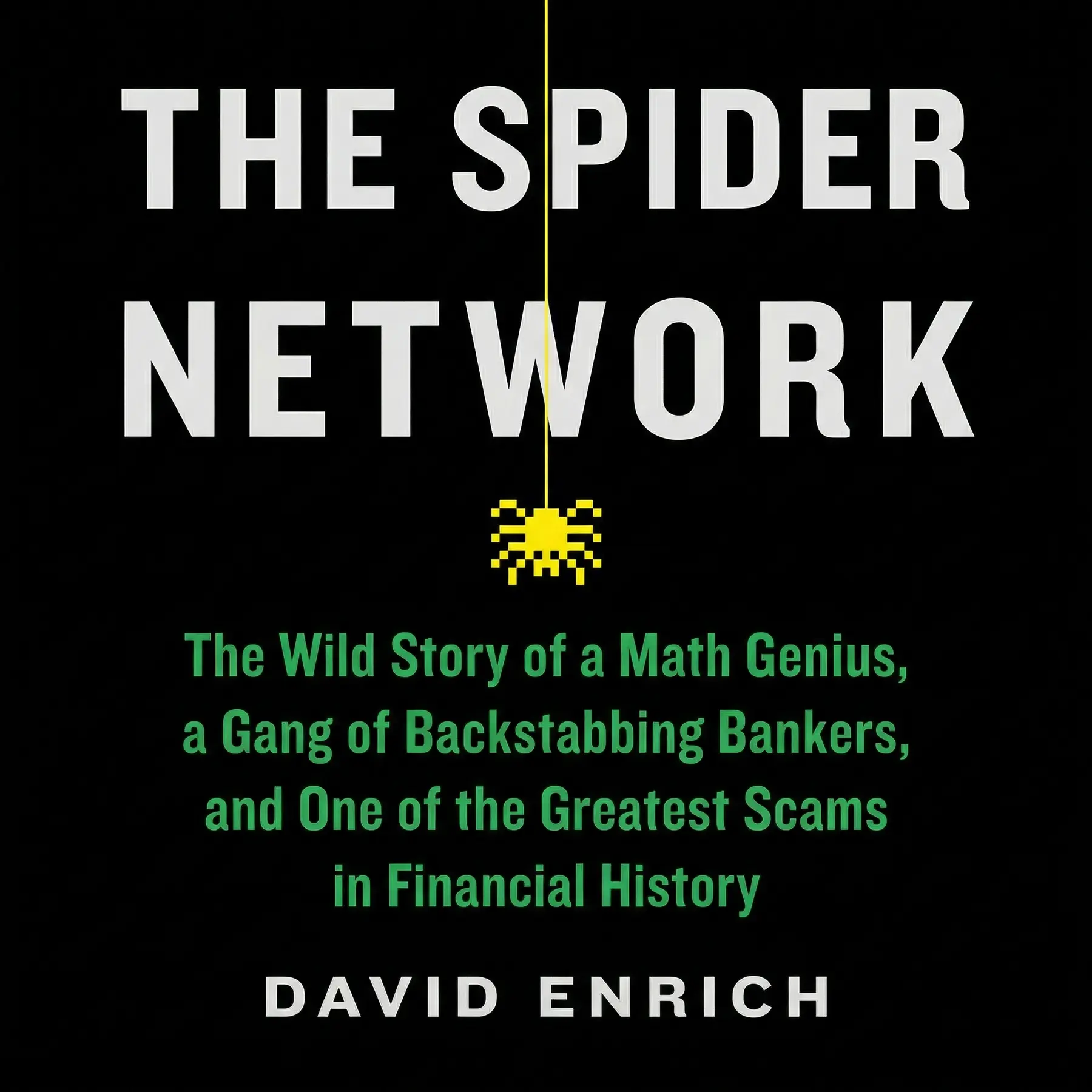
The Spider Network: The Wild Story of a Math Genius, a Gang of Backstabbing Bankers, and One of the Greatest Scams in Financial History
By David Enrich
Explore the dramatic rise and fall of Tom Hayes, a mathematical prodigy caught in the middle of a massive global financial scandal involving the manipulation of benchmark interest rates.
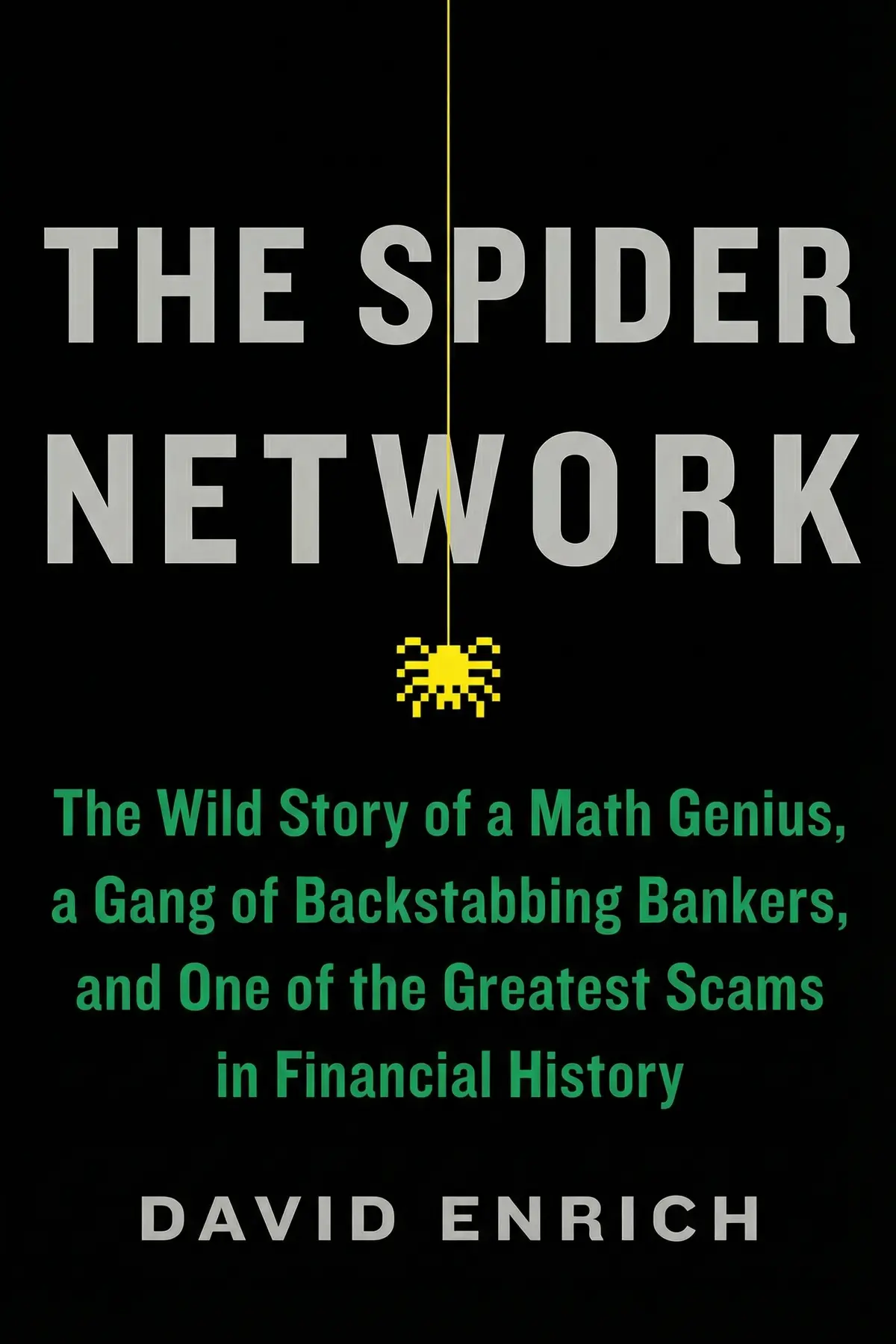
Table of Content
1. Introduction
1 min 37 sec
In the wake of the 2008 global financial meltdown, the world was hungry for justice. We saw millions of people lose their homes, their savings, and their sense of security, while the institutions responsible seemed to walk away with taxpayer-funded bailouts. There was a desperate public outcry to see high-flying bankers traded their tailored suits for prison jumpsuits. But as we look closer at the wreckage, a difficult question emerges: should we be punishing individual traders, or is the very architecture of our financial system designed to reward the exact behavior we find so abhorrent?
This is the central tension at the heart of our journey today. We are going to explore the life and downfall of Tom Hayes, a man often described as a mathematical genius and a social misfit, who eventually became the poster child for one of the most significant financial frauds in history. Known as the Libor scandal, this wasn’t just about one man’s greed; it was about a vast, interconnected web of brokers, traders, and executives who all had a hand in manipulating the world’s most important interest rate.
Through the story of Hayes, we will see how the London Interbank Offered Rate—or Libor—was treated like a plaything by those who understood its mechanics. We will witness how Hayes’s unique mind made him both incredibly successful and dangerously vulnerable. This narrative takes us from the trading floors of London and Tokyo to the hushed rooms of internal investigations, revealing a world where ethics were often treated as an obstacle to profit. By the end, you’ll have a clearer picture of how the “Spider Network” operated and whether the man at the center of the web was the architect of the crime or simply the one left standing when the music stopped.
2. The Mathematical Mind of an Outcast
2 min 15 sec
Discover how a young boy’s obsession with patterns and logic paved the way for a career in high-stakes finance while leaving him socially isolated.
3. The Hidden Power of Libor
2 min 00 sec
Learn about the invisible benchmark that governs trillions of dollars in global transactions and the fatal flaw that made it vulnerable to exploitation.
4. Orchestrating the Manipulation
1 min 46 sec
Go inside the secret collaborations between traders and brokers as they worked together to nudge interest rates in their favor.
5. A Culture of Complicity
1 min 58 sec
Examine why bank executives allowed and even encouraged questionable practices as long as they resulted in record-breaking profits.
6. The Cracks in the Facade
1 min 50 sec
Witness the moment when a curious journalist and a global crisis began to unmask the deception hidden within the banking system.
7. The Scapegoat and the Sentence
2 min 02 sec
Explore the legal aftermath of the scandal and the troubling reality of who pays the price when an entire industry breaks the rules.
8. Conclusion
1 min 34 sec
The saga of Tom Hayes and the Libor scandal is a modern-day Greek tragedy set against the backdrop of global finance. It reveals a world where the line between savvy trading and criminal manipulation was intentionally blurred by those at the top. Hayes was undeniably guilty of manipulating rates, but he did so with the full knowledge, encouragement, and resources of some of the world’s largest banks. He was a man who found sanctuary in the cold logic of numbers, only to be discarded by the very people who had once hailed him as a genius when those numbers turned against them.
As we reflect on this story, the takeaway is clear: the 2008 financial crisis and the scandals that followed weren’t just the result of a few ‘bad apples.’ They were the symptoms of a deep-seated systemic failure. By focusing all our collective anger on a single individual like Hayes, we risk missing the bigger picture. We must ask ourselves if anything has truly changed. As long as the financial system continues to reward short-term profits over long-term stability and ethical behavior, the temptation to rig the game will always exist.
To prevent the next crisis, we need more than just high-profile convictions; we need fundamental reform in how our financial benchmarks are regulated and how our corporate cultures are managed. We should demand a system that values transparency as much as it values profit. Tom Hayes’s fourteen-year sentence might provide a sense of closure for some, but it does little to address the underlying rot in the foundations of global banking. The spider may have been caught, but the web is still being spun.
About this book
What is this book about?
This narrative dives deep into the high-stakes world of international banking, focusing on the Libor scandal that rocked the financial foundations of the globe. It centers on Tom Hayes, a brilliant but socially awkward trader who became the face of a systemic effort to rig interest rates for profit. The story uncovers how a lack of oversight, combined with a cutthroat corporate culture, allowed a network of brokers and bankers to manipulate the numbers that affect everything from mortgages to credit cards. It ultimately questions whether Hayes was a criminal mastermind or merely a convenient scapegoat for a corrupt industry where executives turned a blind eye to wrongdoing as long as the money kept rolling in.
Book Information
About the Author
David Enrich
David Enrich serves as the Financial Enterprise Editor at the Wall Street Journal. In this role, he oversees an elite team of investigative reporters. His deep-dive reporting on financial misconduct earned him the prestigious 2016 Gerald Loeb Award. He spent years investigating the intricacies of the Libor scandal, which served as the foundation for his expansive work on the subject.
Ratings & Reviews
Ratings at a glance
What people think
Listeners find the narrative flows like a novel, featuring technical details that are comprehensive and meticulously documented. Furthermore, the storytelling is gripping; one listener mentions how it simplifies intricate subjects, while another enjoys how it immerses them in the human drama. Additionally, listeners value the work's authenticity, with one review noting its accurate depictions of interest rate derivative trading, and find it educational regarding LIBOR's mechanics.
Top reviews
Prim
It’s rare to find a finance book that carries the momentum of a high-stakes thriller, but Enrich pulls it off effortlessly. The way he deconstructs the LIBOR scandal—a topic that sounds dry enough to put anyone to sleep—is nothing short of masterful. I was gripped by the mechanics of how these traders nudged 'the world’s most important number' to line their own pockets while the rest of us paid the price on our mortgages. The book paints a vivid, often infuriating picture of a banking culture where ethics were a foreign language and everyone looked the other way. Truthfully, the most shocking part isn't just the greed, but how simple the manipulation actually was. It’s a dense read, yet the narrative flow kept me turning pages late into the night. If you want to understand why the public lost faith in the financial system, this is your roadmap.
Show moreWanphen
After hearing so much about the 2008 crash, I thought I understood banking corruption, but this book proved me wrong. Enrich takes us deep into the trenches of the London and Tokyo trading floors where 'Suggested Libors' were treated like a casual game. The level of detail regarding the ICAP brokers and their influence over the rate-setters is truly eye-opening. You see a world where a simple typo in an email could cause massive ripples across global markets, and nobody in charge seemed to care. I found myself particularly engrossed in the trial sequences and the legal gymnastics used to pin the blame on a handful of individuals. Personally, I think the book succeeds because it doesn't just focus on the 'what,' but the 'why' of the culture that allowed this to thrive. It’s a brilliant, haunting, and essential piece of writing.
Show moreDream
Picked this up on a whim and was immediately sucked into the bizarre world of Tom Hayes and his band of 'misfit' brokers. The way Enrich describes the 'Good Morning Yen Run Thru' emails is fascinating because it shows how mundane the daily act of fraud really was. These guys weren't hiding in shadows; they were openly lobbying for rate changes on Facebook! The book does a stellar job of capturing the atmosphere of the trading floors—the adrenaline, the insults, and the sheer arrogance of it all. I appreciated how the author tied the Libor rates back to everyday things like student loans and car payments. It makes the fraud feel personal rather than abstract. Staggering research and a truly compelling narrative make this a five-star read for me.
Show moreSudarat
Finally got around to reading this, and the level of detail Enrich provides is simply staggering. He doesn't just tell you that the system was broken; he shows you the specific phone calls and emails that broke it. The 'Rain Man' portrayal of Hayes is handled with a lot of nuance, making you feel for the guy even when he's doing things that are clearly wrong. It’s a masterclass in financial journalism that manages to be both informative and incredibly entertaining. I particularly enjoyed the sections on the BBA's incompetence and how they basically let the fox guard the henhouse for decades. If you enjoy Michael Lewis, you will absolutely love this. It’s a frighteningly accurate depiction of what happens when greed meets a total lack of accountability.
Show moreIsabelle
Ever wonder how a single number can move the entire world’s economy? This book answers that question through the lens of Tom Hayes, the brilliant but socially awkward trader at the center of the storm. Enrich does a fantastic job humanizing the 'Kid Asperger' figure without totally absolving him of his actions. I found the technical explanations of derivatives and swap trades surprisingly accessible, even for someone without an MBA. However, there were moments where the sheer number of minor characters became overwhelming, forcing me to flip back to the cast of characters. To be fair, that’s a small price to pay for such an exhaustively researched piece of investigative journalism. The portrait of the 'Spider Network' is both fascinating and deeply cynical. It’s a necessary read for anyone interested in how the global financial sausage is actually made.
Show moreAroha
David Enrich has managed an incredible feat here by making the derivatives market actually understandable to a layman. The book reads more like a noir novel than a financial report, focusing on the personalities and the 'misfits' of the banking world. Watching Hayes navigate the cutthroat environment of UBS and Citigroup was both heartbreaking and fascinating. The author doesn't shy away from the technical side, explaining the 'vertebra of the financial system' with clarity. I do think the book leans a bit heavily into the 'Hayes as a victim' narrative, which might polarize some readers. Still, the underlying message about systemic rot is impossible to ignore. It’s a sprawling, ambitious work that mostly hits the mark. Not gonna lie, I finished it feeling a lot more cynical about my bank account.
Show moreViolet
This book provides a chilling look at how easily the big players can find a fall guy when things go south. The 'Spider Network' isn't just one person; it’s a sprawling web of traders, brokers, and regulators who all benefitted from the status quo. I was particularly struck by the sections describing how banks low-balled their submissions during the 2008 crisis just to appear solvent. It highlights a terrifying lack of oversight that honestly makes you wonder if anything has truly changed since Libor was phased out. While the book is quite long, the chapters are well-structured and the prose is sharp. My only minor gripe is that some of the legal jargon in the final third can be a bit of a slog. Overall, it’s an authentic and deeply researched account of a massive fraud.
Show moreSupranee
The truth is that the financial system is far more fragile and manipulated than any of us want to admit. Enrich lays this out with terrifying precision, showing how a handful of guys in London could skew interest rates for trillions of dollars. The 'Spider Network' metaphor is perfect—everyone was connected, and everyone was trapped in a cycle of greed and pressure. I liked the historical context provided at the beginning, especially the origins of the swap market and the birth of Libor. It gave the rest of the book much-needed perspective. Some of the middle sections felt a bit like they were running in circles, but the payoff during the investigation phase is worth it. It’s an authentic, gritty look at a world most of us will never see.
Show moreAnchalee
Look, I enjoyed the deep dive into the Libor scandal, but the pacing felt uneven at times during the middle chapters. The author clearly had a mountain of research to work with, and occasionally it felt like he was determined to include every single email exchange. While the story of Tom Hayes is compelling, I felt the book dragged when it focused too heavily on the minutiae of his personal life rather than the systemic failures. I’m not saying it’s a bad book—far from it—but it requires a level of patience that might turn off casual readers. The ending brings it all together nicely, highlighting how Hayes became the ultimate scapegoat for an industry-wide practice. It's an important story, but it could have used a slightly tighter edit to keep the tension high throughout.
Show moreWilliam
Not what I expected given the hype surrounding the investigative work. Frankly, I found the focus on Tom Hayes' personality quirks to be a bit repetitive after the first hundred pages. We get it—he was different and obsessed with his trades, but did we need so many anecdotes about his superhero duvet? I was looking for a more rigorous analysis of the global impact of Libor manipulation, but I felt like I got a biography of a tragic figure instead. The technical parts are well-explained, but they are buried under layers of human drama that didn't always feel relevant to the actual crime. It’s well-written, but it just wasn't the deep-dive financial analysis I was hoping for. It felt more like a character study than a definitive history of the scandal.
Show moreReaders also enjoyed
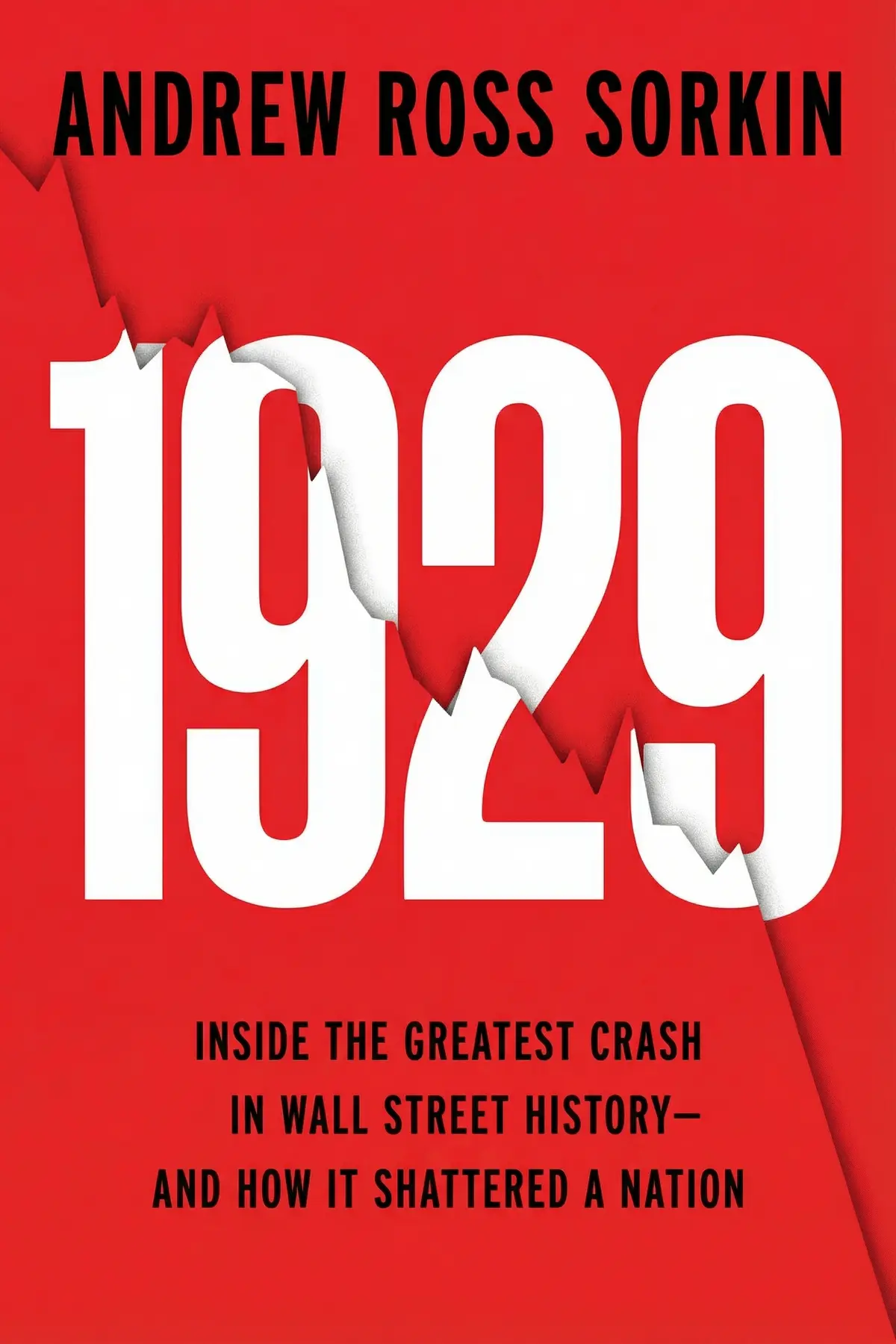
1929: Inside the Greatest Crash in Wall Street History--and How It
Andrew Ross Sorkin
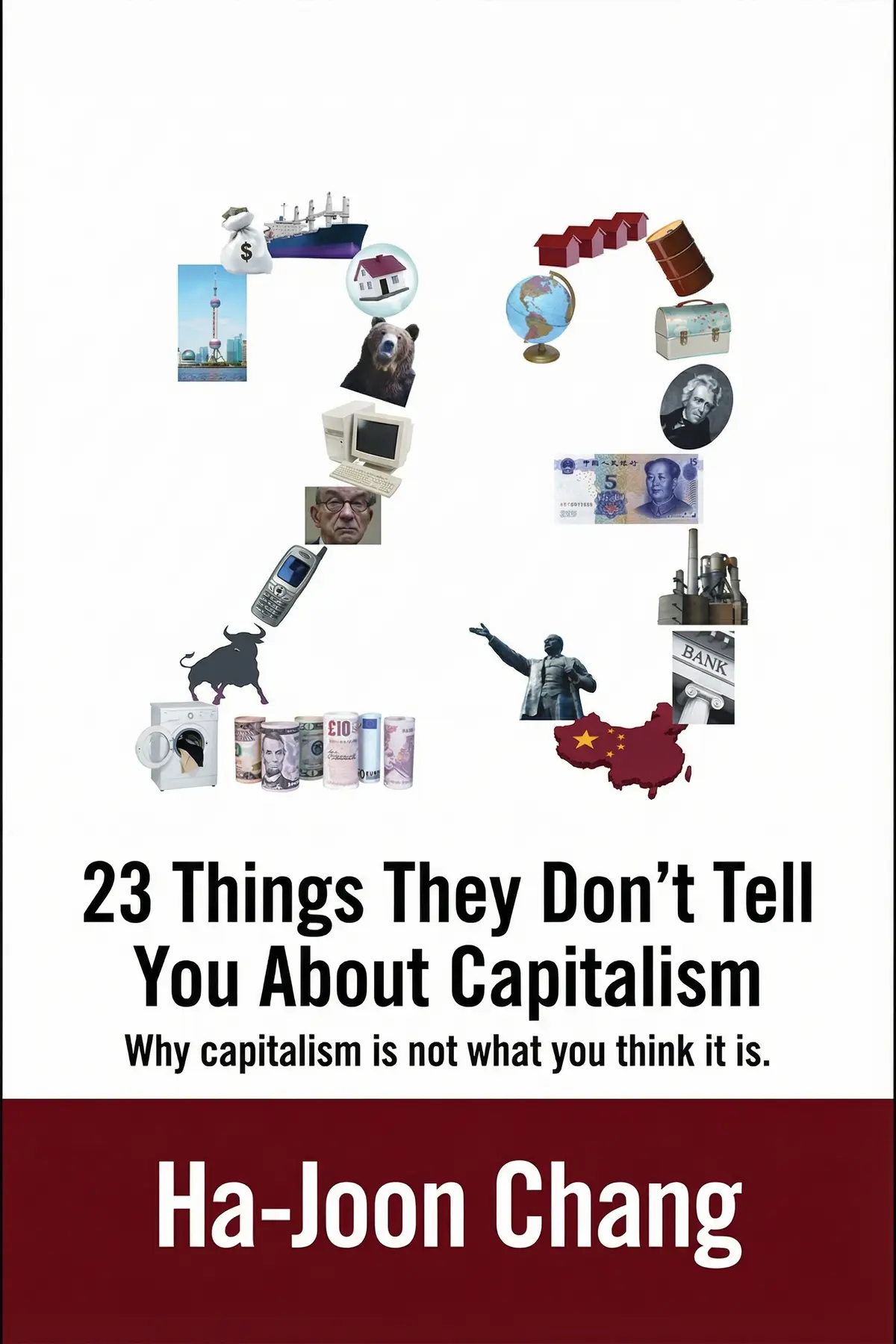
23 Things They Don’t Tell You About Capitalism
Ha-Joon Chang
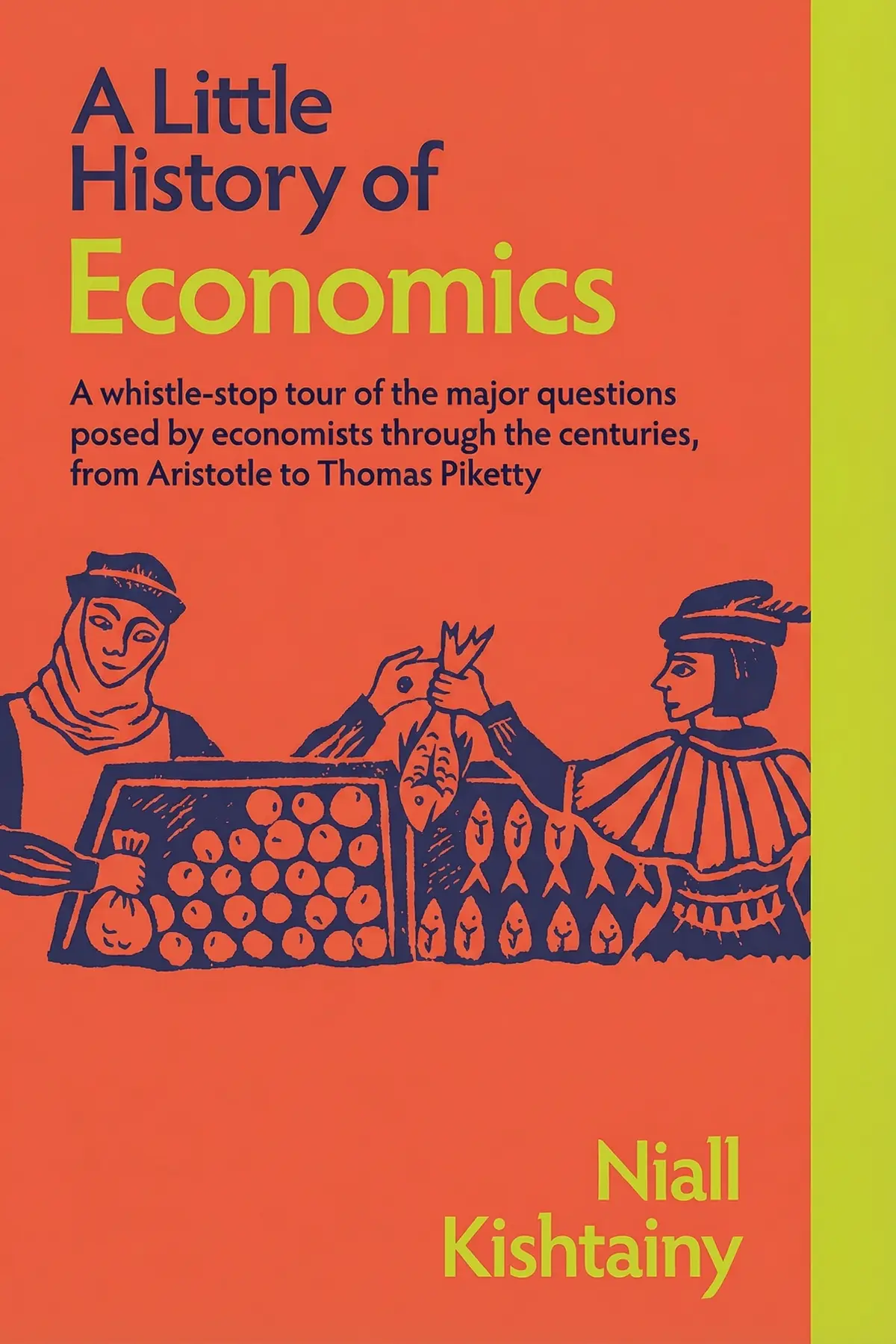
A Little History of Economics
Niall Kishtainy
A Splendid Exchange: How Trade Shaped the World
William J. Bernstein
AUDIO SUMMARY AVAILABLE
Listen to The Spider Network in 15 minutes
Get the key ideas from The Spider Network by David Enrich, plus 5,000+ more titles in English and Thai.
- 5,000+ titles
- Listen as much as you want
- 7-day free trial
- Cancel anytime







