
30 min 13 sec
Dark Towers: Deutsche Bank, Donald Trump, and an Epic Trail of Destruction
By David Enrich
An investigative look into the rise and catastrophic fall of Deutsche Bank, detailing its shift from a conservative lender to a scandal-ridden institution that became the primary financier for Donald Trump.
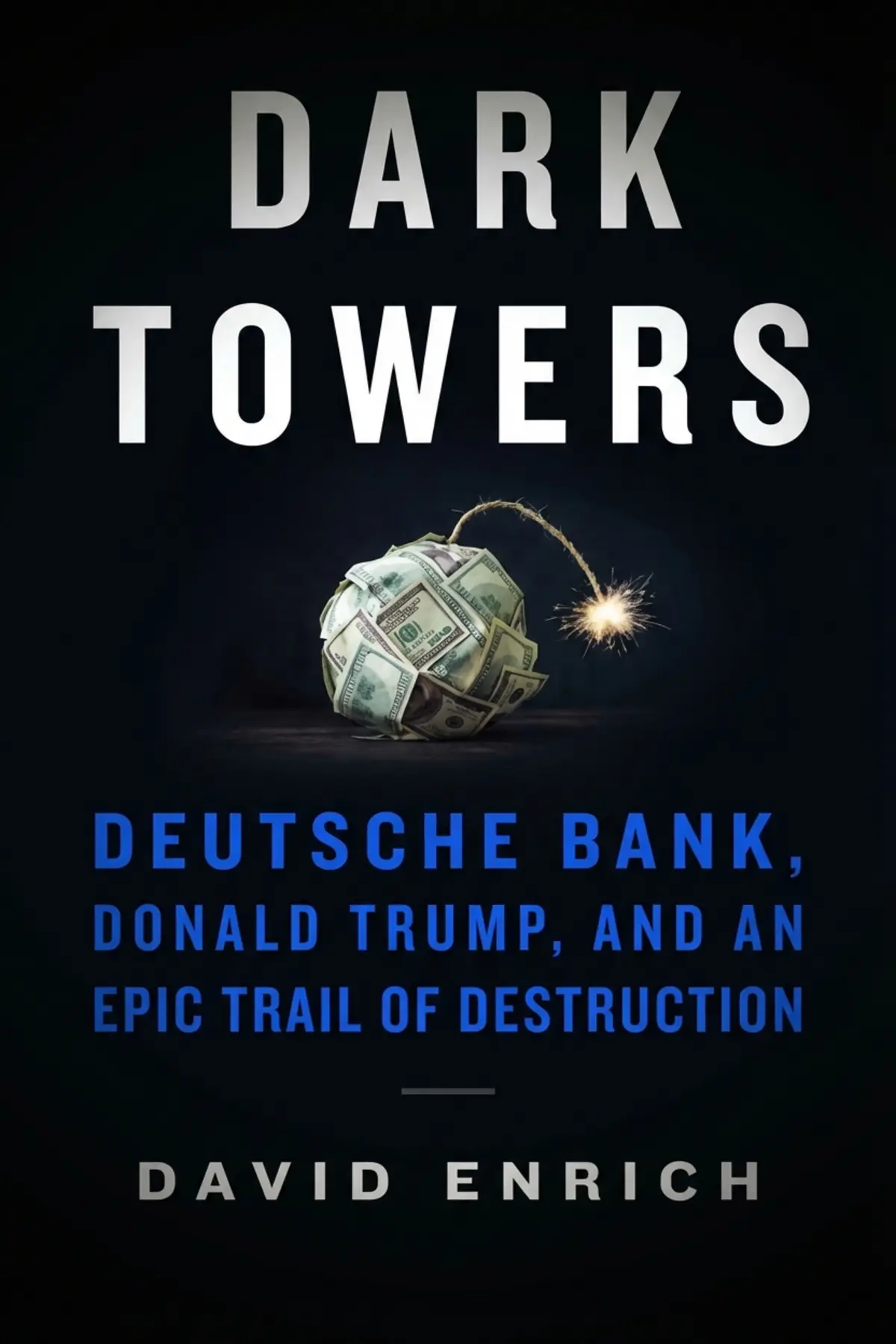
Table of Content
1. Introduction
2 min 14 sec
In the heart of Frankfurt, Germany, two glass towers pierce the sky. To the locals, they are known simply as “Debit” and “Credit,” the twin pillars of Deutsche Bank. For over a century, these towers represented more than just a financial institution; they were symbols of German stability, industrial might, and conservative fiscal management. But as we peel back the layers of this story, we find that the glinting glass hides a legacy of systemic corruption, reckless gambling, and a willingness to do business with the world’s most radioactive figures. This is the story of how a venerable bank lost its soul in the pursuit of global dominance, leaving a trail of destruction that stretches from the death camps of the Holocaust to the modern-day White House.
To understand the modern financial world, one must understand the evolution of Deutsche Bank. It is a tale of how a small group of ambitious executives decided that the old rules of German banking were too restrictive. They looked toward the high-stakes, high-reward environment of Wall Street and decided they wanted in, no matter the cost. This shift didn’t just change the bank’s balance sheet; it altered its DNA. It replaced the cautious bureaucrat with the aggressive trader and exchanged long-term stability for short-term bonuses.
As we journey through this narrative, you’ll see how this institutional greed led to a series of increasingly desperate and unethical decisions. You will witness a bank that laundered money for Russian oligarchs, ignored international sanctions to move cash for dictators, and manipulated markets on a global scale. Perhaps most significantly, you will see how Deutsche Bank became the only major financial institution willing to stake hundreds of millions of dollars on a New York real estate developer named Donald Trump, even after his serial bankruptcies had made him a pariah everywhere else.
This isn’t just a story about numbers on a ledger or complex financial instruments. It’s a story about people—the ones who drove the bank toward the abyss, the ones who tried to stop it, and the ones who were crushed by its weight. At the center of it all is Bill Broeksmit, a man whose tragic end became the ultimate symbol of the bank’s internal rot. Through his eyes, and the eyes of those who knew him, we will uncover the secret history of the institution that nearly broke the world’s financial system. Let’s begin by looking back at the foundation of this empire and the original seeds of its ethical flexible nature.
2. A Legacy of Risky Alliances
2 min 11 sec
Discover how the bank’s history of backing controversial figures began in the American West, setting a long-standing precedent for prioritizing growth over ethical due diligence.
3. The Darkest Chapter of Institutional Complicity
2 min 07 sec
The bank’s pursuit of power led it to become a primary financier for the Nazi regime, facilitating some of the greatest atrocities in human history.
4. The Wall Street Transformation and the Cultural Shift
2 min 15 sec
As the bank pivoted toward Anglo-American investment styles, it traded its conservative German roots for a high-risk, bonus-driven cowboy culture.
5. The Dangerous Allure of Derivatives and Financial Engineering
1 min 59 sec
Explore the rise of complex financial products that allowed the bank to generate massive profits while hiding systemic risks from regulators and even its own board.
6. Doubling Down on the American Dream through Bankers Trust
2 min 08 sec
The acquisition of a troubled American bank accelerated Deutsche’s descent into unethical practices and high-risk real estate lending.
7. The Rise of the Trump Connection
1 min 58 sec
While the rest of the financial world blacklisted Donald Trump after his bankruptcies, Deutsche Bank saw an opportunity to gain fame through his celebrity status.
8. The Era of Profit at Any Price
2 min 14 sec
Under the leadership of Joe Ackermann and Anshu Jain, the bank adopted a ruthless focus on a single financial metric, ignoring the ethical rot spreading through the organization.
9. The Illusion of Success During the Financial Crisis
2 min 19 sec
Discover how the bank used accounting tricks and a stroke of luck to hide massive losses during the 2008 recession, appearing as a survivor while actually rotting from within.
10. The Tragic Conscience of Bill Broeksmit
2 min 13 sec
The suicide of a high-ranking executive serves as a haunting reminder of the human toll exacted by a culture of systemic corporate greed and dishonesty.
11. The Reckoning and the Collapse of the Old Guard
2 min 07 sec
Following a series of massive fines and leadership failures, the bank was forced into a painful restructuring to survive its own legacy of corruption.
12. The President’s Personal Bank
2 min 04 sec
Learn how a single banker within Deutsche Bank circumvented internal rules to keep Donald Trump afloat, creating a massive conflict of interest once he reached the White House.
13. A Legacy Exposed by the Next Generation
2 min 13 sec
The secret history of the bank finally came to light through an unlikely source: the stepson of the executive who had taken his own life.
14. Conclusion
2 min 11 sec
The story of Deutsche Bank is one of the most significant cautionary tales in the history of modern capitalism. It is a narrative that begins with the noble ambition of building a nation’s industry and ends in a global trail of destruction. We have seen how the bank’s pursuit of dominance led it to become an accomplice in the darkest atrocities of the 20th century, and how its later transformation into a Wall Street-style investment bank paved the way for a new era of systemic corruption. From the manipulation of global markets to the laundering of money for the world’s most dangerous regimes, the bank’s history is a testament to the dangers of institutionalized greed.
At the center of this summary is the inescapable reality that Deutsche Bank played a pivotal role in the rise of Donald Trump. By providing the capital and the veneer of legitimacy that every other bank refused, they didn’t just fund a developer; they helped shape the political landscape of the 21st century. This relationship, born of desperation and a desire for fame, eventually became a symbol of the bank’s own ethical collapse. The tragic end of Bill Broeksmit serves as the human heartbeat of this story—a reminder that behind every ledger and every high-stakes trade, there are individuals who carry the weight of an organization’s choices. His struggle with his conscience and his eventual suicide expose the profound human cost of a culture that prioritizes short-term gain over everything else.
As we look at the Deutsche Bank of today, we see an institution in retreat, trying to claw back its reputation and its stability. The restructuring efforts are an admission of decades of failure. But as this narrative makes clear, the damage is already done. The lessons for the future are stark: when financial institutions become untethered from ethical constraints and when regulators fail to curb their excesses, the entire global system is at risk. The ‘Dark Towers’ of Frankfurt may still stand, but their shadows are long, and they serve as a permanent reminder of a time when greed almost broke the world. The real question that remains is whether the global financial system has truly learned from these mistakes, or if it is simply waiting for the next group of ambitious traders to find a new way to gamble with our collective future.
About this book
What is this book about?
This summary explores the turbulent trajectory of Deutsche Bank, once a symbol of German industrial reliability that transformed into a global financial powerhouse driven by reckless ambition. It traces the bank's history from its founding in the 19th century through its dark involvement with the Nazi regime, eventually leading to its aggressive expansion into Wall Street. The narrative highlights how the bank’s internal culture shifted toward extreme risk-taking and individual profit, creating an environment where ethics were secondary to earnings. Central to this story is the bank's unique and controversial relationship with Donald Trump, providing him with vital capital when no other institution would. Through the lens of investigative journalism, the summary reveals the systemic failures, regulatory battles, and human tragedies—including the pivotal suicide of a high-ranking executive—that define the bank's legacy of destruction.
Book Information
About the Author
David Enrich
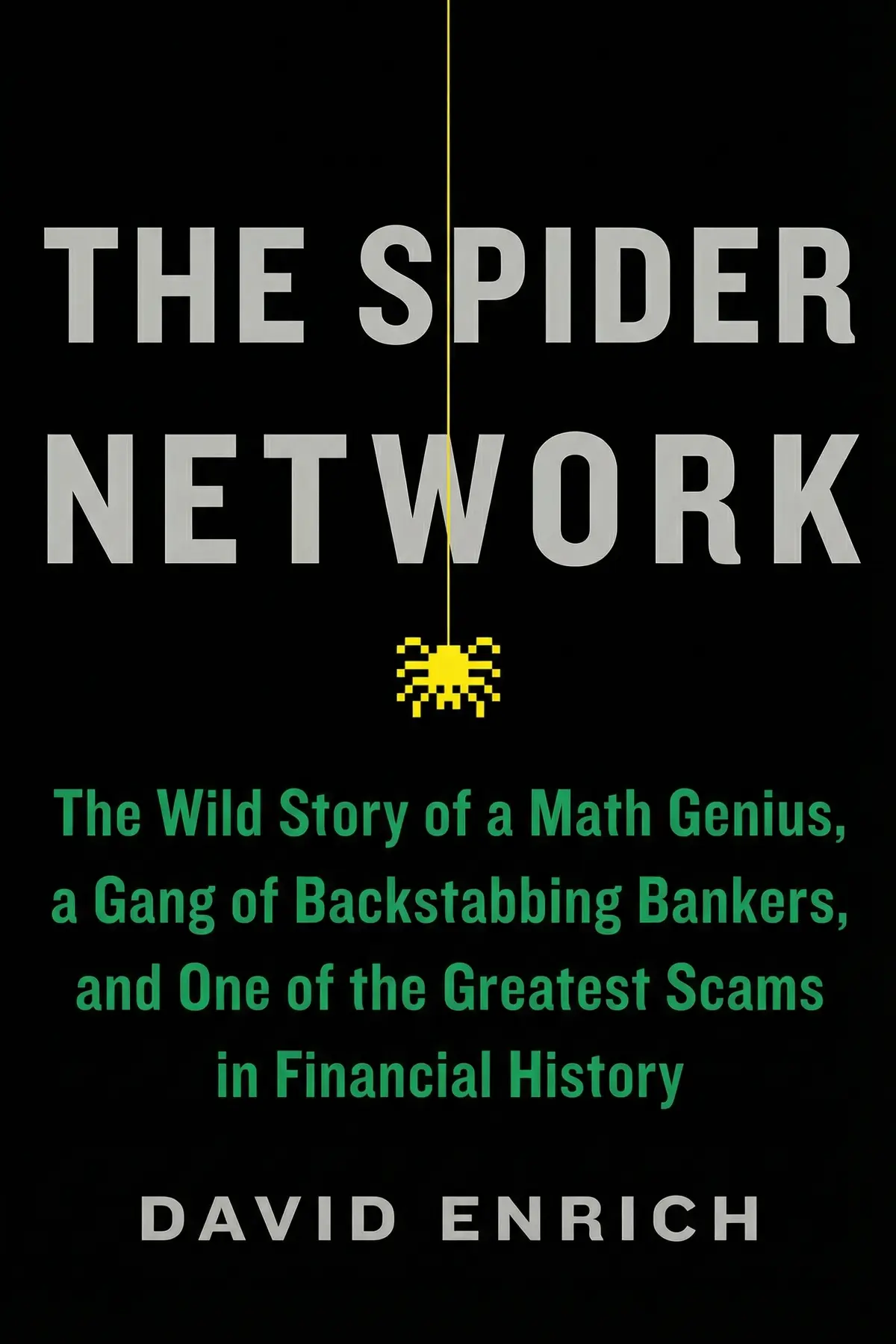
David Enrich is the finance editor for the New York Times. Previously, he led a team of investigative finance reporters in London and New York for the Wall Street Journal. He has won several awards for journalism, and his previous book, The Spider Network, was shortlisted for the Financial Times and McKinsey Business Book of the Year Award.
Ratings & Reviews
Ratings at a glance

What people think
Listeners find the work an engrossing experience that is thoroughly documented and informative, with one listener noting it feels like a spy thriller. Furthermore, the prose is skillfully crafted, and listeners characterize it as a revealing account of Trump’s dealings. On the other hand, the narrative's tempo draws varied responses, including one listener who thought it was overly muddled. In addition, the depiction of characters and the level of sensitivity shown also garner divided opinions.
Top reviews
Nan
This book reads more like a high-octane spy thriller than a dry financial history. David Enrich has done an incredible job untangling the web of Deutsche Bank’s rise and fall, focusing on the human cost of institutional greed. The narrative surrounding Bill Broeksmit is particularly haunting, offering a tragic lens through which we see the bank’s internal collapse. While the Trump connection is certainly the hook, the real story here is the toxic culture of a bank that lost its moral compass. It is a meticulously researched and educational piece of investigative journalism. I found myself glued to the pages, even during the denser explanations of derivative trading and Russian mirror trades. It’s an eye-opening account that every citizen should read to understand how global finance really operates.
Show moreJong
Wow, the depth of research on display here is truly impressive. This isn't just a political hit piece; it’s a thorough autopsy of a dying financial giant. Enrich manages to connect the dots between the 2008 financial crisis, Russian money laundering, and the Trump presidency with terrifying clarity. The sections on how the bank ignored its own compliance officers were particularly eye-opening for me. It’s a compelling read that manages to feel urgent despite covering decades of history. I appreciated that the author didn't shy away from the darker parts of the bank's past, including its Nazi era. This is a vital piece of work for anyone trying to understand the intersection of big money and global politics. Highly recommended for fans of investigative non-fiction.
Show moreSomporn
The sheer audacity of Deutsche Bank’s leadership throughout the early 2000s makes for a gripping, if infuriating, read. David Enrich has written a masterpiece of financial journalism that manages to be both educational and entertaining. I was particularly fascinated by the division between the traditional German banking culture and the aggressive, American-style investment wing. This culture clash eventually led to the bank's downfall, and Enrich captures the tension perfectly. While some critics didn't like the focus on Val Broeksmit, I thought he provided a necessary, if messy, human entry point into a world of spreadsheets and secrets. The book is eye-opening, expertly written, and deeply troubling. It exposes a system where the rules simply don't apply to the people at the top. A must-read for anyone interested in power.
Show moreSupatra
As someone who enjoyed The Spider Network, I found this follow-up to be equally informative, though perhaps a bit less focused. Enrich excels at making complex financial maneuvers accessible to the layperson. The way he details the bank's willingness to lend to a radioactive Donald Trump when no one else would is truly startling. To be fair, the second half drags slightly as it follows Val Broeksmit’s personal struggles and drug use. Those sections felt a bit too detailed for a book primarily about a financial institution. However, the overarching story of corporate rot and regulatory failure is compelling enough to keep you going. It’s a sobering reminder that some institutions are simply too big to care about the law.
Show moreLogan
Finally finished this beast, and the truth is that it’s one of the most sobering accounts of corporate malfeasance I’ve ever encountered. The author paints a vivid picture of a bank that was essentially a criminal enterprise with a respectable logo. I was particularly struck by the description of the 'profit at all costs' mindset that permeated every level of management. While the pacing can be uneven, especially during the deep dives into Val Broeksmit’s personal life, the educational value is immense. It really highlights how easily regulators can be outmaneuvered by those with enough resources. Some might find the character development of the executives a bit thin, but the systemic issues are documented with surgical precision. It’s a dense read but one that feels absolutely necessary in our current era.
Show moreAudrey
Gotta say, the human element in this book—specifically the tragic story of Bill Broeksmit—is what really stuck with me. We often think of these banking scandals in terms of numbers and percentages, but Enrich reminds us of the lives ruined in the process. The way the bank treated its own employees as disposable tools for growth is infuriating. The research is clearly meticulous, and the connections to Russian capital are explained in a way that finally makes sense. My only real gripe is that the middle section felt a bit repetitive regarding the internal politics of the Frankfurt office. Still, the writing is well-executed and the subject matter is incredibly relevant. It’s an eye-opening account that reveals just how fragile and corrupt our global financial systems can be.
Show moreKenji
After hearing the author on several podcasts, I was eager to see the primary sources for the Deutsche Bank saga. The book does not disappoint in terms of technical detail. Enrich explains the 'mirror trades' and the manipulation of LIBOR with a level of clarity that is hard to find elsewhere. It’s a compelling read that exposes the sheer lawlessness of the banking elite. Look, it’s not always an easy read—there are a lot of names to keep track of—but the effort is worth it for the big picture. The fact that Justin Kennedy, the son of a Supreme Court Justice, was Trump's main point of contact at the bank is a detail that deserves more attention. It's a meticulously researched book that serves as a grim warning about the power of unchecked capital.
Show moreJackson
Ever wonder how a bank with such a staid reputation could end up financing everything from the Holocaust to modern-day Russian oligarchs? Enrich provides the answers, but the delivery is a bit of a mixed bag. The first half is a gripping history of Deutsche Bank’s desperate attempt to compete with Wall Street giants. Then, the focus shifts heavily toward Val Broeksmit and his cache of emails. While Val is an interesting character, the narrative becomes quite muddled in the final third. I often found myself confused by the sheer volume of names and sub-plots that didn’t always seem to lead anywhere. It’s an important book, but it lacks the tight editing needed to make it a truly great one. Still, the insights into the Trump organization’s finances are worth the slog.
Show moreMia
Not what I expected given the hype surrounding the Trump connection. While there are certainly some revealing moments about his relationship with Rosemary Vrablic, much of the information feels like a retread of news headlines. The book is heavily compared to Bad Blood, but I didn't find the prose quite as sharp or the pacing as relentless. Enrich spends an enormous amount of time on Val Broeksmit’s eccentricities, which often felt like a distraction from the actual banking scandal. Frankly, I grew tired of the constant teasing about what Bill Broeksmit knew without ever getting a definitive answer. It’s a decent overview of Deutsche Bank’s history, but it feels like it’s trying to be two different books at once. One is a financial expose, the other a family tragedy.
Show moreJoe
Picked this up hoping for a definitive 'smoking gun' regarding the 2016 election, but the narrative felt quite muddled. There is a lot of buildup with very little payoff in terms of new revelations about the Trump-Russia connection. Instead, we get hundreds of pages about a risk manager’s son who seems like an unreliable narrator at best. The author's focus on Val's drug use and family drama was excessive and, quite frankly, boring. To be fair, there is some good historical context about Deutsche Bank’s culture, but it gets lost in the weeds. The book is 360 pages but could have easily been 200 if the fluff was cut. If you want a punchy thriller, look elsewhere. This felt more like a collection of journal entries than a cohesive investigative report.
Show moreReaders also enjoyed
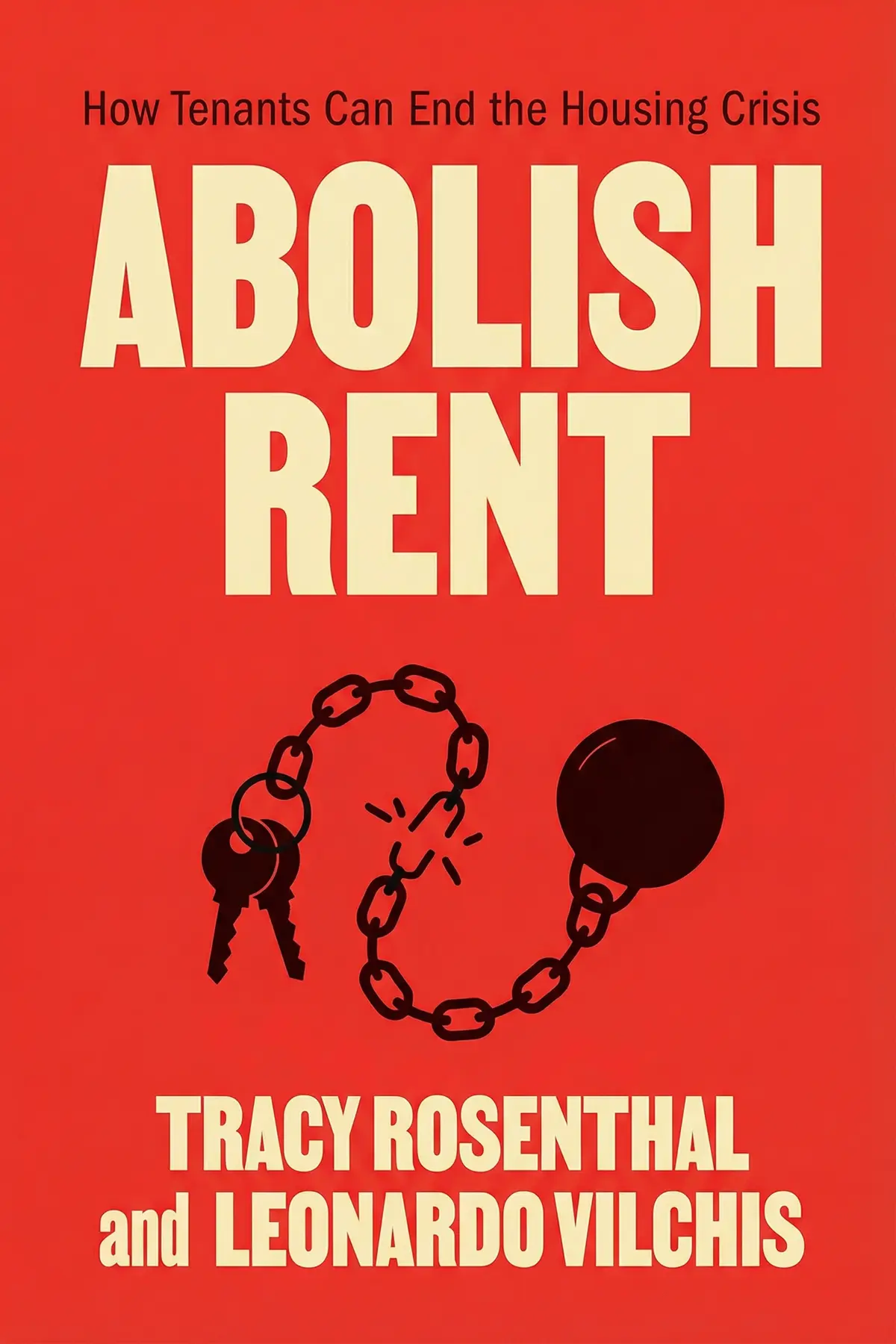
Abolish Rent: How Tenants Can End the Housing Crisis
Tracy Rosenthal
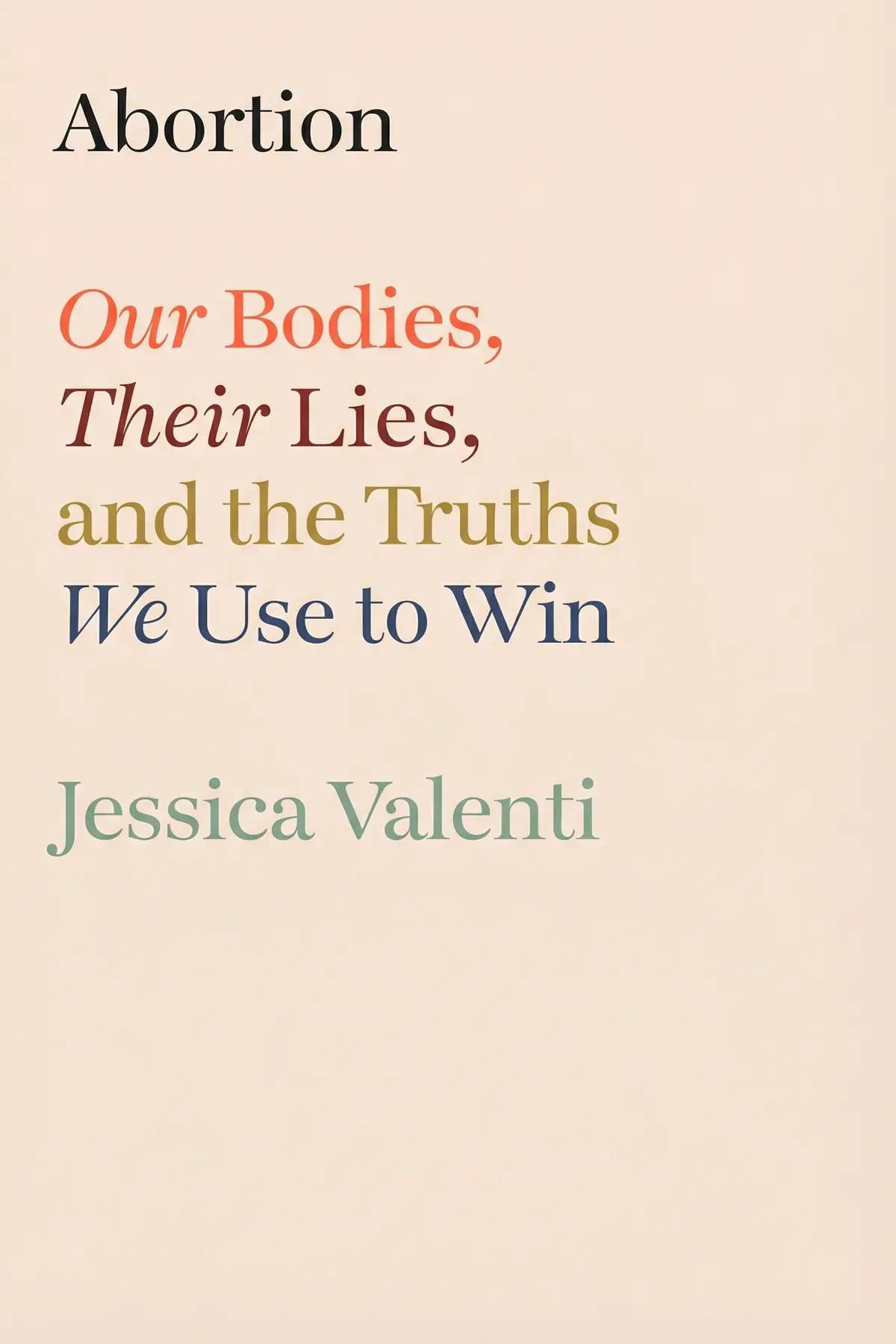
Abortion: Our Bodies, Their Lies, and the Truths We Use to
Jessica Valenti
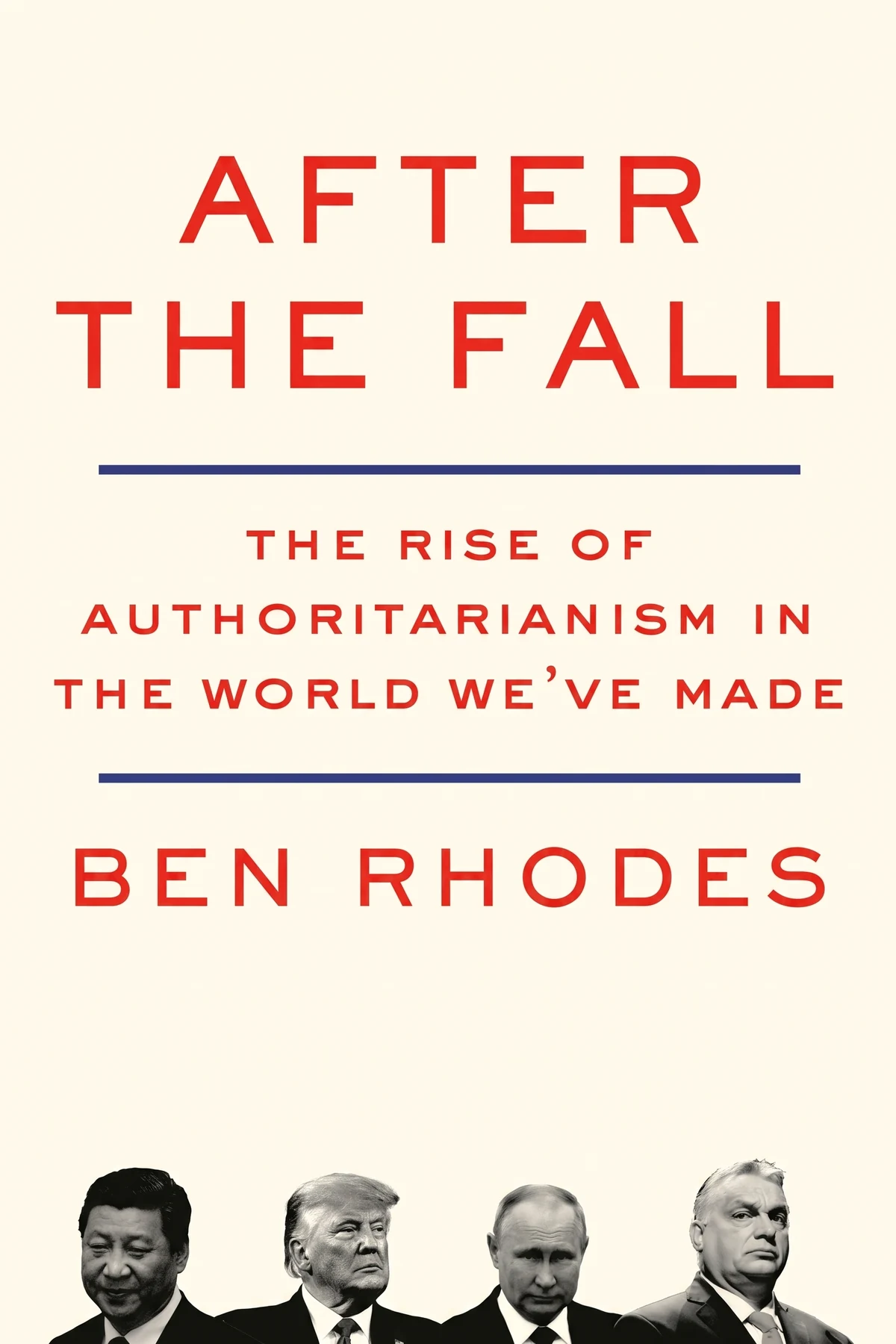
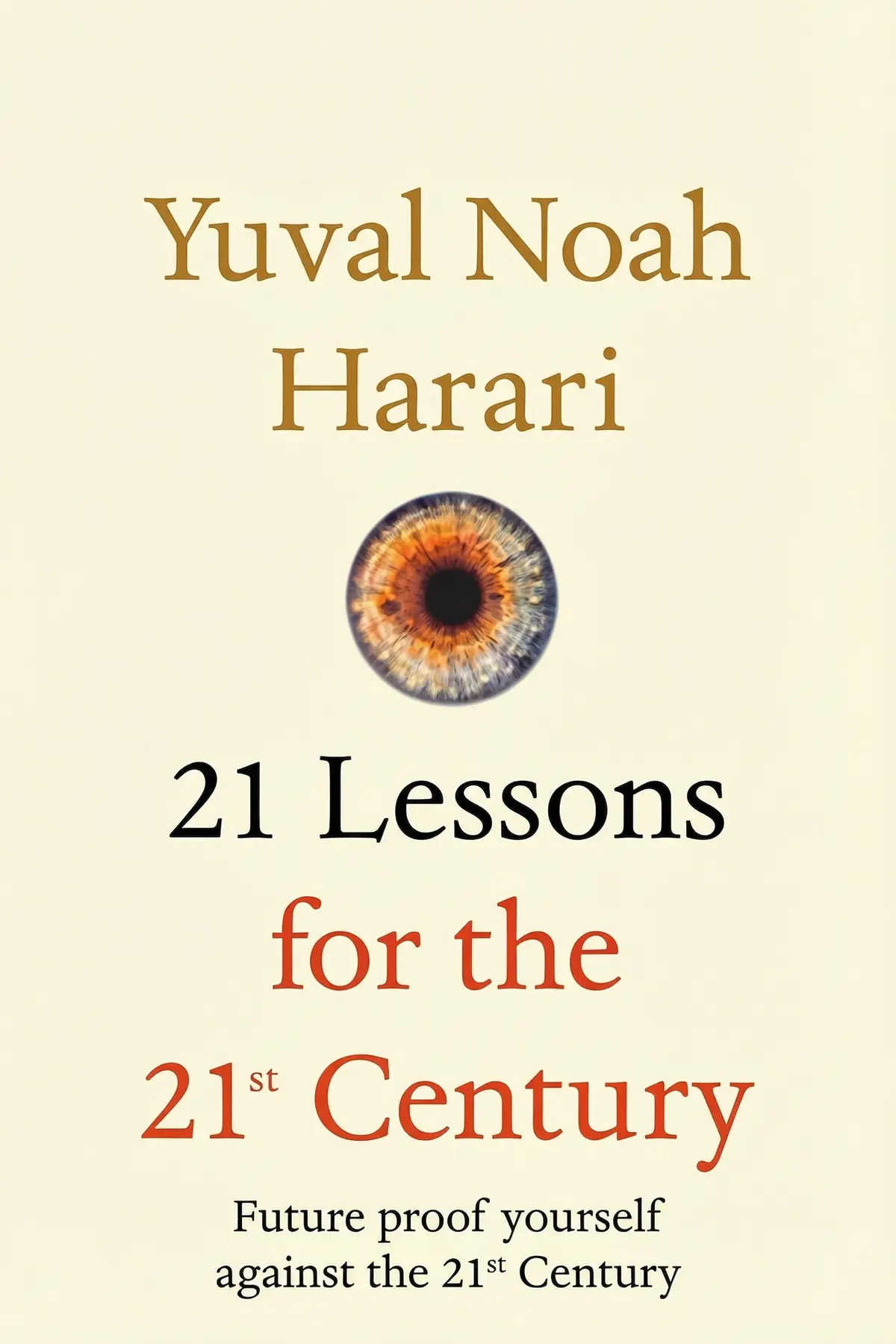
21 Lessons for the 21st Century
Yuval Noah Harari
Age of Anger: A History of the Present
Pankaj Mishra
A Different Kind of Power: A Memoir
Jacinda Ardern
Age of Propaganda: The Everyday Use and Abuse of Persuasion
Anthony Pratkanis
1929: Inside the Greatest Crash in Wall Street History--and How It
Andrew Ross Sorkin
AUDIO SUMMARY AVAILABLE
Listen to Dark Towers in 15 minutes
Get the key ideas from Dark Towers by David Enrich, plus 5,000+ more titles in English and Thai.
- 5,000+ titles
- Listen as much as you want
- 7-day free trial
- Cancel anytime







