
The Professor in the Cage: Why Men Fight and Why We Like to Watch
Jonathan Gottschall
Explore the biological and psychological drive behind our obsession with narrative. This summary reveals why humans are hardwired for fiction and how stories shape our survival, morality, and identity.
1 min 35 sec
What is it, exactly, that sets the human race apart from the rest of the animal kingdom? For a long time, we pointed to our intellect or our ability to use complex tools. We used to believe that recognizing one’s own reflection in a mirror was a uniquely human trait, but we now know that several other species share that self-awareness. However, there is one behavior that seems entirely exclusive to us: the compulsive need to inhabit worlds that don’t exist. We are the only creatures on Earth who can lull our children to sleep by recounting the adventures of a fictional superhero or a talking rabbit. We are, at our core, the storytelling animal.
From the moment we wake up until the moment we drift off into the vivid hallucinations we call dreams, we are immersed in narrative. We don’t just consume stories; we are addicted to them. This isn’t just about the books on our nightstands or the movies we stream on the weekend. Storytelling permeates our work, our sports, our religions, and even our most private thoughts. In this exploration, we will dive deep into why evolution has hardwired us this way. We will look at how stories act as a sort of mental flight simulator, preparing us for the obstacles of real life. We’ll examine the curious way our brains reject randomness, preferring a structured lie over a messy truth, and why our own life stories are often more fiction than fact. By understanding our incurable obsession with make-believe, we gain a profound new perspective on what it truly means to be human.
1 min 45 sec
We spend far more time in imaginary worlds than we realize, from the structured drama of sports to the thousands of fleeting daydreams that occupy our daily lives.
1 min 54 sec
Your brain craves conflict, not comfort. Discover why trouble is the secret ingredient that makes stories—and life—actually worth paying attention to.
1 min 57 sec
Stories serve an evolutionary purpose by allowing us to experience high-stakes scenarios and social complexities without the danger of real-life consequences.
1 min 47 sec
Dreams are not just random neurological noise; they are structured narratives that function as an ancient training ground for handling existential threats.
1 min 59 sec
Our brains are hardwired to find meaning and order in chaos, leading us to create narrative explanations even when none exist.
1 min 51 sec
Stories are more than entertainment; they are the fundamental moral and social frameworks that bind societies together and drive historical change.
1 min 52 sec
The stories we tell about ourselves are often heavily edited, as our brains prioritize a positive and coherent self-image over factual accuracy.
2 min 00 sec
As technology advances, our storytelling habit is not dying but evolving into more immersive and potentially addictive forms like virtual reality and gaming.
1 min 15 sec
The realization that we are fundamentally storytelling animals changes the way we look at almost everything we do. We aren’t just logical beings who occasionally enjoy a good book; we are narrative-driven creatures whose very survival and social structure depend on the power of the imaginary. Our brains are built to find trouble, to simulate solutions, and to weave meaning into the fabric of a chaotic universe. From our nightly dreams to our shared cultural myths, storytelling is the primary technology we use to navigate the human experience.
As you move forward, recognize the stories you are constantly telling yourself and others. Understand that your memories are not objective records, but edited scripts designed to keep you moving forward. Embrace the fact that your daydreams are not a waste of time, but a vital part of your cognitive maintenance—a way to learn from the past and plan for the future. By leaning into our narrative nature, we can become more empathetic, better prepared for adversity, and more aware of the fictional ‘glitches’ in our own perception. We live in a world made of stories; the more we understand the craft, the better we can navigate the plot of our own lives.
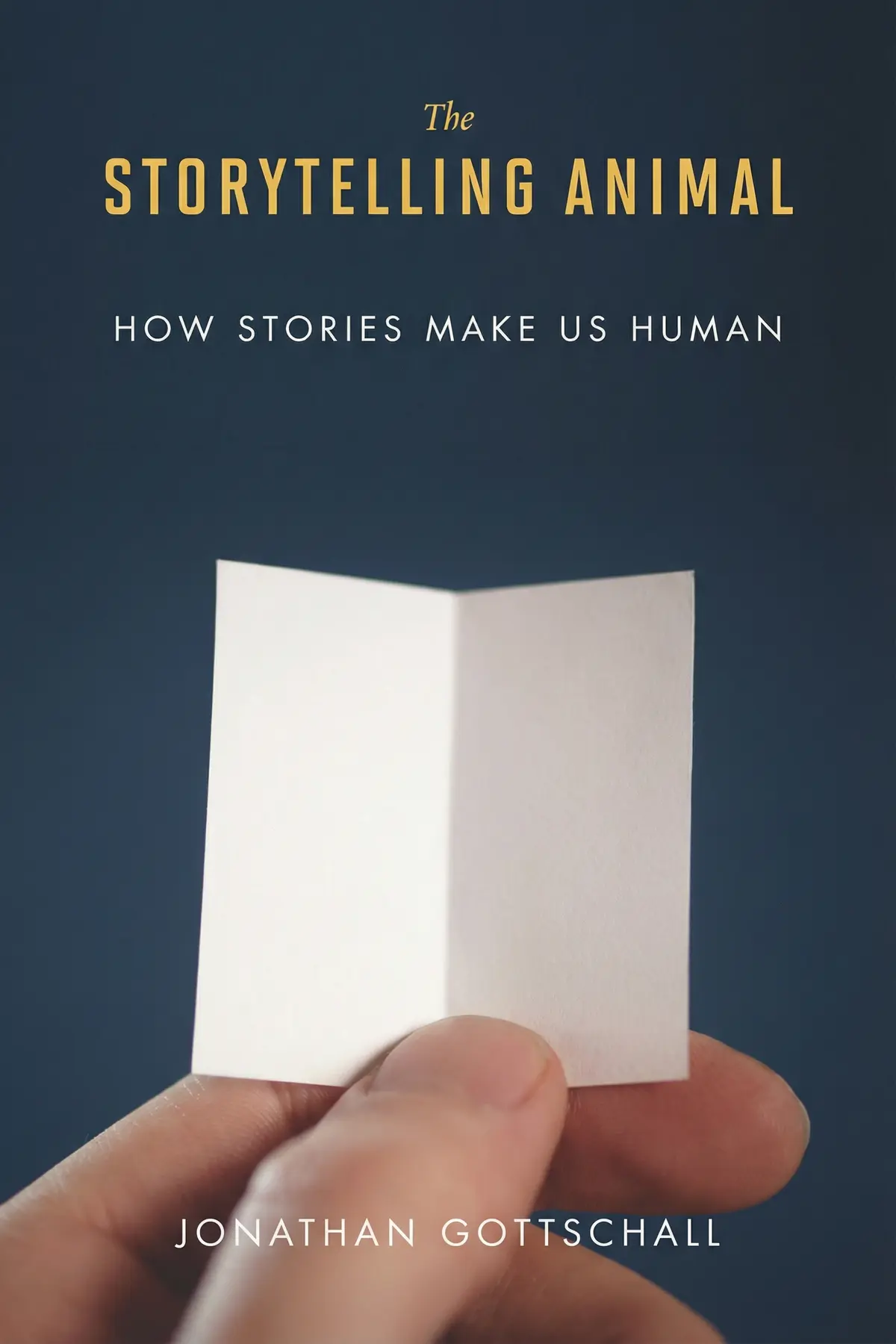
The Storytelling Animal explores the fascinating concept that humans are biologically programmed to live in a world of make-believe. From the daydreams that occupy our working hours to the intense dramas of our nightly sleep, narrative is the primary lens through which we view the world. Jonathan Gottschall argues that storytelling isn't just a leisure activity; it is a fundamental evolutionary tool that helps us navigate social complexities and prepare for life's challenges. This summary delves into why our brains are so allergic to randomness that we invent conspiracies, and why we are more moved by fictional characters than by cold, hard facts. It promises to change the way you view your own memories and the entertainment you consume, revealing the hidden machinery of the human mind that turns every experience into a coherent, if not always accurate, story.
Jonathan Gottschall is a distinguished literary scholar at Washington and Jefferson College. A prolific writer, he has authored six books and contributes regularly to major publications including the New York Times Magazine, Nature, and Scientific American.
Jonathan Gottschall
Listeners find this book thought-provoking and deeply enjoyable, providing sharp insights and a fascinating psychological synthesis. Additionally, the charming writing style makes it an excellent asset for authors, and listeners deem it a mandatory read. They value the way the text examines narrative’s vital role in connecting humans, with one listener pointing out how stories follow an easily identifiable moral logic. However, the thoroughness gets varied feedback, as some find it to be a diverse overview while others argue it lacks substantial depth.
Every writer needs to pick this up immediately if they want to understand the biological machinery driving their audience’s engagement. Gottschall argues convincingly that we aren't just consumers of stories; we are the "storytelling animal," living in a world of narrative from the moment we dream until we die. His insights into why we prefer stories about trouble and trauma—essentially as a safe space for problem-solving practice—shifted my entire perspective on craft. The prose is stimulating and moves with a brisk energy that makes complex psychological concepts feel accessible and immediate. Frankly, it’s essential reading for anyone who believes that fiction is more than just a way to kill time. It explains why stories are our primary tool for human connection.
Show moreTruth is, we’re all just making it up as we go, and this book explains why that’s actually a good thing for our survival. Gottschall explores the idea that our "inner storyteller" creates a flattering version of reality to keep us from falling into a pit of existential despair. Without the ability to weave our lives into a coherent plot, the sheer insignificance of being a tiny speck in the universe would be too much to bear. The writing is snappy and fast-paced, making it an easy weekend read for anyone who enjoys popular science. It’s a beautiful reminder that stories are the glue that holds our societies and our individual identities together. I found it thoroughly enjoyable and deeply insightful regarding our need for positive illusions.
Show moreFinally got around to reading this, and I have to say it’s a delightful resource for understanding human connection through the lens of narrative. Gottschall’s argument that we are "hard-wired" for story is presented with such enthusiasm that it's hard not to get swept up in his vision. Whether he's talking about children playing pretend or the complex simulations of modern video games, he makes a strong case for storytelling as a fundamental part of the human experience. Some might find it a bit light on the heavy-duty science, but for a general audience, it hits exactly the right notes. It’s a punchy, smart, and ultimately very human book that I’d recommend to any reader. It reminds us that we are the only species that lives in ink worlds.
Show moreGottschall manages to weave a fascinating narrative about narrative itself, demonstrating that our brains are essentially wired for fiction. While the book leans heavily on psychological synthesis rather than traditional literary theory, the writing style is undeniably delightful and engaging. I particularly appreciated the exploration of how stories follow a moral logic that binds us together as a social species. It's a quick read, perhaps a bit breezy for those seeking deep academic rigor, but it serves as a terrific resource for anyone interested in the "why" behind our obsession with movies and books. The way he connects ancient myths to modern-day video games like World of Warcraft is both clever and illuminating. Even when he wades into neurological studies that might feel a bit oversimplified, his enthusiasm for the subject is infectious.
Show moreAs a lifelong fiction lover, I found this book to be an incredibly validating and thought-provoking look at our species' unique traits. Gottschall points out that while bees and ants communicate vital facts, only humans spend hours obsessing over people who never actually existed. This ability to "loaf around" with a novel isn't just a waste of time; it’s an evolutionary advantage that enhances our social skills and moral cohesion. The way he synthesizes psychology to explain our internal "ink houses" and "inky problems" is both charming and intellectually stimulating. Despite a few weirdly graphic asides that felt unnecessary, the overall message about the necessity of self-delusion for mental health is powerful and stayed with me long after I finished. It’s a compelling look at the stories we tell ourselves to survive.
Show moreEver wonder why stories always seem to follow such a specific moral logic regardless of the culture they come from? Gottschall dives into this mystery, showing how fiction acts as a moral laboratory where we can test out values and social behaviors without real-world consequences. It’s a compelling synthesis of psychology and evolutionary biology that feels both fresh and essential for understanding our modern world of reality TV and social media. The prose is lively and full of "Aha!" moments that make you look at your own favorite movies in a completely different light. While the depth varies from chapter to chapter, the overall impact is one of genuine intellectual excitement. It’s a great resource for understanding how narratives shape our behavior and customs.
Show moreThe core thesis here—that humans are hard-wired for story—is absolutely fascinating, but the execution left me wanting much more depth. It reads very much like a Malcolm Gladwell-inspired survey, entertaining and light, yet sometimes it feels like it’s just skimming the surface of much larger ideas. I found the sections on virtual worlds and video games quite bold, especially how he defends gamers as people seeking a more meaningful narrative than their everyday lives provide. However, the author tends to dismiss centuries of religious tradition a bit too casually with a few Steven Pinker quotes. It’s a fun, middle-brow exploration of the subject, but don't expect it to be a comprehensive scientific or literary tome. Good for a plane ride, but perhaps too breezy for a deep dive.
Show moreIs it a bit weird? Yes, definitely, particularly when the author starts describing an evil masturbating elf in a laundry room to make a point about the darker side of imagination. Gottschall has a tendency to pad his arguments with narrative asides and odd photographs that don't always feel necessary to the central point. That said, the exploration of dreams as a form of "nightly storytelling" was probably the most compelling part of the entire book. He treats narrative as a biological imperative, which is a fresh take, even if he ignores the work of traditional literary critics in favor of pop science. It’s an eclectic overview that is worth your time, provided you don't mind a little eccentricity and some rather thin engagement with religious history along the way.
Show moreWhat promised to be a profound investigation into the human psyche ended up feeling like a collection of anecdotal fluff and repetitive metaphors. The "ink people" concept, while poetic on the surface, lacks the intellectual weight needed to carry a serious argument about the power of scripture or fiction. It truly felt like I was reading an expanded high school essay where the author chooses a gut feeling and then drags in random references to support it. To be fair, some of the scientific studies mentioned are intriguing, but they are often overshadowed by pointlessly graphic examples that feel out of place in a serious nonfiction work. This book misses the mark on providing a truly well-supported theory for our narrative inclinations. I expected a much deeper struggle with the primary sources than what was delivered here.
Show moreI wanted to like this, but I found the lack of academic rigor and the reliance on anecdotes incredibly frustrating throughout the entire reading experience. Instead of engaging deeply with primary sources or the rich history of literary criticism, the author mostly relies on popular culture and personal "gut feelings." The comparison of religious history to World of Warcraft felt shallow and dismissive, lacking the nuance that a subject this massive deserves. It seems like Gottschall was more interested in being "breezy" and entertaining than in providing a robust, well-supported theory. If you want a serious study on the evolution of narrative, you are better off looking elsewhere for something with more starch and less padding. A disappointing attempt at a fascinating topic.
Show more
Richard Wiseman
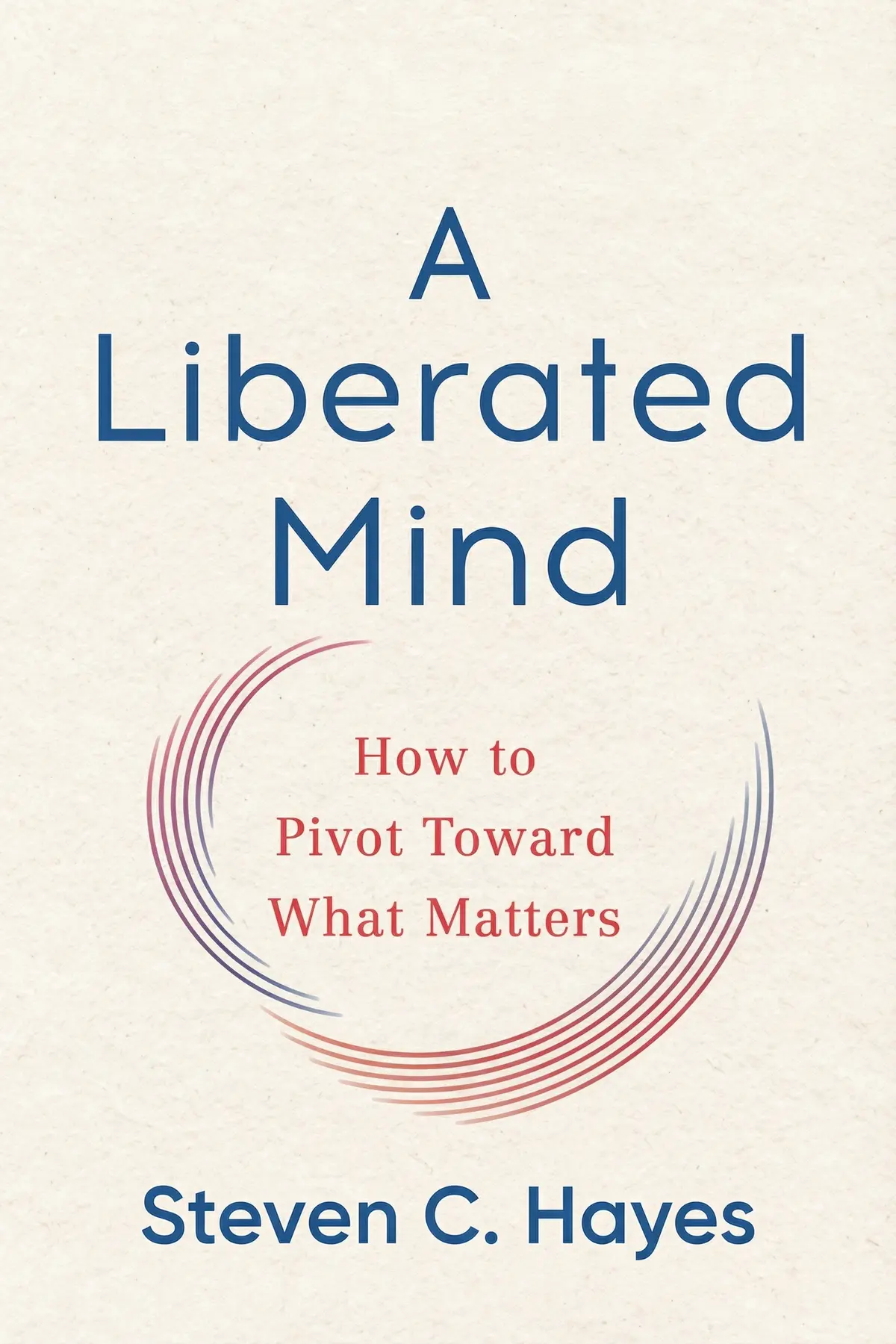
Steven C. Hayes
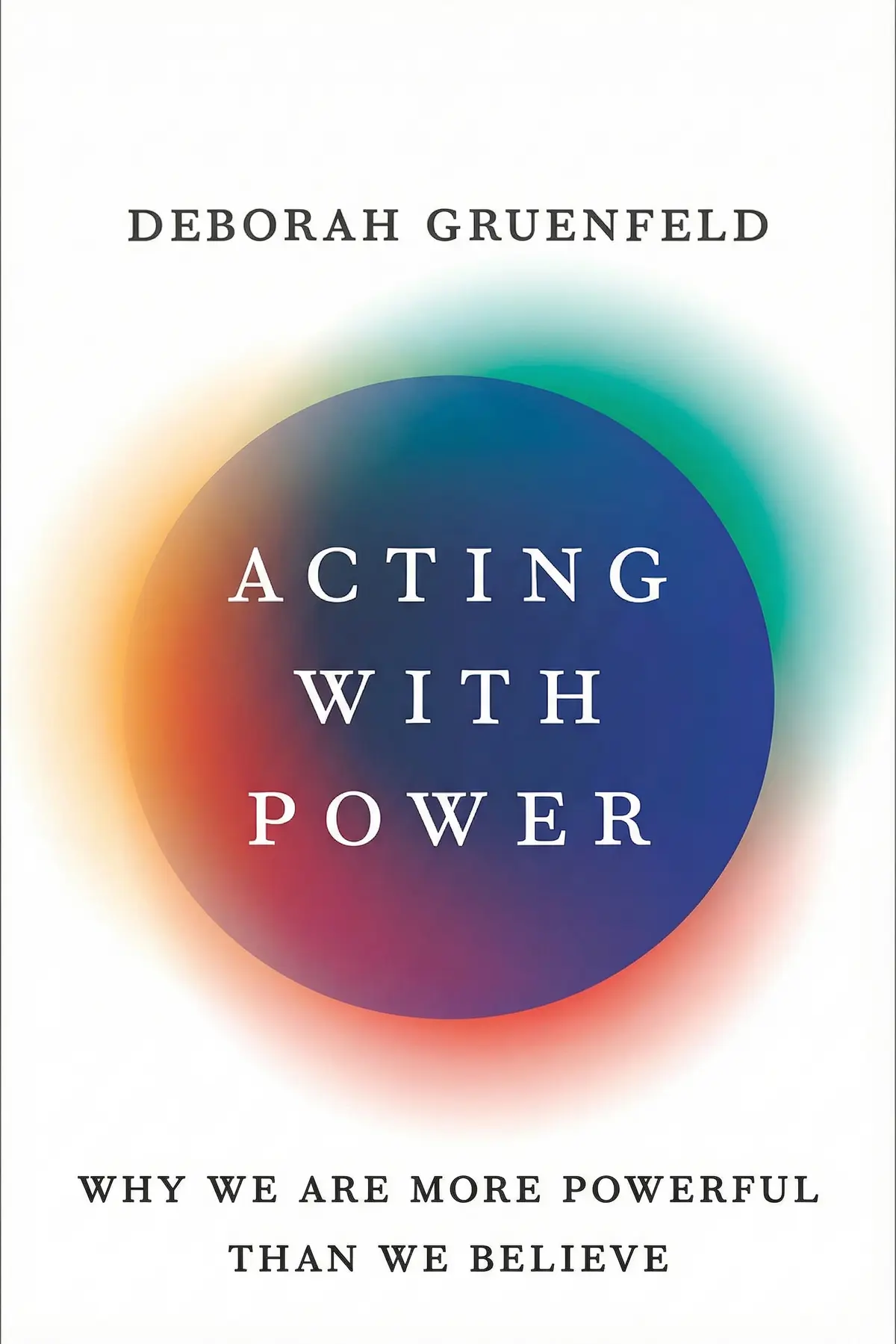
Deborah Gruenfeld
Anthony Pratkanis
AUDIO SUMMARY AVAILABLE
Get the key ideas from The Storytelling Animal by Jonathan Gottschall, plus 5,000+ more titles in English and Thai.







