
13 min 16 sec
The Stress Paradox: Why You Need Stress to Live Longer, Healthier, and Happier
Explore the revolutionary science of hormesis to transform stress from a silent enemy into a powerful catalyst for cellular repair, metabolic health, and cognitive longevity through five actionable lifestyle pillars.
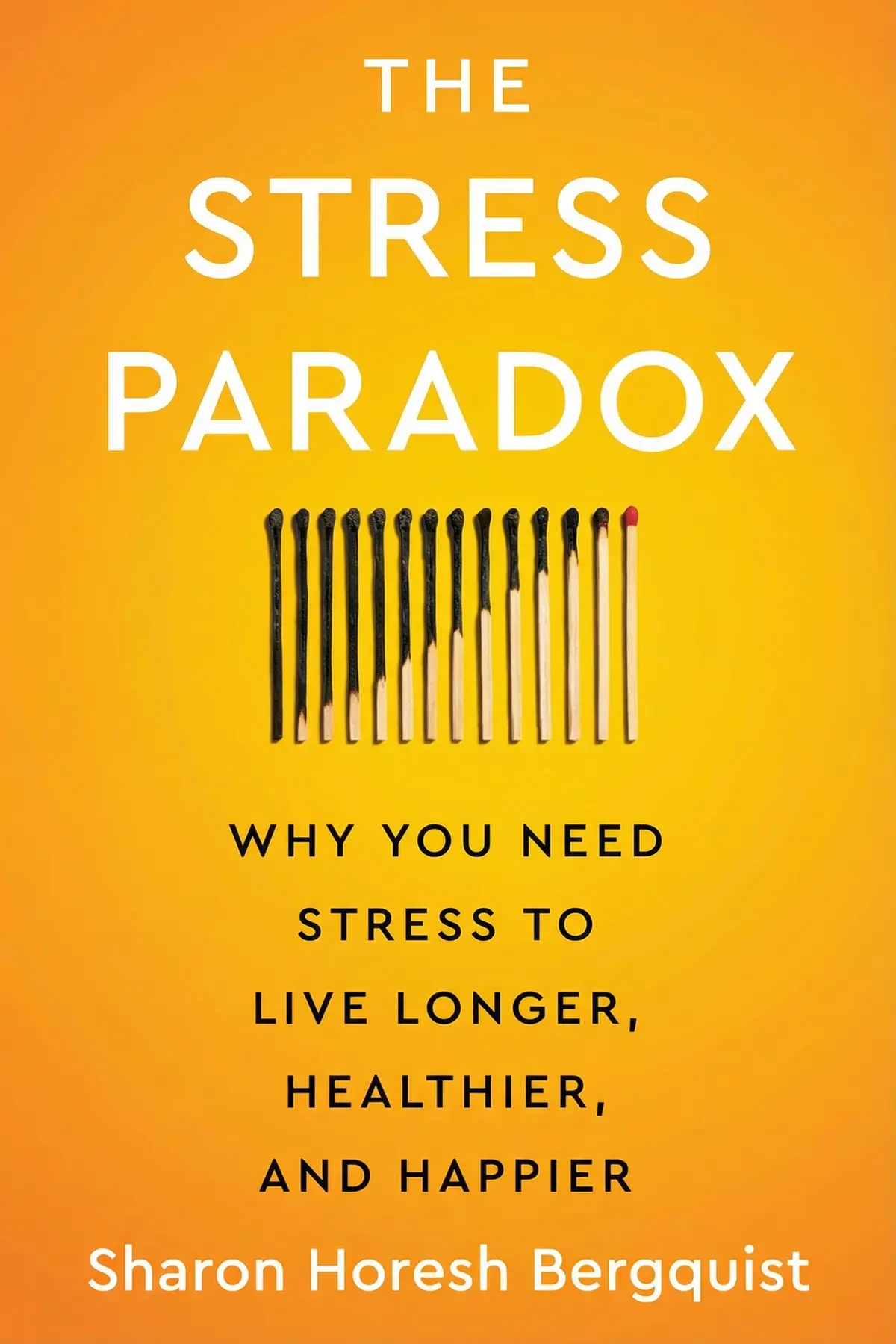
Table of Content
1. Introduction
1 min 47 sec
We live in an era that treats stress as the ultimate villain. From wellness retreats to meditation apps, the cultural narrative is clear: we must eliminate stress at all costs to lead a healthy life. But what if this avoidance is actually making us more vulnerable? Sharon Horesh Bergquist introduces a counterintuitive reality: our bodies were not designed for a life of perpetual comfort. When we remove every challenge, every dip in temperature, and every pang of hunger, our biological systems begin to languish. The true secret to longevity and vitality isn’t the absence of stress, but the presence of the right kind of stress.
This is the core of what is known as the stress paradox. While chronic, overwhelming stress can indeed lead to burnout and disease, controlled, short-term bursts of stress—a process called hormesis—act as a biological wake-up call. These manageable challenges tell our cells to stop idling and start repairing. They trigger a process of cellular house cleaning that clears out damage, strengthens our DNA, and bolsters our natural defenses against the very chronic conditions we fear most, such as heart disease and cognitive decline.
In the following sections, we will explore a roadmap for reclaiming this lost resilience. We will look at how we can use our diet, our daily routines, and even our environment to spark these internal repair systems. By understanding the Five-Stage Stress Paradox Protocol, you will see how to find the ‘Goldilocks zone’ of stress—the perfect amount that stretches you enough to grow without pushing you toward a breaking point. It’s time to stop running from stress and start using it as a tool for a more energized and resilient life.
2. The Biological Foundation of Hormesis
2 min 04 sec
Discover how a nineteenth-century experiment with yeast revealed a hidden survival mechanism that turns low doses of toxins into a powerful health tonic for human cells.
3. Harnessing the Defensive Power of Plants
1 min 58 sec
Learn why the natural toxins produced by plants for their own survival are the very chemicals that trigger your body’s most sophisticated internal repair systems.
4. The Metabolic Benefits of Strategic Fasting
1 min 55 sec
Explore how giving your body a regular break from food can reset your insulin levels and flip a biological switch from storage mode to deep repair.
5. Movement as a Tool for Mitochondrial Renewal
1 min 58 sec
Discover why pushing your body just beyond its comfort zone is the key to creating more energy and protecting your brain from age-related decline.
6. Building Resilience through Extremes and Engagement
2 min 07 sec
Uncover how intentional exposure to hot and cold, combined with purposeful mental challenges, can sharpen your focus and fortify your emotional resolve.
7. Conclusion
1 min 27 sec
The Stress Paradox brings us back to a fundamental truth: we are the biological descendants of survivors. Our bodies are built to face challenges, and it is through those challenges that we find our greatest strength. We have seen how the protocol of hormesis—incorporating plant-based ‘toxins,’ strategic fasting, purposeful movement, thermal extremes, and cognitive growth—can transform our health from the inside out. This isn’t about adding more burden to an already busy life; it’s about changing the nature of the challenges we face. It’s about trading the grinding, chronic distress of modern life for the sharp, revitalizing bursts of good stress that our cells crave.
As you begin to implement these changes, remember the most critical component of the paradox: the rhythm of recovery. Hormesis only works if the stress is followed by a period of rest. It is in the stillness after the cold plunge, the sleep after the workout, and the peace after a mental challenge that the actual rebuilding happens. By respecting this natural ebb and flow, you will find that you are not only more resilient to life’s inevitable pressures but that you are living with a level of energy and clarity that comfort alone could never provide. Embrace the challenge, trust the process of repair, and step into a life where stress is no longer your enemy, but your most trusted ally in the pursuit of longevity and well-being.
About this book
What is this book about?
The Stress Paradox challenges the pervasive belief that all stress is detrimental to our health. Instead, it introduces the concept of hormesis—the biological phenomenon where low doses of specific stressors actually trigger the body’s internal repair and defense mechanisms. The book argues that our modern, hyper-comfortable lifestyle has stripped away the natural challenges our bodies evolved to handle, leading to stagnation and chronic disease. By following a science-backed protocol, listeners learn how to strategically reintroduce 'good stress' into their lives. This includes consuming specific plant-based compounds, practicing time-restricted eating, engaging in purposeful physical exertion, exposing the body to temperature extremes, and seeking out cognitive challenges. The promise is a path to enhanced resilience, sharper focus, and a longer, more vibrant life by leveraging the very forces we typically try to avoid. It is a comprehensive guide to building a body and mind that don't just survive pressure but thrive because of it.
Book Information
About the Author
Sharon Horesh Bergquist
Sharon Horesh Bergquist is a distinguished internal medicine physician, scientist, and a leading authority on healthy aging and resilience. As the founding director of the Emory Lifestyle Medicine & Wellness program, she is a dedicated advocate for evidence-based lifestyle interventions. Through her extensive research, writing, and teaching, Dr. Bergquist empowers individuals to use scientific strategies to improve their health span and harness stress as a vital tool for growth.
Ratings & Reviews
Ratings at a glance
What people think
Listeners appreciate the book’s constructive take on managing stress, with one highlighting how it gives people the power to channel stress productively. Furthermore, it is seen as a highly useful resource full of evidence-based information, making it a fantastic listen. In addition, listeners value the positive impact on wellness, with one mentioning that it delivers specific routines for better living and the prevention of chronic health issues.
Top reviews
Olivia
As someone who has quite a bit of 'stress' in my life, this seemed like a very intriguing read, and it went way beyond my expectations. I've been loving books that make me want to be a better person and strive to improve my mental and physical wellbeing. Bergquist teaches us how to shift our mindset from seeing all stress as a villain to seeing certain types as essential catalysts for growth. The chapters on how we can train our bodies to handle challenges through temperature shifts and exercise were eye-opening. I feel more balanced now, and I genuinely look forward to a re-read to catch the nuances I missed. I am definitely going to gift this book to some family and friends upon release because the empowering tone is exactly what people need right now. It makes the idea of resilience feel achievable rather than just another item on the to-do list.
Show moreSomsri
Sharon Horesh Bergquist has written a masterclass on longevity that flips the script on modern wellness. In a world where everyone seems to strive to be 'zen' and 'stress-free,' this was really refreshing to see how 'good stress' can help our resilience. The book covers five main areas—nutrition, fasting, exercise, temperature, and mental grit—and explains how each triggers an internal housekeeping process. I was fascinated by the history of Hugo Schulz and the yeast experiments from the 1800s. It’s amazing how long we’ve known about these principles without applying them to our daily routines! The advice on using exercise as a targeted stressor to boost energy production in cells is life-changing for someone dealing with chronic fatigue. This isn't about glorifying suffering; it's about intentional growth. It’s easily one of the most empowering books I’ve read this year, offering a clear roadmap to a more vital life.
Show morePla
This book provides a fascinating perspective on how our bodies actually thrive under pressure, which is a complete 180 from the usual 'avoid stress at all costs' advice. Bergquist introduces the concept of hormesis—the idea that short, controlled bursts of stress can actually trigger cellular repair and strengthen our resilience. I especially appreciated the deep dive into phytochemicals like resveratrol and how they act as a natural defense system for the body. To be fair, the book can get a bit bogged down in the science without always citing specific studies, which left me wanting to check her sources. However, the practical advice regarding the 14-hour fasting window and mitochondrial health felt incredibly actionable. It’s a solid manual for anyone looking to build a more robust physical and mental foundation against chronic disease. I’ve already started incorporating more variety in my plant-based meals to activate those sirtuins she mentions.
Show moreDek
Finally got around to reading Bergquist’s take on lifestyle medicine, and the practical protocols she provides are worth the price of admission alone. Most people view stress as a one-way street to burnout, but this book highlights how we can harness it to prevent chronic conditions like diabetes and heart disease. I found the section on mitochondrial dysfunction particularly enlightening; it explained my recent brain fog better than any doctor has. The suggestion to align eating habits with a 14-hour fast to sync with the body’s circadian rhythm is something I’ve started implementing this week. The prose is clear and accessible, though there were sections where the repetition of the 'hormesis' term felt a bit much. Still, the message is vital: we are built to handle challenges, and our modern lives of extreme convenience are actually making us weaker. It's a refreshing call to action.
Show moreBam
After hearing about the concept of 'hormesis' in a podcast, I decided to dive deeper with this book, and I wasn't disappointed. The paradox is simple: avoiding all discomfort makes you fragile. Bergquist does a great job of explaining how to find the 'sweet spot' for health benefits. For instance, knowing that just 11 minutes of cold exposure a week can improve insulin sensitivity makes the idea of a cold shower much more palatable. I did feel the author was trying to beat me over the head with the core message at times, but the quality of the advice kept me engaged. The focus on sirtuins and DNA repair makes the biological stakes feel very real. Not gonna lie, the repetition is there, but the underlying science is too important to ignore. It has definitely changed how I view my morning workout and my diet.
Show morePraepimon
Not what I expected, but in a way that actually made me change my morning routine for the better. The Stress Paradox is less about managing your boss and more about managing your biology. I loved the breakdown of how different phytochemicals, like sulforaphane from broccoli, trigger detoxification pathways. It’s a very practical book filled with scientific insights that feel like they belong in a textbook but are written for the average reader. My only real complaint is that it lacked some depth on the recovery side of the equation; she mentions it's important, but doesn't give it nearly as much page time as the stressors. Still, the idea that we can activate our body’s natural defenses through targeted challenges is incredibly motivating. I feel much more equipped to handle both physical and mental stressors after finishing this. A great addition to any health-conscious reader's library.
Show moreGift
The chapter on phytochemicals was the standout for me, specifically the discussion on how varied plant foods can help build new mitochondria. It’s a great way to describe the different types of stress and their place in our lives without making it sound like a chore. The book is well-researched and makes a compelling case for stepping out of our climate-controlled comfort zones. While it could be a bit repetitive at times, the overall message is one of hope and agency. We aren't just victims of our genetics; we can use 'good stress' to reshape our health. I'll be keeping this on my shelf as a reference guide for the specific temperature and fasting protocols. Truth is, we all need a little more 'good stress' to keep our systems running at their peak. It's an eye-opening read that I’d recommend to anyone interested in functional medicine or aging gracefully.
Show moreOak
Picked this up because I wanted to understand the biological mechanism behind things like fasting and ice baths. The truth is, the core concept of 'The Stress Paradox' is brilliant: stress can be your friend if you manage the dose. I learned a lot about how plants produce defense chemicals that actually help human cells clean up house through autophagy. However, the writing style felt a little uneven. At times it was very engaging and practical, and at other times it felt like a repetitive lecture. It could have been much tighter. I also would have liked more guidance on how to balance these stressors with recovery, as the 'how' was a bit vague in the mental resilience section. It’s a decent introductory text for those new to the idea of hormesis, but it might test your patience if you prefer concise, fast-paced non-fiction.
Show moreJan
Ever wonder if your organic produce is actually doing more for you than just being pesticide-free? This book explores the idea that plants grown under environmental stress are actually healthier for us because they contain more protective phytochemicals. It’s an interesting view and was fairly well-written overall. My main gripe is that the middle sections felt like they were going in circles. I understood the concept of 'good stress' by page fifty, but the author kept re-explaining it using different analogies that didn't add much value. Personally, I would have preferred more specific case studies or more detailed scientific citations to back up some of the bolder claims about cancer prevention. It is definitely worth reading if you can skim past the repetitive parts, but don't expect a fast-paced narrative. It’s a slow-burn health manual with some very high-quality nuggets of wisdom hidden throughout.
Show moreKom
The amount of repetition here is genuinely staggering and made it difficult to get through the latter half of the book. While I enjoyed the beginning and thought the explanation of different stress types was well-handled, the author keeps beating you over the head with the same points. Look, the concept of 'good stress' is interesting, but I don't need to be told how exercise and fasting work twenty different times. Frankly, it felt like a long-form article that was stretched thin to meet a book's word count. There are some good takeaways regarding cold and heat exposure protocols—specifically that 11-minute cold/57-minute heat weekly sweet spot—but you have to sift through a lot of redundant fluff to find them. If you’re already familiar with the basics of biohacking or functional medicine, this might feel like a repetitive retread of things you already know.
Show moreFeatured in
Readers also enjoyed

AUDIO SUMMARY AVAILABLE
Listen to The Stress Paradox in 15 minutes
Get the key ideas from The Stress Paradox by Sharon Horesh Bergquist, plus 5,000+ more titles in English and Thai.
- 5,000+ titles
- Listen as much as you want
- 7-day free trial
- Cancel anytime







