
A Life Decoded: My Genome: My Life
J. Craig Venter
Explore the surprising intersection of subatomic physics and ancient Eastern philosophies. This summary reveals how modern science and mystical traditions both point toward a deeply interconnected, dynamic, and unified universe.
1 min 42 sec
For centuries, the Western world has operated on a logic of separation. We have seen the laboratory and the temple as two entirely different countries, speaking languages that could never be translated. Science was the realm of the hard, the cold, and the measurable, while spirituality was relegated to the soft, the internal, and the mysterious. But what if this wall is actually an illusion? What if the most cutting-edge discoveries in the world of subatomic particles are actually just proving what Eastern sages have been saying for thousands of years?
This is the provocative throughline we are about to explore. We are looking at a landscape where the rigid boundaries of classical physics have begun to melt away, replaced by a reality that is fluid, interconnected, and fundamentally alive. As we move through these ideas, we will see how the concept of the ‘lone object’ is being replaced by the ‘unified field.’ We will discover why the act of looking at something actually changes what we see, and how the ancient concepts of the Tao, Brahman, and Nirvana find their echoes in the equations of quantum mechanics.
This journey isn’t just about comparing notes between scientists and monks. It’s about a fundamental shift in how we perceive our place in the cosmos. If the universe is not a collection of separate parts, but a single, dynamic whole, then every discovery in physics is a discovery about ourselves. So, let’s set aside our traditional assumptions about what is ‘rational’ and what is ‘intuitive’ and step into a world where these two paths finally converge. Through the lens of physics and the wisdom of the East, we are going to look at the fabric of reality itself and find that it is much more beautiful and integrated than we ever dared to imagine.
2 min 35 sec
Explore how the seemingly separate paths of scientific logic and mystical intuition actually lead to the same profound understanding of the universe.
2 min 50 sec
Witness the transition from the predictable world of classical physics to the strange and paradoxical reality of the subatomic realm.
2 min 36 sec
Discover how ancient Indian philosophies describe a world where all individual things are merely different expressions of a single reality.
2 min 31 sec
Learn about the Taoist approach to nature, where reality is seen as a continuous flow shaped by the interplay of yin and yang.
2 min 26 sec
Examine how the dual nature of light and matter mirrors the mystic belief that all opposites are actually part of a unified whole.
2 min 20 sec
See how Einstein’s relativity destroyed the old boundaries of time and space, echoing the enlightened vision of interpenetration.
2 min 26 sec
Uncover the constant motion at the heart of matter, where energy and mass are simply different versions of the same cosmic dance.
2 min 38 sec
Understand how the ‘vacuum’ of space is actually a field of infinite potential, mirroring the mystic concept of the Void.
2 min 03 sec
As we close this exploration, we can see that the lines between the laboratory and the temple are not nearly as thick as we once believed. We started with a vision of a fragmented world—a world of separate objects, separate people, and a separate ‘mind’ looking at a ‘material’ reality. But through the combined insights of modern physics and Eastern mysticism, that fragmented world has dissolved into something much more profound: a single, unified, and dynamic whole.
We’ve seen how the ‘solid’ matter of our daily lives is actually an illusion, a temporary concentration of energy in a vast, interconnected field. We’ve discovered that space and time are not separate containers, but a single, four-dimensional fabric that we are woven into. We’ve learned that we cannot even observe the world without becoming a part of it, proving that the ‘observer’ and the ‘observed’ are two sides of the same cosmic process.
What does this mean for us today? It means that the wisdom of the past and the science of the future are telling us the same story. They are telling us that we are not isolated islands in a cold, empty universe. We are part of a ‘dance’ that has been going on for billions of years—a dance of energy, change, and interconnectedness.
The invitation here is to carry this sense of ‘oneness’ out of the realm of theory and into our daily lives. When we see the world as a unified whole, our perspective on everything changes. We begin to see that our actions, our thoughts, and our environment are all deeply linked. The ‘Tao’ of physics is more than just a set of parallels; it is a call to recognize the harmony that is already present in the universe. By embracing both our rational curiosity and our intuitive wisdom, we can begin to live in a way that is more aligned with the true, interconnected nature of reality.
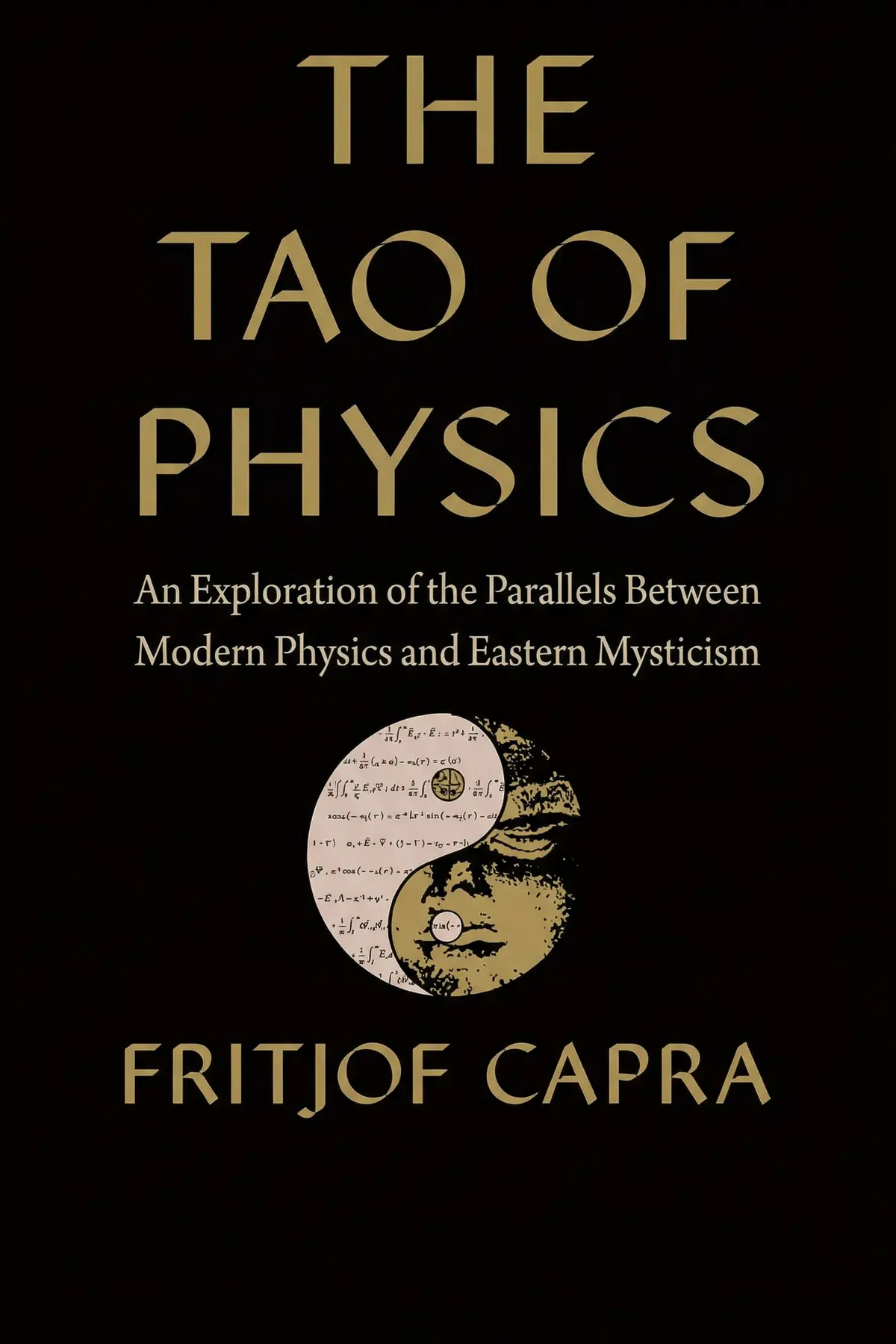
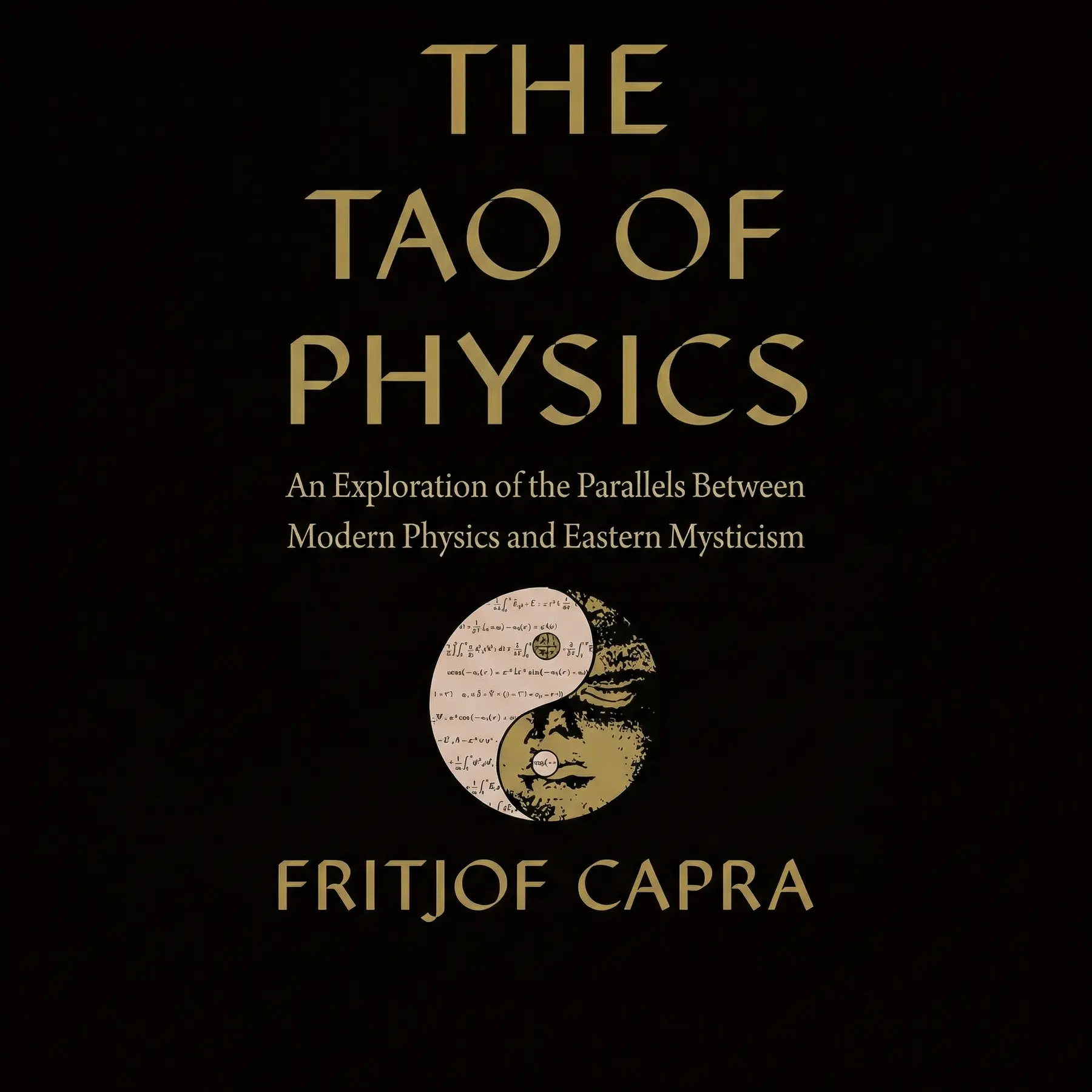
The Tao of Physics explores the profound parallels between the discoveries of modern subatomic physics and the ancient spiritual traditions of the East, including Hinduism, Buddhism, and Taoism. At its core, the book challenges the traditional Western view of a world made of separate, isolated objects. Instead, it invites the reader to see the cosmos through the lens of modern science—a realm where space and time are one, matter is energy, and the observer is never truly separate from the observed. By comparing the mathematical breakthroughs of icons like Einstein with the meditative insights of ancient sages, the text promises a bridge between two seemingly opposite worlds. It suggests that the deeper we dive into the nature of atoms, the more we find ourselves echoing the wisdom of the Tao and the Vedas. Whether you are interested in the paradoxes of quantum mechanics or the philosophical roots of Asian mysticism, this exploration provides a holistic perspective on how the universe functions as a single, ever-changing dance of energy.
Fritjof Capra holds a PhD in theoretical physics from the University of Vienna. He is a prolific author and lecturer on the philosophical aspects of modern science. Capra’s other books include The Turning Point, Uncommon Wisdom and The Web of Life.
Listeners find this work both well-crafted and easy to read, noting that its sophisticated prose remains approachable for non-experts. Furthermore, they value the thorough examination of Eastern spiritual traditions and the author’s skill in explaining complex principles of contemporary physics, especially regarding quantum mechanics. The text is also praised for its profound nature, with one listener characterizing it as a timeless handbook for the new age.
Finally, a book that bridges the gap between the lab and the zendo without feeling forced or overly academic. Capra’s writing is remarkably elegant, managing to make the dizzying world of quantum mechanics feel almost intuitive to a lay reader like myself. I loved the deep dive into Eastern theology, particularly how he maps the Four Noble Truths onto the shifting landscape of modern science. To be fair, some of the specific physics feels a bit dated now, but the core message about the interconnectedness of all things remains powerful. It’s a mental adventure that challenges you to see the universe not as a collection of separate objects, but as a unified, dancing energy.
Show moreAs someone who struggled through high school physics, this book was an absolute revelation in how it articulated the nature of reality. Capra doesn't just explain E=mc^2; he explores the staggering philosophical implications of matter being fundamentally composed of energy. The way he integrates the Vedas and the concept of Maya—the idea that our world of separate objects is an illusion—completely changed how I view my own physical being. His language is accessible yet carries an incredible depth that demands you slow down and reflect on every page. Some critics call it 'woo,' but I found the connections to be deeply grounded in the writings of the physicists themselves. It’s more than just a science book; it’s a spiritual manual for the modern age.
Show moreThis feels like a timeless handbook for anyone trying to reconcile a rational mind with a spiritual heart in the modern world. Capra’s exploration of the 'Tao' isn't just about religion; it’s about a fundamental shift in how we perceive systems and flows. I found his explanation of hadrons and the way they behave as probabilities rather than objects to be one of the clearest I’ve ever read. The book is elegant, sophisticated, and deeply respectful of both the scientific and mystical traditions it examines. Frankly, we need more of this kind of holistic thinking in a world that is increasingly fragmented. While some of the particle theory shows its age, the philosophical weight is as heavy as ever. It’s a profound look at the oneness of all things.
Show moreGotta say, the way Capra articulates the dissolution of the 'self' through the lens of modern physics is absolutely masterful. He uses the Buddha’s teachings on suffering and enlightenment to provide a framework for understanding a universe where nothing is permanent. The technical concepts are presented with such clarity that I finally feel like I 'get' the implications of relativity and space-time. It’s not a deep dive into any one religion, but rather a fascinating mental adventure showing how different cultures hit upon the same universal truths. Some of the criticisms regarding 'woo' seem to miss the point entirely. Capra isn't trying to replace the laboratory with a meditation cushion, but rather showing how both can coexist. It’s a beautiful, well-written journey.
Show moreEver wonder why subatomic particles seem more like a rhythmic dance than solid bits of matter? This book tackles that head-on with surprising clarity. Capra has a gift for taking technical concepts that usually require a PhD and making them feel like common sense for the average person. Personally, I was most moved by the sections on the Tao and how 'non-action' mirrors the way nature actually functions at a fundamental level. It is readable, deep, and serves as a timeless handbook for anyone curious about the intersection of spirit and science. A few sections dragged toward the end, but overall, it’s a mind-expanding experience that I would recommend to any seeker.
Show moreThe chapter on Maya really opened my eyes to how much our Western worldview limits our understanding of the vast cosmos. Capra shows that what we perceive as solid 'things' are actually just temporary events in a vast, interconnected web of relationships. It’s a comprehensive review of Eastern thought that never feels dry or overly academic to a beginner. I did find some of the comparisons between ancient texts and mathematical diagrams to be a bit of a stretch. However, the overarching theme is undeniable and the writing style is fluid with a tone of genuine curiosity. It’s a fascinating mental adventure for anyone tired of the cold, mechanical view of the universe we were taught in school.
Show morePicked this up after hearing about the historical overlap between quantum pioneers and Eastern philosophy in a documentary. It’s amazing to realize that men like Robert Oppenheimer were looking at the Upanishads to make sense of the atom. Capra’s ability to bridge these two very different worlds is impressive and highly readable. He manages to keep the language accessible for lay readers while still diving into the complexities of wave-particle duality and the nature of time. To be fair, I think he sometimes forces the parallels a bit too hard for the sake of the narrative. Still, the general sentiment—that science and mysticism are two paths to the same truth—is beautifully argued. It really makes you question the reality we take for granted.
Show moreCapra’s prose is undeniably beautiful, but I found myself struggling with some of the specific scientific arguments he relies on throughout the text. Frankly, his heavy focus on the 'bootstrap theory' feels like a relic of the 1970s that hasn't aged particularly well given where particle physics has gone since then. However, the book is still a fascinating read for its historical context and philosophical ambition. Seeing how titans like Bohr and Heisenberg were influenced by Eastern thought—Niels Bohr even put the Yin-Yang on his coat-of-arms—is worth the price of admission alone. It’s a comprehensive review of theology that doesn't just skim the surface, even if the physics is a bit of a time capsule.
Show moreLook, I wanted to love this classic, but it felt incredibly repetitive after the first fifty pages of reading. The structure is basically: here is a quote from a famous physicist, here is a quote from a Zen master, and Capra saying they are the same. While I appreciate his ability to simplify technical concepts, the actual reasoning feels thin and often relies on poetic metaphors rather than substance. He spends so much time on the bootstrap philosophy, which most modern scientists have moved past, that the book starts to feel like a period piece. It’s a bit of a dull read if you already have a basic grasp of either subject. I struggled to stay awake during the later chapters.
Show moreNot what I expected, and frankly, quite disappointing in its lack of logical rigor or scientific discipline. I went in hoping for a disciplined discourse, but what I found felt more like 'quantum woo' designed to sell a specific New Age narrative. The truth is, you simply cannot scale the weirdness of the quantum scale up to the macro level of human existence and call it valid science. Capra frequently quotes Lao Tzu and the Buddha to 'prove' physics, but correlation is definitely not causation in these instances. It feels like he’s cherry-picking vague mystical phrases to fit complex mathematical realities that he doesn't fully explain. If you want actual particle physics, then you should definitely look elsewhere for a more disciplined discourse.
Show moreJ. Craig Venter
Carl Zimmer
Eckhart Tolle
Bill Bryson
Marianne Williamson
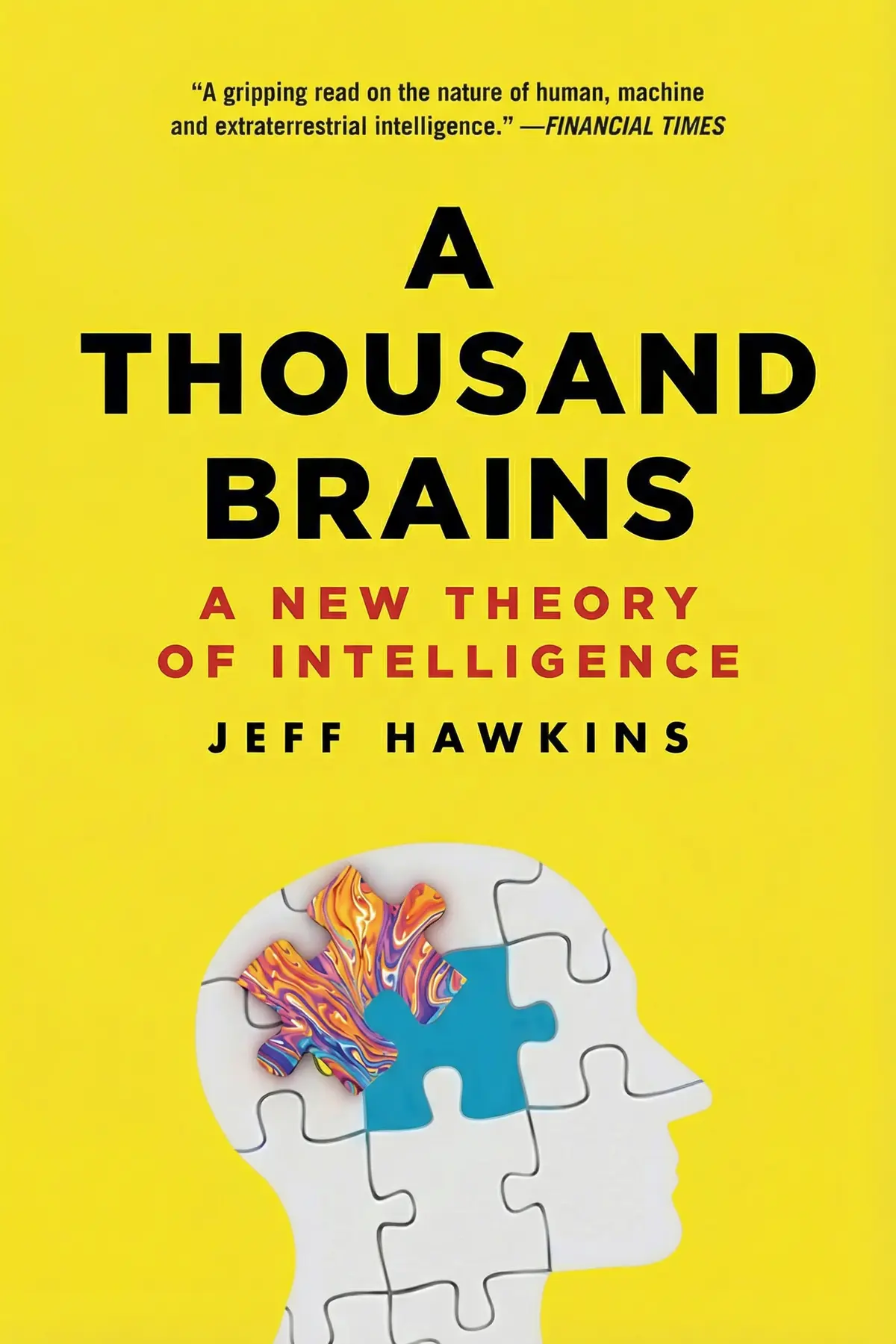
Jeff Hawkins
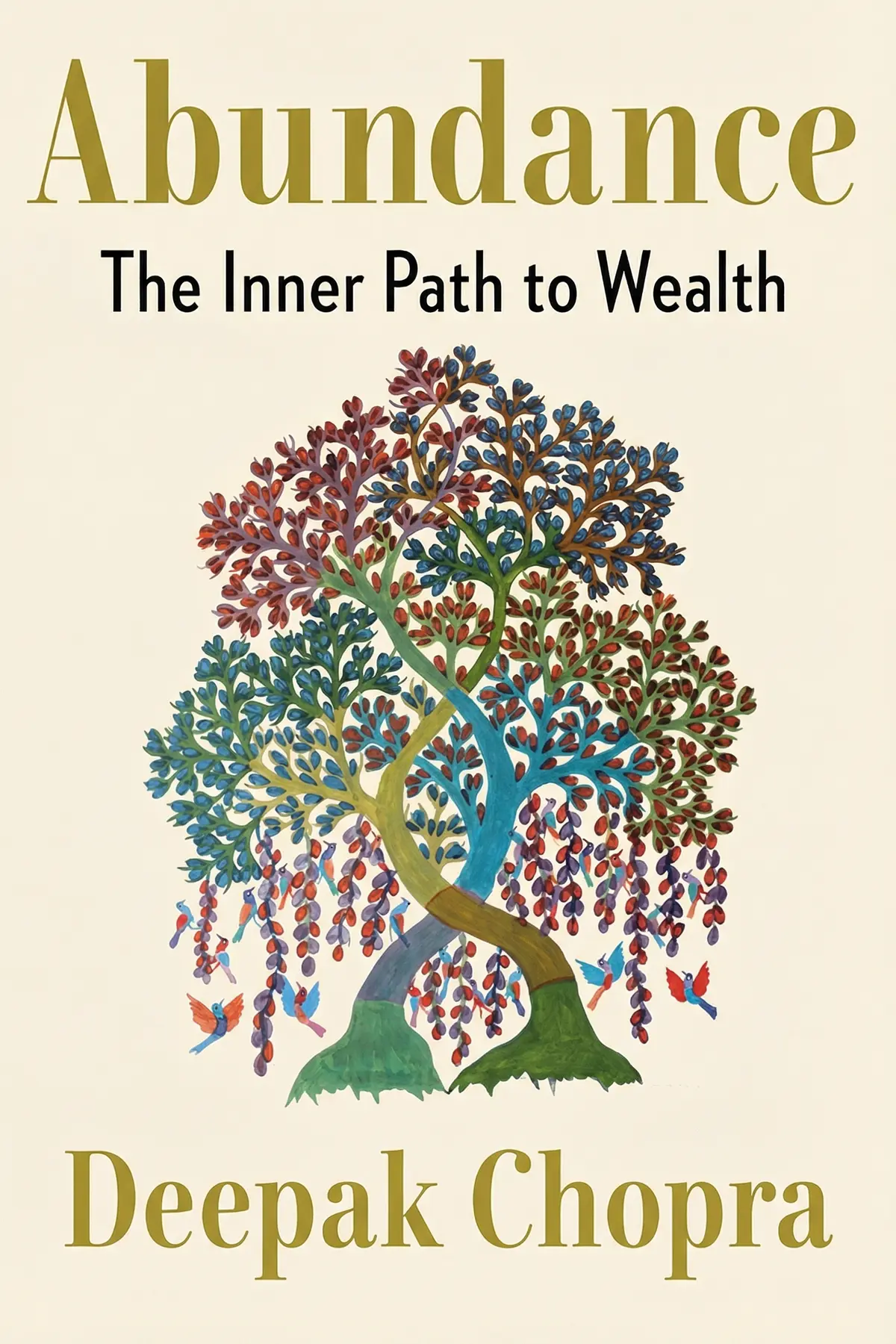
Deepak Chopra
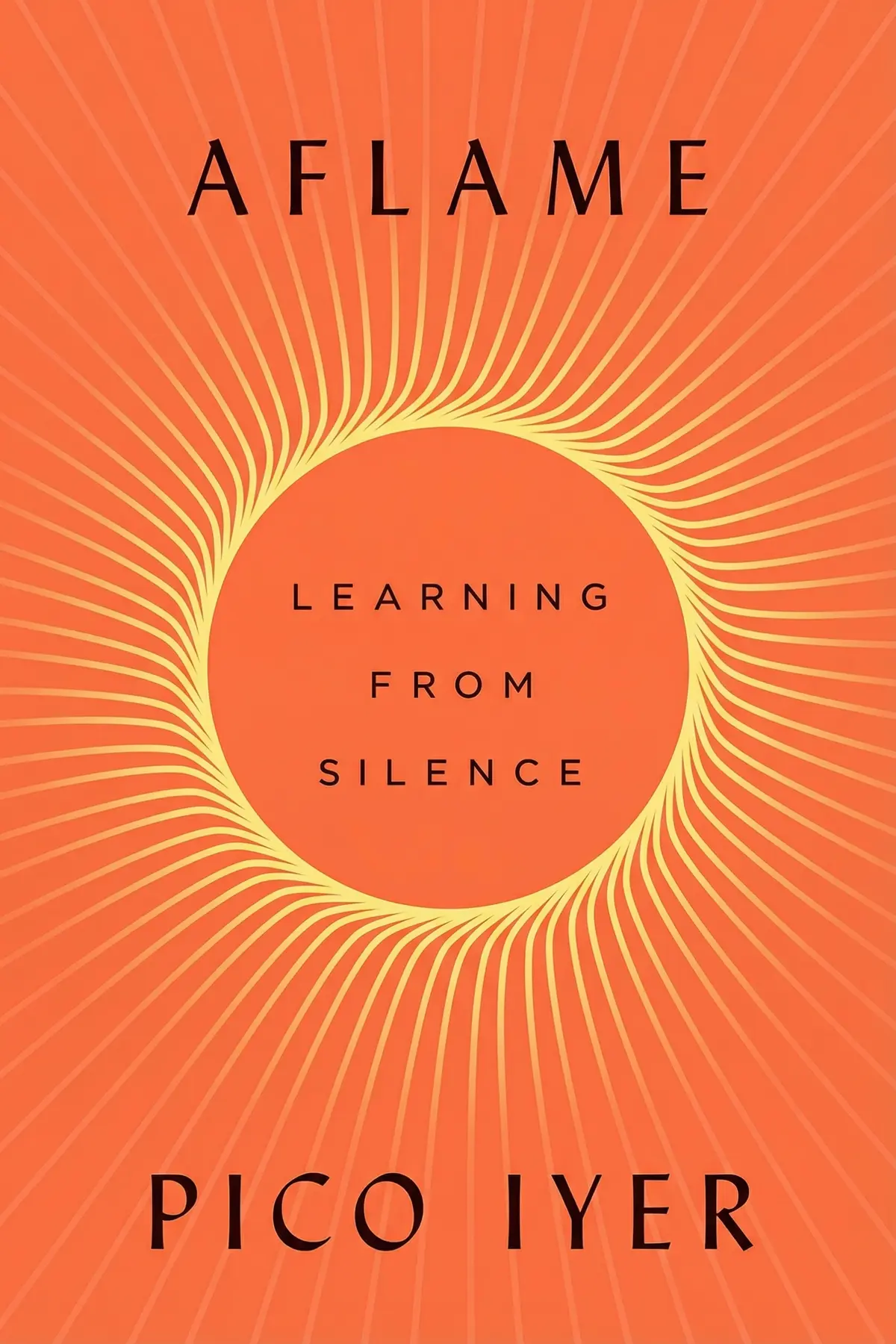
Pico Iyer
AUDIO SUMMARY AVAILABLE
Get the key ideas from The Tao of Physics by Fritjof Capra, plus 5,000+ more titles in English and Thai.







