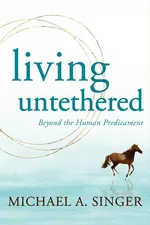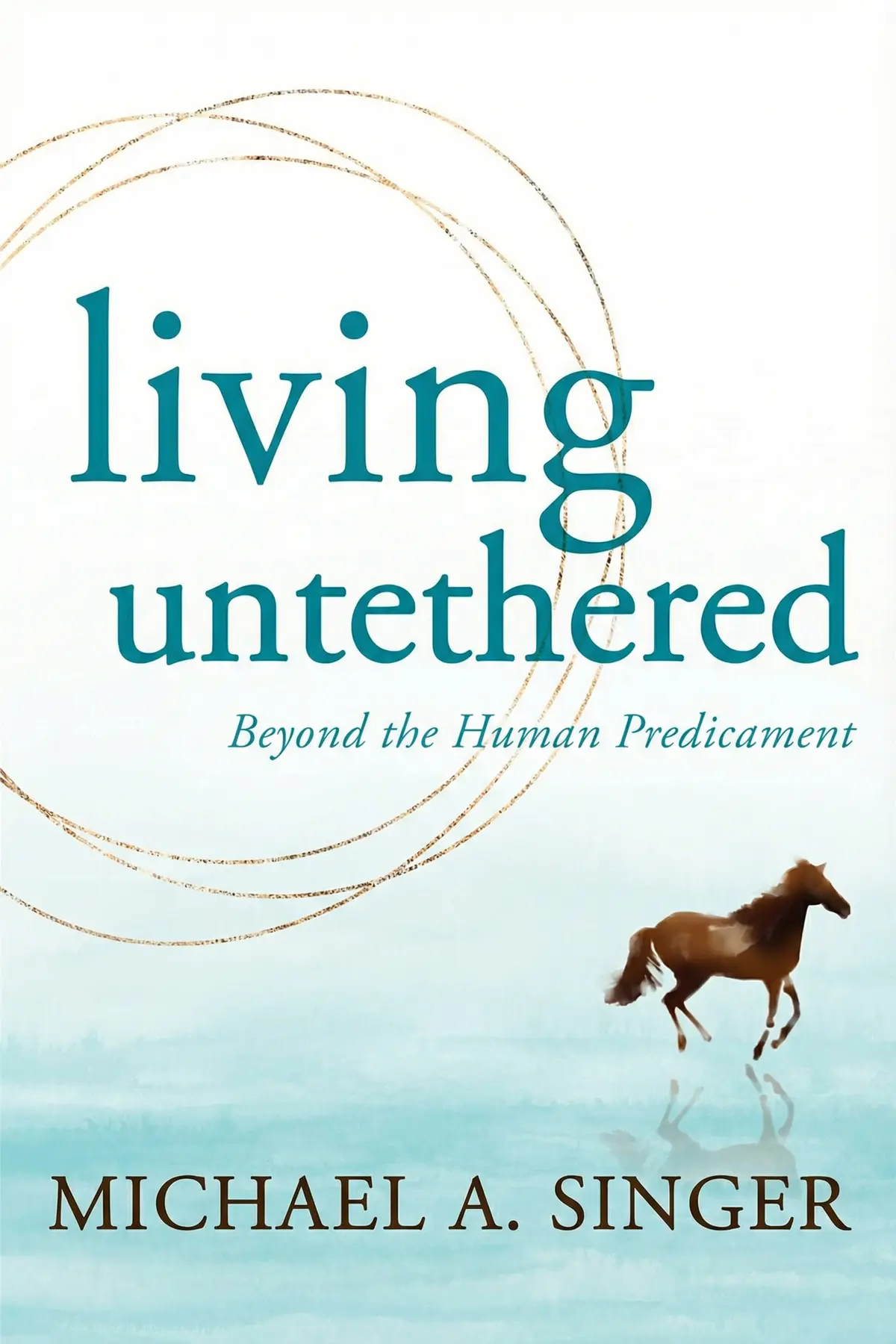
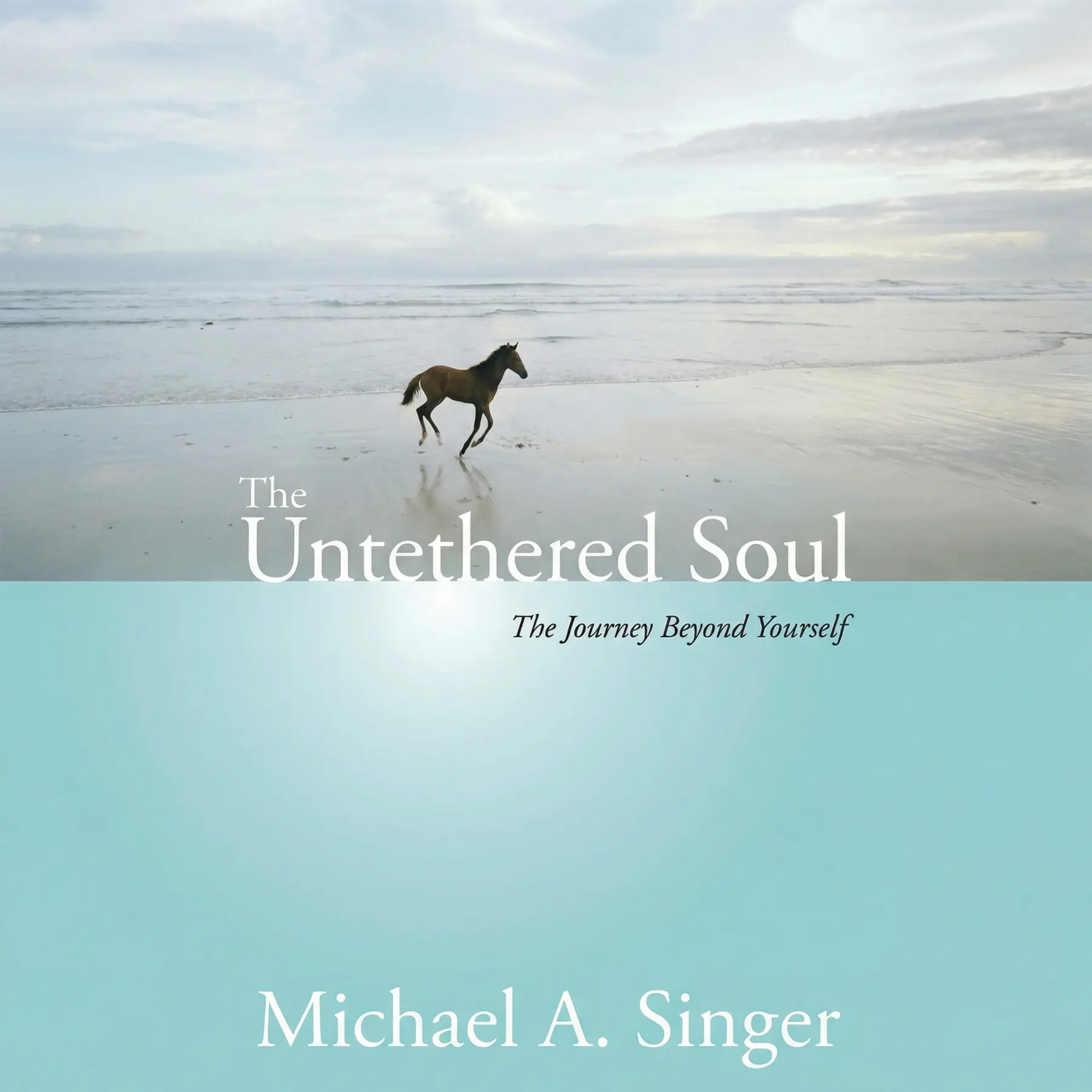
Living Untethered: Beyond the Human Predicament
Michael A. Singer
Explore the depths of consciousness and learn to detach from the relentless inner monologue. This guide offers a path to lasting inner peace by releasing emotional blockages and embracing spiritual freedom.
1 min 26 sec
Imagine for a moment that you are never alone. From the second you wake up until the moment you fall asleep, there is someone standing right next to you, narrating every single thing you do. They comment on the weather, they criticize your outfit, they remind you of that embarrassing thing you said three years ago, and they speculate wildly about why your boss didn’t smile at you this morning. If this were a real person, you would likely find them exhausting, perhaps even intolerable. You might try to distance yourself from them just to get a moment of peace.
Yet, this is exactly what most of us live with every day—only the narrator isn’t a person standing next to us; it is the voice inside our own heads. We have become so accustomed to this internal monologue that we often mistake it for who we actually are. We believe we are the thoughts, the fears, and the fleeting emotions that bubble up within us. But what if that’s not true? What if there is a way to step back and observe that voice without being controlled by it?
This is the central invitation of our journey today. We are going to explore how to untether ourselves from the limitations of the mind. We’ll look at how energy flows through us, why we tend to bottle up our pain, and how we can use the reality of our own mortality to find a deeper sense of purpose. The goal isn’t just to find a temporary sense of calm, but to undergo a fundamental shift in how we relate to our existence. By the end, you’ll see that the path to true freedom isn’t about changing the world outside of you, but about changing your relationship with the world inside of you. Let’s begin by meeting the narrator.
1 min 44 sec
Discover the profound difference between the thoughts racing through your mind and the silent observer who hears them, unlocking the door to true self-awareness.
1 min 46 sec
Explore the invisible life force that governs your emotions and learn why keeping your heart open is the key to sustained vitality and joy.
1 min 43 sec
Learn why avoiding your psychological pain only makes it grow, and how confronting your discomfort head-on is the only way to heal.
1 min 42 sec
Break free from the self-imposed boundaries of your personality and experience the vast freedom of an expanded consciousness.
1 min 28 sec
Use the inevitable reality of death as a powerful tool to strip away the trivial and focus on what truly matters in your life.
1 min 29 sec
Discover the ‘Tao’—the middle ground where energy is conserved and life flows with effortless grace and simplicity.
1 min 46 sec
As we conclude this exploration, it’s worth reflecting on the throughline that connects every idea we’ve discussed: the power of non-resistance. Whether we are dealing with the relentless chatter of our inner narrator, the blockages in our energy, or the deep-seated fears that act like splinters in our hearts, the solution is always the same. It is to step back, observe, and let go.
True spiritual growth is not about adding something new to yourself; it’s about removing the obstacles that prevent you from experiencing your true nature. You are already whole. You are already a vast, powerful consciousness. You’ve simply become entangled in the web of your own thoughts and emotions. By practicing the art of observation, you begin to untie those knots.
The next time you feel a wave of anger, a sting of jealousy, or a shadow of fear, remember that you are the one watching it. You don’t have to follow those feelings down the rabbit hole. You can simply acknowledge them and stay open. It takes practice, and there will be days when the ‘inner roommate’ is louder than usual. But every time you choose to stay as the observer, you are reclaiming your freedom.
Live your life with the perspective of someone who knows their time is limited and precious. Don’t waste your energy on the extremes or the trivial. Instead, stay in the center, keep your heart open, and let your inner energy flow. As you do, you’ll find that the world hasn’t changed, but you have. You are no longer a prisoner of your mind; you are the untethered soul, free to experience the incredible journey of life with peace, joy, and profound clarity.
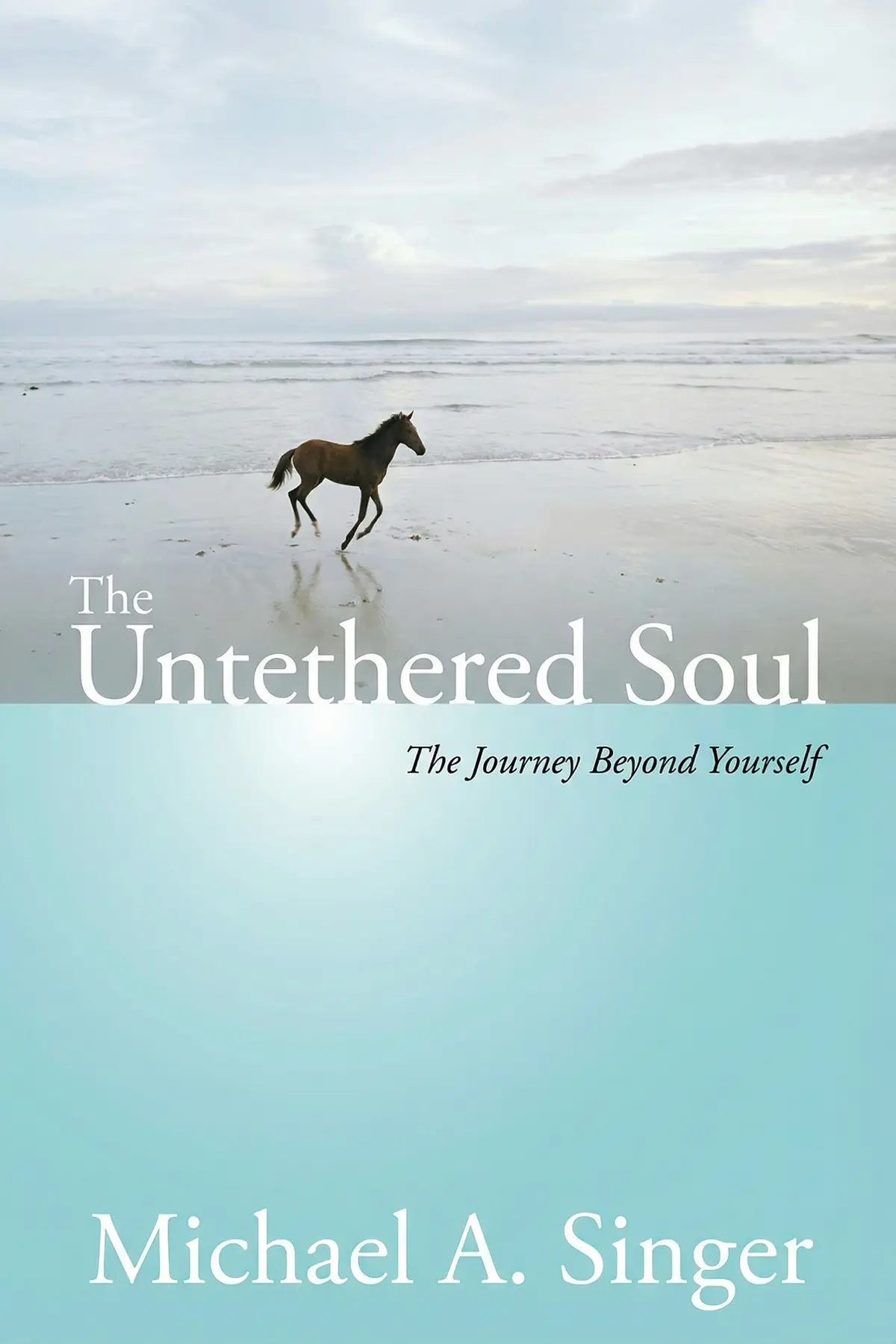
The Untethered Soul provides a profound exploration of human consciousness and the mechanics of the mind. At its core, the book addresses the universal experience of the 'inner roommate'—that persistent voice in our heads that narrates our lives, fuels our anxieties, and often keeps us trapped in cycles of negativity. By distinguishing between the observer and the observed, the narrative invites readers to step back from their thoughts and emotions, recognizing that these internal events do not define their true essence. The promise of this journey is nothing less than total spiritual liberation. It moves beyond simple mindfulness, offering a roadmap for opening the heart, allowing internal energy to flow freely, and ultimately transcending the limitations of the ego. By confronting the reality of fear and the certainty of death, the text encourages a shift in perspective that prioritizes presence and joy. It serves as both a philosophical inquiry and a practical guide for anyone seeking to break free from self-imposed mental cages and live a life of unburdened clarity and peace.
Michael A. Singer is a prominent spiritual teacher and writer. He is the founder of the Temple of the Universe, a long-standing yoga and meditation center that welcomes people of all backgrounds. In addition to his deep exploration of consciousness, his literary contributions include The Search for Truth and Three Essays on Universal Law: Karma, Will and Love.
Michael A. Singer
Michael A. Singer
Listeners find this work highly accessible and clear, offering actionable tips that strike a profound chord with them. They further characterize it as a transformative resource packed with insights for reaching a state of joy and internal tranquility. The prose is also highly praised, with one listener mentioning that the author uses a very conversational tone.
Picked this up during a particularly chaotic month and it really shifted my perspective on mental chatter. Michael Singer describes our internal dialogue as an 'inner roommate' who is often irrational and overbearing, which is a hilarious but deeply profound way to look at anxiety. The truth is, I never realized how much energy I wasted trying to argue with my own thoughts instead of just observing them. To be fair, the writing style is very conversational and accessible, making complex spiritual concepts feel like a chat over coffee. This guide is life-changing because it doesn't just theorize; it offers a way to achieve genuine inner peace by stepping back into the seat of the observer. I found the sections on 'letting go' to be the most practical advice I’ve received in years. It’s a gem that I plan on gifting to my siblings this Christmas.
Show moreWow, this book is essentially a much-needed manual for the human mind that I wish I had discovered a decade ago. It’s written in such an easy-to-understand way that even the most abstract ideas about energy and consciousness feel grounded. Personally, the concept of the 'seat of the self' changed how I react to traffic and difficult emails almost instantly. You start to realize that you are not your thoughts; you are the one hearing them, which is a massive distinction. The book acts as a life-changing guide that helps you find happiness by simply stopping the internal struggle against reality. Not gonna lie, some of the more 'new age' descriptions of energy flow felt a bit fluffy, but the psychological benefits are undeniable. It’s a profound piece of work that manages to be both spiritual and incredibly practical for modern life.
Show moreFinally got around to reading this and I'm genuinely surprised by how much it stuck with me after the final page. It’s a much shorter and more accessible version of the ideas you might find in Eckhart Tolle’s writing, but without the dense prose. Singer walks you through the process of witnessing your 'inner roommate' with a level of clarity that is rare in the spiritual genre. I found the chapters on the 'infinite energy' and the 'heart' to be particularly moving, even if they require a bit of an open mind. This book truly helps you peel off the layers of the 'bullshit-self' onion to find something more stable underneath. I’ve started practicing the 'letting go' technique during my morning commute, and the results have been nothing short of transformational. It’s rare to find a book that feels like both a warm hug and a wake-up call.
Show moreThis book acts as a gentle nudge to stop taking your own thoughts so seriously and start living in the moment. Singer’s conversational style is a breath of fresh air compared to the stuffy, academic tone of most philosophy books. I particularly loved the way he explains how we trap ourselves in rigid perceptions of how the world 'should' be, rather than accepting how it is. By realizing that my thoughts are just a parade of projections, I’ve found a level of inner peace I didn't think was possible. The advice is practical and resonates deeply because it addresses the universal human experience of being bullied by one's own mind. It’s a life-changing guide that I've already recommended to several friends who struggle with overthinking. If you want to achieve happiness without a bunch of complicated rituals, this is the book for you.
Show moreSinger manages to distill profound ancient wisdom into something you can actually use while sitting in traffic or dealing with a difficult boss. The book is transformational because it gives you a different set of eyes through which to view your internal world and your external reactions. I've read a lot of self-help, but nothing has made the concept of 'the observer' as crystal clear as this. Truth is, we spend most of our lives being jerked around by emotional knee-jerk responses, and this guide shows you how to cut the strings. The writing is incredibly well-received for a reason—it’s simple, direct, and doesn't waste time on fluff. Since finishing it, I’ve felt a significant shift in my ability to stay centered during stressful moments. This is a gem of a book that truly delivers on its promise of helping you find your true self.
Show moreEver wonder why that nagging voice in your head never seems to take a day off? This book tackles that question head-on by teaching you how to differentiate between your true self and the constant stream of consciousness that dictates your mood. Look, I found the early chapters about the 'observer' absolutely brilliant and they gave me immediate tools to handle stress at work. However, the book does get a bit repetitive toward the middle as if Singer is trying to hammer the same point home through different metaphors. In my experience, it’s a bit like a list of high-quality ingredients with no specific recipe, leaving you to figure out the actual 'how-to' of meditation on your own. Despite the lack of a structured practice guide, the core message resonated deeply. It’s a solid 4-star read that I would recommend to anyone feeling trapped by their own mind.
Show moreAfter hearing so many recommendations from friends, I finally dove into Singer’s work to see if it lived up to the hype. The book does an excellent job of synthesizing themes from Buddhism, Taoism, and even some Christian mysticism into a cohesive whole. To be fair, it felt like nails on a chalkboard whenever random Bible verses were dropped in, but the underlying logic was strong enough to keep me engaged. Singer’s conversational tone makes the heavy lifting of spiritual growth feel manageable and even lighthearted at times. My only real gripe is that the book tends to gloss over the 'how'—it tells you to stay open, but doesn't give you a meditative roadmap to get there. Still, the insights into how we build mental fortresses to protect our fragile egos were worth the price of admission. It’s a very useful tool for anyone seeking a more peaceful spirit.
Show moreAs someone who was raised in a secular home and is naturally suspicious of organized religion, I found this book surprisingly grounded and logical. Singer manages to bridge the gap between ancient wisdom and modern psychology without getting bogged down in dogma. Personally, the 'inner roommate' concept was the breakthrough I needed to understand my own anxiety from a distance. The book is easy to understand and the conversational tone makes it feel like you’re learning from a wise mentor rather than a distant scholar. My only criticism is that it gets a bit repetitive in the final third, and some of the 'just let go' advice feels a bit like 'just be happy.' That being said, the core message is incredibly powerful and offers a path to freedom that feels achievable with practice. It’s a great synthesis of spiritual truths.
Show moreThe first few chapters were genuinely insightful, but the rest of the book felt like a redundant lecture that could have been a long essay. I totally buy into the idea of being a neutral observer of my thoughts, yet the author’s suggestion that we should live like 'the world's best amoeba' didn't sit right. He suggests floating through life without desires or goals, which seems to strip away what makes us human and driven. To be fair, the writing is clear, and the 'inner roommate' metaphor is a brilliant hook that almost everyone can relate to. However, the lack of evidence or concrete strategies for people dealing with real-world trauma felt like a major oversight. It’s a decent introduction to mindfulness, but it lacks the depth of more traditional texts like those by Lao Tzu. It’s fine for a quick read, but I likely won't revisit it.
Show moreWhile I appreciate the attempt at simplifying complex spiritual concepts, this book fell flat for me because of its many contradictions. Frankly, I am quite suspicious of any author who claims it is possible—or even desirable—to live a life completely free of all worries and suffering. We need the contrast of the dark to appreciate the light, but Singer seems to view any negative emotion as a failure of consciousness. The structure felt disorganized, like a long-winded lecture that just repeats 'just open up' or 'let go' without acknowledging the immense difficulty of those actions. One minute he says the divine is non-judgmental, and the next he implies that you’re blocking your own light by having natural human reactions. Truth is, I found the tone a bit dismissive of the human experience. I stayed tethered to the ground on this one and couldn't wait to finish.
Show more

Daniel Goleman

Marianne Williamson
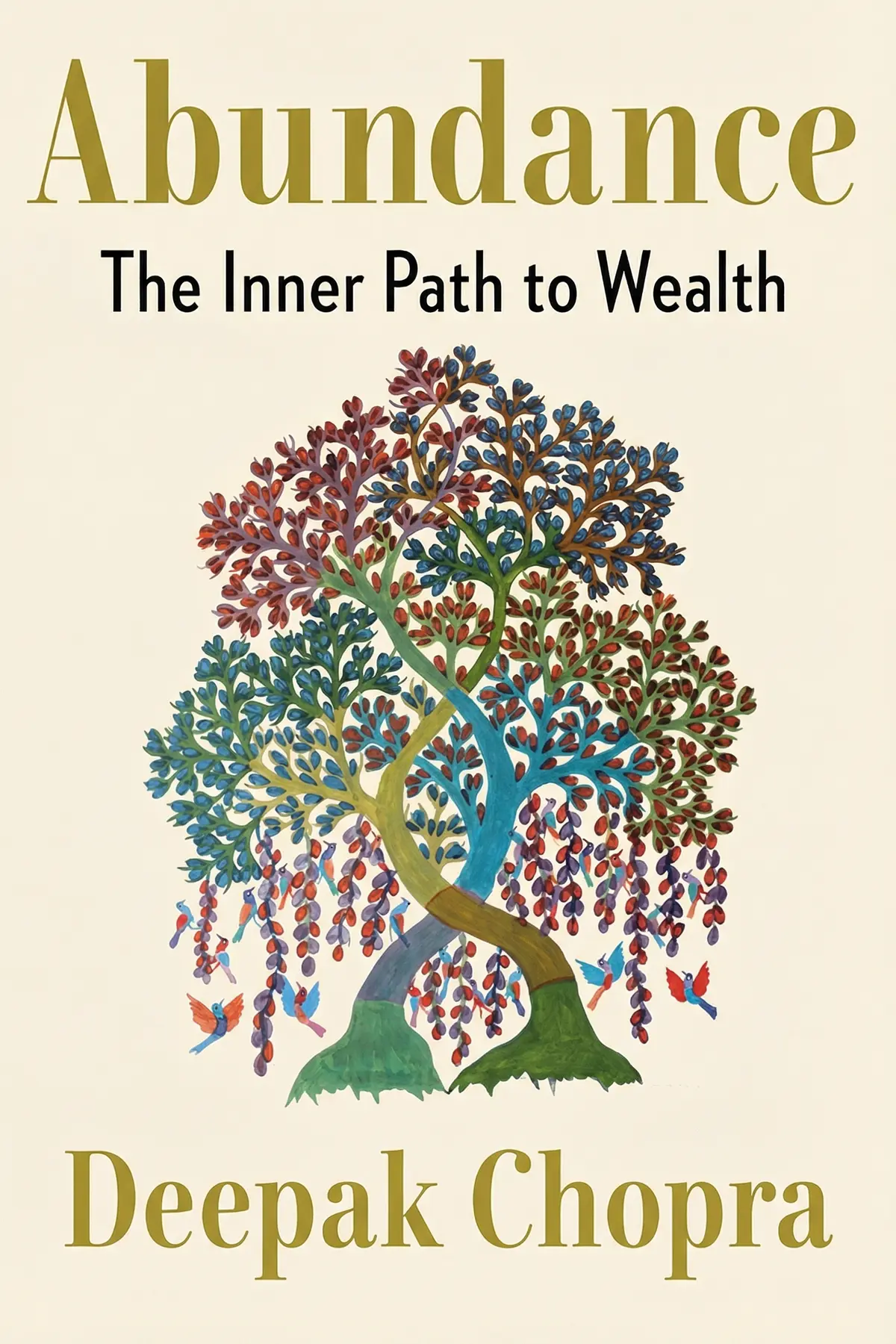
Deepak Chopra

Alcoholics Anonymous World Services
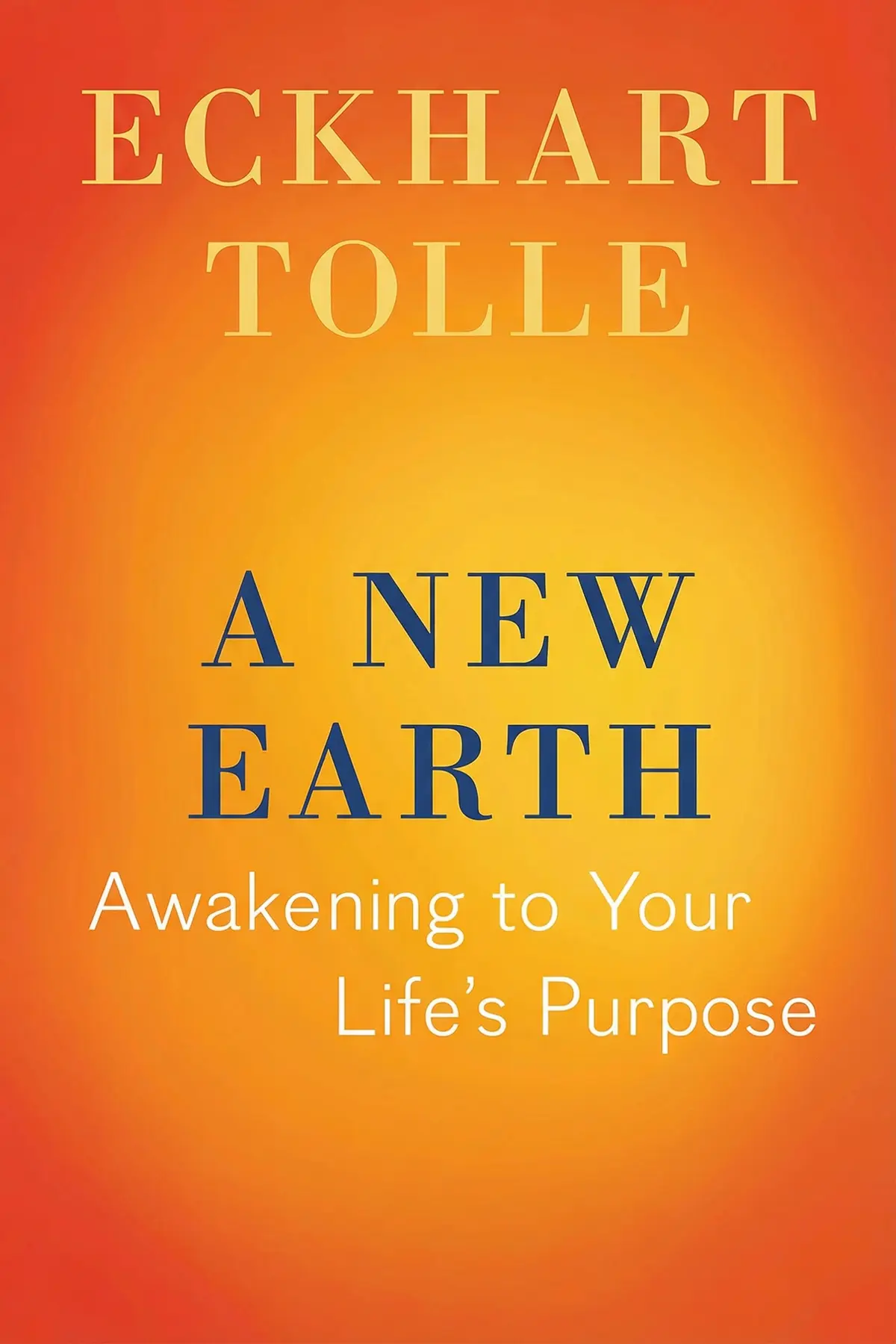
Eckhart Tolle
Pico Iyer
AUDIO SUMMARY AVAILABLE
Get the key ideas from The Untethered Soul by Michael A. Singer, plus 5,000+ more titles in English and Thai.