
20 min 06 sec
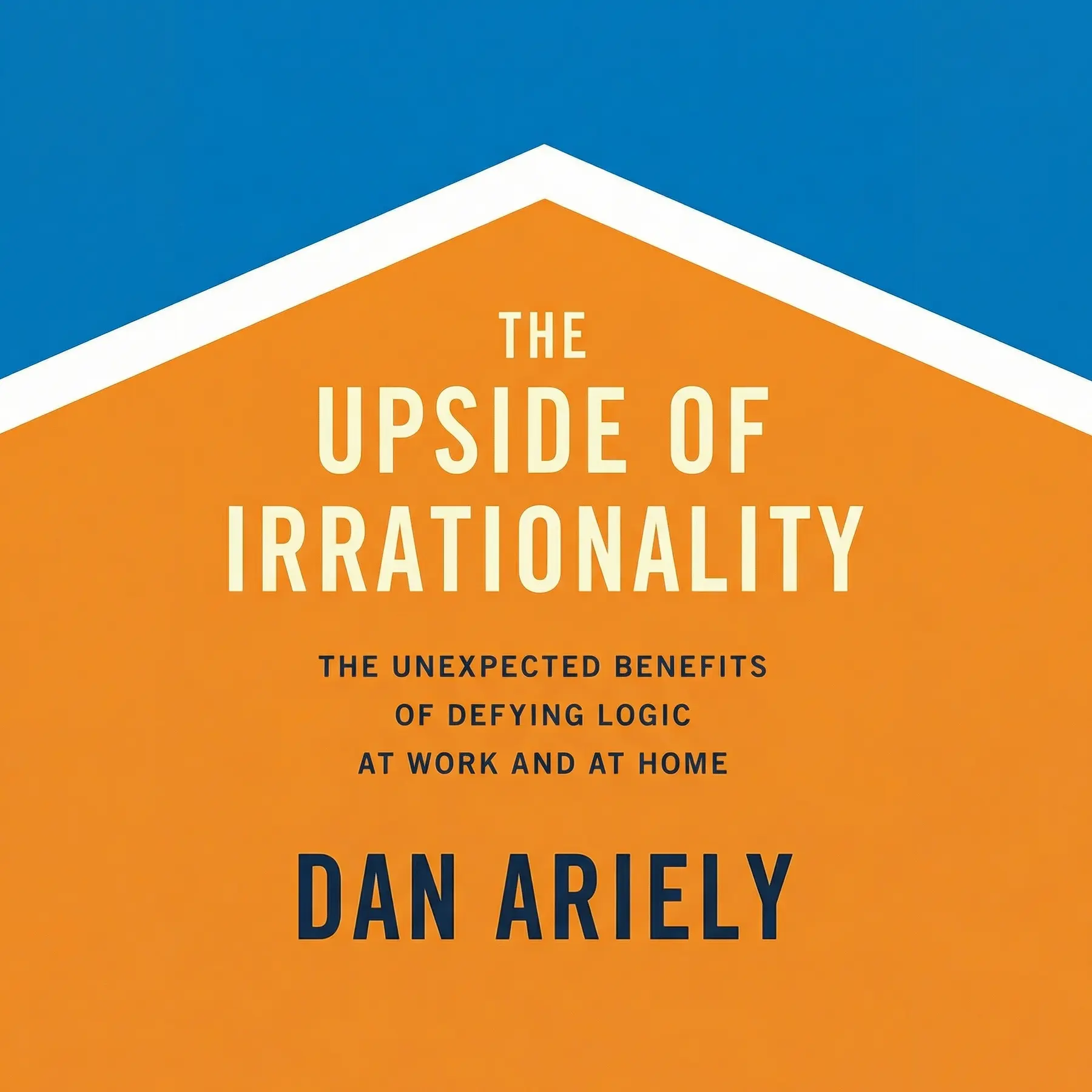
The Upside of Irrationality: The Unexpected Benefits of Defying Logic at Work and at Home
By Dan Ariely
An insightful look at the surprising ways human irrationality shapes our work, relationships, and personal fulfillment, showing that defying pure logic often leads to more meaningful and productive lives.
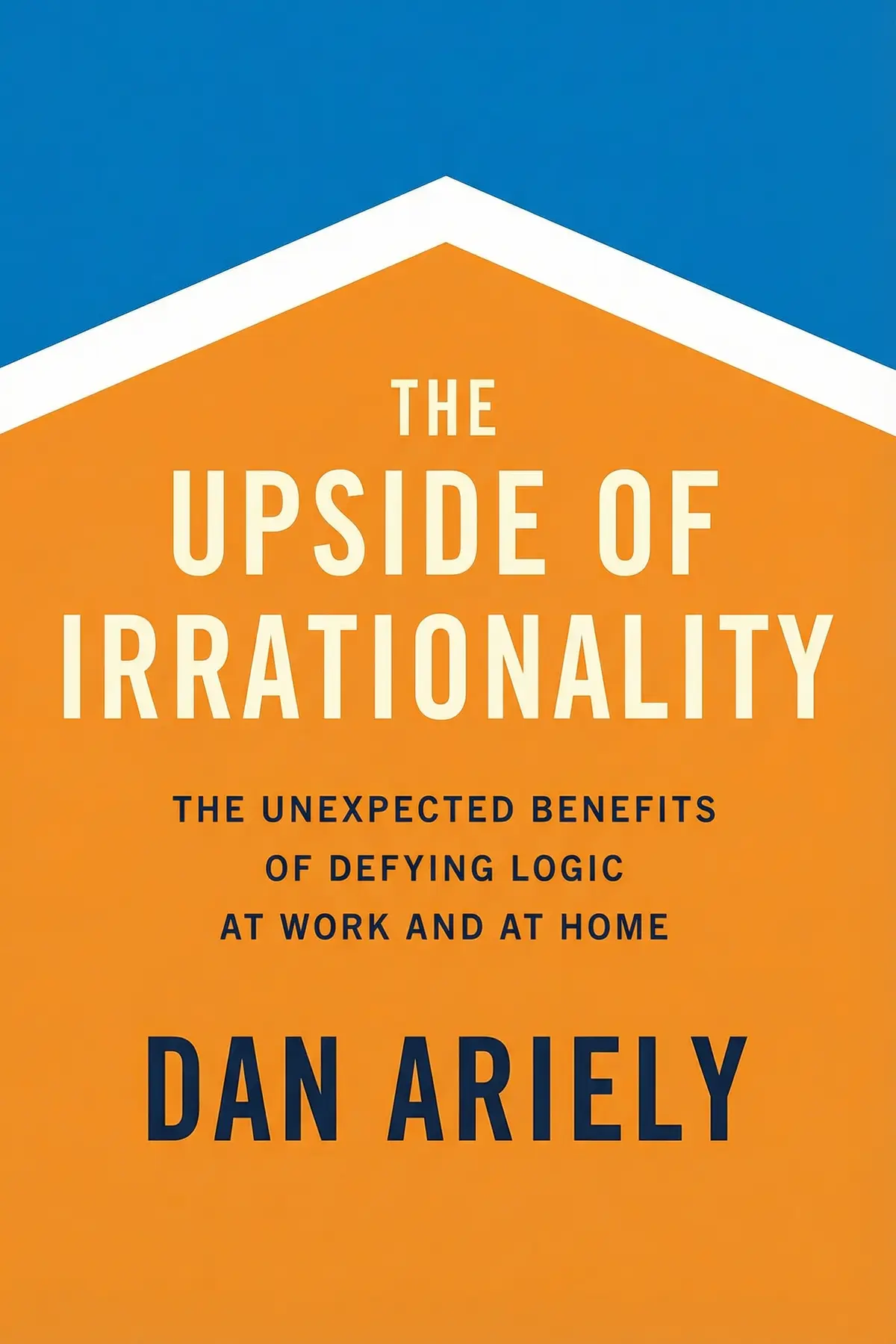
Table of Content
1. Introduction
1 min 32 sec
Imagine a version of yourself that is perfectly logical. In every situation, this version of you calculates the exact cost-benefit ratio of a decision. You never overspend because of a flashy advertisement, you never let your emotions cloud your judgment during a conflict, and you always choose the most efficient path to your goals. On paper, this sounds like the recipe for a perfect life. We are often told that our emotions and our irrational impulses are bugs in our system—flaws that we need to overcome to be successful.
But what if that isn’t the whole story? What if our tendency to act illogically is actually one of our greatest strengths? In this exploration of human behavior, we are invited to look at the hidden benefits of our own contradictions. While we might think we want to be more like computers, it is often our very departures from logic that allow us to find meaning in work, form deep romantic bonds, and adapt to the challenges of life.
Through various social experiments and psychological insights, we will see that irrationality isn’t just a series of mistakes. Instead, it is a complex part of our nature that, when understood, can lead to better decision-making and a more fulfilling existence. We will examine how we value our own labor, why our systems of reward often backfire, and why the ways we try to find love online are fundamentally at odds with how we actually experience attraction. By the end, you’ll see that being ‘rational’ isn’t always the best way to live, and that understanding the upside of our illogical side can change the way you view your world.
2. The Counterintuitive Nature of Incentives
2 min 22 sec
Discover why offering massive rewards can actually lead to worse results and how the pressure to perform can paralyze even the most talented professionals.
3. Finding Purpose Beyond the Paycheck
2 min 12 sec
Explore the deep human need for meaning in labor and how even small signs of recognition can drastically change our willingness to work.
4. The Power of the IKEA Effect
2 min 17 sec
Understand why we fall in love with our own creations and how putting in effort makes us see value where others see flaws.
5. The Mechanics of Hedonic Adaptation
2 min 01 sec
Learn how your brain naturally levels out emotions and why interrupting your favorite activities might actually make you happier.
6. Adapting to the Dating Hierarchy
2 min 01 sec
See how our social preferences shift based on our own standing and how we learn to value character when beauty is out of reach.
7. Why the Online Dating Market Is Broken
1 min 57 sec
Explore why digital platforms struggle to foster real connections and how treating people like products ruins the search for love.
8. The Identifiable Victim and the Limits of Empathy
2 min 15 sec
Uncover the strange psychological reason why we will help a single individual in need while ignoring a global crisis.
9. The Danger of Emotional Self-Herding
2 min 02 sec
Learn how a single moment of anger can turn into a permanent personality trait and why your past actions are the biggest influence on your future.
10. Conclusion
1 min 27 sec
The journey through our own irrationality brings us to a surprising conclusion: our flaws are not just things to be managed; they are essential to the human experience. We have seen that the very things that make us ‘illogical’—our need for meaning, our tendency to overvalue our own work, our emotional adaptation, and our biased empathy—are the same things that allow us to lead rich and connected lives. If we were purely rational machines, we might be more efficient, but we would lose the passion that drives innovation and the empathy that builds communities.
True wisdom lies in recognizing where our logic fails us and where our irrationality serves us. It means understanding that a huge bonus might actually make you perform worse, and that building a relationship is not like shopping for a new car. It means realizing that your past mistakes don’t have to define your future if you stop ‘herding’ yourself into the same old patterns.
Ultimately, the goal is not to eliminate irrationality, but to work with it. By creating environments that provide meaning, by being patient with our own adaptation processes, and by being mindful of the emotional traps we set for ourselves, we can make better choices. We can live in a way that is not just logical, but deeply human. As you go forward, try to embrace the ‘upside’ of your own irrational nature. You might find that defying logic is the most sensible thing you can do for your long-term happiness.
About this book
What is this book about?
Most people assume that being logical and rational is the only way to succeed in life. We believe that bigger bonuses make us work harder, that online dating helps us find the perfect match, and that we can objectively judge the quality of our own work. However, behavioral economist Dan Ariely suggests that our illogical tendencies aren't just quirks—they are fundamental to how we navigate the world, and they often provide unexpected benefits. This book explores the hidden patterns behind our seemingly bizarre behaviors. It explains why we value a lopsided table we built ourselves more than a perfect one from a store, why our empathy is often misplaced, and why high-stakes rewards can actually cause us to fail. By understanding these irrational impulses, we can learn to structure our environments and our habits to work with human nature rather than against it. Whether it is improving workplace motivation or finding more satisfaction in our daily routines, the promise of this work is a deeper understanding of the illogical but vital forces that make us human.
Book Information
About the Author
Dan Ariely
Dan Ariely is a professor specializing in psychology and behavioral economics at Duke University. He has gained international recognition for his research into the strange ways humans make decisions. In addition to this work, he is the author of two other international bestsellers, including Predictably Irrational and The Honest Truth About Dishonesty.
Ratings & Reviews
Ratings at a glance
What people think
Listeners find this book captivating and easy to follow, featuring well-supported observations regarding human conduct and our decision-making habits. The prose is quite immersive, and listeners appreciate how the author integrates personal stories throughout the text, resulting in a read that is both amusing and reflective. They hold the quality of information in high regard—one listener specifically highlighted the thorough explanations of research protocols—and believe it offers great utility for individual readers and managers alike.
Top reviews
Wissanu
Ever wonder why you're so attached to that wobbly coffee table you built yourself? Ariely explores this through the 'IKEA effect,' proving we overvalue things simply because we put effort into them. Truth is, his writing style is so conversational that you forget you’re learning about behavioral economics. He weaves his personal history—specifically his grueling recovery from burns—into the narrative in a way that feels both heartbreaking and scientifically relevant. While some might find the anecdotes a bit long-winded, I found they provided necessary context for his theories. It’s a rare book that makes you laugh while simultaneously forcing you to reconsider your workplace motivation.
Show moreWilliam
The chapter on the case for revenge is worth the price of admission alone. Ariely’s story about his experience with an Audi dealership and his subsequent 'revenge' strategy is both hilarious and illuminating. It perfectly captures why we are willing to hurt ourselves just to see someone else punished for a slight. The book does an excellent job of bridging the gap between clinical research and everyday life scenarios. I particularly appreciated the discussion on how we adapt to pain and pleasure, which has changed how I think about my own long-term happiness. If you want to understand the hidden forces driving your social relationships and buying habits, pick this up.
Show moreTeng
This book manages to make complex behavioral statistics feel like a late-night chat with a brilliant friend. Ariely’s ability to take the sting out of our irrationalities by showing their 'upside' is truly impressive. I loved the deep dive into why big bonuses don't work for cognitive tasks; it’s a lesson that Wall Street desperately needs to learn. The book is studded with interesting sidebars and personal tales that keep the pace moving quickly. Got to say, the chapter on long-term effects of short-term emotions has already helped me avoid a few impulsive arguments. It’s a well-rounded, fascinating look at the human psyche that everyone should have on their shelf.
Show moreErn
The vulnerability Ariely shows when discussing his recovery from third-degree burns adds a layer of depth I didn't expect from an economics book. This isn't just a dry collection of statistics; it's a deeply human look at why we act against our own best interests. Personally, I was fascinated by the chapter on empathy and why we ignore massive tragedies like genocide but will rally to save a single child in a well. It’s a sobering look at our cognitive biases. My only gripe is that the book can drag in the middle chapters, particularly during the sections on online dating. Still, the insights into human nature are incredibly valuable for anyone trying to understand the 'why' behind our quirks.
Show moreHugo
Managers need to read the chapter on bonuses before they cut another check for their executive team. Ariely presents a compelling, if counterintuitive, argument that massive financial incentives actually tank performance by creating too much stress. Look, this flies in the face of everything traditional economics teaches us, but the experimental data he provides is hard to ignore. The writing is snappy and accessible, devoid of the dense jargon that usually plagues this genre. I particularly enjoyed the 'Not-Invented-Here' bias section, which explains so much about corporate hubris. It’s a solid 4-star read that offers practical takeaways for the modern workplace, even if a few chapters feel like padding.
Show moreRapee
As someone who has devoured everything from Freakonomics to Thinking, Fast and Slow, I found this to be a lighter, more conversational entry point into the field. Ariely has a knack for designing clever experiments, like the one involving Lego Bionicles to test the meaning of labor. It turns out that even a small amount of recognition can drastically change a person's output. The book is well-documented, though it leans heavily on the author's personal experiences to fill the gaps between data points. In my experience, this makes the concepts stick better than dry academic papers ever could. It’s a fascinating journey through our own irrationality that manages to be both educational and entertaining.
Show moreArthit
Picked this up on a whim and ended up questioning almost every decision I’ve made this week. Why do I think my ideas are better just because they're mine? Why does an apology work so well to mitigate my anger? Ariely explores these questions with a mix of academic rigor and self-deprecating humor. The 'drop-in-the-bucket' effect section was particularly eye-opening for me as a donor to various charities. While some critics argue his experiments are too small-scale, I think they provide a great framework for understanding larger trends. It’s a thought-provoking book that is as valuable for individual self-reflection as it is for high-level management strategy.
Show morePrae
While Ariely’s first book was a revelation, this sequel feels like it's stretching a bit too thin on the actual data. Frankly, the 'sophomore slump' is evident here as many experiments involve small groups of college students performing trivial tasks for meager rewards. Can we really apply the behavior of an MIT undergrad at a Starbucks to global corporate structures? Some findings, like the idea that people need meaning in their work, feel blindingly obvious to anyone who has ever held a job. To be fair, Ariely remains an engaging narrator, and his transparency about his own life is brave. However, I’d suggest reading Predictably Irrational first before diving into this one.
Show moreJan
To be fair, the insights regarding the 'IKEA effect' and the meaning of work are genuinely transformative for how one views productivity. However, I can't help but feel that a significant portion of the material is just padding. The online dating section felt a bit dated and lacked the punch of his earlier work on decision-making. Truth is, Ariely’s strength is his clear and engaging style, which makes the book very easy to read even when the data feels anecdotal. I enjoyed the personal anecdotes about his time in the hospital, but they occasionally overshadowed the behavioral economics. It's a decent read for fans of the genre, but it lacks the 'wow' factor of Predictably Irrational.
Show moreUbolwan
Not gonna lie, I was disappointed by how much this felt like a collection of casual observations rather than rigorous science. At many points, Ariely uses 'research' consisting of a handful of young people in a local coffee shop and then makes sweeping generalizations about the human race. It feels like he’s trying to capitalize on the pop-psychology trend without putting in the legwork of his previous effort. The stick-figure diagrams and repetitive sidebars felt like space-fillers to meet a page count. While the author is clearly a likable and smart guy, the experimental foundation here is just too shaky for me to take the conclusions seriously. Total fail compared to his debut.
Show moreReaders also enjoyed

59 Seconds: Change Your Life in Under a Minute
Richard Wiseman
1929: Inside the Greatest Crash in Wall Street History--and How It
Andrew Ross Sorkin
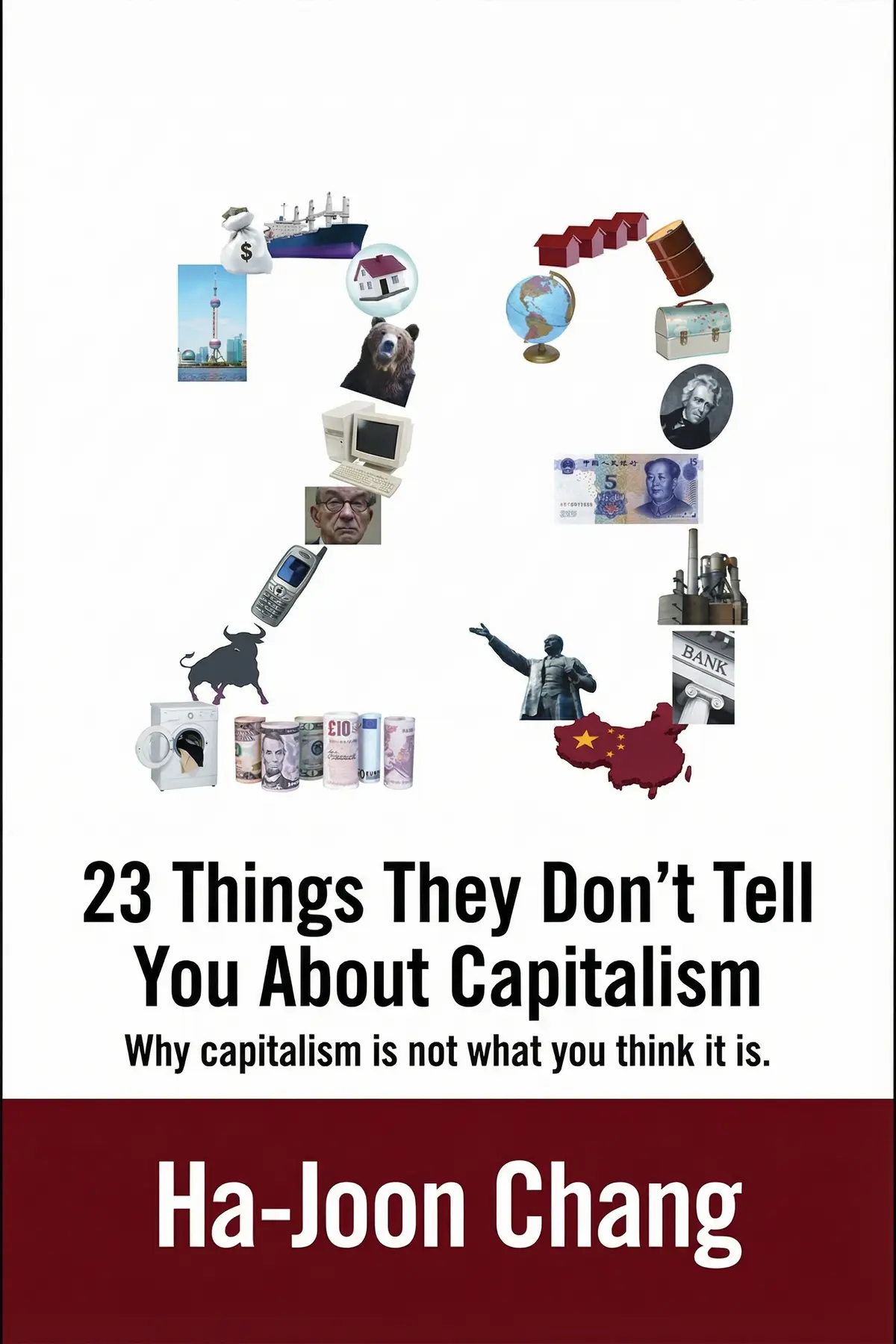
23 Things They Don’t Tell You About Capitalism
Ha-Joon Chang
A Little History of Economics
Niall Kishtainy
AUDIO SUMMARY AVAILABLE
Listen to The Upside of Irrationality in 15 minutes
Get the key ideas from The Upside of Irrationality by Dan Ariely, plus 5,000+ more titles in English and Thai.
- 5,000+ titles
- Listen as much as you want
- 7-day free trial
- Cancel anytime







