
21 min 37 sec
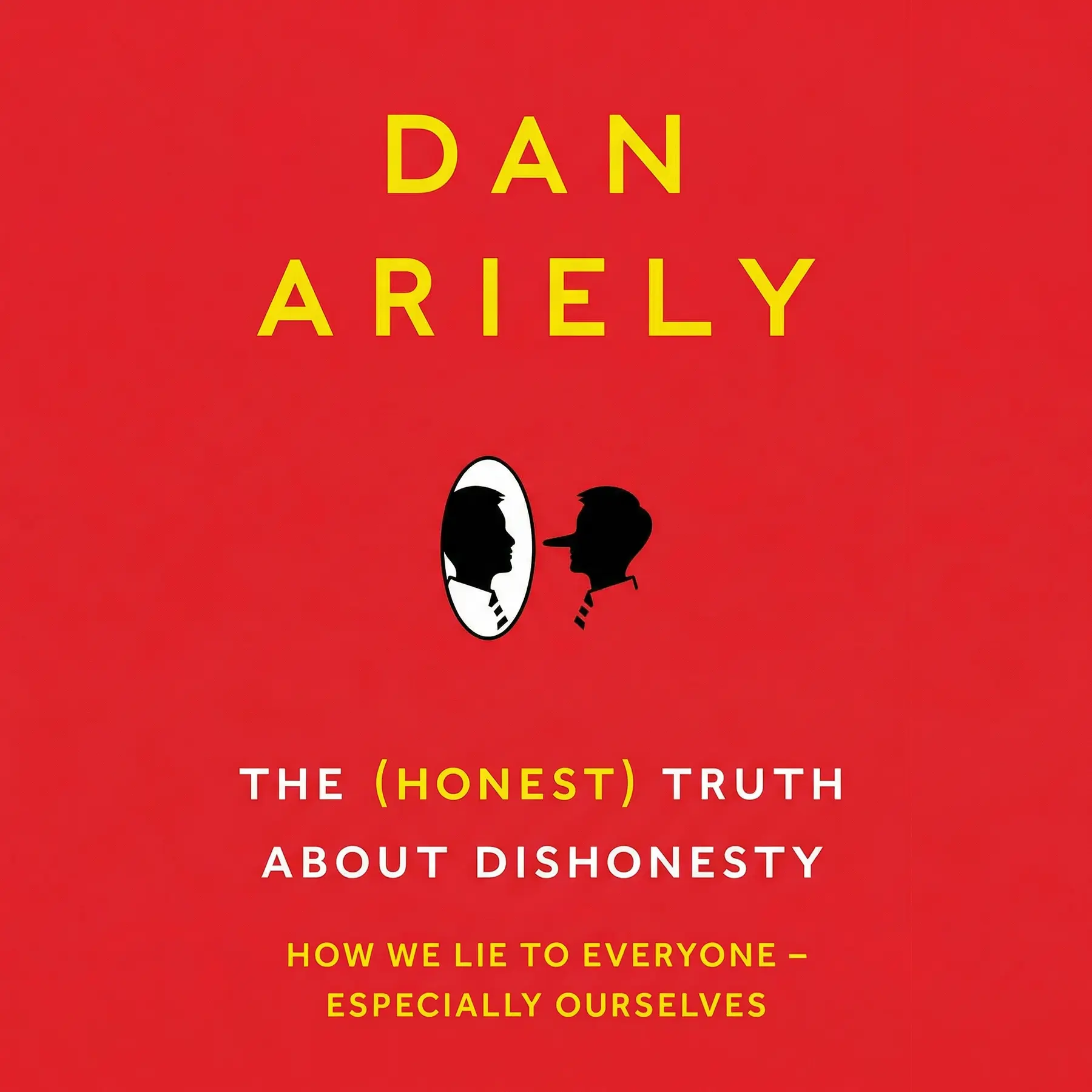
The (Honest) Truth About Dishonesty: How We Lie to Everyone – Especially Ourselves
By Dan Ariely
Explore the surprising psychological forces that drive us to lie and cheat. This summary reveals why we deceive ourselves and how we can build a more honest society through small changes.
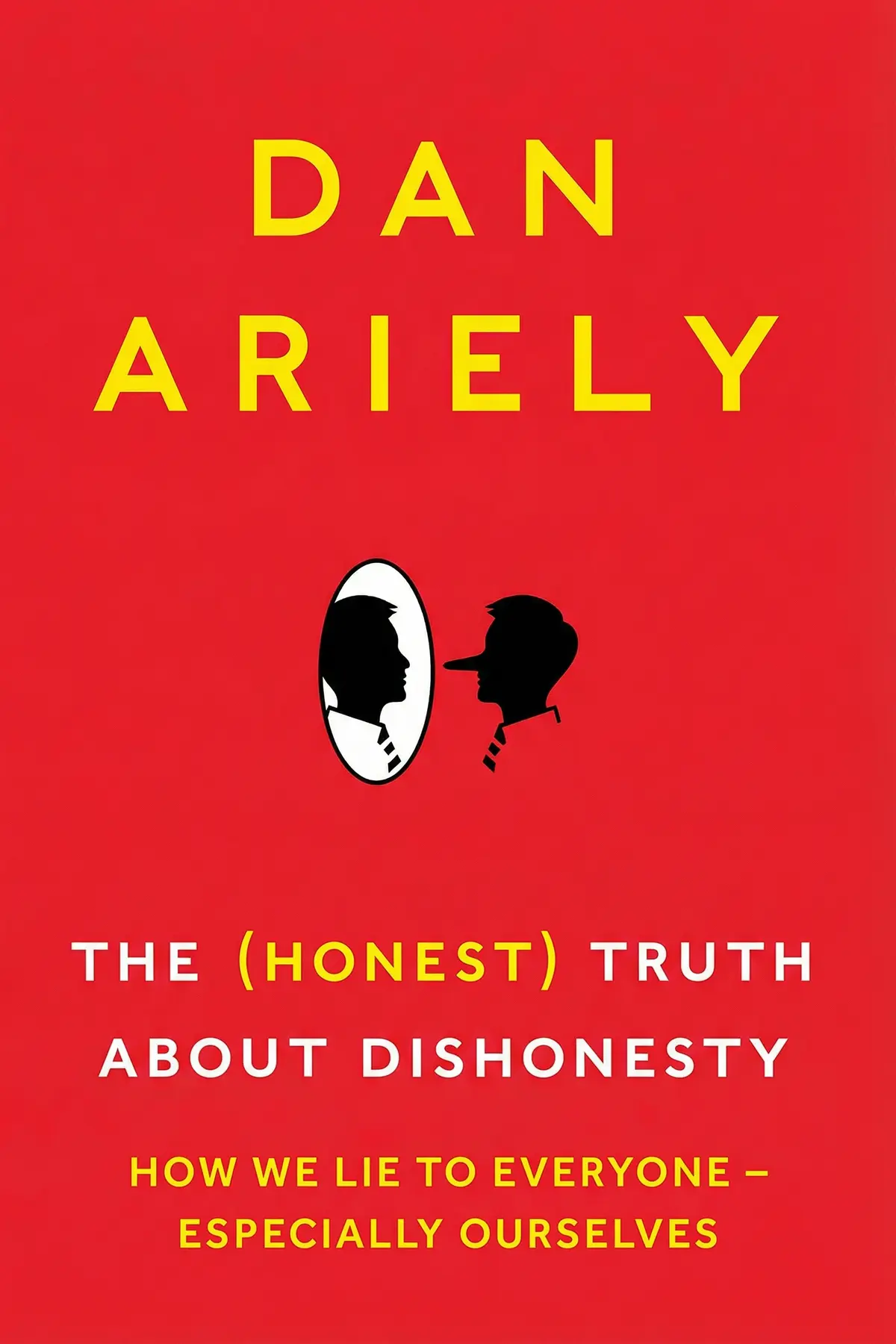
Table of Content
1. Introduction
1 min 36 sec
Most of us take great pride in our integrity. We like to think of ourselves as the protagonists of our own stories—honest, reliable, and fundamentally good. If someone asked if you were a thief or a liar, your gut reaction would likely be an indignant ‘no.’ But what if that self-image is actually part of the problem? What if the most pervasive form of dishonesty isn’t found in the actions of a few master criminals, but in the small, daily choices made by people just like us?
In this exploration of human behavior, we dive into the world of irrationality to understand why we cheat. We aren’t looking at the heist of the century; we’re looking at why we keep the extra change at the register or why we exaggerate our accomplishments to our peers. We often assume that people only lie when they have something significant to gain and little chance of being caught. However, research into behavioral economics suggests that our relationship with the truth is far more complex and far less logical than we imagine.
Over the course of this summary, we will examine the subtle forces that nudge us away from the truth. We will look at how our environment, our level of fatigue, and even the clothes we wear can shift our moral compass. More importantly, we’ll discover how to recognize these patterns in ourselves and others. The goal is to move past the myth of the ‘bad apple’ and understand the systemic ways we can foster a more honest world. By uncovering the honest truth about our own capacity for deception, we can start to build a life—and a society—that values integrity more deeply.
2. The Widespread Nature of Minor Deception
2 min 19 sec
We often blame a few corrupt individuals for the world’s dishonesty, but the real threat comes from the tiny lies told by the many.
3. The Myth of Rational Crime
2 min 18 sec
If you think people only cheat when the reward is high and the risk is low, think again—the data tells a different story.
4. The Internal Battle of the Fudge Factor
2 min 11 sec
Discover the ‘fudge factor’—the psychological trick that lets us benefit from lying while still feeling virtuous.
5. Why Psychological Distance Makes Cheating Easier
2 min 12 sec
It’s much harder to steal a dollar than it is to steal a pencil, and the reason lies in how our brains perceive money.
6. The Impact of Mental Exhaustion on Integrity
2 min 20 sec
Ever wonder why you’re more likely to lie or snack on junk food after a long day? It’s all about cognitive strain.
7. The 'What the Hell' Effect of Small Lapses
2 min 19 sec
One tiny act of dishonesty can act as a gateway, changing how we see ourselves and leading to a spiral of bigger lies.
8. Social Contagion and the Spread of Dishonesty
2 min 22 sec
Cheating isn’t just an individual choice; it’s a social behavior that spreads through groups like a virus.
9. Designing Systems for Integrity
2 min 19 sec
Since we know why we cheat, we can create environments that make it easier for us—and others—to stay honest.
10. Conclusion
1 min 41 sec
As we have seen, the landscape of human honesty is far more complex than a simple battle between good and evil. We aren’t just divided into ‘honest people’ and ‘criminals.’ Instead, we are all capable of a little bit of deception, provided we can find a way to justify it to ourselves. This ‘fudge factor’ is the invisible engine behind most of the world’s dishonesty, fueled by psychological distance, mental exhaustion, and the behaviors of those around us.
But this knowledge is also our greatest tool. By understanding that our integrity is influenced by our environment, we can take proactive steps to protect it. We can avoid making important decisions when we are depleted. We can be wary of the ‘What the Hell’ effect and refuse to let one small lapse define our character. We can surround ourselves with people who value the truth, knowing that their standards will eventually become our own.
In your own life, the next time you find yourself tempted to bend the truth, pause and ask yourself why. Is it because the reward is too great, or is it because you’ve found a clever way to rationalize the act? Catching yourself in that moment of rationalization is the first step toward greater self-awareness. Remember that honesty isn’t a destination you reach once; it’s a muscle you have to exercise every day. By being honest with ourselves about our capacity for dishonesty, we finally gain the power to choose a different path. We can build a life of genuine integrity, one small, truthful choice at a time.
About this book
What is this book about?
The Honest Truth About Dishonesty examines the irrational nature of human deception. Moving beyond the idea that crime is a simple cost-benefit calculation, the book explores the 'fudge factor'—our ability to cheat just enough to benefit ourselves while still feeling like good people. Through a series of fascinating behavioral experiments, this work looks at how environmental cues, mental exhaustion, and social norms influence our integrity. It promises to change how you view your own ethics and provides practical insights into how we can structure our workplaces and personal lives to discourage dishonesty. You will learn why moral reminders matter, how one small lie can spiral into many, and why the most dangerous form of deception is the one we use on ourselves.
Book Information
About the Author
Dan Ariely
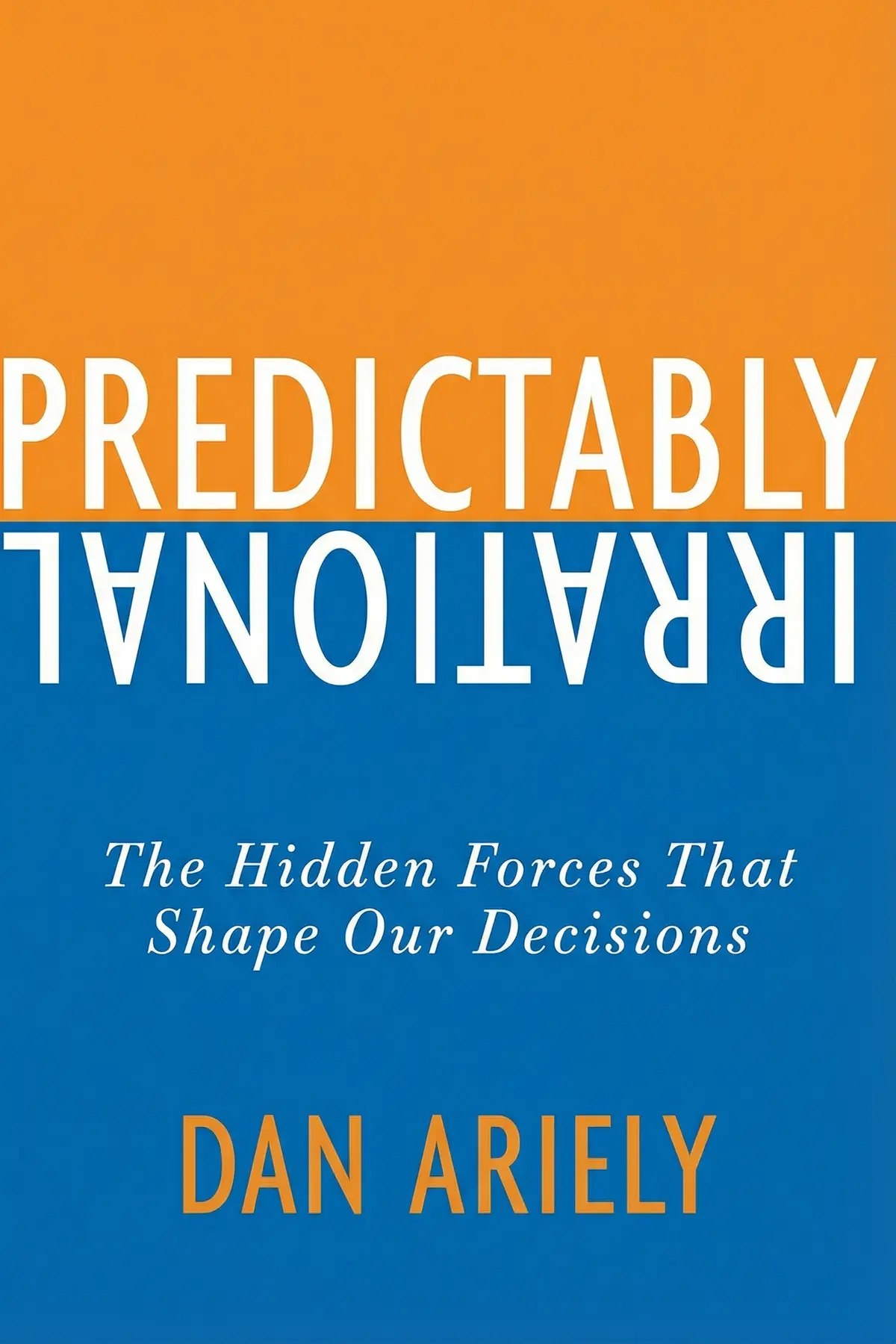
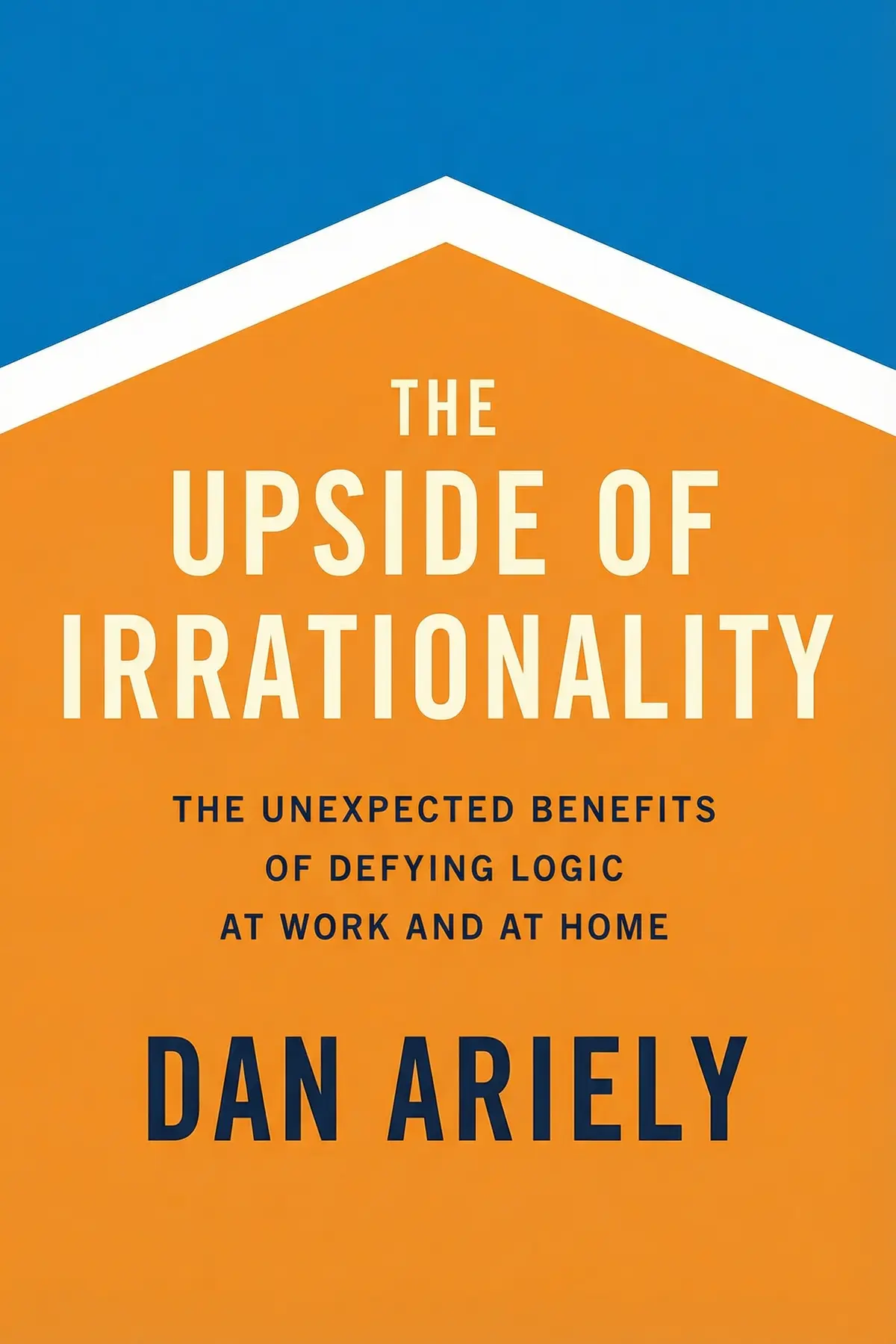
Dan Ariely is professor of psychology and behavioral economics at Duke University. His main field of interest is the psychology of irrationality. In addition to The Honest Truth About Dishonesty, Ariely is the author of two other international bestsellers: Predictably Irrational and The Upside of Irrationality.
Ratings & Reviews
Ratings at a glance
What people think
Listeners find the text accessible and straightforward, offering profound insights into human behavior by sharing unconventional angles on the decision-making process. The work is notably well-grounded in research, breaking down complicated academic papers and detailing fascinating experiments that produce unexpected findings. Listeners also praise its utility in daily life; specifically, one listener mentions its benefits within a business environment, and another points out how the book encourages a deeper level of personal integrity.
Top reviews
Chee
Finally got around to finishing this, and I’m genuinely impressed by how Dan Ariely turns complex behavioral economics into something digestible. Most of us think of 'cheaters' as some separate category of bad people, but this book shows how everyone has a 'Fudge Factor' that lets us lie just enough to stay comfortable with ourselves. I particularly liked the discussion on how we distance ourselves from actual cash—it’s much easier to take a soda from a communal fridge than to steal a dollar bill. While some of the classroom experiments felt a bit repetitive after a while, the overall narrative is incredibly strong. It’s the kind of read that makes you look at your own small shortcuts in a totally different light.
Show moreKru
Wow, what a wake-up call this book turned out to be for my own personal habits. I went in expecting a study on 'other people' who lie, but I ended up realizing just how much I rationalize my own little shortcuts. Ariely’s writing is charming and witty, which makes the somewhat depressing subject matter feel fun and engaging rather than judgmental. The 'shredder' experiments are iconic for a reason; they show exactly how we behave when we think no one is watching. Personally, I think this should be required reading for anyone who wants to be more honest with themselves. It’s rare to find a book that is this well-researched while still being so easy to read and understand.
Show moreMontri
Picked this up for a business book club, and it sparked the best discussion we’ve had in months. Ariely provides a big dose of common sense backed by witty study designs that make you feel smarter just for reading them. One of the most practical takeaways was how a 'bad apple' can ruin a group; witnessing someone from our own social circle cheat makes us significantly more likely to do the same. This insight into group dynamics is vital for anyone trying to build a healthy culture at work. Not gonna lie, I was skeptical about how much I could learn about 'dishonesty,' but the perspective here is totally unexpected. It’s a fast, fascinating read that delivers a lot of bang for your buck.
Show moreEmma
Ever wonder why you might 'cheat' on a crossword puzzle but never on a tax return? Ariely explores that grey area with a light-hearted but insightful tone that kept me turning pages. The core idea is that we want to benefit from cheating but still feel like good people, and we use all sorts of mental gymnastics to achieve that. The bit about the Ten Commandments acting as a moral reminder even for non-religious people was particularly fascinating to me. To be fair, I felt some of the findings were common sense dressed up in academic language, but the data is presented so clearly that it’s hard not to find value in it. This is a solid pick for anyone curious about why humans behave so irrationally when it comes to ethics.
Show moreNadia
After hearing Ariely speak on a podcast, I had high hopes for this book, and it largely delivered. It’s written in a very accessible way, avoiding the dense jargon you usually find in social psychology papers. I found the section on creative people being more prone to dishonesty especially compelling because it suggests that our ability to rationalize is our greatest tool for deceit. If you liked Predictably Irrational, you’ll find a lot to love here, though some of the research overlaps quite a bit with his previous work. My only real gripe is that I wish he’d tackled bigger questions about systemic corruption instead of focusing so much on small-scale individual cheating. Still, it provides a tremendous amount of insight into daily human behavior.
Show moreSuphan
The chapter on fake sunglasses really stood out to me as the highlight of the entire book. Ariely argues that wearing a knockoff affects our self-image, making us feel like frauds and thus more likely to commit other dishonest acts. It’s a chilling thought that our accessories could influence our moral fortitude, but the experiments he describes make a very convincing case for it. The writing is punchy and moves fast, though I do think he oversimplifies some very complex social situations to fit his theories. It’s not a perfect scientific treatise, but as a window into the human psyche, it’s absolutely worth your time. If you work in management or any leadership role, you’ll find the practical suggestions for reducing cheating on forms and reports very useful.
Show moreOrm
Personally, I found this to be a much more engaging read than Ariely’s previous book, even if it covers some similar themes. The way he explains the psychology of why we fudge our taxes or cheat on golf scores is both funny and deeply insightful. He has a gift for taking dry psychology papers and turning them into a narrative that flows like a novel. I did find the bit about essay mills a little weak, as he relied on a single anecdotal experience to dismiss a huge problem, but that’s a minor complaint in an otherwise excellent book. The Fudge Factor theory is a brilliant way to explain the human condition. It’s the kind of book you’ll find yourself quoting to friends at dinner parties.
Show moreLuke
This book provides a fascinating look at the 'fuzzy' reality we all live in where we try to balance self-interest with our desire to be seen as virtuous. Ariely’s light-hearted style makes even the most cynical findings about human nature feel accessible. I was especially intrigued by the idea that we don't cheat more just because the probability of getting caught is low—it's actually our self-image that acts as the biggest deterrent. While I agree with other reviewers that some of the matrix experiments feel a bit 'small' for such a big topic, the cumulative effect of the stories is very powerful. It’s a well-researched exploration that will definitely make you think twice about the 'honest' truth you tell yourself every day.
Show moreAnchalee
Look, the methods here are just too soft for me to take the 'scientific' findings at face value. Ariely spends way too much time in sterile classroom settings asking students to solve matrices and then shred their papers, which doesn't reflect real-world stakes at all. The leap from a college kid fudging a math test to general societal behavior is a massive stretch that lacks robust statistical significance. Frankly, I was annoyed by the sunglasses study—claiming people who wear knockoffs are fundamentally more prone to dishonesty felt like a reach based on very subjective parameters. It’s an easy read and the questions he asks are fascinating, but the 'science' behind the answers is just too shaky for my liking.
Show moreNoi
To be fair, while the premise of the book is juicy, the execution left me feeling a bit bored by the halfway point. Most of the book involves student volunteers in classrooms filling out dotted matrices, which gets incredibly repetitive. I wanted more real-world applications like the farmers' market study with the blind girl, which was actually quite interesting and yielded surprising results. Unfortunately, most of the findings just felt like common sense—reminding people of ethics makes them act more ethically? No kidding. The author is clearly a smart guy and a great storyteller, but I didn't feel like I gained any 'breakthrough' knowledge here. If you’ve read his other work, you can probably skip this one as it covers a lot of familiar ground.
Show moreReaders also enjoyed
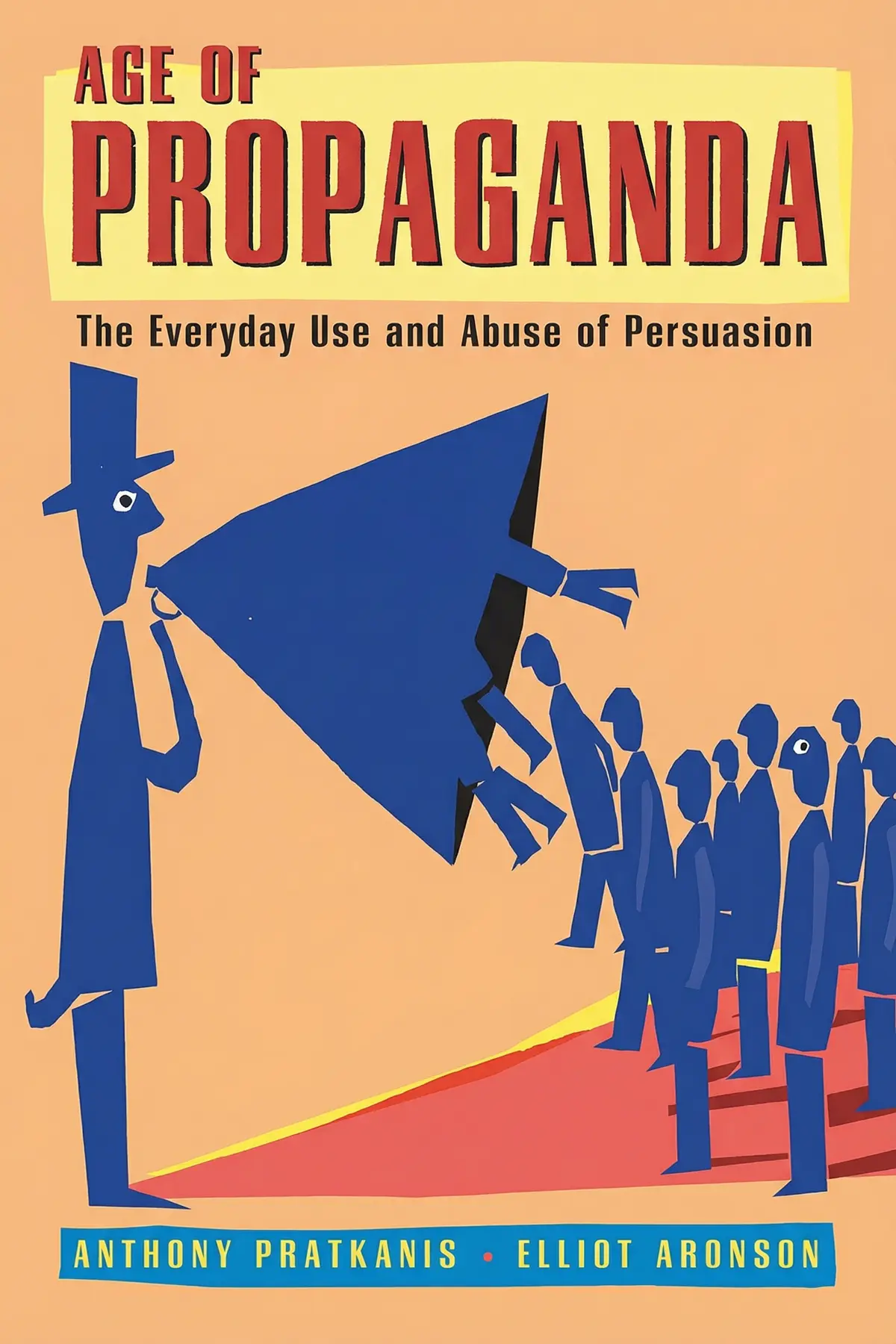
Age of Propaganda: The Everyday Use and Abuse of Persuasion
Anthony Pratkanis
59 Seconds: Change Your Life in Under a Minute
Richard Wiseman
A Liberated Mind: How to Pivot Toward What Matters
Steven C. Hayes
AUDIO SUMMARY AVAILABLE
Listen to The (Honest) Truth About Dishonesty in 15 minutes
Get the key ideas from The (Honest) Truth About Dishonesty by Dan Ariely, plus 5,000+ more titles in English and Thai.
- 5,000+ titles
- Listen as much as you want
- 7-day free trial
- Cancel anytime







