
14 min 28 sec
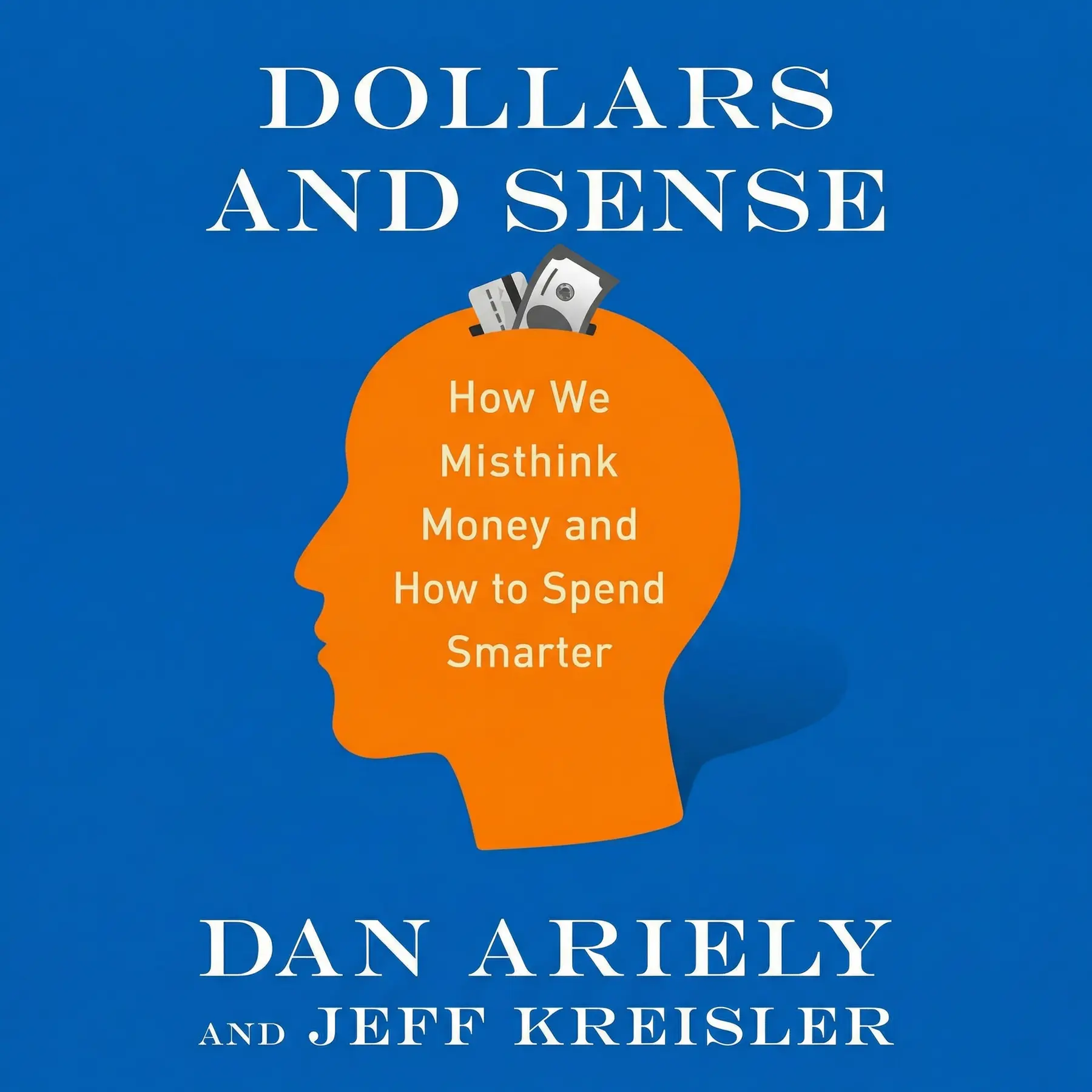
Dollars and Sense: How We Misthink Money and How to Spend Smarter
Explore the psychological traps that lead to poor financial decisions. This summary reveals why humans are naturally irrational with money and provides practical strategies to develop smarter spending and saving habits.
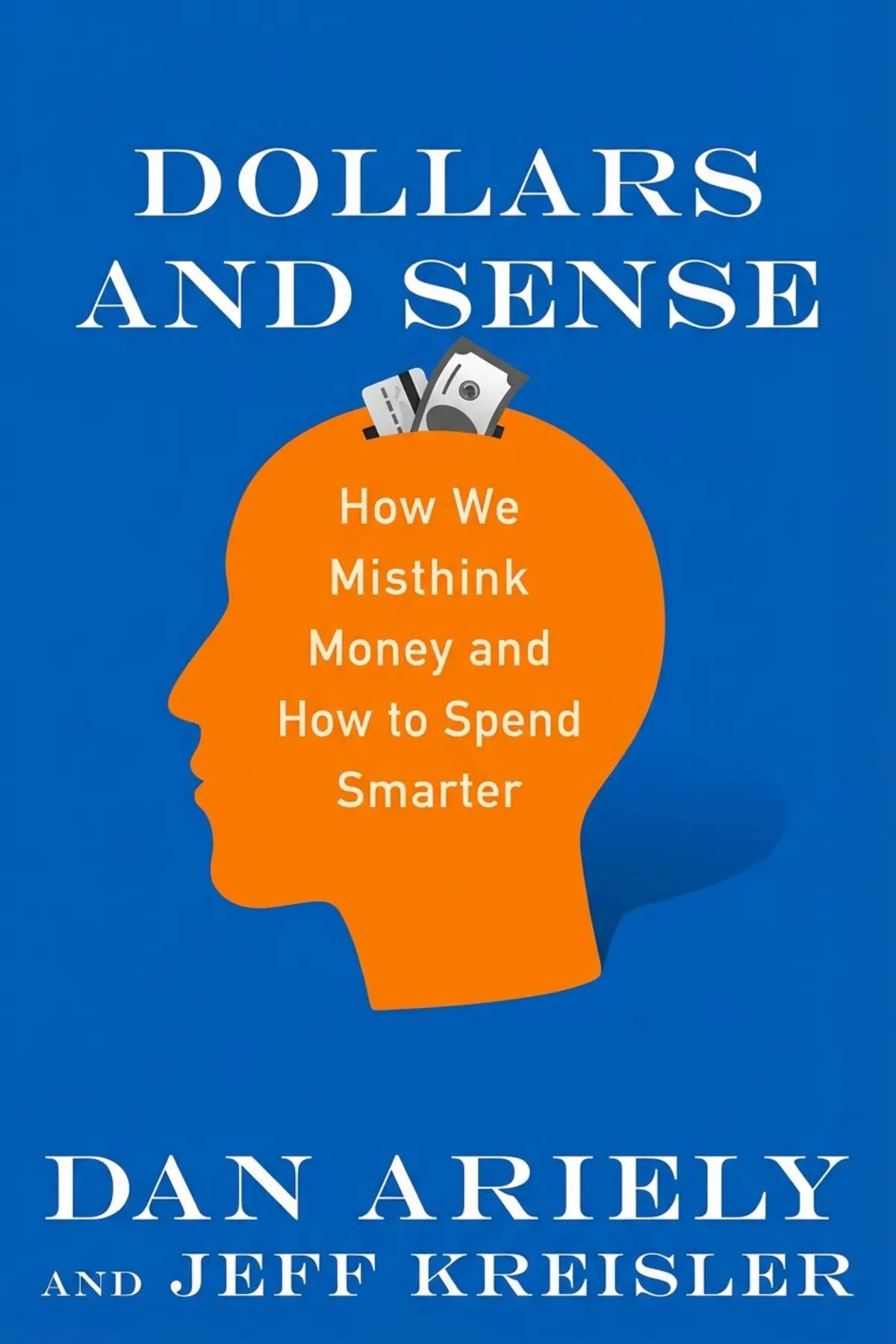
Table of Content
1. Introduction
1 min 32 sec
Money is perhaps one of the most stressful and confusing aspects of modern existence. We work hard for it, we worry about not having enough of it, and yet, we often find ourselves wondering where it all went at the end of the month. If you feel like you are constantly making bad financial choices, you are far from alone. The truth is, humans were never really built to handle the abstract complexities of modern finance. Our brains are wired for survival, social status, and immediate gratification—traits that often clash with the logic required for long-term wealth management.
In the following insights, we are going to explore why we are so prone to financial irrationality. We will look at how our emotions, our environment, and even the language used by salespeople can trick us into spending more than we should. This journey through behavioral economics will show you that money isn’t just about math; it is about psychology. We will uncover the hidden forces behind why we value a sale price over a fair price and why losing a pre-paid ticket feels different than losing the cash meant to buy one.
But this isn’t just about identifying our mistakes. It’s about building a better relationship with your bank account. By the time we reach the end, you’ll have a toolkit of strategies—from understanding opportunity costs to setting up personal ‘contracts’—that can help you bypass your own worst impulses. The goal isn’t to become a perfect, cold-blooded calculating machine, but to acknowledge our human quirks and design a life where they don’t get in the way of our future security. Let’s dive in and see how we can start making more sense out of our dollars.
2. The Hidden Trade-offs of Spending
2 min 15 sec
Discover why we struggle to see what we are truly giving up when we make a purchase and how marketers use external cues to distract us.
3. The Illusion of Relative Value
2 min 19 sec
Learn how our reliance on comparisons can lead us into financial traps and why transparency isn’t always what consumers want.
4. Subjective Accounting and Emotional Money
2 min 11 sec
Explore why we treat money differently depending on where it came from or what we intend to use it for.
5. How Language and Rituals Inflate Value
2 min 15 sec
Uncover the power of descriptions and traditions in shaping our willingness to pay more for the same products.
6. Structuring Success and the Ulysses Contract
2 min 18 sec
Learn why willpower is not enough to save money and how to build systems that protect you from your own impulses.
7. Conclusion
1 min 38 sec
The journey through our financial psychology reveals a startling truth: we are often our own worst enemies when it comes to money. From the way we ignore opportunity costs to the emotional baggage we attach to every dollar, our brains are cluttered with shortcuts and biases that lead us astray. We’ve seen how JCPenney’s attempt at honesty failed because we crave the thrill of a ‘deal,’ and how a simple ritual can make a chocolate bar seem more valuable. These aren’t just interesting quirks; they are the invisible forces that shape our bank accounts and our futures.
However, the ultimate takeaway from Dollars and Sense is not one of despair, but of empowerment. We don’t have to be victims of our own biology. By acknowledging that we are irrational, we can start to build better habits. The most actionable step you can take today is to simplify your life by removing the need for constant decision-making. Don’t try to track every penny in a complex spreadsheet that you will eventually abandon. Instead, create a broad ‘discretionary’ category for your fun spending and put that fixed amount on a separate prepaid card each week. When the card is empty, the fun is over.
By setting up these kinds of ‘Ulysses contracts’ and automating your savings, you are taking the burden off your willpower and putting it onto a system that works for you. Money doesn’t come with an instruction manual, and our instincts are often wrong, but with a little bit of structural help and a clearer understanding of our mental traps, we can stop misthinking our money and start spending it in ways that truly bring us value. Remember, the goal isn’t just to have more dollars, but to have more sense about how those dollars serve your life.
About this book
What is this book about?
Money is more than just a currency; it is a complex psychological trigger that often bypasses our rational thinking. In this summary of Dollars and Sense, we dive deep into the hidden motivations and mental shortcuts that dictate how we spend, save, and value our resources. From the allure of sales and coupons to the way language influences our perception of quality, the book exposes the common pitfalls that leave even the most cautious people broke. The promise of this work is not just to identify our flaws, but to offer a path forward. By understanding concepts like opportunity costs, mental accounting, and the power of rituals, you can begin to see through the deceptive tactics of marketers. You will learn why your brain struggles to save for the future and how to use behavioral economics to your advantage. Ultimately, this is a guide to mastering your instincts and building a more stable financial life through intentional systems rather than just willpower.
Book Information
About the Author
Dan Ariely
Dan Ariely is a professor of psychology and behavioral economics at Duke University. His work has been frequently published in scholarly journals as well as the New York Times, Washington Post, and Scientific American. He is also the author of Predictably Irrational (2008), The Upside of Irrationality (2010) and The Honest Truth about Dishonesty (2012). Jeff Kreisler is a former lawyer who specializes in using humor and satire to promote behavioral economics and better financial habits. A graduate of Princeton University, his first effort was the satirical book Get Rich Cheating: The Crooked Path to Easy Street (2009).
Ratings & Reviews
Ratings at a glance
What people think
Listeners find the book accessible and witty, with one listener noting how the authors integrate amusing anecdotes into the lessons. Additionally, the material offers profound perspective, with one listener emphasizing how it demonstrates techniques for considering money in a new light. Listeners also value its hands-on style and ability to shift financial perspectives, while the well-researched flow of the book garners positive praise.
Top reviews
Ice
Ever wonder why a '50% off' sign makes your brain shut down and your wallet fly open? Dan Ariely and Jeff Kreisler deliver a masterclass in how we sabotage our own finances through psychological tricks we don't even notice. I'm usually someone who gets bored to tears by money books, but this one is genuinely funny and kept me engaged with its witty anecdotes and relatable examples. The concept of the 'Ulysses Contract'—setting up systems to stop our future selves from being idiots—was a total game-changer for me. Truth is, we live in an environment designed to tempt us, and this book gives you the armor to fight back. It’s not just a budget guide; it’s an exploration of human nature. Highly recommended for anyone who feels like their paycheck vanishes into a black hole every month.
Show moreKung
As someone who is a total chump for a good sale, this book was an eye-opener. I always thought I was being 'smart' by hunting for bargains, but Ariely and Kreisler show how those '50% off' signs are actually just psychological traps to make us feel like we're winning. The way they explain 'mental accounting'—why we'll spend $50 on a dinner but stress over a $2 app—was incredibly relatable and well-researched. I appreciated that they didn't just point out our flaws but offered practical solutions, like creating barriers to future temptations. Not gonna lie, I laughed out loud several times, which is not what I expected from a book about money. It’s insightful, practical, and actually fun to read.
Show moreChamlong
Picked this up because I wanted to think about money differently, and it delivered exactly that. The authors don't just tell you to save; they explain the 'why' behind our failure to do so, focusing on how we avoid the 'pain' of paying. I loved the specific examples regarding how we value a locksmith's work based on time rather than skill—it really makes you rethink what 'value' actually means. The truth is, our environment is actively trying to tempt us into bad decisions, and this book acts as a much-needed wake-up call. It’s well-researched, funny, and provides those 'aha!' moments that make a book worth finishing. I’ll be recommending this to anyone who feels like they’re stuck in a cycle of mindless consumption.
Show moreWichai
The chapter on the 'pain of paying' completely changed how I look at my credit card usage. Ariely explores how separating the act of buying from the physical loss of cash makes us spend more freely, which is something I definitely struggle with. I've been trying to be more mindful of my habits, and this book provided the scientific backing to explain why I make such irrational choices. While some of the sections on 'fairness' felt a little less sophisticated than his previous work, the overall message is still incredibly powerful. It’s a readable, humorous deep dive into the mental accounting we all do behind the scenes. Look, it’s not a magic pill for wealth, but it's a great tool for understanding your own brain.
Show moreCharlotte
After hearing so many people rave about Dan Ariely, I decided to give this collaboration with Jeff Kreisler a shot. It is a fantastic bridge between academic psychology and the everyday reality of our bank accounts. The authors use a very casual, punchy style to break down complex ideas like opportunity costs and the relativity of price. I did find the section on Netflix and Uber pricing a bit controversial, as they seem to lean into a specific moral view of economics that doesn't account for corporate ethics, but the core psychological lessons are solid. It’s a well-paced read that encourages you to stop and question your long-term habits. Definitely a helpful resource for anyone looking to shift their money mindset without being bored to death by spreadsheets.
Show moreDarius
Wow. I didn't realize how much the 'anchor' effect was influencing my daily spending until I read the first few chapters of this. The authors do a great job of showing how our decisions are sensitive to the last number we thought about, which is terrifying when you realize how much retailers use this against us. Personally, I found the writing style to be very engaging, though I can see how the humor might be a bit much for someone who wants a dry textbook. The book provides great insight into the 'Money Volcano' we all live inside. It’s a potential life-changer if you actually apply the suggestions about questioning your recurring expenses. A few sections felt a bit padded, but the overall value is definitely there.
Show moreWin
Finally got around to reading this, but I ended up DNFing it around the 60% mark. It started off so strongly with great examples of how marketers manipulate our sense of value, but then it just started to drag. I loved the general idea of the chapters, particularly the bits about how we value things more if we see the effort involved, yet I wish the authors would get to the point a little quicker. It’s a good book for beginners who don't know much about behavioral economics, but for veterans of the genre, it feels repetitive. In my experience, the humor helps, but it doesn't fully make up for the lack of new insights if you’re already familiar with Ariely’s research. Decent, but not his best work.
Show moreSienna
I've been a fan of behavioral economics for a while, so this felt a bit like a 'greatest hits' album rather than new material. The book is definitely better if you haven't already read 'Predictably Irrational' or 'Thinking, Fast and Slow' because many of the studies mentioned are industry standards. To be fair, the collaboration with Kreisler adds a layer of humor and accessibility that Ariely's solo books sometimes lack. I struggled with the authors' take on 'fairness,' as it felt a bit simplistic compared to current psychological research. However, for a casual reader looking to understand why they make bad financial choices, this is a solid entry point. It’s readable and the pacing is generally good, even if it’s not groundbreaking for everyone.
Show moreNaomi
This book was a massive disappointment for me because it felt incredibly unorganized and full of unnecessary filler. I picked this up hoping for a no-nonsense guide to fixing my spending, but instead, I got a lot of rambling stories and jokes that didn't always land. Frankly, if you have already read 'Predictably Irrational,' you can skip this one since it retreads a lot of the same behavioral economics ground without adding much new substance. The pacing was sluggish, and I actually found myself skipping pages just to get to the actual point of the chapters. To be fair, the illustrations are cute, but they can't save a book that feels like it could have been a long blog post. Not for people who want straight-to-the-point financial advice.
Show moreEvelyn
Not what I expected at all, and frankly, I'm not sure who the intended audience is for this book. If you're looking for actual financial advice, look elsewhere because this is just a collection of rambling stories and 'fun' facts about psychology. I want my money books to be straight forward and professional, not filled with silly illustrations and attempts at humor that fall flat. It felt very unorganized and didn't provide any concrete steps for building a budget or investing. Thanks, but no thanks—I'll stick to authors who take the subject of finance a bit more seriously. This felt like a 'pop science' book trying too hard to be quirky while neglecting the actual needs of the reader.
Show more
Readers also enjoyed
A Liberated Mind: How to Pivot Toward What Matters
Steven C. Hayes

Acting with Power: Why We Are More Powerful Than We Believe
Deborah Gruenfeld
Age of Propaganda: The Everyday Use and Abuse of Persuasion
Anthony Pratkanis
AUDIO SUMMARY AVAILABLE
Listen to Dollars and Sense in 15 minutes
Get the key ideas from Dollars and Sense by Dan Ariely, plus 5,000+ more titles in English and Thai.
- 5,000+ titles
- Listen as much as you want
- 7-day free trial
- Cancel anytime







