
22 min 47 sec
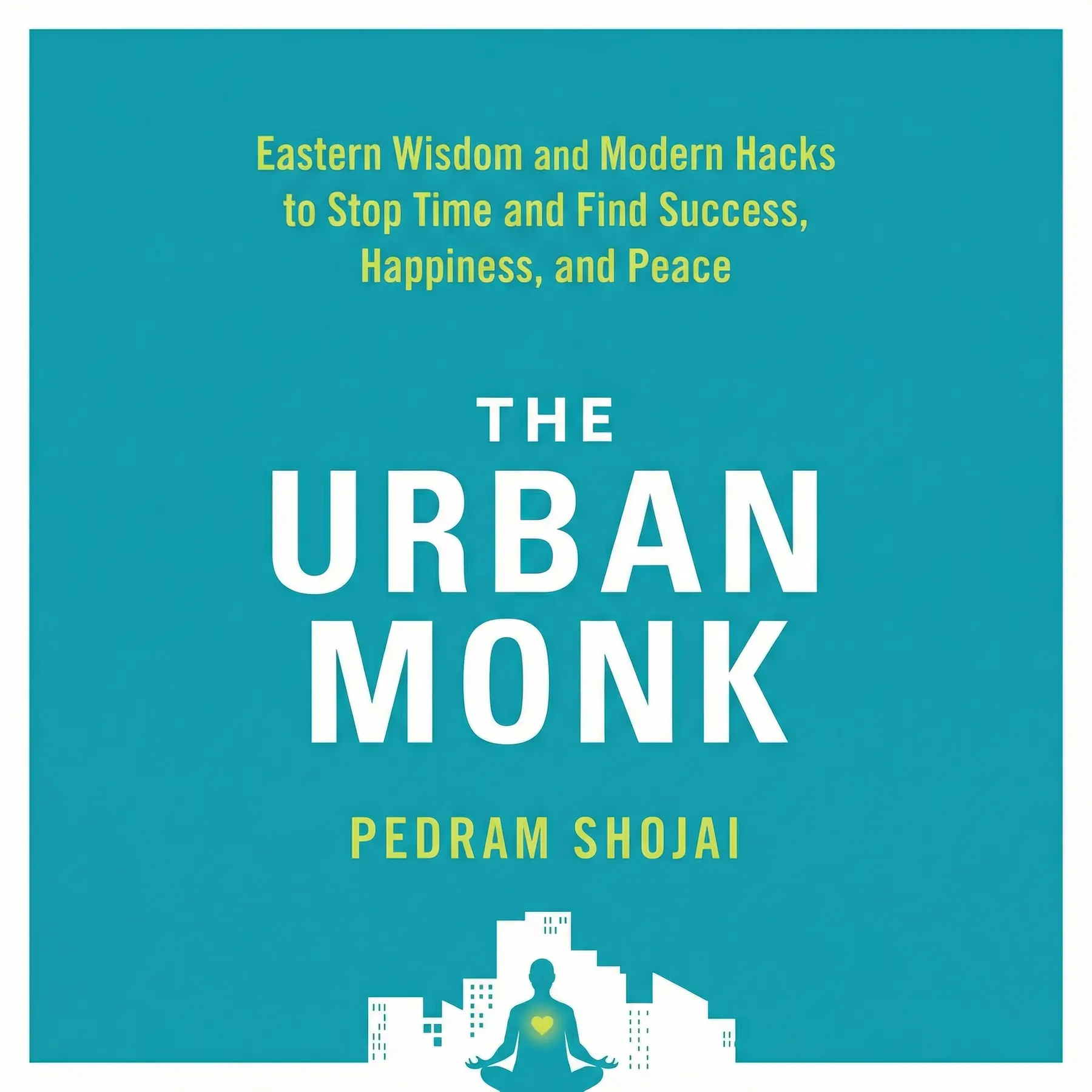
The Urban Monk: Eastern Wisdom and Modern Hacks to Stop Time and Find Success, Happiness, and Peace
The Urban Monk bridges ancient Eastern philosophy and modern living, offering practical strategies to reclaim your health, focus, and inner peace without abandoning the demands of your contemporary daily life.
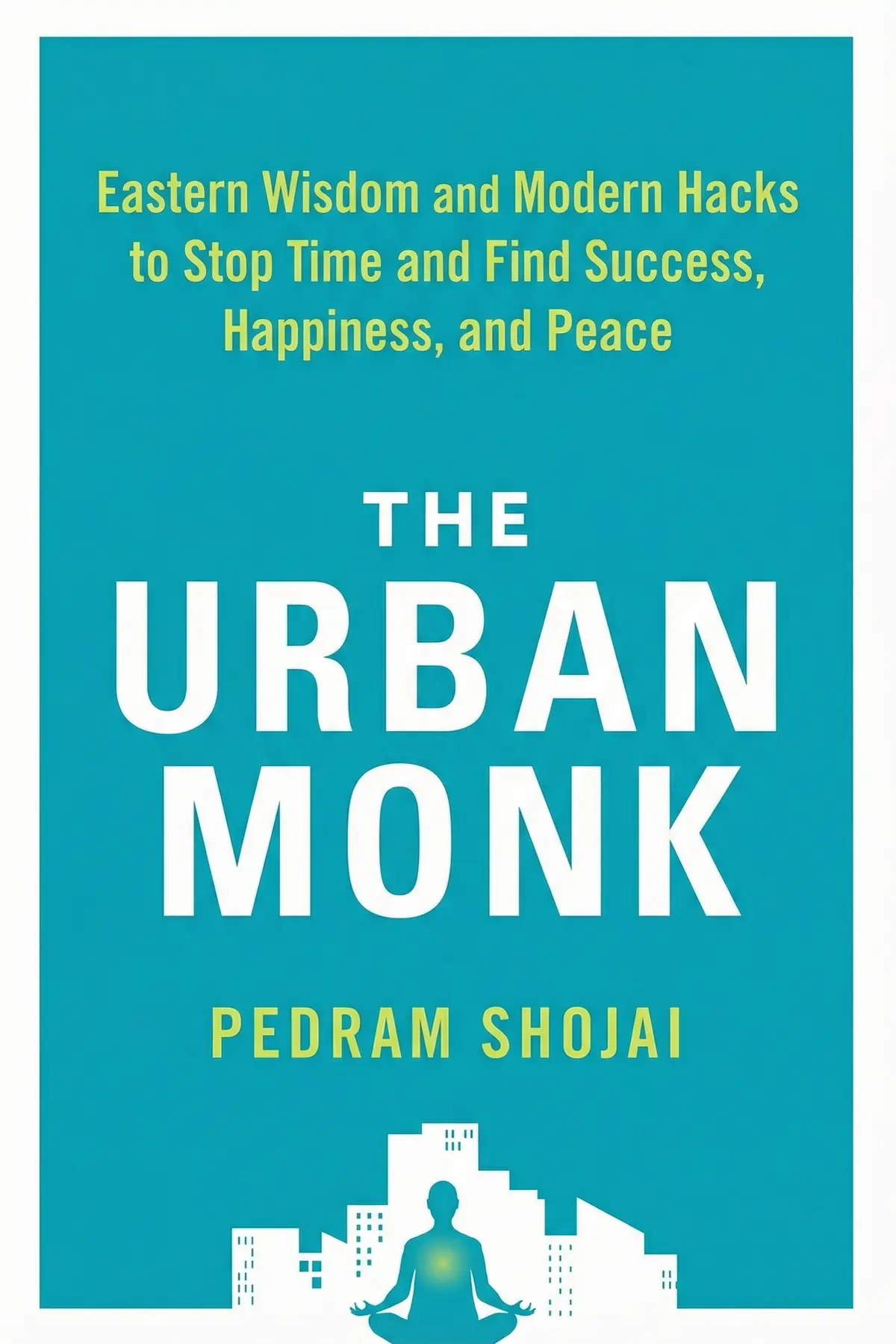
Table of Content
1. Introduction
1 min 50 sec
In the modern era, there is a profound tension between our desire for tranquility and the unrelenting pace of our daily lives. Most of us find ourselves caught in a cycle of endless notifications, mounting bills, and the constant pressure to perform. We look toward the serene images of monks in the Himalayas with a mixture of envy and resignation, assuming that true inner peace is a luxury reserved for those who can afford to leave society behind. But what if that peace wasn’t found in a remote cave, but rather in the way you handle your morning commute, your office deadlines, and your evening routine?
This is the core premise of becoming an Urban Monk. It is about taking the profound insights of Taoism, Buddhism, and ancient ancestral wisdom and translating them into a language that works for someone living in a 21st-century city. You don’t need to shave your head or wear robes to access these benefits. Instead, you need a new set of tools to navigate the concrete jungle. Pedram Shojai, a former Taoist monk who understands both the silence of the temple and the noise of the modern world, serves as the guide for this transformation.
In this exploration, we will look at how to recalibrate your lifestyle to better align with your biological needs. We will examine why our ancestors’ ways of living can solve our modern health crises and how physical movement is inseparable from spiritual growth. We will also dive into the mechanics of energy, the transformative power of meditation as a mental operating system, and the practical ways to slow down time when the world feels like it’s spinning too fast. The journey ahead is about realizing that your daily life is not an obstacle to your spiritual path—it is the path itself. By the end of this summary, you will have a clear framework for finding success, happiness, and peace, right where you are.
2. Realigning with Ancestral Wisdom
1 min 55 sec
Modern technology often disrupts our most basic biological needs, but we can look to the lifestyle of our forebears to restore our natural rhythms.
3. The Essential Role of Nature and Connection
1 min 55 sec
Reclaiming our health requires more than just silence; it demands movement, community, and a regular return to the natural world.
4. Cultivating the Discipline of Kung Fu
1 min 54 sec
True mastery of life requires a mindset that embraces hard work and physical challenge as opportunities for internal growth.
5. Nourishing the Body with Mindful Intent
1 min 57 sec
Improving your diet isn’t just about what you eat, but how you eat and how much time you give your body to process nutrition.
6. Understanding and Freeing Your Energy Flow
1 min 54 sec
Vitality is not just about having energy; it’s about ensuring that your energy is not blocked by physical or emotional obstacles.
7. The Power of Qigong and Active Living
2 min 00 sec
Ancient energy work and simple adjustments to your workspace can dramatically shift your physical and mental state.
8. Meditation as Emotional Therapy
1 min 52 sec
Meditation is more than just a way to relax; it is a profound tool for healing the heart and resolving past pain.
9. Installing Meditation as a Mental Operating System
1 min 54 sec
Stop treating meditation like a temporary fix and start making it the background framework for your entire life.
10. Cultivating Inner Peace Amidst Chaos
1 min 54 sec
The secret to tranquility isn’t changing your circumstances, but changing your internal reaction to them.
11. Slowing Down Time and Embracing Purpose
1 min 56 sec
By focusing on the present and acknowledging the brevity of life, we can expand our experience of time and find deep meaning.
12. Conclusion
1 min 46 sec
The path of the Urban Monk is not about finding a perfect life, but about becoming a more resilient and conscious version of yourself within the life you already have. By looking back to our ancestors, we find the biological blueprints for health—reclaiming our sleep by limiting artificial light and reintroducing the essential elements of nature and community. By looking to Eastern wisdom, we find the mental and energetic tools to handle the pressures of modernity, using practices like qigong and meditation to keep our vitality flowing and our hearts open.
The journey is essentially one of integration. It’s about merging the discipline of the monastery with the challenges of the city. You have learned that your energy levels are a reflection of your lifestyle choices, that your diet is as much about ‘how’ you eat as ‘what’ you eat, and that meditation is an operating system that should guide every moment of your day. Most importantly, you have seen that tranquility and time are internal experiences that you have the power to influence.
As you move forward, remember the concept of the ‘100-day gong.’ Don’t try to change every habit overnight. Pick one technique—whether it’s the digital sunset, the slow-eating habit, or a daily five-minute meditation—and commit to it for 100 days straight. This is the time it takes to truly wire a new behavior into your life and make it a habit. By taking these small, disciplined steps, you don’t just survive the modern world—you master it. You find that even in the heart of the most crowded city, there is a space of stillness and purpose that belongs entirely to you. Your life is the practice; the city is your temple. Go forth with the steady heart of a monk and the sharp mind of an urbanite, and create a life that is truly worth living.
About this book
What is this book about?
The Urban Monk explores the intersection of ancient spiritual traditions and the high-speed reality of modern existence. It addresses the common struggle of wanting to find depth and serenity while being tied to a desk, a mortgage, and a smartphone. Instead of suggesting we flee to a mountain monastery, the book provides a roadmap for integrating the discipline and wisdom of a monk into the urban landscape. It promises a way to overcome the exhaustion and disconnect that define modern life through manageable, evidence-based lifestyle shifts. By examining the habits of our ancestors and the rigorous practices of Eastern masters, the book identifies where we have fallen out of sync with our biological and spiritual needs. It covers vital areas such as restorative sleep, energetic flow, mindful nutrition, and emotional healing. The promise is a more vibrant, purposeful existence where stress no longer dictates your quality of life. Through specific techniques like qigong, meditation, and intentional movement, you can learn to navigate the chaos of the city with the calm of a sage, ultimately finding success and happiness in the here and now.
Book Information
About the Author
Pedram Shojai
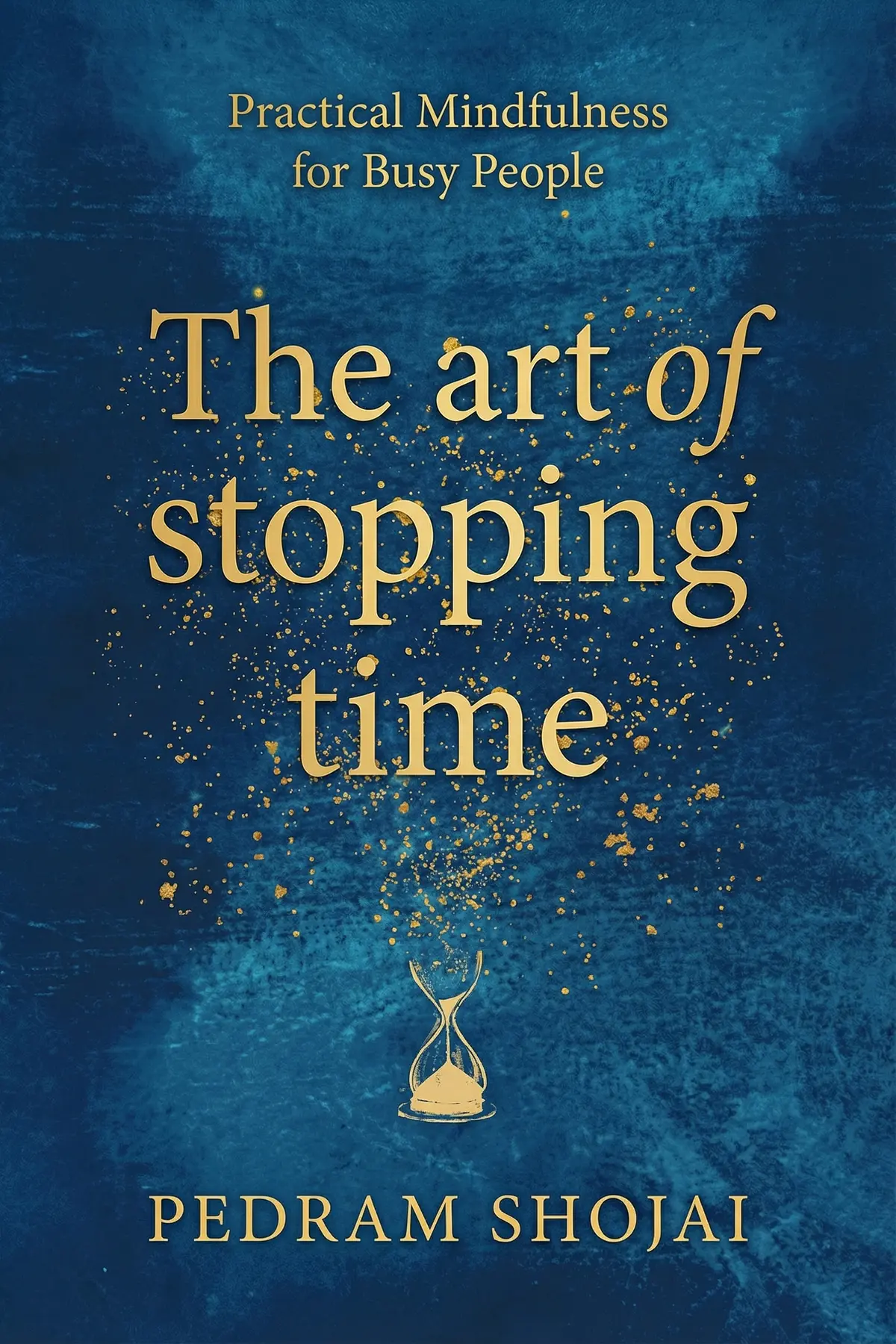
Pedram Shojai, a former Taoist monk, is a doctor of Oriental medicine, a qigong master, and a decades-long practitioner of kung fu and tai chi. He is the host of The Urban Monk podcast, the founder of Well.org, and the producer of the documentary films Vitality, Origins, and Prosperity. His other books include The Art of Stopping Time and Inner Alchemy.
Ratings & Reviews
Ratings at a glance
What people think
Listeners find this book an engaging read filled with actionable guidance that encourages them to investigate its themes more thoroughly. Moreover, the material is straightforward and helpful for individuals with busy lives, providing a realistic, no-nonsense method for self-improvement. They also value its overarching message, with one listener noting its deep understanding of the spiritual path.
Top reviews
Suthee
This book arrived at exactly the right moment in my life when I felt completely drained by the modern grind. Pedram Shojai has a way of cutting through the noise with a no-nonsense approach that makes spiritual practice feel accessible rather than airy-fairy. I loved the emphasis on being a 'householder' who actually makes things happen instead of just retreating from the world. The chapters on energy and time management were game-changers for me, especially the idea that how you do one thing is how you do everything. Some might find the language a bit colorful, but I found his use of occasional cuss words refreshing and real. It’s a deep dive into what it means to live intentionally.
Show moreGoy
After hearing Shojai on a podcast, I decided to buy the book to see if his 'Urban Monk' philosophy was legit. Frankly, it’s one of the most practical health books I’ve read in years. It doesn't just tell you what's wrong; it gives you a roadmap to fix it. The emphasis on 'voting with our time' really hit home for me. We all complain about being busy, yet we spend hours on mindless distractions. This book teaches you how to reclaim that energy. It’s written in an easy-to-understand way that doesn’t require a degree in philosophy to grasp. Highly recommended for anyone who feels like they’re just 'passing time' rather than truly living.
Show moreIvan
Ever wonder why you’re constantly exhausted despite doing 'everything right'? This book answers that question by looking at the invisible stressors of our modern environment. I loved the focus on 'vibration' and life force, even if it sounds a bit 'woo' to some. The truth is, we are disconnected from the sun and nature, and Shojai provides realistic ways to bridge that gap without quitting your job. The final chapter gives a great push to actually start the work rather than just reading about it. It’s a deep, meaningful guide for anyone looking to find peace in the middle of a concrete jungle.
Show moreSamart
Finally got around to reading this after seeing Shojai in a few interviews, and I must say it lives up to the hype for the most part. The core message is about regaining your vitality in a world that treats us like zombies, and his advice on sleep and stress management feels incredibly relevant for a corporate worker like me. I appreciated the down-to-earth, almost blunt tone, even if his 'hip' persona feels a bit forced at times. While some of the stuff about GMOs and 'detoxes' felt like pseudoscience, the actual lifestyle shifts he suggests are solid. It's essentially a guidebook for staying sane in the city. Truth is, you probably know most of this already, but having it packaged this way provides a much-needed kick in the pants.
Show moreYuwadee
As someone who struggles with chronic stress, I found the section on the prefrontal cortex and blood flow fascinating. Shojai argues that we are effectively becoming zombies because we've lost our connection to nature and our own bodies. The book is filled with practical rituals to help you 'upgrade' your habits, and I've already started implementing the body scanning techniques. Look, it’s not perfect—there is definitely some 'woo-woo' regarding high-vibration foods and alchemy that I took with a grain of salt. But the overall message about stopping the 'drain' of our life energy is powerful. It’s a useful manual for anyone feeling overwhelmed by the 21st century.
Show moreSamira
Picked this up on a whim and was pleasantly surprised by how much of it actually stuck with me. The author’s voice is certainly unique; he uses 'crap' and 'shit' quite a bit, which makes it feel less like a dry textbook and more like a conversation with a friend. I particularly liked the idea that our 'now' determines our 'later' and the emphasis on not being a pawn in someone else's vision. There are some questionable claims about 'toxic' modern life, but the core advice to return to nature and simplify your rituals is sound. It’s a great guide for the urban dweller who is tired of feeling sick and uninspired.
Show moreKwan
Not what I expected, but in a good way. I thought this would be another boring meditation guide, but it’s actually more of a lifestyle overhaul. Shojai’s 'Urban Monk' is a survivor who thrives in chaos, which is a much more realistic goal than moving to a mountain top. The book covers everything from the info you ingest to the nutrients in your food. I did roll my eyes at the occasional mention of ayahuasca and the slight anti-science bent regarding GMOs. However, the sections on non-reactivity and creating a life that codes for your dreams were incredibly inspiring. It’s a strong, practical book for the modern era.
Show moreOscar
Is it a masterpiece of Eastern wisdom, or just a really well-marketed Pinterest board for wellness? To be fair, Shojai does a great job of distilling complex concepts into actionable steps for busy people who can't exactly run away to a monastery. However, the constant shouting-out of his own website and services started to feel like one long commercial. I also found the weird shift in pronouns—using feminine ones for the first half then switching to masculine for money talk—to be incredibly jarring and unnecessary. It's a decent read if you need a reminder to breathe and stop eating processed muffins, but don't expect deep spiritual enlightenment. It’s mostly recycled self-help with a 'Urban Monk' brand name slapped on top.
Show moreIsaiah
The chapter on money was where this book lost me a little bit, mainly because of the weird gendered language. Why switch to male pronouns specifically when talking about finances? It felt a bit dated and out of touch with the rest of the book's inclusive vibe. Aside from that, the advice is fairly standard: eat better, sleep more, and stop being a sucker for drama. It’s a quick read and Shojai is definitely an engaging 'cheerleader' for self-care, but I didn’t find much 'Eastern wisdom' that hasn't been covered in every other self-help book. It’s helpful as a refresher, but it’s definitely not a revolutionary text. In my experience, it’s a solid 3-star read.
Show morePla
Wow. I really wanted to like this, but it felt like being trapped in a room with a sanctimonious gym bro who just discovered meditation. The author spends half the book bragging about his credentials and the other half pushing 'detox' treatments that have zero scientific backing. It is a blatant attempt to funnel readers into his ecosystem of paid services. He contradicts himself constantly—promoting lean protein one minute and then acting like an ascetic the next. Also, the anti-GMO fear-mongering is just irresponsible. If you want actual Buddhist wisdom, look elsewhere. This is just 'new age' garbage wrapped in a 'hip' package to sell you a lifestyle you don't actually need.
Show moreReaders also enjoyed
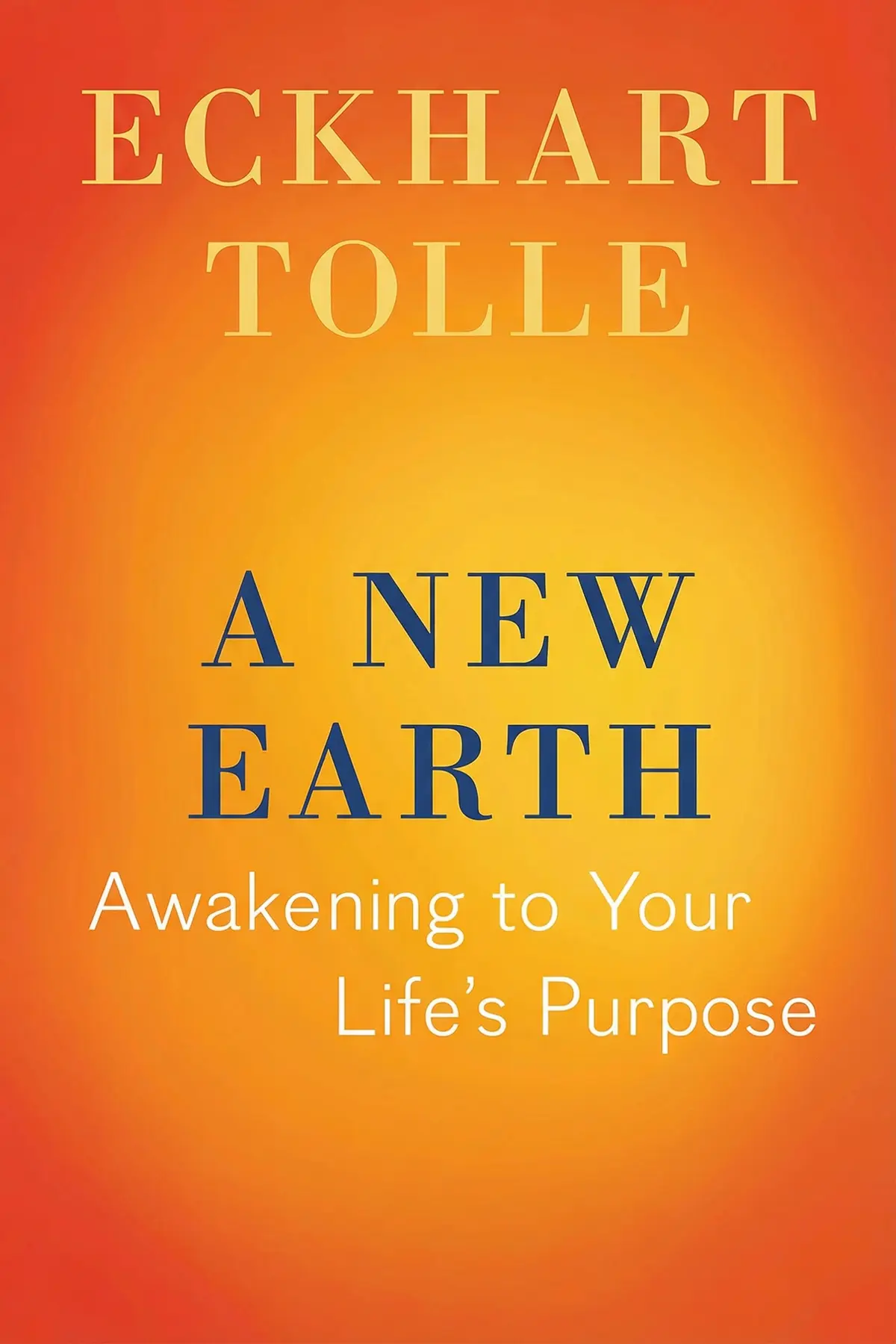
A New Earth: Awakening to Your Life’s Purpose
Eckhart Tolle
59 Seconds: Change Your Life in Under a Minute
Richard Wiseman
Aflame: Learning from Silence
Pico Iyer
A Guide to the Good Life: The Ancient Art of Stoic Joy
William B. Irvine
AUDIO SUMMARY AVAILABLE
Listen to The Urban Monk in 15 minutes
Get the key ideas from The Urban Monk by Pedram Shojai, plus 5,000+ more titles in English and Thai.
- 5,000+ titles
- Listen as much as you want
- 7-day free trial
- Cancel anytime







