
15 min 40 sec
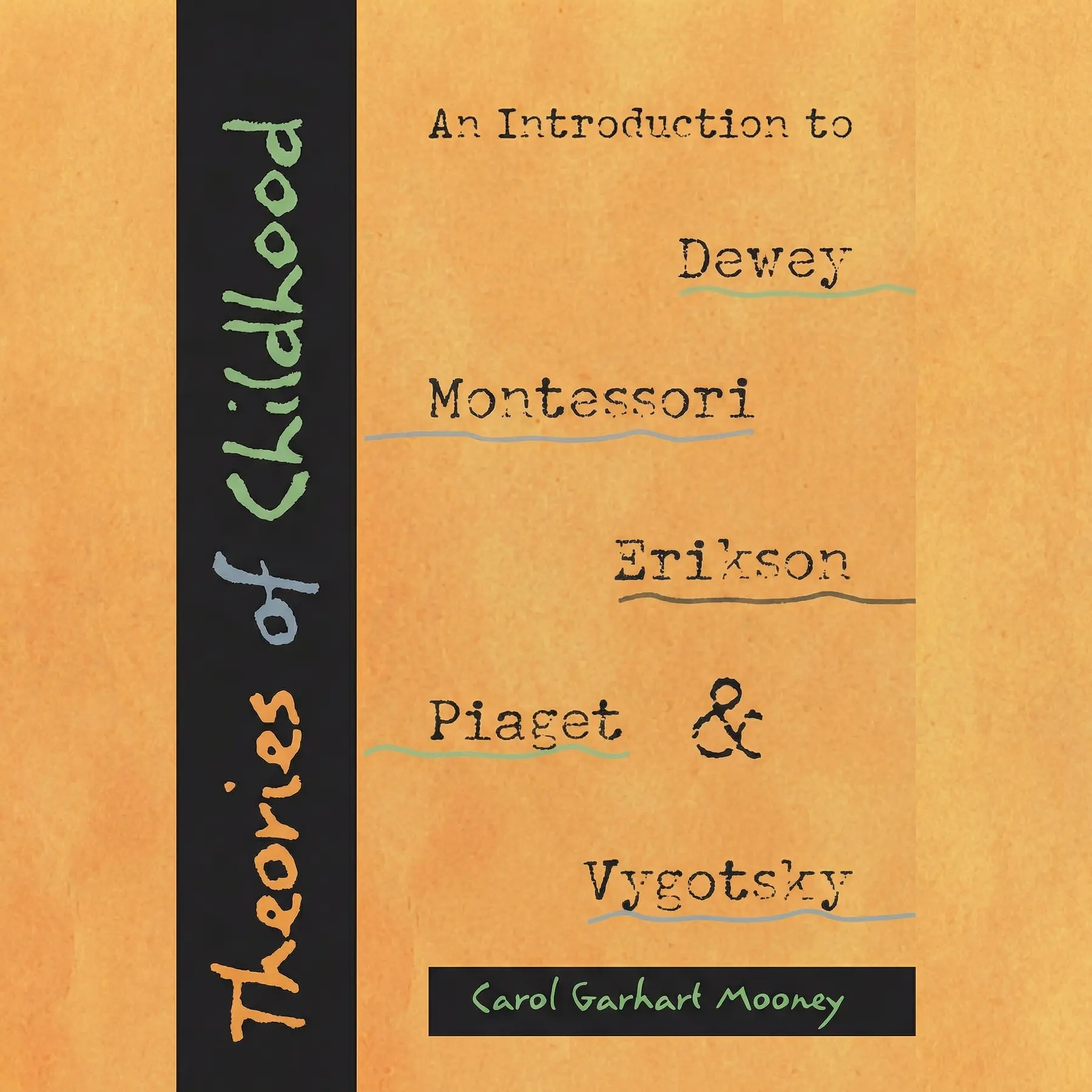
Theories of Childhood: An Introduction to Dewey, Montessori, Erikson, Piaget & Vygotsky
An essential guide to the foundational thinkers of early childhood education. Discover how the theories of Dewey, Montessori, Erikson, Piaget, and Vygotsky continue to shape how we understand and support child development today.
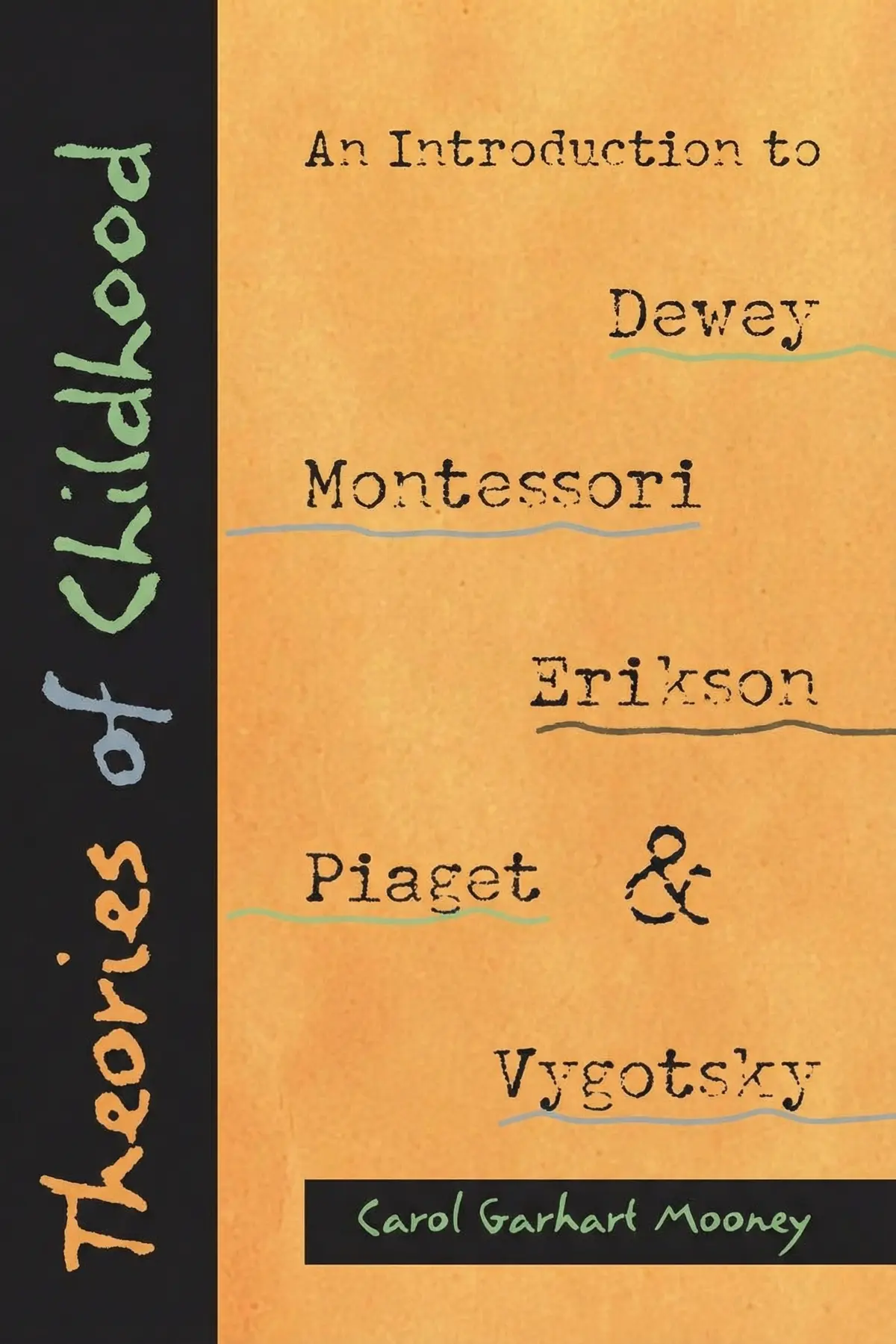
Table of Content
1. Introduction
2 min 01 sec
When we look at a classroom of young children, we aren’t just seeing a group of kids playing with blocks or painting pictures. We are witnessing the complex, ongoing process of human development in its most critical phase. But how do we truly understand what is happening in those young minds? How do we know the best ways to support their growth in a world that is constantly changing?
It is easy to get caught up in the stress of modern life—the headlines about rising crime, the pervasive influence of violent media, and the rapid transformation of the traditional family unit. Today, many children live in households where both parents work long hours, or in single-parent homes where time and resources are stretched thin. In the midst of these societal shifts, it is tempting to look for simple answers or to blame parents when children struggle. However, the reality of child development is far more nuanced.
To navigate these challenges, we need more than just nostalgia for the past. We need a solid foundation in child development theory. But theory shouldn’t be something dusty and academic, kept on a high shelf in a university library. Instead, it should be a practical tool that helps educators and parents make sense of a child’s behavior and needs. When we understand the ‘why’ behind a child’s development, our jobs become easier, and our impact becomes deeper.
In this summary, we are going to explore the lasting contributions of five visionary pioneers: John Dewey, Maria Montessori, Erik Erikson, Jean Piaget, and Lev Vygotsky. Each of these thinkers offered a unique lens through which to view childhood, and their combined insights form the backbone of modern early childhood education. By the end of our journey, you’ll see how their ideas connect to create a holistic picture of a child’s social, emotional, and cognitive growth. Let’s begin by looking at the man who championed the idea of the child-centered classroom.
2. John Dewey and the Democratic Classroom
2 min 14 sec
Discover why education should be viewed as a living experience rather than just a preparation for the future, and how child-centered learning fosters social responsibility.
3. Maria Montessori’s Prepared Environment
2 min 14 sec
Learn how the first female physician in Italy revolutionized education by creating spaces that respect a child’s need for independence and order.
4. Erik Erikson and the Foundation of Trust
2 min 22 sec
Explore the psychosocial stages of development and see why the first year of life is so critical for building a child’s lifelong sense of security.
5. Jean Piaget and the Active Learner
2 min 21 sec
Dive into the mind of the child as a ‘little scientist’ who constructs their own knowledge through play and direct experience.
6. Lev Vygotsky and the Social Nature of Learning
2 min 14 sec
Uncover the importance of ‘scaffolding’ and how social interaction serves as the bridge between what a child can do and what they are learning to do.
7. Conclusion
2 min 14 sec
As we bring together the insights from Dewey, Montessori, Erikson, Piaget, and Vygotsky, a powerful and cohesive picture of childhood begins to emerge. We see that children are not passive recipients of our care or our lessons. Instead, they are active, social, and emotional beings who are constantly working to make sense of their world and their place within it.
From John Dewey, we take the lesson that education must be child-centered and democratic, treating the school as a living community. Maria Montessori teaches us to respect the child’s competence by providing an orderly, beautiful environment where they can master real-world skills. Erik Erikson reminds us that the emotional foundation of trust is the prerequisite for all other learning. Jean Piaget shows us the value of self-directed play and the active construction of knowledge. And finally, Lev Vygotsky highlights the power of social interaction and the importance of ‘scaffolding’ as we help children reach their next developmental milestone.
The throughline in all of these theories is a deep, abiding respect for the child. When we apply these ideas, we move away from a one-size-fits-all approach to education and instead create spaces that honor individual growth. We realize that our role as adults—whether we are parents or teachers—is to be observers, guides, and supporters of a natural process that is already unfolding.
In a modern world that can often feel chaotic or overwhelming, these theories provide a steadying hand. They give us the ‘why’ behind the ‘what,’ helping us to respond to children’s needs with patience and wisdom. As you move forward, try to look at the children in your life through the lenses of these five pioneers. See the ‘little scientist’ at work, look for the ‘Zone of Proximal Development,’ and never underestimate the power of a warm, trusting relationship. By grounding our practice in these timeless principles, we can ensure that every child has the opportunity to thrive and grow into their full potential.
About this book
What is this book about?
Theories of Childhood serves as a bridge between complex academic research and the daily realities of the classroom. It provides an accessible introduction to five of the most influential figures in educational history: John Dewey, Maria Montessori, Erik Erikson, Jean Piaget, and Lev Vygotsky. The book moves beyond abstract concepts to show how these pioneers' ideas apply to modern societal challenges, such as changing family structures and the influence of media. The promise of this work is to make child development theory practical and relatable for educators and parents alike. By exploring the core philosophies of these five thinkers—ranging from the importance of play and social interaction to the creation of prepared environments and the development of trust—readers gain a deeper understanding of why children behave the way they do. Ultimately, the book encourages a shift from rigid, traditional teaching methods toward a more child-centered, empathetic approach that honors the unique growth journey of every young learner.
Book Information
About the Author
Carol Garhart Mooney
Carol Garhart Mooney is a dedicated educator and author who brings decades of direct classroom experience to her writing on childhood development. Her deep understanding of early childhood education is reflected in her other notable works, which include Theories of Attachment, Use Your Words, and Swinging Pendulums. Her career has focused on making complex developmental theories accessible and useful for those working on the front lines of education.
Ratings & Reviews
Ratings at a glance
What people think
Listeners find this to be a superb guide for early childhood studies, offering fantastic concepts and illustrations in an accessible style. Furthermore, the brief summaries of various thinkers and straightforward explanations make it a valuable tool for those majoring in education. Listeners also value the high-quality writing, brief chapters, and solid condition, while highlighting the fair price.
Top reviews
Pim
Mooney has managed to distill some of the most complex educational philosophies into something remarkably digestible for the average reader. As a student teacher, I found the breakdown of Dewey’s child-centered approach particularly enlightening, especially the idea that school should be an extension of home life rather than a separate, sterile environment. The chapters are short and punchy, which is a blessing when you're juggling a full course load. I really appreciated how the book connects the 'Zone of Proximal Development' from Vygotsky to actual classroom interactions. It isn't just dry academic history; it’s a toolkit for understanding how kids think and grow. While some might find it a bit basic if they already have an advanced degree, it serves as an incredible foundational text. I’ll be keeping this on my shelf for a long time as a quick reference guide.
Show moreUraiwan
Finally got around to reading this for my professional development credits, and it exceeded my expectations. Most textbooks in the early childhood education field are dry and repetitive, but Mooney writes with a genuine passion for the subject. I was particularly struck by the discussion on John Dewey and the importance of democratic education. In a world where we focus so much on testing, it’s refreshing to be reminded that learning should be a process of living itself. The book does a fantastic job of showing how these old theories apply to 21st-century challenges like media influence and changing family structures. The condition of the book was great, and it’s priced reasonably for the value it provides to a working teacher. It’s a quick read that packs a punch, focusing on the essential 'why' behind what we do in the classroom every day.
Show moreSomkid
The chapter on Dewey alone makes this book worth the purchase for any new educator. I love the idea that curriculum should grow out of real-life situations rather than just being forced from a workbook. Mooney does an amazing job of showing how these decades-old theories are still relevant in our modern, complex world. The book is incredibly readable and the examples provided help bridge the gap between abstract theory and classroom practice. I found the section on Erikson’s psychosocial stages particularly helpful for understanding why my students behave the way they do during transitions. It’s a solid foundational text that I wish I had read years ago. Whether you are a parent or a teacher, these insights into childhood development are invaluable. A concise, well-structured, and genuinely helpful guide.
Show moreClara
Picked this up on a whim after my daughter’s preschool teacher mentioned it, and I’m glad I did. The section on Maria Montessori really changed how I view 'help' around the house. Instead of doing everything for my four-year-old, I’ve started setting up her environment so she can get her own snacks and clear her own plate. It sounds simple, but Mooney explains the theory behind it so well that it actually motivates you to change your habits. The writing style is very accessible, avoiding the dense jargon that usually ruins these types of books. My only complaint is that the Piaget section felt a little rushed compared to the others. Regardless, it’s a solid resource for anyone who wants to move beyond just 'winging it' as a parent. The examples provided are relatable and easy to visualize in a real-world setting.
Show moreHarper
Why didn't they give us this book in my first semester of undergrad? It would have saved me so much time trying to parse through dense primary texts from the early 1900s. Carol Garhart Mooney has a knack for taking high-level concepts like Vygotsky’s 'scaffolding' and making them feel like common sense. I loved how the book addresses the reality that children aren't just mini-adults; they are active participants in their own learning. The layout is clean and the chapters are short enough to read during a lunch break. Some of the societal discussions on media influence felt a little dated, but the core theories remain incredibly relevant today. Look, if you’re looking for an exhaustive history of child psychology, this isn't it. But if you need to understand the 'Big Five' without getting a headache, this is the perfect bridge.
Show moreNim
Ever wonder why certain toys or classroom setups look the way they do? This book explains the logic behind child-sized furniture and independent workspaces that we now take for granted. It’s fascinating to realize that what Maria Montessori did in the 1900s was actually revolutionary at the time. Personally, I found the 'scaffolding' concept to be the most useful takeaway for my daily life with my kids. The author avoids the 'cloistered walls of the university' vibe and speaks directly to the reader in a way that feels like a conversation. While I wish there was more on how these theories clash with each other, it’s a great introductory survey. The price is fair, and the content is solid. It’s definitely a must-read for anyone starting their journey in child development or early education.
Show moreEarn
As someone who struggles with dry academic writing, I found this book to be a breath of fresh air. Mooney breaks down the giants of child development—Dewey, Montessori, Erikson, Piaget, and Vygotsky—without making your eyes glaze over. The way she explains the Zone of Proximal Development (ZPD) helped me understand how to better support my students without over-managing them. I’ll admit, the chapter on Erikson felt like it ended just as it was getting interesting, but that’s the nature of an introductory book. The focus on practical application is what sets this apart from other textbooks I’ve had to buy. It’s a wonderful resource for education majors who need a clear, concise guide to the theorists they’ll be tested on. Definitely worth keeping around for the examples alone.
Show moreJib
After hearing so much about the 'Big Five' in my child psych class, I wanted a resource that didn't feel like a chore to read. This book fits the bill perfectly. It’s well-written and focuses heavily on how societal factors like crime and media influence a child's development. I appreciated how Mooney emphasizes that kids aren't living in a vacuum; they absorb everything around them. The chapters are short, which makes it easy to digest one theorist at a time without feeling overwhelmed. To be fair, it’s a very high-level overview, so don't expect a masterclass in any one philosophy. But for a broad understanding of how we got to where we are in early childhood education, it’s a great little book. It’s also quite affordable compared to some of the massive tomes my professors usually require.
Show moreNadia
Not exactly a deep dive, but it gets the job done if you need a quick refresher for an introductory course. My biggest gripe is the price tag for such a slim volume; frankly, you're better off finding a used copy at a library sale or online. The chapter on Erikson was a bit of a letdown because it stops right at the 'Initiative vs. Guilt' stage, leaving out a lot of the later psychosocial development that I was hoping to see. To be fair, it’s labeled as an introduction, so I shouldn't have expected an encyclopedia. It’s well-written and the language is clear, but I felt like I was reading a very polished set of SparkNotes. It’s a decent starting point for parents who want to understand why their toddler is acting out, but seasoned educators might find it lacking in substance.
Show morePang
A bit too basic for my taste, though I can see why it's a staple in introductory courses. It feels more like a collection of long-form essays than a comprehensive textbook. The Piaget section was okay, but it didn't offer any new insights that you couldn't find in a five-minute YouTube summary. Got to say, I was expecting a bit more 'meat' on the bones of these theories. The book is very readable, which is a plus, but the lack of depth in certain areas left me wanting more. If you're a parent just starting out, you'll love it. If you've been in the field for five years, you'll probably finish it in an hour and wonder why you spent the money. It's a nice, clean overview, but don't expect it to be a deep dive into the nuances of child psychology.
Show moreReaders also enjoyed
AUDIO SUMMARY AVAILABLE
Listen to Theories of Childhood in 15 minutes
Get the key ideas from Theories of Childhood by Carol Garhart Mooney, plus 5,000+ more titles in English and Thai.
- 5,000+ titles
- Listen as much as you want
- 7-day free trial
- Cancel anytime







