
21 min 51 sec
Think Like a Freak: The Authors of Freakonomics Offer to Retrain Your Brain
Think Like a Freak offers a unconventional toolkit for solving life's problems by challenging common assumptions, understanding the power of incentives, and embracing the simple curiosity often found in children.
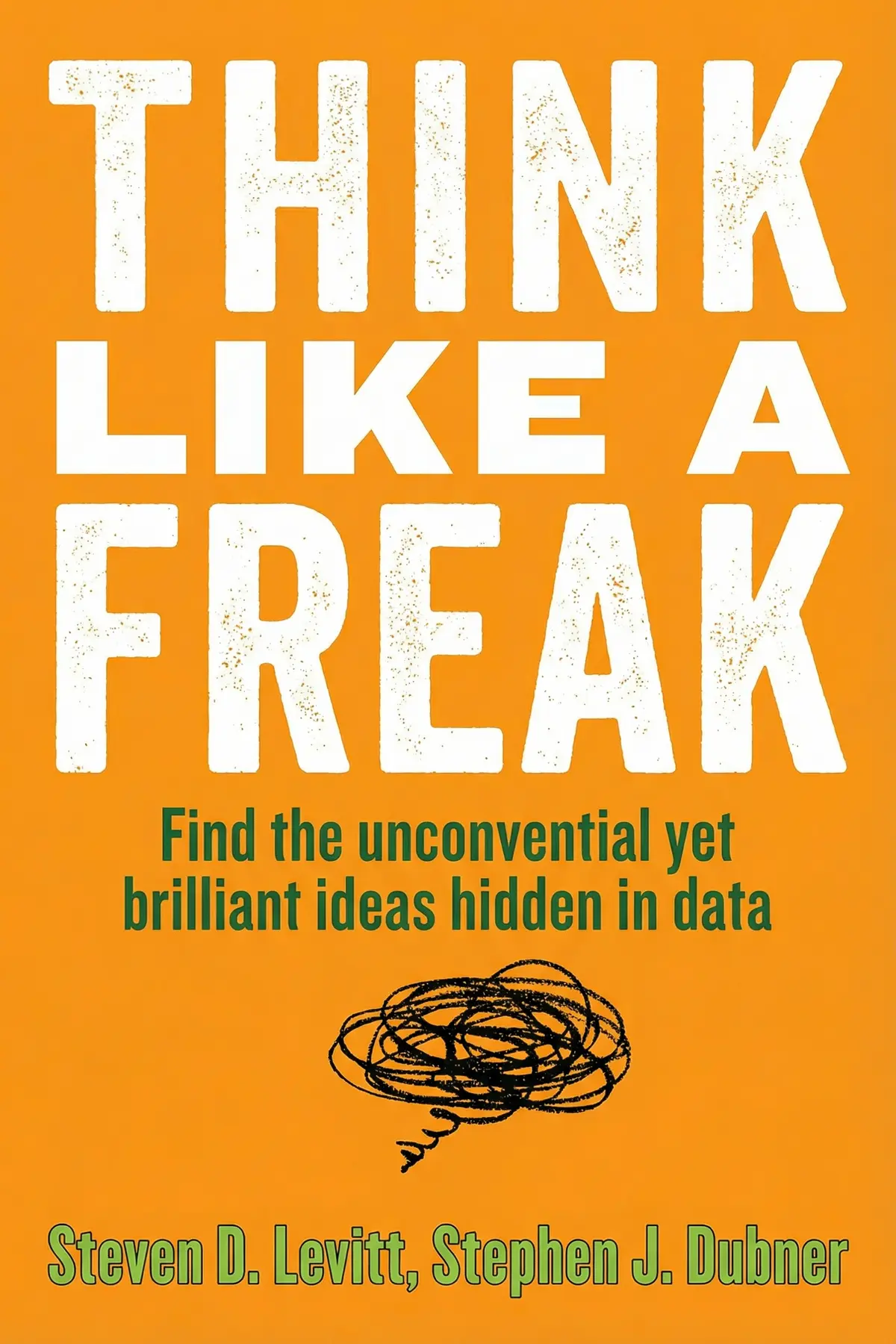
Table of Content
1. Introduction
1 min 49 sec
Have you ever looked at a complex problem and felt completely stuck, even though everyone around you seemed to have an easy answer? Most of us are conditioned to follow the crowd, to rely on what is known as conventional wisdom, and to act as if we have all the solutions even when we are totally lost. But what if the way we’ve been taught to think is actually preventing us from finding the real answers?
This is the central premise of Think Like a Freak, a book that invites you to strip away your biases and look at the world through a different lens. Steven D. Levitt and Stephen J. Dubner, the duo who changed how we look at the hidden side of everything in their previous works, are back to provide a practical guide for applying their unique brand of logic to your everyday life. This isn’t just about economics in the traditional sense; it’s about a mindset. It’s about being willing to be the odd one out in the room if it means you’re the only one moving toward the truth.
As we navigate through this summary, we are going to explore a series of techniques that might feel counterintuitive at first. We’ll look at why admitting your ignorance is actually the first step toward genius, why you should try to think more like an eight-year-old, and why the secret to success might actually be knowing when to quit. The “Freak” approach isn’t about being eccentric for the sake of it. It’s about being rigorously honest and relentlessly curious.
By the time we finish, you’ll have a new framework for making decisions, one that focuses on incentives, data, and the courage to ask the questions that no one else is asking. The goal is to move away from the noise of public opinion and toward a more effective, evidence-based way of living. So, let’s begin this journey into the mind of a Freak and see how a shift in perspective can change your world.
2. The Courage to Admit Ignorance
2 min 20 sec
Discover why the hardest words to say are often the most important for growth and how faking knowledge creates a cycle of failure.
3. Redefining the Problem to Find the Solution
2 min 21 sec
Learn how a competitive eater changed the game by asking a different question and why the way you frame a challenge dictates your success.
4. The Power of Thinking Like a Child
2 min 15 sec
Explore why simplicity, curiosity, and a lack of preconceptions can lead to better ideas than sophisticated adult logic.
5. Understanding the Hidden World of Incentives
2 min 13 sec
Go beyond the surface to see what truly motivates people and why even well-intentioned plans often trigger unexpected results.
6. The Art of Persuasion in a Skeptical World
2 min 18 sec
Facts alone rarely change minds. Learn the subtle techniques of narrative and empathy required to win over an unwilling audience.
7. The Strategic Value of Quitting
2 min 14 sec
Break free from the stigma of giving up and understand how the sunk cost fallacy keeps us trapped in failing ventures.
8. Designing Better Experiments
2 min 16 sec
Stop guessing and start testing. Learn why randomized trials are the gold standard for finding out what actually works in the real world.
9. The Importance of Incentives for Truth-Telling
2 min 07 sec
How to create ‘traps’ for the dishonest and why the most effective way to find the truth is to let it reveal itself.
10. Conclusion
1 min 58 sec
As we wrap up our exploration of Think Like a Freak, it’s clear that the “Freak” mindset is less about a specific set of rules and more about a commitment to intellectual freedom. We’ve seen that the most powerful tools at our disposal are often the ones we are most afraid to use: the courage to admit we don’t know the answer, the willingness to look at a problem through the eyes of a child, and the strategic sense to quit when the path ahead is no longer viable.
By understanding the hidden world of incentives, we can move beyond the surface-level explanations for human behavior and start building systems that actually work. By learning the art of persuasion through storytelling and empathy, we can influence others without creating unnecessary conflict. And by embracing experimentation, we can replace guesswork with evidence, ensuring that our efforts are focused on what truly produces results.
The throughline of all these ideas is the importance of questioning conventional wisdom. The world is full of noise, and much of what we are told is “common sense” is actually just a collection of unexamined biases and traditions. To think like a Freak is to be a detective in your own life. It is to look at the data, test the boundaries, and never be satisfied with an answer just because it’s the one everyone else is giving.
If there is one actionable takeaway from this book, it is to start small and stay curious. Pick a problem in your life—no matter how minor—and try to apply these principles. Redefine the question. Look for the hidden incentives. Admit what you don’t know and run a small test. You might find that the solutions were there all along, hidden behind the wall of how things have “always been done.” By changing the way you think, you don’t just solve problems—you start to see the world as a place full of opportunities for discovery. Stay skeptical, stay honest, and above all, keep thinking like a Freak.
About this book
What is this book about?
Think Like a Freak is the third installment from the minds behind the global phenomenon Freakonomics. In this guide, Steven D. Levitt and Stephen J. Dubner shift their focus from analyzing the world's hidden economic patterns to providing a practical manual for how individuals can apply those same analytical methods to their own lives. The book promises to help readers move beyond conventional wisdom and herd mentality to find more effective solutions to personal and professional challenges. Through a series of engaging anecdotes and data-driven insights, the authors argue that many of our most persistent problems remain unsolved because we are asking the wrong questions or are too afraid to admit what we don't know. The book provides a step-by-step framework for redefining problems, understanding the true drivers of human behavior, and learning when to walk away from a failing endeavor. It is an invitation to look at the world with fresh eyes and a more skeptical, yet hopeful, mindset.
Book Information
About the Author
Steven D. Levitt
Steven D. Levitt is a distinguished professor at the University of Chicago and a recipient of the John Bates Clark medal, a prize recognized as one of the most prestigious honors in economics. Stephen J. Dubner is a celebrated journalist with a background at the New York Times. Together, they are the authors of the groundbreaking bestsellers Freakonomics and SuperFreakonomics.
Ratings & Reviews
Ratings at a glance
What people think
Listeners find this to be an entertaining, brisk experience that expands their perspective and delivers useful takeaways. The narrative voice is compelling, and listeners enjoy how it steers people toward a more clever way of thinking. The book highlights amusing anecdotes that feel charmingly spontaneous, and listeners value the data and evidence provided. Although the content is crafted well, listeners point out that it seems very short compared to other titles in the series.
Top reviews
Thawee
Wow, I never realized how much power resides in simply admitting 'I don't know' until Levitt and Dubner broke it down in these pages. This book is a masterclass in intellectual humility and shows why our obsession with having all the answers actually stops us from solving real problems. The authors use delightfully random stories, like how to win a penalty shootout, to explain complex psychological incentives in a way that feels effortless. I found the 'economic approach' to be incredibly mind-opening, especially the part about ignoring sunk costs to know when it’s time to quit. Not gonna lie, I’ve already started applying some of these 'freakish' tactics at my own job to see if I can find better shortcuts. It’s rare to find a book that is this entertaining while also providing a genuine framework for smarter thinking. If you want to stop following the herd and start looking at the world through a clearer lens, this is a must-read.
Show moreSook
The authors have this incredible knack for stripping away the emotional baggage we bring to every problem, forcing us to look at the cold, hard data instead. I loved how they explained that incentives are the cornerstone of modern life, even when those incentives lead to weird outcomes like the 'cobra effect' in India. It’s refreshing to read a book that doesn't try to give you a moral lecture but instead asks you to look at how the world actually works. The stories are delightfully random, moving from medieval ordeals to the way Zappos hires its employees, yet they all tie back to the core theme. Personally, I found the section on 'teaching your garden to weed itself' to be a brilliant metaphor for building self-sorting systems. It’s well-written, punchy, and provides a much smarter thinking approach than your average self-help or business manual. I’ll definitely be recommending this one to my colleagues who are tired of the same old corporate speak.
Show morePensri
Let’s be real: most of us are too busy to actually stop and think about the way we think, which is why this book is so necessary. It’s an entertaining journey through the quirks of human behavior, showing how small tweaks in our perspective can lead to massive breakthroughs. I was particularly fascinated by the story of how David Lee Roth used brown M&Ms to ensure stage safety—it’s such a clever example of a low-cost screening mechanism. The authors encourage a sort of playful curiosity that we usually lose as we grow up, and it’s genuinely inspiring to see how it applies to business. Even though the book is relatively short, every page is packed with interesting facts and research that challenge your assumptions. It’s a delightful read that helps you see the hidden side of everything without being overly academic or boring. I’m definitely going to be gifting this to a few friends who need a nudge to think more creatively.
Show moreHarper
Picking up this book after the first two Freakonomics installments felt like visiting an old friend who has suddenly become a career coach. While the core philosophy isn't necessarily groundbreaking, the way Levitt and Dubner package their insights makes the concept of 'thinking small' feel surprisingly fresh and actionable. I particularly enjoyed the breakdown of the Van Halen M&M rider; it’s a classic story, but they use it to illustrate how to create a fail-safe system for complex problems. The writing is snappy and avoids the dry, academic tone you usually find in social science books. Truth is, it’s a bit shorter than I expected, and some of the case studies felt a little like filler for a thin thesis. However, the encouragement to abandon your moral compass temporarily to analyze data objectively is a perspective more people need to hear. It’s a fun, quick read that pushes you to question the 'common sense' that usually leads to mediocre results.
Show moreSara
Ever wonder how a tiny guy can out-eat massive giants at a professional hot dog competition simply by dunking his buns in water? This book is full of those kinds of counterintuitive insights that make you realize how often we tackle problems the wrong way because of tradition. Levitt and Dubner argue that we should 'think like a child' by being endlessly curious and focusing on the small, manageable parts of a big issue. The research is presented in such a fun and engaging way that you don't even realize you're learning about game theory and incentive structures. My only real gripe is that it’s such a quick read that I finished it in about three hours and wanted more substance. Still, the advice on reframing questions to get better answers is something I will be using for a long time. It’s a great little guide for anyone who feels stuck in a conventional mindset.
Show moreSkylar
To be fair, the chapter on the benefits of quitting was probably the most valuable piece of advice I've received from a book all year. We are so conditioned to think that 'quitters never win,' but Levitt and Dubner prove that walking away from a failing project is often the smartest move. This book guides readers toward a more rational way of making decisions by focusing on opportunity costs and feedback loops. The writing style is casual and accessible, which helps when they are explaining things like the 'sunk cost fallacy' or complex social experiments. I did feel that some of the chapters ended a bit abruptly, leaving me wishing for a bit more data-heavy analysis like in their first book. But as a guide for opening your mind and looking for unexpected angles, it definitely hits the mark. It’s a fun, quick read that actually provides some useful tools for your mental toolkit.
Show moreKoi
Thinking like a child is often dismissed as being immature, but this book argues it’s actually the secret to solving the world’s most complex issues with fresh eyes. By focusing on the 'small' questions rather than trying to fix the entire world at once, we can actually make measurable progress. I enjoyed the various examples of how incentives can backfire, such as the story about the 'cobra effect' where paying for dead snakes led to people breeding more of them. The book is well-written and flows smoothly, though it does feel like a lighter 'snack' compared to the 'meal' of their previous books. Truth is, the simplicity is part of its charm; it doesn't overcomplicate its message with unnecessary jargon or fluff. It’s a quick read that helps open your mind to the idea that the obvious answer is usually the one everyone else is ignoring. A solid addition to the series that provides plenty of 'aha' moments for the curious reader.
Show moreYongyut
Is it just me, or does 'thinking like a freak' just sound like a rebranded version of the 'thinking outside the box' cliché we've heard for decades? I wanted to love this as much as the original Freakonomics, but it felt a bit more like a collection of management platitudes than a rigorous economic study. The authors are undeniably great storytellers, and I did get a kick out of the hot dog eating champion's strategy of deconstructing the bun. But after the third or fourth anecdote, you start to realize the actual 'how-to' advice is somewhat thin on the ground. It’s an engaging afternoon read if you want something light, though it lacks the 'wow' factor of their earlier work. To be fair, the section on why experts are so bad at predicting the future was quite satisfying to read. It’s a decent book, just not the revolutionary manual I was hoping for when I clicked buy.
Show moreWacharapol
As a long-time listener of the podcast, I found myself nodding along to stories I’d already heard several times before, which made the reading experience a bit redundant. While the 'Think Like a Freak' concept is solid, I’m not sure there was enough new material here to justify an entire third book. The prose is definitely engaging and the authors' voices come through clearly, making it a very easy read for a flight or a weekend. However, if you've already read Freakonomics and SuperFreakonomics, you might find the 'incentives' talk a little repetitive at this point. In my experience, the book works better as an introductory primer for someone new to their work rather than a deep dive for existing fans. To be fair, the advice on how to win an argument by acknowledging the other side's points was a nice addition. It’s a fine book, but it lacks the groundbreaking energy that made their first collaboration such a cultural phenomenon.
Show moreVipawan
Frankly, this felt like a collection of leftover podcast scripts stitched together to meet a publishing deadline rather than a cohesive, stand-alone book. For a duo that prides itself on being 'freakish' and original, a lot of the material here felt recycled from their previous two bestsellers. The chapter on the link between abortion and crime was essentially a repeat, which was disappointing for a fan looking for new research. At barely 200 pages, the book is incredibly short and lacks the depth required to actually teach a new methodology of thinking. They spend so much time being smug about their own cleverness that they forget to provide the reader with substantial, new data. Look, the writing style is breezy and the anecdotes are occasionally fun, but it mostly feels like a lazy product meant to cash in on a brand name. I’d suggest skipping this one and just listening to their free podcast instead.
Show moreReaders also enjoyed
1929: Inside the Greatest Crash in Wall Street History--and How It
Andrew Ross Sorkin
23 Things They Don’t Tell You About Capitalism
Ha-Joon Chang
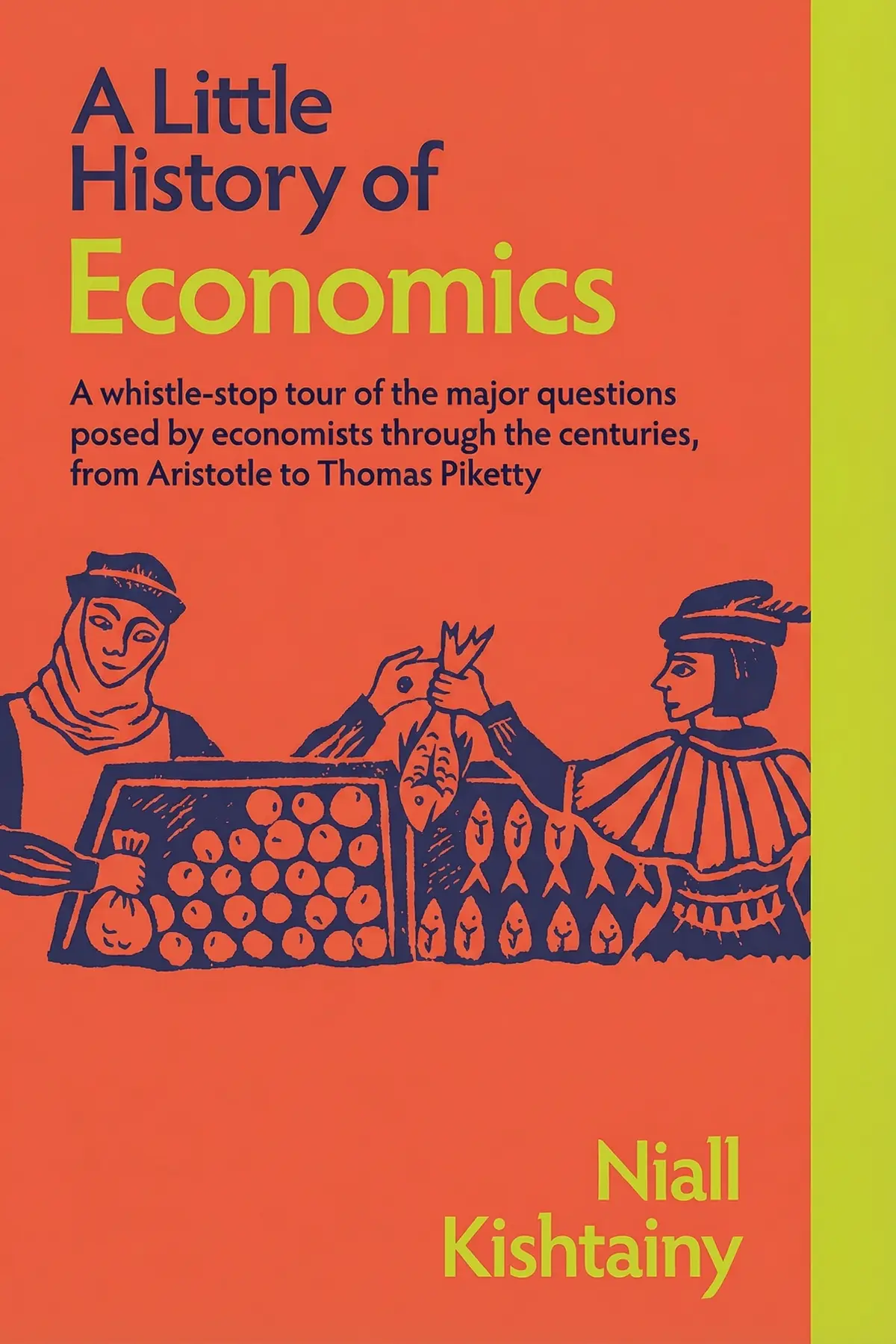
A Little History of Economics
Niall Kishtainy
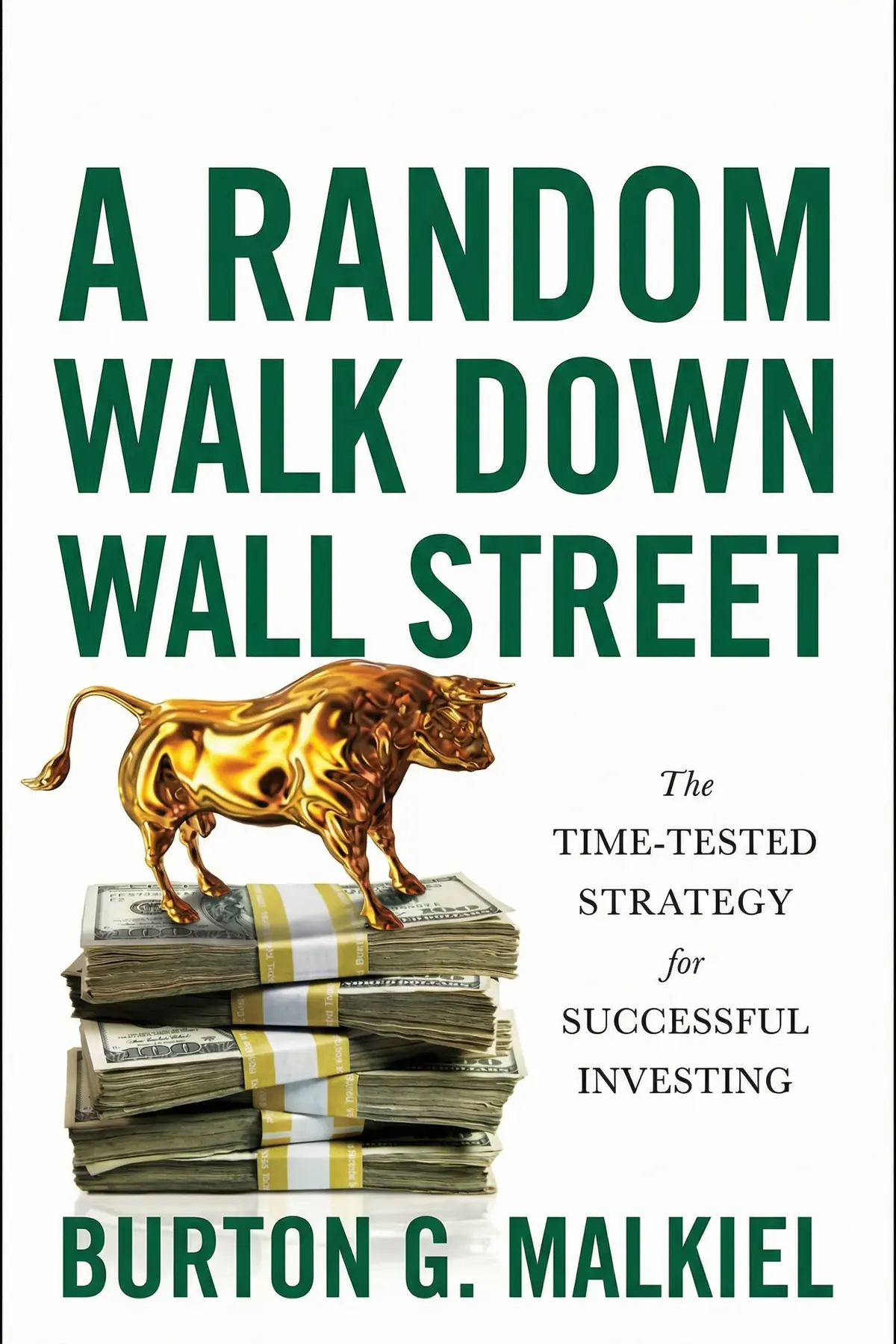
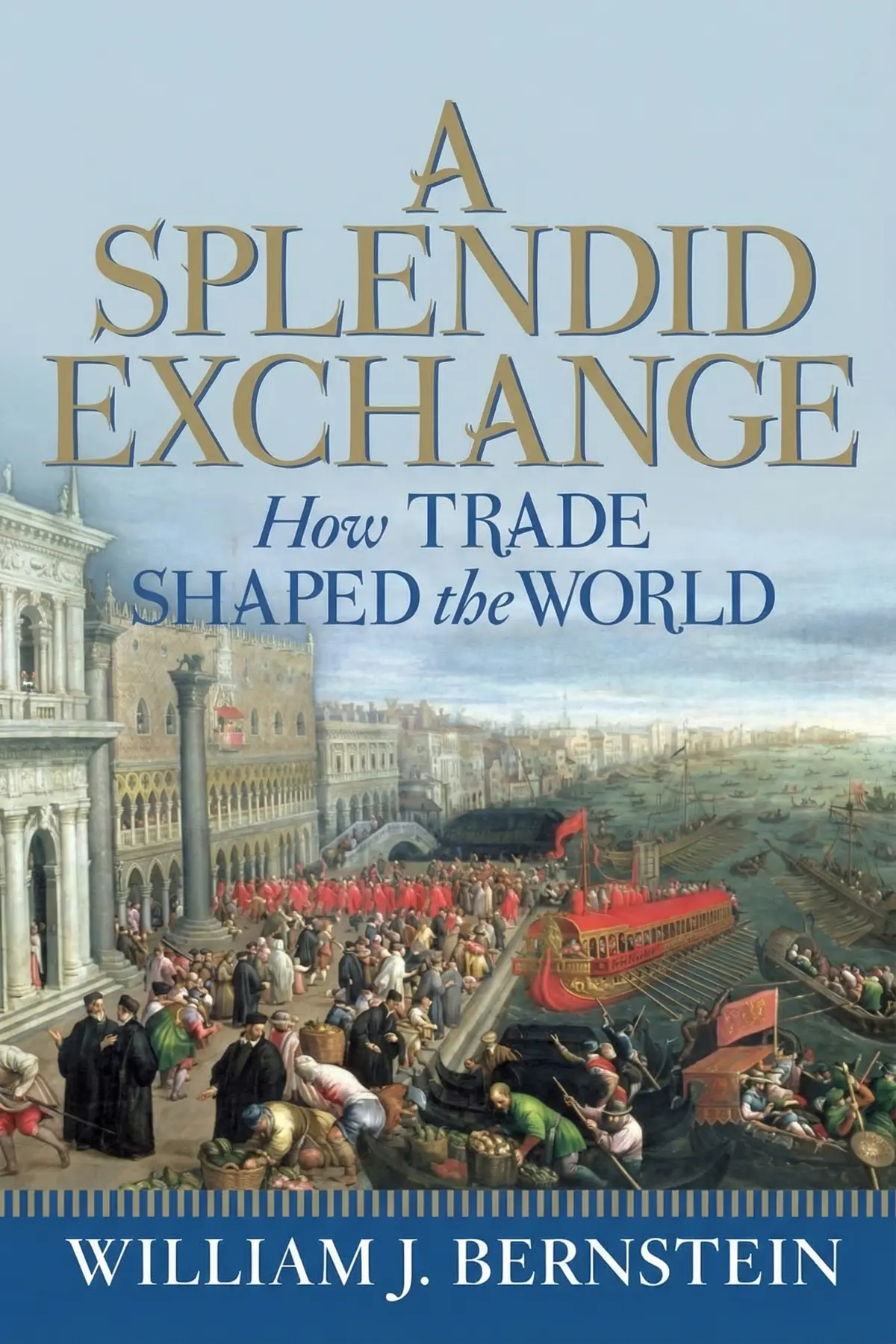
A Splendid Exchange: How Trade Shaped the World
William J. Bernstein
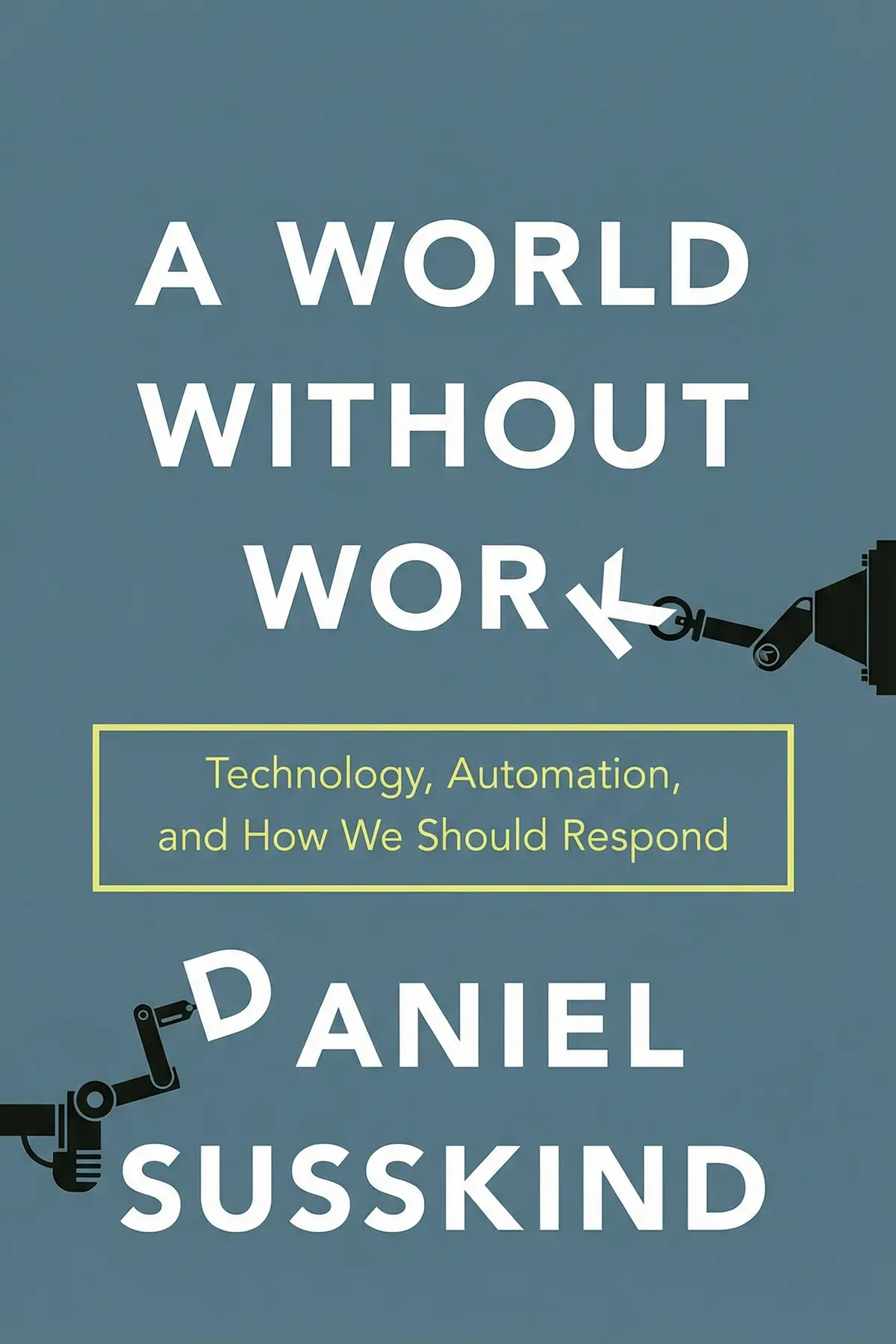
AUDIO SUMMARY AVAILABLE
Listen to Think Like a Freak in 15 minutes
Get the key ideas from Think Like a Freak by Steven D. Levitt, plus 5,000+ more titles in English and Thai.
- 5,000+ titles
- Listen as much as you want
- 7-day free trial
- Cancel anytime







