
18 min 51 sec
This Is Your Brain on Food: A Guide to the Foods that Fight Depression, Anxiety, and More
By Uma Naidoo
Explore the revolutionary field of nutritional psychiatry to discover how specific dietary choices can alleviate symptoms of depression, anxiety, and ADHD while improving sleep and overall cognitive clarity.
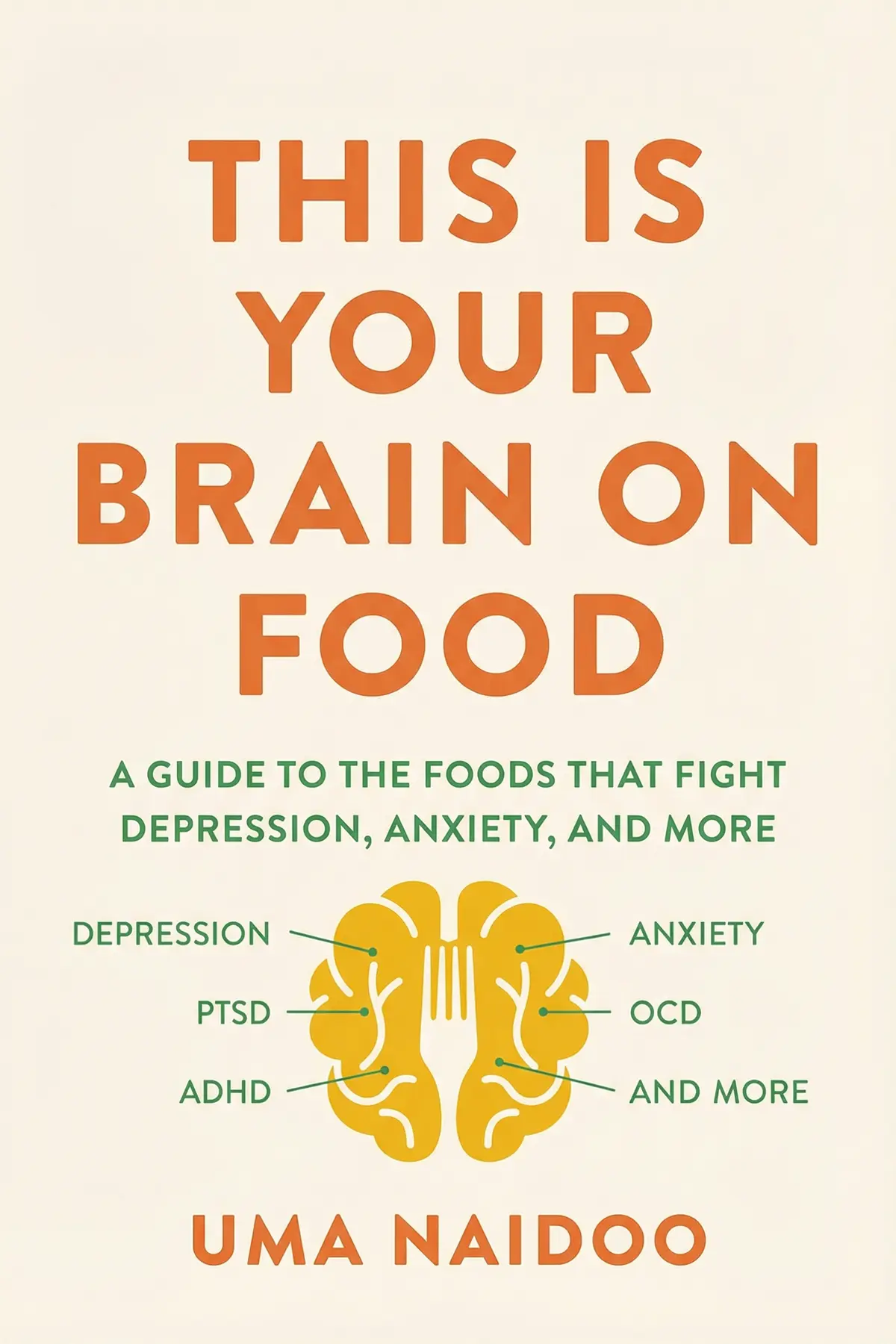
Table of Content
1. Introduction
1 min 59 sec
Imagine waking up with a mind that feels clear, steady, and resilient. For many of us, the reality is often the opposite: a persistent fog of fatigue, a baseline of low-level anxiety, or a mood that seems to shift without warning. We frequently look for the causes of these feelings in our external lives, blaming our heavy workloads, our lack of sleep, or the general stress of the modern world. While those factors certainly matter, there is a powerful and often overlooked variable sitting right in front of us at every meal. The food we consume does far more than just provide calories for physical activity; it acts as the raw material for our brain chemistry.
In this exploration of the work of Dr. Uma Naidoo, we are introduced to the burgeoning field of nutritional psychiatry. This discipline bridges the gap between the kitchen and the clinic, suggesting that what we eat is a fundamental pillar of mental health treatment. We have long understood that a poor diet can lead to heart disease or diabetes, but we are now beginning to see that it can just as easily contribute to depression, ADHD, and chronic insomnia. The connection between our digestive tract and our emotional state is not a vague metaphor; it is a physical, biological reality dictated by a complex network of nerves and chemicals.
As we walk through these insights, we will uncover how the gut and brain communicate and how specific dietary shifts can serve as a form of medicine. We will look closely at how different conditions—from the heavy weight of depression to the restless energy of anxiety—are influenced by the microscopic life living within us. By the end of this journey, you will have a new perspective on your grocery list, seeing it not just as a chore, but as a prescription for a healthier, happier mind. Let’s begin by looking at the fascinating biological superhighway that connects your stomach to your thoughts.
2. The Biological Bridge
2 min 15 sec
Uncover the hidden physical connection between your digestive system and your brain, and see why scientists now consider the gut to be the body’s second control center.
3. Lifting the Fog of Depression
2 min 54 sec
Explore how the choices we make at the dinner table can either fuel or fight the persistent low mood and lethargy associated with depression.
4. Soothing the Anxious Mind
2 min 41 sec
Learn how the ‘Western Diet’ contributes to the rising tide of anxiety and which specific fiber-rich foods can help steady your nerves.
5. Enhancing Focus and Managing ADHD
2 min 30 sec
Discover the surprising link between gut health and attention, and how specific antioxidants can help sharpen concentration.
6. Aligning Your Internal Clock for Better Sleep
2 min 21 sec
See how your gut’s own circadian rhythm affects your ability to rest, and which foods can help you drift off naturally.
7. Building a Sustainable Brain-First Diet
2 min 32 sec
Walk through a simple mnemonic to help you remember the most important foods for mental clarity and emotional resilience.
8. Conclusion
1 min 39 sec
The journey through the world of nutritional psychiatry brings us back to a simple but profound truth: your mind and your body are not separate. Every bite of food you take is a signal to your brain, a piece of raw data that tells your nervous system how to respond to the world. We have seen that the gut-brain axis is a powerful biological superhighway, and by taking care of the trillions of microscopic inhabitants in our digestive tract, we are directly influencing our capacity for joy, focus, and calm.
While food is not a magic wand that can instantly disappear complex mental health challenges, it is a foundational tool that is always within our reach. Whether you are looking to lift the heavy veil of depression, steady the jitters of anxiety, or finally get a night of restorative sleep, the kitchen is a vital place to start. By reducing the intake of inflammatory sugars and processed fats, and increasing our focus on ‘BRAIN FOODS’ like leafy greens, healthy fats, and fermented products, we give our brain the best possible environment to heal and thrive.
As you move forward, try to view your dietary choices through this new lens of mental wellness. Start small—perhaps by adding a serving of berries to your breakfast or choosing a piece of salmon for dinner. Pay attention to how your body and mind feel in the hours and days that follow. Over time, these small shifts compound, leading to a more resilient and vibrant mental life. You have the power to nourish your mind from the inside out, one meal at a time.
About this book
What is this book about?
This exploration of nutritional psychiatry reveals the profound biological link between the digestive system and the mind. It explains how the gut microbiome serves as a chemical factory for neurotransmitters that regulate our mood, focus, and energy levels. By understanding this gut-brain axis, readers learn how to use food as a primary tool for mental wellness. The book provides a roadmap for using specific nutrients to combat common mental health challenges. It moves beyond generic health advice to offer targeted recommendations for conditions like depression and anxiety. From the inflammatory effects of processed sugars to the neuroprotective benefits of omega-3 fatty acids, the promise of this work is a more empowered approach to mental health that begins in the kitchen.
Book Information
About the Author
Uma Naidoo
Uma Naidoo, MD, is the director of nutritional and lifestyle psychiatry at Massachusetts General Hospital. She’s a psychiatrist, nutrition specialist, professional chef, and the author of Calm Your Mind with Food.
Ratings & Reviews
Ratings at a glance
What people think
Listeners find this book clear and simple to digest, highlighting the reachable information and the intuitive way chapters are grouped by ailment. They value the recipes and dining plans, with one listener specifically mentioning the science-backed nutritional guidance. The guide effectively tackles cognitive wellness, with one listener detailing how dietary habits influence brain performance and emotional states.
Top reviews
Suthinee
Ever wonder why you feel sluggish or anxious after a week of eating nothing but takeout? This book is the missing link for understanding that connection. Dr. Naidoo explains the science of the gut-brain axis in a way that feels groundbreaking yet totally intuitive. I loved the specific tips, like using saffron for depression or magnesium-rich foods for better sleep. The case studies were particularly moving and gave me hope that small dietary shifts can lead to big improvements in mental clarity. It’s not just a list of 'don'ts'; it’s an invitation to explore how delicious, whole foods can actually heal your mind. The recipes are fantastic and have become staples in my house already. This is an indispensable guide for anyone who wants to take charge of their mental health without relying solely on medication. Truly a must-read for the modern world.
Show moreChamlong
Dr. Naidoo has achieved something rare here by combining her skills as a psychiatrist and a professional chef. Most nutrition books are either too technical or too 'crunchy,' but this one hits the perfect middle ground. The organization is brilliant, allowing you to treat the book as a reference for whatever mood you're in. I found the section on PTSD and the benefits of antioxidants to be particularly enlightening for my own journey. The menu plans and grocery lists take all the guesswork out of healthy eating, which is great when you're too tired to think. Frankly, it’s refreshing to see a doctor talk about food with so much passion and culinary expertise. This book has completely changed how I look at my plate, and I feel more empowered in my health choices. Highly recommend it for anyone looking to bridge the gap between their kitchen and their mental well-being.
Show moreSomkid
Wow. The chapter on insomnia and fatigue changed my nightly routine entirely, and I'm already seeing the results in my energy levels. I've read plenty of health books, but few connect the dots between what we eat and how we think as clearly as this one. Dr. Naidoo’s personal story about her own health journey added a layer of trust and warmth to the text that I really appreciated. It feels like you're getting advice from a friend who also happens to be a world-class expert. The 'food-mood' connection is something we should all be talking about more, and this book provides the perfect roadmap. From the delicious recipes to the evidence-based 'cheat sheets,' every page is packed with value. If you are struggling with brain fog or just want to optimize your cognitive function, buy this book. It is a game-changer for anyone interested in the future of mental health care.
Show moreHiroshi
Finally got around to reading this guide and I’m impressed by how logically everything is laid out by illness. Whether you are dealing with depression, PTSD, or brain fog, there is a dedicated section with specific foods to embrace or avoid. I found the 'cheat sheets' and the evidence-based tips particularly helpful for making quick changes to my grocery list. It is rare to find a writer who is a psychiatrist, a nutritionist, and a professionally trained chef all in one. That unique background shines through in the recipe section, which makes the dietary shifts feel doable rather than restrictive. I did notice some minor contradictions regarding certain fats, but the overall message of using food as medicine is powerful. The writing style is warm and conversational, making complex biological processes easy to understand for anyone. It is not a perfect book, but it is a solid resource for anyone looking to improve their mood through their meals.
Show moreJiraporn
Look, I went into this skeptical of 'food as medicine' claims, but Naidoo makes a compelling case for the gut-brain connection. The book is remarkably easy to navigate, with chapters clearly labeled by the mental health struggle they address. I especially liked the sections on anxiety and insomnia, as they provided actionable steps rather than just vague theories. The inclusion of case studies from her own practice helped ground the science in real-world success stories. However, I do wish there was more discussion on the quality of the food, like organic versus conventional, especially for things like soy and canola. Despite that, the menu plans provided a great starting point for my own kitchen experiments. Her perspective as a chef means the food recommendations actually sound appetizing, which is a huge plus compared to most dry nutrition books. It is a fantastic reference manual to keep on the shelf for whenever you're feeling off-balance.
Show moreCharlotte
Not what I expected, but in a good way—it’s more of a comprehensive reference manual than a cover-to-cover narrative. I found myself skipping straight to the chapters that applied to my family, like the ones on ADHD and dementia. The way Dr. Naidoo explains how certain nutrients affect neurotransmitters is fascinating and accessible. I appreciated that she emphasizes getting nutrition from whole foods rather than just popping a bunch of expensive supplements. My only real gripe is the reliance on some weaker studies that seem to overstate the impact of a single food item. Still, the practical advice, like eating more blueberries for PTSD or increasing Vitamin D for anxiety, is easy to implement. The recipes are flavorful and don't require weird, hard-to-find ingredients, which is a relief. If you're tired of the standard 'eat your veggies' advice and want to know the 'why' behind it, this is a great pick.
Show moreTantipat
After hearing so much buzz in the health community, I needed to see if the hype around nutritional psychiatry was real. Dr. Naidoo’s writing is very approachable, and she does an excellent job of breaking down how the microbiome influences our mental state. I found the chapter on libido particularly interesting, even if some of the cited research felt a bit speculative. The book is well-written and serves as a logical guide for anyone trying to navigate the confusing world of nutrition. I did find it a bit odd that she warns against phytic acid in wheat but encourages high-phytate nuts in the same breath. These small inconsistencies aside, the core message is vital for our current age of processed food. It’s a helpful tool for anyone wanting to take a more holistic approach to their mental health. I’ve already started incorporating more of her recommended spices into my daily cooking.
Show moreNatalie
This book starts with a great premise but eventually feels like it repeats the same basic advice over and over across four hundred pages. Honestly, the entire message could have been summarized into a single page: eat whole foods, avoid processed sugar, and keep everything in moderation. While the layout is organized by specific conditions like OCD and anxiety, the recommendations often overlap so much that the chapters feel redundant. There are also several instances where a food is recommended for one benefit but then cautioned against for another, which gets confusing. As a dietitian, I appreciated the focus on the gut-brain axis, but I noticed many correlations being treated as absolute cause-and-effect. It is a decent introductory guide for a layperson, but it lacks the scientific rigor I was expecting from a Harvard-trained psychiatrist. The recipes in the back are a nice touch, though many are fairly basic if you already know how to cook.
Show moreWoravit
As someone living with ADHD, I found the chapter on neurodivergence quite frustrating and frankly a bit stigmatizing. The language used throughout suggests that those of us with ADHD have 'unhealthy' brains that need to be cured, rather than just wired differently. This book leans heavily into the 'sugar is the enemy' trope without acknowledging that people with ADHD often seek out dopamine through food. Labeling ingredients as 'bad' or 'harmful' can be incredibly triggering for anyone struggling with binge eating or other disordered patterns. I was hoping for a more compassionate, body-positive approach to nutrition that didn't rely on food shaming. Instead, I felt judged for my struggle with junk food. While the general advice to eat whole foods is sound, the delivery lacks the nuance required for a mental health guide. If you're looking for a positive relationship with food, I'd suggest looking elsewhere for nutritional advice that doesn't exacerbate anxiety.
Show morePalm
Picked this up after hearing Dr. Naidoo on a podcast, but the deeper I got, the more the 'science' fell apart. To be fair, I agree that our Western diet is a disaster for mental health, yet the evidence provided here relies heavily on flawed epidemiological studies and rodent trials. It is genuinely misleading to cite rodent research where the 'high fat' diet is actually corn oil and sugar, then use it to vilify saturated fats found in red meat. Furthermore, she contradicts herself by praising avocados and coconut oil while both are significant sources of the same palmitic acid she warns against elsewhere. The inconsistency regarding Omega-6 ratios in nuts versus beef was also a major red flag for me. If you are looking for a rigorous scientific analysis of nutritional psychiatry, you might find this lack of critical depth disturbing. It felt like her dietary biases were prioritized over a nuanced understanding of lipidology or bioavailability. I wanted to love this, but I ended up feeling like I wasted my time and money.
Show moreFeatured in
Readers also enjoyed
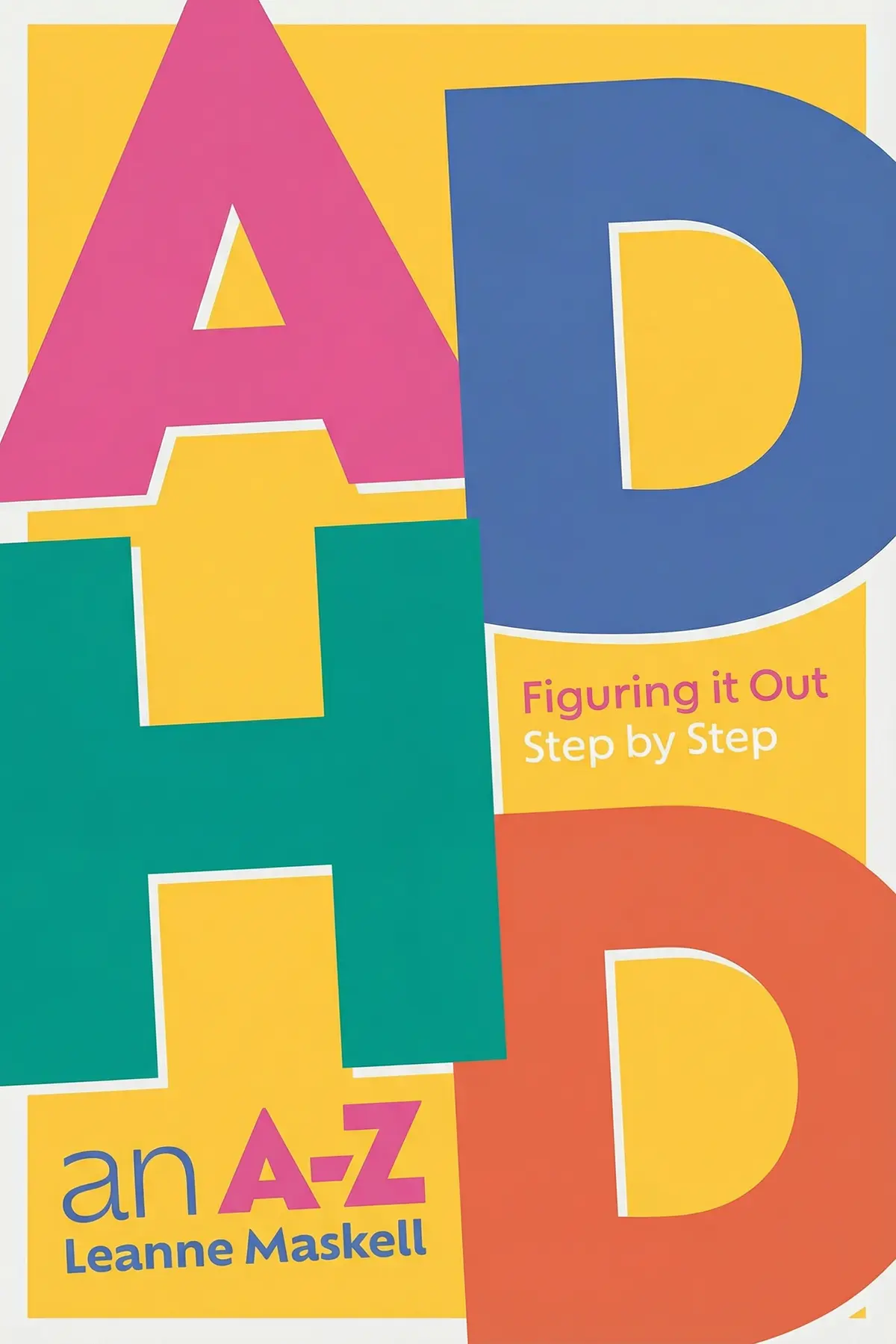
ADHD an A-Z: Figuring It Out Step by Step
Leanne Maskell

Alcoholics Anonymous
Alcoholics Anonymous World Services
A Liberated Mind: How to Pivot Toward What Matters
Steven C. Hayes
AUDIO SUMMARY AVAILABLE
Listen to This Is Your Brain on Food in 15 minutes
Get the key ideas from This Is Your Brain on Food by Uma Naidoo, plus 5,000+ more titles in English and Thai.
- 5,000+ titles
- Listen as much as you want
- 7-day free trial
- Cancel anytime







