
18 min 30 sec
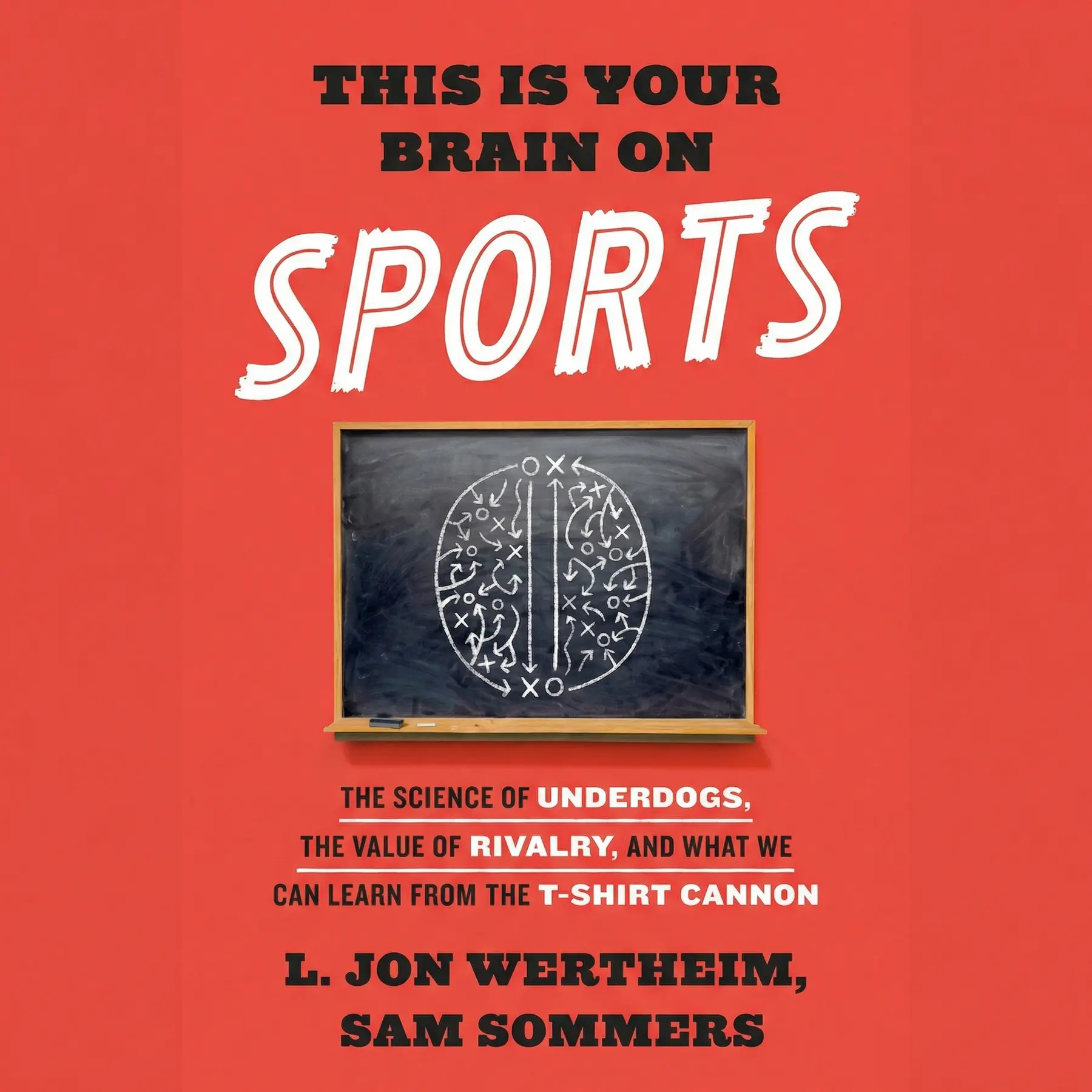
This Is Your Brain on Sports: The Science of Underdogs, the Value of Rivalry, and What We Can Learn From the T-Shirt Cannon
This Is Your Brain on Sports explores the hidden psychological forces driving athletic performance and fandom, revealing how the quirks of the human mind shape our behavior both on and off the field.
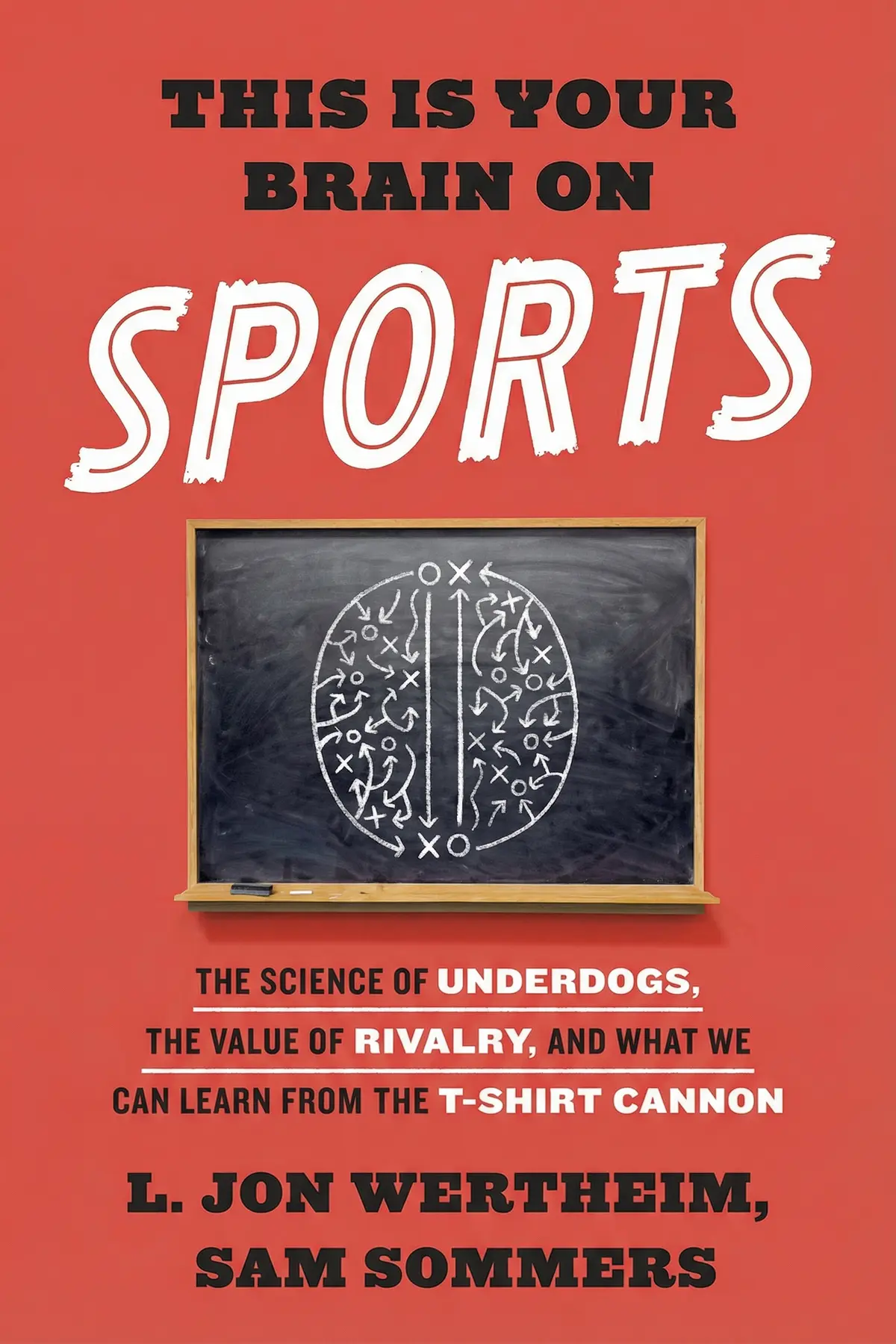
Table of Content
1. Introduction
1 min 41 sec
When we step into a stadium or flip on the television to watch a high-stakes championship, we often feel like we are entering a different world—a place where the normal rules of human behavior are suspended in favor of extraordinary feats and raw emotion. We see a player execute a perfect, physics-defying maneuver and assume they possess a mind fundamentally different from our own. We see fans erupting in joy or despair and think of it as a unique sporting phenomenon. However, the reality is much more grounded in our shared biology.
In this exploration of the human mind through the lens of athletics, we find that the sports arena is not an exception to human nature, but a magnifying glass for it. By looking at how athletes perform under pressure and how fans connect with their teams, we can uncover profound truths about how we all think, socialize, and make decisions. This is not just about the mechanics of a jump shot or the strategy of a defensive line; it’s about the mental architecture that governs our lives.
Throughout this journey, we will see how our brains are wired to favor the weak, how our perceptions of leadership are often dictated by physical appearance, and why the very expertise that makes someone a legend can sometimes make them a failure in management. We will explore the “hot” and “cool” states of the brain that lead to both brilliance and disaster, and we will learn how to use the lessons of the playing field to better understand our own drive, our own biases, and our own capacity for resilience. The throughline here is simple: sports are a mirror. When we look at the game, we are really looking at ourselves.
2. The Psychology of the Underdog
2 min 24 sec
Explore why the human brain is naturally wired to root for the unlikely winner and how this deep-seated sympathy shapes our social identities and group loyalties.
3. Leadership Perceptions and Effort Justification
2 min 29 sec
Discover how the Halo Effect influences our choice of leaders and why the work we put into something makes it more valuable in our eyes, regardless of its actual merit.
4. The Curse of the Expert and the Totalitarian Ego
2 min 36 sec
Uncover why being the best in your field can actually hinder your ability to lead others and how a massive ego can be both a fuel for success and a barrier to mentorship.
5. Hot Impulses and the Science of Rivalry
2 min 37 sec
Explore the biological shifts that occur when we are under pressure and how our ‘hot’ brain can lead to both incredible reflexes and embarrassing outbursts.
6. Action Bias and the Power of Purposeful Praise
2 min 39 sec
Understand why we feel the need to ‘do something’ even when doing nothing is better, and learn the science-backed way to motivate others through effective feedback.
7. Overcoming Adversity and the Limits of the Mind
2 min 25 sec
Learn how the brain acts as a governor for our physical strength and how having a clear goal can unlock hidden reserves of energy you never knew you had.
8. Conclusion
1 min 39 sec
As we close this exploration into the psychology of the playing field, it becomes clear that the lessons of the stadium are really the lessons of life. We’ve seen how our brains are wired to find meaning in the underdog’s struggle and how our perceptions of leadership are often clouded by simple visual biases. We’ve looked at the “curse of the expert,” realizing that mastery and mentorship are two very different skills, and we’ve explored the “hot” states of the brain that drive us to both incredible heights and unfortunate depths.
What this really means is that our behavior—whether we are competing for a trophy or a promotion—is governed by the same ancient cognitive machinery. We are all prone to action bias, we all seek the reflected glory of successful groups, and we all possess a mental “governor” that tries to keep us safe by telling us we’re tired before we’re truly finished.
The actionable takeaway from This Is Your Brain on Sports is to become an observer of your own mental game. Recognize when you are being swayed by the Halo Effect. Be aware of the “hot” state when your emotions start to override your logic. Most importantly, remember that your limits are often just suggestions from a protective brain. By setting clear goals and focusing on effort rather than just outcomes, you can push past those perceived boundaries. The world of sports isn’t just a distraction; it’s a masterclass in human nature. Use these insights to navigate your own challenges with more clarity, more empathy, and a little more of that championship resilience.
About this book
What is this book about?
Have you ever wondered why we feel such a deep connection to a team of strangers, or why the world’s greatest athletes sometimes make the most baffling mistakes? This Is Your Brain on Sports takes a deep dive into the fascinating intersection of neuroscience, social psychology, and the sporting world. It moves beyond the box scores to explore the underlying cognitive biases and emotional triggers that dictate how we play, how we lead, and how we watch. The book promises to change the way you view every game. By examining the brain’s reaction to intense pressure, the allure of the underdog, and the biological roots of rivalry, authors L. Jon Wertheim and Sam Sommers show that the stadium is actually a giant laboratory for human behavior. You will discover why experts often struggle to teach, how our impulses can override our reason, and why the effort we put into a task changes how we value the result. Whether you are a die-hard fan or someone interested in the mechanics of the human mind, this exploration provides actionable insights into leadership, motivation, and the power of resilience.
Book Information
About the Author
L. Jon Wertheim
L. Jon Wertheim is a senior writer and executive editor at Sports Illustrated, as well as a contributor to CNN, NPR and the Tennis Channel. He has written several best sellers on a variety of sports, including Strokes of Genius and Running the Table. Sam Sommers is a social psychologist at Tufts University, and his work has focused on the way racial diversity can influence how people think and act. He is also the author of Situations Matter.
Ratings & Reviews
Ratings at a glance
What people think
Listeners find the book both captivating and skillfully composed, laced with sharp wit throughout. They value its perceptive information, and one listener specifically points out the way it merges famous psychological experiments with more niche studies. However, the connections presented throughout the work spark a range of conflicting responses among listeners.
Top reviews
Jin
Ever wonder why we get so worked up over a free, oversized T-shirt fired from a plastic gun? This book answers that question with a perfect blend of scientific rigor and laugh-out-loud humor. Wertheim and Sommers are a fantastic duo, blending the street cred of Sports Illustrated with legitimate academic research. The chapter on the aesthetic appeal of quarterbacks—questioning if they are actually good-looking or if we just project success onto their faces—was worth the price of admission alone. It reminds me of Freakonomics in the way it challenges your basic assumptions about things you see every day. Even if you aren't a stat-head or a die-hard fan, the insights into human behavior and rivalry are universally applicable. It's a home run.
Show moreLars
Wertheim and Sommers have created a brilliant bridge between the bleachers and the lab. I’ve read a lot of sports books, but few take the time to analyze the actual cognitive processes behind why we scream at our televisions. The section on why hockey goons are more likely to fight at home was absolutely fascinating and backed by actual data. It’s rare to find a book that is this well-researched yet remains so accessible and genuinely funny. They treat the subject matter with respect while acknowledging the inherent absurdity of adult men crying over a lost game. If you like David Epstein or Malcolm Gladwell, you will find this to be a satisfying addition to your shelf. Truly insightful stuff.
Show moreThanakorn
The world of sports provides such a unique window into our collective psyche, and this book captures that perfectly. Whether it’s the science of underdogs or the value of rivalry, Wertheim and Sommers offer a compelling look at why we care so much about these games. The research is solid, the anecdotes are memorable, and the humor is consistently on point. I especially liked the exploration of why we want to have a beer with guys like Gronk—it’s about more than just his personality. This book manages to be both a great 'bathroom reader' and a serious piece of social commentary. It’s a must-read for anyone who wants to understand the deeper meaning behind the t-shirt cannons and the chiseled jawlines of the NFL.
Show moreSupaporn
Picked this up because I’m a sucker for those 'pop-science' books that explain human nature through a specific lens. This is Your Brain on Sports follows that Gladwell-esque formula, breaking down familiar tropes into digestible, research-backed chapters. I particularly enjoyed the section on the ‘T-Shirt Cannon’ and why perfectly rational adults turn into savages for a low-quality piece of cotton. It’s witty and quick, making it the perfect companion for a commute or a quiet weekend. My only real gripe is that the connections to business and daily life sometimes feel a bit forced to broaden the appeal. Still, for anyone who has ever wondered why we obsess over underdogs, this is a solid, entertaining read that provides plenty of trivia for your next trip to the bar.
Show moreSven
As a massive sports fan who also enjoys a bit of psychology, this was right up my alley. The authors do a great job of explaining the irrationality of fandom, like why we feel a physical connection to a team of strangers wearing a specific color. I found the 'Underdog Theory' chapter particularly enlightening; it explains that hardwired impulse to root for the little guy in a way that makes total sense. The writing is snappy and the pacing is excellent, though some chapters definitely land harder than others. Not gonna lie, the hockey goons section felt a bit like filler compared to the more robust sections on rivalry. Overall, it’s a smart book that doesn't take itself too seriously while still teaching you something new.
Show moreFilm
Finally got around to finishing this, and I have to say, the chapter on why the best players often make the worst coaches was a total eye-opener. The book is structured in 20 distinct chapters, which makes it incredibly easy to pick up and put down without losing the thread. Look, it’s not meant to be a dense textbook; it’s an entertaining look at the 'why' behind our sporting rituals. The authors manage to take complex sociological studies and translate them into stories about Gronk and Tom Brady. Some of the research feels a little cherry-picked to fit the narrative, but the overall observations about human nature are hard to argue with. It’s a great gift for that friend who thinks sports are just meaningless games.
Show morePla
Not what I expected from a typical sports book, which is exactly why I ended up liking it so much. Instead of focusing on scores or history, it looks at the mental framework of the players and the people watching them. The discussion on Little League trophies and the psychology of participation was especially relevant to me as a parent. It’s written with a breezy, conversational tone that makes the science go down easy. Gotta say, I appreciated how they used sports as a window into larger topics like politics and business. It’s not a perfect book—some of the chapters feel a little like 'lite' versions of better research—but the wit and the pacing keep you hooked until the final page.
Show morePraepimon
While the premise is fascinating, the execution felt a bit disjointed at times. The book functions more like a collection of standalone magazine articles rather than a cohesive narrative journey through sports psychology. I really appreciated the chapter on why the greatest players often fail as coaches—it’s a perspective I hadn’t fully considered with actual data behind it. However, the heavy focus on American football and basketball might alienate fans of more global sports like cricket or rugby. Truth is, if you’ve taken an intro-level psychology course, some of these ‘revelations’ will feel like common sense dressed up in fancy prose. It’s an easy, breezy read, but don’t expect a deep, transformative dive into the human brain.
Show moreOwen
This is a fun read, but definitely a book meant for the bedside table rather than one you devour in a single afternoon. Each chapter is essentially its own self-contained essay, so the order doesn't really matter much. I enjoyed the bits about the 'hot-hand' fallacy and the psychology of rivalries, though I felt the authors stretched some of the analogies a bit thin. To be fair, the writing style is very engaging—almost like a long-form podcast in print. My main complaint is that it skews very heavily toward the NFL and NBA, which gets a bit repetitive if those aren't your primary interests. It’s an interesting look at the psychology of sports, but it lacks the 'aha!' moments of something like Thinking, Fast and Slow.
Show moreWissanu
Frankly, I expected a deep dive into neurology, but what I got was 'Intro to Psych' level fluff with a sports logo slapped on it. This book is sloppily written and organized in a way that feels like a series of blog posts mashed together. If you already know about basic concepts like the halo effect or tribalism, you aren't going to find much new information here. There were a few moments of intrigue, but they were buried under mountains of what-the-heck-is-happening digressions. It’s a mess of words that tries to be clever but often misses the mark. I found the tone to be slightly patronizing to sports fans, as if we need a PhD to explain why we like winning. Avoid this one if you want actual science.
Show moreReaders also enjoyed
Age of Propaganda: The Everyday Use and Abuse of Persuasion
Anthony Pratkanis
Ali: A Life
Jonathan Eig


59 Seconds: Change Your Life in Under a Minute
Richard Wiseman
AUDIO SUMMARY AVAILABLE
Listen to This Is Your Brain on Sports in 15 minutes
Get the key ideas from This Is Your Brain on Sports by L. Jon Wertheim, plus 5,000+ more titles in English and Thai.
- 5,000+ titles
- Listen as much as you want
- 7-day free trial
- Cancel anytime







