
7 min 57 sec
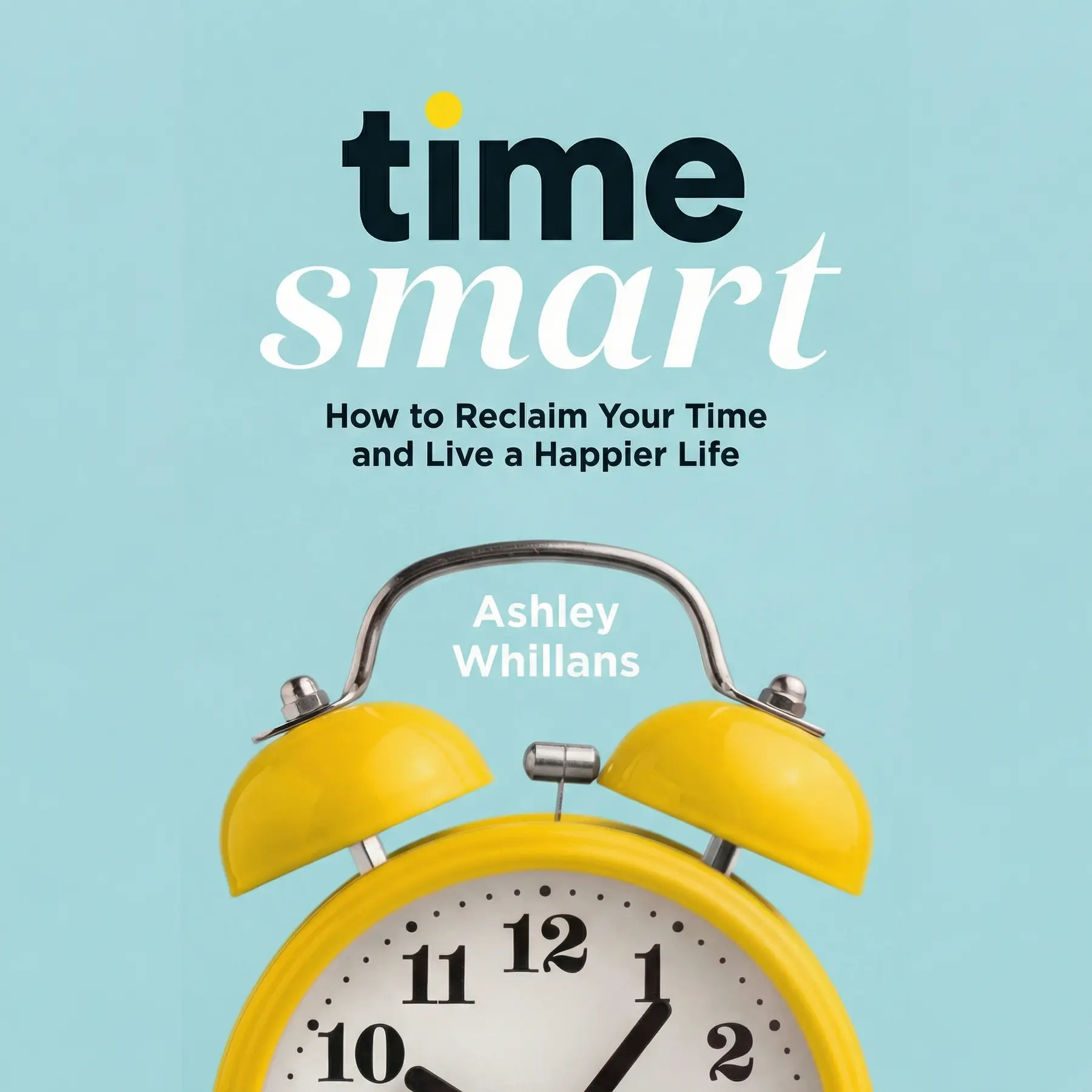
Time Smart: How to Reclaim Your Time and Live a Happier Life
Time Smart explores the psychological and practical shifts needed to overcome time poverty. By valuing minutes over dollars, you can restructure your daily habits to improve your overall happiness and life satisfaction.
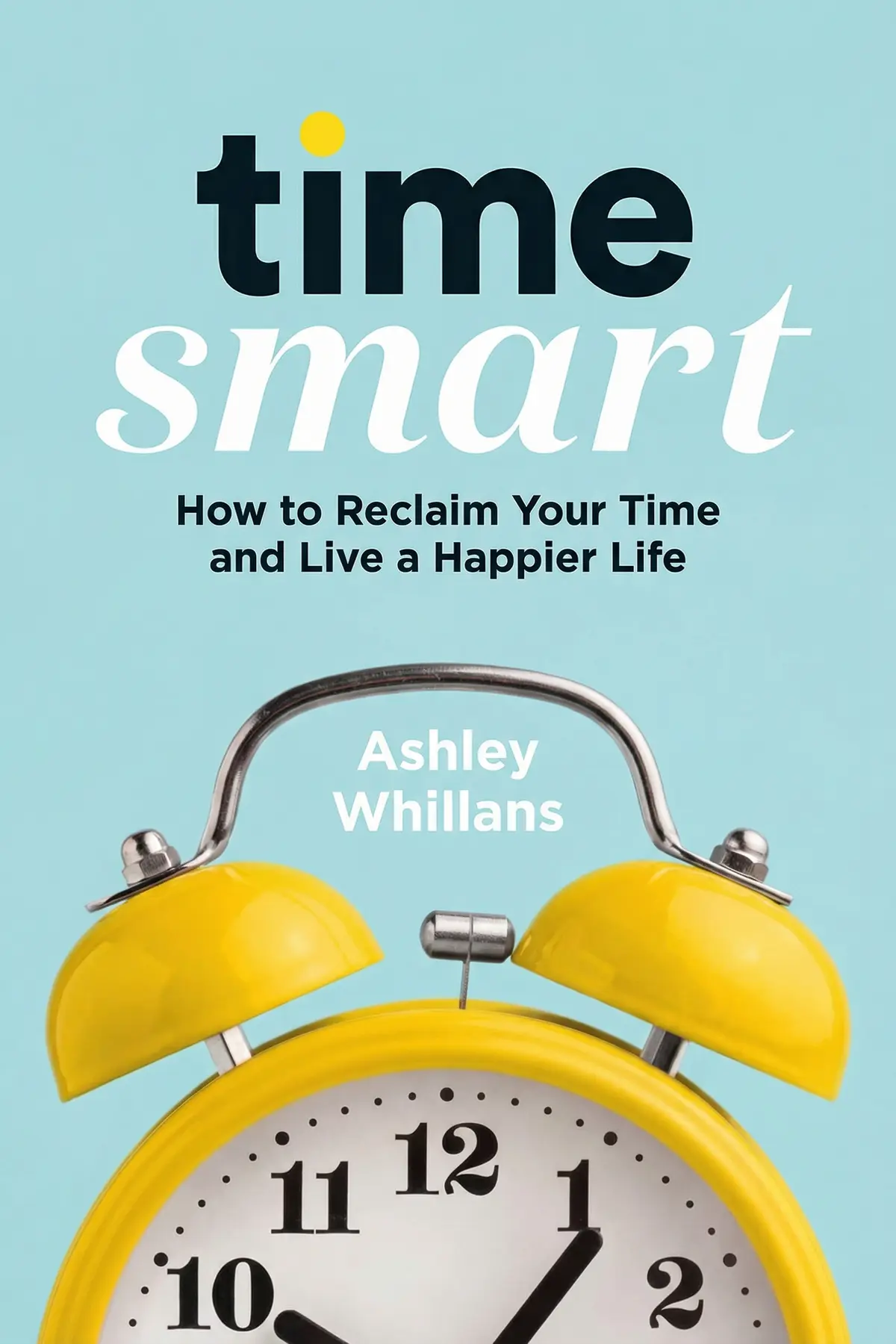
Table of Content
1. Introduction
1 min 03 sec
We often think of wealth in terms of bank accounts and investments, but there is another currency that is arguably far more important: our time. In today’s fast-paced world, most people suffer from what experts call time poverty—a persistent sense of being rushed and overwhelmed by a never-ending to-do list. We trade our hours for money, assuming that more wealth will eventually buy us the freedom we crave. However, the research suggests that this trade-off often backfires, leaving us stressed and unfulfilled.
In this summary of Time Smart by Ashley Whillans, we will explore how to flip the script. We will dive into the concept of time affluence and look at how a simple shift in perspective can drastically improve your quality of life. By the end of this journey, you will have a better understanding of how to protect your most precious resource and build a life that feels spacious, intentional, and truly happy.
2. Choosing Time Over Money
1 min 28 sec
Discover why we reflexively prioritize financial gain over our own schedules and how shifting this mindset can lead to a deeper sense of personal wealth.
3. Auditing Your Daily Habits
1 min 25 sec
Learn how to identify the hidden time-wasters in your life and why documentation is the key to making more meaningful choices.
4. Systems for Reclaiming Control
1 min 23 sec
Explore practical tactics like building slack into your schedule and understanding your unique calendar mindset to reduce daily stress.
5. The Ongoing Practice of Time Affluence
1 min 31 sec
Understand why achieving a balanced life is a continuous journey that requires discipline and a commitment to your core values.
6. Conclusion
1 min 07 sec
In summary, the path to a happier life involves a fundamental shift in how we value our minutes versus our dollars. Time affluence is more than just a luxury; it is a necessity for mental and emotional well-being. By moving away from a time-poor mindset and embracing intentionality, we can stop the frantic race against the clock.
Remember that reclaiming your time starts with awareness. Audit your habits, build systems that protect your focus, and never lose sight of your core values. While society may continue to push for more productivity and more money, you now have the tools to choose a different path. Investing in your time is the most profitable investment you will ever make, yielding dividends of joy, connection, and lasting peace. Start today by making one small choice that gives you back a piece of your day, and watch as those reclaimed moments transform your life.
About this book
What is this book about?
Many of us live in a state of constant hurry, feeling like there are never enough hours in the day to accomplish what truly matters. We are often caught in a trap where we prioritize financial gain at the expense of our personal well-being, leading to a phenomenon known as time poverty. Time Smart addresses this modern crisis by introducing the concept of time affluence—the state of having enough time to pursue meaningful activities and rest. The book promises a roadmap for reclaiming your schedule. It moves beyond simple productivity hacks to examine the underlying mindsets that cause us to undervalue our time. By understanding how to audit your daily habits, set better defaults, and align your calendar with your deepest values, you can shift from feeling overwhelmed to feeling empowered. This is not just about doing more in less time; it is about choosing the right things to do so that your life feels rich and fulfilling.
Book Information
About the Author
Ashley Whillans
Ashley Whillans is an assistant professor at Harvard Business School and is recognized as a leading researcher on the intersection of time and happiness. Her work specifically focuses on the concept of time poverty and how it impacts both individual well-being and professional success.
Ratings & Reviews
Ratings at a glance
What people think
Listeners describe the book's guidance as beneficial and simple to digest, with one reviewer highlighting its foundation in scientific research. Furthermore, the tempo is well-regarded, with one person characterizing the style as conversational storytelling, and its utility for managing schedules is praised, as one listener points out it offers toolkits for reclaiming one's time. On the other hand, the core ideas get varied responses; while some consider them engaging, others feel the content lacks sufficient depth and weight. Perspectives on the reading experience also differ, with some finding the material enjoyable while others find it somewhat tedious.
Top reviews
Soontorn
The concept of 'happiness dollars' completely reframed my perspective on hiring a cleaning service. Whillans argues that our time has a literal monetary equivalent when it comes to personal joy. While some might find the math a bit cold, I found it incredibly liberating to see the data backing up my need for a break. Why do we feel so guilty about spending money to reclaim our weekends? This book provides the toolkit to stop that guilt in its tracks. I’m finally prioritizing my afternoon reading over mindless chores. It’s a short, punchy read that packs a significant psychological wallop.
Show moreJeeranan
Finally got around to doing the worksheets at the end of each chapter, and the insights into my 'idleness aversion' were startling. I always felt like resting was a sin, but Whillans uses behavioral psychology to show how that mindset actually destroys productivity. The Taylor vs. Morgan comparison was particularly eye-opening for my husband and me to discuss. We’ve since started implementing 'proactive time' in our morning routines to protect our focus. It isn't just about working less; it’s about making sure the time you do spend working actually counts for something. Highly recommended for the busy professional.
Show moreLaor
This book should be mandatory reading for every 'Type A' professional who thinks being busy is a personality trait. Whillans does a fantastic job dismantling the 'busyness as status' trap that keeps so many of us chained to our desks for no reason. The writing is conversational and moves quickly, which is a relief for a business-adjacent title from Harvard Press. I particularly loved the concept of 'proactive time' as a way to protect my focus from constant digital interruptions. It’s a wake-up call for anyone who inadvertently prioritizes their bank account over their mental well-being.
Show moreJack
After hearing Ashley Whillans on a podcast, I felt compelled to grab the full text to dive deeper into the science of 'time confetti.' Those tiny fragments of time lost to checking texts really do add up and ruin our ability to enjoy leisure. The book does a great job of explaining why we feel so frantic even when we aren't technically working. I didn't fill out every single worksheet, but the 'Yes... Damn!' effect is something I now identify daily. It’s a solid guide for anyone feeling overwhelmed by the digital tether of modern life.
Show moreGame
As someone who constantly prioritizes the hustle over my own sanity, this served as a necessary, albeit slightly uncomfortable, reality check. The way Whillans breaks down the trade-offs between time and money is fascinating from a behavioral psychology standpoint. I’ve started catching myself in 'time traps' I didn't even know existed, like choosing the cheaper, longer flight. This book isn't just about being efficient; it's about being intentional with the life you actually want to live. It’s a quick read, but I found myself taking pages of notes. My only gripe is that it feels geared almost exclusively toward corporate employees.
Show moreRatchada
Does anyone else feel like the term 'time poverty' was used a bit loosely here? While the '6 Time Traps' framework is intellectually satisfying, the language often blurs the line between 'busy by choice' and 'struggling to survive.' Personally, the research on how texting fragments our leisure—shredding it into 'confetti'—is brilliant and very relatable. I just wish the author had acknowledged that choosing time over money is a luxury many simply don't have. It’s a solid read if you can look past the slightly elitist undertones and focus on the actionable habit changes.
Show moreNum
Look, the core message here is vital, but the delivery occasionally feels more like an academic lecture than a lifestyle guide. Whillans is clearly brilliant, yet the repetition makes the middle chapters feel a bit tiresome to get through. I appreciated the data-backed approach to 'time traps,' especially the part about idleness aversion in American culture. However, a lot of the 'solutions' aren't revolutionary if you've ever read a productivity blog before. It’s a helpful resource for those who are truly clueless about their schedule, but others might find it a bit basic. The end-of-chapter summaries are the real MVP here.
Show moreBenjamin
To be fair, the research is solid, yet I couldn't help but feel like I was reading a very long version of 'just say no to your boss.' The advice to use vacation days and negotiate for remote work is great in theory, but it feels redundant in the post-2020 world. I did find the section on 'undervalued time' helpful, as I often spend hours hunting for a $10 discount. Realizing that my time is worth more than the coupon was a necessary wake-up call. It's a decent book, just don't expect it to reinvent the wheel if you’re already familiar with time management.
Show moreTantipat
Is it just me, or does this book assume everyone has a spare five grand to throw at their problems? The constant focus on 'outsourcing' grocery shopping or laundry feels remarkably out of touch with anyone not pulling a six-figure salary. Whillans is a Harvard professor, and it shows in her narrow view of what 'time poverty' looks like for the average person. If you're struggling to make rent, being told to value time over money feels like a slap in the face. It’s not that the science is wrong, but the application is for a very specific, privileged bubble.
Show moreBun
Not what I expected from a book that claims to help you manage your life better, especially since the author admits to being stressed while writing it. If the expert can't handle her own 'time confetti,' how am I supposed to trust these worksheets? The repetition of 'say no' and 'use your vacation days' felt like filler for a message that could have been a blog post. I did appreciate the section on technology traps, but the rest felt like a rehash of basic productivity tips. For a book about efficiency, it certainly took its time getting to the point. Total waste of my afternoon.
Show moreFeatured in
Readers also enjoyed
AUDIO SUMMARY AVAILABLE
Listen to Time Smart in 15 minutes
Get the key ideas from Time Smart by Ashley Whillans, plus 5,000+ more titles in English and Thai.
- 5,000+ titles
- Listen as much as you want
- 7-day free trial
- Cancel anytime







