
20 min 10 sec
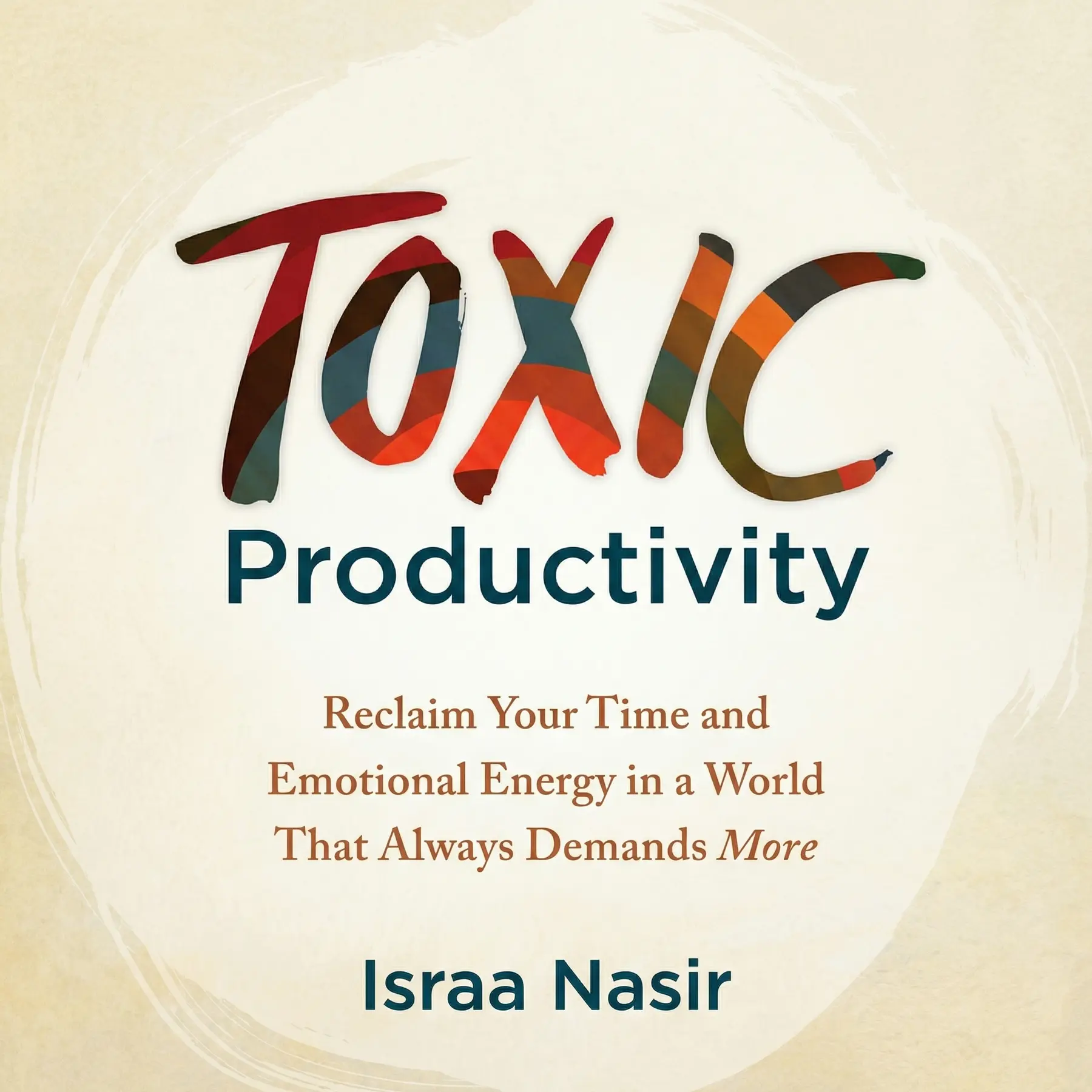
Toxic Productivity: Reclaim Your Time and Emotional Energy in a World That Always Demands More
By Israa Nasir
Toxic Productivity explores the cultural obsession with constant achievement. Psychotherapist Israa Nasir reveals how to decouple self-worth from output, reclaim your energy, and build a sustainable life centered on authentic values.
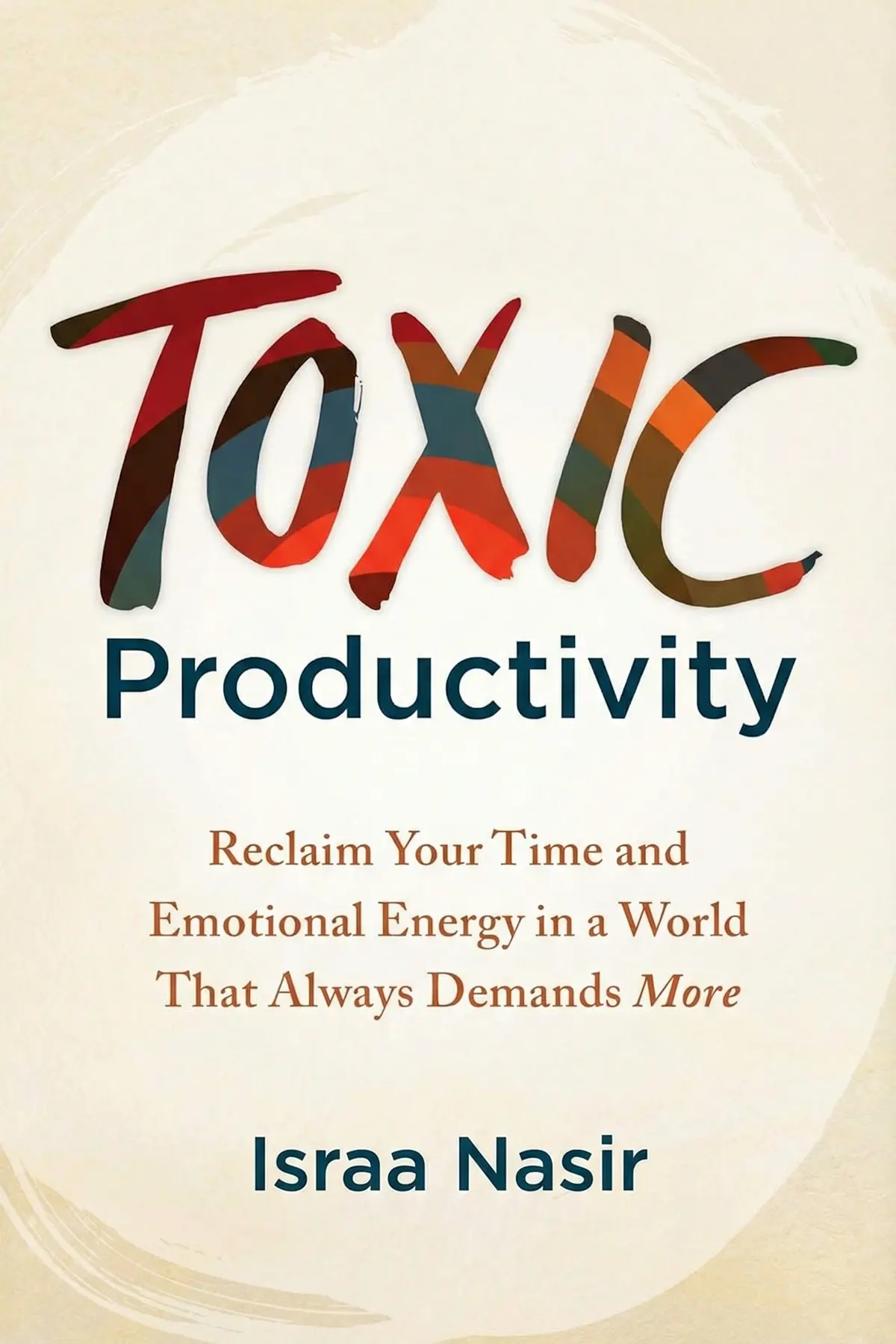
Table of Content
1. Introduction
2 min 01 sec
Have you ever looked at your calendar, seen a rare blank space, and immediately felt a surge of anxiety? Instead of feeling relief, you might feel a compulsive need to fill that gap with a task, a workout, or a professional networking call. If this resonates with you, you aren’t alone. You are likely navigating the exhausting landscape of toxic productivity. This isn’t just about working hard; it’s a pervasive mindset that tells us our human worth is a direct reflection of our output. We are conditioned to believe that if we aren’t moving forward, we are falling behind.
In this exploration of Israa Nasir’s work, we are going to look at the heavy toll this ‘hustle’ culture takes on our mental and physical well-being. We often celebrate the person who stays late at the office or the student who sacrifices sleep for grades, but we rarely talk about the underlying costs: the eroded self-esteem, the chronic stress, and the isolation that follows when achievement becomes our only identity.
This summary provides a throughline for reclaiming your life. It isn’t an argument against being productive; rather, it’s a guide to making productivity healthy and sustainable. We will examine the red flags that signal when ambition has turned toxic, dismantle the myths that keep us chained to our desks, and learn how to implement six specific types of rest that can actually restore our energy. By the end, you’ll see how to shift from a life dictated by a societal checklist to one guided by your own deepest values. Let’s begin by defining exactly what we mean when we say productivity has become harmful.
2. Defining the Threshold of Toxicity
2 min 25 sec
Productivity is often seen as an unalloyed good, but like anything else, it can become harmful in excess. Discover the subtle signs that your drive for success has turned into a destructive habit.
3. The Emotional Engines of Overachievement
2 min 20 sec
What truly drives the need to be constantly busy? It often isn’t passion or goals, but deeper emotional forces like shame and the fear of inadequacy.
4. Values Over Checklists
2 min 30 sec
Society provides an invisible checklist for success, but following it often leads to hollow achievements. Learn why aligning with your core values is the ultimate productivity hack.
5. Dismantling Efficiency Myths
2 min 19 sec
Many of our most common beliefs about how to get things done are actually counterproductive. Explore the science-backed reality of focus and output.
6. Syncing with Biological Rhythms
2 min 11 sec
Forget the 4 a.m. CEO routine. True productivity comes from understanding your unique internal clock and the natural cycles of your brain.
7. The Hidden Masks of Toxicity
2 min 13 sec
Toxic productivity can hide in places we think of as healthy, like self-care and personal development. Learn to spot the ‘performance’ in your wellness routine.
8. The Six Pillars of Authentic Rest
2 min 28 sec
Rest is not just sleep. Discover the six specific types of restoration your body and mind need to truly recover from the demands of modern life.
9. Conclusion
1 min 43 sec
As we wrap up our look at the lessons of Toxic Productivity, the most important takeaway is a shift in perspective. We have spent so much time viewing ourselves through the lens of what we can produce, what we can earn, and how we can improve. But you are not a machine meant for constant optimization; you are a human being whose value is inherent and unchanging, regardless of what you achieve today.
Breaking free from the hustle isn’t about becoming ‘unproductive.’ It’s about becoming intentionally productive on your own terms. It’s about learning to tell the difference between a goal that truly matters to you and a societal ‘should’ that is draining your spirit. It’s about recognizing that rest isn’t the opposite of work—it is the foundation of it. By dismantling the myths of efficiency, honoring your biological rhythms, and embracing the various forms of rest, you can reclaim your time and your emotional energy.
As you move forward, start small. Perhaps you can choose one form of rest to prioritize this week, or perhaps you can take one item off your checklist that doesn’t align with your core values. Notice how it feels to have that space back. The path toward a healthier relationship with achievement isn’t a sprint; it’s a gradual process of unlearning. By choosing to honor your needs and your authentic self, you aren’t just becoming more balanced—you are reclaiming your right to a life that feels truly fulfilling. You have done enough, you are enough, and now, it’s okay to simply be.
About this book
What is this book about?
In a world that equates busyness with importance, many of us have fallen into the trap of toxic productivity. This mindset convinces us that our value as human beings is entirely dependent on our career status, income, and the number of tasks we complete each day. But as Israa Nasir argues, this relentless drive for more doesn't lead to fulfillment; it leads to burnout, isolation, and a profound sense of inadequacy. Toxic Productivity provides a roadmap for anyone feeling drained by the pressure to always be 'on.' The book promises to help you identify the hidden emotional drivers behind your hustle, such as shame and perfectionism. By stripping away societal 'shoulds' and dismantling common efficiency myths, Nasir teaches you how to align your daily actions with your core values. You will discover that rest is not a reward for work, but a fundamental requirement for a healthy life. Through practical strategies and psychological insights, this summary explores how to transition from a scarcity mindset to one of abundance, allowing you to reclaim your time and rediscover who you are outside of what you do.
Book Information
About the Author
Israa Nasir
Israa Nasir is a psychotherapist and the creator of the mental wellness platform @well.guide. Her work centers on emotional health and personal development, specifically helping individuals navigate the pressures of modern life. By focusing on self-care and empowerment, Nasir guides her clients and community to break free from harmful cycles of overwork and cultivate a balanced, authentic existence.
Ratings & Reviews
Ratings at a glance
What people think
Listeners find the book absorbing and simple to follow, with one mentioning it is a must-read for chronically over-committed individuals. They value the perspectives on productivity, while one review emphasizes how it helps find the right work-life balance and provides practical ways to break the cycle. The work earns positive feedback for its impact, with one listener noting how it assists in unlocking a more meaningful life.
Top reviews
Siriphen
Wow. This hit me right where it hurts. Nasir has a way of dismantling the 'hustle culture' myths that we’ve all been conditioned to believe. I’ve spent years thinking that if I just found the right planner or the right app, I’d finally feel 'finished' and happy. This book taught me that the most optimized life isn't necessarily the happiest one. The writing is compassionate yet firm, and the client stories felt so relatable that I often saw myself in their struggles with burnout. If you find yourself skipping meals or feeling guilty about taking a nap, you need to read this. It isn't just a book about productivity; it’s a book about reclaiming your humanity in a world that treats you like a machine.
Show moreSaranya
Picked this up during a particularly nasty bout of burnout and it was exactly the medicine I needed. What sets this book apart is that it doesn't just tell you to 'relax'—it explains why your brain is terrified of relaxing in the first place. I loved the section on the six different forms of rest (sensory, social, etc.) because I realized I was only focusing on physical rest while my mind was still racing. The author’s voice is encouraging and the stories about her clients helped ground the theories in real-world application. It’s a very practical guide that provides actual tools to break the cycle of constant striving. I've already started implementing the 'monotasking' advice and I feel much less frantic during my workday. Highly recommended!
Show moreEthan
Nasir has a way of calling you out without making you feel judged. I’ve read a lot of productivity books, but they usually focus on how to squeeze more juice out of the lemon. This is the first one that asked me why I’m trying to squeeze the lemon so hard in the first place. The connection between our childhood patterns and our adult work habits was a 'lightbulb' moment for me. The book is structured in a way that feels very manageable, with clear action items that don't feel like just another chore to add to your list. Frankly, I think this should be required reading for anyone entering the corporate world. It’s a life-changing perspective on what it means to be truly successful.
Show moreGoy
After years of trying every time-management hack under the sun, I realized my problem wasn't my calendar—it was my mindset. This book was the final piece of the puzzle. Nasir explains the transition from toxic productivity to a healthier, more sustainable place with such clarity. I loved the mix of personal anecdotes and clinical experience; it made the advice feel both credible and human. The specific focus on how 'wellness' can become another arena for perfectionism was spot on. I’ve already recommended this to three coworkers who are on the verge of collapse. It’s an empowering roadmap for anyone ready to reclaim their time and stop living for the approval of a society that doesn't actually care about their health.
Show moreThongchai
Finally got around to reading Nasir’s work after months of feeling like I was running on a treadmill that never stops. The book is incredibly insightful because it shifts the focus away from 'how to do more' and toward 'why we feel we have to.' I found the breakdown of emotional drivers—like how shame and perfectionism fuel our need to stay busy—to be particularly illuminating. While some of the time-management tips felt a bit familiar, the way they are framed within the context of emotional regulation made them feel fresh. The middle section dragged a little for me, but the exercises at the end of each chapter kept me engaged enough to see it through. It’s a solid resource for anyone who feels their identity is too tied to their output.
Show moreTaweesak
As someone who lives by their Google Calendar and feels a physical pang of anxiety when an hour isn't 'productive,' this was a wake-up call. I really appreciated the specific techniques mentioned, especially the 80/20 rule and the concept of 90-minute focus cycles. Nasir explains how toxic productivity isn't just about working too much; it's about the emotional toll of measuring your self-worth against an invisible checklist of 'shoulds.' The prose is easy to digest, and the structure makes it easy to dip in and out of. My only minor gripe is that some of the sections on self-care felt a bit like things I've heard before, but the overall framing of emotional management vs. time management makes it well worth the read.
Show morePensri
The chapter on rest as a foundation, not a reward, completely changed my perspective on how I schedule my weeks. For years, I treated my downtime as something I had to 'earn' through extreme effort, which only led to more stress. Nasir does an excellent job of showing how our culture turns even self-care into a performance metric. To be fair, I felt the beginning was stronger than the conclusion, but the overall impact of the book is undeniable. It’s well-written, well-timed, and deeply necessary for our current age. The focus on 'intentionality' over 'relentless action' is something I'm going to be thinking about for a long time. It’s a great read for anyone who feels like they’re doing everything but accomplishing nothing of value.
Show moreTantipat
Ever feel like your self-worth is just a tally of your daily tasks? This book explores that hollow feeling in such a visceral way. Nasir breaks down how we use productivity as an emotional currency to feel loved or secure, which was a pretty heavy realization for me. The writing style is approachable and the short summaries at the end of the chapters are great for when you're too burnt out to focus on long blocks of text. I particularly liked the discussion on 'analysis paralysis' and how our obsession with being perfect actually stops us from making any progress at all. It’s a very grounding read that helps you find a healthier balance between ambition and well-being. Definitely a must-read for the chronically over-committed.
Show moreNina
The truth is, I wanted to love this more than I did. Don't get me wrong—the core message is vital, and the author clearly knows her stuff when it comes to the psychology of overworking. However, I felt like the book covered too many concepts at a surface level rather than doing a deep dive into one specific area. It functions well as a general introduction to the idea of toxic productivity, but if you’ve already read a lot of burnout literature, you might find some of it redundant. Also, the middle chapters felt a bit like they were treading water. I appreciated the practical exercises and the focus on 'abundance thinking' vs. 'scarcity mindset,' but I think a more focused approach would have made it a stronger read for me personally.
Show moreSoontorn
Look, I get the hype, but this felt a bit repetitive for me. While I agree with the author's premise that hustle culture is damaging, I found myself skimming a lot of the middle sections because the points were being made over and over again. It felt like a very long blog post stretched into a book. If you are brand new to the concept of work-life balance or have never heard of 'toxic productivity,' this will be a revelation. But for me, it didn't offer enough new insights to justify the length. I also struggled with the tone at times—it felt a bit too 'self-help' and not enough 'deep psychological analysis.' It’s a fine book, just not what I was looking for.
Show moreReaders also enjoyed
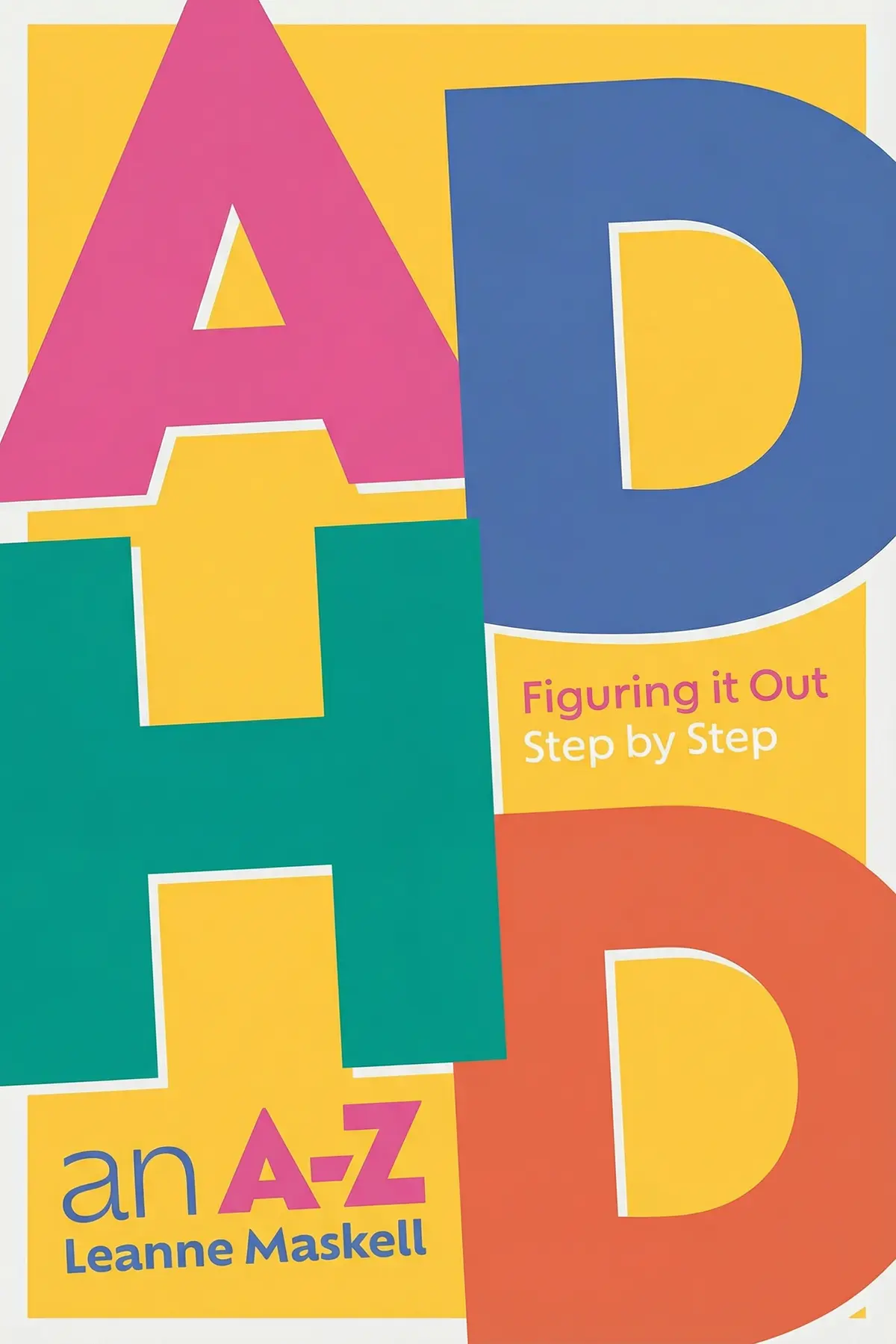
ADHD an A-Z: Figuring It Out Step by Step
Leanne Maskell


Alcoholics Anonymous
Alcoholics Anonymous World Services
168 Hours: You Have More Time Than You Think
Laura Vanderkam
AUDIO SUMMARY AVAILABLE
Listen to Toxic Productivity in 15 minutes
Get the key ideas from Toxic Productivity by Israa Nasir, plus 5,000+ more titles in English and Thai.
- 5,000+ titles
- Listen as much as you want
- 7-day free trial
- Cancel anytime







