

14 min 25 sec
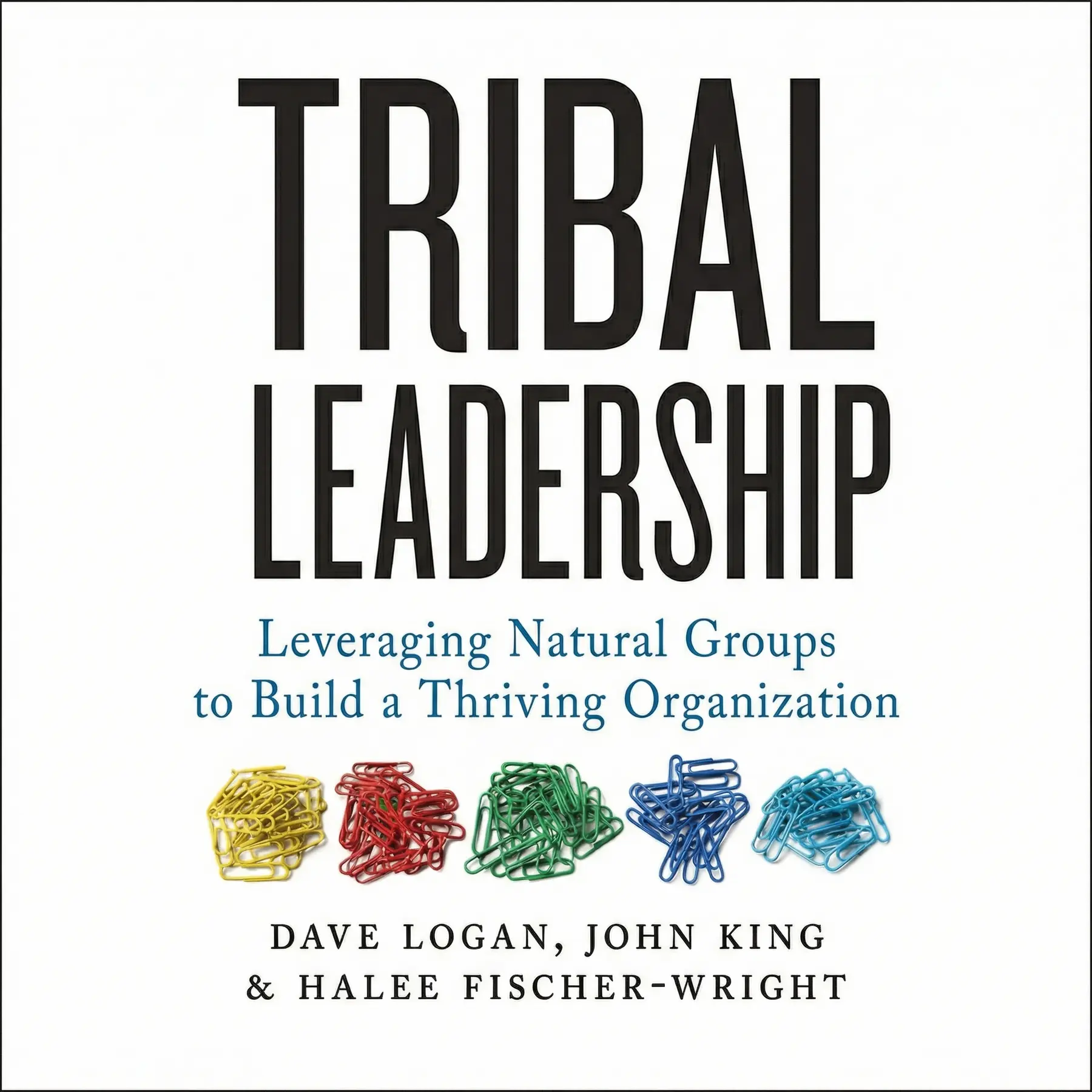
Tribal Leadership: Leveraging Natural Groups to Build a Thriving Organization
Tribal Leadership explores the five evolutionary stages of organizational culture. It provides a roadmap for leaders to identify their group’s current stage and elevate them toward peak performance and collaborative innovation.
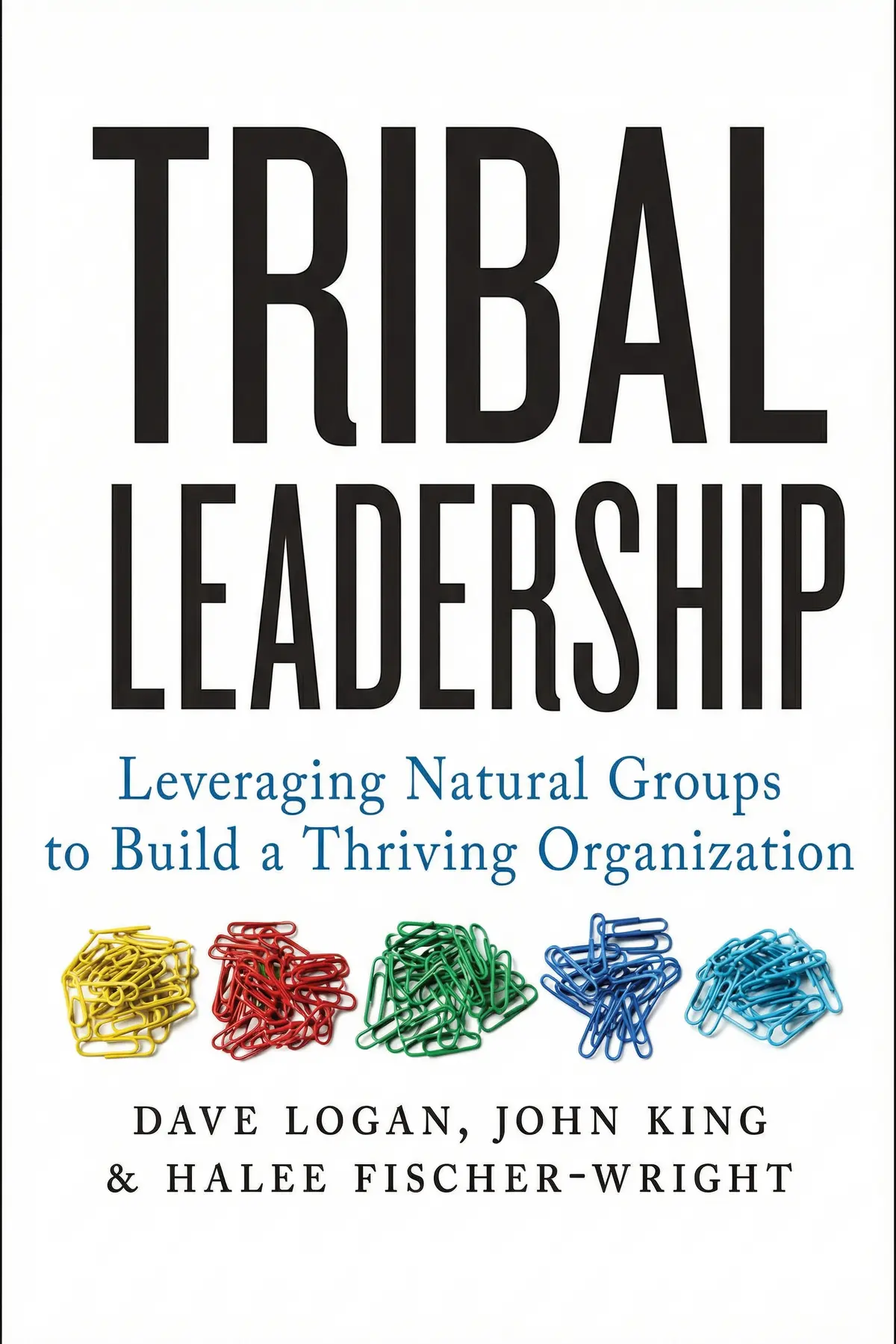
Table of Content
1. Introduction
1 min 45 sec
Have you ever wondered why some organizations seem to hum with a natural, effortless energy while others feel like they are constantly wading through thick mud? We often look at strategy, funding, or technology as the deciding factors for success, but there is a deeper, more primal force at work. This force is the ‘tribe.’ In the context of our professional lives, tribes are the natural building blocks of any company. They are groups of people who know each other well enough to stop and say hello in the hallway, and their collective mindset determines everything from the speed of innovation to the level of employee burnout.
In this exploration of Tribal Leadership, we are going to dive into the hidden architecture of these groups. Every tribe operates at one of five specific levels, or stages, of culture. These stages are defined by how the members talk and how they relate to one another. Most importantly, we will discover that a tribe is never truly stuck. With the right leadership, a group can be guided upward, moving from a place of individual struggle to a state of collective greatness.
Throughout this summary, we will break down each of these five stages. We will see why focusing too much on outperforming your rivals can actually hold you back, and how shifting from two-person connections to three-person networks—what we call triads—can revolutionize the way work gets done. By the time we finish, you will have a clear map of how to identify where your own team stands and the specific steps required to lead them to the next level of success. The journey of a tribal leader isn’t about personal glory; it’s about mastering the art of bringing people together around a cause that is bigger than any one individual. Let’s begin by understanding what makes a tribe and why they are the most important unit of change in the modern world.
2. The Tribal Unit as the Foundation of Business
1 min 45 sec
Discover why the secret to large-scale success isn’t found in individuals or massive corporations, but in the naturally occurring groups that form our social backbone.
3. The Lower Stages of Despair and Apathy
1 min 58 sec
Explore the first two stages of tribal culture where hostility and passive resignation prevent any meaningful progress or innovation.
4. The Trap of Individual Greatness
1 min 52 sec
Learn why the most common workplace culture, centered on personal achievement and competition, often leads to isolation and capped potential.
5. Cultivating the Power of 'We'
1 min 57 sec
See how Stage Four tribes transform through shared values and a commitment to a noble cause that transcends personal ego.
6. The Peak of Innovation and Innocent Wonder
1 min 49 sec
Unlock the rare and powerful potential of Stage Five, where competition disappears and the focus shifts entirely to solving the world’s greatest challenges.
7. The Roadmap for the Tribal Leader
1 min 45 sec
Learn the specific strategies a leader must use to mentor individuals and transition a tribe through the evolutionary stages of culture.
8. Conclusion
1 min 34 sec
The concept of tribal leadership teaches us that the secret to organizational success isn’t hidden in a spreadsheet or a strategic plan, but in the social fabric of the people doing the work. By recognizing that we naturally organize into tribes, we can begin to see the invisible structures that dictate our performance. Whether a tribe is struggling in the apathy of Stage Two, competing in the isolation of Stage Three, or collaborating in the unity of Stage Four, the path forward is always the same: a shift in language and a deepening of connections.
As we’ve seen, the ultimate goal for any enduring organization is to reach and maintain Stage Four. This is where people find meaning in their work, where collaboration becomes the default, and where common values drive every decision. While Stage Five offers moments of miraculous innovation, it is the steady, value-driven environment of Stage Four that provides the long-term prosperity and fulfillment we all seek in our professional lives.
To put these ideas into practice, start by listening. Pay attention to the language used by those around you. Do they say ‘I’ or ‘we’? Do they speak with resignation or with purpose? Once you identify the stage of your tribe, you can begin the work of a tribal leader. Build triads by connecting people who should know each other. Remind your team of the noble cause that brought you all together in the first place. By focusing on one person and one relationship at a time, you can elevate your entire tribe, creating a workplace that isn’t just productive, but truly thriving.
About this book
What is this book about?
Every organization is composed of smaller, naturally occurring groups called tribes. These tribes determine the productivity, happiness, and overall success of the company. However, not all tribes are created equal. Most function at levels of individual competition or even passive apathy, which limits their potential. Tribal Leadership provides a framework for understanding these dynamics through five distinct stages of development. By learning the language and relationship structures of each stage, leaders can effectively transition their teams from a culture of 'I’m great' to one of 'We’re great,' and eventually to a state of world-changing innovation. This book offers a practical guide for anyone looking to build a thriving workplace by focusing on the human elements of connection and shared purpose.
Book Information
About the Author
Dave Logan
Dave Logan is a professor of business at the University of Southern California and a prolific author. He partnered with John King, a successful writer and renowned keynote speaker, to co-found the management consultancy CultureSync. Joining them is Halee Fischer-Wright, a former pediatrician turned expert in healthcare and business management. She currently serves as a partner at CultureSync and is an assistant clinical professor at the University of Colorado.
Ratings & Reviews
Ratings at a glance
What people think
Listeners find this leadership guide exceptionally easy to read and rank it among the top business titles in their experience. It serves as a methodical manual for those in charge and delivers high-quality observations, including one listener who mentions it offers a profound grasp of human psychology. Listeners value the book's hands-on methodology, especially its focus on clear communication and authentic teamwork, while one review points out its techniques for raising tribal levels within organizations. Listeners prize the book's outlook on corporate culture, with one remarking on how it enables them to see businesses through a fresh lens.
Top reviews
Elias
This book completely transformed how I view the dynamics within my engineering team. I used to think my star performers were the peak of success, but Logan and his co-authors showed me they were stuck in Stage 3, competing against each other rather than for a shared purpose. The transition from "I'm great" to "We're great" isn't just fluffy corporate talk; it requires a fundamental shift in how we communicate and form relationships. I particularly appreciated the specific coaching tips provided for each level, as they gave me a concrete roadmap to follow. It’s rare to find a business book that offers such a deep understanding of human psychology while remaining eminently readable. Highly recommended for anyone in a growth-focused company.
Show moreSue
As someone who manages a mid-sized marketing firm, I found the sections on "triads" and Stage 4 culture to be revolutionary. Most of our leadership was stuck in two-person silos, which the authors correctly identify as a hallmark of Stage 3 "I'm wonderful" behavior that limits growth. By intentionally creating three-way relationships based on core values, we’ve started to see information move more freely throughout our group. The book is undeniably repetitive, but perhaps that’s necessary to drive home the importance of consistency in leadership communication. It’s one of the few books that actually explains how to build a culture of high performance instead of just telling you that you should have one. Essential reading.
Show moreThongchai
Picked this up for a work book club and was surprised by how much it challenged my own ego. I realized I’ve spent most of my career stuck in Stage 3, trying to be the smartest person in the room and resenting others for not keeping up. This book made me see that my "I'm wonderful" attitude was actually a ceiling for my team's success rather than a driver of it. Moving toward Stage 4 requires a level of vulnerability and commitment to shared values that I hadn't considered before. Even though the prose can be a bit dry and circular, the emotional impact of the Zappos case studies was profound. This is an essential read for anyone who wants to lead with more than just authority.
Show moreDarius
Finally got around to reading this after seeing it on so many best business books lists. The central premise—that organizations are made of tribes and those tribes have predictable maturity levels—is actually quite brilliant and easy to observe in the wild. I’ve definitely worked in Stage 2 environments where everyone felt like "life sucks," and seeing the path toward Stage 4 was eye-opening for my current role. My only real gripe is the relentless model-building; sometimes it feels like the authors are trying too hard to make everything fit their five-stage system perfectly. Still, it provides a unique viewpoint that most leadership books overlook by focusing only on individual traits. Definitely worth your time.
Show moreWoravit
The core insight here—that groups are defined by the words they use—hit me harder than I anticipated. Logan suggests that if you change the language of a tribe, the reality of that tribe will shift automatically, which is a powerful concept for any manager. It’s not about forced positivity but about moving from "my life sucks" toward a sense of limitless potential and collective values. While I agree with other reviewers that the text suffers from some hyperbole and jargon, the actual strategies for raising tribal levels are too good to ignore. It’s a step-by-step guide that focuses on genuine collaboration rather than the usual superficial team-building exercises. This will change how you listen to your colleagues.
Show moreDome
Ever wonder why some companies thrive while others with identical talent seem to stagnate in a toxic loop? Tribal Leadership argues that the difference lies in the cultural stage of the group, and their analysis of human psychology is spot-on. I was particularly struck by the description of Stage 5, where the focus moves beyond competition toward making history through resonant values. While it sounds a bit idealistic, the authors provide enough real-world examples to make the "Life is Great" stage feel like an attainable goal. The book avoids the usual new-age nonsense often found in self-help manuals, providing instead a practical approach to effective communication. It’s a dense read, but the payoff for your organization is worth the effort.
Show moreHang
Look, I know some people hate being put into "reductive boxes," but the five-stage model in this book is just too useful to ignore. I’ve started identifying people at work as Stage 2 or Stage 3 in my head, and it immediately helps me understand why they are resisting certain initiatives. It turns out that you can’t talk to a Stage 2 person about "limitless potential" because they aren't even at the level where they believe their own life doesn't suck. This realization alone saved me hours of frustration in my last project meeting. The writing style is definitely a bit too "corporate-cool" for its own good, but the underlying strategies for moving a tribe forward are pure gold for anyone in management.
Show moreLook
After hearing about this from a mentor, I jumped in expecting a typical management manual. What I found was a fascinating, if somewhat overly-wordy, breakdown of how office cultures evolve through five distinct stages. It’s definitely helpful for spotting those "Stage 3" types who think they’re the only ones working hard, even if the authors repeat the word 'tribal' a hundred times too many. Frankly, the book could have been half the length and still delivered its main point about shifting from 'me' to 'we.' While the psychological claims feel a bit thin at times, the practical advice on changing the group's vocabulary is genuinely actionable for any leader. It is a decent resource if you have the patience for it.
Show moreMonthon
To be fair, the content is high quality even if the presentation feels more like a slog. Every chapter I managed to get through gave me something I could apply to my workplace that very afternoon. However, the sheer amount of jargon and the constant "beating of a dead horse" made it difficult to stay engaged for long periods. If you can look past the pseudo-scientific tone, the five stages offer a surprisingly accurate map of organizational development. I’d recommend skimming the repetitive sections and focusing on the bulleted summaries at the end of each chapter to save time. It’s a valuable reference, but it won’t be the most exciting thing you read this year.
Show morePenelope
Not what I expected given the hype, and I found the MBA-style prose incredibly grating to get through. The authors attempt to categorize complex human behavior into five neat boxes, but the model feels reductive and even a little condescending toward those they deem Stage 2. There are far too many anecdotes that feel like they were cherry-picked to fit a specific narrative rather than providing objective proof. If you strip away the heavy jargon and constant repetition, you're left with a core idea that could have been a decent blog post or a fifteen-minute TED talk. I struggled to finish the last third of the book because the writing became so circular and stale. It just didn't work for me.
Show moreReaders also enjoyed
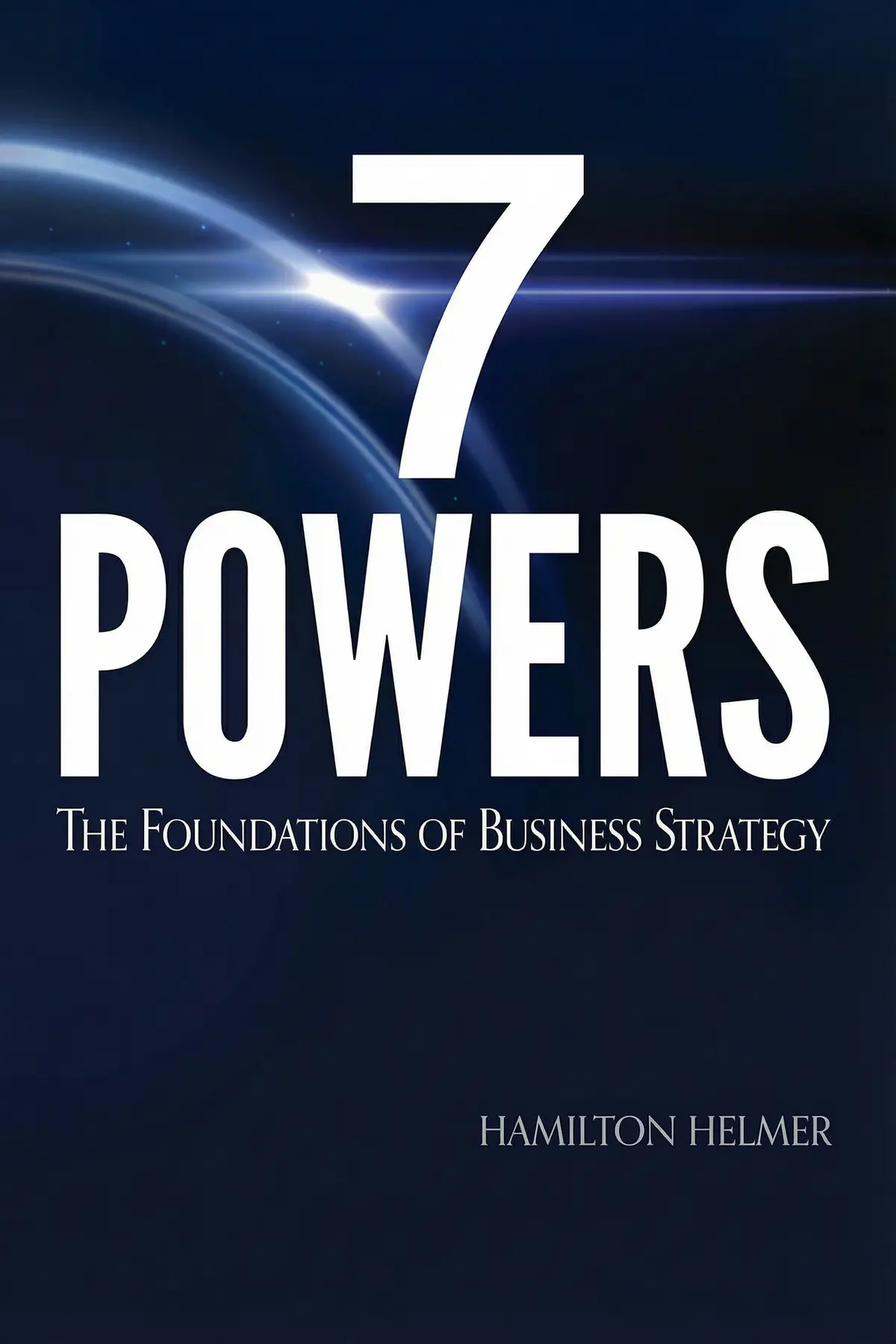
7 Powers: The Foundations of Business Strategy
Hamilton Helmer
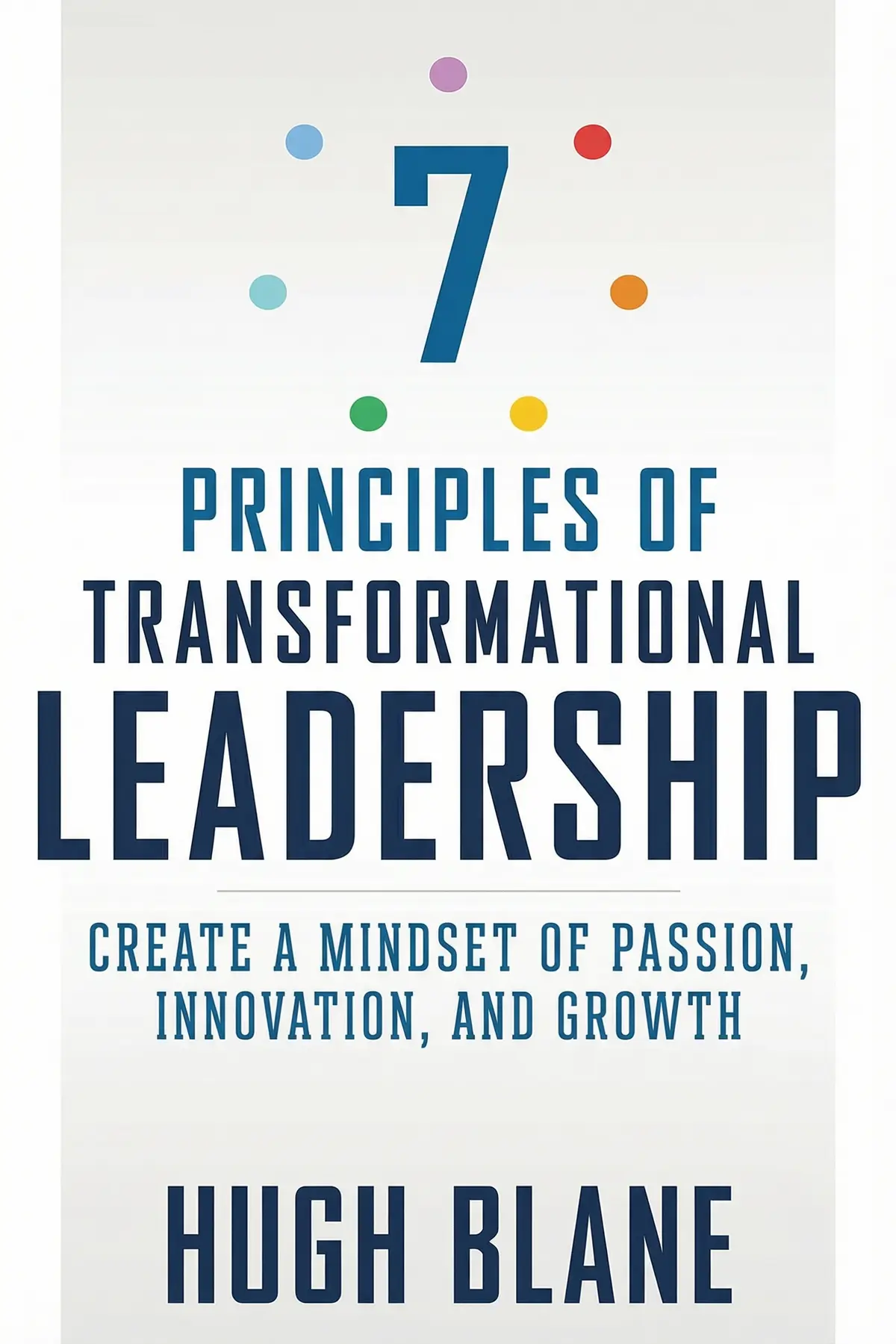

A Bigger Prize: How We Can Do Better Than the Competition
Margaret Heffernan

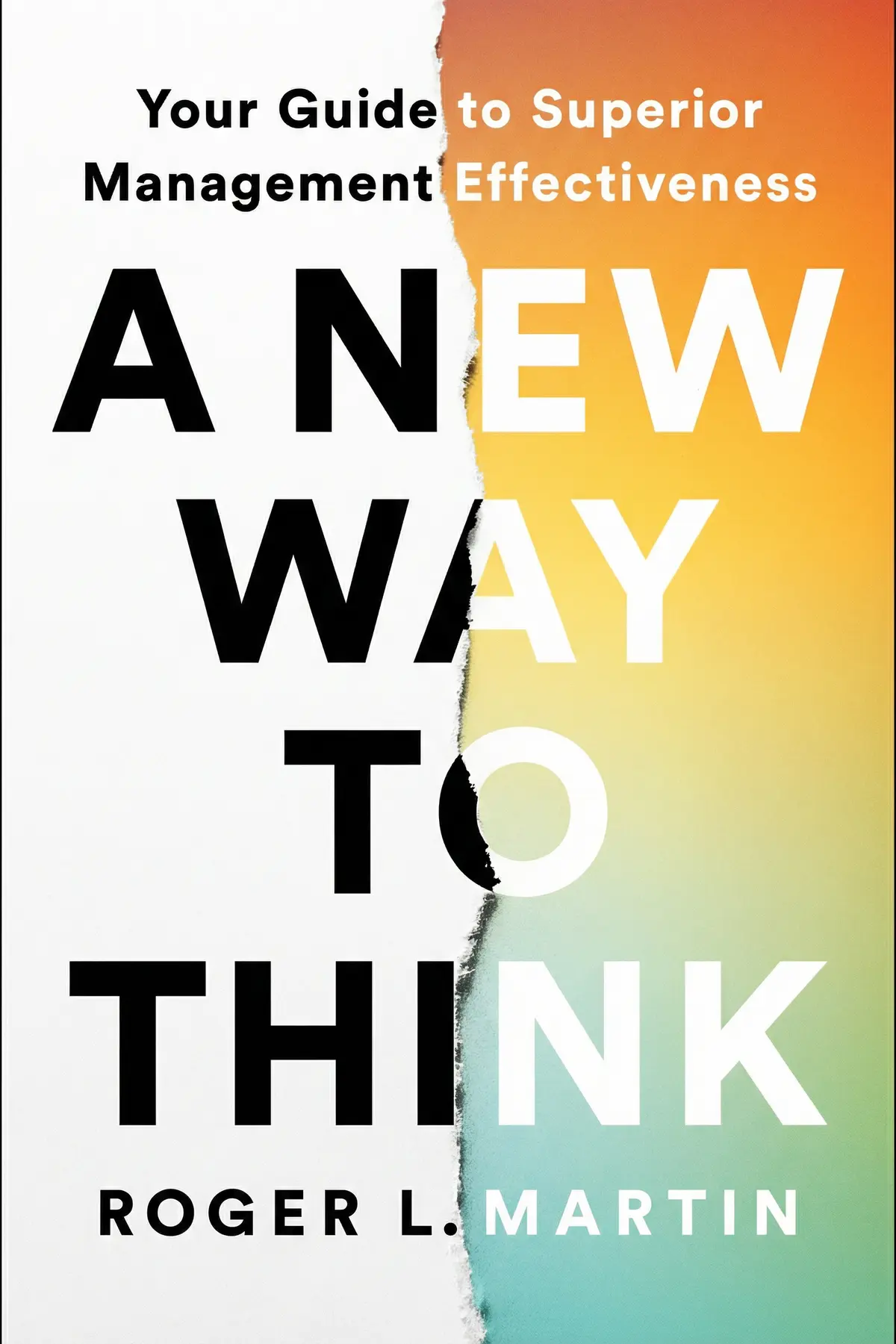
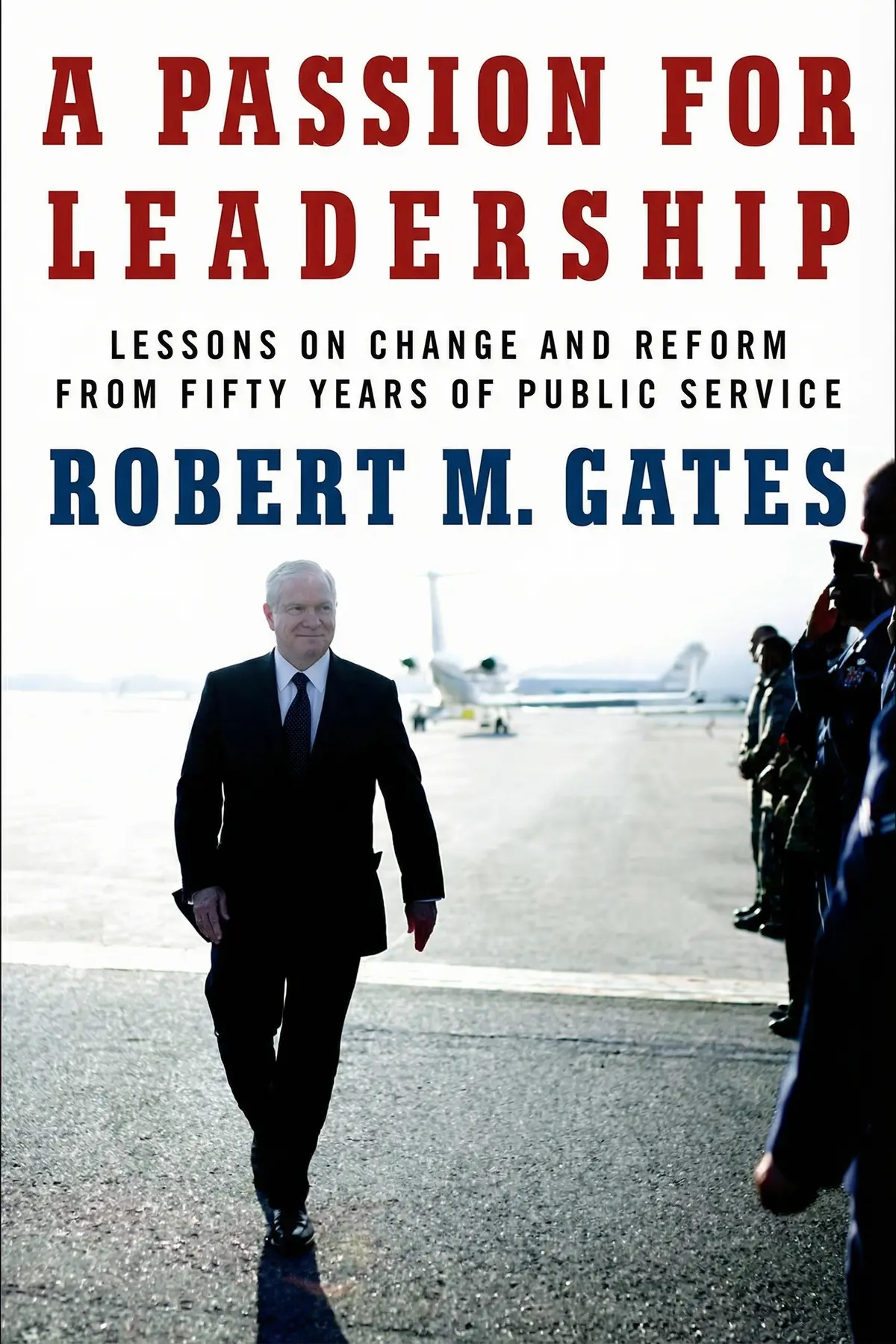
A Year with Peter Drucker: 52 Weeks of Coaching for Leadership Effectiveness
Joseph A. Maciariello
AUDIO SUMMARY AVAILABLE
Listen to Tribal Leadership in 15 minutes
Get the key ideas from Tribal Leadership by Dave Logan, plus 5,000+ more titles in English and Thai.
- 5,000+ titles
- Listen as much as you want
- 7-day free trial
- Cancel anytime







