
A Liberated Mind: How to Pivot Toward What Matters
Steven C. Hayes
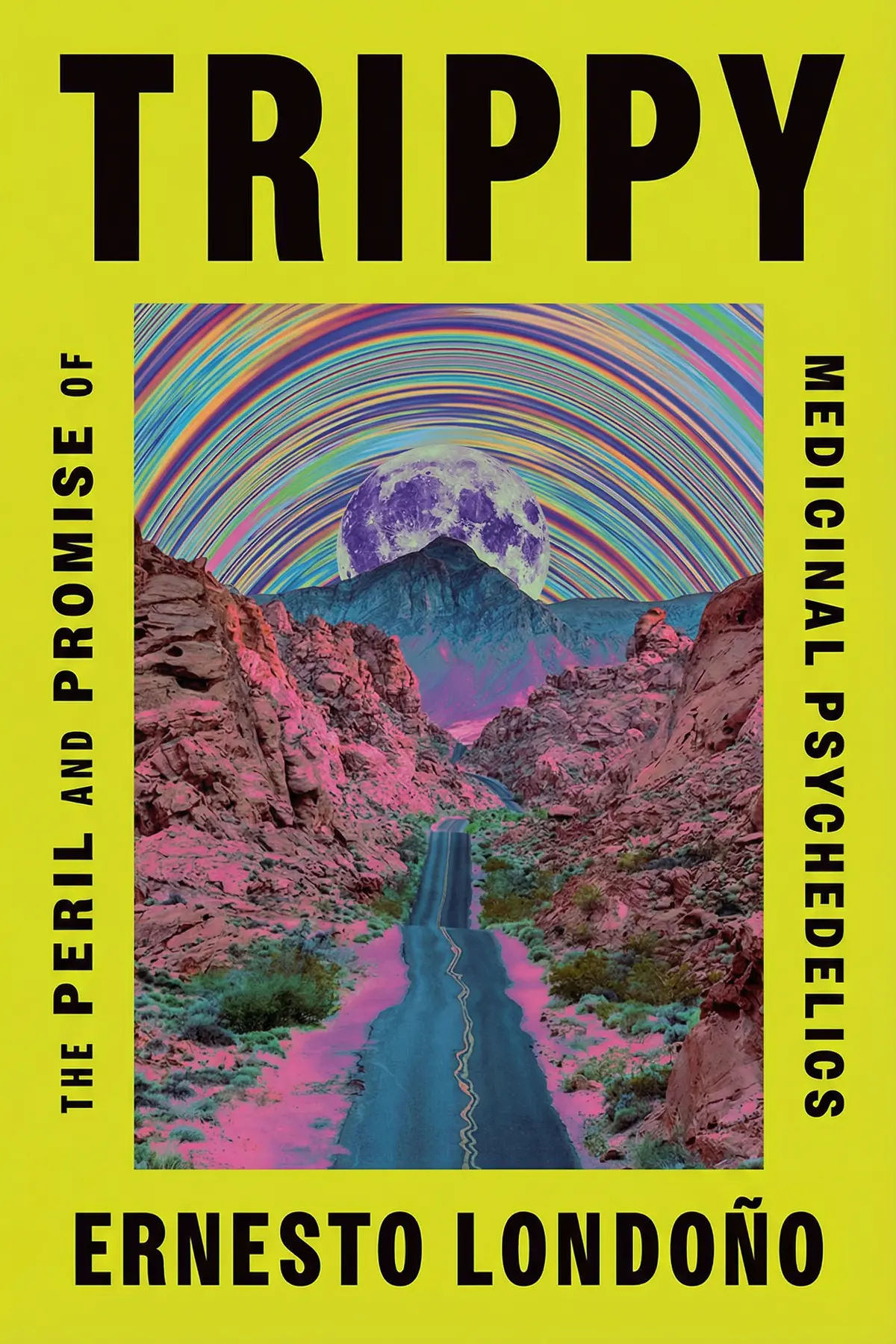
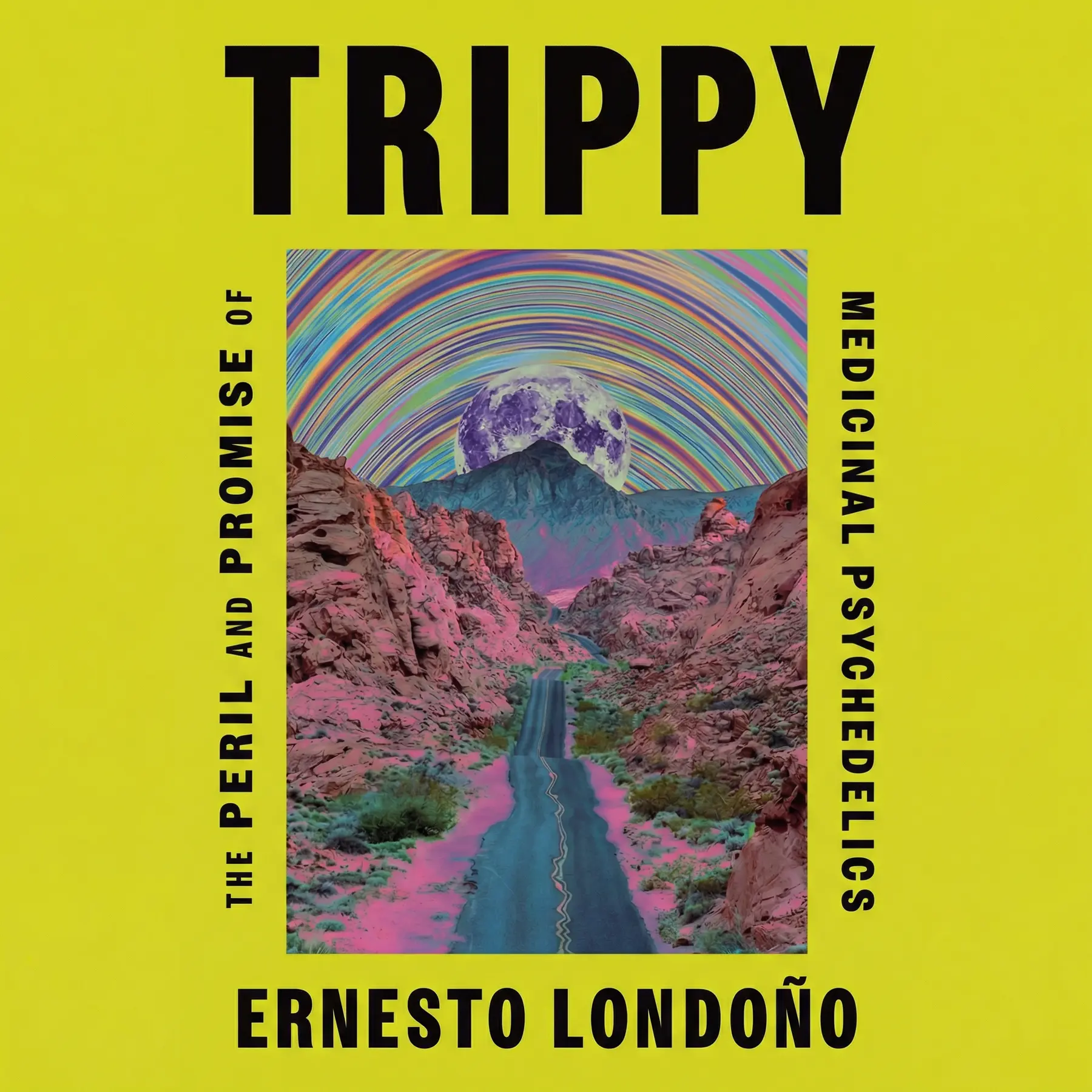
A compelling investigation into the rise of psychedelic therapy, blending personal experience with investigative reporting to uncover the life-changing benefits and serious dangers of these powerful medicinal journeys.
1 min 42 sec
For a growing number of people, the standard toolkit of modern psychiatry—the pills, the talk therapy, the clinical interventions—has reached a breaking point. We are living through what many call a mental health crisis, where traditional solutions often feel like they are merely masking the symptoms rather than addressing the underlying wounds. This sense of disillusionment has sparked a modern gold rush into the ancient world of psychedelics. People are no longer just looking for a recreational high; they are searching for a profound, fundamental shift in their consciousness that can help them heal from depression, trauma, and a deep-seated sense of emptiness.
In this exploration of Ernesto Londoño’s work, we follow a journey that is both professional and intensely personal. Londoño, an investigative journalist, didn’t just report on the psychedelic renaissance; he stepped into the center of it. He takes us from the secret living rooms of American suburbs to the high-end wellness retreats of Costa Rica and the remote, humid stretches of the Amazon rainforest. Along the way, we meet military veterans who have run out of options and ordinary people who have risked everything for the promise of a ‘miracle.’
But this isn’t a simple story of miraculous cures. It is a nuanced look at the peril and the promise of these substances. As we dive into this narrative, we’ll see how drugs like ayahuasca and frog venom can indeed recalibrate a human life, but also how they can be weaponized by predators or marketed by corporate opportunists. It’s a trip through the highs of spiritual awakening and the lows of psychological collapse, offering a roadmap for anyone curious about the real cost of seeking a psychedelic breakthrough.
2 min 11 sec
When traditional therapy fails, some people go underground. But what does it look like when a military veteran trades a hospital ward for an intense, ancient ritual involving frog venom?
2 min 20 sec
A successful New York Times journalist seemingly had it all, yet felt an inescapable inner void. Could a bitter-tasting brew in the heart of Brazil provide the answers that professional success couldn’t?
2 min 19 sec
High-end retreats promise miracles for a hefty price tag, but what happens when the pursuit of spiritual enlightenment meets the predatory world of upselling and wellness capitalism?
2 min 12 sec
The search for a truly authentic spiritual experience often leads travelers deep into the Amazon. However, the lack of oversight and cultural misunderstandings can lead to a nightmare instead of a healing journey.
2 min 12 sec
Is it possible for a powerful psychoactive substance to fix a broken mind? Explore whether these intense journeys offer a genuine cure or simply a new way to navigate the complexities of human suffering.
1 min 17 sec
The world of medicinal psychedelics is a landscape of extremes. On one side, we see the potential for profound, life-altering breakthroughs—the kind of healing that mainstream medicine has struggled to provide for those in the deepest pits of despair. We see journalists like Ernesto Londoño and veterans like Robert finding a way to reconnect with themselves and their world. On the other side, we see the shadows of this movement: the predatory shamans, the commercial exploitation, and the risk of psychological collapse for those who are not prepared for the intensity of the experience.
Ultimately, the throughline of this journey is the human search for meaning and the lengths we will go to find it when traditional systems fail. Psychedelics are not a shortcut to happiness, nor are they a universal cure. They are, instead, a powerful lens that can help us see our own lives and traumas with startling clarity. Whether this movement leads to a new era of mental health care or remains a controversial fringe practice depends on our ability to balance the ‘miracle’ with the reality of the risks involved. If there is one actionable takeaway, it is that the real work of healing happens not during the trip, but in the days, months, and years that follow, as we try to build a life out of the insights we’ve gained in the dark.
Trippy explores the rapidly expanding world of medicinal psychedelics, examining why so many people are turning away from traditional Western medicine to find healing in ancient, often intense chemical experiences. Through the eyes of a seasoned journalist who underwent his own profound transformation, the book looks at the intersection of modern mental health crises and the ancestral traditions of the Amazon. It provides a balanced, deeply researched perspective on substances like ayahuasca and frog venom, weighing their incredible potential against the very real risks of a largely unregulated industry. The promise of the book is a clear-eyed investigation into whether these 'miracle' cures can truly fix a broken mind. It moves beyond the hype of wellness culture to show the gritty reality of retreats—both the luxury clinics in Costa Rica and the rustic ceremonies in the rainforest. By following the stories of veterans, survivors, and the author himself, the narrative reveals how psychedelics can offer a roadmap for emotional recovery while also warning of the financial exploitation and physical dangers that await the unwary traveler.
Ernesto Londoño is a highly respected national correspondent at the New York Times. Throughout his distinguished career, he has covered major global events, including the wars in Iraq and Afghanistan and the political upheavals of the Arab Spring. Beyond his frontline reporting, he has also served on the newspaper’s prestigious editorial board. Before focusing on national stories, Londoño spent significant time in South America, where he served as the bureau chief in Brazil for the Times.
Listeners admire the journalistic thoroughness of the book, with one noting it delivers a deeply balanced perspective on the subject of psychedelics. The storytelling style also receives acclaim, as one listener describes the work as a gripping first-person account. Additionally, listeners respond well to the pacing, characterizing the narrative as both serious and brave.
After hearing about the psychedelic 'renaissance' everywhere lately, I wanted a source that wasn't just pure hype or total skepticism. Londoño delivers exactly that. His background as a New York Times reporter shines through every page, providing a level of journalistic rigor that is often missing from this genre. To be fair, this isn't just a clinical study; it’s a deeply moving first-person account of a man grappling with the ghosts of war reporting in Iraq and a childhood in war-torn Colombia. The pacing is serious and brave. He doesn't shy away from the 'Wild West' aspect of the industry, highlighting the predatory hucksters right alongside the disciplined medical researchers. It is rare to find a book that feels both like a high-stakes adventure and a sober investigation into the future of mental health. I found his willingness to be vulnerable about his own depression and queer identity particularly refreshing and grounding.
Show moreEver wonder what happens when a war correspondent finally stops running from his own ghosts? Trippy is a profound exploration of that exact moment. Londoño manages to be both the skeptic and the believer, often on the same page, which makes the narrative feel incredibly authentic. He peels back the layers of his own life—from the violence of 80s Colombia to the battlefield PTSD of Baghdad—with a level of radical compassion that is rare in non-fiction. The way he discusses the intersection of indigenous practices and modern capitalism is eye-opening and deeply necessary. It’s not just about drugs; it’s about the universal need for belonging and the hard work of facing one's unmet needs. I particularly appreciated the chapters on veteran groups in Texas. This is serious, brave reporting that treats the subject matter with the complexity it deserves. A must-read for anyone interested in trauma and the potential of the human mind.
Show moreNot what I expected from a book about drugs, but it was exactly what I needed. Londoño is uniquely positioned to tell this story. His transition from a hard-nosed war correspondent to a vulnerable participant in soul-searching ceremonies is handled with such grace and honesty. The way he frames the moral conundrum of using these tools to 'fix' soldiers just to send them back into combat really made me think. It’s a brave book that doesn't offer easy answers or 'magic pill' solutions. Instead, it advocates for radical compassion and the courage to stop running from pain. The narrative quality is exceptional—he has a way of making the reader feel the humidity of the Amazon and the tension of a Baghdad patrol. It’s a deep dive that feels both expansive and intimate. This is the first book on the topic that felt truly grounded in reality.
Show moreFinally got around to reading Trippy, and the journalistic rigor Londoño brings to this industry is impressive. He manages to weave together his personal trauma—including some harrowing experiences in Iraq—with a broader look at the medical potential of these substances. It’s a compelling first-person account that never feels egocentric. Instead, his vulnerability serves as a bridge for the reader to understand why someone would turn to such extreme measures for healing. The pacing is excellent; I found myself flying through the chapters on indigenous lore and the modern 'wellness' gurus. He is a skeptic when he needs to be and a believer when the evidence (or the experience) demands it. This book is a vital contribution to the conversation on mental health, trauma, and the ethics of new medicine. It’s serious, it’s brave, and it’s deeply human.
Show moreThis book occupies a strange middle ground between a hard-hitting investigation and a raw, sometimes messy personal diary. While Londoño's writing is sophisticated, the nonlinear structure can be a bit jarring at times. One moment you are in a high-tech lab, and the next you're purging in an Amazonian hut. Look, the jumps from his childhood to the front lines of Baghdad are fascinating, but I can see why some readers might feel lost. That said, the depth-balanced view on psychedelics is remarkable. He refuses to treat ayahuasca as a 'silver bullet,' instead questioning the ethics of things like DARPA funding PTSD research just to send soldiers back into battle. It’s a heavy read, but the narrative quality is top-tier. Not gonna lie, I wish there was more follow-up on the other participants he interviewed, but as a memoir of healing, it’s quite powerful.
Show moreWow, Londoño really doesn't pull any punches when describing the current state of medicinal psychedelics. He approaches the topic with a balanced lens that covers both the miraculous transformations and the 'craven capitalism' infecting the scene. Personally, I was most struck by the sections involving his own family history and his struggles as a gay man coming of age in a conservative environment. The book is ostensibly about medicine, but it’s really about the messy process of forgiveness. My only real gripe is that it feels like three different books—a memoir, a history of psychedelics, and a news report—stitched together. Sometimes the seams show. Still, the prose is sharp and the insights into how we treat (or fail to treat) mental illness are invaluable. It’s a compelling first-person account that avoids the typical 'woo-woo' tropes of the genre. Very glad I picked this one up.
Show moreLondoño’s writing is remarkably sophisticated, managing to balance the gritty reality of a war-torn childhood with the ethereal, often confusing world of ayahuasca ceremonies. I’ve been following the news on psilocybin and MDMA therapy, but this book gave me a much more nuanced perspective on the risks involved. He highlights the scammers and the 'quacks' who exploit the vulnerable, which is a perspective often ignored in the hype. To be fair, some of the descriptions of the 'purging' and the sludge-like tea were a bit much for me, but it adds to the authenticity of the experience. The parallels he draws between these psychedelic experiences and religious faith are fascinating. It’s a serious dive into what it means to heal. While it zags a bit too much in the final third, the emotional payoff of Londoño finding peace with his younger self is worth the journey.
Show moreAs someone who prefers reading about reality-bending to actually doing it, this was the perfect middle road. Londoño writes with the clarity of a veteran journalist but the heart of someone who has actually walked through the fire. The book focuses heavily on South American traditions, particularly ayahuasca, which provided a great cultural context I hadn't considered. Gotta say, the section on his time in Austin, Texas, and the billboards for veteran treatments was a highlight—it really localized the 'Wild West' feel of the movement. My minor complaint is that the epilogue felt like it could have been the start of a whole different book. It’s a bit fragmented, but the serious tone and refusal to succumb to easy optimism make it a standout in the field. It’s a balanced, honest look at a very complicated subject.
Show morePicked this up because the premise of a veteran reporter exploring ayahuasca sounded like a guaranteed winner. Truth is, I had a bit of a love-hate relationship with the pacing. Londoño writes beautifully, but the middle section felt like a repetitive loop of different retreats that all started to blend together after a while. Go to a retreat, meet a shaman, have a vision, rinse and repeat. I also found it frustrating when he would introduce a compelling person—someone clearly struggling with deep trauma—and then just leave their story hanging without a 'where are they now' update. It felt like he was more interested in his own internal journey than the broader journalistic scope he initially promised. In my experience, it’s still a worthwhile read for the Colombian history and the critique of the commercialization of wellness, but it could have used a much tighter edit.
Show moreThe chapter on the author’s childhood in Colombia was interesting, but I really struggled with the lack of focus in this book. Frankly, it felt like Londoño couldn't decide if he wanted to write a New York Times long-form article or a personal confession. The structure is so fragmented that it’s hard to stay engaged with any single narrative thread for long. One page we're talking about frog venom, and the next we're back in the 1990s. Also, as a journalist, shouldn't there be more follow-up? He tells us about these desperate, broken people he meets at retreats, but we never find out if the treatment actually worked for them in the long run. It felt overindulgent at times, focusing way too much on his own feelings while leaving the actual medical science as a secondary thought. It wasn't for me, though the writing itself is undeniably polished.
Show moreSteven C. Hayes


Leanne Maskell

AUDIO SUMMARY AVAILABLE
Get the key ideas from Trippy by Ernesto Londoño, plus 5,000+ more titles in English and Thai.







