
A Year with Peter Drucker: 52 Weeks of Coaching for Leadership Effectiveness
Joseph A. Maciariello
Explore how to foster a culture of reliability and recover from professional setbacks with this guide to building and maintaining trust within any organizational team.
2 min 09 sec
Think about the last time you felt truly comfortable at work. You probably didn’t even notice the trust that made it possible. Trust is often like oxygen: we only really notice it when it starts to run out. When trust is present, ideas flow freely, mistakes are seen as learning opportunities, and people feel energized to collaborate. But when trust begins to thin, everything changes. You might find yourself hesitating before sending an email, second-guessing a colleague’s motives, or staying silent in a meeting because you’re not sure how your words will be used.
In our professional lives, we often think of betrayal as something huge—a massive financial fraud or a blatant lie that makes the headlines. But the reality is that the most common form of betrayal in the workplace is much more subtle. It is the slow, quiet erosion of confidence that happens through small, repeated actions. It’s the missed deadline that was never acknowledged, the feedback that was ignored, or the credit for a project that was quietly claimed by someone else. These moments might seem insignificant on their own, but they are the building blocks of a culture that either thrives on mutual respect or withers under the weight of suspicion.
This exploration isn’t just about identifying what’s wrong; it’s about a proactive strategy for repair and growth. We are going to look at the different dimensions of trust and how they interact to create a healthy work environment. We’ll see how clarity in our agreements, honesty in our communication, and a genuine belief in each other’s abilities form a framework for success. Most importantly, we will discover that even after a significant breach, trust can be rebuilt. It requires intentionality, patience, and a willingness to look inward. By the end of this journey, you’ll have the tools to foster a more resilient and collaborative atmosphere, regardless of your position in the organizational chart. Let’s dive into how we can turn the fragile threads of professional relationships into a strong, unbreakable bond.
2 min 47 sec
Discover how minor, daily slights can accumulate into a toxic environment and why ignoring small letdowns often leads to the biggest professional failures.
2 min 34 sec
Learn why ambiguity is the enemy of trust and how creating firm, mutual agreements can prevent the frustration of unmet goals.
2 min 36 sec
Explore why keeping secrets—even for well-intentioned reasons—destroys team morale and how to build a culture of open information.
2 min 35 sec
Understand the link between trusting others’ skills and their actual performance, and why micromanagement is the ultimate trust-killer.
2 min 41 sec
Discover the psychological journey of healing from broken trust and how to regain your power by choosing a constructive response.
1 min 53 sec
As we wrap up this look into the mechanics of professional relationships, the overarching theme is clear: trust is the foundation upon which all successful organizations are built, but it is a foundation that requires constant maintenance. It isn’t a fixed asset that you either have or you don’t; it is a living, breathing thing that is either growing or shrinking based on your daily actions. We’ve seen how the ‘micro-betrayals’ of daily life can be just as destructive as major scandals, and how clarity, transparency, and empowerment serve as the primary tools for building a high-performance culture.
Rebuilding trust after it has been broken is one of the most challenging tasks any professional can face, but it is also one of the most rewarding. It requires a high degree of emotional intelligence and a willingness to be vulnerable. By choosing to address slights early, setting clear expectations, sharing information generously, and believing in the potential of your colleagues, you can transform your work environment.
The next time you encounter a breach of trust—whether it’s a missed deadline or a more serious disappointment—remember that you have a roadmap for repair. Start by acknowledging the reality of the situation, process the emotions involved, and then look for the structural issues that might have contributed to the failure. Was it a lack of clarity? A breakdown in communication? A missed opportunity for empowerment? By identifying the root cause, you can take practical steps to ensure it doesn’t happen again. Trust is a journey, not a destination, and by committing to these principles, you are choosing a path toward a more resilient, collaborative, and fulfilling professional life. Take these lessons back to your team and start tending to the garden of your workplace relationships today.
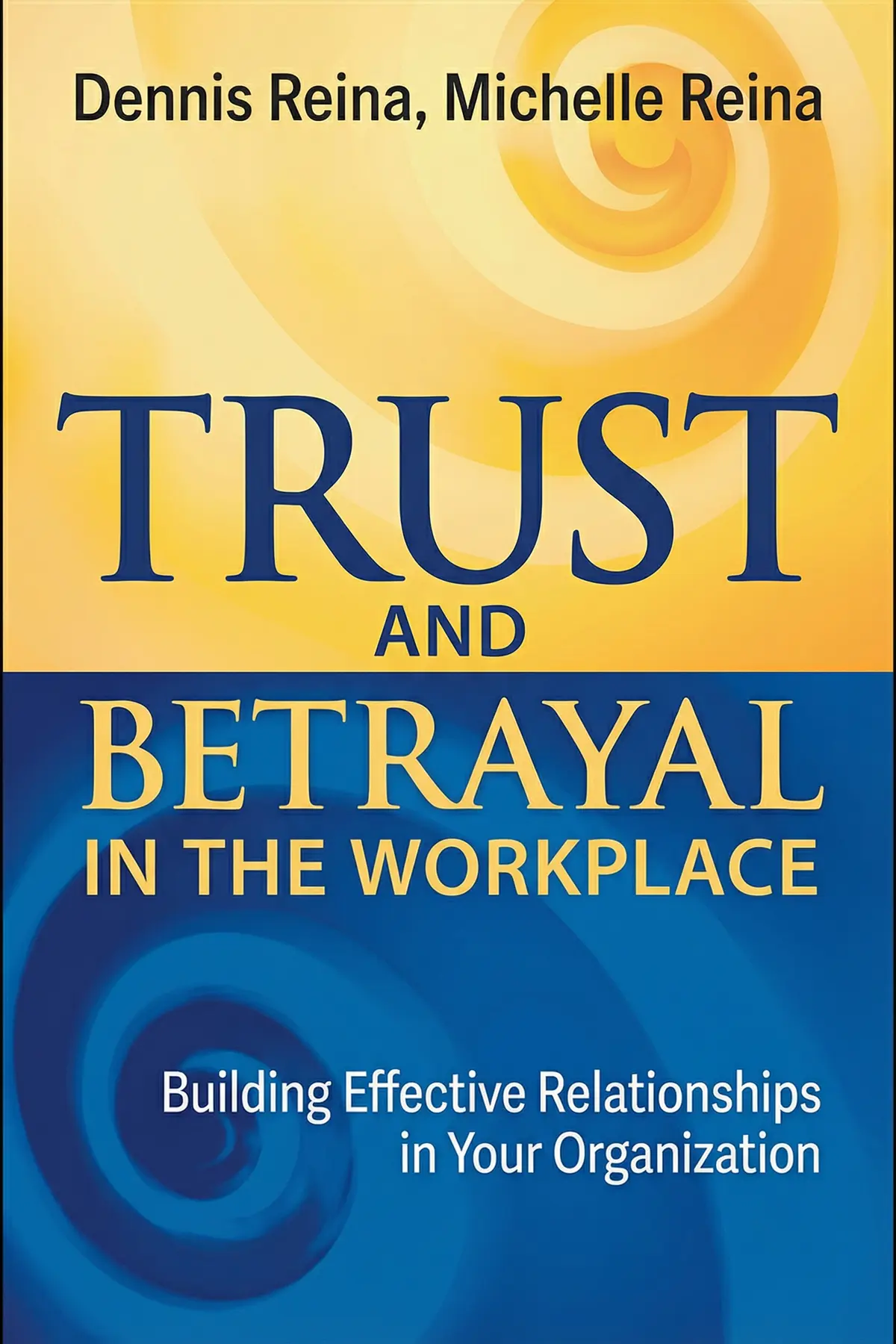
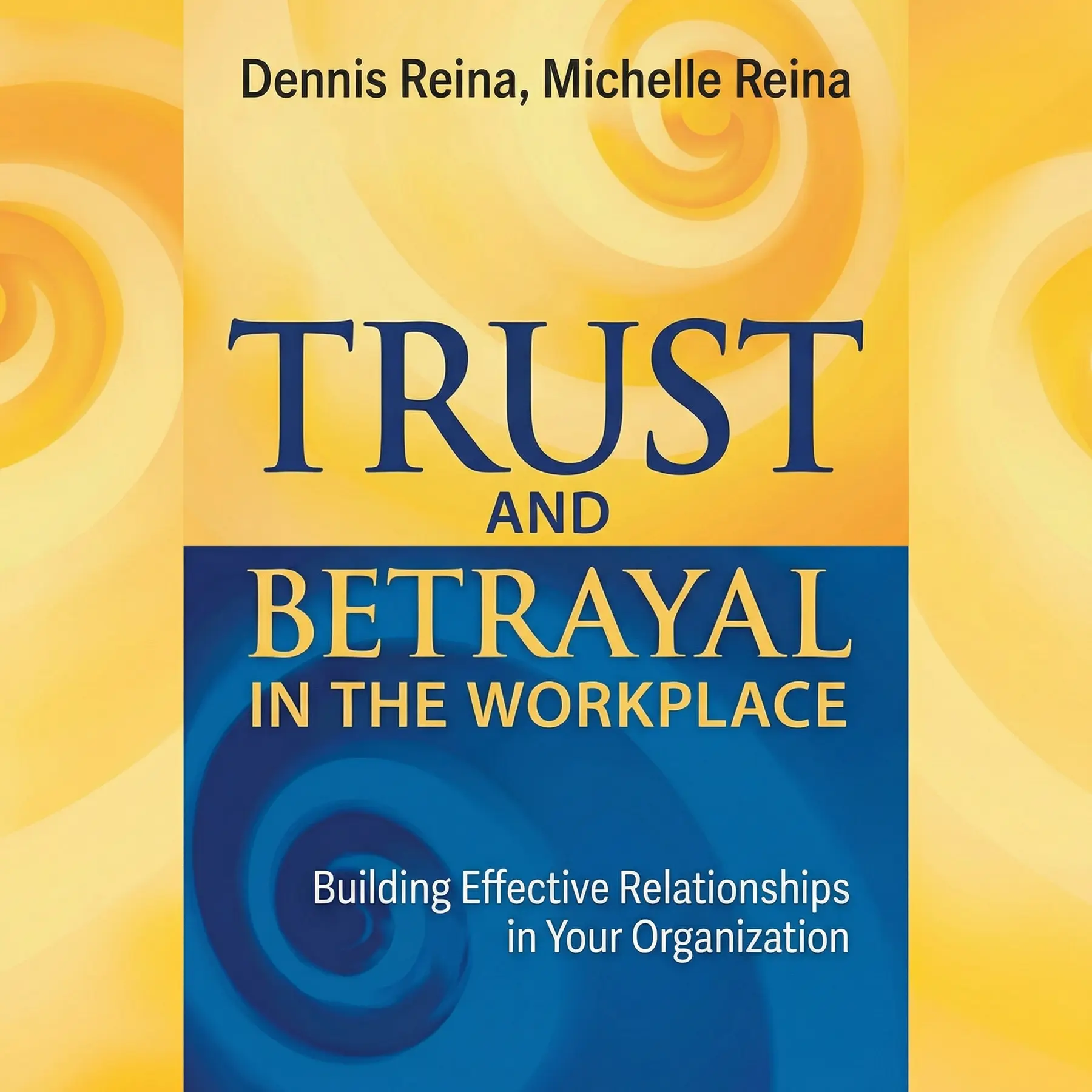
Trust and Betrayal in the Workplace investigates the invisible threads that hold professional relationships together. It moves beyond the idea that trust is a simple binary—either present or absent—and instead reveals it as a dynamic force shaped by daily interactions. The authors argue that while major lies can shatter a team, it is often the subtle, everyday letdowns that do the most damage over time. This book provides a roadmap for transforming workplace culture by focusing on three distinct types of trust: contractual, communication, and capability. By understanding these dimensions, leaders and employees can identify exactly where relationships are failing and how to fix them. The promise of this work is a more resilient organization where people feel safe to take risks, share information, and collaborate without the burden of hidden agendas. It offers a practical, step-by-step approach to healing from betrayals and building a foundation of mutual respect that can withstand the pressures of modern business transitions.
Dennis Reina and Michelle Reina are the cofounders of Reina, a specialized consultancy focused on trust-building within organizations. Both hold PhDs in human organizational systems and are recognized as pioneers in the field of workplace trust and culture. Dennis is a management consultant and executive coach who helps businesses navigate complex transitions. Michelle is an expert in executive coaching and change management, focusing on building resilient teams. Together, they have advised countless leaders on how to strengthen collaboration and foster trust at every level of the organization.
Listeners find this work to be extremely useful and accessible, with one person mentioning it makes intricate subjects easy to grasp. Furthermore, the content serves as a sequential roadmap for establishing trust, which one listener characterizes as an all-encompassing course. They also value the emphasis on fostering connections, as one listener points out its thorough investigation into deliberate professional relationships.
The Reinas have crafted something truly special here that goes far beyond typical HR fluff. This book essentially functions as a comprehensive course on professional intimacy and reliability, breaking down the mechanics of trust into a systematic methodology that anyone can follow. I was particularly struck by the '7 steps' for rebuilding trust; it’s a clear roadmap for those of us who have felt stuck in the wake of a workplace betrayal. The writing is accessible and keeps complex psychological concepts grounded in reality. It’s rare to find a business book that feels this intentional and human. Whether you are leading a massive team or just trying to get along with a difficult cubicle neighbor, the advice on everyday micro-behaviors is a game changer. It reminded me that trust isn't a static thing we have, but a practice we must actively choose every single day.
Show moreThis book resonated with me on a deeply personal level after I went through a major reorganization at my company. It’s a thoughtful, deeply insightful exploration of why we feel so drained when trust is broken. The authors don't sugarcoat how hard it is to fix things, but they offer a hopeful pathway that feels realistic. I’ve started applying the 3 Cs model—Communication, Capability, and Character—in my daily check-ins with my team, and the shift in morale is already visible. It’s all about those small, intentional choices. The Reinas remind us that while we can't control the actions of others, we have total control over our own integrity and how we respond to being hurt. It’s a beautiful, essential read for anyone who wants to lead with heart.
Show moreEver wonder why a team feels like it’s falling apart despite everyone being perfectly 'nice' to each other? This book answers that by focusing on 'micro-breaches'—those tiny, everyday slights like interrupting a colleague or missing a minor deadline. It’s an eye-opening look at how these small things erode confidence over time. I found the 3 Cs model to be a very helpful framework for evaluating my own behavior, not just looking at where others have failed me. To be fair, some of the sections feel a bit repetitive if you’re already well-versed in emotional intelligence literature. However, the practical focus on accountability and the specific 'how-to' of apologizing makes it worth the read. It’s a solid guide for anyone navigating the messy reality of professional collaboration and wanting to foster a culture of psychological safety.
Show moreFinally got around to reading this for a professional development goal, and the clarity of the writing really stood out. The Reinas avoid the usual corporate jargon, opting instead for a tone that is both professional and deeply empathetic. They make the case that trust is a practice, not a personality trait, which is a powerful shift in perspective. I specifically appreciated the chapters on the 7 steps for rebuilding trust after a breach; the emphasis on acknowledging mistakes instead of hiding them is a lesson many leaders still need to learn. My only minor gripe is that the formatting of some of the tables felt a bit dated in my edition. Still, the core message about intentional professional relationships is incredibly valuable in today’s remote and hybrid work world where communication gaps are more common than ever.
Show moreThe chapter on accountability alone is worth the price of admission. It’s refreshing to read a book that doesn't just blame 'bad bosses' for everything but asks every reader to look in the mirror. Can others trust me? Am I consistent? These are hard questions, but the Reinas make them easier to answer with their step-by-step guides. I loved the focus on how unintentional betrayal happens through simple misaligned expectations. In my experience, most workplace drama comes from people assuming they’re on the same page when they aren't. This book provides the language to fix those gaps before they turn into full-blown resentment. It’s a very readable, practical manual for building a much healthier work environment from the ground up.
Show moreAfter hearing about the Reina model in a leadership workshop, I decided to dive into the source material. It makes complex interpersonal topics easy to follow without stripping away their nuance. The focus on 'intentional professional relationships' is exactly what’s missing from most management training. We focus so much on KPIs and deadlines that we forget that trust is the actual engine that makes those things possible. The book is structured like a step-by-step guide, which I appreciated; it felt very actionable. I did think some of the case studies were a bit dated, but the underlying principles are timeless. It’s a solid 4-star read that I’ll likely keep on my shelf for reference when the next office crisis hits.
Show moreAs someone who has navigated a few toxic office environments, I found this to be a decent, if somewhat basic, primer. The authors do a good job of explaining how trust is fragile, but some of the solutions felt a bit idealistic for high-pressure corporate settings. Look, the advice is sound—being reliable and communicating clearly will obviously help—but I wanted more depth on dealing with truly malicious actors rather than just unintentional miscommunications. That said, the reflection questions at the end of the chapters were useful for personal growth. It’s a helpful starting point, but don't expect it to solve deep-seated systemic issues overnight. It's more about personal behavior than organizational overhaul.
Show moreTruth is, I went into this expecting a more analytical breakdown of corporate strategy, but it’s actually much more focused on interpersonal dynamics. The book explores how trust is often lost through simple neglect—like an unanswered email—rather than a giant stab in the back. While these insights are valid, the middle of the book dragged a bit for me. I felt like the same point about 'small acts' was made several different ways across three chapters. On the plus side, the section on recognition and appreciation was excellent. It correctly identifies how micromanagement is essentially a loud declaration of a lack of trust. It's a useful resource for new managers, even if it feels a little stretched out in parts.
Show morePicked this up during a particularly rough month at the office. Frankly, it’s a bit of a mixed bag. The first half is incredibly strong, especially the parts about how everyday behaviors chip away at our confidence and engagement. However, the latter half, which deals with the internal process of forgiveness and moving on, felt a bit too 'self-help' for my specific workplace situation. I think the 3 Cs model is brilliant and easy to remember, which helps when you're in the middle of a conflict. I just wish there were more examples of how to apply these steps when the person you're dealing with has zero interest in rebuilding the relationship. It's good, but it assumes everyone is acting in good faith.
Show moreNot what I expected based on the glowing recommendations I'd heard. I found the tone a bit too 'counseling-heavy' for my taste, and it often felt like I was reading a textbook for a psychology 101 class rather than a business book. While the Reinas clearly know their stuff, the anecdotes felt somewhat generic and didn't always resonate with the fast-paced reality of my industry. Everything is framed around 'intentionality,' which is fine, but after a while, the advice starts to feel redundant. I was looking for more concrete case studies with complex data. If you want a very gentle, emotional approach to office politics, you might like this, but it just wasn't the right fit for my learning style.
Show moreJoseph A. Maciariello



Deborah Gruenfeld
Mike Michalowicz
Hamilton Helmer
AUDIO SUMMARY AVAILABLE
Get the key ideas from Trust and Betrayal in the Workplace by Dennis Reina, plus 5,000+ more titles in English and Thai.







