

Abolish Rent: How Tenants Can End the Housing Crisis
Tracy Rosenthal
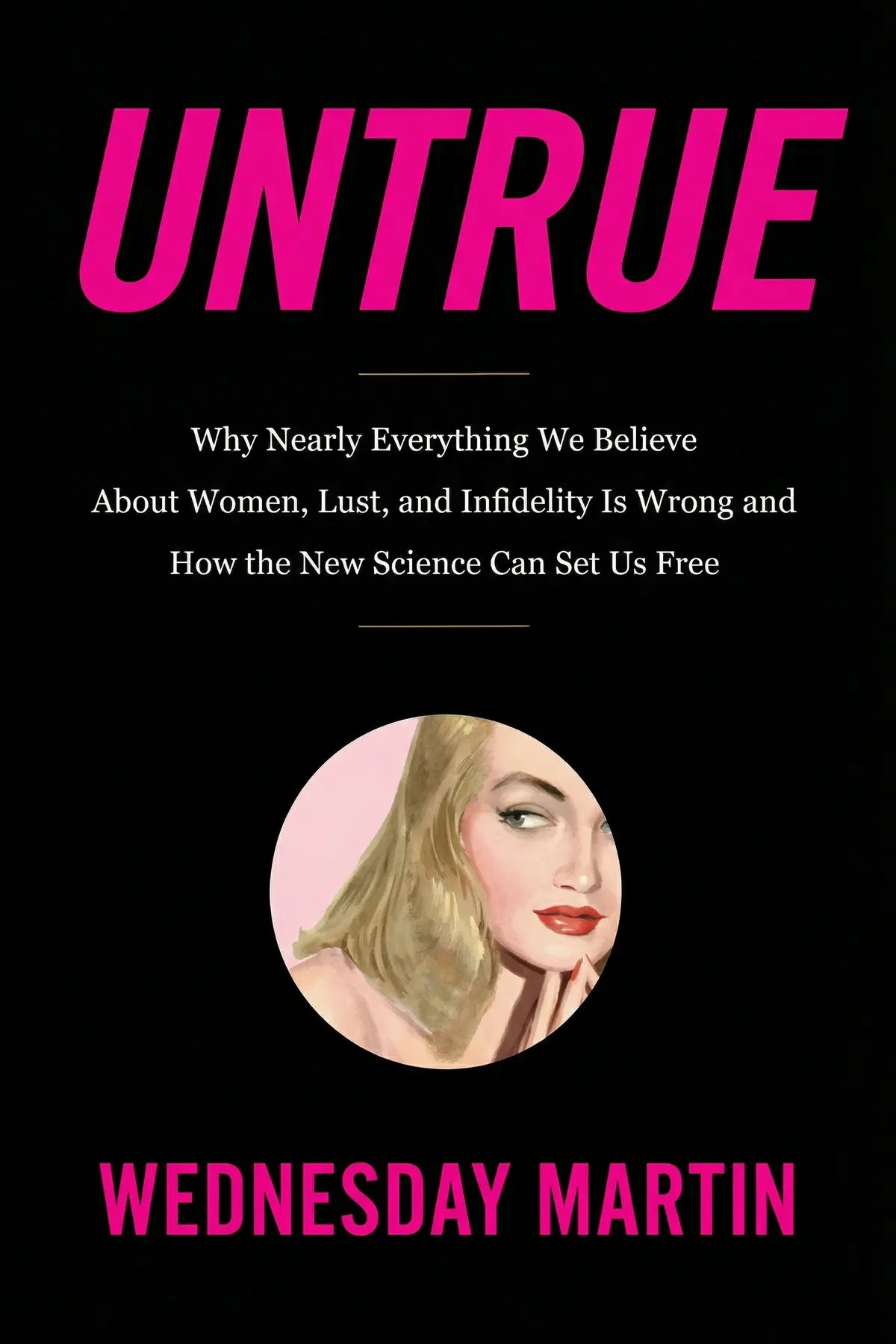
Untrue challenges deep-seated myths about female sexuality, revealing that women are not naturally monogamous but have been socially conditioned to suppress their diverse sexual desires and biological instincts throughout history.
1 min 29 sec
Think about the stories we tell ourselves regarding men, women, and the nature of desire. Usually, the script goes like this: men are the hunters, naturally driven to seek variety and struggle with the confines of a single partner. Women, on the other hand, are the keepers of the hearth—naturally domestic, emotionally focused, and biologically wired for monogamy. We’ve been told for centuries that a woman who seeks sexual novelty is an outlier, a biological mistake, or a social scandal. But what if almost everything we believe about this dynamic is fundamentally wrong?
In the following insights, we’re going to peel back the layers of these cultural assumptions. We’ll look at the evidence hidden in our own anatomy, the behavior of our closest animal relatives, and the historical turning points that locked these gender roles into place. What we find is a startlingly different picture of female sexuality. It turns out that women aren’t inherently more monogamous than men; rather, they have been historically and socially conditioned to act that way.
As we move through this exploration, we’ll see how the rise of farming changed the rules of the bedroom, why modern research shows women’s libidos often stall in long-term relationships, and how the biological capacity for pleasure suggests a much wilder evolutionary history than we were ever led to believe. This isn’t just a look at infidelity; it’s an investigation into the very nature of female autonomy and the hidden science that could finally set it free.
2 min 25 sec
Discover why the common belief that women are naturally more faithful is actually contradicted by modern sociology and relationship data.
2 min 16 sec
Your body holds secrets about your evolutionary past that challenge everything you’ve been told about female desire. Discover what your anatomy reveals about nature’s real design for women’s sexuality.
2 min 09 sec
Learn how research into arousal and global cultural traditions reveal that female sexuality is far more flexible and varied than the male equivalent.
2 min 08 sec
What if everything we thought we knew about female desire is based on flawed research? Discover how primate behavior reveals the truth about women’s sexuality when given freedom and choice.
2 min 08 sec
Explore the historical shift that transformed women from equal sexual partners into property, and how a single farming tool changed human relationships forever.
2 min 17 sec
Women’s infidelity carries a price men will never pay. Uncover how invisible social and financial consequences—not nature—enforce female monogamy.
1 min 28 sec
As we wrap up this journey through the hidden realities of female desire, the throughline is clear: our cultural understanding of women and monogamy is a house of cards. For too long, we have mistaken social conditioning for biological truth. We have looked at women who are bored, silenced, or penalized and concluded that they simply don’t have the same drive for variety as men. But as we’ve seen, the evidence tells a different story.
From the incredible capacity for pleasure built into the female body to the restless sexual energy of our primate cousins, nature has equipped women for a life of diverse experiences. The shift toward strict monogamy was a human invention, a byproduct of the need to manage property and inheritance. It was a cultural ‘software update’ that attempted to override our biological ‘hardware.’
What does this mean for us today? It means that we can stop pathologizing women who feel a desire for novelty or who struggle with the limitations of a single partner. It allows for a more honest conversation about how we structure our relationships and our lives. By recognizing that monogamy is a social choice rather than a biological mandate, we open the door to a world where women can reclaim their sexual autonomy without shame. Understanding the history of these myths is the first step toward a future where everyone—regardless of gender—can define their own path to satisfaction and freedom.
For generations, the prevailing cultural narrative has suggested that women are the naturally monogamous sex—the demure partners who prioritize emotional connection over physical variety. Untrue shatters this assumption by weaving together insights from anthropology, primatology, and modern sociology. Wednesday Martin examines how female desire has been misunderstood, policed, and structurally suppressed for thousands of years. The book explores the biological evidence written into the human body, from the complex architecture of the clitoris to the tell-tale signs of sperm competition. It moves from the prehistoric shift to agriculture—which introduced the need to control female reproduction for the sake of property—to contemporary research showing that women in long-term relationships often lose interest in sex faster than men. By looking at our primate cousins like bonobos and macaques, and examining various cultures around the globe, Martin provides a radical new perspective on infidelity. The promise of this work is a liberating understanding of female lust, offering a way for women to reclaim their sexual autonomy from a history of patriarchal constraints.
Wednesday Martin is an author and cultural critic with a doctorate in comparative literature and cultural studies from Yale University. She’s written about issues of gender, sexuality, and parenting for publications like the New York Times, Harper’s Bazaar, and the Atlantic. She’s also the author of Stepmonster and Primates of Park Avenue – a New York Times best seller.
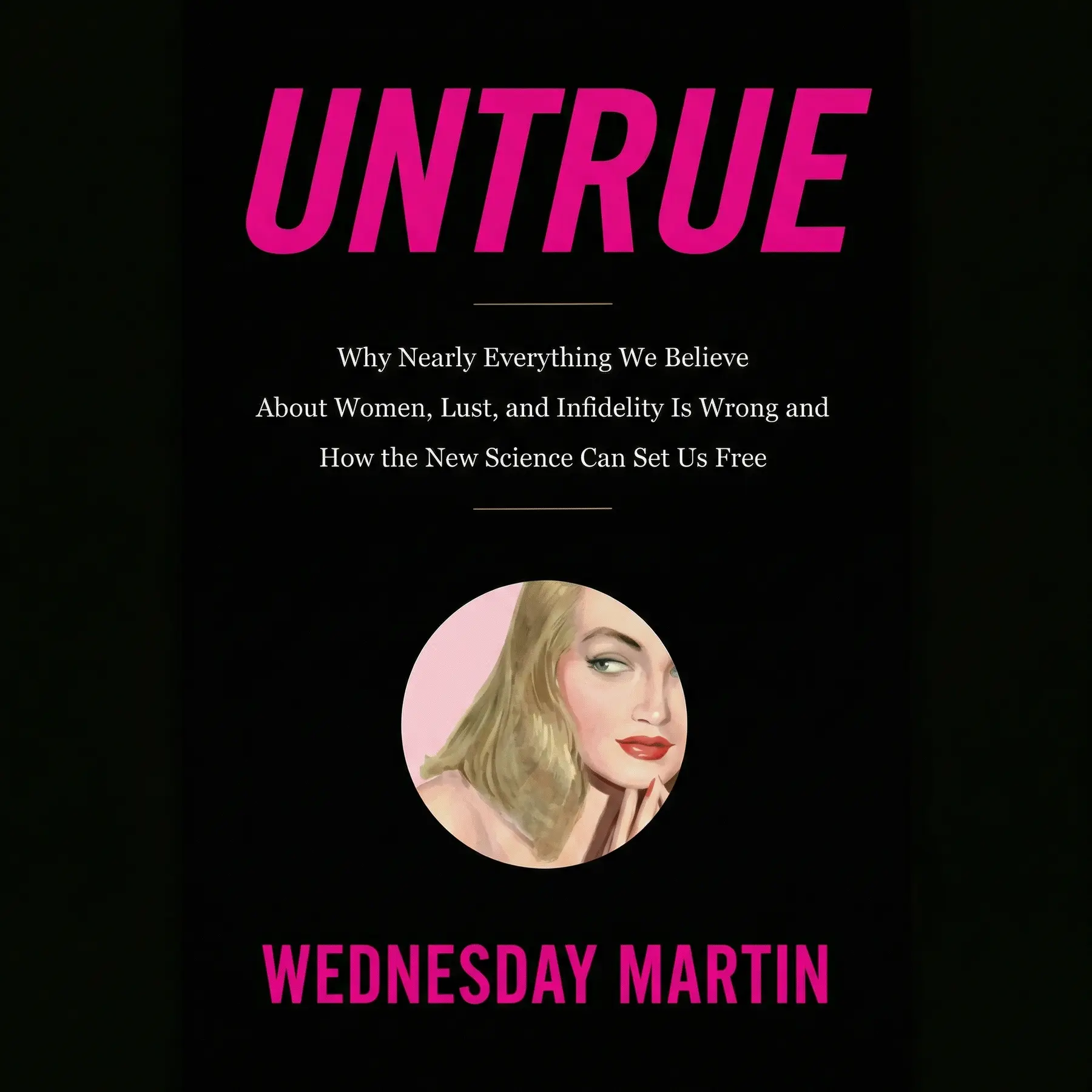
Listeners find the book to be extensively researched and eye-opening, with one review noting its comparative analysis with primates. The work also earns praise for its pacing and flow, as one listener described it as "engaging as hell." Furthermore, listeners appreciate the approach to female sexuality, with one review highlighting its new perspective. However, the actual quality of the writing has received mixed reactions from listeners.
This book is an absolute game-changer for anyone interested in the intersection of biology and sociology. Wednesday Martin deconstructs the tired myth that women are naturally more monogamous or have lower libidos than men. I found the sections on primate behavior, especially the Bonobos, to be incredibly illuminating and well-researched. It’s written with a certain punchy energy that makes the dense academic concepts feel accessible. Frankly, it’s about time someone challenged the patriarchal narrative that has shamed female desire for centuries. While the author's focus is occasionally narrow, the broader points about sexual autonomy and the 'cliterate' perspective are revolutionary. You won’t look at traditional marriage the same way again after reading this.
Show moreFinally got around to reading this and it was such a validating experience. For so long, we’ve been fed this 'Disney' version of female desire—that we just want to be swept off our feet and then stay satisfied forever. Martin uses her platform to scream the truth: women want variety and novelty too. The way she bridges the gap between the #MeToo movement and our prehistoric heritage is brilliant. The writing is incredibly readable, and I finished the whole thing in just two sittings. It's informative, timely, and honestly quite brave. By bringing these 'taboo' voices to the surface, she’s helping to dismantle a system that has shamed us for far too long. Highly recommended for anyone questioning the status quo.
Show moreAs a reader who loved Sex at Dawn, I found Untrue to be the perfect companion piece focused specifically on the female experience. It is thoroughly researched and provides a much-needed paradigm shift regarding how we view female infidelity. The truth is, the way we structure modern marriage often runs counter to our biological hardwiring. Martin explains this without being dry or overly academic; her voice is engaging and witty throughout. I especially loved the deep dive into how female sexual strategies have been suppressed by agrarian and patriarchal forces over time. It’s a substantive tour of desire that manages to be both frothy and deep. If you want to understand what actually turns women on, this is the book.
Show moreWow, what a provocative and eye-opening journey into the hidden side of female psychology. The book is essentially an unfettering of sexuality, stripping away the distortion layers that society forces us to wear. I found the comparison between women’s experiences of long-term monogamy versus men’s to be a total contradiction of conventional wisdom. It’s fast-paced, well-written, and refreshing to see someone tackle these 'uncomfortable' truths with such candor. Martin doesn’t shy away from the messy parts of human nature. The truth is, some might find her take on 'stepping out' controversial, but the data she presents about the costs of honesty in our society is worth reflecting on. It's a beautifully told, important story that stays with you.
Show moreAfter hearing so much buzz about this, I was worried it wouldn't live up to the hype, but it exceeded it. This is a riveting look at how female sexuality continues to be stigmatized by artificial social constructions. The anecdotes are told in a way that made me laugh out loud while also giving me pause to think about my own biases. Personally, I think it’s not just a book about cheating; it’s a book about autonomy and the right to agency. Martin's writing style is superb, even if it feels a little too 'Manhattan' at times. The way she deconstructs the 'natural' versus the 'cultural' is masterfully done. Every woman should read this just to realize they aren't 'weird' for having complex desires.
Show morePicked this up on a whim after seeing it mentioned in a podcast, and I have to say it’s engaging as hell. The pace is brisk, almost like a novel, which is rare for a book that cites so many studies. Martin explores how society treats 'untrue' women versus men, and the double standards she highlights are infuriating but necessary to discuss. My only real gripe is that one section towards the middle feels a bit like a disconnected college essay, lacking the smooth voice found in the rest of the text. Still, the core message about female sexual strategies is eye-opening. It definitely pushes you to think outside the traditional box of 'good' and 'bad' behavior. It’s a fast, provocative read that I’d recommend to any open-minded reader.
Show moreEver wonder why we’ve been told the same story about women’s sexuality for a thousand years? Untrue provides a refreshing, if slightly controversial, counter-narrative that challenges our assumptions. The research into the Himba tribe and other non-Western cultures was particularly fascinating to me. To be fair, I think she generalizes too much from her Manhattan social circle, but the biological arguments are hard to ignore. The book moves quickly and keeps you hooked with a mix of personal anecdotes and hard data. It’s not a manual on how to cheat, but rather an investigation into why we do. I didn't agree with every conclusion, but I appreciate the bold perspective she brings to a taboo topic. It's a much-needed unfettering of the female experience.
Show moreFrankly, I have really mixed feelings about this one. On one hand, the anthropological research into female primates and ancient societies is absolutely gripping. Martin is an excellent writer with a superb vocabulary and a talent for making sociology feel like a page-turner. However, the book feels very rooted in an Upper East Side bubble that doesn't always translate to the real world. She seems to look at monogamous women with a certain level of contempt, which felt unnecessary and judgmental. The analysis sometimes confuses correlation with causation, especially regarding her use of niche historical research. It’s a well-told story, but the lack of concern for the emotional fallout of these 'adventures' made it a difficult pill to swallow. Worth a read for the science, but take the lifestyle perspective with a grain of salt.
Show moreThe chapter on cuckolding and Craigslist ads was where I started to lose interest in the author's logic. While the book starts with interesting biological premises, it quickly devolves into a series of anecdotes that reek of a certain 'GirlBoss' feminism that ignores economic reality. She ignores the fact that in many parts of the world, women are routinely killed for the behaviors she is celebrating as 'natural.' The research sample size is also tiny—less than 40 people—which makes her sweeping conclusions feel scientifically flimsy. Not gonna lie, the tone can be quite sanctimonious at times. It felt like she was trying too hard to be the 'cool girl' of sociology while ignoring the ethical complexities of betrayal. Just read Emily Nagoski instead if you want better science.
Show moreLook, the writing style here is actually quite good—it's fluid and sophisticated—but the premise is fundamentally broken. Martin essentially attempts to rationalize betrayal by framing affairs as a biological imperative or a revolutionary act for women. She completely ignores the concept of informed consent. There is a massive, sessions-long difference between ethical non-monogamy and lying to your partner. Calling an affair 'stepping out' is just a way to sanitize the trauma and PTSD that infidelity causes for the person left behind. This book feels like a self-serving apologia for selfishness disguised as feminist empowerment. It’s juvenile to suggest that we should stop trying to be monogamous just because it’s hard. I found the dismissal of the partner's agency to be truly disturbing and dangerous.
Show moreTracy Rosenthal
Jessica Valenti


Johny Pitts
bell hooks

Fay Bound Alberti

Daniel Goleman
AUDIO SUMMARY AVAILABLE
Get the key ideas from Untrue by Wednesday Martin, plus 5,000+ more titles in English and Thai.







