
20 min 43 sec
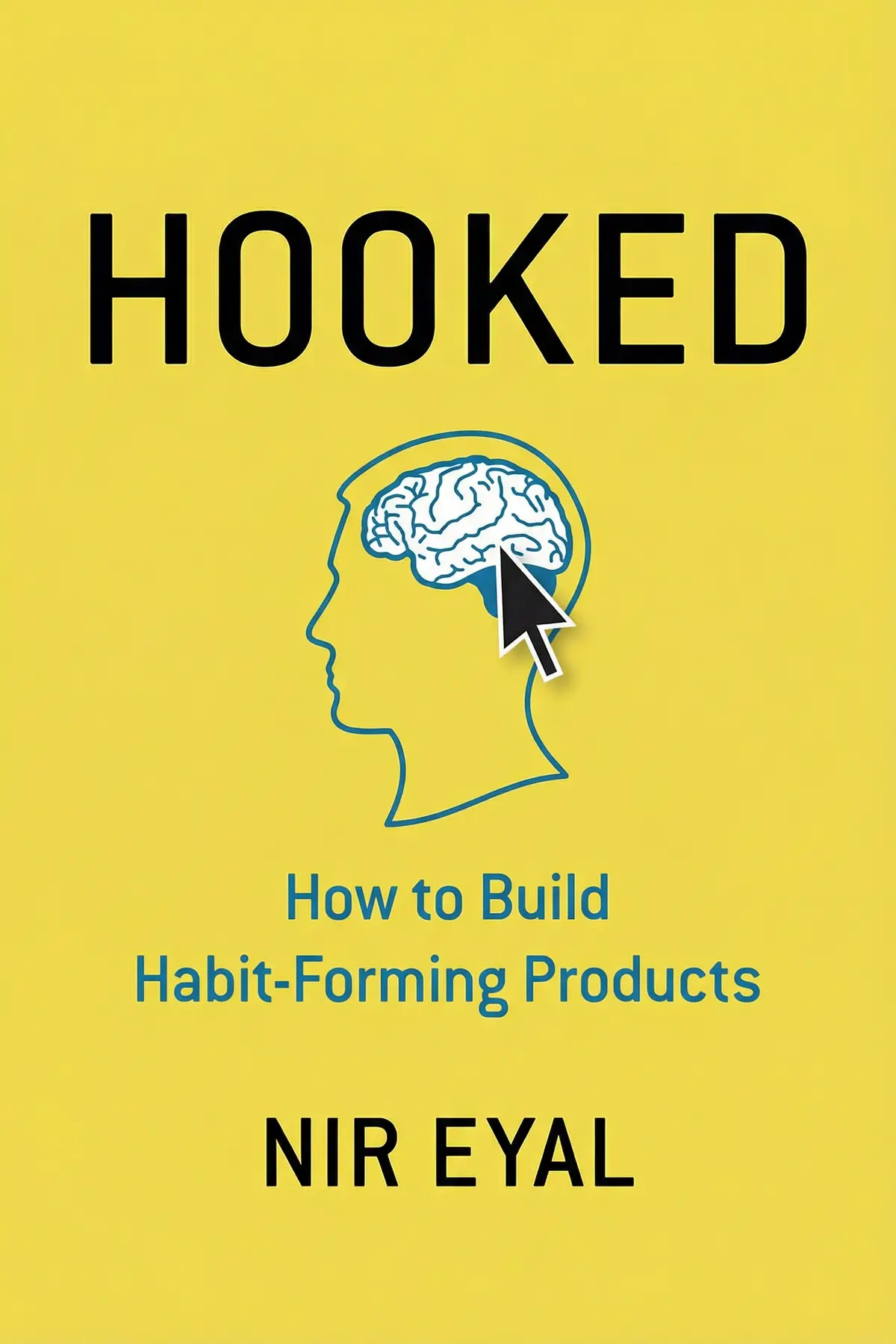
UX for Lean Startups: Faster, Smarter User Experience Research and Design
By Laura Klein
UX for Lean Startups provides a practical framework for integrating user experience research into the fast-paced startup environment. Learn to validate ideas, minimize waste, and build products that customers actually want.
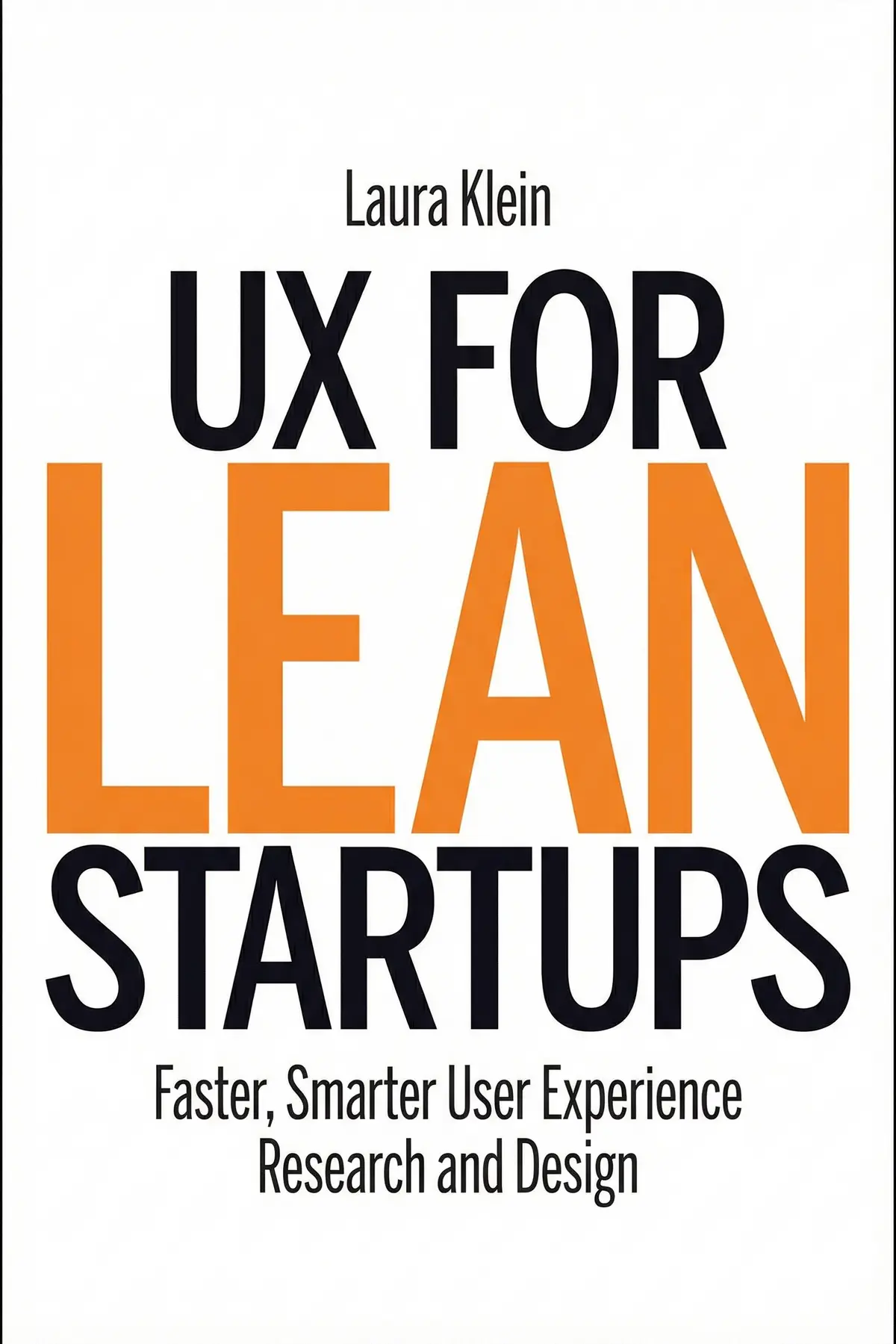
Table of Content
1. Introduction
1 min 49 sec
Every year, thousands of new businesses launch with what they believe are revolutionary ideas. Their founders spend months, sometimes years, perfecting every detail of their vision. They hire developers, refine the interface, and plan massive launch events. And yet, the majority of these ventures end up in the startup graveyard. It is a harsh reality, but it leads to a vital question: Why do so many seemingly good ideas fail to find an audience? Often, the answer lies in a fundamental disconnect between what a company thinks its customers need and what those customers actually value. This gap is the domain of User Experience, or UX.
In the world of high-stakes product development, UX is often misunderstood as merely the ‘look and feel’ of a website or app. It is frequently seen as a finishing touch, something to be polished once the real work of engineering is done. However, this book suggests a radical shift. In the context of a lean startup, UX is not a decorative layer; it is a research-driven process that determines whether your product should even exist in the first place.
This summary explores the principles of Lean UX, an approach designed for speed, efficiency, and brutal honesty. We will look at how to move away from making risky assumptions and toward a culture of hypothesis testing. We will explore clever techniques to ‘fake it before you make it,’ allowing you to gather real-world data without breaking the bank. By the end of this journey, you will understand how to view your product through the eyes of a doctor looking for a cure, ensuring that every feature you build solves a genuine problem. Whether you are a solo founder or part of a growing team, the goal is the same: to stop wasting time on things people won’t use and start building experiences they can’t live without. Let’s look at how to turn your vision into a validated reality.
2. Moving from Assumptions to Testable Hypotheses
2 min 02 sec
Discover why the traditional ‘build first’ mentality is a dangerous gamble and how reframing your ideas as testable hypotheses can save your company from expensive failures.
3. Validating Demand Before the Design Phase
2 min 13 sec
Learn how to use landing pages and ‘feature stubs’ to gauge user interest before you invest a single hour in high-fidelity design or backend engineering.
4. The Art of Faking It with the Wizard of Oz Technique
2 min 12 sec
Explore how performing manual tasks behind a digital curtain can help you test complex business models without building expensive automated systems.
5. Gathering Deep Insights Through Qualitative Research
2 min 12 sec
Understand the power of watching and listening to small groups of users to uncover the hidden frustrations and motivations that data alone cannot reveal.
6. Using Quantitative Data to Measure Success
2 min 12 sec
Discover how to use numerical data and A/B testing to make objective decisions about design changes and feature performance.
7. Evaluating Commercial Viability and Market Fit
2 min 06 sec
Learn to look beyond the ‘cool factor’ of your idea to determine if it solves a problem that is significant enough for people to actually pay for it.
8. The Power of Pain-Driven Design
2 min 07 sec
Adopt the mindset of a physician to diagnose user frustrations and implement the simplest possible solutions that alleviate their ‘pain’.
9. Embracing the Iterative MVP Mindset
2 min 08 sec
Understand that a Minimum Viable Product is not a final goal, but the beginning of a continuous cycle of learning and incremental improvement.
10. Conclusion
1 min 42 sec
The principles of Lean UX offer a powerful framework for navigating the uncertainty of the startup world. By shifting from a culture of assumptions to a culture of evidence-based hypotheses, you can significantly reduce the risk of building products that no one wants. We’ve seen how simple tools like landing pages, feature stubs, and ‘Wizard of Oz’ prototypes can provide deep insights into user demand without the need for heavy engineering. We’ve explored the balance between the ‘why’ of qualitative research and the ‘how much’ of quantitative data, and we’ve learned how Pain-Driven Design can help us prioritize the most meaningful improvements to our products.
As you move forward, the most important thing to remember is that the process of validation never truly ends. Even after you have launched a successful product and found your market fit, the world will continue to change. New competitors will emerge, user needs will evolve, and technology will advance. To stay relevant, you must maintain the curiosity and humility that define the Lean UX approach.
Your actionable takeaway is this: pick one assumption you are currently making about your product—something you ‘know’ to be true but haven’t actually proven. Then, find the smallest, fastest way to test it. Whether it’s five user interviews or a simple A/B test on a headline, go out and get real data. Don’t be afraid to be proven wrong; in the world of startups, a fast ‘no’ is much more valuable than a slow and expensive ‘maybe.’ Keep iterating, keep listening to your users, and keep focusing on the problems that truly matter. The path to success isn’t paved with perfect ideas, but with the lessons learned from the ideas that didn’t work.
About this book
What is this book about?
Many startups fail not because they lack good ideas, but because they build products no one wants. This guide bridges the gap between traditional user experience design and the Lean Startup methodology. It argues that UX shouldn't be a luxury reserved for large corporations with massive budgets; instead, it is a survival tool for the small, the scrappy, and the ambitious. The book outlines a series of low-cost, high-impact strategies for testing business assumptions before writing a single line of code. From landing pages that act as smoke tests to the 'Wizard of Oz' technique for faking complex backend systems, the focus is on rapid learning over polished perfection. Readers will discover how to differentiate between qualitative and quantitative data, when to observe users in their natural habitat, and how to identify the 'pains' that drive purchasing decisions. Ultimately, this summary promises a roadmap for building products that aren't just functional, but essential to the lives of their users.
Book Information
About the Author
Laura Klein
Laura Klein has over two decades of experience as an engineer, UX designer, product manager, and consultant in Silicon Valley. She has worked with a diverse range of companies, from tiny startups to massive corporations. Klein is well-known for her popular blog Users Know and shares her expertise as the cohost of the podcasts What Is Wrong With UX and Engsplaining. In addition to her work in the field, she is the author of Build Better Products.
Ratings & Reviews
Ratings at a glance
What people think
Listeners find this guide highly beneficial for new startups, commending its accessible writing and useful tips. They value the clear explanations of Lean methodology, and one listener remarks that it is essential reading for founders. The content earns praise for being funny and straightforward, and one listener draws attention to the practical steps provided. Opinions on the prose are divided, as some listeners describe it as wonderful while others feel the writing style has room for growth.
Top reviews
End
Finally got around to reading this, and it’s a breath of fresh air compared to typical dry business manuals. Laura Klein manages to make the grueling process of user research feel not just manageable but actually entertaining. I particularly loved the "fixating on the cupholders" analogy because I’ve seen so many teams waste months on minor features while the core product is still broken. The book is packed with actionable steps for anyone in an early-stage startup who needs to validate their ideas quickly without spending a fortune. Truth is, her sarcastic humor won't be for everyone, but for me, it made the dense material stick. It's rare to find a guide that is this ruthlessly pragmatic about building MVPs. If you’re an entrepreneur who wants to stop guessing and start testing, this is a must-read for your collection.
Show moreTom
This book serves as a perfect roadmap for anyone trying to survive the venture capital-funded software world. It cuts through the nonsense and provides a ruthlessly pragmatic approach to user research that most founders ignore until it's too late. I’m a big fan of how Laura explains that an MVP isn't just a "shitty version" of a product, but a tool for learning. The section on "Design Hacks" was especially enlightening for our small team. In my experience, most design books are too theoretical, but this one gives you actual things to do on Monday morning. It’s simple, actionable, and doesn’t pull any punches. Don't make the mistake of thinking this is just for designers; it’s an essential manual for product owners who want to avoid building things nobody needs. Every startup should have a copy on their shelf.
Show moreSuphan
To be fair, the content here isn't revolutionary if you've been in the industry for a decade, but for everyone else, it’s a game-changer. Laura Klein strips away the jargon and gives you the raw truth about what it takes to build a product that survives contact with the market. I loved the emphasis on continuous user research—it’s something everyone says they do, but few actually execute well. The "cupholder" analogy is a permanent part of my vocabulary now. It’s a fast, engaging read that feels more like a conversation with a very smart, very tired mentor. Whether you're an entrepreneur or a designer, the frameworks for validation and A/B testing provided here are worth their weight in gold. Absolutely recommended for any product team that needs to move fast without breaking the wrong things.
Show morePrapaiwan
As a non-designer building a product, I found this guide incredibly valuable for navigating the messy intersection of Lean methodology and user experience. It breaks down complex concepts like quantitative vs qualitative research into something even a developer can appreciate. I appreciated the specific tips on landing page experiments and the "Wizard of Oz" MVP approach. While the writing style is definitely opinionated and a bit informal, the core message about constant iteration is vital. Some parts felt a little repetitive, especially if you have already read Eric Ries, but the specific UX lens makes it worth the purchase. My only real gripe is that it occasionally feels a bit dismissive of traditional design craftsmanship in favor of speed. Still, it’s a solid resource for anyone trying to build something people actually want.
Show moreFinn
Ever wonder why some startups thrive while others crash despite having a "perfect" design? Klein answers that by showing how UX must adapt to the speed of a startup environment. I’ve been through plenty of product cycles, and the advice here regarding early problem/solution validation is spot on. The book is an easy read, though some might find the flippant tone a bit unwelcoming if they prefer a more academic style. Not gonna lie, some of the jokes fall flat, but the substance underneath is gold. I found the distinction between qualitative and quantitative testing to be the most useful part. It helped our team realize we were over-relying on data without actually talking to our users. A very good resource for any early-stage team trying to find their footing in a crowded market.
Show moreSara
After hearing Laura on her podcast, I knew what to expect in terms of voice, and I wasn't disappointed. She brings that same blunt, no-nonsense energy to this book. It’s a great go-to resource for anyone who needs to get up to speed on digital product design without getting bogged down in color theory or typography. The focus is squarely on the process: listen to users, test hypotheses, and iterate. It’s basically a translation of Lean Startup principles for the UX world. While it might feel too familiar for seasoned professionals, it’s a goldmine for managers who are new to the field. I particularly liked the chapter on different types of MVPs; it helped me explain the "Concierge" concept to my stakeholders much more clearly. Definitely worth reading if you're in the early stages of a project.
Show moreHugo
Picked this up during a particularly chaotic sprint, and it was exactly what I needed. The book is highly practical, offering a variety of "Design Hacks" that can be implemented immediately. I appreciate that the author doesn't treat design like a precious, untouchable thing, but as a tool for solving business problems. Some of the chapters felt a bit light on detail, and I would have liked to see more on the transition from MVP to a more mature product. However, as an introductory text for early-stage startups, it delivers exactly what it promises on the tin. The writing is punchy and keeps you moving through the material. It's a solid addition to the Lean series that rounds out the methodology with a much-needed user focus. It's not a deep academic study, but for a busy founder, it’s perfect.
Show moreJack
The chapter on MVP experiments alone makes this worth the read. I’ve seen so many people struggle with the concept of a "Fake Door" test or a "Wizard of Oz" MVP, and Klein explains them with perfect clarity. The book is remarkably easy to read, which is a blessing when you’re already juggling a million startup tasks. Gotta say, the tone is definitely sharp, and I can see why some might find it a bit abrasive, but it fits the "ruthlessly pragmatic" theme. It’s a great companion to 'The Lean Startup' and 'Lean Analytics.' It focuses on the "how" of the build-measure-learn loop specifically from a user interaction perspective. Not a perfect book, and certainly opinionated, but the actionable steps are too good to ignore for any product owner. It will definitely change how you think about your next feature rollout.
Show moreKanchana
Look, if you're expecting a deep dive into interaction design or aesthetic principles, you might want to look elsewhere. This book is strictly about the "Lean" part of the equation, focusing heavily on validation and rapid prototyping. Personally, I found the author's tone a bit grating at times—she tries very hard to be comical, but it often comes across as a series of rants against "delusional" entrepreneurs. To be fair, the advice on A/B testing and early validation is solid, especially for beginners. However, it doesn't offer much more than what you'd find in 'The Lean Startup' or 'Running Lean.' It’s a decent introductory text for a product manager, but if you’re already familiar with the Lean framework, you’ll find yourself skimming quite a bit of fluff. It's not a bad book, just a bit thin on new insights for veterans.
Show moreGoy
I honestly found the writing style in this book to be a major distraction from the actual content. The author spends way too much time on sarcastic asides and mocking examples that don't really add value to the reader. At one point, it felt more like a collection of blog posts and rants than a cohesive guide to user experience. Frankly, the advice is quite narrow and seems to view design as a mere commodity rather than a skilled profession. If you’ve read 'Don't Make Me Think,' you've already got a better foundation than what's provided here. It lacks the nuance needed for complex product development and focuses almost entirely on the hyper-consumer startup niche. It’s far too opinionated for my taste, and the constant "snowflake" comments are just unnecessary and unprofessional for a business text.
Show moreReaders also enjoyed
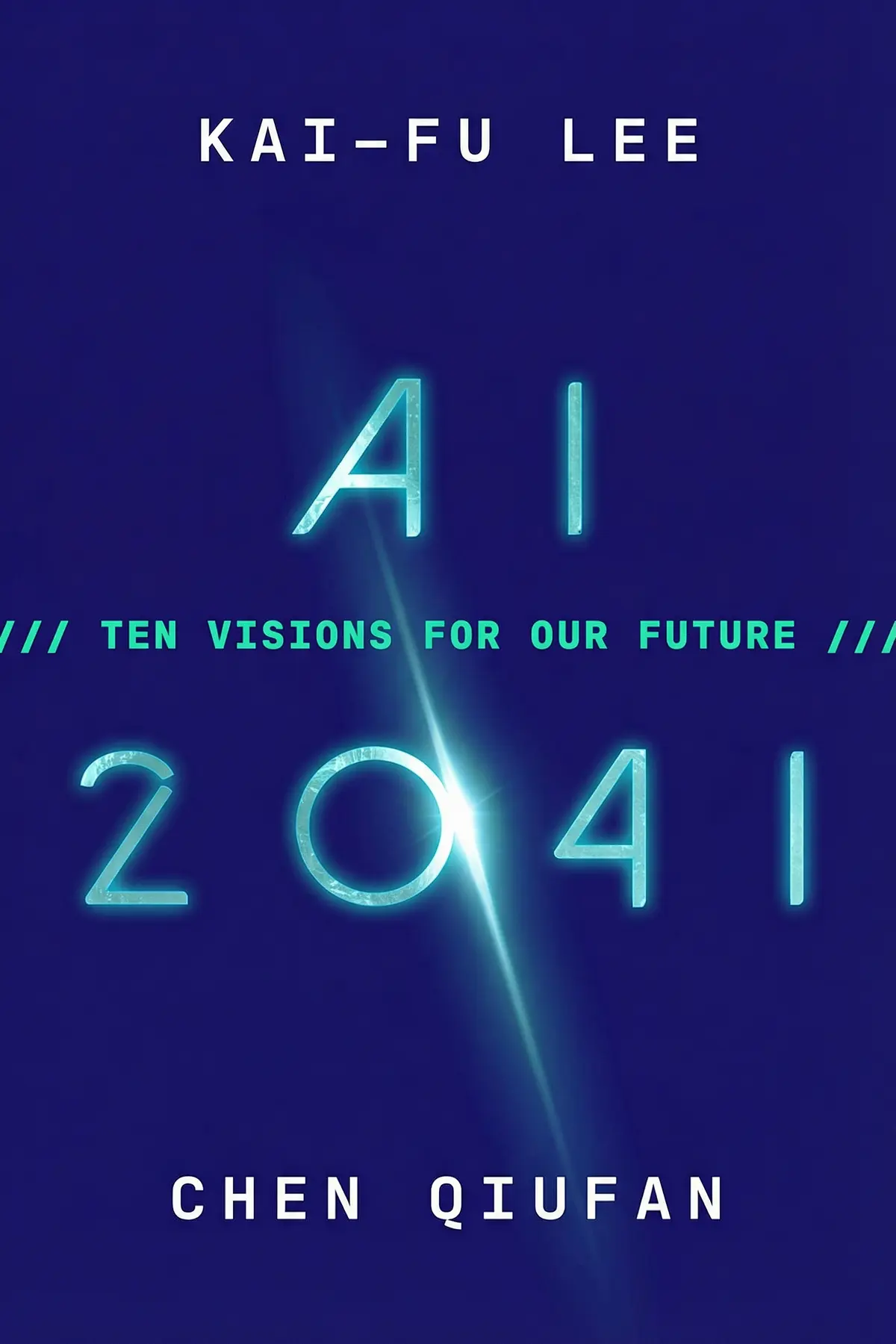
AI 2041: Ten Visions for Our Future
Kai-Fu Lee
7 Powers: The Foundations of Business Strategy
Hamilton Helmer
AUDIO SUMMARY AVAILABLE
Listen to UX for Lean Startups in 15 minutes
Get the key ideas from UX for Lean Startups by Laura Klein, plus 5,000+ more titles in English and Thai.
- 5,000+ titles
- Listen as much as you want
- 7-day free trial
- Cancel anytime







