

Afropean: Notes From Black Europe
Johny Pitts
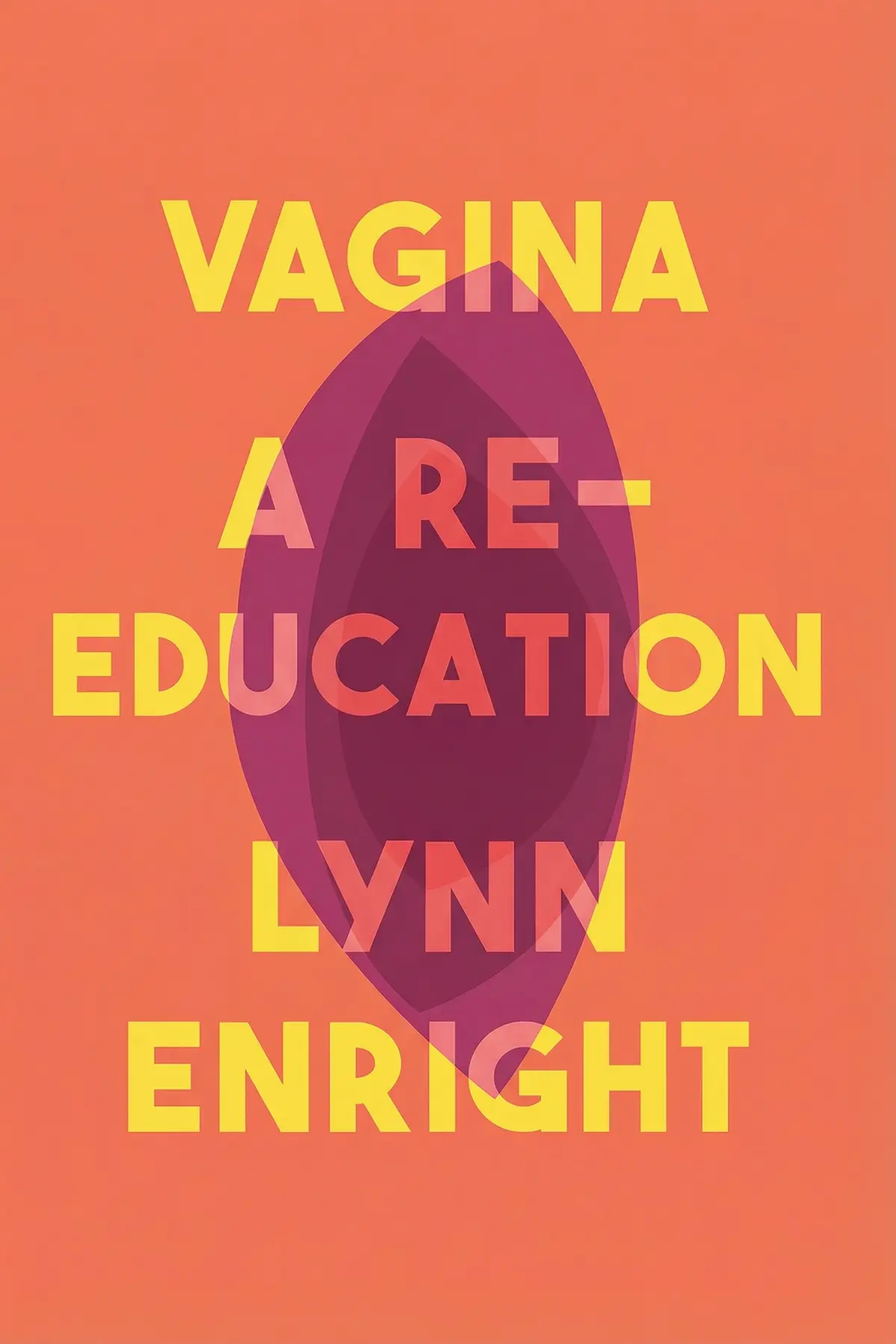
Vagina: A Re-education challenges long-held misconceptions about female anatomy, blending scientific facts with social history to dismantle the shame, silence, and medical biases surrounding women’s sexual and reproductive health.
1 min 38 sec
Every single day, half of the human population navigates the world with a set of organs that remain, even in our modern era, shrouded in a strange combination of mystery and stigma. For many, the word “vagina” is the only term used to describe a complex system of anatomy, yet even that word is frequently misapplied. This isn’t just a matter of semantics; it is a reflection of a deep-seated cultural illiteracy that affects health, pleasure, and personal autonomy.
In our journey through Lynn Enright’s exploration of these topics, we are going to unpack a fundamental re-education. We’ll see how historical systems—from the witch trials of the Middle Ages to the male-dominated medical labs of the twentieth century—have shaped what we think we know about the female body. The throughline here is simple yet revolutionary: when we name things correctly and understand how they actually function, we move from a place of shame and confusion to a place of power and agency.
We will look at why current sex education models fail so many people, the startling reality of clitoral anatomy that was only recently mapped, and the ways in which societal myths about the hymen have been used to monitor and control women. This isn’t just a biology lesson; it’s a look at how culture distorts science. By the time we finish, you’ll have a clearer picture of how to navigate everything from medical consultations to personal relationships with a newfound sense of clarity. We are peeling back layers of patriarchal fiction to find the biological truth underneath.
2 min 32 sec
Traditional school programs often prioritize fear over facts, leaving students ill-equipped to understand their own bodies or advocate for their personal health and safety in adulthood.
2 min 38 sec
Distinguishing between the vulva and the vagina is more than a linguistic preference; it is a necessary step in recognizing the full scope of female sexuality.
2 min 11 sec
The concept of the hymen as a physical seal of virginity is a biological fabrication used throughout history to police and shame women’s bodies.
2 min 18 sec
Scientific neglect kept the true scale of the clitoris hidden for centuries, revealing how medical research has historically prioritized male sexual function.
2 min 14 sec
The hierarchy of the ‘vaginal orgasm’ is a cultural relic of Freudian psychology that continues to leave many women feeling sexually inadequate.
2 min 16 sec
From endometriosis to cosmetic surgeries, the normalization of female suffering and the ‘ideal’ vulva creates a landscape of physical and emotional distress.
2 min 03 sec
The silence and shame surrounding periods contribute to global issues like period poverty and the physical neglect of those who menstruate.
2 min 05 sec
Discussions regarding contraception and the ‘biological clock’ often place an unfair amount of responsibility and blame on women while ignoring male factors.
2 min 16 sec
A truly comprehensive understanding of sexual health must move beyond the binary to include the experiences of menopausal and transgender individuals.
1 min 28 sec
We’ve traveled a long way from the misunderstood anatomy of the Middle Ages to the modern, expansive understanding of the clitoris and the nuances of hormonal health. What we’ve discovered is that the silence surrounding the female body isn’t an accident—it’s a historical habit that we have the power to break. By replacing vague terms with the word “vulva,” by dismantling the myths of the hymen, and by acknowledging the reality of the orgasm gap, we aren’t just gaining trivia; we are gaining the tools for a healthier life.
The takeaway from Lynn Enright’s work is that knowledge is the ultimate form of resistance against shame. When you know how your body functions, you can advocate for yourself in a doctor’s office, you can communicate more clearly with your partners, and you can support the younger generations in a way that prioritizes their safety and their pleasure.
So, what is the next step? It’s to keep talking. Don’t let these insights stay in your head. Use the correct names for your anatomy. Ask your doctor the hard questions. Challenge the idea that pain is just a “normal” part of being a woman. The more we speak these truths out loud, the more we shrink the space that shame and ignorance can occupy. This re-education isn’t a one-time event; it’s an ongoing process of reclaiming our bodies and our stories. Let’s make sure that the next generation doesn’t have to wait until they’re adults to learn the simple, beautiful truth of who they are.
Vagina: A Re-education is a comprehensive exploration of the female body, aiming to replace cultural myths with biological clarity. Journalist Lynn Enright investigates why society remains so illiterate about the vulva, the clitoris, and the nuances of menstruation, fertility, and menopause. The book promises a journey of reclamation, moving past the restrictive “period, pills, and pregnancy” model of sex education to a more holistic, pleasure-positive understanding. It addresses how historical neglect in medical research has left many women navigating pain and pleasure in the dark, and offers a path toward personal and social empowerment.
Lynn Enright is an Irish-born, London-based journalist. Her work has appeared in prestigious publications including Vogue, the Independent, BuzzFeed, the Guardian, the Irish Times, Elle, the London Evening Standard, and the Financial Times.
Listeners find this work to be a profoundly educational and emboldening "re-education" that clarifies frequently stigmatized topics surrounding female health and anatomy. They value how the author blends detailed research with individual experiences to disprove misconceptions concerning menstruation, fertility, and pleasure. Furthermore, listeners admire the clear prose and wide-ranging coverage; one listener noted discovering unexpected anatomical facts about the clitoris even after studying the topic thoroughly in the past. Finally, many point out that the work functions as a courageous challenge to gender bias in medicine, motivating women to become better advocates for their own health.
This book feels like the missing manual for my own body. Growing up, I was taught more about the 'shame' of my anatomy than the actual biology of it, which is why Lynn Enright’s 're-education' approach resonated so deeply. It’s a bold, unapologetic look at everything from the clitoris—did you know it has 'arms'?—to the complexities of menopause. The author weaves in her own experiences with rigorous research, making it feel personal rather than just a dry textbook. Frankly, the section on medical gaslighting and how women are often ignored by doctors was infuriating but necessary to read. We’ve spent too long whispering about these topics in the shadows. I appreciate how she busts the myth of the 'designer vagina' and highlights the harm of unrealistic beauty standards. It is a comprehensive guide that actually empowers you to speak up during your next gyno appointment. Every woman deserves this knowledge.
Show moreFinally, a resource that doesn't shy away from the 'taboo' aspects of gynaecological health. I found the 'Re-Education' subtitle very apt because, despite being in my thirties, there was so much I simply didn't know. The book dives deep into the history of medical bias, explaining why women’s pain is so frequently minimized by the healthcare system. It’s a call to action. I loved the blend of autobiography and science; it made the heavy topics like infertility and FGM feel more human and less like a lecture. Sentence by sentence, Enright builds a case for total bodily autonomy. Truth is, we are often our own worst enemies when we accept the lies society tells us about our anatomy. This book gives you the tools to unlearn that shame. The cover is simple and bold, much like the content inside. Highly recommended for everyone.
Show moreLook, I’m 40 years old and I still learned things about my anatomy that made my jaw drop. The way Enright explains the internal nerves of the vulva is fascinating. This book isn't just about biology, though; it’s about the culture of silence that surrounds women’s health. We bleed, we hurt, and we experience pleasure, yet we’re often made to feel dirty for any of it. Not gonna lie, I got a bit emotional reading the personal stories about childbirth and miscarriage. It’s rare to find a book that treats these common experiences with such extraordinary care. The writing is clear and accessible, making it an easy gift for basically anyone. It feels like a long-overdue conversation with a very smart, very honest friend. It has genuinely changed the way I think about my own body and how I interact with doctors. Five stars for the empowerment alone!
Show moreEvery person, regardless of their gender identity, should pick this up immediately. We live in a world where the male climax is a given but the female orgasm is a mystery, and Enright is over it. She takes apart the 'shame' we're taught from a young age and replaces it with actual anatomical facts. The way she describes the clitoris having 'arms' or cruras was a total 'aha!' moment for me. The truth is, we can't advocate for our health if we don't even have the vocabulary to describe our bodies. This book provides that vocabulary. It covers everything from menstruation to the often-ignored stages of menopause. I appreciated the inclusion of case studies and specialist quotes, which gave the book a lot of credibility. It’s informative, bold, and incredibly necessary in our current social climate. Don't let the title intimidate you; it's exactly what we need to be talking about.
Show moreEnright’s call to action regarding medical gender bias is probably the most important takeaway for me. For too long, women have been told their pain is 'normal' or 'all in their head,' and this book provides the evidence to fight back. It’s an empowering read that moves from basic anatomy to complex social issues with ease. I loved how she used her own life stories to illustrate her points; it made the book feel much more relatable than a standard health guide. The cover is simple but iconic, and the message inside is even stronger. We need to stop hiding sanitary products under our groceries and start talking about our bodies with pride. Honestly, I think this should be required reading for medical students as well as the general public. It’s a brave, brilliant, and deeply informative book that I’m so glad I found. It’s time we all got a proper re-education.
Show moreEnright manages a tricky balancing act here between cold, hard facts and deeply personal anecdotes. As someone who grew up in a similar environment to the author’s 1980s Ireland, the discussion on how the patriarchy controls women's bodies through silence felt incredibly spot-on. The research is solid, particularly when she breaks down the misconceptions surrounding the hymen and the female orgasm. However, I’ve got to say the writing felt a bit repetitive in the middle chapters. Some points about the lack of sex education were hammered home a few too many times. That being said, the information about the internal structure of the clitoris was a total eye-opener for me. It’s accessible, clear, and doesn’t hide behind overly clinical jargon. I’ll be recommending this to my younger sisters for sure, though I might tell them they can skim the pregnancy bits if they aren't there yet.
Show moreWhy wasn't this taught in school? Enright highlights the massive gaps in our sex education, focusing on how girls are taught to hide their periods and ignore their own pleasure. The chapter on the 'designer vagina' trend was particularly chilling. It’s heartbreaking to realize how many women feel the need to undergo surgery just to look 'neat.' Personally, I found the breakdown of the menstrual cycle and the myths of the hymen to be the strongest parts. The book is well-researched, with plenty of citations to back up its claims. My only real gripe is that the tone can get a bit repetitive when discussing the patriarchy. We get it—things are bad! I wanted a bit more variety in the prose. Regardless, the core message is vital. It’s about reclaiming power through knowledge. It is a quick read that packs a punch and will definitely spark some interesting conversations with your friends.
Show moreA timely exploration of the female form that successfully debunks dozens of long-held myths. Enright does a great job of centering the book on 're-education,' focusing on the parts of us that have been ignored by science for centuries. The section on FGM was particularly harrowing but necessary to include for a global perspective. I did feel that the book could have been a bit more intersectional at times, as it felt very rooted in a Western/Irish context, but the overarching themes are universal. The author’s honesty about her own experiences adds a lovely layer of vulnerability to the work. It’s not just a list of facts; it’s a narrative about what it means to live in a female body today. Some of the medical descriptions are a bit TMI, but that’s the whole point of being open, right? It's a solid 4-star read that I think would benefit people of all genders.
Show moreTo be fair, there is some excellent information in the first half of this book, especially regarding the clitoris and its actual structure. I think for someone who hasn't read 'The Wonder Down Under' or similar titles, this would be a five-star revelation. However, for me, it felt like there was too much overlap with other books I've already finished recently. I found myself skimming the sections on pregnancy and menopause because they just don't apply to my life right now. The writing is a bit dry in places, and I wish the author used more contractions to give it a more casual, conversational flow. It felt a bit like reading a very long essay at times. It is a good introductory text, but if you’ve already done a lot of reading on feminist biology, you might not find a whole lot of new ground here. Still, it’s an important contribution to the field.
Show moreNot gonna lie, the content here is vital, but the writing style felt a bit dry in several chapters. I appreciate the research and the author’s clear passion for the subject, but it felt a bit like a slog toward the end. The chapters on pregnancy and menopause are very detailed, which is great if you’re in those life stages, but for me, it felt less relevant. I also found some of the phrasing to be a bit repetitive, especially when the author discussed medical bias. While the facts are surprising—like the actual size of the clitoris—I felt like the book lacked a bit of the 'spark' found in other feminist biology books. It's definitely a useful reference guide to have on the shelf, but I didn't find it to be a page-turner. If you’re looking for a deep dive into the 'why' and 'how' of gynaecology, this is for you, just be prepared for a more clinical tone.
Show moreJohny Pitts
bell hooks

Fay Bound Alberti

Daniel Goleman

AUDIO SUMMARY AVAILABLE
Get the key ideas from Vagina by Lynn Enright, plus 5,000+ more titles in English and Thai.







