

18 min 20 sec
Visual Thinking: The Hidden Gifts of People Who Think in Pictures, Patterns, and Abstractions
Explore the hidden strengths of visual thinkers and discover how society’s bias toward verbal language overlooks the essential problem-solving skills of those who think in pictures, patterns, and complex abstractions.
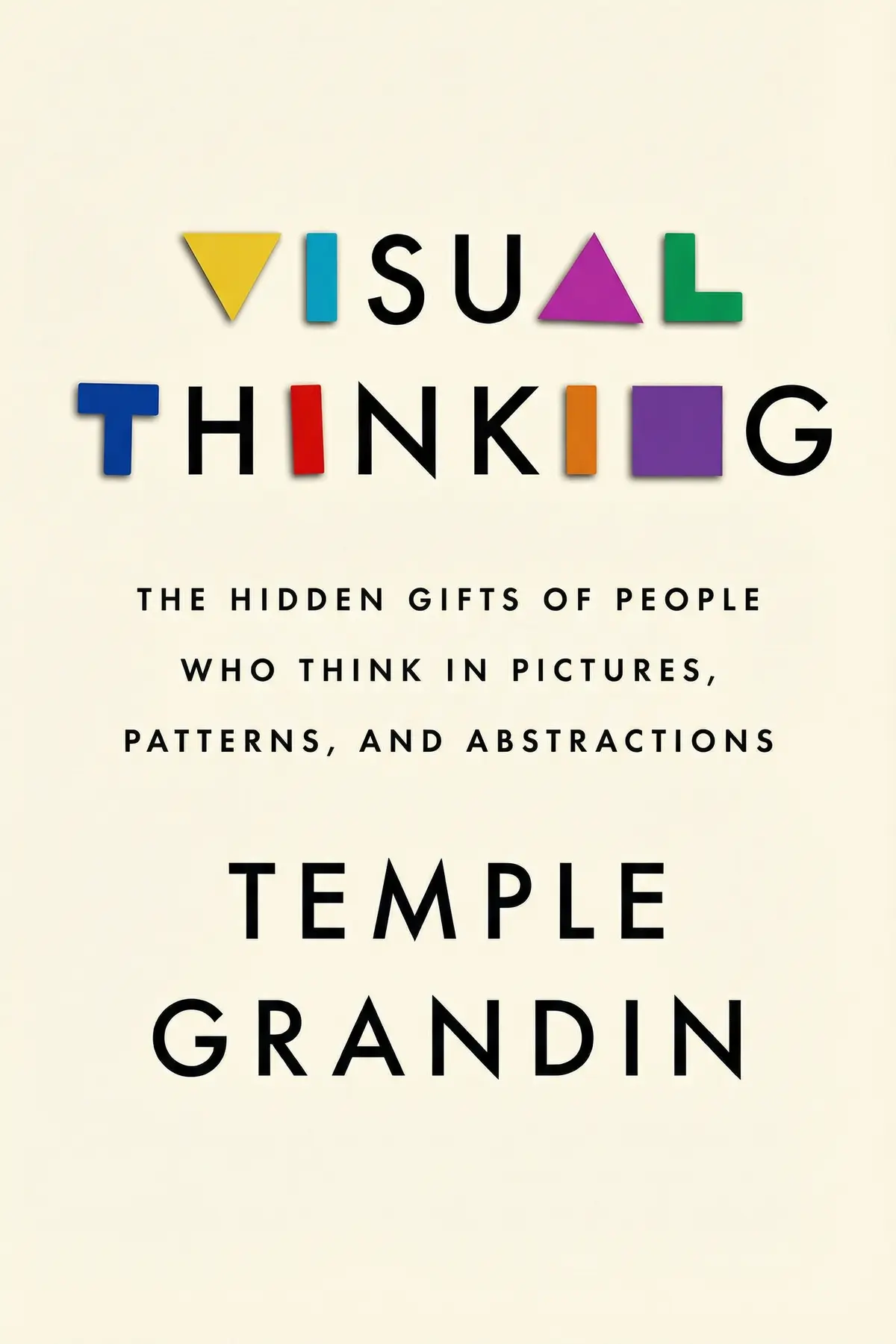
Table of Content
1. Introduction
1 min 49 sec
Imagine for a moment the way you process a simple instruction, like building a bookshelf or navigating to a new restaurant. Do you hear a voice in your head narrating the steps? Or do you see a mental map unfolding, visualizing the screws turning and the wood snapping into place? For most of us, we assume that our internal experience is the universal human standard. We take it for granted that everyone else’s mind works roughly like our own. But this assumption is one of the greatest barriers to human progress.
In reality, human cognition exists on a fascinating spectrum. On one end, you have the verbal thinkers—people who organize their world through language, linear logic, and sequences. On the other end, you have the visual thinkers, who process information through imagery, patterns, and spatial relationships. Somewhere in the middle, many people utilize a blend of both. However, as we move through this exploration of Temple Grandin’s work, we will see that our modern world—from our schools to our corporate boardrooms—has become dangerously tilted toward the verbal side of that scale.
This bias doesn’t just make life difficult for neurodiverse individuals; it actually creates systemic vulnerabilities. When we prioritize the ‘talkers’ over the ‘doers’ and the ‘visualizers,’ we lose the ability to catch design flaws, we stifle industrial innovation, and we fail to provide a path for some of our most brilliant minds to contribute. The throughline of this journey is simple but profound: if we want to solve the complex problems of the future, we must learn to recognize, nurture, and collaborate with those who see what the rest of us can only describe in words. Let’s dive into the mechanics of the visual mind and see why neurodiversity is the engine of human ingenuity.
2. The Dual Nature of the Visual Brain
2 min 37 sec
Discover the distinct difference between those who think in photorealistic images and those who see the world through mathematical patterns and systems.
3. The Education System's Hidden Filter
2 min 32 sec
Explore how standardized testing and the removal of hands-on learning are accidentally pushing brilliant visual thinkers out of the classroom.
4. The Vanishing Industrial Mind
2 min 12 sec
Examine why a lack of support for visual thinkers has led to a decline in manufacturing and a reliance on foreign technology.
5. The Power of Cognitive Collaboration
2 min 28 sec
Learn how the world’s greatest innovations come from the partnership between verbal, spatial, and object-visual thinkers.
6. Neurodiversity as a Source of Genius
2 min 29 sec
Understand the link between conditions like autism and dyslexia and the extraordinary visual abilities that have shaped history.
7. The Visual Sentinel: Safety and Empathy
2 min 45 sec
Learn why visual thinkers are our best defense against technical disasters and how they offer a unique window into the minds of animals.
8. Conclusion
1 min 28 sec
As we conclude this journey through the world of visual thinking, the most important takeaway is that our survival and our success as a species depend on cognitive diversity. We live in a world that is increasingly complex, and no single way of thinking is equipped to handle all the challenges we face. The verbal thinkers among us provide the narrative, the communication, and the organization that hold our societies together. But without the object visualizers to build our infrastructure and the spatial visualizers to map out our systems, those societies would quickly crumble.
We must take active steps to change how we identify and nurture talent. This means bringing back hands-on learning in schools, rethinking our obsession with standardized testing, and creating professional environments where different types of minds can actually collaborate rather than clash. We need to stop seeing neurodiversity as something that needs to be ‘fixed’ and start seeing it as a hidden gift that needs to be unwrapped.
Next time you encounter someone who struggles to find the right words but can fix a broken machine in minutes, or someone who seems lost in a world of patterns rather than people, remember that you are looking at a vital piece of the human puzzle. By embracing the full spectrum of the human mind, we don’t just open doors for individuals—we unlock the future for everyone. Think about how you process the world, and then make an effort to seek out those who see it differently. In that gap between our perspectives lies the spark of true innovation.
About this book
What is this book about?
For most of modern history, society has operated under the assumption that intelligence is synonymous with verbal proficiency. We teach in words, we test in words, and we lead in words. However, Temple Grandin argues that this narrow focus ignores a vast spectrum of human cognition. There are those who process the world not through sentences, but through vivid mental imagery and intricate spatial patterns. Visual Thinking serves as both a scientific exploration and a call to action. It breaks down the distinction between object visualizers—who see the world in photo-realistic detail—and spatial visualizers, who excel at seeing the underlying systems and abstractions of our reality. By examining everything from the decline of American manufacturing to the way we understand animal consciousness, this summary reveals how neurodiversity is not just a trait to be accommodated, but a vital resource for innovation and safety. You will learn why our current education system often fails these brilliant minds and how collaborative teams of diverse thinkers can solve the most pressing challenges of the twenty-first century.
Book Information
About the Author
Temple Grandin
Temple Grandin is a renowned activist, professor, and animal behavior expert. Her pioneering work in improving animal welfare and her unique perspective on her own autism have made her an influential figure in both fields. She has authored several books, including The Way I See It and Thinking in Pictures.
Ratings & Reviews
Ratings at a glance
What people think
Listeners find this book insightful for its examination of diverse learning styles and visual processing, with one listener pointing out how visual and verbal thinkers can benefit from working together. The work also receives praise for its readability, sturdiness, and overall importance, with listeners valuing its creative approach and engaging subject matter. However, the quality of the information is met with mixed reviews.
Top reviews
Darius
Wow, this book completely shifted how I view my neurodivergent son's future potential and his unique way of seeing the world. Instead of focusing on what he can’t do, Grandin highlights the 'hidden gifts' that come with a non-verbal brain. The stories about Einstein and Tesla were perfectly placed to show that traditional schooling isn't the only path to high-level success. It’s a readable, sturdy book that manages to make complex concepts feel very user-friendly for a general audience. I feel much more optimistic about the contributions visual thinkers can make to society after finishing this. Every teacher in this country should have a copy of this book on their desk.
Show moreEye
In my experience, few books manage to be both this practical and this eye-opening regarding workplace collaboration. The distinction she makes between 'object visualizers' and 'spatial visualizers' changed how I interact with my engineering team immediately. We often miss the brilliance of people who think in pictures because we are so obsessed with verbal communication and testing. Grandin’s call to bring back vocational training and shop classes is something I wholeheartedly support for the next generation. This is an essential read for anyone managing teams or working in creative fields. It’s an important, innovative look at the human mind that we desperately needed to see in print.
Show moreWanphen
The chapter on the 'caste of woebegones' who are marginalized in schools but find their creative legs later in life was incredibly moving. As someone who always felt 'stupid' because of my low SAT scores, finding myself in these pages was a revelation. Grandin fills her work with innumerable examples of how the visual mind has literally built the modern world from nothing. It’s an empowering, important book that challenges the binary view of intelligence we've lived with for decades. I love how she connects everything from animal behavior to high-level engineering. You’ll be glad you chose this if you’ve ever felt like a square peg in a round hole.
Show moreBo
Finally got around to reading this and it’s a vital wake-up call for our outdated school boards and policymakers. Grandin argues convincingly that our focus on standardized testing is crushing the types of geniuses who build our physical world. I loved the references to inventors like Edison and Da Vinci who didn't fit the typical academic mold. Frankly, it’s refreshing to see someone champion the 'tinkers' and 'makers' who are often marginalized in a verbal-centric classroom. While it does get a bit wordy in the middle, the core message about fixing our infrastructure through visual minds is too important to ignore. It’s a great book for parents who feel their children aren't thriving.
Show moreWit
After hearing Temple speak years ago, I knew this would be insightful, and she definitely delivers on a more innovative approach to learning. The book provides new insights for parents whose children might be outside the typical education path for verbal thinkers. I particularly enjoyed the discussion on how visual thinkers are essential for maintaining our crumbling national infrastructure. Got to say, I didn’t expect so much focus on the meat industry, but it works to illustrate her points about practical design. There are some repetitive moments where she talks about her own specific league of thinking, but the overall message is very empowering for neurodiverse families. It's a solid addition to any library.
Show moreWissanu
To be fair, the distinction between object visualizers and spatial visualizers is a total game-changer for understanding human intelligence. This book explores the different toolkits we all bring to the table, even if the author’s bias toward visual thinking is quite obvious. I appreciated the specific examples of how different minds can prevent disasters by visualizing failures before they actually happen. It’s a fascinating look at how we can all work together more effectively if we just recognize these diverse patterns. Even though some of the research felt a bit anecdotal, the logic behind her arguments for vocational training is very sound. It definitely opened my extra senses toward my colleagues' unique strengths.
Show morePridi
Ever wonder why some people struggle with basic algebra but can intuitively understand how a complex engine functions? This book does a decent job exploring that divide, though it gets repetitive after the first few chapters. Personally, I found the author’s tone a bit self-congratulatory at times as she frequently mentions her own aced tests. While the insights on how our education system fails neurodivergent kids are incredibly important, I wish there was more recent scientific data to back up her claims. It’s an interesting topic, but the execution feels a little bit dated for today’s psychology standards. It is a sturdy book with an important message that just needed more nuance.
Show moreClara
Picked this up because I’m a visual learner, but I have mixed feelings about the final execution. On one hand, the central argument about the need for different kinds of minds in our workforce is absolutely spot on. On the other hand, the writing style is a bit disjointed and leans too heavily on the author's past experiences in animal behavior. One point I did like is about how smart crows are, specifically how they make hook-like tools to get food. However, the meat packing industry examples felt somewhat bizarre in a book about human cognition. Still, the message about how visual and verbal thinkers can benefit from working together is a valuable takeaway.
Show moreMason
As a professional writer and editor, I felt completely excluded by Grandin's narrow definitions of what constitutes a 'verbal thinker.' She basically claims that if you work with words, you lack the ability to visualize, which is just objectively wrong in my case. I rely on vivid mental images to construct every single sentence I write for my clients. The lack of hard research and the reliance on anecdotal 'evidence' made it very difficult to take her arguments seriously. Look, I agree that schools need to change, but the binary way she categorizes people is too simplistic. It felt more like a memoir where she justifies her own brilliance than a scientific study.
Show moreRatthapong
The truth is, this was just incredibly dry and quite a letdown for someone who loves brain science. I expected a deep dive into neurology, but instead, I got a lot of rambling stories about the meat industry and old school systems. Frankly, it made me feel pretty hopeless about the state of education because the problems seem too big for one person to ever fix. I skimmed through the last half once I realized the tone wasn't going to get any more engaging. Also, the constant praise for Elon Musk felt really out of place and skewed the author's credibility for me personally. It just didn't make me feel good about the world.
Show moreReaders also enjoyed

59 Seconds: Change Your Life in Under a Minute
Richard Wiseman
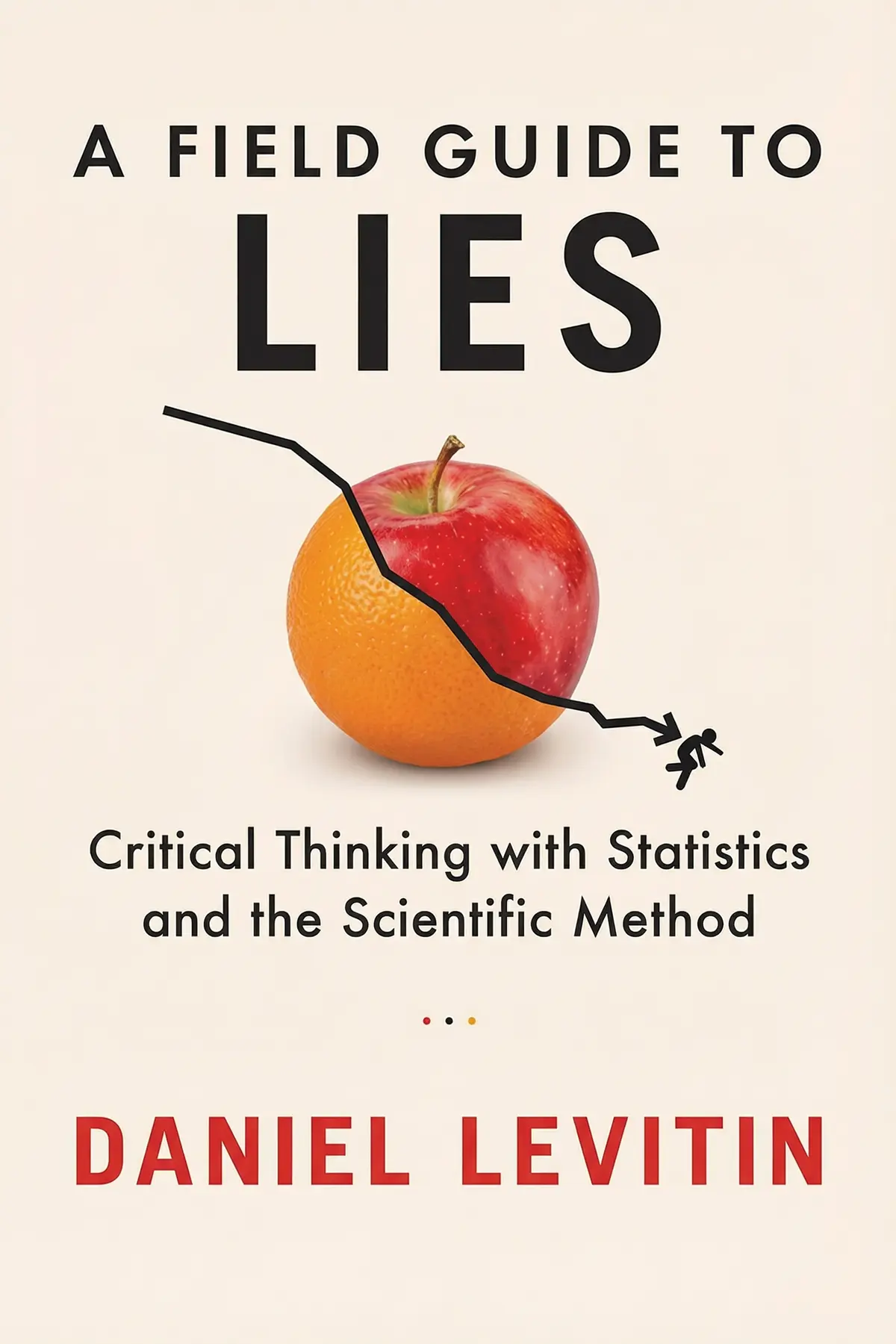
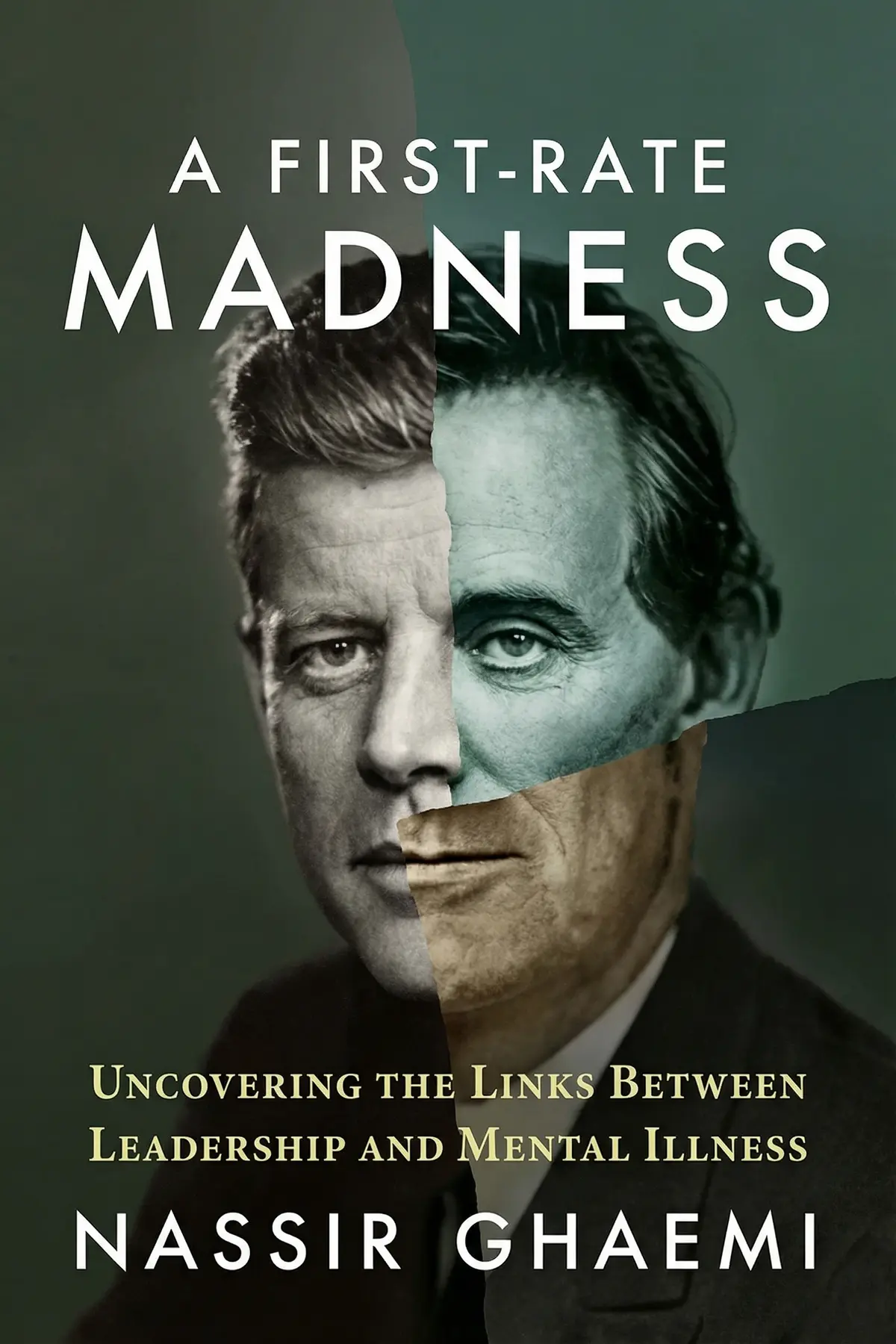
A Liberated Mind: How to Pivot Toward What Matters
Steven C. Hayes
Acting with Power: Why We Are More Powerful Than We Believe
Deborah Gruenfeld

Age of Propaganda: The Everyday Use and Abuse of Persuasion
Anthony Pratkanis
AUDIO SUMMARY AVAILABLE
Listen to Visual Thinking in 15 minutes
Get the key ideas from Visual Thinking by Temple Grandin, plus 5,000+ more titles in English and Thai.
- 5,000+ titles
- Listen as much as you want
- 7-day free trial
- Cancel anytime







