
16 min 15 sec
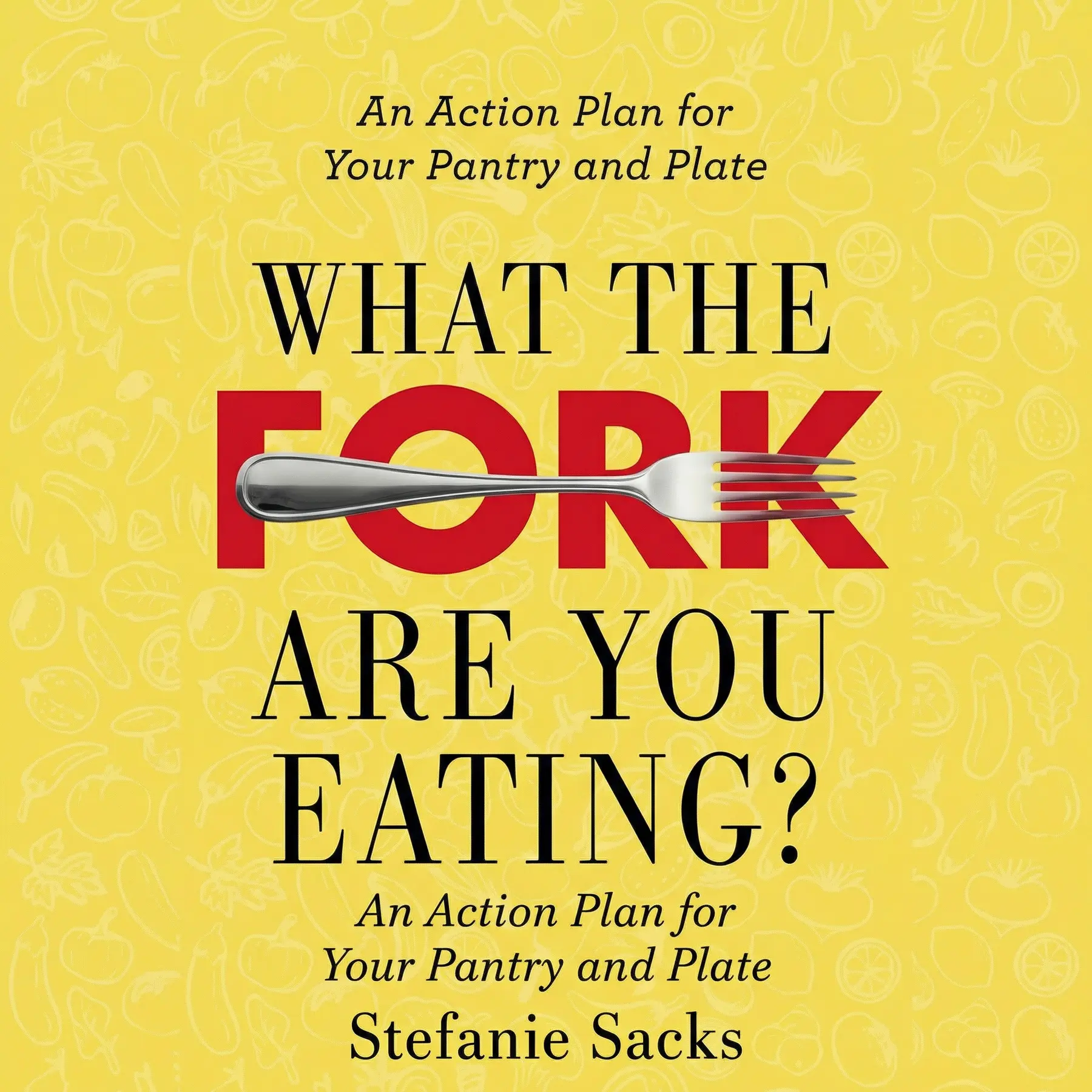
What the Fork Are You Eating?: An Action Plan for Your Pantry and Plate
Uncover the hidden chemicals in your everyday groceries and learn practical strategies to detoxify your diet, navigate misleading labels, and reclaim your health through informed, intentional eating choices.
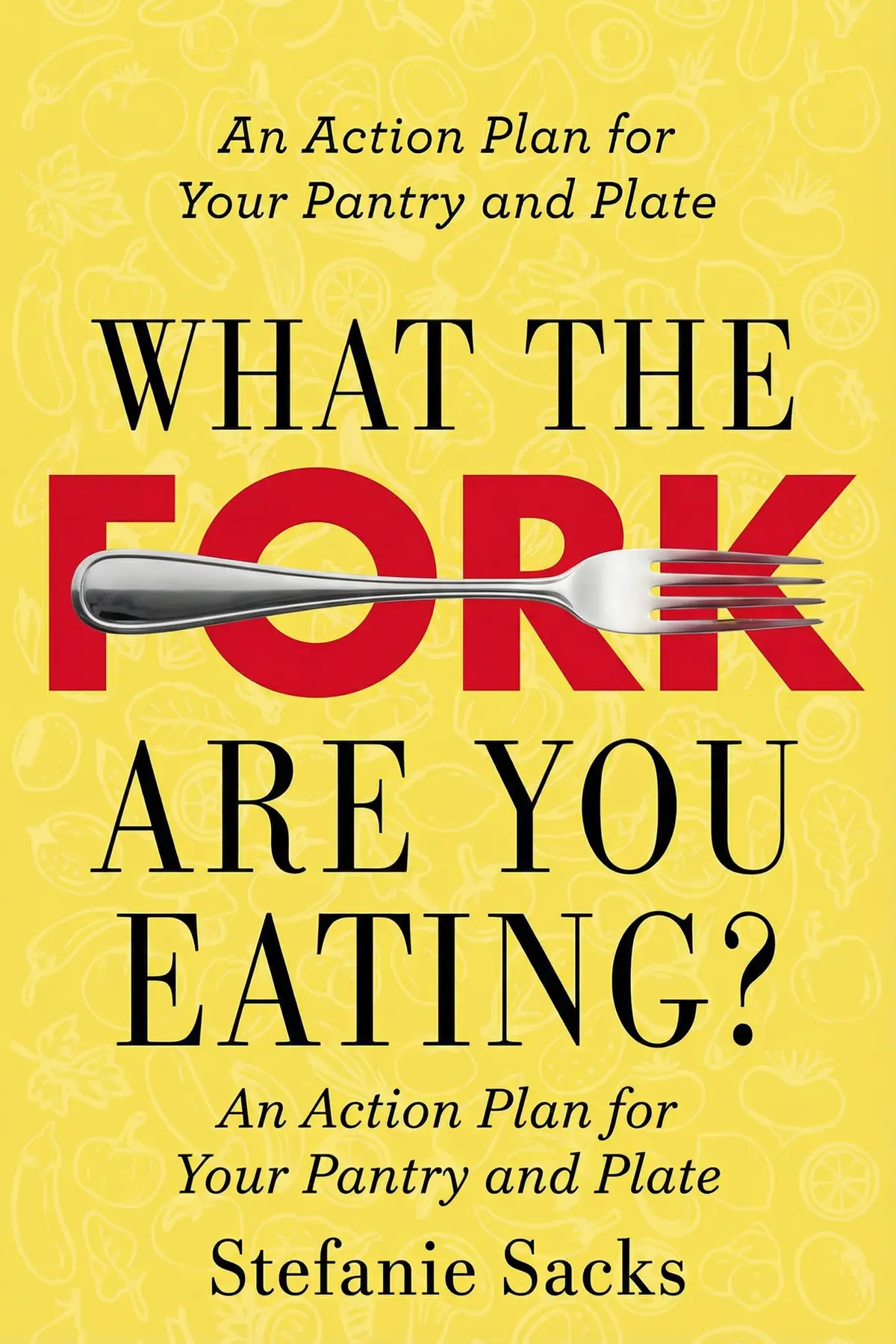
Table of Content
1. Introduction
1 min 42 sec
We often think of eating healthy as a simple matter of willpower—choosing the salad over the burger, or the apple over the candy bar. We walk through the grocery store aisles under the impression that if a product is on the shelf, it must have passed some rigorous safety standard. But what if the very foundations of our food system are designed to keep us in the dark? What if the ‘healthy’ choices we make are actually delivering a cocktail of synthetic chemicals, hormones, and hidden additives that our bodies were never meant to process?
This is the reality explored in the work of Stefanie Sacks. It’s an eye-opening journey into the heart of the modern pantry, challenging the assumption that we know what we’re eating. We live in an era where ‘strawberry’ flavor can be born in a test tube and ‘natural’ can mean almost anything a marketing department wants it to. The goal here isn’t to spark fear, but to provide clarity. By understanding the loopholes in government regulations and the clever tactics used in food processing, you can begin to make decisions based on facts rather than labels.
Throughout this discussion, we will trace the path of our food from the industrial farm to the dinner plate. We’ll look at how the history of food safety has left us vulnerable and why the burden of protection has shifted from the regulator to the individual. But more importantly, we will establish a throughline of empowerment. You aren’t just a passive consumer; you are the gatekeeper of your own health. By the end of this journey, you’ll have a clear action plan to audit your kitchen, decode the most deceptive packaging, and ultimately, ensure that what you put in your body is exactly what nature intended.
2. The Illusion of Oversight
2 min 17 sec
Discover why the government’s safety net for our food system is full of holes, allowing thousands of unproven additives to stay on our plates.
3. The Laboratory in Your Lunch
2 min 09 sec
Unmask the synthetic origins of the flavors and colors in your food, ranging from petroleum byproducts to surprising animal extracts.
4. The Cost of Convenience
1 min 59 sec
Explore how chemical preservatives and hidden sugars are designed to keep food shelf-stable at the potential expense of your long-term health.
5. The Hidden Ingredients of Agriculture
1 min 32 sec
Learn about the invisible pesticides, hormones, and antibiotics that enter your body through the produce and meat you consume.
6. Decoding the Marketing Maze
1 min 46 sec
Identify the deceptive tactics used on food packaging and learn which labels you can actually trust.
7. The Strategic Kitchen Overhaul
1 min 34 sec
Take practical steps to audit your pantry and make healthy swaps without sacrificing the joy of eating.
8. Building Lasting Foundations
1 min 44 sec
Utilize simple tools like food journals and intentional planning to turn your new knowledge into permanent lifestyle habits.
9. Conclusion
1 min 32 sec
Reclaiming your health in a world of industrial food can feel like an uphill battle, but as we have seen, the power ultimately rests with you. The journey begins with the realization that our current food system is more concerned with shelf-life and profit margins than with our long-term vitality. By understanding the history of weak regulations, the science of synthetic additives, and the reality of agricultural chemicals, you have stripped away the ‘health halo’ that protects processed foods.
You now have the tools to be a more discerning shopper. You know how to look past the misleading marketing on the front of the box and find the truth in the ingredient list. You’ve learned that ‘natural’ is often a label for the lab, and that ‘safe’ is sometimes just a legal loophole. But most importantly, you have a practical roadmap for change. By auditing your pantry, making thoughtful swaps, and using tools like food journals and meal planning, you can transform your kitchen into a sanctuary of health.
The throughline of this entire process is mindfulness. It’s about stopping for a moment before you take a bite and asking, ‘What is actually on my fork?’ This isn’t about fear; it’s about freedom—the freedom to choose real, nourishing food over chemical substitutes. As you move forward, remember that every meal is an opportunity to vote for the health you want. Start small, stay consistent, and enjoy the profound difference that real food can make in your life.
About this book
What is this book about?
The modern food landscape is a minefield of hidden additives, synthetic dyes, and misleading marketing. Many of the products we consider healthy are actually laden with chemicals that bypass outdated government regulations. This summary pulls back the curtain on the industrial food complex, revealing how everything from 'natural' flavorings to agricultural pesticides finds its way into our bodies. You will learn the specific dangers of common additives like MSG, artificial sweeteners, and petroleum-based dyes, while discovering how the 'Generally Recognized as Safe' loophole allows companies to avoid rigorous testing. Beyond just exposing the problems, this guide offers an actionable plan for transforming your pantry. It provides a roadmap for auditing your current food habits, decoding complex labels, and making sustainable swaps that prioritize real nourishment over processed convenience. It is a call to become a conscious consumer who understands exactly what is at the end of their fork.
Book Information
About the Author
Stefanie Sacks
Stefanie Sacks is a bestselling author, educator, speaker and consultant. She is also a culinary nutritionist with over 25 years of experience, including a master’s degree in nutrition from Columbia University.
Ratings & Reviews
Ratings at a glance
What people think
Listeners consider the work both enlightening and simple to grasp, while one review points out that it delivers a historical look at the food supply chain. They value the nutritional guidance included, as one listener noted that the book helped them successfully avoid processed foods. The title is widely commended for its various health benefits.
Top reviews
Bird
After hearing so much buzz about clean eating, I finally found a resource that actually explains the 'why' behind the 'what.' Stefanie Sacks manages to take complex nutritional science and translate it into a no-nonsense guide that feels accessible for the average person. I was particularly struck by the historical context she provides, explaining exactly how our food system became so reliant on things like Red No. 40 and synthetic sweeteners. The appendices are absolute gold mines of information, especially the list that reveals which small 'natural' brands are actually owned by massive food corporations. In my experience, most health books are either too fluffy or too academic, but this strikes a perfect balance. It’s a must-read for anyone who is tired of feeling confused at the grocery store.
Show moreElla
Wow, I will never look at a bottle of vanilla extract or a packet of artificial sweetener the same way again. This book turns you into an absolute hawk when it comes to reading labels, and the shock factor of some of the ingredients is undeniable. Did you know that some artificial flavors are derived from wood or that certain dyes have increased fivefold in our diet since the fifties? Stefanie Sacks provides a terrifying yet necessary look at the 'Terminators' in our pantries without coming across as a total fear-monger. I love the 'Better for You' alternatives she suggests because it makes the transition feel doable rather than impossible. It’s empowered me to take control of my health today by making minor but vital adjustments to my shopping habits.
Show moreRapee
Ever wonder what’s actually hidden in your favorite supermarket staples? This guide by Stefanie Sacks serves as an eye-opening deep dive into the labyrinth of modern food processing. Truth is, I thought I was a savvy shopper until I reached the chapter on 'Top Rated Terminators' and realized how many additives were sneaking into my cart. The breakdown of labels and marketing jargon is incredibly practical for anyone trying to navigate the aisles without getting duped by health claims. While some sections felt a bit dense, the ‘Supermarket Strategies’ section alone is worth the price of admission for the clarity it provides. I appreciated that she doesn't just point out the problems but offers realistic swaps that don't require an entire lifestyle overhaul overnight.
Show moreParichat
As someone who has followed Michael Pollan and Marion Nestle for years, I found this to be a fantastic practical companion to their more theoretical work. Sacks focuses on the 'how-to' of eating clean, providing specific supermarket strategies that you can implement immediately. Gotta say, the section on imported seafood was a total eye-opener; the idea that our fish is shipped halfway across the world just for processing is mind-blowing. The book is divided into very logical sections, making it easy to jump around to the topics that interest you most, like 'Pantry Rehab.' My only real gripe is that the recipes are a bit hit-or-miss in terms of flavor. However, as an educational tool for understanding the industrial food complex, it’s top-tier.
Show moreDome
This book is a really great overview of the industry for anyone who feels overwhelmed by the thousands of new products hitting shelves every year. Stefanie Sacks uses her background as a nutritionist to explain why we should care about things like coal tar derivatives in our food without making it feel like the world is ending. The distinction between 'natural' and 'artificial' flavors was particularly illuminating, and it has already changed my purchasing habits. While it is a bit heavy on the U.S. perspective, the core message about nourishing yourself with real, whole foods is universal. It’s a solid, no-nonsense guide that provides enough historical context to help you understand how we got here in the first place. Definitely worth a look if you’re a beginner.
Show moreMilk
The information is solid, but the presentation is quite boring compared to other recent wellness titles. I’ll admit that the charts and lists are very useful—the downloadable PDF for the audio version is a lifesaver—but the actual prose is a bit heavy going in places. Frankly, it reads a bit like a textbook, which might turn off casual readers looking for a quick motivation boost. Sacks definitely knows her stuff, as her background as a certified chef and nutritionist shines through, yet the 'Meal Rehab' section felt a bit dry. It’s a great reference book to keep on your shelf for specific questions about ingredients like carrageenan or aspartame, but I wouldn't call it an engaging cover-to-cover read.
Show morePun
Finally got around to reading this one, and I have mixed feelings about the overall impact. On one hand, the scientific facts regarding antibiotic-resistant bacteria in meat are genuinely alarming and changed how I shop at the butcher counter. On the other hand, a lot of the 'revelations' about things like high fructose corn syrup feel like old news in the current health landscape. Since it was written nearly a decade ago, many of us have already integrated this knowledge into our daily routines. To be fair, for a beginner, this is still a comprehensive encyclopedia of what’s wrong with processed food. I just wish there was more focus on global food systems rather than just the FDA regulations, which can be limiting for international readers.
Show moreTum
Picked this up because I wanted to understand more about what my kids were actually eating in their snacks. The book is definitely encyclopedic when it comes to identifying the 'bad stuff' like preservatives and hidden sugars. Personally, I found the charts and the breakdown of 'Big Food' subsidiaries to be the most valuable part of the whole experience. However, the tone is a bit inconsistent, swinging between being a helpful guide and a stern lecture. It’s a lot of information to process at once, and some of the chapters felt like they were dragging on with scientific data that could have been summarized better. It’s a decent resource for the shelf, but it didn't quite inspire the 'food-makeover' I was hoping for.
Show moreGin
Not what I expected when I picked this up to help with my family’s meal planning. While the information regarding chemical additives and GMOs is clearly well-researched, the author’s tone frequently crossed the line into being condescending. Look, I want to eat better, but I don't need to be lectured by someone who seems more interested in showcasing her own perfect lifestyle than actually meeting readers where they are. Additionally, since this was published in 2014, some of the specific brand recommendations feel a bit dated now. It’s also very U.S. centric, so if you aren’t shopping in American grocery stores, a large portion of the 'Pantry Rehab' advice just isn't applicable. I found myself skimming more often than not.
Show moreHunter
Frankly, I struggled to finish this because the delivery felt so 'lecture-y' and superior. While I appreciate the effort to expose the processed food industry, the author’s conversational attempts felt forced and, at times, a bit talking down to the audience. It’s one of those books where the author spends a lot of time talking about how great their own lifestyle is, which gets old very quickly. Also, the focus is almost entirely on the U.S. food system and American FDA standards, which makes it less useful for anyone living abroad. There is definitely some good information buried in here about chemical additives, but I found the 'boring' presentation and the dated references from 2014 hard to get past. I’d recommend looking for something more current.
Show moreFeatured in
Readers also enjoyed

AUDIO SUMMARY AVAILABLE
Listen to What the Fork Are You Eating? in 15 minutes
Get the key ideas from What the Fork Are You Eating? by Stefanie Sacks, plus 5,000+ more titles in English and Thai.
- 5,000+ titles
- Listen as much as you want
- 7-day free trial
- Cancel anytime







