
18 min 42 sec
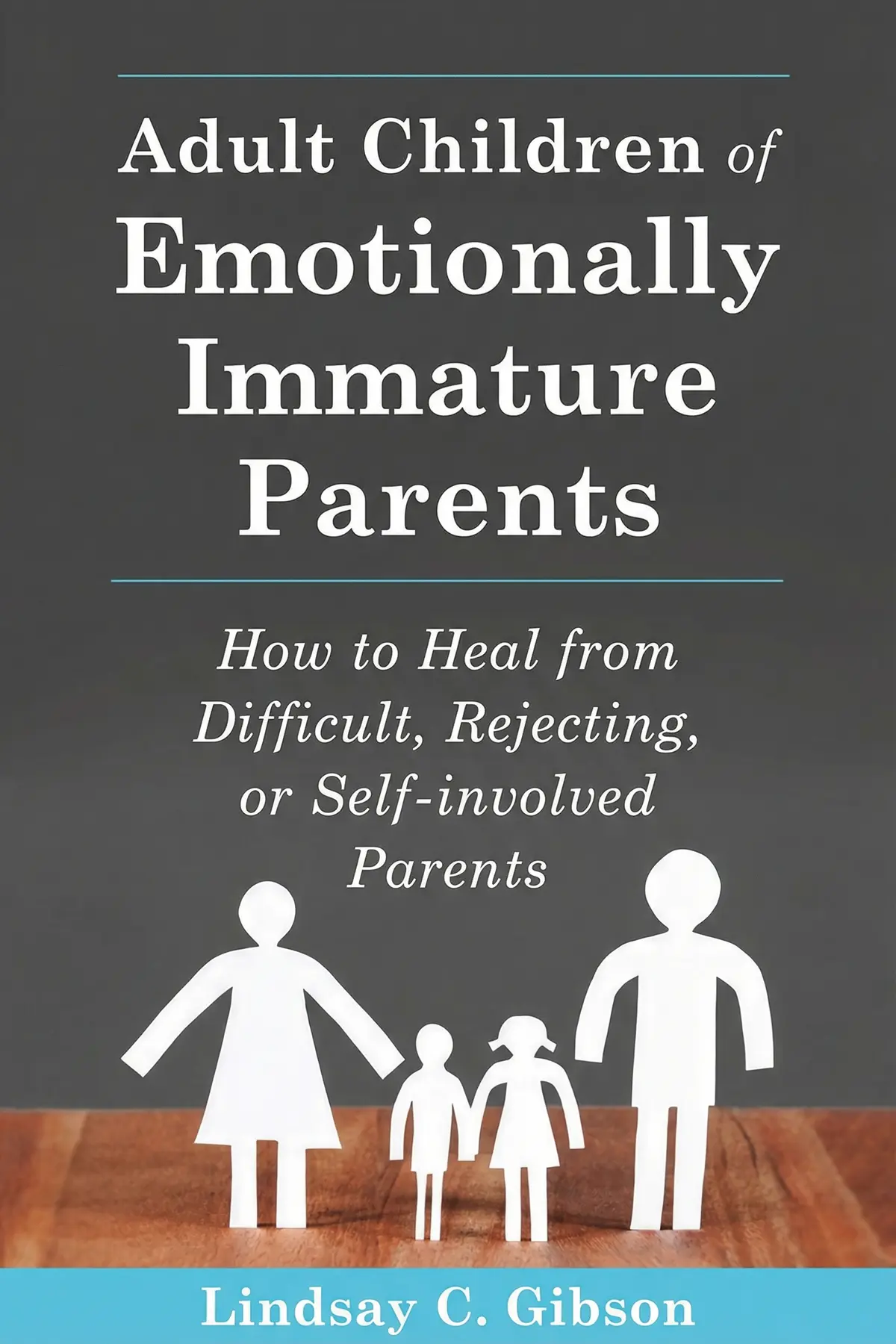
What Your ADHD Child Wishes You Knew: Working Together to Empower Kids for Success in School and Life
Discover a transformative, science-backed framework for parenting children with ADHD. By moving from conflict to collaboration, parents can foster emotional regulation, build lasting confidence, and help their children thrive in school and life.
Table of Content
1. Introduction
1 min 46 sec
Parenting is a journey that tests your patience under the best of circumstances, but when your child has attention deficit hyperactivity disorder, or ADHD, that journey can feel like navigating a storm without a compass. You might find yourself locked in endless battles over homework, tidy rooms, or simply following basic instructions. It is easy to fall into a pattern of frustration, where you feel like you are constantly nagging and your child feels like they can never do anything right. However, there is a different way to lead your family, one that moves away from the ‘commander and soldier’ dynamic and toward a genuine partnership.
This summary introduces a transformative framework known as the 5 C’s of ADHD parenting. These five pillars—self-control, compassion, collaboration, consistency, and celebration—provide a roadmap for supporting your child’s development while preserving the bond between you. The core throughline here is a shift in perspective: your child isn’t trying to be difficult; their brain simply processes information and manages impulses differently than a neurotypical brain.
Instead of viewing ADHD as a behavioral problem to be fixed with stricter rules, we will look at it as a neurological challenge that requires a unique set of management tools. By adopting these five principles, you can stop reacting to the symptoms and start addressing the underlying executive function needs. The goal is to move from a state of constant conflict to a state of mutual empowerment, helping your child harness their natural strengths while building the resilience they need to thrive in a world that wasn’t necessarily built for them. Over the next few sections, we will break down each of these pillars and look at how they can be applied in real-life scenarios to create a more peaceful and productive home environment.
2. The Neurological Roots of Executive Function
2 min 40 sec
Explore the biological reality behind ADHD behaviors and discover why traditional discipline often fails to address the underlying challenges of the brain’s control center.
3. Mastering Self-Control as a Parenting Foundation
2 min 38 sec
Learn how your own emotional regulation serves as a powerful mirror for your child’s behavior and why staying calm is the most effective tool in your kit.
4. The Power of Compassion and Perspective-Taking
2 min 29 sec
Discover how meeting your child where they are—rather than where you want them to be—can dissolve resistance and build a bridge of trust.
5. Collaboration: From Directing to Partnering
2 min 29 sec
Learn why involving your child in the problem-solving process is the secret to getting their buy-in and building their confidence.
6. The Essential Role of Consistency
2 min 30 sec
Explore why sticking to the plan—while allowing for human error—is the key to turning new behaviors into lasting habits.
7. Celebration: Building Motivation Through Positive Reinforcement
2 min 29 sec
Learn why noticing the small wins is more than just a nice gesture—it’s a biological necessity for reinforcing the ADHD brain’s efforts.
8. Conclusion
1 min 41 sec
The 5 C’s of ADHD parenting—Self-Control, Compassion, Collaboration, Consistency, and Celebration—offer much more than a set of rules; they offer a fundamental shift in how you relate to your child. By mastering your own reactions, you create a stable environment. Through compassion, you build a bridge of understanding. Collaboration turns your child into a willing partner in their own growth. Consistency provides the structure their brain craves, and celebration provides the motivation to keep going even when things are hard.
Implementing this framework isn’t about being a perfect parent, nor is it about ‘fixing’ your child. It is about acknowledging that ADHD is a part of who they are and finding ways to navigate life that respect their unique neurological makeup. As you begin to apply these principles, you will likely find that the constant friction in your home begins to dissipate. In its place, you will find a deeper connection and a more cooperative spirit.
Your child has incredible potential, often hidden beneath the surface of their executive function struggles. They are often creative, passionate, and resilient individuals. By acting as their ally and guide, you help them unlock that potential. The road may still have its bumps, but with the 5 C’s as your guide, you and your child can move forward with confidence, teamwork, and a shared vision for a successful future. Start small today—perhaps with a moment of self-control during a tense moment or a specific word of praise—and watch how these small shifts transform your family’s life.
About this book
What is this book about?
Raising a child with ADHD often feels like a constant cycle of forgotten chores, emotional outbursts, and academic struggles. This summary explores Sharon Saline's compassionate and practical approach to bridging the gap between parent and child. Instead of focusing solely on discipline, the book introduces the '5 C’s'—Self-Control, Compassion, Collaboration, Consistency, and Celebration—as a means to rewire the parent-child relationship. Readers will learn the neurological underpinnings of ADHD, specifically how executive function deficits impact daily behavior. The promise of this approach is a shift from being an adversary to becoming an ally. By understanding the child’s unique perspective and involving them in problem-solving, parents can reduce daily friction and empower their children to develop the essential life skills they need to become successful, happy adults.
Book Information
About the Author
Sharon Saline
Dr. Sharon Saline is a clinical psychologist and author who specializes in the treatment of children and adolescents with ADHD. She has a private practice in Northampton, Massachusetts, and she has over 25 years of experience working with children and families affected by ADHD. Dr. Saline also created The ADHD Solution Card Deck.
Ratings & Reviews
Ratings at a glance
What people think
Listeners find this book remarkably accessible and value the functional guidance it provides for parenting children with ADHD. The text offers beneficial insights that help guardians relate to their kids' daily struggles, with one listener sharing how it improved their dialogue with their teenager. Listeners applaud the compassionate style, straightforward techniques, and great storytelling, while one review draws attention to the research-backed content. The book’s tempo is well-regarded, with one listener stressing the value of early intervention.
Top reviews
Isaiah
Finally found a resource that doesn't just treat my child like a medical diagnosis to be managed. Dr. Saline’s framework—specifically the 5 C’s of ADHD parenting—feels like a genuine roadmap through the daily chaos we live in. I especially loved how she incorporates direct quotes from actual kids; hearing their perspectives on why they act out or forget things was both heart-wrenching and illuminating. It’s not just academic theory; it’s about shifting your mindset from punishment to connection. The section on 'mirroring negative attitudes' really hit home for me. I realized how much my own frustration was fueling my son's meltdowns. Truth is, it’s not a quick fix, and some of the advice on organization felt a bit basic, but the emotional shift it provides is worth every penny.
Show moreDuang
As a parent of a neurodivergent teenager, I often feel like I'm walking on eggshells. This book changed the way we communicate almost overnight. What I found most useful was the emphasis on collaboration rather than top-down discipline. When we started involving our daughter in the solution-making process as suggested, her defensiveness melted away. Frankly, I wish I had this book five years ago when the struggles first started. The stories are relatable, the pacing is great, and the evidence-based content makes you feel like you're in good hands. It’s a very readable guide that treats the child with ADHD as a whole person with unique strengths, not just a list of symptoms to be suppressed. Truly a wonderful resource for any family.
Show moreTeng
Wow, the 'Rule of 3' section changed everything for us. We were constantly repeating ourselves and getting angry when our son didn't listen, but making eye contact and having him repeat the task back has cut our morning stress in half. This book is packed with these little nuggets of wisdom that are easy to put into practice immediately. I loved the focus on the positive traits of ADHD too. Seeing my son’s aggressiveness as a mask for his underlying sensitivity was a huge 'aha' moment for me. It’s not just a parenting book; it’s a guide to understanding the internal world of a child whose brain works differently. Highly recommend it to anyone feeling burnt out by the constant power struggles.
Show moreLook
It feels like someone finally gave my daughter a voice. Reading the direct quotes from children with ADHD in this book was a revelation; it helped me understand the 'why' behind her behaviors in a way no doctor ever explained. The concept of 'empathize then strategize' has completely shifted our evening routine for the better. We used to jump straight to fixing things, which just led to more arguing. Now, we focus on validation first. The book is well-paced and full of heart. It’s an essential read if you want to move past the frustration and actually help your child thrive. It’s evidence-based but feels deeply personal. I can't recommend it enough for those early in their journey.
Show moreSukit
If you're tired of dense medical jargon, this is the book for you. It's incredibly readable and filled with practical advice that you can start using before you even finish the first chapter. I found the section on fostering independence particularly helpful as we prepare our son for middle school. The author's tone is so empathetic—she really gets the exhaustion and the love that comes with raising an ADHD child. The '5 C's' are easy to remember and apply even when you're in the middle of a stressful moment. It's rare to find a parenting book that is this actionable and emotionally resonant at the same time. This is definitely one I'll be coming back to and highlighting for years to come.
Show moreSomporn
Dr. Saline's approach focuses heavily on the relationship between parent and child, which was exactly what I needed. After hearing so much about medication and school IEPs, it was refreshing to read something about the heart of the matter. The 'Stop, Think, Act' strategy and the 'Rule of 3' for giving instructions have already started to reduce the screaming matches in our house. My only gripe is that the book is quite long and contains a fair amount of filler that could have been edited down. Sometimes it felt like the same point was being made three different ways. Still, the practical advice for working with teenagers—especially about fostering independence—is some of the best I've come across. It’s written with so much empathy.
Show moreJin
Picked this up on a recommendation from our pediatrician and I'm glad I did. The tone is incredibly supportive, which is a nice change from the clinical books that make you feel like you're failing as a parent. I particularly appreciated the advice on how to handle the 'amygdala hijack' moments when everyone is stressed. The idea of empathizing first and strategizing later is so simple, yet I wasn't doing it. I do think the author's examples of children's self-awareness were a bit unrealistic at times—my six-year-old is definitely not that articulate about his feelings—but the core message of compassion is solid. It’s an easy-to-implement guide that focuses on the long-term bond rather than just immediate compliance.
Show moreKrisada
After hearing about this book in a support group, I decided to give it a try. The writing style is very accessible and it doesn't get bogged down in too much jargon, which I appreciated. Dr. Saline clearly has a lot of experience and her '5 C's' provide a good structure for dealing with the daily hurdles of ADHD. Not gonna lie, some of the strategies felt a bit 'perfect world,' but the general philosophy of collaboration is life-changing. It helped me realize that my daughter isn't being 'bad' on purpose; she's just struggling with her executive functions. The book is especially good for parents of kids in public education who need help navigating the social and academic pressures of that environment.
Show moreEllie
While the interviews with actual kids are eye-opening, I struggled with how long and drawn-out some of the chapters felt. Look, the 'Rule of 3'—looking, listening, and speaking—is a fantastic practical tip that we started using immediately, and it works. However, the book often feels like it's trying to validate common sense parenting under new labels. I appreciated the emphasis on empathy and the 'Stop, think, act' method, but I found myself skimming through pages of anecdotes that didn't quite land for my specific situation. It’s a decent starting point for parents who are feeling overwhelmed and need to hear that they aren't alone, but I wish it went deeper into the actual mechanics of ADHD rather than staying on the surface of behavior.
Show moreLuckana
The 5 C’s sounded promising at first, but I found the content to be largely underwhelming and repetitive. To be fair, if you are brand new to the world of ADHD, this might feel revolutionary, but for those of us who have been in the trenches for years, it’s mostly information you can find for free on any reputable health website. I was hoping for deep-dive strategies into executive functioning, yet I got two short chapters of generic tips like 'making lists' and 'using timers.' It felt like a lot of fluff surrounding a few decent stories. The author also seems to assume that the parent reading doesn't have ADHD themselves, which is a massive oversight considering the genetics involved. My brain doesn't work that way, and 'just stay calm' is easier said than done.
Show moreReaders also enjoyed




AUDIO SUMMARY AVAILABLE
Listen to What Your ADHD Child Wishes You Knew in 15 minutes
Get the key ideas from What Your ADHD Child Wishes You Knew by Sharon Saline, plus 5,000+ more titles in English and Thai.
- 5,000+ titles
- Listen as much as you want
- 7-day free trial
- Cancel anytime







