
Abortion: Our Bodies, Their Lies, and the Truths We Use to
Jessica Valenti
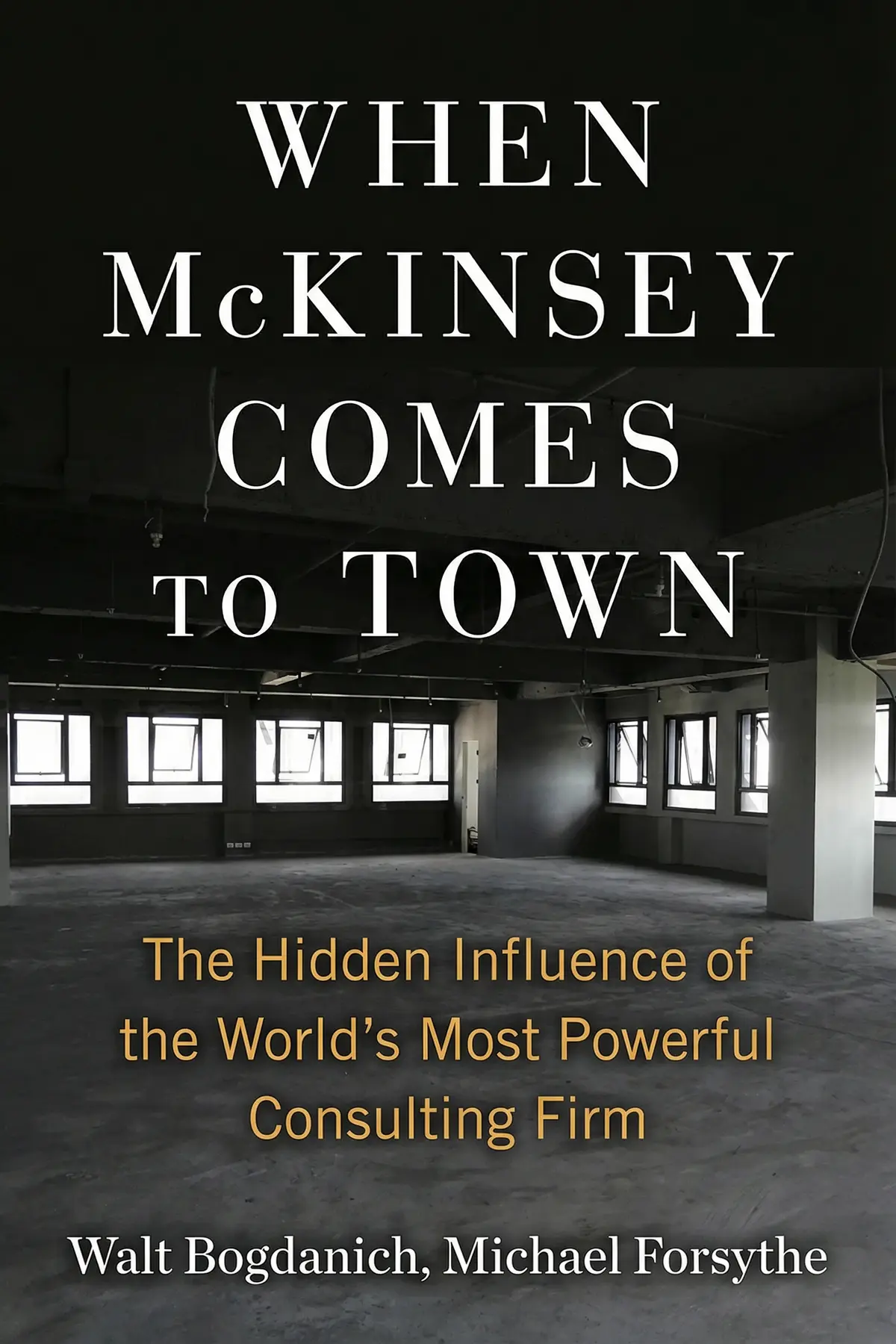
Examine the secretive operations of McKinsey & Company, uncovering how the world's most elite consulting firm has prioritizes corporate profit over public safety, ethics, and global stability across decades of influence.
1 min 32 sec
Imagine a room where the world’s most powerful decisions are made. In that room, you’ll find leaders of industry, heads of state, and military commanders. But standing right beside them, often whispering the most critical advice, is a consultant from McKinsey & Company. For a hundred years, this firm has been the ultimate whisperer to power, promising to bring efficiency, innovation, and a better way of doing business to every corner of the globe. Their reputation is one of absolute prestige, populated by the brightest minds from the world’s top universities.
But there is a darker side to this story that rarely makes it into the glossy brochures or the high-level strategy memos. When McKinsey comes to town, the outcome isn’t always the shining success story the firm promises. Instead, their presence often coincides with a specific kind of fallout: workers losing their jobs, safety standards being eroded, and public interests being sacrificed at the altar of the bottom line.
In this exploration, we are going to look behind the curtain of one of the world’s most secretive organizations. We will see how their advice has touched almost every major sector of our lives, from the medicine we take to the governments that rule us. We’ll uncover the throughline of their influence—a relentless focus on profit that often ignores the human cost. What happens when the world’s most influential firm prioritizes the interests of the elite over the safety of the many? It’s time to find out what really happens when the consultants arrive.
2 min 18 sec
Explore the standard formula the firm applies to almost every client, where the pursuit of efficiency often leads to tragic real-world consequences.
2 min 14 sec
Discover how the firm attracts the best and brightest graduates only to pull them into a culture where profits often eclipse personal values.
2 min 20 sec
Uncover the firm’s deep and often conflicted ties to government agencies, where they influence public policy while serving private interests.
2 min 01 sec
Trace the firm’s history of advising industries that produce harmful products, from the height of Big Tobacco to the modern opioid epidemic.
2 min 06 sec
Learn about the firm’s role in promoting the risky financial practices that eventually led to the 2008 global economic collapse.
2 min 11 sec
Examine how the firm’s global expansion has led it to partner with repressive regimes, often helping to professionalize corruption and dissent.
2 min 06 sec
Investigate the disconnect between the firm’s public stance on climate change and its lucrative work for the world’s largest polluters.
1 min 44 sec
The story of McKinsey & Company is one of brilliance and influence, but it is also a cautionary tale about the dangers of expertise without an ethical compass. For a century, the firm has operated in the shadows, shaping our world through a lens of ‘efficiency’ that often leaves no room for human safety or social equity. From the opioid crisis to the 2008 financial crash, and from the erosion of worker rights to the bolstering of autocrats, the firm’s fingerprints are on some of the most challenging events of our time.
What we’ve seen is a consistent pattern: the firm prioritizes its prestigious image and its massive fees above the consequences of its advice. They have built a culture that attracts the best and brightest, only to teach them that ‘problem-solving’ is a neutral act, detached from morality. But as the victims of their cost-cutting measures and the citizens of the countries they’ve helped destabilize can attest, there is nothing neutral about the impact McKinsey has when it comes to town.
The ultimate takeaway is the need for transparency. As long as the world’s most powerful consulting firm can hide behind confidentiality agreements and a lack of public accountability, they will continue to serve the interests of the elite at the expense of the many. True efficiency should mean more than just higher stock prices and bigger CEO bonuses; it should mean a world that is safer, more stable, and more just for everyone. Until McKinsey aligns its actions with its lofty rhetoric, its legacy will remain one of hidden influence and avoidable disaster. We must look closer at the ‘experts’ we allow to design our future, because the cost of their advice is often far higher than the fees they charge.
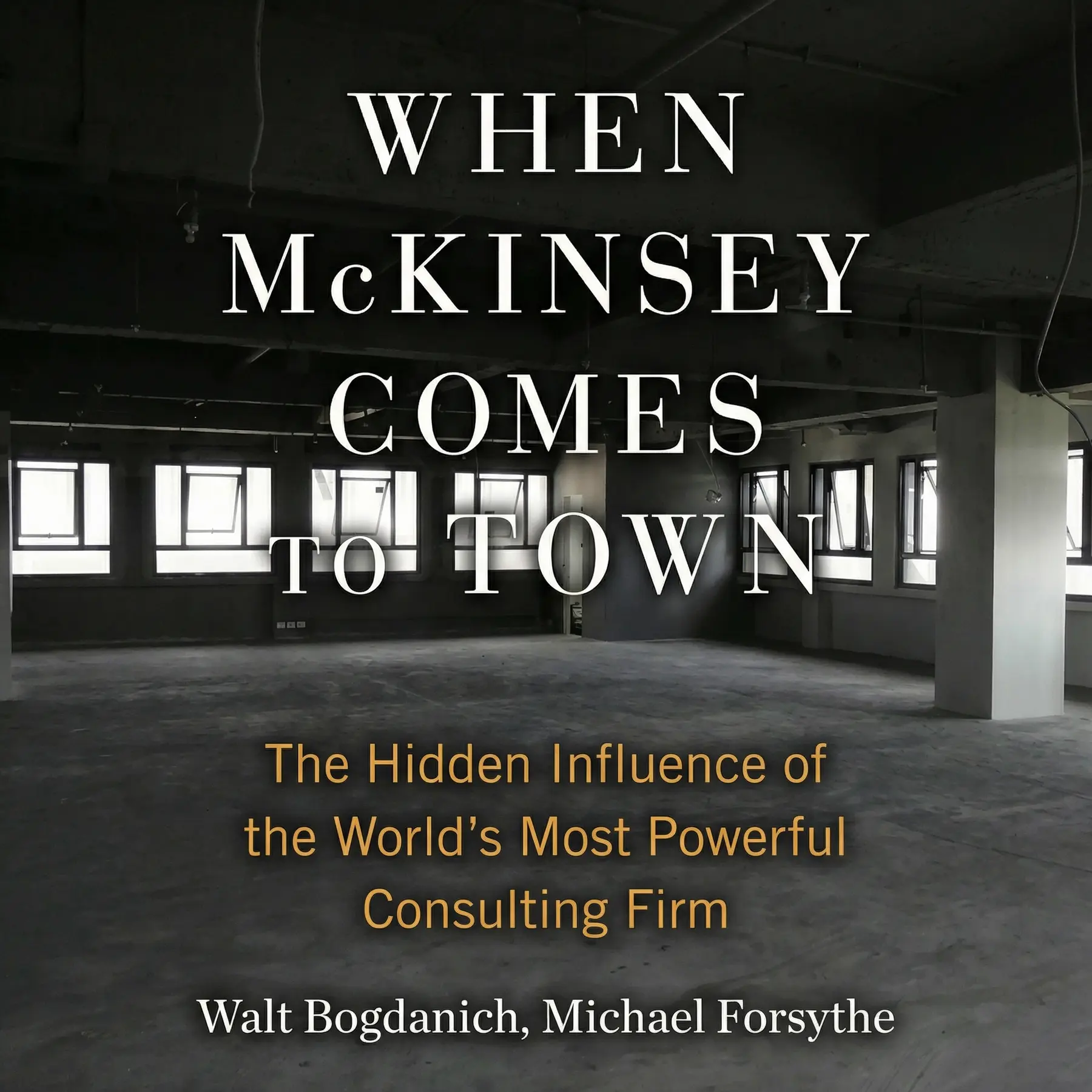
For nearly a century, McKinsey & Company has held a position of unparalleled influence in the global marketplace. From the boardrooms of the Fortune 500 to the inner sanctums of government agencies, its consultants are viewed as the gold standard of strategic thinking. However, as this investigation reveals, the firm’s advice often leaves a trail of devastation in its wake. The promise of the book is to peel back the layers of confidentiality that have long protected the firm from public scrutiny. It explores the systemic ways in which McKinsey’s formula—typically centered on extreme cost-cutting and efficiency—has exacerbated public health crises, fueled financial instability, and even bolstered authoritarian regimes. By following the money and the consequences of their high-level strategy, readers gain a sobering look at how the drive for profit can undermine the very societies these consultants claim to be improving. Ultimately, it is a study of power without accountability and the hidden hands that shape our modern world.
Walt Bogdanich and Michael Forsythe are investigative journalists renowned for their work at the New York Times and many other prestigious outlets. Bogdanich, a multiple Pulitzer Prize winner, has exposed issues ranging from corporate misconduct to rail safety. Forsythe, who won a Pulitzer Prize himself, gained acclaim for his groundbreaking reporting on the wealth of Chinese leadership families. Their joint effort, When McKinsey Comes to Town, was named Book of the Year 2022 by both the New York Times and the Times.
Listeners find this to be an engaging and superb read. Feedback on the writing style is divided, with some considering the prose well-crafted while others disagree. Furthermore, listeners offer conflicting opinions on the book's insights; some describe the research as exhaustive, whereas others feel differently. There is also disagreement regarding potential bias, with one listener specifically noting a clear left-leaning political perspective.
Wow, this was a disturbing journey through the dark heart of corporate greed. I was particularly floored by the chapter on Disney and how McKinsey’s cost-cutting recommendations allegedly compromised ride safety. It’s terrifying to think that a few PowerPoint slides could lead to such tragic real-world consequences. The book is exhaustively researched, and the authors' backgrounds in investigative journalism really shine through in the level of detail provided. Not gonna lie, I had to take breaks because the content is so infuriating. If you want to understand why the gap between executive pay and worker wages has exploded, this is the book for you. Absolutely essential reading for 2024.
Show moreAs someone who worked in a firm that hired 'The Firm,' this book rang incredibly true. The authors perfectly capture that specific brand of intellectual arrogance that allows consultants to ignore the moral context of their work. The chapter on the insurance industry and Allstate was particularly enlightening and confirmed many of my own suspicions about how claims are handled. It's a dense read, but the prose is sharp and the stakes feel incredibly high on every page. Personally, I think this should be mandatory reading for every MBA student. It exposes the hidden plumbing of global capitalism in a way few other books have managed to do.
Show moreNot what I expected at all, in the best way possible. I thought this would be a dry business history, but it plays out more like a high-stakes thriller. The way the authors managed to get around those NDAs to uncover the internal dissent within the firm is nothing short of brilliant. Seeing the contrast between their stated 'values' and their actual client list is breathtaking. From the tobacco industry to the opioid crisis, the pattern of 'profit at any cost' is undeniable. It’s a heavy read, but the short chapters help you digest the information. Truly a masterclass in investigative journalism that everyone needs to check out.
Show moreFinally got around to reading this expose, and while it's deeply researched, it leaves you feeling quite cynical. The authors do a fantastic job tracing the firm's influence through the opioid crisis and their work with ICE, showing a pattern of prioritizing efficiency over human lives. Frankly, the sheer scale of their reach is staggering. I appreciated the specific details regarding the Purdue Pharma situation, which remains the most damning evidence presented in these pages. However, the prose can be a bit dry at times, almost like reading a very long series of newspaper articles stapled together. It is an important read for anyone interested in how modern power works, even if the writing lacks a certain narrative flair.
Show moreAfter hearing about 'matrix management' for years, it was fascinating to see its origins and subsequent failures detailed so clearly. The book moves quickly through different industries, which keeps the momentum going even when the financial details get dense. I especially liked the sections on the Houston Astros and how data analytics can be used for both innovation and, potentially, unethical edges. My only gripe is that the middle section drags a bit with repetitive themes of cost-cutting. Still, the reporting on their work with authoritarian regimes is eye-opening and deeply concerning. It’s a solid, hard-hitting piece of work that definitely earns its place on a business school's 'what not to do' list.
Show moreThe chapter on executive compensation alone is worth the price of admission. It perfectly explains how we ended up in a 'race to the top' where CEOs earn hundreds of times more than their employees. I found the book's look at the NHS particularly depressing, as it shows how these efficiency models often fail when applied to public service. My only real criticism is that the tone can be a bit one-note in its outrage. However, when you’re talking about the stuff they’ve been involved in, a little outrage is probably justified. It’s a fascinating, if somewhat cynical, look at the world's most influential company.
Show moreEver wonder if the hype is actually worth it? After seeing this all over Twitter, I expected a groundbreaking insider look, but instead, I found a collection of stories most news junkies already know. To be fair, having all these scandals in one place—from tobacco marketing to the South African corruption cases—is useful for reference. But the analysis felt a bit thin. It often felt like the authors were stretching to blame McKinsey for systemic issues that would have happened regardless of which consultants were in the room. It’s a decent primer if you’re new to the topic, but it doesn't offer the 'smoking gun' I was hoping for.
Show moreTo be fair, the research here is obviously deep, but the structure felt disjointed. It starts strong with the human impact of McKinsey's advice, but then it transitions into long lists of executive names and compensation figures that lose the emotional core. I wish the authors had spent more time talking to the actual victims—the doctors, the railroad workers, or the patients affected by the NHS changes. Instead, we get a lot of focus on the lavish lifestyles of the partners. It’s an interesting read, but it lacks the cohesive 'big picture' narrative that someone like Patrick Radden Keefe might have brought to the table. Good, but not great.
Show morePicked this up because I wanted to understand the 'secret society' vibe surrounding the firm. While I learned a lot about their involvement in Saudi Arabia and China, the book often confuses 'providing advice' with 'making decisions.' It’s a bit of a stretch to say McKinsey is responsible for the 2008 financial crisis just because they produced some slides for the banks. The writing is pedestrian—standard newspaper style—which makes it a quick read but not a particularly memorable one. It’s a fine book for a flight, but don't expect a deep philosophical dive into the ethics of consulting. It’s mostly just a list of bad things that happened nearby McKinsey.
Show moreThe authors' backgrounds as NYT journalists are painfully obvious here, for better or worse. While the reporting is technically thorough, the book suffers from a clear partisan bias that undermines its credibility. Every problem in the modern world, from climate change to border security, is laid at the feet of this one firm with a tenuous chain of causation. It felt less like a rigorous business analysis and more like a progressive list of grievances. Truth is, companies hire consultants to do exactly what McKinsey does—optimize for profit. Blaming the consultant for the client's choices feels intellectually dishonest. I found it mostly unbearable to read due to the constant scapegoating and lack of nuance.
Show moreJessica Valenti
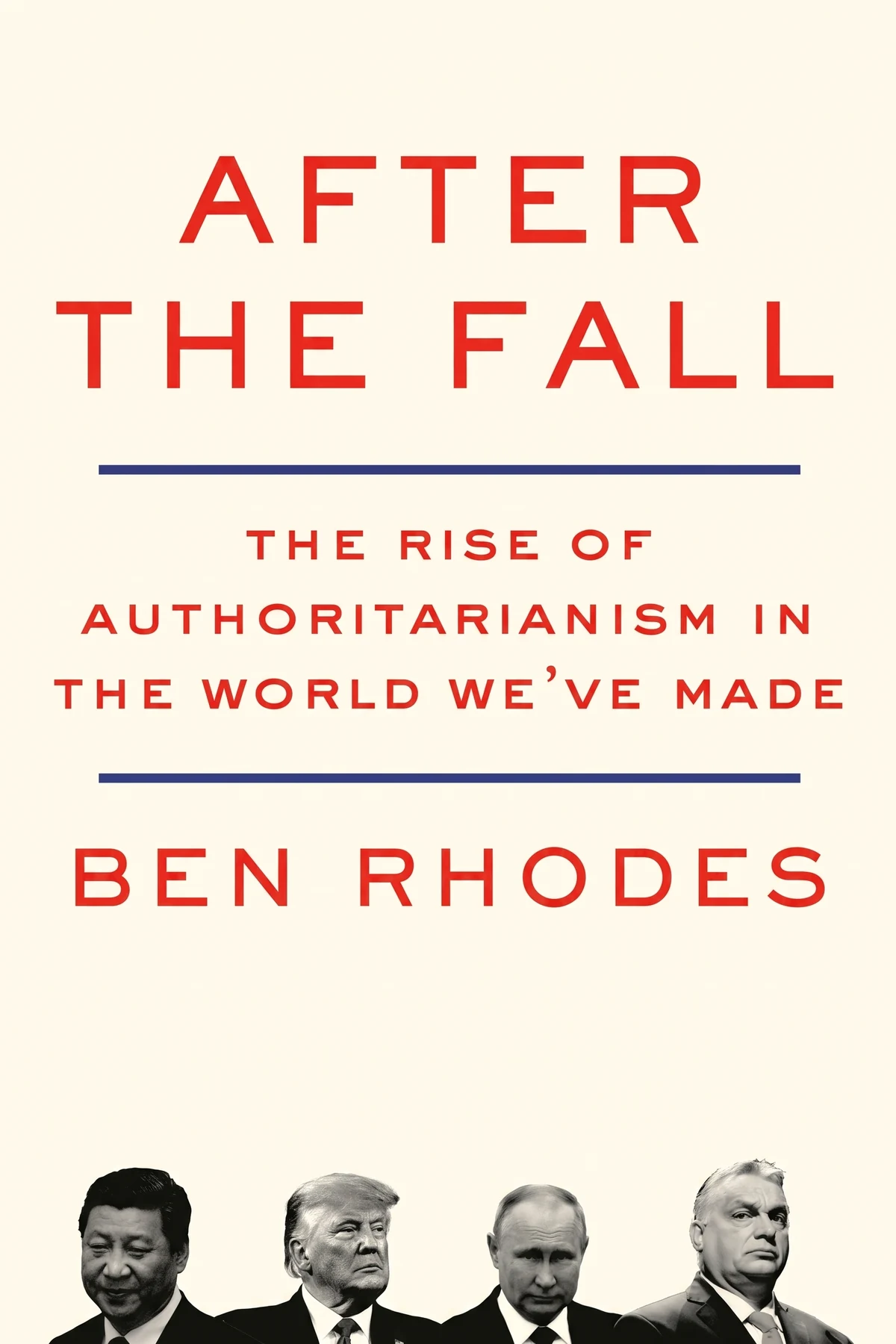
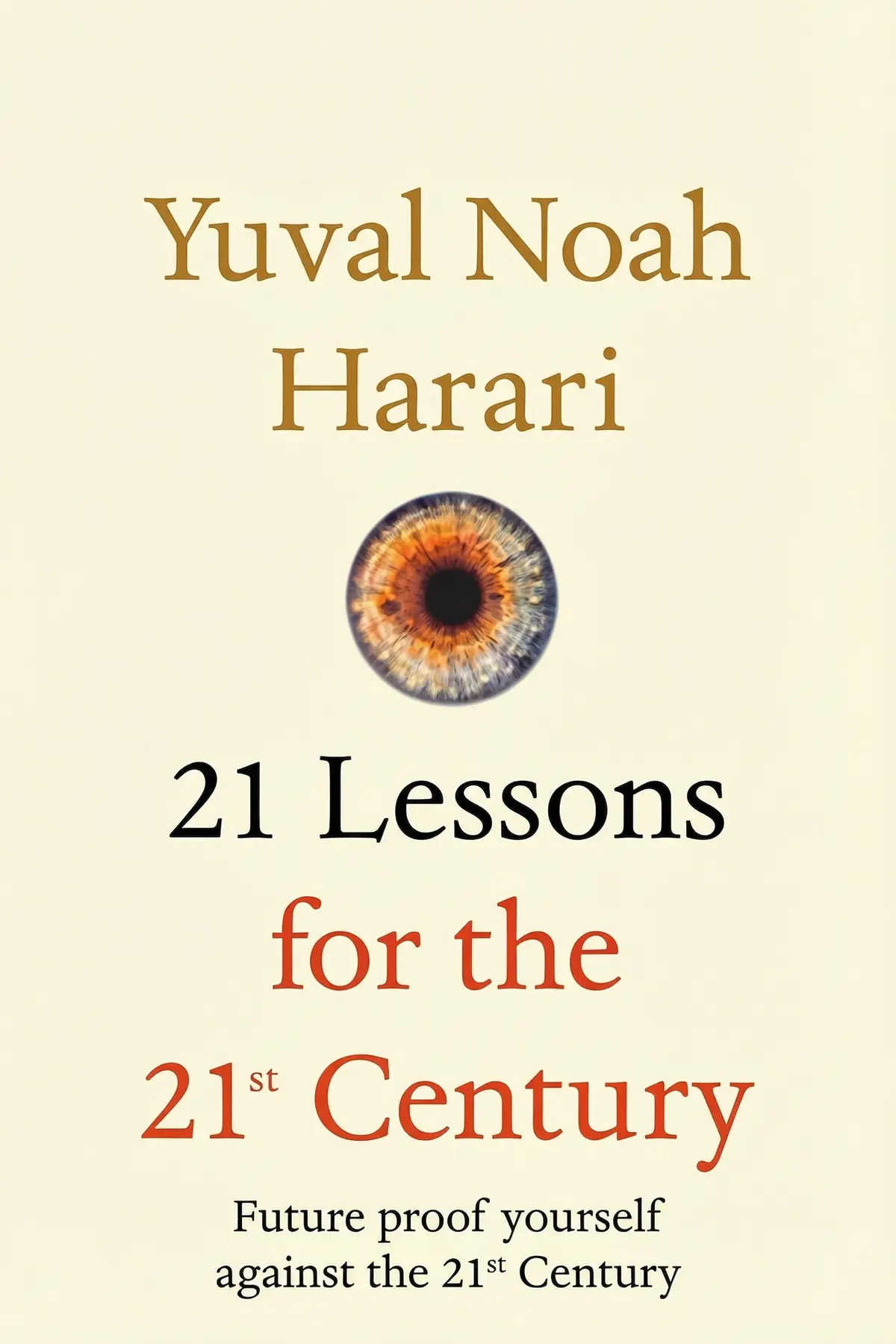
Yuval Noah Harari
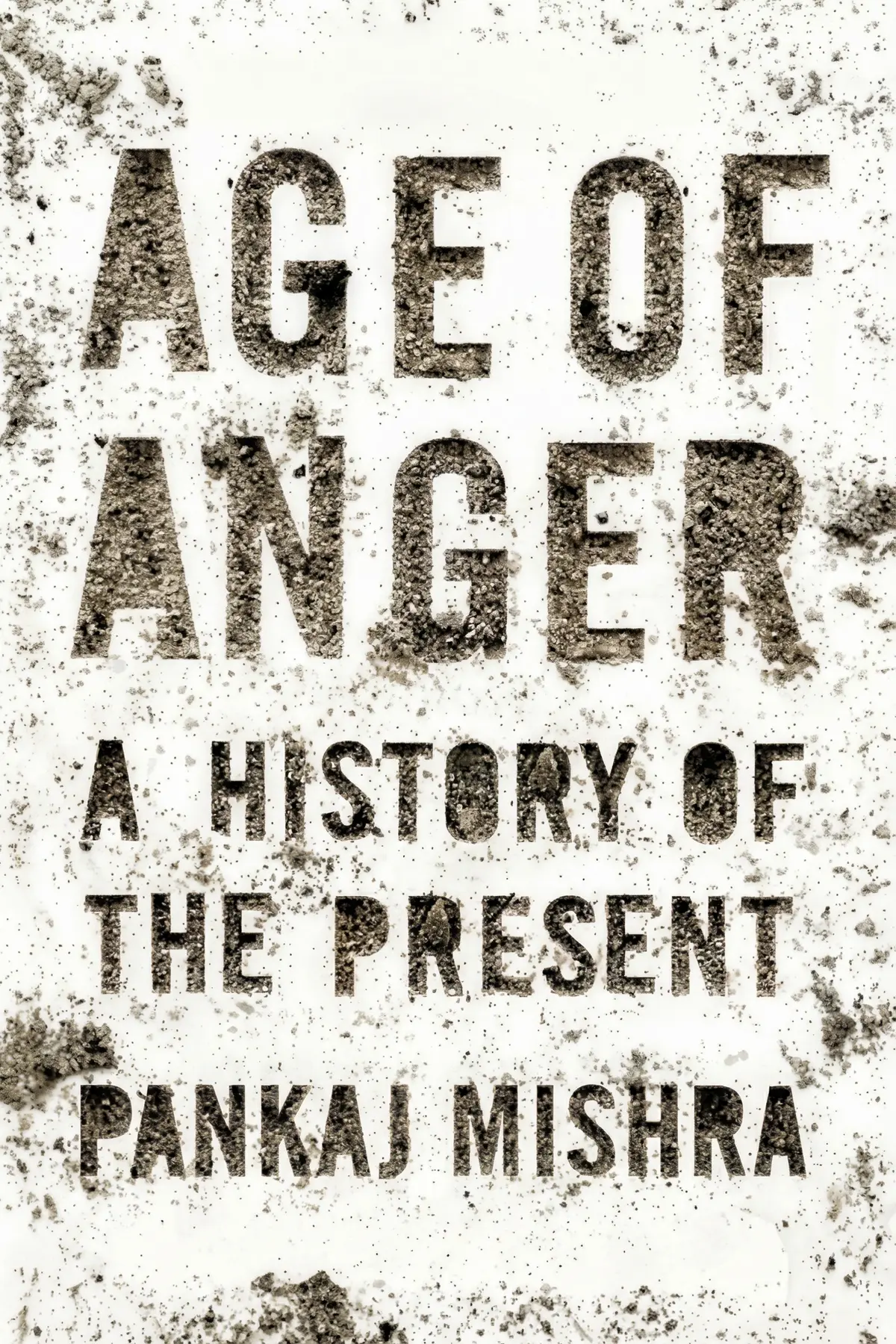
Pankaj Mishra
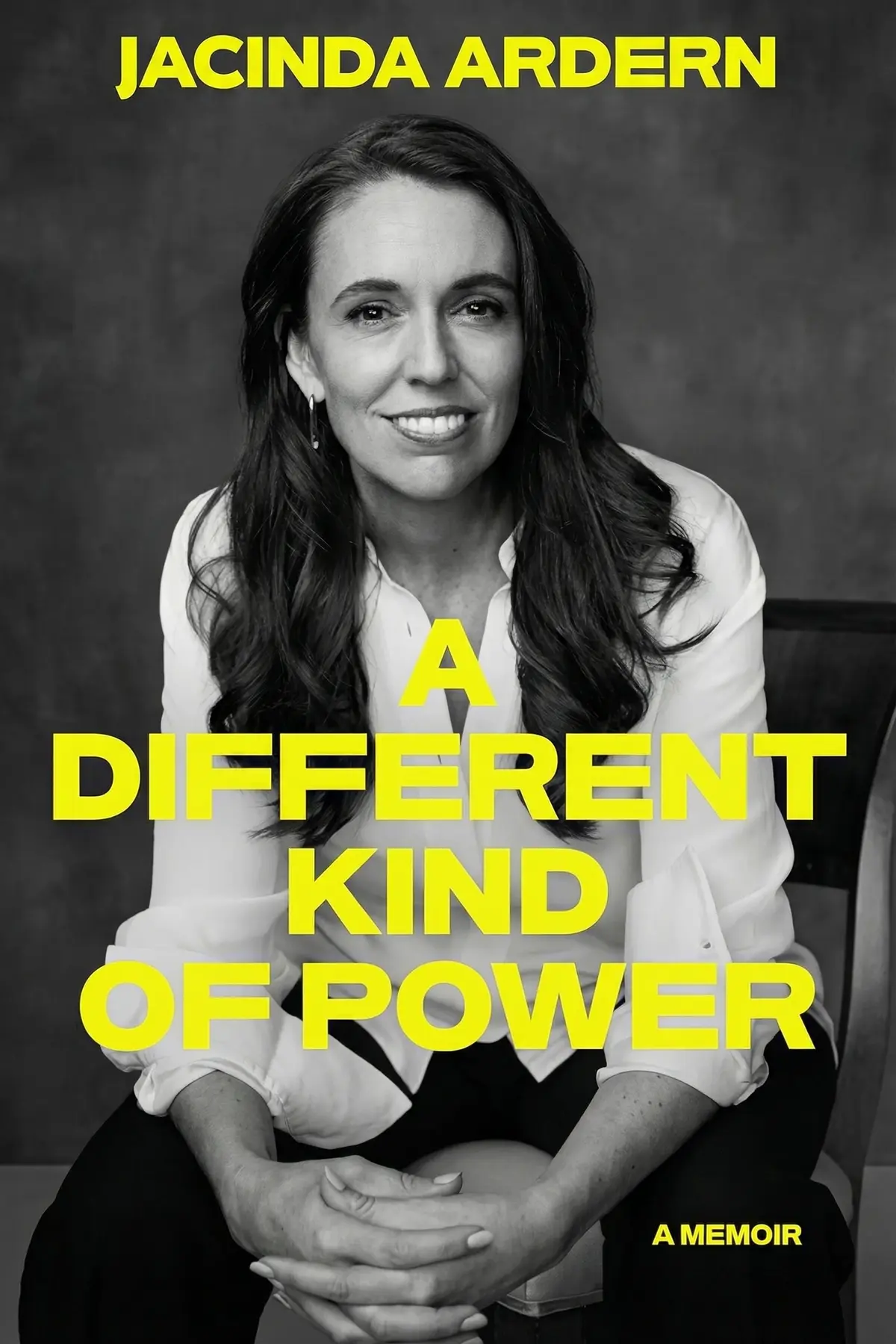
Jacinda Ardern
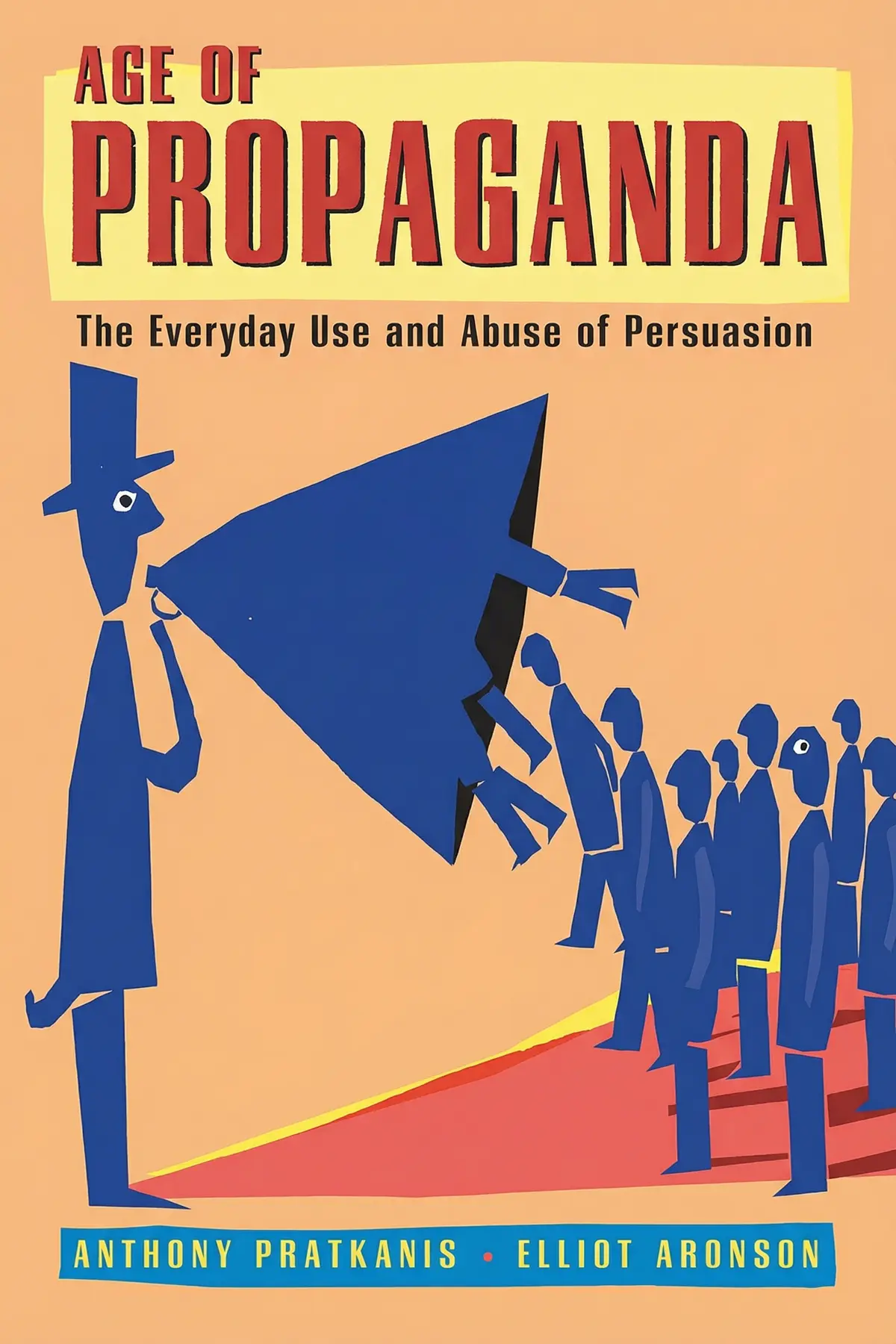
Anthony Pratkanis
James Comey
Andrew Ross Sorkin
AUDIO SUMMARY AVAILABLE
Get the key ideas from When McKinsey Comes to Town by Walt Bogdanich, plus 5,000+ more titles in English and Thai.







