
19 min 54 sec
Who Will Cry When You Die?: Life Lessons from the Monk Who Sold His Ferrari
By Robin Sharma
Discover a collection of practical life lessons designed to help you live with deeper purpose, reclaim your time, and build a lasting legacy that truly honors your unique human potential.
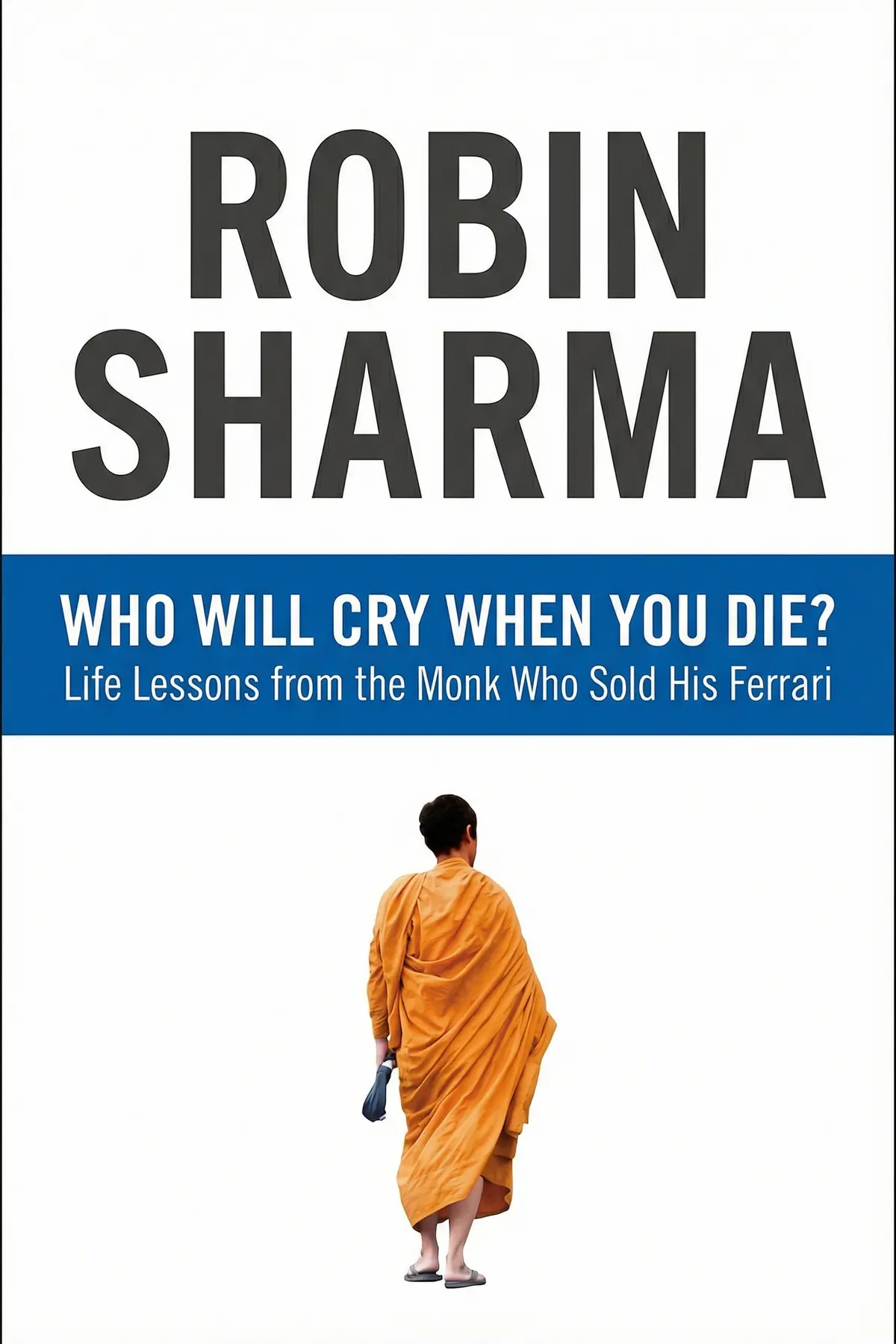
Table of Content
1. Introduction
1 min 38 sec
Imagine for a moment the very end of your story. When you are no longer here, what will people say about the way you lived? This isn’t meant to be a morbid thought; rather, it is the most powerful question you can ask to bring your current life into sharp focus. We often spend our days caught in a whirlwind of trivialities, rushing from one task to the next without ever stopping to consider the throughline of our existence. We are more connected than ever, yet many of us feel a profound sense of emptiness, wondering if our presence actually makes a difference to the world around us.
In this exploration of Robin Sharma’s insights, we are going to look at how to bridge the gap between where you are now and the person you truly want to become. The central theme here is a call to action: to live in such a way that your contribution is so significant and your character so warm that your eventual absence is deeply felt. This isn’t just about individual success or accumulating wealth; it’s about a holistic approach to self-improvement that radiates outward to your family, your neighbors, and your wider community.
Over the next few minutes, we will delve into a series of practical, everyday shifts you can make. We’ll talk about why the Romans were right about the connection between the body and the mind, how to transform your daily commute into a high-level learning experience, and the surprising math behind how exercise literally adds hours to your life. More importantly, we’ll see how maintaining a cosmic perspective can turn a bad day into a minor blip and how discipline, far from being a cage, is actually the key to your greatest freedom. It’s time to stop merely existing and start building a life that matters.
2. Cultivating a Cosmic Perspective
1 min 26 sec
How shifting your view from the tiny frustrations of daily life to the vastness of the universe can instantly lower your stress and increase your empathy for others.
3. The Freedom of Self-Discipline
1 min 20 sec
Discover why the hardest path often leads to the easiest life and how staying true to your commitments strengthens your most important relationships.
4. The Integrity of Your Word
1 min 18 sec
Explore the hidden cost of breaking small promises and how a commitment to total honesty can transform your reputation and your self-esteem.
5. Reframing Failure as a Teacher
1 min 23 sec
Why the most difficult experiences in your life often provide the most valuable lessons and how taking risks is better than playing it safe.
6. Mastering the Art of Focus
1 min 24 sec
Learn the secret of the world’s most successful people: simplifying your life to focus only on what is essential and meaningful.
7. The Power of the Strategic Break
1 min 21 sec
Why regular ‘sabbaticals’ are not a luxury but a necessity for maintaining your health, your creativity, and your relationships.
8. Reconnecting with Your Inner Child
1 min 20 sec
Discover how the unapologetic joy and curiosity of children can help you rediscover the fun in your own life and reduce the weight of adulthood.
9. The Science of Physical Vitality
1 min 10 sec
How simple physical habits can radically extend your lifespan and provide the mental clarity needed for personal transformation.
10. Valuing the Journey over the Destination
1 min 31 sec
Why focusing on the process of growth is more rewarding than the achievement of specific goals and how to celebrate the person you are becoming.
11. Mastering Time and Emotion
1 min 25 sec
Uncover the link between how you manage your schedule and how you manage your feelings, and learn techniques to stay calm under pressure.
12. Leveraging Nature and Dead Time
1 min 23 sec
How connecting with the natural world and using your commute for education can spark creativity and accelerate your personal growth.
13. Moving from Complaint to Contribution
1 min 20 sec
Learn to trade your grievances for proactive action and discover how developing specialized skills can make you indispensable to your community.
14. Conclusion
1 min 55 sec
As we reach the end of this journey, let’s return to that initial question: who will cry when you die? We have explored many different paths toward a life of meaning—from the vastness of a cosmic perspective to the tiny, daily discipline of physical exercise and honest communication. We’ve seen that a fulfilling life isn’t built through one or two massive events, but through the accumulation of small, intentional choices. It’s about how you treat the stranger in the elevator, how you spend your time on the train, and how you choose to view your failures.
The throughline of all these lessons is the idea of personal responsibility. You have the power to stop complaining and start contributing. You have the power to reclaim your joy by embracing your inner child and to protect your energy by prioritizing what is truly essential. But this transformation doesn’t happen by accident. It requires a commitment to self-awareness. One of the most effective ways to start this process is through journaling. By taking a few minutes each day to reflect on your actions, your successes, and your areas for growth, you become more conscious of the person you are becoming. This awareness is the necessary first step toward any lasting change.
Ultimately, living a life that matters is about becoming the best possible version of yourself—not for your own sake alone, but for the sake of everyone you touch. When you live with purpose, passion, and integrity, you create a ripple effect that extends far beyond your own life. You leave behind a legacy of kindness, wisdom, and service. So, starting today, choose to live in a way that honors your potential. Treat your time as the precious gift that it is, stay true to your word, and never stop learning. If you do these things, you won’t have to worry about your legacy. It will be written in the hearts of everyone who knew you, and your life will have been a masterpiece of contribution and joy.
About this book
What is this book about?
This summary explores a roadmap for personal transformation, focusing on the small but significant shifts in mindset and habit that lead to a fulfilling life. It addresses the common struggle of feeling overwhelmed by the fast pace of modern society and offers a counter-strategy based on intentionality and service. You will learn how to maintain a healthy perspective amidst daily frustrations, why self-discipline is the bedrock of freedom, and how to treat your time as a precious commodity. By focusing on everything from physical health to the power of restorative breaks, this guide promises to help you move from a life of mere existence to one of profound impact and joy.
Book Information
About the Author
Robin Sharma
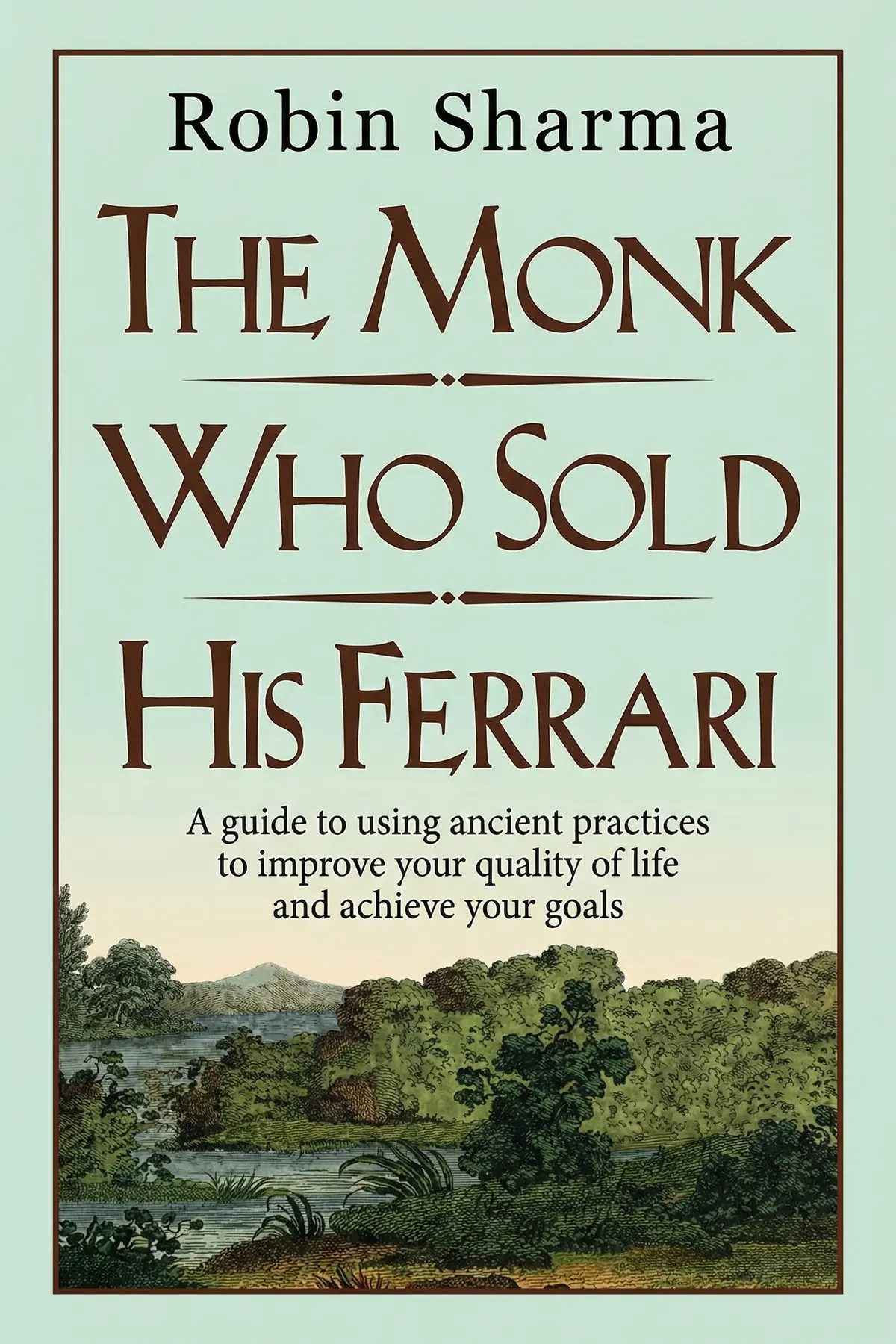
Robin Sharma is a best-selling author specializing in leadership and personal fulfillment. He has published eight books, most famously The Monk Who Sold His Ferrari, as well as The Greatness Guide. He is also a speaker and motivational coach who has worked with executives from international firms such as Microsoft, Nike, and FedEx.
Ratings & Reviews
Ratings at a glance
What people think
Listeners consider this an outstanding listen, featuring accessible and practical insights that guide people toward a more joyful existence. The writing is well-regarded, with one listener noting that the style carries a "powerful punch." Furthermore, listeners value the inclusion of many pertinent quotes and the author's overall excellence, with one listener specifically pointing out the significance of utilizing God-given talents.
Top reviews
Wichai
This book hits with considerable force in such a compact format. While some might find the 101 short chapters a bit overwhelming at first, the bite-sized nature of the lessons makes it incredibly easy to digest one per day. Sharma has a way of taking complex life philosophies and distilling them into practical wisdom that anyone can apply immediately. I particularly loved the focus on using our innate gifts to serve others, which felt much more grounded than your typical 'get rich' self-help manual. It isn't a deep narrative. Don't expect a story like his previous work. But as a manual for daily living, it excels. Some of the advice on productivity felt a bit dated, yet the core message about living with purpose remains timeless. It’s the kind of read you keep on your nightstand for those moments when you need a quick boost of perspective.
Show morePawinee
Ever wonder why we spend so much time on the mundane instead of focusing on our true purpose? This book asks that question on every page and provides 101 actionable answers that are both simple and profound. Sharma’s writing is exceptionally reader-friendly, making it a perfect choice for those who claim they don’t have time to read. I loved the emphasis on seeing every person who enters your life as a teacher with a unique story to tell. It’s a perspective that completely changes how you navigate a busy workday or a crowded commute. My only gripe is that it can feel a bit like a collection of social media posts rather than a cohesive book, but the quality of the insights is top-notch. It truly encourages you to use your natural-born abilities to leave a legacy, ensuring that your life isn't just a mechanical routine. A must-read for anyone looking to find more joy in the small things.
Show moreLuke
The chapter on loving your work really hit home because it emphasizes that fulfilment comes from how you think about your daily tasks. This book is incredibly reader-friendly and manages to communicate vital life lessons without being overly academic or dry. Sharma encourages us to die with fulfillment rather than regret, which is a powerful motivator for changing small habits today. I found his simple language to be an asset, as it makes the wisdom accessible to people from all walks of life. I’ll admit that some of the suggestions felt a little 'old school,' but the core values of integrity and hard work are never out of style. It’s the type of book that insists you stop worrying about who will cry at your funeral and start focusing on being happy now. Truly a powerful read for those who feel like they are just going through the motions.
Show moreNora
Picked this up after reading The Monk Who Sold His Ferrari and found it to be a more practical, bite-sized companion to Sharma’s earlier philosophy. Instead of a fictional narrative, we get a direct list of 101 ways to improve our lives, ranging from waking up early to practicing silence. Not gonna lie, some of the chapters feel like filler or are a bit repetitive if you’ve read a lot of motivational literature, but the overall impact is undeniably positive. The writing style is crisp. He doesn't waste words. I appreciate that in a world of 300-page books that could have been emails. It’s like a shot of espresso for the soul—quick, intense, and effective at getting you moving. I didn't agree with every single tip, especially the stuff about constant productivity, but the gems in here are worth the price of admission. It’s a solid guide for anyone feeling stuck in a mechanical routine.
Show moreGift
After hearing so much buzz about Robin Sharma, I finally dove into this collection of life reflections. The truth is, it’s like a mental bath—you need it regularly to stay fresh and motivated. Each chapter is only a couple of pages long, which is perfect for someone with a busy schedule who needs an impactful delivery of inspiration. I found the chapter on loving your work particularly insightful because it shifts the focus from the job title to the mindset behind the labor. While some of the advice feels very rooted in a specific cultural context that might seem obvious to some, the global appeal is clear. It’s about slowing down and making sure you aren't just busy, but actually productive in ways that matter. I did find a few sections a bit repetitive, as if the author was trying to hit a specific chapter count. Regardless, it remains a great resource for personal growth.
Show moreSaranya
Finally got around to finishing this, and I can say it really helped me reframe my mindset during a particularly rough patch. There’s something about Sharma’s voice that is incredibly comforting yet firm, like a mentor nudging you to do better. He doesn't sugarcoat the fact that a fulfilling life requires discipline and the willingness to make hard decisions. The structure of the book, with its 100+ tiny chapters, allowed me to pick it up whenever I had five minutes to spare. Personally, I think the advice on optimizing your commute was a bit much—sometimes we just need to be bored!—but the rest of the tips are gold. It’s a very practical guide that focuses on the 'how' of living well rather than just the 'why.' If you’re having a bad day, just opening to a random page can give you the push you need to keep going. It’s not a masterpiece of literature, but it’s an effective tool.
Show moreEvelyn
Honestly, I was skeptical about another self-help book, but Robin Sharma’s writing has a way of cutting through the noise. Unlike some authors who hide behind jargon, he uses straightforward anecdotes and practical tips that feel immediately applicable. I've been trying to incorporate at least five of these chapters into my daily routine, and the difference in my stress levels is noticeable. The book is essentially a collection of 101 wisdoms that remind us to use our inherent potential rather than letting it go to waste. To be fair, if you’ve read 'The Monk Who Sold His Ferrari,' some of this will feel like a retread of the same ground. However, the format here is much more 'get to the point,' which I prefer for daily motivation. It’s an excellent read for anyone who needs a reminder to prioritize their well-being in a mechanical world. I’d recommend it to anyone looking for a quick, impactful boost.
Show moreRodrigo
To be fair, much of what Robin Sharma shares here feels like intuitive logic packaged in a very accessible way. If you are already a student of philosophy or a heavy reader of the genre, you might find the 'lessons' a bit too basic or even obvious. However, the beauty lies in the simplicity and the way he uses powerful quotes to anchor each short chapter. It’s not a book you read once; it’s more of a checklist for a fulfilling life that you glance at when you’ve lost your way. I found the tone a bit preachy at times, and the frequent references to his own success can be a bit grating for some readers. But frankly, the reminder to 'eat the frog' and focus on the things that truly matter is something we all need to hear periodically. It’s a good entry-level book for those who have a hectic lifestyle and need a quick reset without getting bogged down in dense theory.
Show moreKoi
Look, if you’re searching for a complex philosophical treatise on the meaning of mortality, this isn't it. This is punchy, down-to-earth advice designed for the modern world where everyone is too busy to breathe. The chapters are built around great quotations, which I found to be a nice touch, even if the writing sometimes felt like it was just filler for those quotes. I appreciated the reminder to stop complaining and start living, especially the 'eat the frog' concept which has actually helped my morning productivity. Some might say it’s a bit too simple, but isn't that the point? We often overcomplicate our problems, and Sharma strips them back to the basics of human virtue and kindness. I gave it three stars because while it's helpful, it does feel a bit repetitive by the time you reach the halfway mark. It’s a good book to keep in your bag for quick bursts of motivation.
Show moreErn
Not what I expected, as it felt less like a cohesive book and more like a long, repetitive checklist of things I already knew. Perhaps it is because I grew up in a culture where these values are taught from childhood, but I found many of the 'revelations' to be incredibly basic. It’s the kind of book that gives you a quick emotional high, like a beer, but then the effect fades once you face real-world complexities. Sharma’s writing is simple. That's a plus. But I was hoping for something more thought-provoking or philosophically deep. Instead, it’s a lot of 'stop complaining' and 'be kind,' which is great advice but hardly revolutionary. I also felt like the author spent a bit too much time referencing the success of his previous work, which felt a little self-indulgent. It’s a fine read if you’ve never touched a self-help book before, but seasoned readers might find it shallow.
Show moreReaders also enjoyed
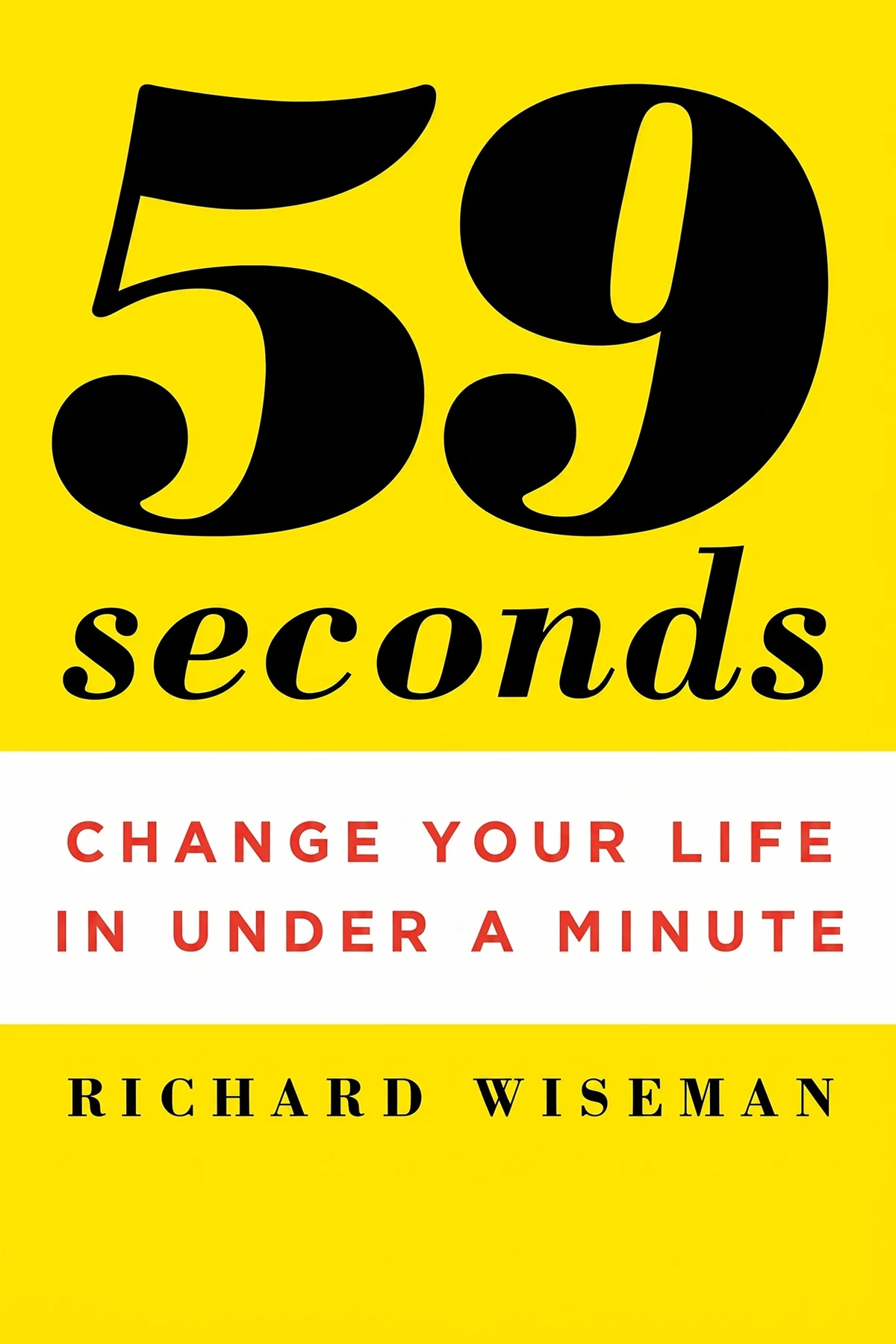
59 Seconds: Change Your Life in Under a Minute
Richard Wiseman
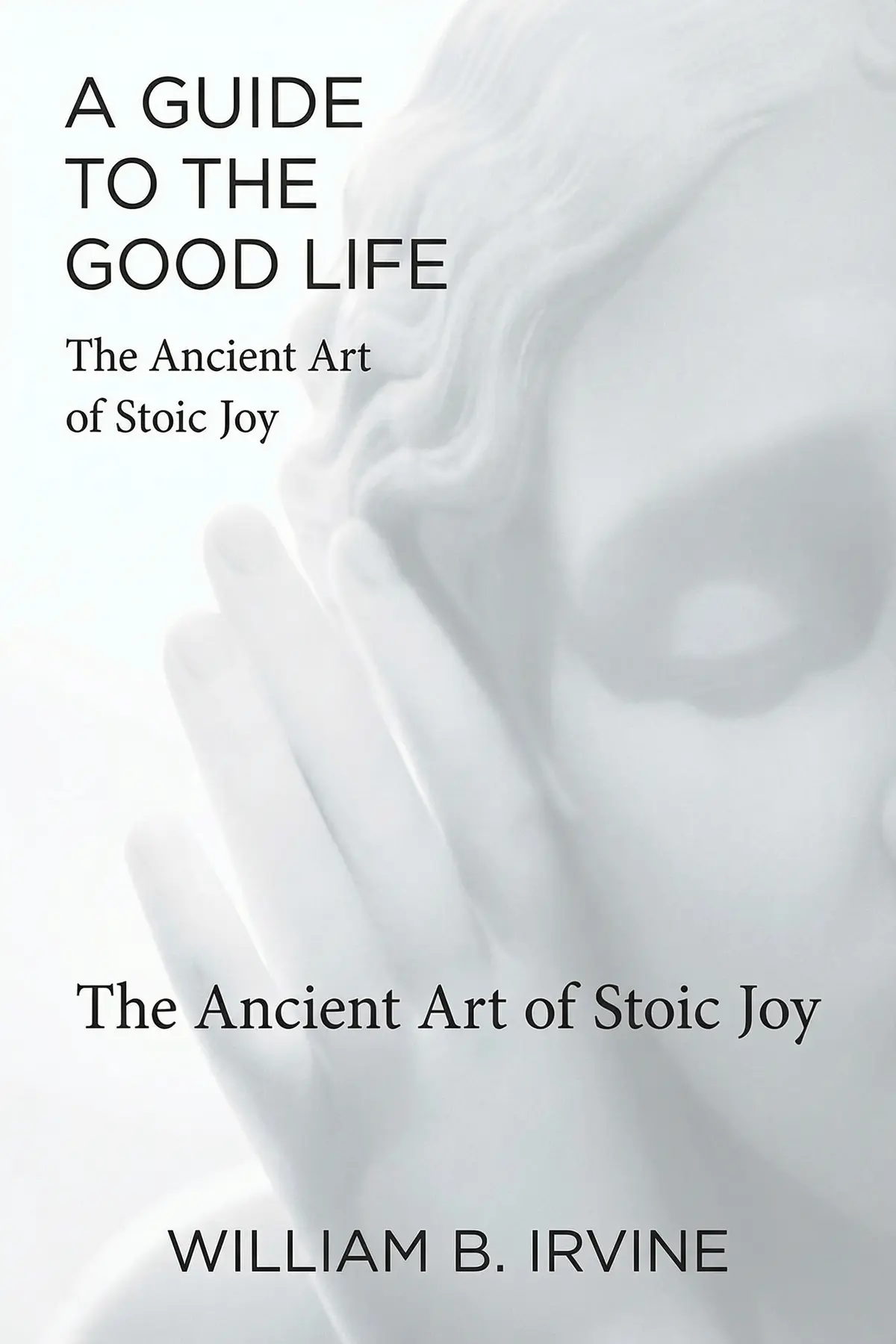
A Guide to the Good Life: The Ancient Art of Stoic Joy
William B. Irvine
A High-Performing Mind: Strengthen Your Mind and Live Your Best Life
Andrew D. Thompson
Abundance: The Inner Path to Wealth
Deepak Chopra
AUDIO SUMMARY AVAILABLE
Listen to Who Will Cry When You Die? in 15 minutes
Get the key ideas from Who Will Cry When You Die? by Robin Sharma, plus 5,000+ more titles in English and Thai.
- 5,000+ titles
- Listen as much as you want
- 7-day free trial
- Cancel anytime







