
20 min 09 sec
Why Don’t We Learn from History?
A profound examination of the recurring patterns of human history, arguing that objective study of past failures and hidden influences is essential for strategic planning and global stability.
Table of Content
1. Introduction
1 min 45 sec
Have you ever looked at the state of the world and felt a nagging sense of déjà vu? It is as if humanity is reading from an old script, making the same choices and falling into the same traps century after century. Over two millennia ago, the historian Polybius suggested that the ultimate shortcut to success and safety was to remember the failures of those who came before us. He believed that by looking at the catastrophes of others, we could navigate our own path without paying the same heavy price. Yet, here we are in the modern age, still wrestling with the same questions of power, conflict, and governance.
The central puzzle we are exploring today is why we find it so difficult to actually learn from what has already happened. Why do the lessons of the past seem to evaporate when they are needed most? To answer this, we need to dive into the work of B. H. Liddell Hart, a man who spent his life analyzing military strategy and the deep currents of human history. He suggests that our failure to learn isn’t just about a lack of information; it’s about how we interpret—and often misinterpret—the historical record.
In the following segments, we will pull back the curtain on how history is written and how it is often manipulated by those in power. We will look at why official records can be more misleading than helpful, and how private, behind-the-scenes deals often move the world more than public debates ever do. We will also examine the predictable rise and fall of dictators and the deep-seated human flaws that turn minor disputes into global catastrophes. By the end, we will have a clearer picture of how a scientific, dispassionate approach to the past can offer us a more stable and peaceful future. It is not just about memorizing dates; it is about developing a strategic mindset that recognizes the patterns of human behavior before they lead to disaster.
2. The Strategic Value of Historical Wisdom
2 min 46 sec
Discover how legendary leaders like Bismarck used the past to achieve the impossible, proving that studying the experiences of others is faster than learning the hard way.
3. Uncovering the Truth Behind the Narrative
2 min 53 sec
Official history is often a blend of fact and fiction. Learn why a scientific approach is required to peel back the layers of propaganda and see the reality of the past.
4. The Power of the Unseen Influencers
2 min 41 sec
While parliaments debate, the real decisions often happen in private rooms. Explore the hidden forces and social connections that truly drive national destinies.
5. The Predictable Mechanics of Tyranny
2 min 49 sec
History shows that dictators follow a specific playbook to seize power, but their regimes carry the seeds of their own destruction. Learn the signs of this repeating cycle.
6. Human Folly as the Root of Global Conflict
2 min 46 sec
War is rarely just about economics or land. Delve into the pride, vanity, and ego of historical leaders that turned manageable disputes into world-shattering disasters.
7. Timeless Principles for a More Peaceful Future
2 min 48 sec
Can we ever truly end war? Explore the ancient wisdom of Sun Tzu and the importance of moderation in conflict to prevent the total destruction of civilization.
8. Conclusion
1 min 41 sec
As we look back at the insights of B. H. Liddell Hart, a clear throughline emerges: history is not a burden to be carried, but a map to be read. We fail to learn from the past not because the lessons are hidden, but because we are often too distracted by our own egos, our modern prejudices, and the polished myths that institutions create to protect themselves. To truly break the cycle of repeating historical errors, we must cultivate a mindset that is both scientific in its pursuit of truth and strategic in its application of wisdom.
We have seen that studying history provides a perspective that personal experience simply cannot match. It allows us to see the ‘behind-the-scenes’ reality of power and to recognize the predictable patterns of tyranny before they take root. We have also seen how the personal failings of leaders—their pride and their vanity—can turn manageable diplomatic disputes into world-shattering catastrophes. Most importantly, we have explored the idea that while war may be a recurring part of the human story, we have the tools to limit its reach and protect the core of our civilization.
The takeaway is this: do not take the ‘official’ version of events at face value. Be a detective of the past. Question the motives of those who present simple solutions to complex problems, and remember that real strength comes from internal stability and moderation, not from aggressive posturing. By applying a cold, clear-eyed analysis to the triumphs and failures of those who came before us, we can begin to build a future that is informed by history rather than condemned to repeat it. The wisdom of the ages is available to us; our only task is to be brave enough to look at it honestly.
About this book
What is this book about?
This summary explores the philosophy of B. H. Liddell Hart regarding the utility of historical study. It posits that history is not merely a collection of dates but a repository of human experience that, if viewed objectively, provides a blueprint for avoiding repetitive catastrophes. The text delves into why official records are often unreliable, the significant impact of behind-the-scenes political maneuvering, and the cyclical nature of authoritarian regimes. Furthermore, it addresses the moral failings that lead to global conflicts and offers timeless strategic principles to mitigate the horrors of war. The promise of this work is a more nuanced, scientific way of viewing the past to better navigate the complexities of the present and future. By analyzing the successes and follies of historical figures, listeners can gain a strategic perspective on contemporary challenges.
Book Information
About the Author
B. H. Liddell Hart
B. H. Liddell Hart was a British soldier, historian, and acclaimed theoretician in the field of military strategy. His many works include Scipio Africanus: Greater Than Napoleon, The Revolution in Warfare, and The Other Side of the Hill. Germany's Generals. Their Rise and Fall, with their own Account of Military Events 1939–1945.
Ratings & Reviews
Ratings at a glance
What people think
Listeners find this book remarkably insightful, with one listener noting its wisdom across multiple disciplines and praising the author's historian perspective. Furthermore, the writing is accessible and can be finished in a mere two hours, which they feel is time well spent. They prize its honesty and complex style, with one listener highlighting the realistic way it critiques human nature. Additionally, the author's background in military affairs earns positive remarks from the audience.
Top reviews
Somsri
The wisdom packed into these 95 pages is genuinely startling given when it was originally published. Hart argues that the history of war is the most vital subject because it dictates the survival of civilizations. This isn't just dry academic prose; it’s an intricate look at why we fail to apply past lessons to current crises. I was struck by how he predicted the strategies modern dictators use to maintain power. Many of the things he mentions are currently coming to fruition in our modern political climate. The book is incredibly easy to read and takes only a couple of hours to complete. Truthfully, it’s well worth the time investment for anyone interested in why humanity stays stuck in cycles. His military background gives him a grounded, realistic edge that most philosophers lack.
Show moreAroha
Few historians capture the grim reality of human nature quite like Liddell Hart does in this brief essay. He insists that the study of war is essential because our world would be unrecognizable if certain battles had gone differently. It isn't an easy read emotionally, but what I understood, I absolutely loved. Even though this was written decades ago, you can see his warnings about dictators coming to life. His military background provides a level of truthfulness that is missing from many academic texts. The book is tiny, but the weight of the ideas is massive. Personally, I think it should be required reading in universities today. It’s an unvarnished look at the repetitive cycles of human conflict that we can't seem to break. Highly recommended for anyone wanting a reality check.
Show moreEleanor
What a powerful, unvarnished look at the repetitive cycles of human conflict and the fragility of liberty. I started this because I enjoy books about war, but I found so much more here. Hart discusses how world government could lead to global peace while admitting it has no practical chance of happening soon. This difference of opinion compared to other political theorists helped me see all sides of the argument. His writing is intricate and requires your full attention despite the book's short length. I loved the examples he gave regarding the loss of freedom during WWII. It's a cross-discipline masterpiece that covers history, psychology, and political science. It’s a five-star read for the first 90 pages alone. I will definitely be revisiting this one in the future.
Show morePraepimon
Picked this up after seeing it on a military history reading list last month. While Hart is primarily known for his work on strategy, his insights here bleed into politics and psychology. It is a short read that demands a lot of your cognitive effort. I particularly appreciated his take on how we ignore historical truth for the sake of national myths. The writing is intricate but surprisingly accessible for such an old text. Gotta say, his critique of human nature feels even more relevant today than when he wrote it during the chaos of WWII. It isn't a long book, coming in under 100 pages, but every chapter hits hard. Some of his points about dictators and the loyalty of the masses are chilling. You can finish this in two hours, yet you'll think about it for months.
Show moreRyan
After hearing Ryan Holiday mention this in a course, I finally decided to give it a go. It was surprisingly handy timing since I had just finished reading about global politics. Hart makes a compelling case for why world government might be the only path to peace, even if he remains skeptical of its success. I love how he challenges the idea that personal experience is the best teacher. In his view, history provides a much wider data set that we foolishly ignore. The book is short as feck, but it doesn't lack depth. I did find the 2016 parallels quite haunting while reading this recently. We definitely need a refresher on the truths Hart set out to teach us about power. Some sections are a bit odd, but 85% of it is pure gold.
Show moreTim
You can easily knock this out in a single afternoon, but the ideas will stick with you for weeks. Hart writes with the precision of a military man but the soul of a concerned historian. I found the section on the growth of regimentation in Britain particularly fascinating given the wartime context. It’s a very intricate writing style that manages to be both dense and fast-paced. One minor gripe is that he can be a bit repetitive regarding his disdain for the average person's intellect. Despite that, his cross-discipline wisdom is something you don't see in many modern history books. He doesn't pull any punches when describing how we conflate emotional resonance with actual critical thinking. It is a realistic, if slightly dark, critique of our species. Definitely a must-read for history buffs.
Show moreGift
Ever wonder why we seem doomed to repeat the same geopolitical blunders every century? Hart attempts to answer this by looking at our inherent proclivity to ignore inconvenient truths. He writes from a perspective that feels very grounded in the harsh realities of the mid-20th century. Not gonna lie, some parts of this book are a bit of a moan, but the core message is vital. He warns us about the growth of regimentation and how easily people give up their liberty to dictators. The book is only about 95 pages, so it’s a very low time commitment for a high intellectual reward. While he can be cynical, his analysis of human nature is incredibly realistic. It’s a solid 4-star book that feels particularly relevant after the events of the last few years.
Show moreMatteo
Is it just me, or does Hart come across as a bit of a grouch in these pages? The title poses a question, but the author basically answers it by saying 'because people are idiots.' Look, I agree with his dismay regarding the loss of liberty and the rise of regimentation in Britain. However, I didn't really enjoy the cynical, polemical tone that permeates the second half of the essay. To be fair, his perspective is unique and reminds me of the moral weight found in the works of Lewis or Tolkien. He provides excellent examples of historical blunders that are hard to argue with. I just wish the reasoning felt less like a moan of despair. It is a decent read, but it leaves you feeling quite pessimistic about our collective future.
Show moreLuke
To be fair, Hart makes some excellent points about how we prioritize our own experiences over the data of the past. I’ve always found the adage 'learn from history' to be a bit dubious and Hart doesn't quite clear that up for me. Is history really repeating itself, or are we just hardwired for violence when resources get tight? He argues that we must be wary of overweighting historical stories, which I agree with. However, the book feels like a bit of a cynical polemic at times. The first 85% is a strong four-star read, but it starts to drift toward the end. I appreciate the different angle he takes, which feels very similar to the mid-century inklings. It’s a 3.5-star book for me. I might need a second read to fully grasp his nuances.
Show moreChokdee
Frankly, I found the second half of this slim volume to be a total slog compared to the promising start. The first 50% or so is a fantastic exploration of historical patterns and military mistakes. Then, it begins to ramble about world federation and global government in a way that feels dated and naive. Hart spends a lot of time complaining about the lack of critical thinking in others while sounding quite elitist himself. He seems to think the only reason we don't learn is that people are inherently foolish. This is a gross simplification of a very complex sociological problem. I appreciate the historical examples he provided, but the reasoning felt mediocre at best. It's a very short book, but I still felt like I was wasting my time by the end. Not for me.
Show moreReaders also enjoyed
A Year in the Life of William Shakespeare: 1599
James Shapiro
A Warning
Miles Taylor
Agent Sonya: The Spy Next Door
Ben Macintyre
1491: New Revelations of the Americas Before Columbus
Charles C. Mann
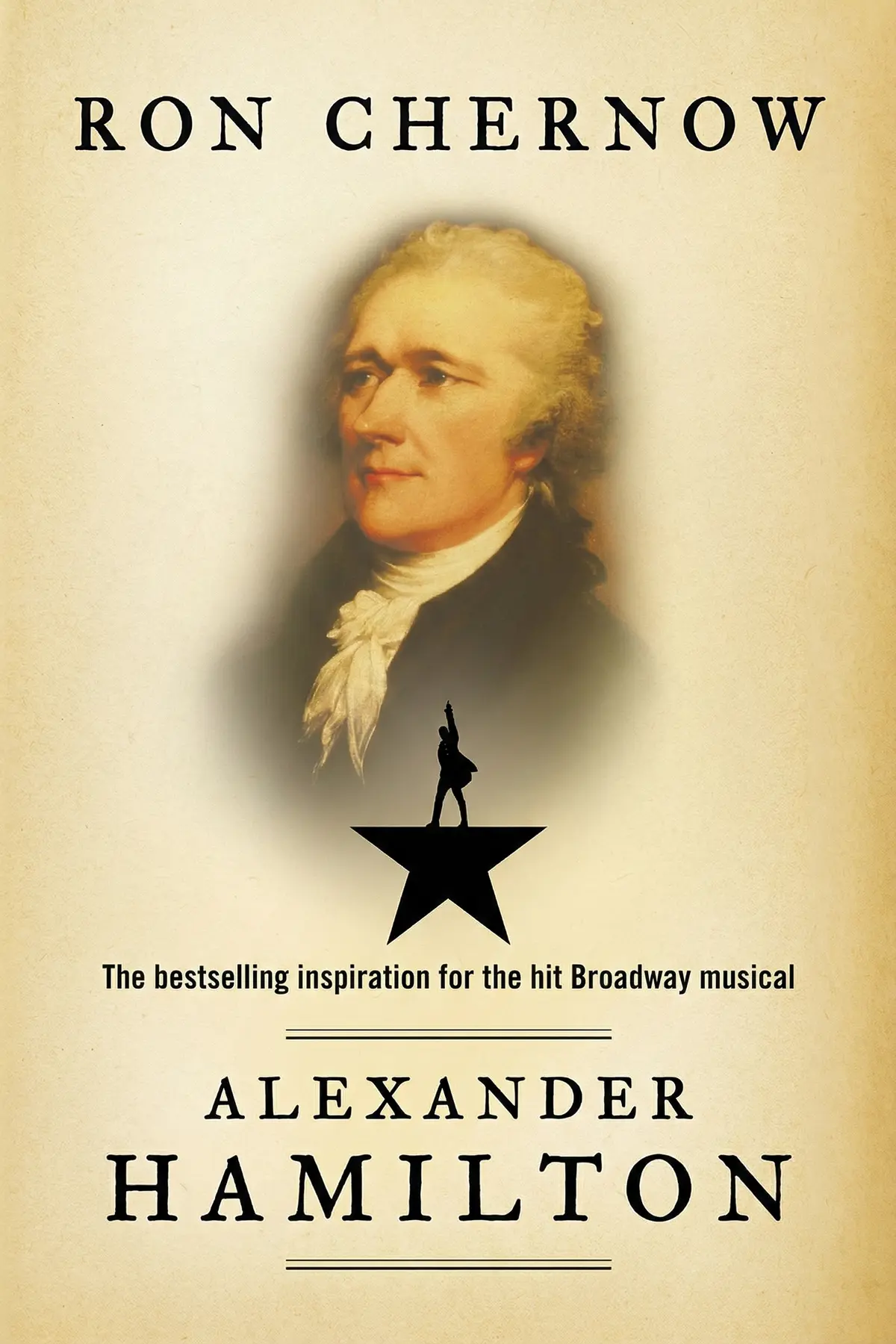
Alexander Hamilton
Ron Chernow
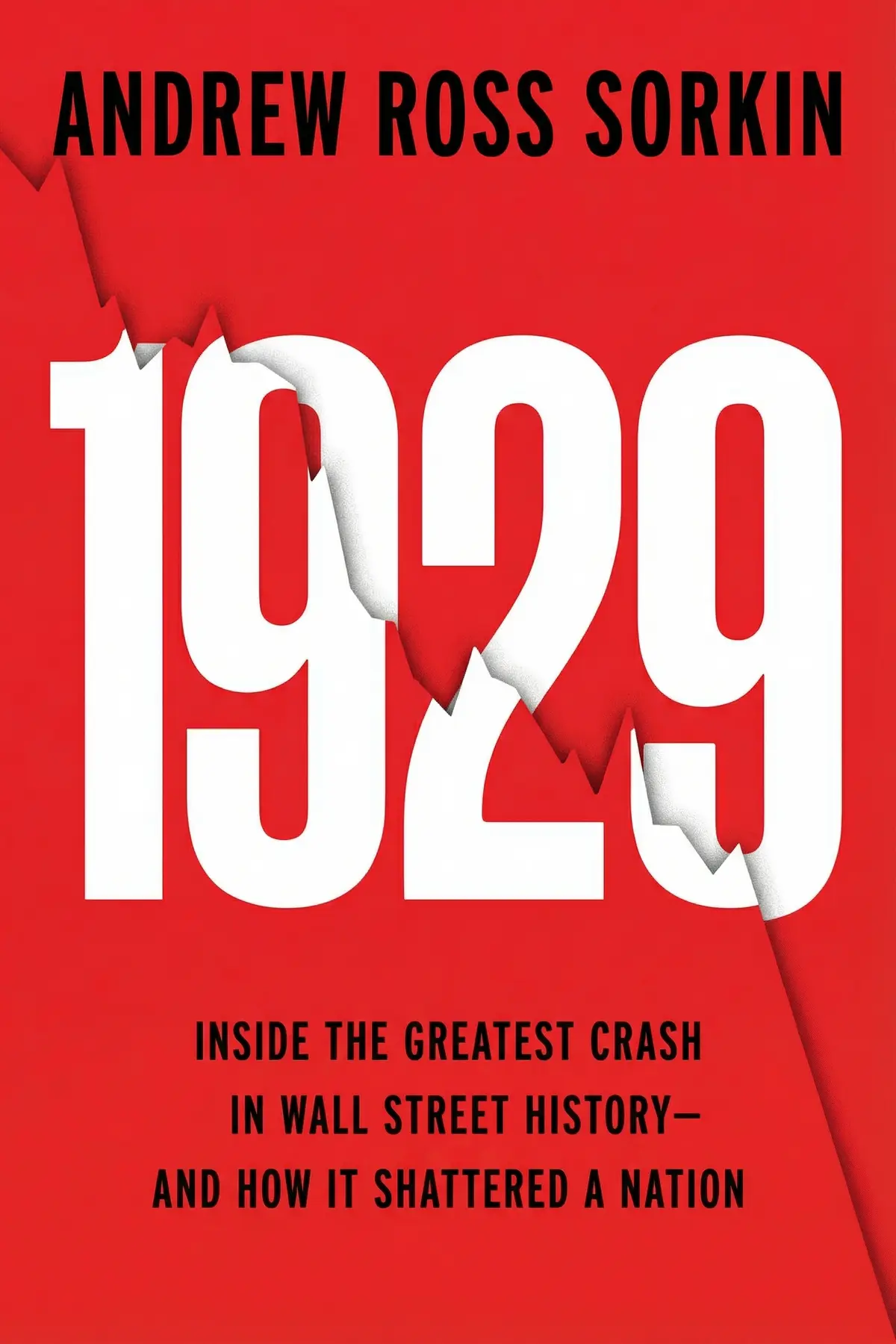
1929: Inside the Greatest Crash in Wall Street History--and How It
Andrew Ross Sorkin
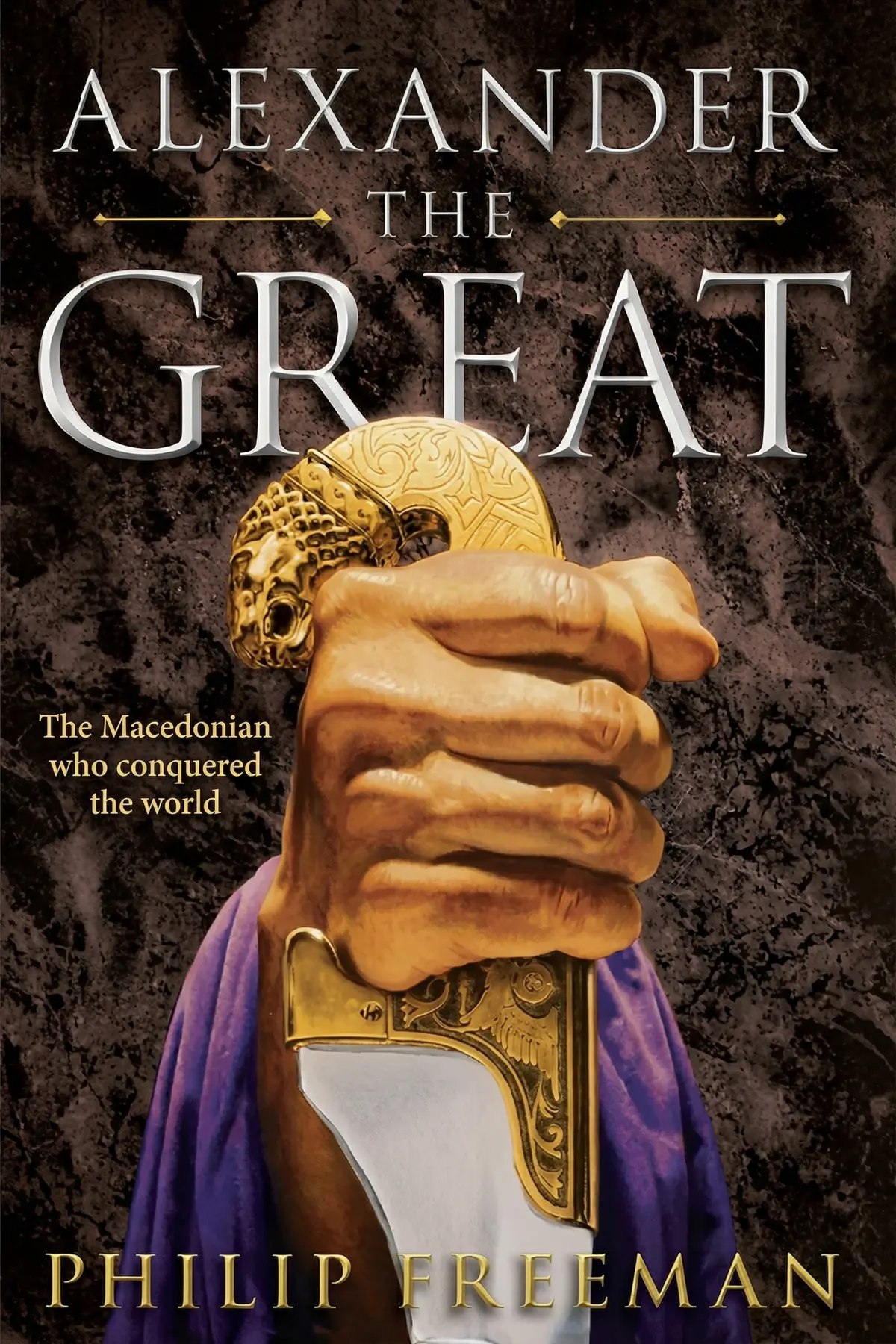
Alexander the Great
Philip Freeman
AUDIO SUMMARY AVAILABLE
Listen to Why Don’t We Learn from History? in 15 minutes
Get the key ideas from Why Don’t We Learn from History? by B. H. Liddell Hart, plus 5,000+ more titles in English and Thai.
- 5,000+ titles
- Listen as much as you want
- 7-day free trial
- Cancel anytime







