
A Force for Good: The Dalai Lama's Vision for Our World
Daniel Goleman
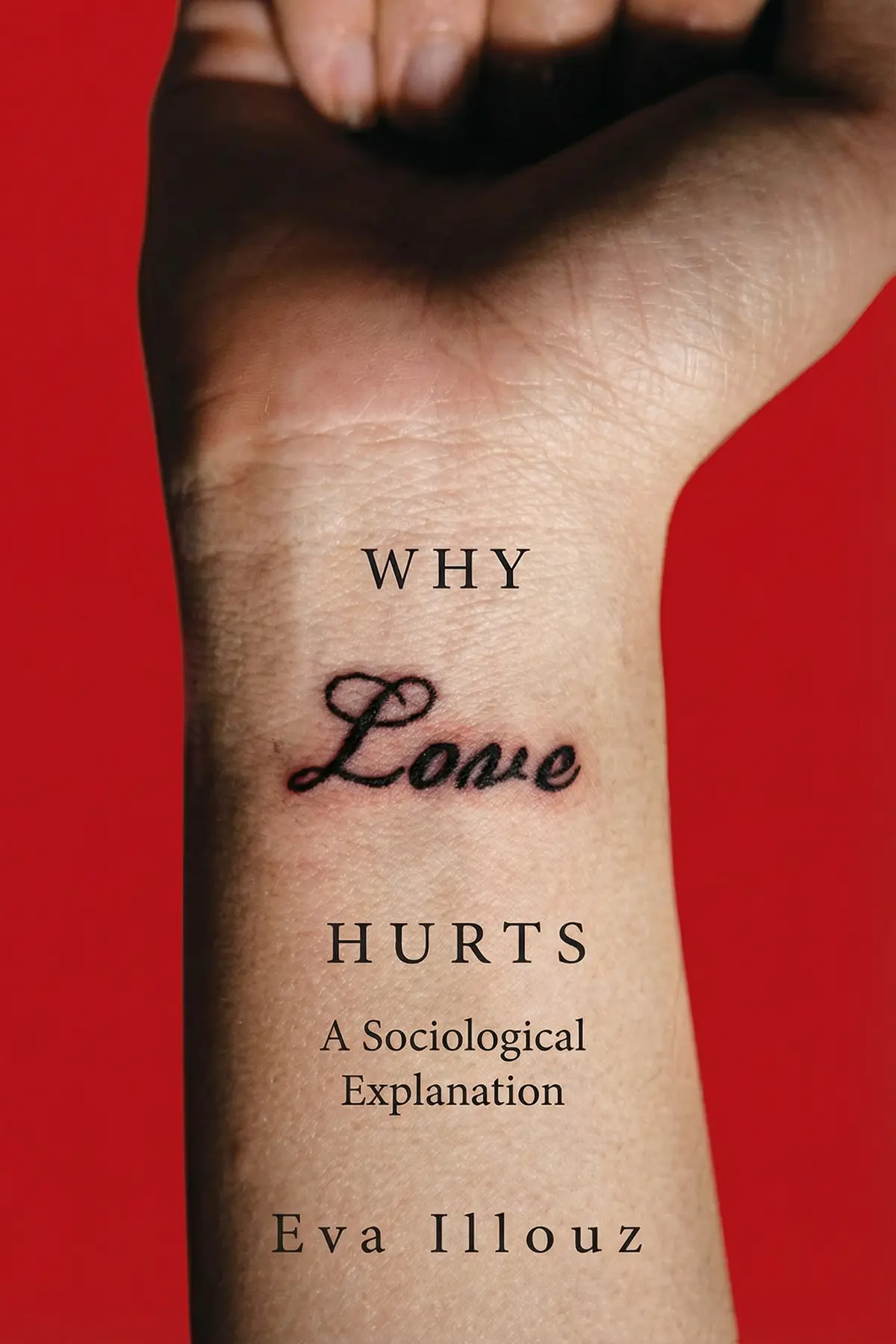
Eva Illouz examines why modern romance is fraught with pain, arguing that our private heartbreaks are not personal failures but the result of massive sociological shifts in capitalism, gender, and technology.
1 min 36 sec
Have you ever walked away from a breakup feeling like you were the one who failed? Perhaps you’ve spent hours scrolling through dating apps, feeling a strange mix of hope and exhaustion, wondering why the simple act of finding a partner has become a full-time job. We often treat these struggles as deeply personal issues. We buy self-help books, enter therapy, and look inward to find the ‘flaws’ that prevent us from finding lasting happiness. But what if the source of your romantic pain isn’t inside your head at all? What if it’s built into the very fabric of our modern society?
In this exploration of Eva Illouz’s work, Why Love Hurts, we step away from the psychological lens and look through a sociological one. We are going to uncover how the shifts in our economy, the rise of individualism, and the digital revolution have fundamentally rewritten the rules of attraction and commitment. We often assume that because we have more freedom than our ancestors, we should be happier. However, Illouz argues that this very freedom, coupled with the pressure of modern consumerism, has created a landscape where love is more rationalized, more competitive, and, ultimately, more painful.
Throughout this journey, we will see how the ‘marriage market’ has replaced traditional courtship, why the burden of emotional labor falls so heavily on women, and how our screens are setting us up for inevitable disappointment. By the end, you’ll see that your romantic frustrations aren’t just your own—they are shared by millions of people navigating a world that has turned intimacy into a commodity. This isn’t just about why relationships end; it’s about the social architecture that makes them so hard to build in the first place.
2 min 34 sec
Discover how the move from strategic family mergers to love-based marriages fundamentally changed the power balance and expectations between men and women.
2 min 19 sec
Learn how dating has transformed into a competitive marketplace where physical attractiveness and social status are traded like currency.
2 min 23 sec
Explore why women often carry a heavier emotional load in relationships and why breakups tend to hit their self-esteem harder than men’s.
2 min 15 sec
See how the mystery of love has been replaced by biological data and digital algorithms, turning a mystical experience into a logical puzzle.
2 min 12 sec
Understand how the internet and mass media create a ‘fantasy gap’ that makes real-life partners feel disappointing by comparison.
2 min 01 sec
Discover why the key to better relationships isn’t ‘fixing’ yourself, but recognizing how social roles have shaped our emotional expectations.
1 min 26 sec
As we wrap up our journey through the sociological landscape of modern romance, the core message of Eva Illouz’s work becomes clear: the pain we feel in our love lives is not a sign of individual brokenness. It is a symptom of a world that has tried to apply the logic of the marketplace to the matters of the heart. We have traded the safety of traditional, structured courtship for a ‘freedom’ that often feels like a relentless competition for validation and status.
But there is power in this understanding. When we realize that the ‘marriage market’ is a social construct, we can choose to stop playing by its most damaging rules. We can stop treating our partners as commodities to be optimized and start seeing them as human beings to be known. We can recognize that the self-blame many of us feel after a breakup is a social script we don’t have to follow.
The next time you feel the sting of romantic disappointment or the exhaustion of the dating search, remember that you are navigating a complex social architecture. The throughline here is that love is a social practice as much as an emotional one. By acknowledging the impact of capitalism, technology, and gender socialization on our private lives, we can approach our relationships with more compassion—both for our partners and for ourselves. The goal isn’t to find a love that never hurts, but to build a love that is grounded in reality, mutual respect, and a deep understanding of the world we live in. True intimacy starts when the shopping ends.
Why Love Hurts offers a radical departure from the standard self-help narrative. Instead of blaming individuals for their romantic struggles, sociologist Eva Illouz looks at the broader cultural and economic forces that have transformed how we love. She explores how the shift from traditional courtship to a modern, choice-driven marriage market has created new forms of emotional inequality and anxiety. The book promises to explain the hidden social structures that influence our most intimate desires. By analyzing the history of emotions, the impact of the sexual revolution, and the rise of digital dating, Illouz reveals why modern love feels so precarious. Ultimately, it provides a roadmap for understanding our emotional lives not as psychological defects, but as reflections of the society we inhabit.
Eva Illouz is a distinguished professor of sociology and anthropology at the Hebrew University of Jerusalem. She is a renowned researcher focusing on the history of emotions and the profound impact of capitalism on our private lives. Her notable works include Cold Intimacies: The Making of Emotional Capitalism and Saving the Modern Soul: Therapy, Emotions, and the Culture of Self-Help.
Listeners find that this work offers meaningful perspectives; one individual notes how it challenges listeners to reconsider their preconceptions, while another points out its success in clarifying common societal trends for non-experts. The text earns praise for its accessibility, as listeners call it an exceptionally compelling and enjoyable book.
Eva Illouz has written something profoundly important here, though I suspect many readers might be put off by the dense academic tone. If you can get past the sociological jargon, the core argument is a revelation: our romantic suffering isn't a personal failure or a psychological defect. Frankly, it’s a relief to move away from the constant psychologization of dating. Illouz’s analysis of how the 'marriage market' shifted from the objective, honor-based criteria of the 19th century to the subjective, choice-heavy mess of modernity is brilliant. She uses Jane Austen to illustrate how clear rules once protected people from the 'abulia' or indecision we face today. This isn't a self-help book filled with action points, but it gave me more clarity than any therapist ever could. It proves that the cooling of emotions we see in modern men and the self-blame prevalent in women are social products, not just 'bad luck' in love.
Show moreFinally, someone admits that modern love isn't just failing because we all have 'daddy issues.' This book is a masterclass in applying cold sociological themes to the messy realm of the heart. Illouz proves that themes like class tension and digitalization are just as relevant to our love lives as they are to migration or economics. I especially appreciated the discussion on how we’ve moved from blaming 'dishonorable' partners to internalizing self-blame. Modernity has paralyzed our inner lives with indecisiveness and a constant fear of inadequacy. Look, the book doesn't offer a cure, but it provides a diagnosis that feels incredibly accurate. It’s a serious work of science that treats love with the gravity it deserves. If you’re tired of the 'psychologization' of every heartbreak, you need to read this. It’s a beautiful, challenging, and ultimately validating piece of work.
Show moreThis book is a masterclass in why we feel so exhausted by modern dating. It’s brilliant. Illouz doesn't shy away from the 'cold' themes of market dynamics and how they've invaded our bedrooms. For years, I felt like I was doing something wrong because I wanted commitment in a world that praises detachment. This book told me I wasn't the problem. The struggle is real because the institutional arrangements of our lives are designed to create ambivalence. We want love, but we’re told to prize autonomy above all else. This contradiction is what leads to the 'blockage of irresolution.' It’s a dense, serious academic work that actually has a lot of heart. If you want to understand why 'love hurts' on a systemic level, this is the only book you need. It’s a game-changer for how I view my own life.
Show moreStop looking for dating tips in this one because it's a rigorous sociological study, not a 'how-to' guide for finding a husband. I've spent years reading pop psychology that told me I was 'loving too much' or had an insecure attachment style. Illouz argues that these labels are actually harmful because they ignore the social forces at play. Truth is, the 'ecology of choice' in modern capitalism has turned dating into a market where detachment is rewarded and passion is seen as a liability. I loved the section on how masculinity is now tied to sexual capital and the ability to remain uncommitted. It’s a dense read, and I had to look up several terms, but the way it explains universal phenomena to laypersons is impressive. It really makes you reexamine every assumption you had about why your past relationships failed.
Show moreThe most eye-opening part of this book is how Illouz dismantles the self-help industry’s obsession with fixing the individual. For too long, women have been told to monitor their 'neediness' or change their 'emotional makeup' to attract men. Illouz flips the script. She shows that the conflict between a woman’s desire for attachment and a man’s drive for autonomy is a result of asymmetrical power relations, not flawed psyches. Gotta say, seeing the 'Mars and Venus' terminology get torn apart was incredibly satisfying. It’s about time someone pointed out that these 'natural' gender differences are actually culturally engineered. The book is an academic exercise, but it’s one that feels deeply personal. It’s a very good read for anyone who is tired of being told they are the problem. We aren't broken; the system is.
Show moreWhat if our inability to commit isn't a mental flaw but a product of our economic environment? This is the question Illouz explores with surgical precision. She argues that we live in a culture of sexual accumulation where 'freedom' has become a burden that prevents us from forming meaningful bonds. I found her analysis of 'abulia'—the blockage of action caused by too many choices—to be hauntingly accurate for the Tinder age. It’s a cooling of emotions that makes us less vulnerable but also less capable of passion. While the writing is definitely on the dense side, the insights into how we’ve separated ethics from dating are worth the effort. In the 19th century, breaking a promise meant something; today, we just call it 'unmet expectations' and blame ourselves. It’s a thought-provoking shift that explains so much of our current malaise.
Show morePicking this up was a gamble, as I’m not a sociologist by trade, but the insights into the 'marriage market' are undeniable. Illouz explains universal phenomena—like why we feel so exhausted by the search for 'the one'—in a way that makes perfect sense to a layperson. She highlights how men gain social currency through sexual capital while women are still pushed toward family, creating a fundamental tension that no amount of therapy can fix. I did find some of the literary analysis a bit repetitive, and the academic tone can be a bit of a slog at times. However, the way she connects capitalism to our most intimate desires is brilliant. It’s an interesting read that forced me to reexamine my own assumptions about autonomy and love. It’s not an easy read, but it’s a necessary one.
Show moreLooking back at the Victorian era through Illouz’s lens was fascinating, even if it made me a bit nostalgic for a time I never lived through. Her point isn't that the old ways were perfect, but that they were at least clear. Today, we are drowning in subjective criteria and 'sexual freedom' that often feels more like a burden than a liberation. The way she critiques the 'Mars and Venus' mindset for naturalizing engineered differences was a highlight for me. In my experience, the most frustrating part of dating is the lack of ethical accountability, and Illouz nails why that has happened. We’ve traded moral value for psychological 'health,' and we’ve lost something vital in the process. The book can be quite dry and the formatting of the interviews is a bit clunky, but the intellectual payoff is massive.
Show moreIt took me forever to get through the chapters on Jane Austen and Victorian courtship. This book is definitely not a fast read. It’s based on interviews and deep theory, and while I found the opinions on online dating and the 'marriage market' interesting, the pace was agonizingly slow. You really have to sit and think about what the author is saying regarding autonomy and the 'right not to choose.' Personally, I found the book left me with more questions than answers. It’s a bit depressing to realize that our modern struggle for freedom has actually resulted in an incapacity to feel passionate commitment. While the core argument about social criteria vs. subjective attraction is sound, the book is quite dry. It’s worth reading for the insights, but don’t expect to be entertained.
Show moreI really wanted to like this, but the jargon is suffocating. I have a high tolerance for academic theory, but this was virtually unreadable at points. Illouz is clearly brilliant, but she seems more in love with post-structuralist vocabulary than with making her point accessible. If you’re looking for a historical perspective on how marriage has changed, I’d recommend Stephanie Coontz instead. Coontz feels more grounded in actual data, whereas Illouz stays trapped in lightweight literary analysis and dense sociological abstraction. To be fair, her point about the 'cooling of emotions' and the paralysis caused by too much choice is interesting, but you have to dig through mountains of pretension to find it. I found myself skimming the last two chapters just to be done with it. Not my cup of tea at all.
Show moreDaniel Goleman
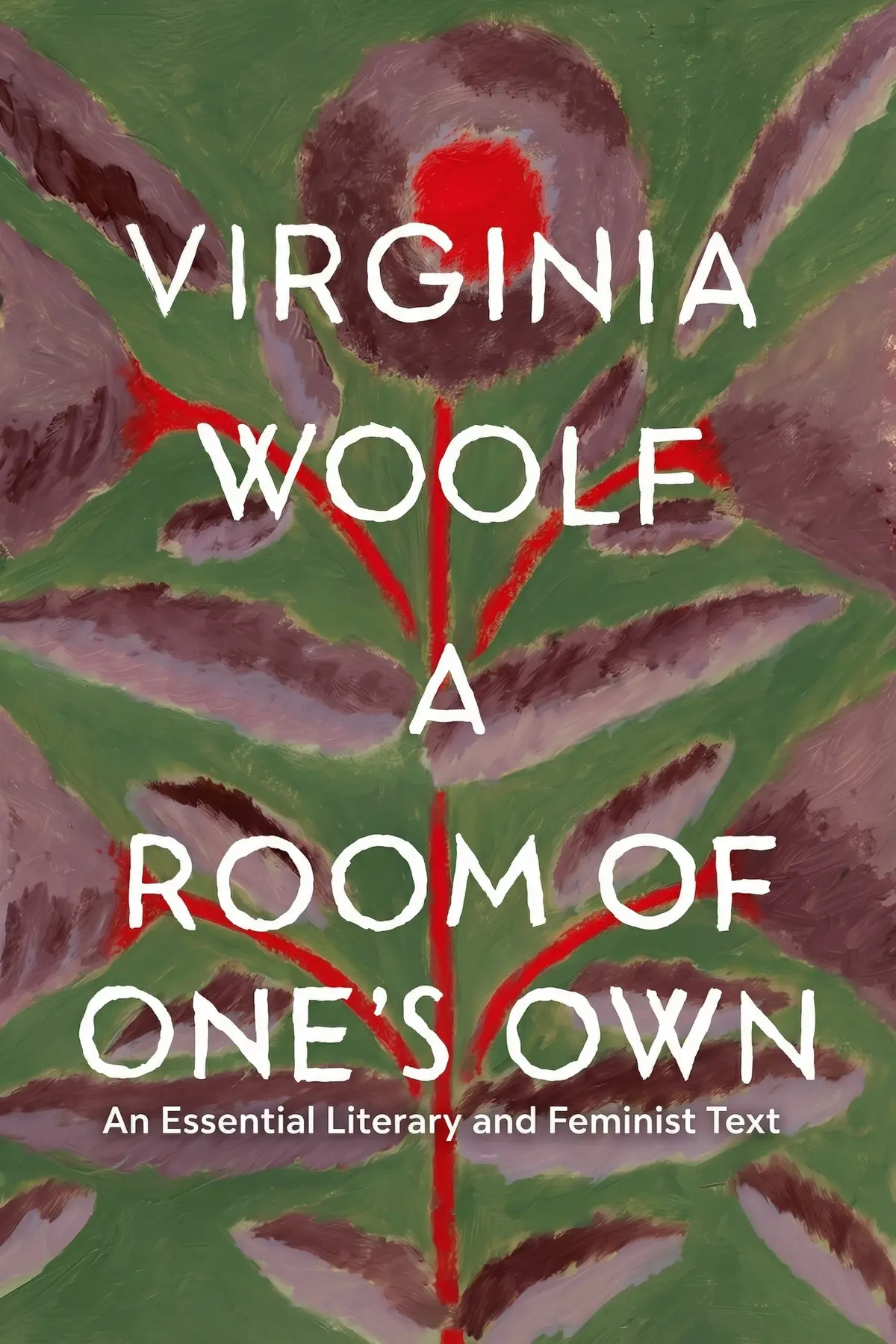
Virginia Woolf
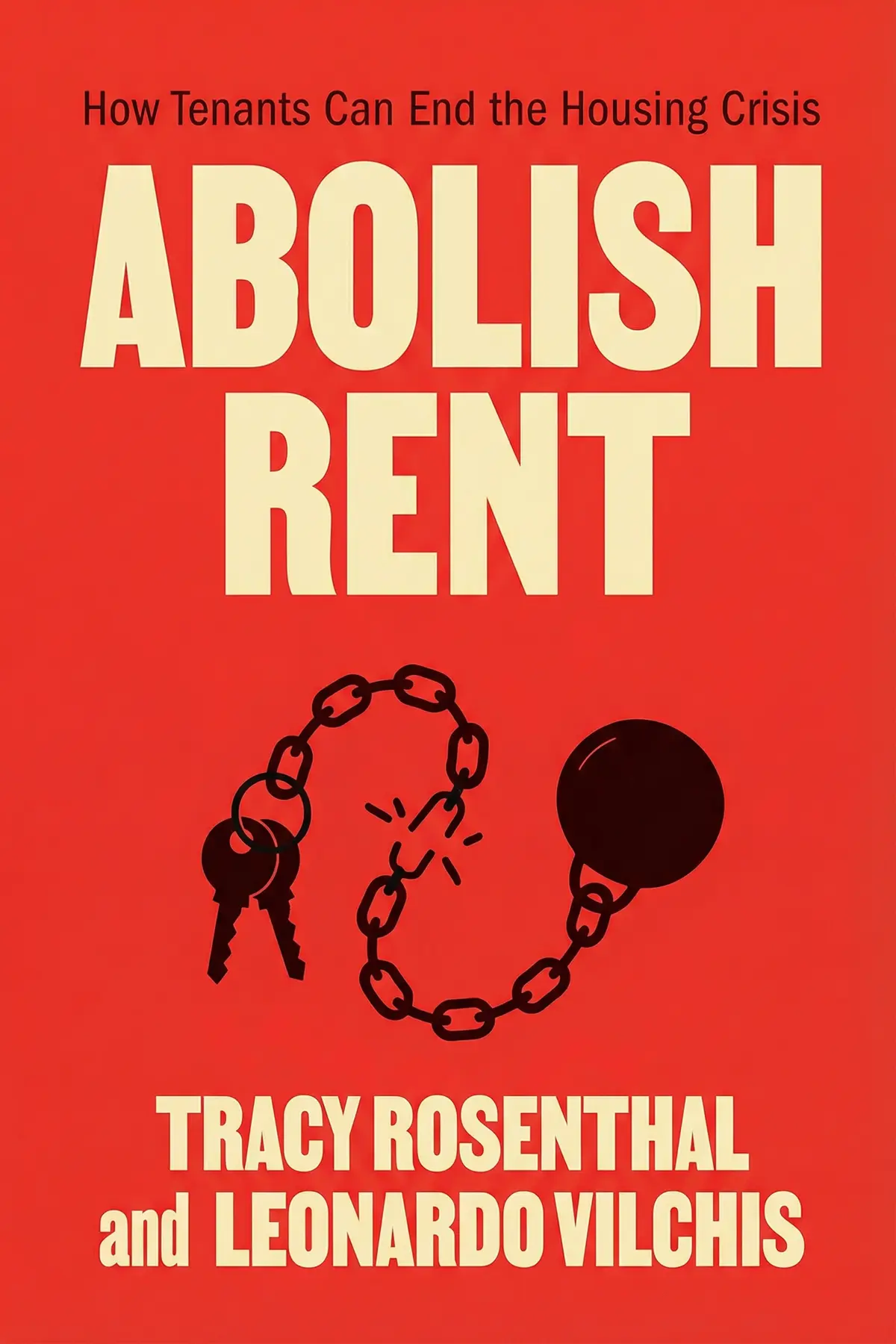
Tracy Rosenthal
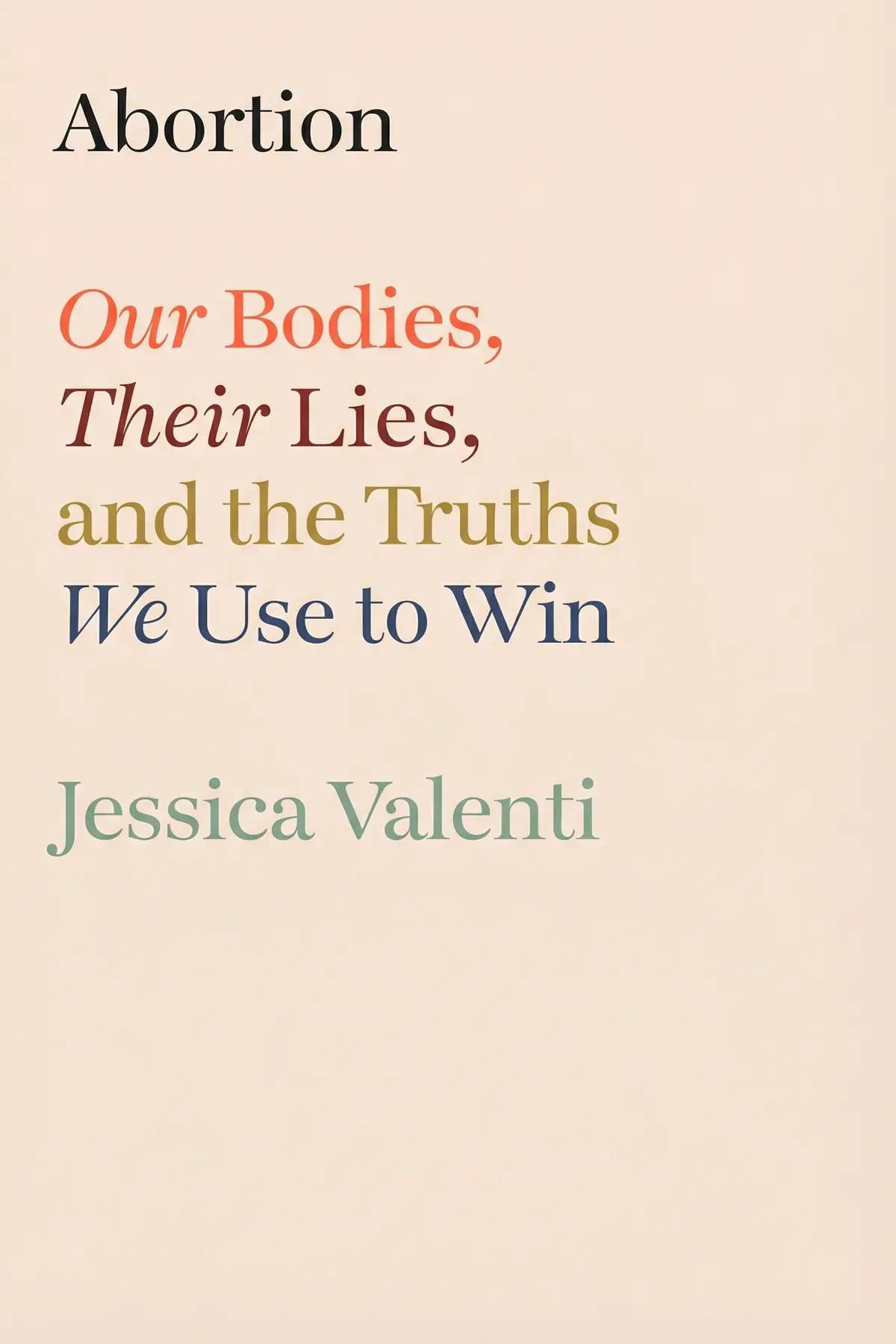
Jessica Valenti
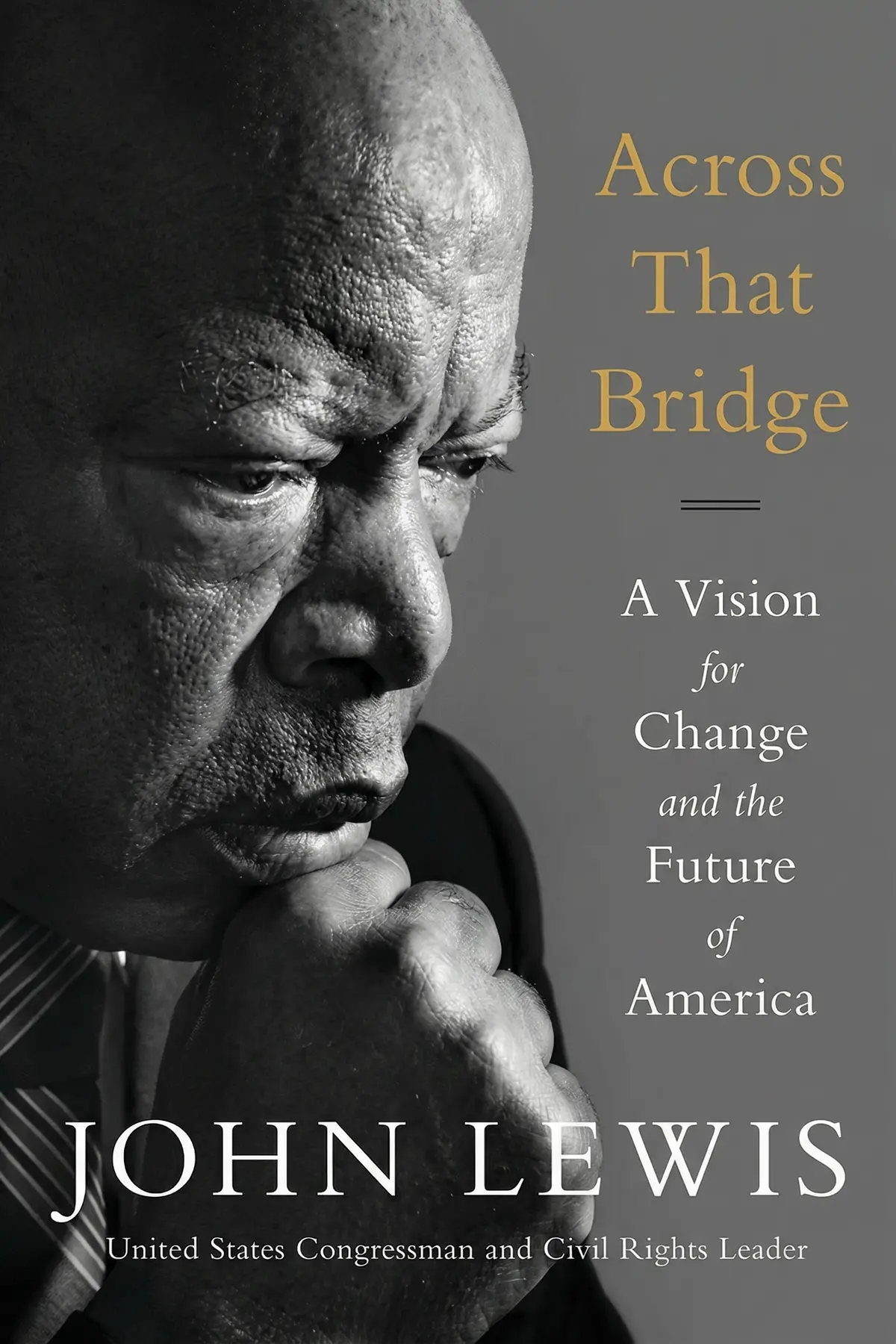
Johny Pitts
bell hooks
AUDIO SUMMARY AVAILABLE
Get the key ideas from Why Love Hurts by Eva Illouz, plus 5,000+ more titles in English and Thai.







