

23 min 38 sec
Why We Can’t Sleep: Women’s New Midlife Crisis
By Ada Calhoun
Why We Can't Sleep analyzes the unique midlife crisis of Generation X women, detailing how economic instability and unrealistic societal expectations have led to widespread burnout and anxiety.
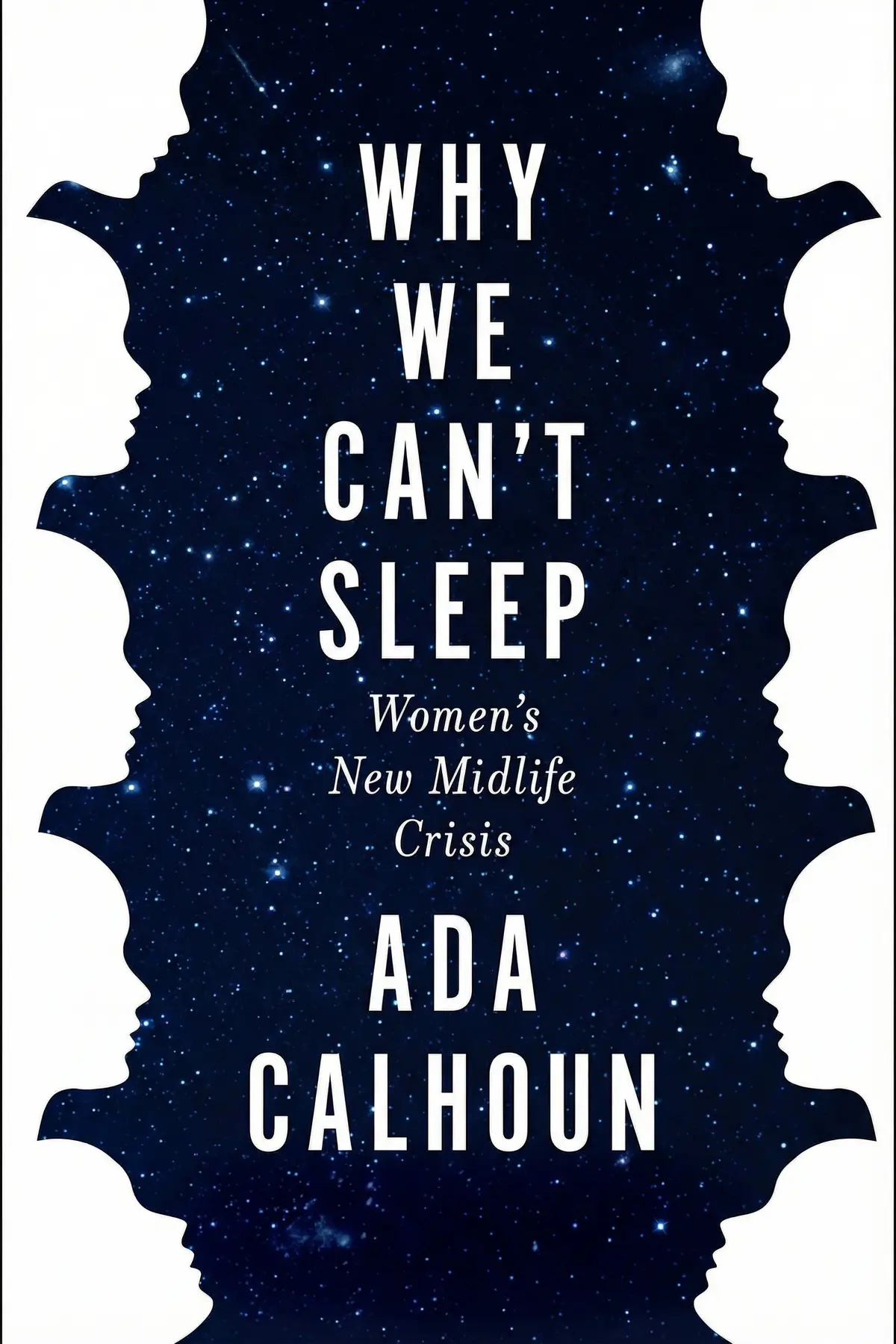
Table of Content
1. Introduction
1 min 55 sec
When we think about a midlife crisis, the images that come to mind are usually well-worn clichés. We imagine a man in his late forties suddenly deciding he needs a bright red sports car or a younger girlfriend to feel alive again. It is often portrayed as an external, almost theatrical display of restlessness. But what does a midlife crisis look like for the other half of the population? For the women of Generation X—those born between 1965 and 1980—the crisis is often invisible to the outside world, yet it is profoundly felt in the quiet, dark hours of the night. It isn’t a loud explosion; it’s a slow, steady burn of exhaustion and anxiety.
Ada Calhoun’s work dives deep into why this specific generation of women feels so uniquely unmoored. These are women who were raised on the promise that they could be anything and do everything. They were the daughters of the feminist revolution, told from birth that the world was their oyster. Yet, as they hit their forties and fifties, many find themselves lying awake at 3:00 a.m., wondering why they feel like they’re failing despite doing everything ‘right.’ This isn’t just a personal struggle; it’s a generational phenomenon shaped by history, economics, and culture.
In this summary, we are going to unpack the factors that have created this perfect storm. We will look at how the economic timing of their lives derailed their financial security, how the shifting expectations of motherhood added a second and third shift to their days, and how the physical changes of middle age are often met with medical silence. Most importantly, we’ll see how acknowledging the reality of this struggle—rather than hiding it—can be the first step toward finding peace. If you’ve ever felt like you were drowning in responsibilities you were supposed to enjoy, or if you’re wondering why your ‘best life’ feels so tiring, this exploration will provide the context and validation you’ve been looking for.
2. The Burden of the Infinite Promise
2 min 26 sec
We often hear about the victories of second-wave feminism, but for the women of Generation X, those wins came with a hidden price. Discover how the promise of having everything turned into an exhausting obligation.
3. A Financial Landscape Defined by Volatility
2 min 44 sec
Gen X women have faced a series of economic shocks that their parents never had to endure. Explore how the timing of recessions and debt has created a sense of permanent instability.
4. The Double Glass Ceiling of Gender and Age
2 min 39 sec
The workplace was supposed to be a level playing field, but the reality for middle-aged women is far more complex. Learn why ‘leaning in’ isn’t enough to overcome systemic bias.
5. The Evolution of Parenting and the Mental Load
2 min 30 sec
Parenting has undergone a radical transformation in a single generation. Understand why today’s ‘intensive parenting’ is taking such a heavy toll on women’s well-being.
6. Life in the Middle of the Sandwich Generation
2 min 26 sec
Middle age often brings a new, dual responsibility: caring for children and aging parents at the same time. Explore the unique pressures of the ‘sandwich generation.’
7. The Search for Partnership and the Reality of Fertility
2 min 20 sec
Not everyone’s life follows the traditional script, and for many Gen X women, the search for a partner or a family has been a source of significant stress.
8. Navigating the Biological Storm Without a Map
2 min 28 sec
Hormonal changes in middle age are a powerful force, yet they are often misunderstood or ignored by the medical establishment. Learn why perimenopause is a hidden crisis.
9. Finding Empowerment Through Honest Acceptance
2 min 29 sec
The path out of a midlife crisis isn’t about working harder—it’s about getting real. Discover why admitting life is hard can be the most empowering move you make.
10. Conclusion
1 min 41 sec
The midlife crisis facing Generation X women is not a sign of personal weakness, but a predictable response to an unprecedented set of circumstances. These women were the first to be told they could have everything, only to find themselves working in a volatile economy, parenting in an era of extreme expectations, and navigating a medical system that often ignores their biological realities. It is a perfect storm of social, economic, and physical factors that has left an entire cohort of women feeling exhausted and undervalued.
However, the throughline of this journey is one of resilience. Despite the debt, the discrimination, and the ‘sandwich’ of caregiving, Gen X women have continued to show up and hold their worlds together. The key to moving through this crisis lies in validation and community. By recognizing that the ‘sleeplessness’ is a collective experience rather than a private failure, women can begin to let go of the shame that fuels their anxiety.
As you move forward, remember that this is a season, not a permanent state. Take the pressure off yourself to be perfect. Seek out the support of other women who understand exactly what you’re going through, and don’t be afraid to advocate for your own health and financial needs. The ‘Enjoli’ woman was a myth, and it’s okay to let her go. By embracing the reality of your life as it is—with all its challenges and its hard-won wisdom—you can find a path to a middle age that is defined by your own values, not someone else’s impossible dream. The crisis will pass, and on the other side is a life that is perhaps less perfect, but far more real and sustainable.
About this book
What is this book about?
Why We Can't Sleep explores the modern midlife crisis through the lens of women born between 1965 and 1980. Unlike the stereotypical male crisis involving flashy cars, this experience is characterized by sleeplessness, financial anxiety, and the crushing weight of trying to 'have it all.' Ada Calhoun investigates why this specific cohort feels so overwhelmed, pointing to a combination of historical timing, economic recessions, and shifting family dynamics. The book promises a deep look at the structural forces that make middle age particularly difficult for Gen X women today. It provides a blend of cultural analysis and practical perspective, offering readers a sense of validation and a path toward navigating this turbulent life stage. By understanding the systemic issues at play, women can move from self-blame toward a more compassionate and realistic view of their own lives.
Book Information
About the Author
Ada Calhoun
Ada Calhoun is the New York Times bestselling author of Wedding Toasts I’ll Never Give and St Marks is Dead. Calhoun’s national news reporting has won multiple awards, and she is a regular contributor to prestigious publications like the New Yorker and the Atlantic. She also teaches journalism and creative writing.
Ratings & Reviews
Ratings at a glance
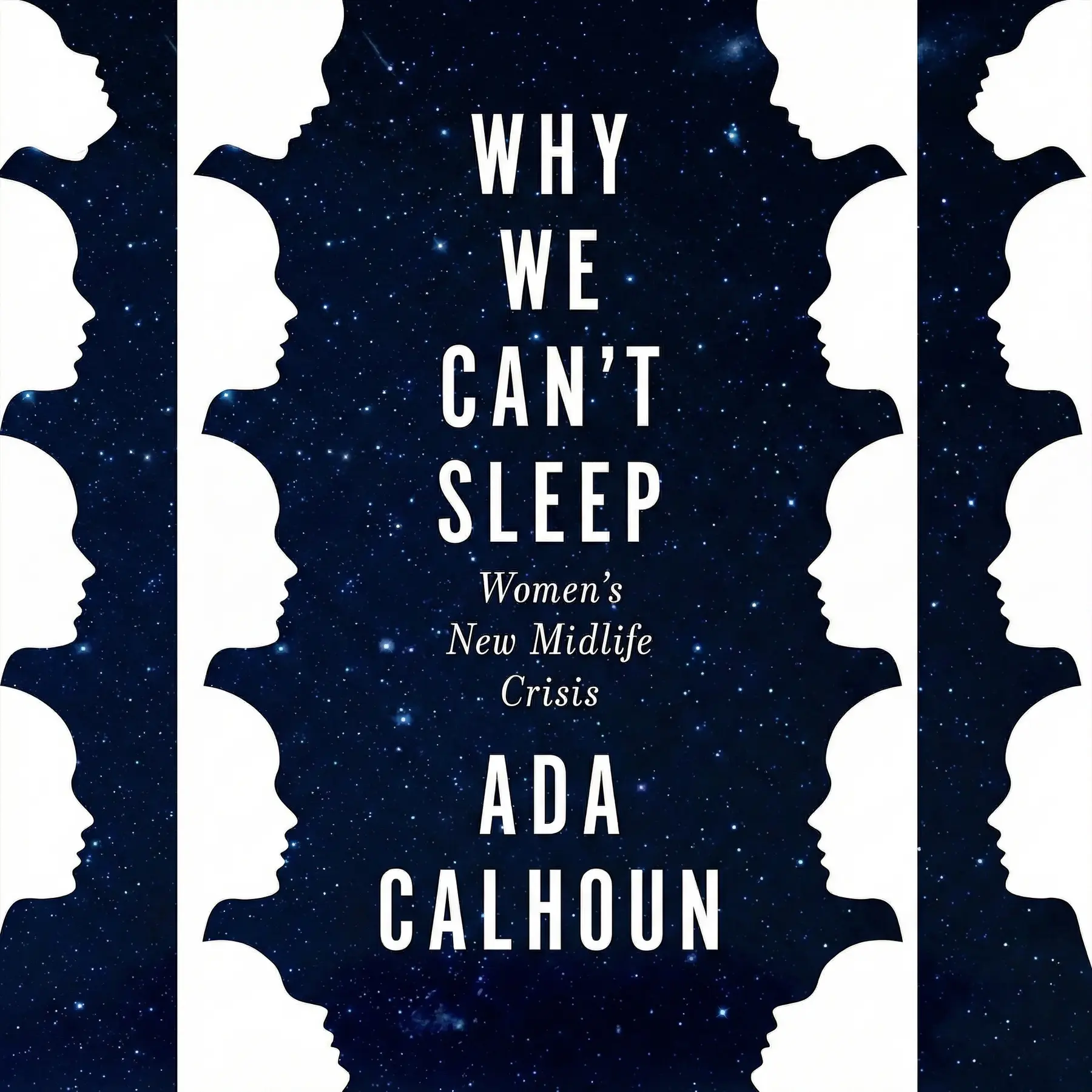
What people think
Listeners find this book to be a fantastic experience, particularly for Gen X women, and appreciate its humorous, insightful, and well-crafted delivery. The work is also thoroughly documented; one listener points out the use of statistics to support its arguments, and listeners generally find it relatable, with one mentioning the moving personal stories. However, the subject matter draws varied reactions, as several listeners find the narrative can be depressing at times.
Top reviews
Wichai
Finally, a book that acknowledges the weird, specific pressure of being a Gen X woman without making it feel like a personal failure. Ada Calhoun manages to weave together individual stories and hard data to show that our collective midlife crisis isn't just in our heads. I spent most of the night nodding along, finally feeling seen in a world that usually ignores our middle generation. It is sharp and deeply comforting to know that the crushing debt and career stagnation aren't just my mistakes. The writing is incredibly accessible, moving quickly from heavy topics like perimenopause to the toxic 'having it all' myth. I’ve already recommended this to three friends who also can’t stop doom-scrolling at 2:00 AM. It is a relief to stop blaming myself for a second.
Show moreLiam
If you've ever found yourself staring at the ceiling at 3 AM wondering where your life went, this is the book for you. Ada Calhoun has written something that feels like a long, honest conversation with a best friend who finally gets it. The way she breaks down the cultural expectations placed on Gen X is both hilarious and heartbreaking. We were told we could do everything, and then we were handed a recession and a housing crisis. I loved the mix of personal narratives and broader sociological trends, which together create a haunting portrait of a generation caught between the old world and the digital revolution. Truth is, I felt a weight lift off my shoulders just realizing that my exhaustion isn't a personality flaw.
Show moreWittaya
This book felt like a punch in the gut in the best way possible. I have never read anything that so accurately captured the specific brand of Gen X guilt that I carry around every single day. We were the generation that was supposed to have it all, but instead, we are just the generation that is doing it all. Calhoun’s writing is punchy, funny, and incredibly empathetic to the plight of the modern woman. She doesn't just list problems; she contextualizes them within our history. It made me realize that my failure to be a perfect parent, employee, and daughter is actually an impossible standard set by society. This is essential reading for any woman in her 40s or 50s. I feel significantly less alone now.
Show moreLayla
As someone who falls right into the Gen X bracket, I found many of the chapters here incredibly validating. Calhoun dives into why our cohort is struggling with a unique cocktail of financial instability and the 'sandwich generation' stress of caring for both kids and aging parents. To be fair, some of the anecdotes felt a bit repetitive by the end, but the overall message is powerful. It’s well-researched and uses actual statistics to back up the emotional weight of these women's stories. I did find it slightly depressing at times because the systemic issues she highlights don't have easy fixes. However, the humor kept me from spiraling too far. It is a solid, thoughtful read for anyone feeling stuck in the middle of their life.
Show moreSarocha
The statistical approach here is what actually won me over. I expected a lot of generic self-help advice, but Calhoun actually brings the receipts with data on student loans, housing costs, and divorce rates. It paints a very clear picture of why our generation is uniquely stressed compared to Boomers or Millennials. I will say, the book can be quite a downer if you're already feeling low. It doesn't offer many concrete solutions other than to forgive yourself, which might feel a bit thin for some readers. Still, the validation alone is worth the price of admission. It is a well-constructed argument that explains the historical why behind our collective sleeplessness very effectively.
Show moreErn
After hearing several friends rave about this, I decided to dive in and see what the fuss was about. I was pleasantly surprised by how much of the sandwich generation struggle resonated with my own life. Dealing with the demands of a career while your parents’ health begins to fail is an exhausting tightrope walk that Calhoun describes perfectly. The chapter on perimenopause was especially eye-opening and handled with a lot of much-needed humor. My only real gripe is that it leans a bit too heavily on the experiences of women in high-powered corporate roles. I would have loved to see more representation of different career paths and lifestyles. Overall, though, it is a very smart and timely piece of cultural criticism.
Show moreSomsri
While Calhoun's research is undoubtedly thorough, I struggled to connect with the narrow demographic she chose to highlight. Most of the women interviewed seem to come from very privileged, upper-middle-class backgrounds where struggling still means having a significant retirement fund. Frankly, it felt a bit like a pity party for a very specific type of straight, white woman. There were moments of genuine insight, particularly regarding the physical toll of middle age and the history of how our generation was raised. I appreciated the sections on the marketing of female success, but the lack of diverse voices made the narrative feel incomplete. It is a well-written book, but your mileage will vary depending on how much you relate to the specific stressors of the suburbs.
Show moreMan
Is it insightful? Yes, I would definitely say so. Is it relatable? Mostly. But is it also a massive bummer? Absolutely. I finished this book feeling more anxious than when I started because it highlights so many problems without giving much hope for change. The author is a great writer and the pacing is excellent, but the sheer volume of misery stories started to wear on me after the first few chapters. I think this book is vital for understanding the Gen X female experience, but you need to be in the right headspace to read it. If you are already in a midlife funk, this might just pull you deeper into the pit. It is an important work, but definitely not a light beach read.
Show moreNikolai
I really wanted to like this, but it felt more like an exercise in navel-gazing than a helpful guide. Look, I get that middle age is hard, but some of the complaints in here felt incredibly tone-deaf given the current state of the world. One woman was literally moaning about only having a million dollars in savings! It is hard to feel bad for someone in that position when so many others are facing actual homelessness or systemic barriers. The writing is decent, but the content felt very exclusionary to anyone who isn't a wealthy professional. I also wasn't a fan of how everything seemed to loop back to motherhood as the only metric of a woman's value. Not every woman wants children, and we aren't all shriveling up once our fertility fades.
Show moreTan
The pity party vibes were just too strong for me to actually enjoy this. I understand that the author was trying to create a sense of solidarity, but it often came across as a bunch of wealthy women complaining about life being only mostly perfect. It is hard to stay engaged when the stakes feel so low for the subjects being interviewed. To be fair, the research on the latchkey kid upbringing was interesting and explained some of our generational traits. However, the constant focus on lost fertility and the tragedy of not having a third child felt very dated and pseudoscience-adjacent. It is a well-written book, but I found myself rolling my eyes more than I found myself nodding.
Show moreReaders also enjoyed

A Room of One’s Own
Virginia Woolf
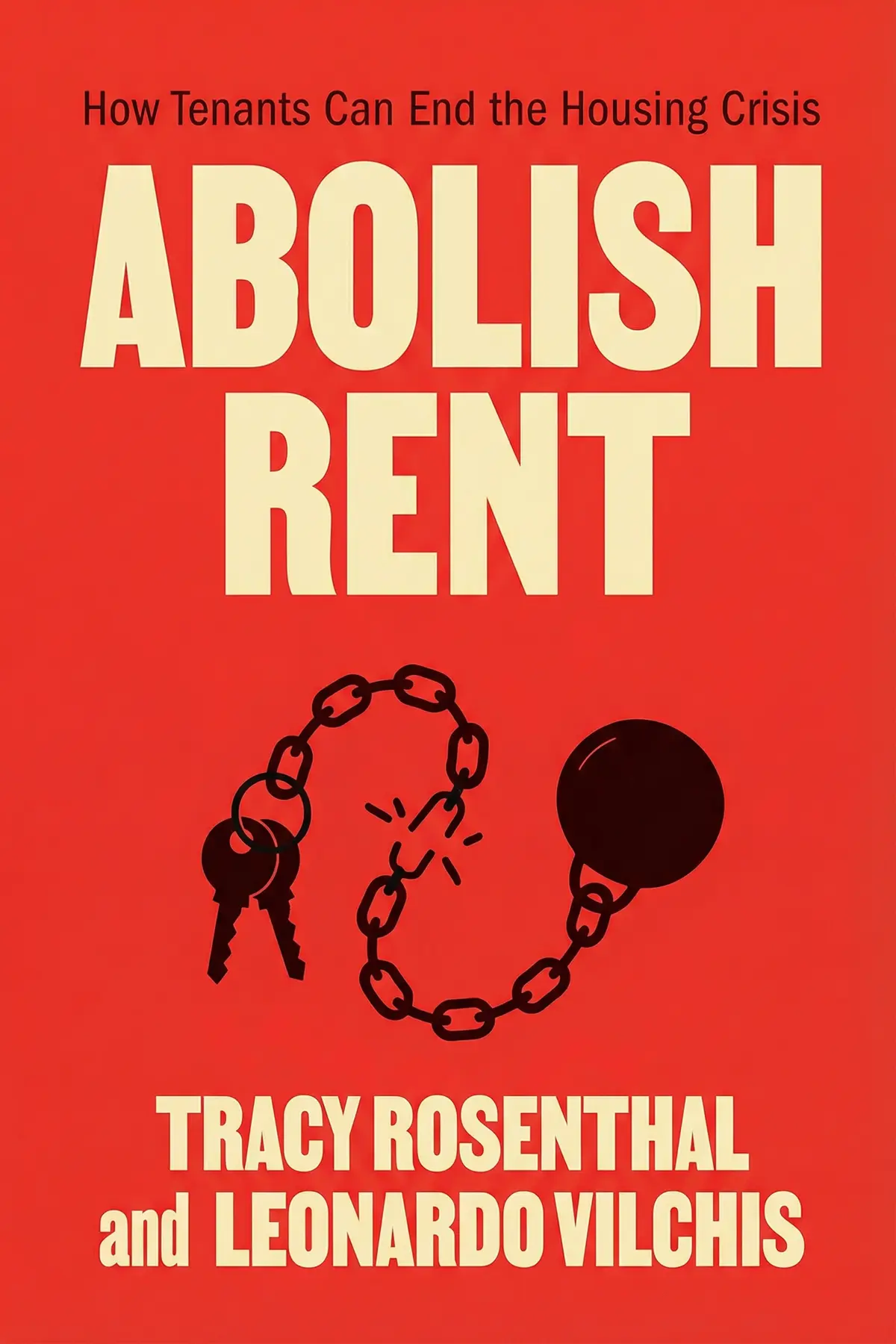
Abolish Rent: How Tenants Can End the Housing Crisis
Tracy Rosenthal
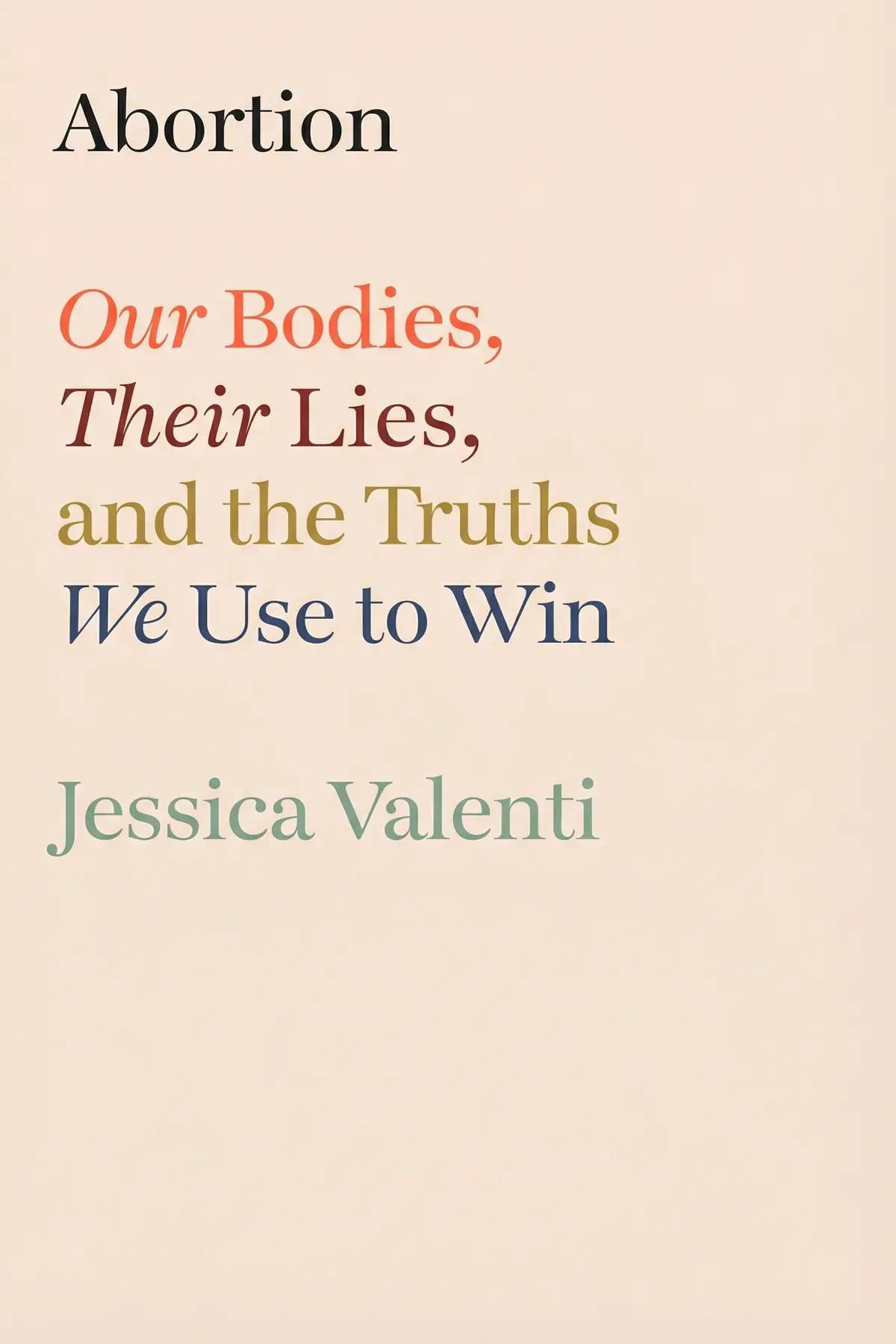
Abortion: Our Bodies, Their Lies, and the Truths We Use to
Jessica Valenti

Afropean: Notes From Black Europe
Johny Pitts
All About Love: New Visions
bell hooks
AUDIO SUMMARY AVAILABLE
Listen to Why We Can’t Sleep in 15 minutes
Get the key ideas from Why We Can’t Sleep by Ada Calhoun, plus 5,000+ more titles in English and Thai.
- 5,000+ titles
- Listen as much as you want
- 7-day free trial
- Cancel anytime







