
20 min 53 sec
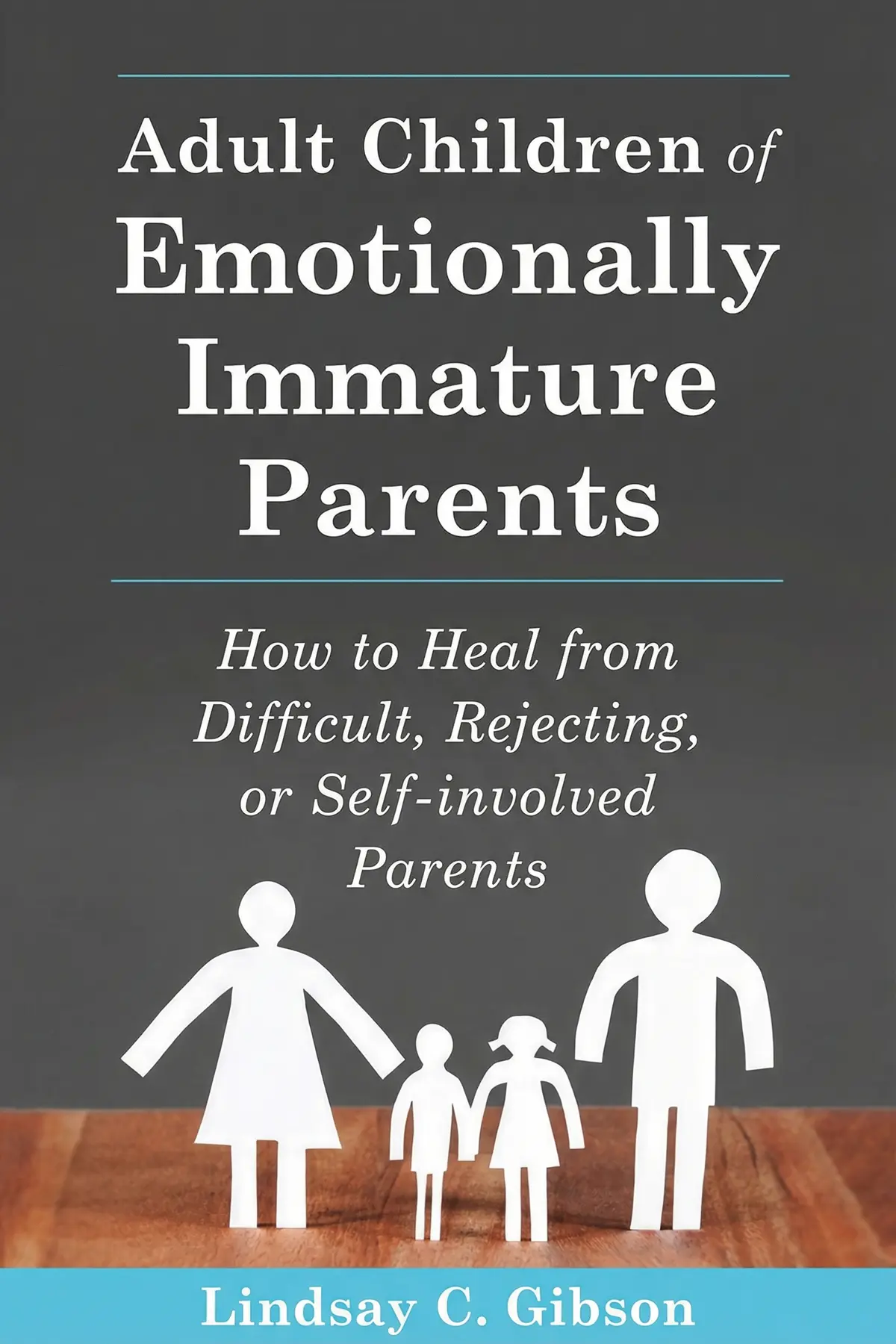
Widen the Window: Training Your Brain and Body to Thrive During Stress and Recover from Trauma
Widen the Window explores how chronic stress and trauma impact the brain and body. It introduces a mindfulness-based framework to help individuals increase their resilience, regulate emotions, and foster lasting recovery.
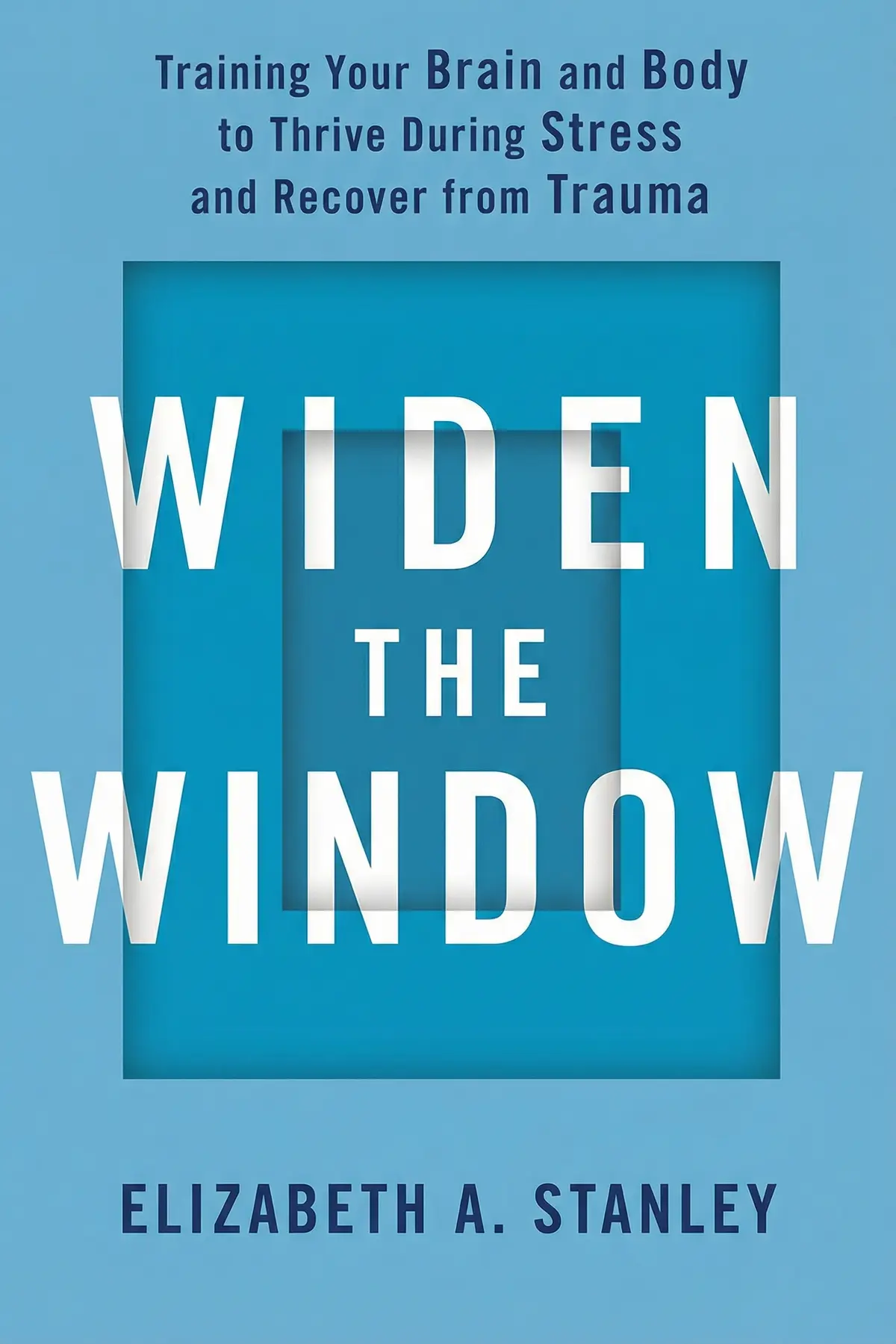
Table of Content
1. Introduction
1 min 41 sec
Imagine your capacity to handle life’s challenges as a window. On a good day, the view is clear, and the frame is wide enough to let in the breeze without letting in the storm. But as pressure mounts, deadlines pile up, and life throws unexpected curveballs, that window begins to narrow. Eventually, even the smallest gust of wind can feel like a hurricane.
We often talk about stress and trauma as if they exist in two different worlds. We treat stress as a badge of honor, a sign of our productivity and importance, while we view trauma as a heavy, perhaps permanent weight resulting from life-altering catastrophes. However, as Elizabeth A. Stanley explains in her transformative work, Widen the Window, our bodies don’t make that same distinction. Whether it is an aggressive email from a superior or a life-threatening emergency, the biological machinery inside us responds using the same ancient survival systems.
This summary will take you on a journey into the deep architecture of the human brain. You will discover why your logical mind often fails to talk you out of a panic attack and why the habit of ‘pushing through’ exhaustion is actually a recipe for long-term health failure. More importantly, we will explore the practical, science-backed techniques used by elite soldiers and high-performers to regulate their nervous systems. By the end, you will understand how to stop just surviving and start building a wider window of tolerance that allows you to thrive even in the face of intense pressure. Let’s explore the mechanics of your mind and body to find a path toward genuine recovery.
2. The Evolutionary Divide Between Thinking and Survival
2 min 39 sec
Explore the biological friction between your modern neocortex and your ancient limbic system to understand why you can’t simply think your way out of a stress response.
3. The Hidden Cost of Unresolved Stress and Dysregulation
2 min 26 sec
Discover how the body’s failure to return to a baseline of safety leads to allostatic load, impairing your long-term health and immune function.
4. The Concept of the Window of Tolerance
2 min 05 sec
Learn about the Yerkes-Dodson curve and how the ‘Window’ determines your ability to stay calm and effective under pressure.
5. Why Your History Shapes Your Current Stress Response
2 min 18 sec
Trace the origins of your stress capacity through genetics, early childhood experiences, and the lingering echoes of past trauma.
6. Using Mindfulness to Bridge the Gap Between Brains
2 min 16 sec
Understand how focused attention can signal safety to the survival brain, creating a pathway for recovery that logic alone cannot provide.
7. Mastering the Contact Points Exercise
2 min 00 sec
Follow a step-by-step guide to the Contact Points exercise, a foundational MMFT tool for grounding yourself in the physical present.
8. Initiating Recovery with Ground and Release
1 min 56 sec
Discover how to move from active stress to total discharge by acknowledging your activation and allowing the body to naturally let go.
9. Building a Lifestyle That Supports Resilience
2 min 11 sec
Examine the ‘Big Four’ habits and how addressing chronic pain and emotional triggers can further expand your window of tolerance.
10. Conclusion
1 min 21 sec
As we conclude our exploration of Widen the Window, the most important takeaway is that resilience is not a fixed trait you are born with—it is a physiological capacity you can build. We have seen how the ancient survival brain and the modern thinking brain often work at cross-purposes, and how chronic stress can trap us in a cycle of dysregulation that narrows our perspective and damages our health.
But we have also discovered that we have the power to change this dynamic. By understanding the ‘Window of Tolerance’ and using tools like the Contact Points and Ground & Release exercises, we can communicate directly with our nervous systems. We can provide the signals of safety that our survival brains crave, allowing us to discharge stored trauma and recover from daily pressures.
Remember that widening your window is a journey of small, consistent steps. It’s about choosing awareness over numbing, and recovery over ‘powering through.’ It’s about honoring your body’s need for safety and recognizing that your past doesn’t have to dictate your future. As you move forward, carry these tools with you. Use your attention as a compass to find your way back to the present moment. By doing so, you won’t just survive the challenges of your life—you will find the space to meet them with a clear mind, a steady heart, and a window wide enough to embrace everything that comes your way.
About this book
What is this book about?
Modern life often traps us in a cycle of high-pressure demands and constant connectivity, leading to a state of chronic exhaustion. In Widen the Window, Elizabeth A. Stanley reveals that the biological difference between everyday stress and deep trauma is far smaller than we think. Both states trigger our body’s ancient survival mechanisms, and without proper recovery, they can lead to physical and mental dysregulation. The book offers a roadmap for moving beyond the 'powering through' mindset. By understanding the interplay between our thinking brain and our survival brain, readers learn how to recognize when they have drifted outside their 'window of tolerance.' Stanley provides practical, research-backed tools, specifically the Mindfulness-based Mind Fitness Training (MMFT) system, to help users regain control over their nervous systems, process stored trauma, and build a more resilient foundation for the future.
Book Information
About the Author
Elizabeth A. Stanley
Elizabeth A. Stanley is a US Army veteran, award-winning author, and associate professor of security studies at Georgetown University. She holds degrees in political science and strategy from Harvard, Yale, and MIT. Her unique background has informed the development of her acclaimed Mindfulness-based Mind Fitness Training (MMFT), a method specifically designed to help both soldiers and civilians manage high-stress environments and recover from trauma.
Ratings & Reviews
Ratings at a glance
What people think
Listeners describe the book as highly educational, with one noting it is packed with research that validates its concepts. They also value the depth of information provided; one listener emphasizes how it explains the science behind stress and trauma, while another mentions it provides multiple tools for managing dysregulation and trauma. Additionally, the book earns praise for its accessible writing style, and listeners appreciate its approach to trauma awareness, with one remarking on how it masterfully explains trauma's impact. However, the section concerning heart rate draws mixed reactions.
Top reviews
Yuwadee
Finally got around to reading this after seeing it referenced in several trauma-informed workshops. Stanley provides an incredibly thorough examination of how our survival brain dictates our reactions to high-pressure environments. The science is dense, but it's presented with a level of authority you only get from someone who has lived it. I particularly appreciated the distinction between the thinking brain and the survival brain. Sometimes we try to 'reason' our way out of stress, but this book proves that physiology must be addressed first. While the technical terminology can occasionally feel like a mountain to climb, the payoff is a much clearer understanding of allostatic load. It is a vital resource for anyone feeling perpetually burnt out.
Show morePaisley
Wow. Elizabeth Stanley has written something that feels less like a self-help manual and more like a tactical briefing for the soul. Coming from a military background, her no-nonsense tone is refreshing in a genre often filled with vague platitudes. She treats mental fitness with the same discipline as physical training, which resonated deeply with me. The MMFT program isn't just about 'feeling better'; it is about recalibrating your entire nervous system to handle the chaos of modern life. There is a grit here that you won't find in typical mindfulness books. If you are tired of soft advice and want a research-backed strategy to build resilience, this is the one.
Show moreSupranee
After listening to the author on a podcast, I knew I needed the full text to understand allostatic load better. This book is a masterclass in how chronic stress erodes our decision-making capabilities and physical health over time. Stanley's research is impeccable, and her bibliography is a goldmine for anyone who wants to go even deeper into the studies. She bridges the gap between clinical psychology and lived experience beautifully. It’s rare to find a book that is this rigorous yet still offers actionable steps for daily regulation. This has become a permanent fixture on my shelf for whenever I feel my window narrowing. Highly recommended for clinicians and laypeople alike.
Show moreFrida
This book offers a profound shift in how we perceive our own 'weakness' during times of crisis. I used to think my anxiety was a character flaw, but Stanley shows it’s just a survival brain that needs better training. The grounding exercises have become a staple in my daily routine, helping me stay present when work gets overwhelming. I appreciate that she includes the military and first responder perspective, as it validates that even the 'toughest' people need these tools. It is a long read, and yes, it repeats itself quite a bit, but the repetition helps the concepts stick. I finally feel like I have a map for my own recovery.
Show moreAubrey
As a working mother with two kids, some of the lifestyle recommendations in these pages felt like they were written for a different species. The author suggests setting aside an entire day each week for 'recovery' without errands or chores. Who actually has that luxury in the real world? Despite the elitist tone regarding time management, the 'ground and release' exercises are actually quite practical and easy to slip into a busy morning. I found the explanation of how childhood experiences shape our current stress window to be eye-opening. You have to sift through some unrealistic expectations to find the gems, but they are definitely there if you look.
Show moreDream
The deep dive into neuroception and the sympathetic nervous system makes this a standout for anyone interested in the biology of trauma. Stanley doesn't just tell you that you're stressed; she explains exactly how your body is accumulating energy it can't discharge. It’s fascinating to see the data backing up why we freeze or fight in situations that aren't actually life-threatening. I did find the middle section a bit repetitive, as she drives the same points home multiple times. However, the clarity she brings to the concept of the 'window of tolerance' is worth the price of admission alone. It’s a solid, evidence-based guide for those who prefer facts over fluff.
Show moreNan
To be fair, I was skeptical of another mindfulness book, but the 'Mindfulness-based Mind Fitness Training' approach is uniquely effective. It moves away from the 'stuff it down' mentality that is so prevalent in high-achieving circles. Instead, Stanley teaches you how to recognize when your system is red-lining before you actually crash. I’ve started implementing the awareness practices during my commute, and the difference in my reactivity is noticeable. My only gripe is the constant promotion of her specific MMFT program, which starts to feel like a sales pitch by the third chapter. It’s an excellent framework, even if the delivery is a little commercial at times. Still, it's a four-star read for the insights.
Show moreBoss
Ever wonder why your brain just shuts down when you're under pressure? This book provides the biological answer in a way that is both convicting and encouraging. Stanley masterfully explains how our windows of tolerance are built and, more importantly, how they can be expanded through intentional practice. The chapters on sleep and social connection as primary defenses against dysregulation were particularly convicting for me. I’ve already recommended this to several colleagues who are on the brink of burnout. It’s not a quick fix, but it is a comprehensive one. A very strong four stars for anyone ready to do the hard work of mental conditioning.
Show moreJirapat
Not exactly a light weekend read, but certainly an informative one. The writing style is quite dense and Stanley has a tendency to use three adjectives where one would suffice. It makes the reading experience feel a bit like a marathon rather than a sprint. I found myself skimming through some of the more repetitive medical jargon to get to the actual exercises. That being said, the core message about widening your capacity for stress is life-changing. If you can handle a prose style that takes the 'scenic route,' there is a wealth of knowledge here. It’s a three-star experience for the writing, but a five-star concept for the health benefits.
Show moreLucia
Look, I really wanted to love this, but the author's constant mention of her PhD felt a bit misleading given it's not in psychology or counseling. There are moments where her personal biases about weight and 'personal accountability' feel very out of touch with modern trauma research. She frames systemic issues as individual failures of willpower, which is a dangerous path to walk. While the science on the nervous system is mostly accurate, the delivery is wrapped in an elitist package that ignores the reality of most people's lives. It felt more like an advertisement for her expensive training courses than a genuine helping hand. I’ll stick to authors who have actual clinical experience in the field.
Show moreReaders also enjoyed
Alcoholics Anonymous
Alcoholics Anonymous World Services
A New Earth: Awakening to Your Life’s Purpose
Eckhart Tolle
A Liberated Mind: How to Pivot Toward What Matters
Steven C. Hayes
Aflame: Learning from Silence
Pico Iyer
AUDIO SUMMARY AVAILABLE
Listen to Widen the Window in 15 minutes
Get the key ideas from Widen the Window by Elizabeth A. Stanley, plus 5,000+ more titles in English and Thai.
- 5,000+ titles
- Listen as much as you want
- 7-day free trial
- Cancel anytime







