
Abortion: Our Bodies, Their Lies, and the Truths We Use to
Jessica Valenti
Anand Giridharadas exposes how the global elite use philanthropy and the rhetoric of social change to preserve their own power, arguing that their efforts often mask the very systems causing inequality.
1 min 41 sec
Have you ever looked at the world and felt a strange sense of cognitive dissonance? On one hand, we are surrounded by talk of progress. We see billionaires pledging to give away their fortunes, tech giants promising to connect the globe, and management gurus offering innovative solutions to poverty. We’re told that we are living in an era of unprecedented social consciousness among the elite. And yet, if you look at the actual data, the gap between the winners and everyone else is not closing—it’s widening at a terrifying rate.
This is the central paradox explored in Winners Take All. We live in a world where the top ten percent of the population controls a staggering ninety percent of the wealth. While productivity has soared and technology has advanced, the benefits of these gains seem to accrue only to those who are already at the top. The rest of the world is left to fight over the crumbs of a global economy that is increasingly tilted against them.
So, what is really going on? Is the philanthropy of the super-rich a genuine attempt to fix things, or is it something more calculated? Anand Giridharadas suggests that what we are witnessing is a sophisticated charade. By adopting the language of “changing the world,” the winners of our current system manage to deflect criticism, avoid regulation, and ensure that the fundamental structures of power never actually shift. In the following segments, we will pull back the veil on this elite culture. We will look at how the ideology of neoliberalism, the cult of the “thought leader,” and the deceptive promise of “win-win” solutions all work together to keep the powerful in control. It’s a journey through the boardrooms, conference halls, and museum wings where the future is being decided—often at the expense of the very people the elite claim to be helping.
2 min 09 sec
Discover why the brightest young minds are choosing corporate consulting over public service to solve the world’s most pressing problems.
2 min 10 sec
Learn how the popular concept of ‘doing well by doing good’ serves as a convenient shield for those profiting from systemic inequality.
2 min 07 sec
See how powerful corporations use the language of ‘inevitable’ technological progress to strip workers of their hard-earned rights.
1 min 58 sec
Discover how the shift from critical intellectuals to optimistic ‘thought leaders’ has sanitized our public discourse on inequality.
2 min 00 sec
Explore why applying the ‘optimization’ mindset of top consulting firms to social issues can lead to devastating human consequences.
1 min 57 sec
A revealing look at how some of the world’s most generous donors use their charity to distract from the harmful ways they built their fortunes.
2 min 02 sec
Analyze the deep-seated resentment that is fueling global populism as ordinary citizens reject the ‘globalist’ vision of the future.
1 min 45 sec
As we reach the end of this exploration into the world of the global elite, the message of Winners Take All is both clear and challenging. We have seen how the rhetoric of “changing the world” has been co-opted by the very people who benefit most from its current, unequal state. We’ve looked at how neoliberal ideology, the myth of the win-win, the rise of the thought leader, and the strategic use of philanthropy all serve a single purpose: to keep the powerful in power while making them feel like the heroes of the story.
The throughline here is the erosion of our public and democratic institutions. When we allow billionaires to determine the agenda for education, health, and social reform, we are essentially moving away from a society where every citizen has a voice and toward a society where the wealthy have the only vote that matters. True change doesn’t come from a polished TED stage or a high-priced consulting firm. It comes from the difficult, often messy work of democracy—from policy shifts, labor protections, and a fair tax system that ensures resources are shared more equitably.
The challenge for us is to stop being fooled by the charade. We must learn to look past the high-minded language of elite philanthropy and ask the harder questions about how wealth is created and how power is exercised. It is time to demand that the “winners” of our world stop trying to fix the system and instead allow the system to be fundamentally reformed. Only by reclaiming our power as citizens can we move toward a world where progress isn’t just a tagline for the few, but a reality for everyone. As you go forward, keep an eye out for these patterns in the news and in your community. Ask yourself: is this a genuine solution that shifts power, or is it just another way for the winners to take it all?
Winners Take All provides a deep dive into the paradoxical world of the ultra-wealthy. It examines how today’s billionaires and corporate leaders present themselves as the world’s greatest problem-solvers while simultaneously benefiting from a system that leaves most people behind. The book promises to pull back the curtain on the world of elite gatherings, management consultancies, and high-profile philanthropy. It reveals how the language of “doing good” is often used to avoid true structural reform, effectively keeping the status quo intact while the powerful maintain their moral high ground and their fortunes.
Anand Giridharadas is a best-selling writer and journalist. He’s an editor-at-large for Time magazine and has worked as a foreign correspondent and columnist for the New York Times. His writing has been published in the Atlantic, the New Republic, and the New Yorker. He is also the author of The True American and India Calling.
Listeners find the book compelling and skillfully written, commending its thorough investigation and stimulating material. Furthermore, they value its revelatory perspectives, with one listener mentioning that it provided a fresh way to perceive philanthropy. The book also earns praise for its narrative style, as one review points out how personal anecdotes are utilized to enhance the appeal of its arguments. Conversely, listeners have varied opinions regarding the book's pacing.
Wow. This is easily the most eye-opening book I’ve encountered this year. Giridharadas expertly deconstructs the "MarketWorld" mentality, revealing how the global elite use philanthropy as a shield to maintain their status while pretending to solve the world's problems. The narrative is incredibly engaging, moving quickly between high-stakes conferences and deep philosophical questions. I was particularly struck by the detailed analysis of how we've traded genuine democratic progress for the whims of billionaire donors. It’s a thought-provoking read that will change how you view every "charitable" foundation you see in the news. The writing is sharp and the message is urgent.
Show moreThe chapter on Sean Hinton and the "arsonist" metaphor alone is worth the price of admission. It perfectly captures the cognitive dissonance of people who work for predatory corporations by day and try to "save the world" by night. I loved how the author didn't hold back on figures like Bill Clinton or the TED-talk circuit. The storytelling is masterful, weaving together complex economic theories with real-world examples of how systemic change is being sidelined for "win-win" solutions that don't actually cost the winners anything. It’s a blistering, brilliant, and deeply necessary piece of social commentary.
Show morePicked this up last weekend and couldn't put it down. The way Giridharadas tells the story of Darren Walker trying to navigate the elite world while pushing for justice was genuinely moving. It’s rare to find a book that is this intellectually rigorous while still being a total page-turner. The author really captures the "insider-out" perspective, probably because he was part of that world himself. It’s a blistering, thought-provoking critique of how we’ve let the winners of the current system decide how to fix it. This is absolutely essential reading for anyone trying to understand the 21st-century economy.
Show moreLook, we need more books like this. It’s a brave, scathing indictment of a system that allows the ultra-rich to pose as saviors while they profit from the very systems causing inequality. The prose is engaging and the analysis is incredibly detailed. I was especially fascinated by the discussion on how we need to reclaim "world-changing" through the messy, slow process of politics rather than through the "efficient" but undemocratic methods of billionaires. It’s a thought-provoking, uncomfortable, and ultimately necessary read for anyone who cares about the future of democracy and the fight against rising inequality.
Show moreAfter hearing so much buzz about this title, I finally dove in. The writing style is top-notch—journalistic, sharp, and punchy. Giridharadas uses personal stories to humanize what could have been a very dry academic subject, making the hypocrisy of "doing well by doing good" feel visceral. However, I have to agree with some other readers that the pacing is a bit uneven; certain sections felt like a slogging read compared to the electric opening. Still, the core message about how "arsonists make the best firefighters" is an essential takeaway for anyone interested in social justice and the reality of modern wealth.
Show moreEver wonder why inequality keeps rising even as billion-dollar foundations multiply? This book provides a chilling answer. Giridharadas exposes the "charade" of modern philanthropy with surgical precision. I found his description of how elites co-opt the language of social change—using terms like "empowerment" to avoid talking about power—to be incredibly insightful. The book is well-written and engaging, though it’s definitely a depressing look at the state of our democracy. It forces you to question the motives behind every "impact investment" you hear about in the media. Truly a thought-provoking piece.
Show moreTo be fair, Giridharadas is a bit of an "insider" himself, which gives him a unique vantage point even if he waits until the end to fully acknowledge it. His deep-dive into the "MarketWorld" culture—where everyone wants to change the world but no one wants to change themselves—is both brilliant and infuriating. The writing is incredibly persuasive and detailed. My only minor gripe is that he occasionally conflates different types of elites, but the overall analysis of how we've privatized social change is spot on. It really helped me understand philanthropy in a totally new, more skeptical light.
Show moreFinally got around to reading this, and it’s a necessary bucket of cold water for anyone who thinks "social entrepreneurship" is going to save us. The critique of "win-win" solutions is particularly strong; Giridharadas shows how these approaches specifically avoid any change that would actually sacrifice the wealth or power of the elite. The storytelling is great, and the chapters on Amy Cuddy and the "thought leader" circuit were eye-opening. It loses a star for being a bit repetitive toward the end, but the core argument about our hollowed-out democratic institutions is undeniable and very well-written.
Show moreAs someone who works in the nonprofit world, I found the core message here to be absolutely vital, but the pacing was a bit of a slog in the middle. The truth is, the book spends a lot of time repeating the same points about "win-win" solutions and the Aspen Institute. While the storytelling is well-written, it feels like it could have been sixty pages shorter without losing any impact. I appreciated the eye-opening insights into how the ultra-rich maintain the status quo, yet I left feeling more hopeless than empowered. It’s an essential critique, but be prepared for some repetitive stretches.
Show moreNot what I expected at all. While the central thesis regarding "MarketWorld" is somewhat intriguing, the author's execution is deeply flawed. He spends way too much time slogging through personal anecdotes about his friends at the Aspen Institute, yet he waits until the acknowledgments to admit he’s an insider himself. To me, his criticism of Bill Clinton felt disproportionate compared to the silence on far-right actors. I also found his use of terms like "globalists" to be a weirdly jarring choice. Frankly, if you aren't already part of this elite "club," the book feels like an exhausting, repetitive read that offers very few practical solutions.
Show moreJessica Valenti

Virginia Woolf

Yanis Varoufakis
Yuval Noah Harari
Jacinda Ardern
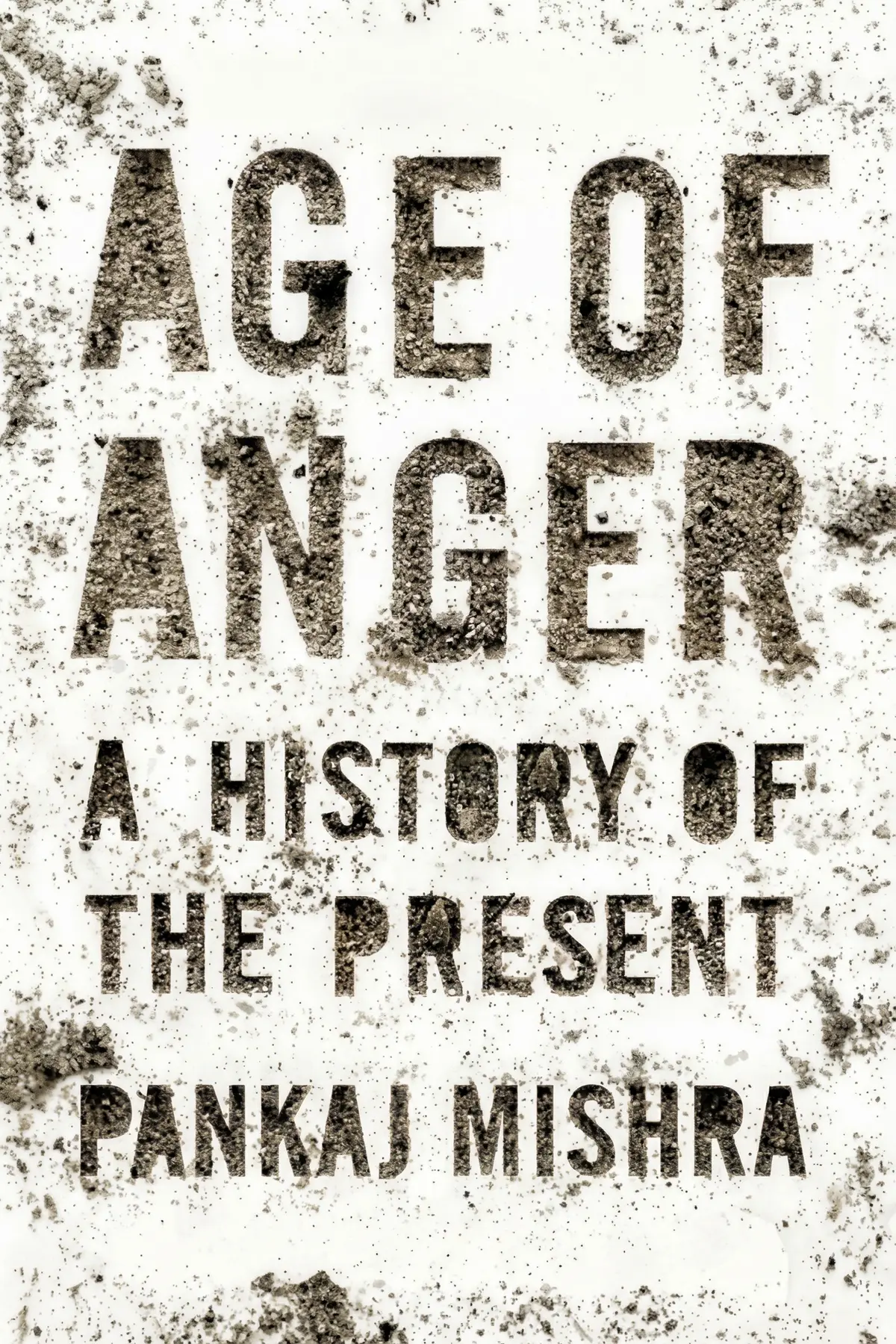
Pankaj Mishra

Johny Pitts
AUDIO SUMMARY AVAILABLE
Get the key ideas from Winners Take All by Anand Giridharadas, plus 5,000+ more titles in English and Thai.







