
A Short History of Nearly Everything
Bill Bryson
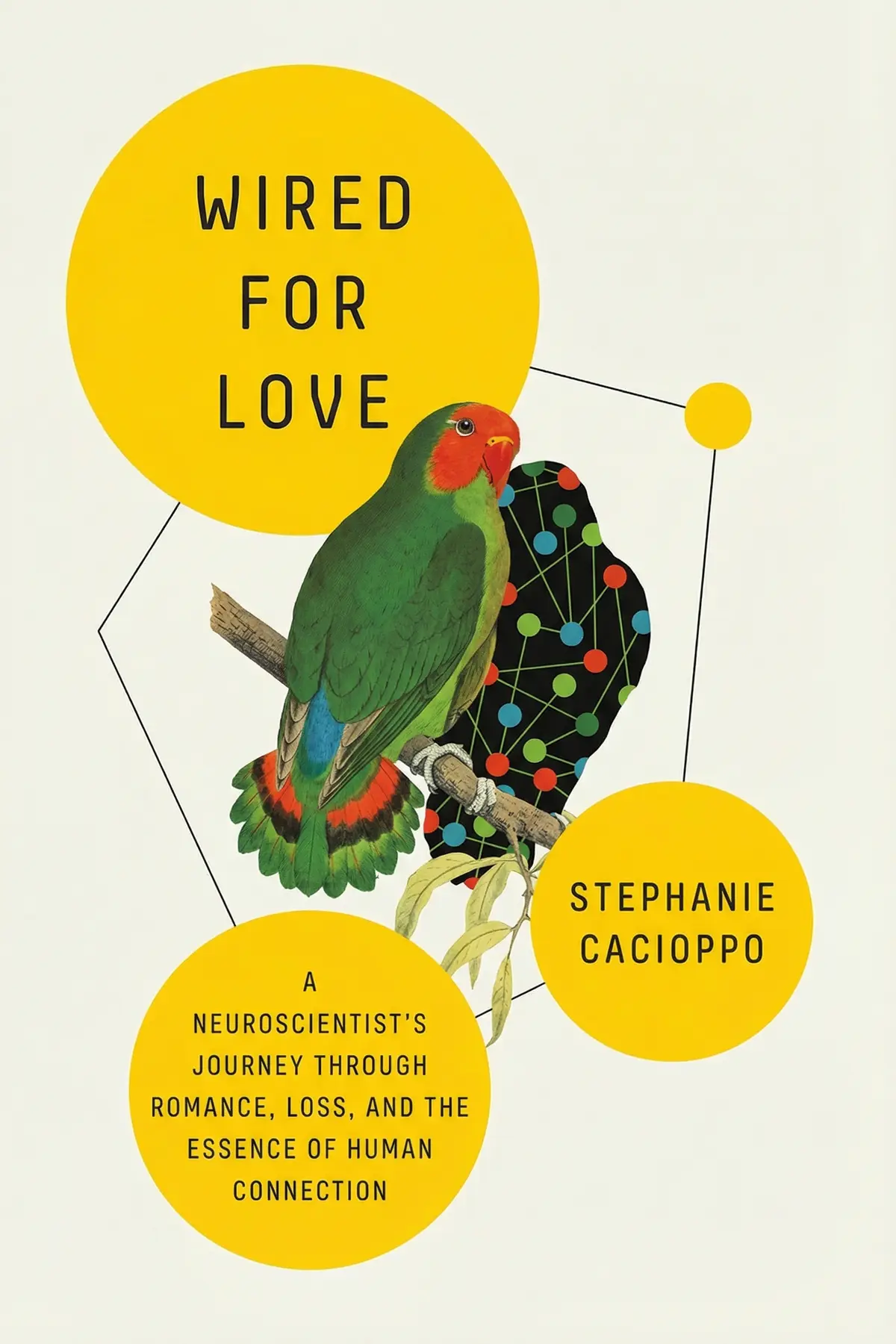
Explore the profound neurobiology of romance. This summary reveals how love is a biological necessity that sharpens the mind, enhances creativity, and protects our physical health through complex neural pathways.
1 min 34 sec
In the modern era, the landscape of human connection is shifting in ways that would have been unrecognizable just a few generations ago. If you look at the statistics in the United States, you’ll find that roughly half of all adults are currently single. Compare that to the middle of the twentieth century, when that figure was barely over twenty percent. Even more striking is that many of those who are single aren’t even looking for a partner. With the rise of digital dating apps and an endless array of choices, many people find themselves overwhelmed or disillusioned, leading to a rise in single-parent households and a creeping sense of isolation across society.
But here is the central truth we must confront: love is not a luxury or a pastime. It is an biological imperative. We are, quite literally, wired for connection. Evolutionary forces have shaped our brains to seek out and maintain bonds with others because our very survival once depended on it. This deep-seated need hasn’t vanished just because our social structures have changed.
In this exploration of Stephanie Cacioppo’s work, we are going to dive into the neural foundations of romance and intimacy. We will move past the poetic metaphors of the heart and look at what is actually happening within the folds of the human brain when we meet someone new, fall deeply in love, or experience the agony of loss. We’ll uncover how attraction works at lightning speed, how love actually makes you smarter and more creative, and why the end of a relationship can feel like a physical threat to your health. By the end of this journey, you’ll have a new perspective on your own relationships, grounded in the hard science of how we are built to love.
2 min 00 sec
Forget the metaphors of the heart; the real story of love is written in the neurons, where attraction is calculated in milliseconds and biology dictates our deepest bonds.
2 min 14 sec
Discover the potent neurochemical cocktail that floods the brain during infatuation, altering your perception of time, mood, and even your daily habits.
1 min 59 sec
Learn how romantic connection acts as a mental fertilizer, improving your reaction times, focus, and ability to process complex information.
2 min 07 sec
Explore the fascinating biology of ‘alikeness’ and how our brains are literally built to reflect and anticipate the actions of those we love.
2 min 14 sec
While love and lust are distinct experiences, they share a complex neural neighborhood, working together like a seesaw to maintain long-term intimacy.
1 min 53 sec
Beyond emotional fulfillment, being in love provides a biological shield, improving everything from your sleep quality to your immune system’s resilience.
2 min 05 sec
When a bond is broken, the brain undergoes a state of emergency. Understand why grief is not just an emotion, but a physical crisis for the body.
1 min 53 sec
Learn why avoiding the pain of loss only prolongs it, and how facing grief head-on—sometimes literally screaming—is the key to healing.
1 min 56 sec
As we have seen throughout this journey, love is far more than a fleeting sentiment or a cultural construct. It is a fundamental, hardwired necessity that is central to the human experience. From the millisecond-fast assessments of our mirror neurons to the complex chemical signals of the insula, our brains are designed to seek out, maintain, and cherish connections with others. Love makes us better—it sharpens our minds, fuels our creativity, and even acts as a protective shield for our physical health.
However, the very depth of our biological wiring for love is what makes its loss so devastating. Grief is a physical reality that demands our attention and active processing. We cannot simply wait for time to heal all wounds; we must engage with our pain and find ways to integrate our memories into our ongoing lives.
If there is one practical lesson to carry forward, it is this: fight off loneliness with every tool at your disposal. Chronic isolation is a literal health hazard, comparable to smoking or obesity in its impact on longevity. If you find yourself feeling lonely, don’t wait for someone to come to you. Reach out and volunteer for a local cause or find ways to be of service to others. Helping someone else triggers those same neural reward systems and provides a sense of shared humanity that can act as a powerful antidote to isolation.
And if you know someone else who is struggling with loneliness, try a counterintuitive approach: instead of just offering them help, ask them to help you. By showing someone that their skills and presence are valued and needed, you give them a sense of purpose and worth that can break the cycle of perceived isolation. We are all part of a vast, interconnected neural web, and by strengthening the bonds around us, we aren’t just improving our social lives—we are nurturing the very essence of what it means to be human.
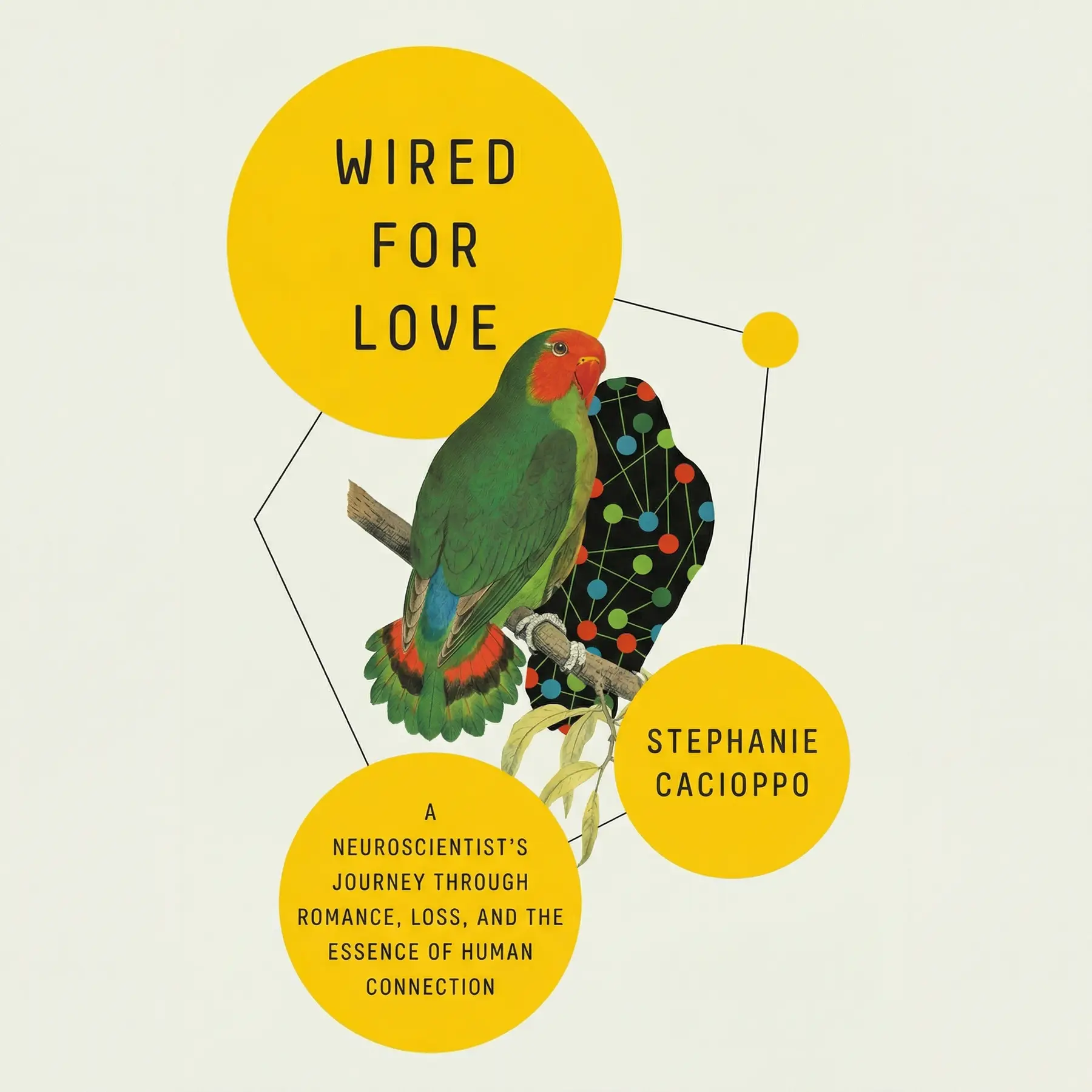
Wired for Love takes readers on a journey through the biological and neurological architecture of human connection. It challenges the romantic notion that love is merely a matter of the heart, placing the brain at the center of our most profound emotional experiences. The book examines the evolutionary purpose of love, the chemistry of attraction, and the ways in which a healthy partnership can actually improve cognitive performance and physical longevity. Beyond the highs of romance, it also addresses the neurological reality of loss and grief. The promise of this work is a deeper understanding of why we crave connection and how we can use science to strengthen our bonds. By bridging the gap between clinical neuroscience and personal narrative, the summary offers a roadmap for navigating relationships with both empathy and scientific insight.
Stephanie Cacioppo teaches psychiatry and behavioral neuroscience at the University of Chicago, where she’s also the director of the brain dynamics laboratory. Her work focuses primarily on the neurobiology of love and the social self. Her scientific articles have been covered by the New York Times, CNN, and National Geographic.
Listeners find the book to be high quality and appreciate its moving love story. They also value the insights provided, with one listener noting how it reveals fascinating details about the brain, while another points to its introduction to social neuroscience.
This book is a stunning intersection of raw emotion and clinical research. Stephanie Cacioppo manages to bridge the gap between complex fMRI data and the deeply personal experience of losing her husband, John. I found the GRACE acronym—Gratitude, Reciprocity, Altruism, Choice, and Enjoyment—to be a surprisingly practical takeaway for someone like me who usually avoids self-help tips. Truth is, seeing how the brain’s mammalian pleasure centers interact with our higher cognitive systems made the concept of love feel less like magic and more like a vital biological nutrient. The prose is accessible, and the narrative of 'Dr. Love' meeting 'Dr. Loneliness' is genuinely moving. It’s a short read but packs a significant emotional punch, especially when she discusses the angular gyrus and how our brains represent the 'self' through another person. Truly, it's a beautiful exploration of the human heart through the lens of a microscope.
Show moreWow. I wasn’t expecting a book about brain scans to make me cry, but the account of Stephanie and John’s relationship is absolutely beautiful and devastating. Seeing how two people dedicated to studying human connection found it in each other later in life was such a highlight for me. The transition from the 'high' of falling in love to the 'low' of navigating terminal illness and grief was handled with so much dignity and scientific curiosity. It's fascinating to learn that the brain processes love not just as an emotion, but as a cognitive necessity for survival. Some might find the focus on heteronormative romance a bit much, but as a memoir of a specific relationship, it works perfectly. It’s a testament to the fact that even 'Dr. Love' isn't immune to the heartbreak that comes with the territory. Essential reading for anyone who has ever loved and lost.
Show moreFinally got around to reading this and I've got to say, it’s a really unique blend of genres. You get the hard science of what’s happening in the insula and the striatum, but you also get a front-row seat to a very real, very moving love story. The 'Dr. Love' and 'Dr. Loneliness' dynamic is such a cool hook, and it’s clear the author has a deep passion for her field. I loved the short, punchy chapters and the way she uses Maya Angelou quotes to frame her research. It’s not a perfect book—it definitely ignores the platonic side of things too much—but for anyone currently in love or looking for it, it’s incredibly validating. The message that we are literally 'wired' for this connection is something I think we all need to hear sometimes. Highly recommended for the curious.
Show moreThe chapter on the biological necessity of love was a total game-changer for me. I’ve always thought of love as a 'nice to have,' but Cacioppo argues convincingly that it's as essential as food or water for our neurological health. The way she weaves her own story of meeting John into the research makes the data feel much more urgent and alive. I was particularly struck by the 'love machine' experiments and the discussion on how deep connections can reduce the risk of addiction and improve sleep. Not gonna lie, the ending is a bit of a tear-jerker, but it leaves you with a sense of hope and a better understanding of your own mind. It’s a must-read for anyone who wants to think more deeply about how their brain shapes their heart. You'll never look at a crush the same way again.
Show moreEver wonder what’s actually happening in your head when you fall for someone? This book offers a compelling look at the twelve brain regions that light up during that initial spark, blending hard data with a vulnerable love story. I appreciated how Cacioppo didn't shy away from the messy parts of her own life, specifically her marriage to John Cacioppo and the subsequent grief. The writing style is quite readable—not too bogged down in jargon, but enough to make you feel like you're learning something substantial about social neuroscience. My only gripe is that it feels a bit like a Hallmark movie at times, particularly the childhood premonition bit, which felt out of place in a science-heavy book. Still, the idea that love makes us cognitively stronger and physically healthier is an empowering message that I’ll be thinking about for a long time. It is a solid pick for science buffs and romantics alike.
Show morePicked this up because I’ve always been curious about why we feel the way we do, and the neurological explanations here did not disappoint. The way Cacioppo explains how love activates the brain's cognitive systems—not just the pleasure centers—changed how I view my own relationships. It’s not just about the rush of dopamine; it’s about how we literally map another person onto our own sense of self. The book is very readable, though I’ll admit the memoir portions sometimes overshadowed the actual science I was looking for. I enjoyed learning about the different neurotransmitters like noradrenaline and oxytocin, and how they contribute to that 'obsessive' feeling of a new crush. It’s a solid introduction to social neuroscience that feels personal without being overly academic, making it perfect for a weekend read for anyone interested in why we crave connection.
Show moreAs someone who finds neuroscience fascinating, I appreciated the way this book tackled such an 'unscientific' topic like love. Cacioppo does a great job of explaining why we shouldn't shy away from studying these messy human emotions under a microscope. The fMRI studies she describes are eye-opening, particularly the idea that love can actually improve our cognitive performance on unrelated tasks. However, the book does suffer from a lack of nuance regarding the aromantic and asexual spectrums, which felt like a missed opportunity to expand the 'wired for love' thesis. Personally, I found the chapter on grief to be the most impactful, as it used science to validate the physical pain of loss. It’s a well-written, if slightly biased, look at the most powerful human experience we have. I'd recommend it to anyone who enjoys a mix of memoir and psychology.
Show moreI really wanted to love this given the author’s credentials, but the narrow focus on romantic partnerships felt incredibly limiting. While the memoir aspects are well-written and the science of the 'love machine' is fascinating, Cacioppo basically ignores platonic and familial bonds as being secondary or even biologically inferior. Frankly, in a world where so many of us rely on deep friendships for survival, it felt a bit dated to read that romantic love is the ultimate key to human fulfillment. To be fair, the sections on grief and how she processed her husband's passing are deeply touching and provide great insight into the neuroscience of loss. However, the lack of inclusivity for aromantic or asexual perspectives makes the 'wired' argument feel incomplete. It’s a decent read for the science, just be prepared for a very traditional worldview that doesn't account for the diversity of human connection.
Show moreLook, the science is solid, but the tone of the memoir segments felt a bit too 'perfect' for my liking. Stephanie Cacioppo is clearly a brilliant mind, yet she writes about her personal life like she’s the protagonist of a romantic comedy, which made it hard for me to connect with the material at times. I found the anthropological claims about romantic love predating friendship to be pretty questionable and under-researched compared to the MRI data. That said, the sections on the GRACE model were genuinely helpful, and I’ve started trying to incorporate more gratitude into my daily routine. It’s a strange hybrid of a book—part rigorous study, part sentimental diary. If you can get past the somewhat narrow view of human connection, there’s some really valuable info here about how to maintain brain health through social bonds.
Show moreAfter hearing so much buzz about this, I found the final product to be quite a letdown in terms of modern perspectives. The author asserts a very rigid, cis-gendered, and heteronormative view of what 'fulfilling' love looks like, essentially dismissing anyone who doesn't prioritize a romantic partner. If you’re aromantic or just someone who values their friendships above all else, you’re going to feel pretty alienated by the first few chapters. The writing is basic and leans heavily on tropes that feel more like a romance novel than a groundbreaking scientific text. While there are a few interesting nuggets about the angular gyrus, I couldn't get past the feeling that the research was being cherry-picked to support a very specific lifestyle. It’s just too one-note for my taste, and I ended up skimming the last third. There are better books on connection out there.
Show moreBill Bryson
Jeff Hawkins

Lisa Kaltenegger
AUDIO SUMMARY AVAILABLE
Get the key ideas from Wired for Love by Stephanie Cacioppo, plus 5,000+ more titles in English and Thai.







