
16 min 51 sec
Words Can Change Your Brain: 12 Conversation Strategies to Build Trust, Resolve Conflict, and Increase Intimacy
Explore how specific communication techniques can physically alter your brain, fostering deeper trust and resolving long-standing conflicts through a scientifically-backed twelve-step approach to more meaningful human interaction and connection.
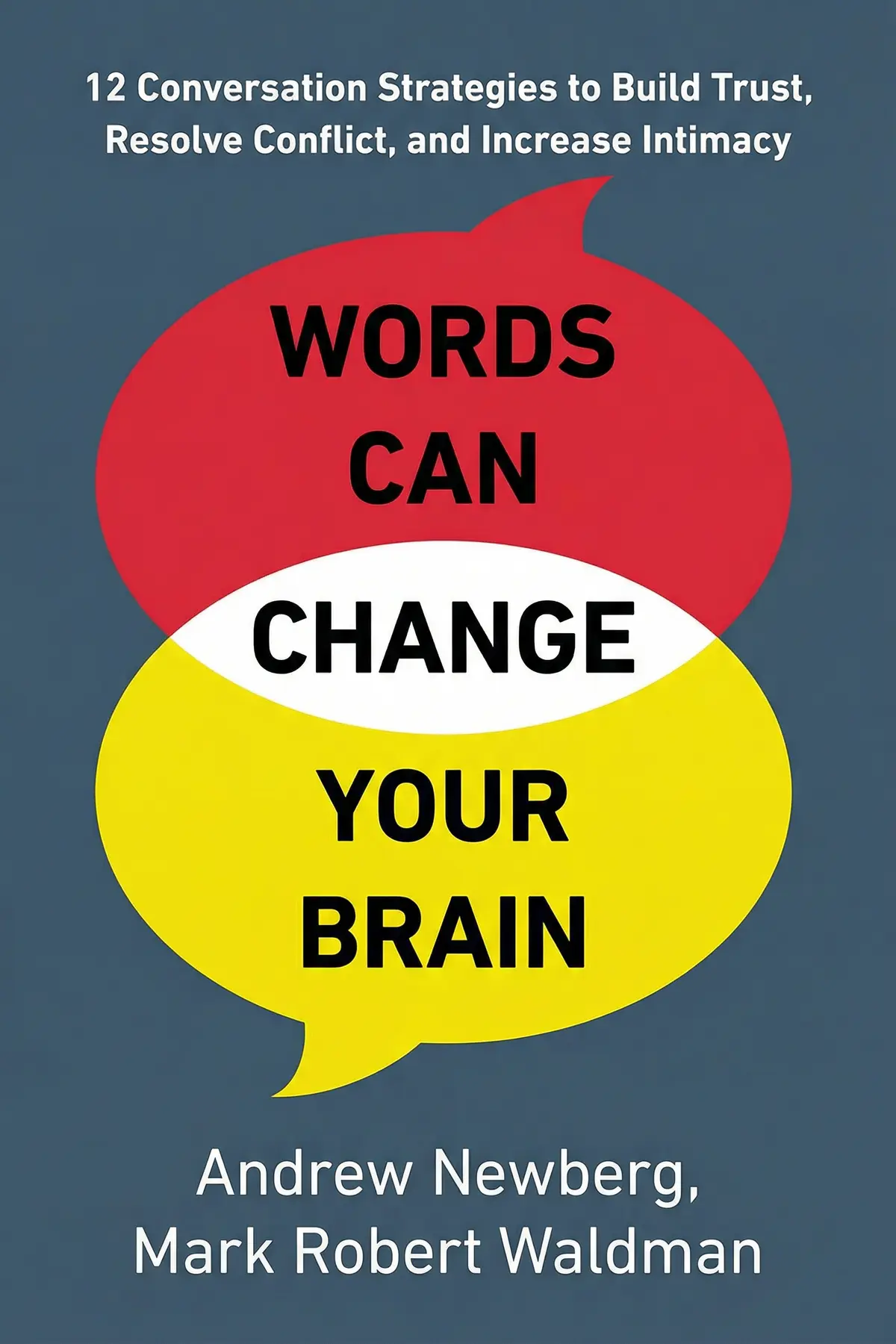
Table of Content
1. Introduction
1 min 27 sec
We spend the vast majority of our waking lives engaged in some form of communication. Whether it is a quick text, a professional meeting, or a deep late-night conversation with a partner, our lives are defined by the exchange of information. Yet, despite this constant practice, most of us are remarkably inefficient at truly connecting. We misunderstand others, we react out of stress, and we often fail to convey our genuine intentions. This disconnect isn’t just a social problem; it’s a neurological one.
In the following pages, we will explore the fascinating intersection of neuroscience and linguistics. We will look at how the brain processes speech and why traditional ways of talking often lead to defensiveness rather than cooperation. The core idea here is that communication is a skill that must be trained, much like an athlete prepares for a physical challenge. It isn’t just about what you say, but the state of your brain before you even open your mouth.
We will walk through twelve distinct strategies that can help you rebuild your communication habits from the ground up. These techniques aren’t just polite suggestions; they are designed to align with how the human brain actually functions. You will learn how to settle the noise in your own head, how to use positivity to bypass the brain’s threat-detection systems, and why the most powerful thing you can do in a conversation is often to stop talking altogether. By the end, you’ll see that changing your words really can change your brain, leading to more intimacy, less conflict, and a much calmer life.
2. Preparing the Mind for Dialogue
2 min 34 sec
Discover why the secret to a great conversation begins long before you speak, focusing on the essential roles of relaxation, presence, and silence.
3. The Neurobiology of Positivity
2 min 14 sec
Learn how negative thoughts physically damage the brain and why a specific ratio of positive words is required to build lasting trust.
4. Navigating by Inner Values
2 min 04 sec
Discover how identifying and sharing your core beliefs serves as a map for difficult conversations, making you more resilient to stress.
5. The Silent Language of the Face
2 min 14 sec
Understand the power of non-verbal cues and how a specific, genuine facial expression can instantly make others more cooperative.
6. The Acoustics of Appreciation and Tone
2 min 18 sec
Explore why the pitch of your voice and the timing of your compliments are vital for bypassing the brain’s natural defensiveness.
7. The 30-Second Rule and Deep Listening
2 min 29 sec
Discover the brain’s surprising limits for processing information and why talking less is the key to being heard more.
8. Conclusion
1 min 31 sec
The journey through the twelve steps of compassionate communication reveals a profound truth: our brains are social organs that are physically shaped by our interactions. By adopting these strategies, you are doing more than just improving your social life; you are literally training your brain to be more empathetic, less reactive, and more cognitively sharp.
We started by learning how to prepare our internal landscape through relaxation and silence. We saw how a positive mindset and a focus on core values provide the necessary framework for any meaningful exchange. We explored the vital importance of non-verbal cues and the specific acoustics of trust found in our tone of voice. Finally, we recognized the biological necessity of brevity and the transformative power of deep, uninterrupted listening.
As you move forward, remember that these techniques are like muscles—they require regular exercise to become strong. You might start by simply trying the sixty-second breathing exercise before your next phone call, or by challenging yourself to stick to the thirty-second rule during dinner tonight. One practical way to handle moments of rising tension is to immediately pause and recall one thing you genuinely value about the person you are speaking with. This simple shift toward compassion can de-escalate even the most heated arguments. By consciously choosing your words and managing your brain state, you can build a life defined by trust, intimacy, and lasting peace. The power to change your world is, quite literally, on the tip of your tongue.
About this book
What is this book about?
Words Can Change Your Brain presents a revolutionary twelve-step program designed to transform how we interact with others. By combining neuroscience with communication theory, the book demonstrates that our choice of words, our vocal tone, and even our facial expressions have the power to alter the physical structure of our brains and those of our listeners. The authors outline a path toward 'Compassionate Communication,' a method that emphasizes neurobiological harmony. From the importance of maintaining a positive mindset to the necessity of keeping verbal exchanges brief and focused, the book provides a roadmap for increasing intimacy and reducing social stress. Readers are promised not just better conversations, but a fundamentally more resilient and empathetic brain, capable of navigating the most difficult interpersonal challenges with grace and clarity.
Book Information
About the Author
Andrew Newberg
Andrew Newberg is a prominent neuroscientist specializing in the intersection of brain function and religious experience, a field known as neurotheology. He serves as the research director at the Marcus Institute of Integrative Health and has authored several books, including the acclaimed Why God Won’t Go Away. Mark Robert Waldman is a seasoned personal development and business coach who focuses on brain-based communication and leadership strategies. He is a faculty member at Loyola Marymount University’s Executive MBA program. Together, Newberg and Waldman also coauthored the best-selling book How God Changes Your Brain.
Ratings & Reviews
Ratings at a glance
What people think
Listeners find this work highly accessible and appreciate the practical tips it offers for mindfulness and healthy communication. The text is grounded in neuroscience and provides excellent details about brain function, with one listener noting it is backed up by significant research. They feel it is an enjoyable read that is useful for daily living, with one review highlighting how it helps focus on happier things.
Top reviews
Eye
Finally got around to finishing this, and I’m genuinely impressed by how Newberg and Waldman bridge the gap between hard neuroscience and everyday conversation. The central idea is that our choice of words actually shapes our brain's structure, which sounds like sci-fi but is backed by serious research. I particularly loved the '12 strategies' for compassionate communication, especially the advice to speak slowly and keep sentences brief. It sounds simple, but try doing it during a heated argument! Gotta say, focusing on positive language has already shifted the vibe in my household. While some might find the tone a bit repetitive, the practical application is where this book shines. If you want to improve your relationships through mindfulness, this is a must-read.
Show moreJeeranan
This book arrived at the perfect time for me. I’ve been struggling with work stress, and the sections on using personal strengths to make decisions really resonated. It’s one thing to be told to 'be positive,' but seeing the neuroscience behind why a positive attitude opens up the brain’s creative centers is a total game-changer. The 12-step plan is easy to follow and doesn't require a total life overhaul—just small, intentional shifts in how you speak and listen. I’ve been speaking more slowly and pausing to let others respond, and the depth of my conversations has increased significantly. It’s a wonderful blend of science and soul. I can’t recommend it enough for anyone looking to find more peace in their daily interactions.
Show moreKek
As someone who navigates high-stakes meetings daily, I found the section on 'Compassionate Communication' incredibly relevant. The authors suggest that by calming your mind and staying present, you can drastically change the outcome of any interaction. I’ve started using the 'deep listening' techniques they describe—basically pausing more and speaking less—and the results were almost immediate. People seem more relaxed around me. Truth is, much of this feels like active listening repackaged with a brain-scan twist, but the neurological explanation makes it more persuasive. It’s a bit dry in parts, and the writing isn't going to win any literary awards, but the takeaways are gold for professional growth. Definitely worth a look if you’re into personal development.
Show moreDuang
The core premise here—that our word choice physically alters our neural pathways—is absolutely fascinating. I appreciated how the book breaks down complex brain functions into digestible bits for the average reader. One of my favorite parts was the focus on using happy memories to generate an inviting facial expression; it’s a small trick that makes a huge difference in how others perceive you. Not gonna lie, the book is a bit heavy on the 'sales pitch' for the first two chapters, which felt unnecessary. However, once you get into the actual 12 steps, it becomes a very useful manual for better living. It reminds us that being kind isn't just a moral choice, but a biological benefit. A very solid 4-star read.
Show moreSam
Ever wonder why you feel instantly defensive when someone uses certain 'trigger' words? This book explains the 'why' behind that reaction and offers a way out through mindfulness. I found the 12-step framework for communication very helpful, particularly the emphasis on affirming others with genuine compliments. It’s not just about being 'nice'—it’s about creating a brain-to-brain connection that fosters trust. I did feel that some of the 'new' concepts were just meditation and progressive relaxation with different names, but the neurological context added a layer of depth I hadn't considered before. I marked several pages regarding values reflection to share with my colleagues. It’s a practical, insightful guide that serves as a great reminder to slow down and listen.
Show moreOwen
Look, I’ll be the first to admit that 'compassionate communication' sounded a bit too touchy-feely for me at first. But after reading the data on how speaking slowly and warmly affects the listener’s frontal lobe, I’m a believer. The authors provide a very clear roadmap: calm your mind, stay positive, and listen intently. It’s simple, yet we so rarely do it. I’ve been practicing the 'speak briefly' rule in my emails and phone calls, and it’s a game-changer. My only complaint is that the book is quite repetitive and drags in the middle. They could have cut about 50 pages and lost none of the impact. Still, the core message is vital for anyone looking to reduce stress in their life.
Show moreWacharapol
Gotta say, the practical exercises in the middle of the book are where the real value lies. I loved the idea that the meaning of communication is the connection itself, not just the exchange of information. We often listen just to reply, but this book challenges you to listen to understand, which is much harder than it sounds. The 12 steps provided a structured way to practice this every day. I especially liked the part about using a warm tone to keep the other person's brain from going into 'fight or flight' mode. While the writing style is a bit academic and dry at times, the information is easily applicable to real life. I’ve already noticed my conversations feeling more meaningful and less rushed.
Show moreDarawan
After hearing about Newberg’s work on a podcast, I was eager to see the data behind his claims. The neurological insights are top-notch, and the connection between speech and brain health is compelling. However, the book feels padded. Much of the advice—like active listening and pausing before you speak—is standard communication theory that’s been around for decades. Frankly, I was hoping for more 'new' neuroscience and less 'repackaged' self-help. It’s not a bad read by any means, and the section on reflecting on personal values was actually quite profound. But if you’ve already read much on mindfulness or communication, you might find yourself skimming large sections. It's a decent primer, just not groundbreaking.
Show morePita
Frankly, this book could have been a long-form article and been just as effective. The authors spend an enormous amount of time in the beginning trying to convince you that their method works, which felt like a bit of a slog. Once you get to the actual strategies, like speaking in short sentences and using positive imagery, the book picks up. It’s definitely backed by research, which I appreciate, but the '12 steps' feel a bit like a collection of existing mindfulness techniques. I did find the bit about how negative words affect the brain's ability to process logic quite eye-opening. It’s a helpful book if you can get past the repetitive nature of the prose. Good information, just a bit bloated.
Show moreHenry
Not what I expected, given the high praise I'd seen online. While the initial concept is intriguing, I felt like I was being sold a product for the first fifty pages. To be fair, the research on how negative words trigger the amygdala is interesting, but then the author starts discussing microexpressions. Look, that’s clearly Paul Eckman’s territory from 'Telling Lies,' and it felt a bit like they were claiming his research as their own. My biggest gripe is the suggestion that we should avoid almost all negative vernacular to protect the listener’s brain. How are we supposed to offer constructive criticism or solve real-world problems? It feels a bit too 'toxic positivity' for me. The book could have been a pamphlet.
Show moreReaders also enjoyed



AUDIO SUMMARY AVAILABLE
Listen to Words Can Change Your Brain in 15 minutes
Get the key ideas from Words Can Change Your Brain by Andrew Newberg, plus 5,000+ more titles in English and Thai.
- 5,000+ titles
- Listen as much as you want
- 7-day free trial
- Cancel anytime







