
Jerusalem: The Biography
Simon Sebag Montefiore
A curated journey through the private correspondence of history's most iconic figures. From scandalous love letters to chilling military orders, these documents reveal the human side of the events that shaped our world.
1 min 54 sec
In our modern era, communication is a matter of instant gratification. We fire off short, fleeting emails or send rapid-fire text messages that are often deleted as soon as they are read. But there was a time, not so long ago, when the primary vessel for human thought across distances was the handwritten letter. These documents were not just vehicles for information; they were physical manifestations of a person’s soul, captured in ink and paper. For the historian, these letters are more than just dusty relics; they are a goldmine of raw, unfiltered human experience. They allow us to bypass the curated public personas of famous figures and step directly into their private chambers.
In this exploration of Written in History, we are going to look at the world through the eyes of those who made it. We will encounter the intimate, the shocking, and the prophetic. We will see the secret anxieties of leaders like Joseph Stalin and the playful, often crude humor of artistic geniuses like Wolfgang Amadeus Mozart. We will witness the early sparks of the civil rights movement and the calculated coldness of military strategists.
As we journey through these correspondences, a central throughline emerges: the written word possesses a unique power to preserve the complexities of the human spirit. Whether a letter was intended to start a war or to win a heart, it provides a window into a specific moment in time that no textbook can replicate. By the end of this journey, you will see how these private messages anticipated world-altering events and what they reveal about the universal nature of our emotions, even across the vast chasm of time. We’ll learn that the people who shaped our history were not just statues or names on a page; they were individuals filled with the same doubts, desires, and drives that we experience today. Let’s begin by peeling back the layers of status and class to see how the most powerful figures expressed their most basic human needs: love and lust.
3 min 03 sec
Discover how the private letters of history’s most powerful icons reveal shocking, playful, and deeply human sides that contrast sharply with their public legacies.
2 min 33 sec
Explore the haunting ways in which the personal letters of individuals like Oscar Wilde and Alan Turing foreshadowed their eventual downfalls and the societal pressures that broke them.
2 min 39 sec
Trace the moments when a single letter shifted the course of nations, from the strategic gambles of world leaders to the birth of new states.
2 min 20 sec
Observe the unshakeable courage of history’s greatest activists through their private thoughts, revealing a resilience that thrived even behind bars.
2 min 38 sec
Reflect on the universal experiences of ambition and mortality as documented in the heartfelt letters of inventors and poets facing life’s biggest transitions.
1 min 48 sec
As we conclude this journey through the pages of Written in History, it becomes clear that letters are far more than just relics of a slower age. They are the heartbeat of our shared narrative, providing a level of intimacy and insight that no other medium can match. We have seen how the private words of Mozart, Stalin, and Wilde reveal the complex, often contradictory nature of the human spirit. We have witnessed how the strokes of a pen from Balfour or Lenin could redirect the course of entire nations, and how the resilient voices of Parks and Pankhurst could spark a fire for justice that would burn for decades.
The throughline of these stories is the undeniable power of the written word to capture a specific, unvarnished truth. In a world that is increasingly digital and fleeting, these letters remind us of the value of taking the time to express our deepest thoughts with care and intention. They show us that the famous and the infamous were, at their core, people driven by the same passions and fears that we face today.
The actionable takeaway from these historical insights is simple but profound: consider the power of your own communication. In an age of instant messaging, the act of writing something down by hand carries a weight and a permanence that digital words often lack. A handwritten letter is a gift of time and thought. It creates a connection that can endure long after the moment has passed. So, take a page from history. Reach out to someone in your life—a friend, a family member, or a mentor—and share your thoughts in a way that can be held and kept. You never know how your words might resonate through time, or what small piece of history you might be writing today. By preserving our own stories and emotions, we honor the legacy of those who did the same, ensuring that the human spirit continues to be written in history.
History is often written in broad strokes—battles, treaties, and public speeches. But the real pulse of the past beats in the private messages sent between friends, lovers, and enemies. Written in History explores this hidden world, offering a front-row seat to the intimate thoughts of those who steered the course of civilization. Simon Sebag Montefiore curates a collection of letters that span centuries and continents, bridging the gap between historical icons and our shared human experience. The book promises more than just a chronological record; it offers a psychological portrait of power, passion, and despair. You will see how a musical genius used humor to flirt, how a tyrant expressed tender affection, and how a scientist pleaded for his theories to be heard. By examining these personal artifacts, the reader gains a fresh perspective on the famous and the infamous alike. It serves as a reminder that even the most world-altering events began as ideas expressed on paper. Ultimately, this work highlights the enduring power of the written word to transcend time, allowing us to connect with the aspirations and anxieties of those who came before us.
Simon Sebag Montefiore is a highly distinguished and award-winning British historian and author of historical nonfiction. He is well-known for his critically acclaimed titles such as Catherine the Great and Potemkin. Additionally, his work Young Stalin received significant recognition, winning the prestigious LA Times Book Prize for Best Biography.
Simon Sebag Montefiore
Simon Sebag Montefiore
Listeners find that although perspectives fluctuate on whether every entry is truly world-altering, the compilation as a whole delivers a captivating and highly personal look into the psyches of history's most prominent individuals. They value the vast diversity of topics, ranging from emotional love notes to intense wartime tactics. Furthermore, listeners appreciate the author’s introductory context for ensuring the history remains approachable, with one listener remarking that even familiar narratives are enhanced by startling new facts. Additionally, they point to the absorbing quality of certain inclusions, like Eisenhower’s D-Day preparations and Michelangelo’s raw descriptions of his artistic struggles.
Finally got around to this collection and I'm genuinely blown away by the intimacy of these documents. Most history books tell you what happened, but reading Michelangelo’s raw descriptions of his physical agony while painting the Sistine Chapel—describing his belly hanging over his chin—makes the past feel alive. The contrast between high-stakes wartime strategy and deeply personal vulnerabilities is what makes this work so compelling. I particularly loved the exchange between Stalin and Tito; Tito’s brazen threat to send a 'very fast' assassin to Moscow if Stalin didn't stop sending them first was a highlight. Even the shorter entries, like Leonard Cohen's final goodbye, pack a massive emotional punch. Simon Sebag Montefiore provides just enough context in his introductions to make the history accessible without overwhelming the primary sources. It’s an unmissable look into the private hearts of public figures.
Show moreWow, what an incredible journey through the private thoughts of the powerful and the persecuted. This book is a masterclass in humanizing icons. Reading Eisenhower’s draft for a failed D-Day invasion alongside Hitler’s letters to Mussolini gives you a 360-degree view of the stakes involved in 1941. It isn't just about politicians, though. The inclusion of Flaubert’s debauchery and the heartbreaking goodbye from Leonard Cohen to his muse Marianne added a beautiful, melancholic layer to the collection. I found the author's introductions to be perfect bridges that provided the necessary political and social context for a general reader. Even if every letter didn't literally change the world, they all provide a window into the minds that did. Highly recommended for anyone who wants to see the human side of the history books.
Show moreEver wonder what was going through a monarch’s head right before the axe fell? This book gives you exactly that, capturing the chillingly calm advice of Charles I to his son just before his execution. The breadth of the collection is its greatest strength, jumping from the ancient world to Donald Trump and Kim Jong Un. I was particularly fascinated by the 'scatological' letters of Mozart—who knew one of history's greatest geniuses had such a bizarre, crude sense of humor? While some of the ancient letters didn't resonate as strongly due to their brevity, the overall impact is one of deep human connection across the centuries. Montefiore has a knack for selecting moments that reveal a side of famous figures we rarely see in textbooks. It's an accessible, fascinating read for any history buff.
Show morePicked this up on a whim and was pleasantly surprised by the breadth of figures included here. It’s a remarkable mosaic of human experience, ranging from the triumphs of Catherine the Great to the tragic treatment of Alan Turing. I loved how Montefiore showcased the reversal of fortunes; one day someone is at the top of the world, and the next they are writing a desperate plea from a prison cell. The detail about Michelangelo feeling more like a sculptor than a painter while his 'buttocks were trying to balance his weight' on a scaffold was a brilliant inclusion. Some of the shorter letters felt like they were just there to fill space, and the 'shagging' anecdotes in the intros could have been trimmed. Still, it’s a great gift for someone who likes their history with a personal touch.
Show moreThis book provides a fascinating, if sometimes erratic, mosaic of human history through the lens of personal correspondence. The variety of themes is impressive—you move from high-stakes diplomacy and wartime strategy to the most intimate, and sometimes weirdly specific, love letters. My favorite part was the revelation of Mozart’s obsession with bathroom humor; it’s so absurdly humanizing. Montefiore is a great storyteller, and his introductions make the context very clear even for those who aren't history experts. Gotta say, though, the title is a bit of a misnomer. Not every letter is a world-changer, and the author's focus on the 'frothy' romantic lives of artists won't be for everyone. Despite that, the sheer diversity of voices, from ancient Pharaohs to modern leaders, makes it a compelling and easy read.
Show moreNot what I expected, but in a mostly good way. Instead of a dry academic text, Montefiore gives us a colorful, sometimes scandalous, and often moving collection of letters. The contrast between the Córdoba Caliph counting only 14 happy days in a 50-year reign and the fiery, erotic letters of John Keats shows the full spectrum of human emotion. While I agree with other reviewers that some inclusions feel like filler, the highlights are so strong that they carry the book. The Tito threat to Stalin is worth the price of admission alone! It’s the kind of book you can leave on your nightstand and read a few pages of every night. A few of the author’s takes require a bit of skepticism, but the primary sources themselves are absolutely worth your time.
Show moreAs someone who usually devours historical biographies, I found this to be a bit of a mixed bag. On one hand, you have the incredible tension of Eisenhower’s D-Day letters, which show the sheer weight of responsibility on his shoulders. On the other hand, the book is cluttered with obscure love letters that don't seem to have 'changed the world' in any meaningful way. The author’s introductions are informative but occasionally lean too heavily into the 'irregular sex lives' of the writers, which feels a bit sensationalist after a while. I was also taken aback by the framing of the Marx and Engels letters; highlighting their personal flaws while seemingly excusing the devastation of Hiroshima in the Truman section felt inconsistent. It's a decent coffee table book for dipping in and out of, but don't expect a balanced academic analysis.
Show moreThe title is definitely clickbait, as very few of these letters actually shifted the course of global history. Instead, what we get is a voyeuristic peek into the private lives of people who happened to be famous. Frankly, the section on love and family was a bit of a slog for me; lovers in letters tend to be repetitive and, well, boring. However, the book picks up significantly when it transitions to war and power. Seeing the way Stalin played a 'dictator' game with his young daughter while simultaneously ordering thousands to their deaths was hauntingly effective. The formatting is good, with helpful intros for each piece, but I wish the selection had been more rigorous. It’s worth a read for the highlights, but you’ll likely find yourself skimming the fluff.
Show moreIt’s a bit of a stretch calling every single one of these 'world-changing' letters. While the inclusion of Eisenhower’s pre-emptive D-Day notes and Charles I writing to his son are genuinely monumental, the collection feels heavily padded with irrelevant gossip. Truth is, the author spends far too much time in the introductions focusing on who was sleeping with whom in various 19th-century artistic circles. These 'frothy' love letters from people I barely recognize really slowed the momentum of what should have been a high-stakes historical survey. To be fair, Montefiore is a gifted storyteller, but his personal biases occasionally bleed through, especially in his commentary on Marx and Truman. It felt less like a curated history and more like a collection of the author’s favorite anecdotes, some of which were quite tedious.
Show moreI wanted to love this, but Montefiore’s intrusive introductions kept pulling me out of the primary sources. He has a habit of spending four paragraphs explaining the scandalous love lives of the writers before we even get to the letter itself. It felt like reading a tabloid at times rather than a history book. More concerning was the clear bias in the commentary. The author goes out of his way to highlight racism in letters by Marx, claiming it’s essential to the ideology, yet treats the bombing of Japan with a very different moral lens. If you’re looking for objective history, this isn't it. Some letters, like those from RAF pilots or concentration camp survivors, are deeply moving, but they are buried under too much authorial baggage and irrelevant social gossip.
Show more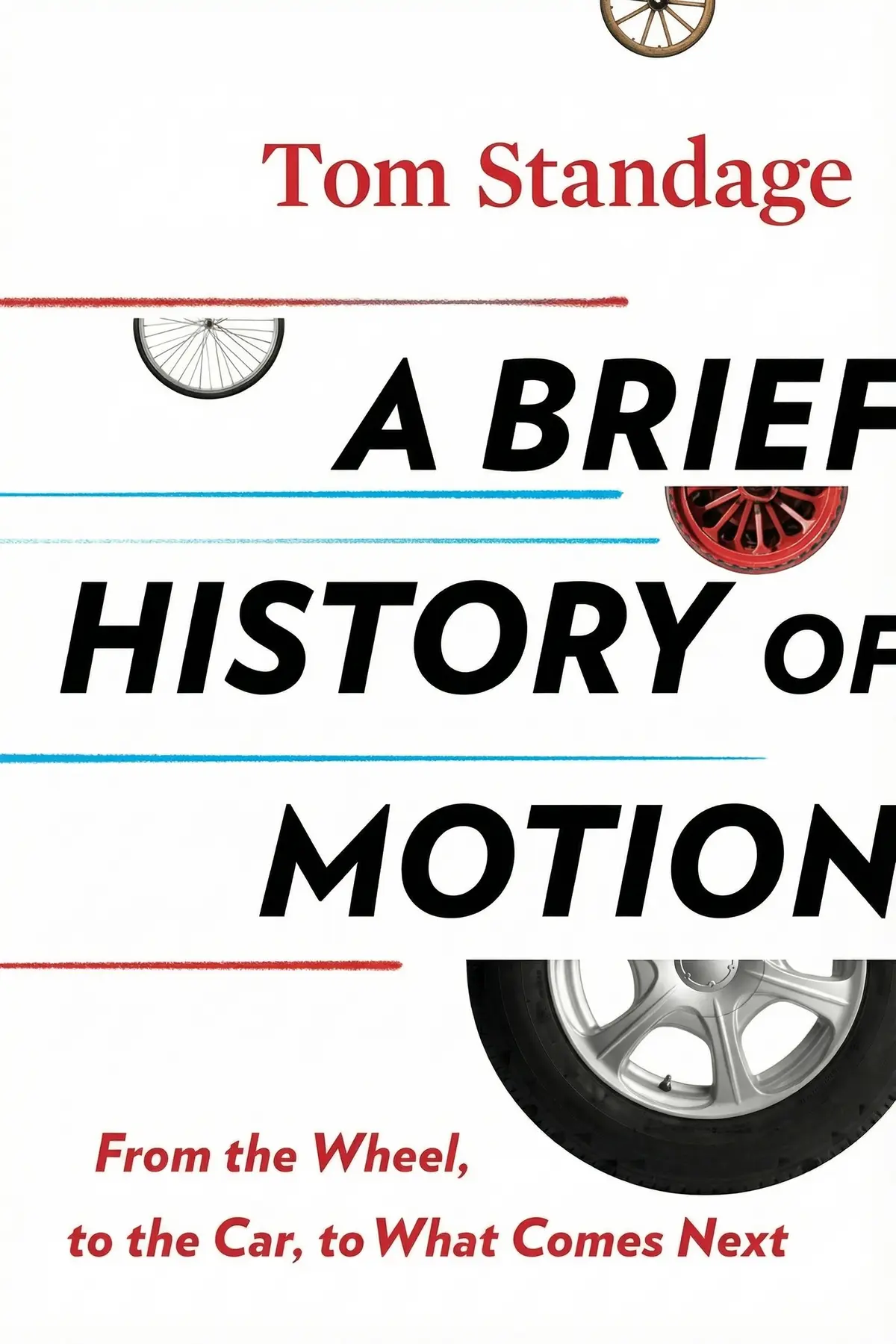
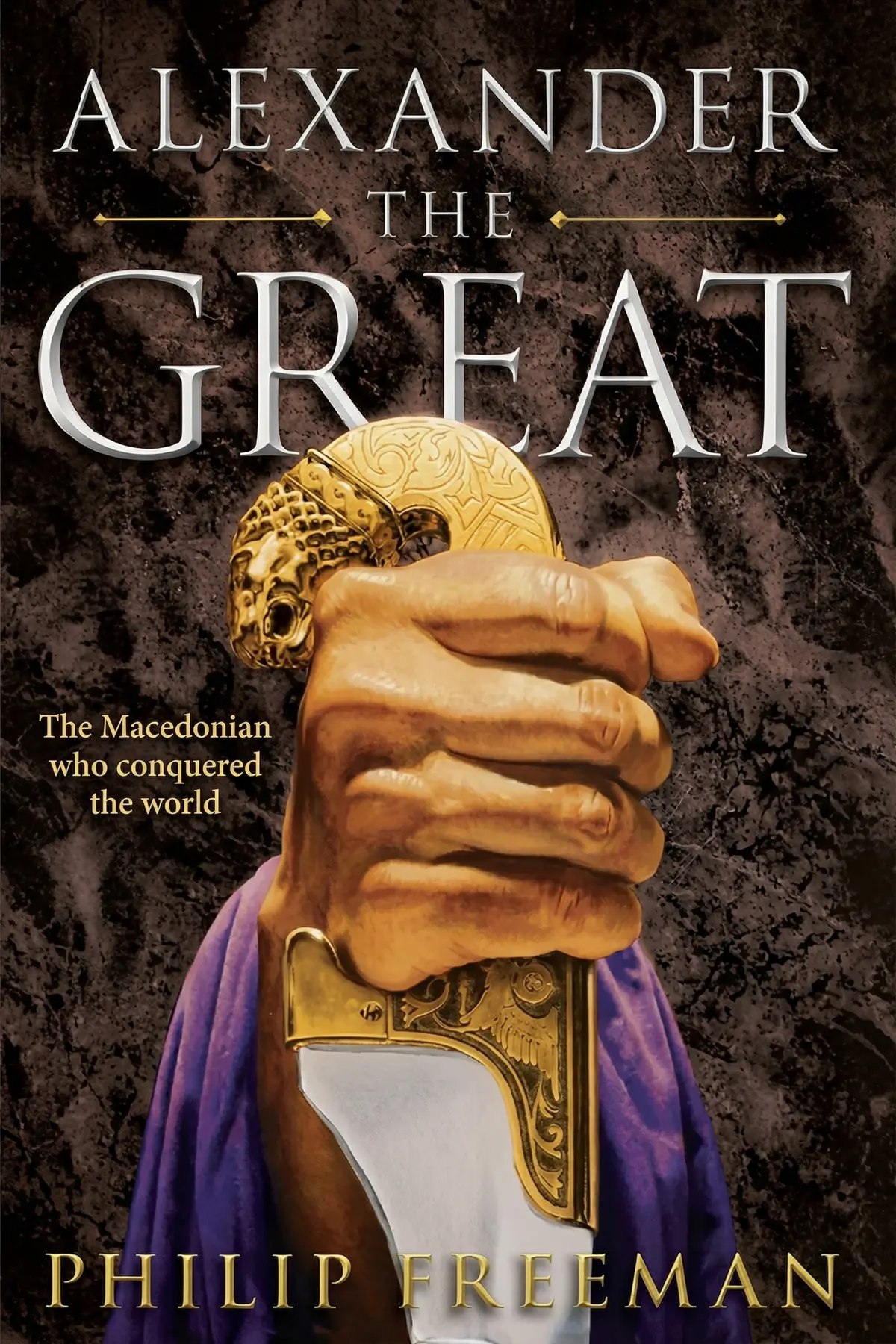
Philip Freeman
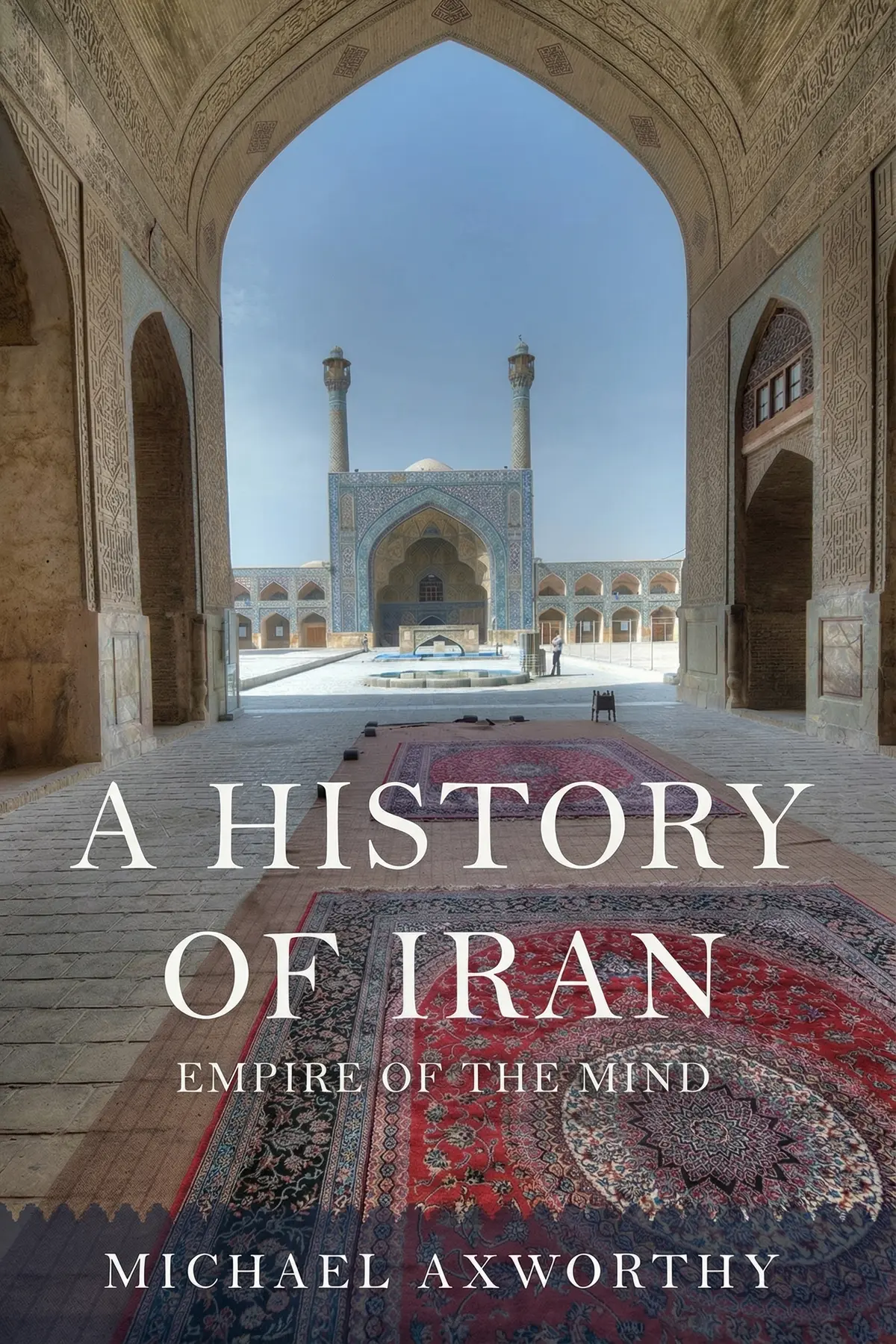
Michael Axworthy
Tom Standage

Ishmael Beah
William J. Bernstein
AUDIO SUMMARY AVAILABLE
Get the key ideas from Written in History by Simon Sebag Montefiore, plus 5,000+ more titles in English and Thai.







