
Jerusalem: The Biography
Simon Sebag Montefiore
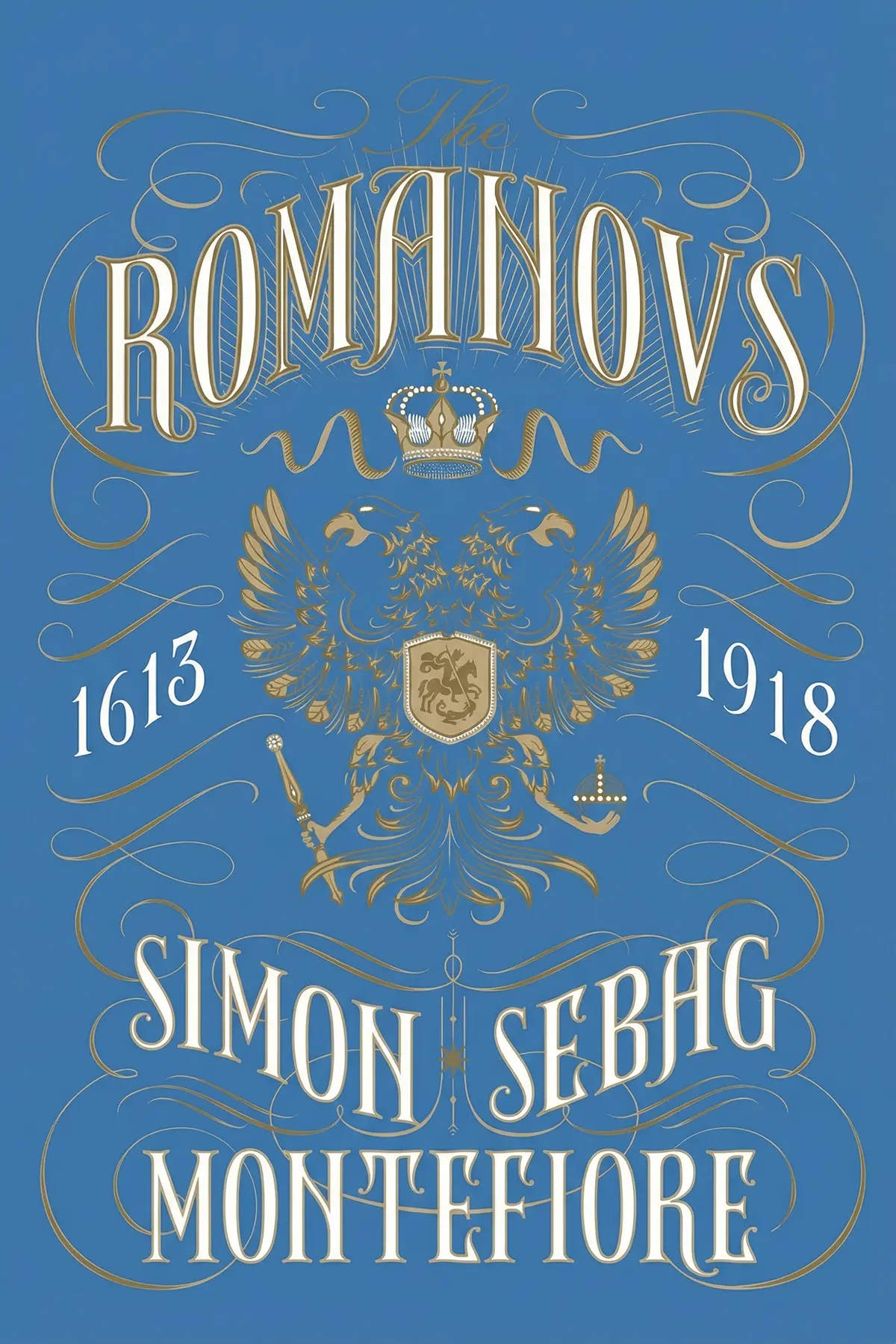
A sweeping chronicle of the Romanov dynasty, exploring the heights of imperial glory and the depths of personal tragedy that shaped Russia’s destiny over three centuries of absolute rule.
1 min 52 sec
When we look back at the history of modern empires, few sagas carry the weight, the drama, and the sheer scale of the Romanov dynasty. For over three hundred years, this single family held absolute power over one-sixth of the Earth’s surface. To understand the Russia we see today, we must first understand the family that forged it from a collection of isolated principalities into a global superpower. This is not just a story of politics and borders; it is a deeply human story about the burden of power and the corruption that often follows it.
The throughline of this history is the concept of the Autocrat. Unlike many European monarchs who gradually ceded power to parliaments or constitutions, the Romanovs largely believed they were divinely appointed. This belief created a unique and often volatile relationship between the ruler, the nobility, and the common people. It was a world where the private whims of a Tsar could lead to the founding of a new capital city or the execution of thousands of subjects. From the very beginning, the Romanovs existed in a state of high-stakes survival, constantly balancing the need for modernization with the desire to maintain absolute control.
As we journey through this timeline, we will witness the transformation of a rugged, medieval land into a center of culture, science, and military might. We will see the brilliance of reformists and the paranoia of tyrants. We will observe how the family’s greatest strengths—their resilience and their commitment to the state—eventually became their fatal flaws when they failed to adapt to a changing world. By examining the intimate details of their court life alongside their grand political maneuvers, we gain a clearer picture of how a dynasty that seemed eternal could vanish in the blink of an eye. Let’s begin by looking at how this unlikely family first rose to the throne during one of Russia’s darkest hours.
1 min 48 sec
Discover how a teenager with no political experience was chosen to lead a broken nation, setting the stage for a three-hundred-year reign.
1 min 45 sec
Explore the unique spiritual and political philosophy that gave the Tsars absolute power and demanded total obedience from their subjects.
1 min 42 sec
Witness the explosive energy of the Tsar who dragged Russia into the modern age through sheer willpower and brutal force.
1 min 38 sec
See how a series of powerful women steered the empire through the Enlightenment, culminating in the golden age of Catherine the Great.
1 min 35 sec
Follow Alexander I as he battles Napoleon, turning a national crisis into a spiritual crusade that elevated Russia’s global status.
1 min 35 sec
Analyze the reign of the ‘Iron Tsar,’ who responded to rebellion with a rigid system of censorship and surveillance.
1 min 33 sec
Learn about Alexander II’s courageous attempt to free the serfs and why his efforts ultimately led to his tragic assassination.
1 min 43 sec
See how the shock of an assassination led to a period of intense Russification and the rejection of all things Western.
1 min 43 sec
Examine the tragic flaws of the last Tsar, a man who loved his family deeply but lacked the vision to save his empire.
1 min 37 sec
Uncover the strange and scandalous role of a Siberian monk whose presence at court became a symbol of the monarchy’s decay.
1 min 39 sec
Witness how the pressures of a global conflict shattered the Russian state and forced the last Romanov to abdicate his throne.
1 min 48 sec
Follow the final, harrowing days of the Romanov family and the execution that marked the definitive end of the imperial era.
1 min 46 sec
The history of the Romanovs is more than just a list of names and dates; it is a profound study of the nature of power. For three centuries, this family attempted to hold back the tide of change, believing that their divine right to rule was the only thing keeping Russia from falling into the abyss. They were a family of paradoxes: they built beautiful cities while presiding over extreme poverty; they encouraged the arts while censoring the word; and they modernized their military while keeping their political system stuck in the past.
Ultimately, the Romanovs were undone by their inability to see themselves as part of a changing world. Their commitment to autocracy, which had once been the glue that held the empire together, became the very thing that tore it apart. By the time Nicholas II came to the throne, the gap between the imperial court and the reality of the Russian people had become an unbridgeable chasm. The tragedy of the Romanovs lies in the fact that many of them, particularly the final Tsar, were not ‘evil’ individuals, but they were trapped in a system that demanded a level of genius and flexibility that they simply did not possess.
As we reflect on their story, we see the enduring themes of Russian history: the tension between East and West, the struggle for reform, and the cycle of order and chaos. The Romanovs may be gone, but their impact is etched into the very stones of St. Petersburg and the collective memory of the Russian people. Their rise and fall serve as a powerful cautionary tale about the dangers of absolute power and the inevitable price of failing to adapt. In the end, the story of the Romanovs is the story of Russia itself—a nation defined by its grand ambitions, its immense suffering, and its relentless, complicated pursuit of greatness.
This narrative journeys through three hundred years of history, tracking the rise and fall of the Romanov family. Starting with the unlikely election of a teenage boy in 1613 and ending with the brutal execution of the final Tsar and his children in 1918, it examines how one family governed the world's largest land empire through a mixture of sacred duty and ruthless violence. The story explores the paradox of a dynasty that modernized a vast, rugged empire while stubbornly clinging to medieval autocratic traditions. From the ambitious reforms of Peter the Great and the enlightened intellect of Catherine the Great to the mystical influence of Rasputin, the book reveals the private lives and public policies of the Tsars. It provides a deep dive into how power was wielded, lost, and ultimately transformed into the foundation of the Soviet state, promising a comprehensive look at the figures who built Russia.
Simon Sebag Montefiore is a highly acclaimed historian and author whose works have been translated into forty-eight languages. He has written extensively on Russian history, including acclaimed biographies of Joseph Stalin and Catherine the Great. In addition to his best-selling books, he is a familiar face to international audiences as a television presenter.
Simon Sebag Montefiore
Simon Sebag Montefiore
Listeners find the work exceptionally accessible, with one listener mentioning it reads like a novel, and they value the deep research and intriguing specifics. The storytelling earns praise for providing an in-depth account of the royal line, and listeners describe it as gripping from start to finish. The prose is skillfully crafted, proving to be both educational and eye-opening. Views on the tempo are varied, as some enjoy the intricate interpersonal dynamics while others feel the narrative occasionally meanders.
Wow. This is history written as a high-stakes soap opera where the cost of losing is usually a gruesome death. Montefiore captures the sheer madness of the Romanovs with such vividness that it feels more like a dark fantasy novel than a dry textbook. I was particularly struck by the juxtaposition of Peter the Great’s raw power and the tragic, fragile end of Nicholas II’s family in that basement. The author doesn't shy away from the corruption, the anti-Semitism, or the obsessive personal habits of the later Tsars. It's a massive book, but the casting lists at the start of each chapter keep the dizzying array of names manageable. Some might find the focus on their sexual appetites a bit excessive, yet it provides a human—if often depraved—dimension to these autocrats. This is an essential read for anyone who thinks modern politics is dramatic. You haven't seen anything until you've read about Rasputin's influence or the sheer scale of Catherine the Great’s ambitions.
Show moreThis book is absolutely wild and probably the most engaging history book I’ve ever picked up. It tracks the Romanovs from their unlikely, reluctant start with Michael I to the horrific execution of Nicholas II’s children. Montefiore’s writing style is punchy and conversational; he even calls Alexander I a 'metrosexual,' which made me laugh out loud. The level of detail regarding the family's intermarriage with British and German dynasties really explains the strange isolation of the later Tsars. I found the section on the Apogee particularly strong, especially the psychological duel between Napoleon and Alexander. It’s a grisly, bloody, and often repulsive story, but you simply cannot look away from the page. The tragedy of the hemophiliac Alexei provides a haunting bookend to the dynasty's beginnings. Be warned: the descriptions of the final massacre are visceral and might make you feel physically ill. This is a brilliant, if dark, exploration of how absolute power eventually destroys those who wield it.
Show moreIf you want a thorough, unvarnished look at the Romanov dynasty, look no further than this masterpiece. Montefiore manages to balance the epic scale of the Russian Empire with the claustrophobic tragedy of its final days. The parallels he draws between the two boys—Michael and Alexei—who opened and closed the dynasty at the Ipatiev house were incredibly powerful. The research into the secret documents of the Soviet era allows him to paint a much more nuanced portrait of figures like Nicholas II. He wasn't just a weak man; he was a man trapped by a system and a belief in divine right that had become obsolete. The descriptions of the sex and violence are certainly graphic, but they reflect the brutal reality of the times. You see the incredible sexual appetite of the regime as a symptom of their absolute, unchecked power. It’s a dark, enlightening, and ultimately deeply sad book that I’ll be thinking about for a long time.
Show moreFinally got around to finishing this epic survey and I’m just stunned by the sheer scope of the Romanov legacy. From Michael I being dragged reluctantly to the throne to the final, horrific moments in Ekaterinburg, the story is utterly Shakespearean. Montefiore’s ability to make you feel sympathy for people who were often objectively terrible—like the anti-Semitic and narrow-minded Nicholas II—is a testament to his skill. The book doesn't just chronicle the Tsars; it chronicles the soul of the Russian nation through its most powerful family. I loved learning about the smaller players like Kutuzov, the hero of 1812, and the various German princesses who became Russian Empresses. The ending made me feel physically ill, yet it felt like the only possible conclusion to three centuries of such heavy-handed rule. It’s a masterpiece of research that reads with the urgency of a thriller. If you have any interest in Russia, this is the definitive account of the family that made it what it is today.
Show moreEver wonder what it would be like to rule a country that seems determined to kill you? This book answers that question through twenty different sovereigns over three centuries of absolute power. Montefiore has a gift for finding the tiny, humanizing details that bring historical figures like Alexander I or Peter III to life. Frankly, the research here is staggering, drawing from archives that give us a much clearer picture of the family's internal dynamics. I loved the Act and Scene structure because it makes the 300-year timeline feel like a cohesive narrative rather than a list of dates. My only real complaint is that the pacing occasionally slows down when the author dives into the specific love letters between Tsars and their mistresses. While those details are fascinating, they sometimes distract from the larger geopolitical shifts happening in the background. Still, it’s an incredibly readable survey that makes the fall of the dynasty feel inevitable and heartbreakingly tragic.
Show morePicked this up because I’ve always been fascinated by Russian history, but Montefiore takes it to a whole new level of intimacy. He doesn’t just tell you what happened; he shows you the letters, the whispers, and the private fears of the people who held Russia in their hands. The way the book is divided into three Acts really helps visualize the rise and fall of this imperial family. I had no idea how much Alexander I contributed to the defeat of Napoleon, or how much the British and German royals were involved in the Romanov's downfall. The writing is elegant and confident, though the author’s use of grammar can be a little idiosyncratic at times. It’s a long journey, but the insights into the corruption and blind devotion to Rasputin make the eventual revolution feel completely understandable. If you want to understand the roots of modern Russia, this is a fantastic place to start. Just be prepared for a lot of violence.
Show moreMontefiore writes history like a novelist, which makes this 600+ page tome fly by faster than you’d expect. I was gripped by the account of the duel between Alexander I and Napoleon, especially the burning of Moscow. The author does a great job of debunking myths, like the idea that Alexander personally ordered the city's destruction. Instead, we see the chaos and the scorched earth reality of a desperate defense. The book is filled with these 'aha' moments that clarify parts of history I thought I already knew. While the focus on the Tsars' private lives is heavy, it serves to show how their personal flaws directly impacted the fate of millions. My only gripe is that the author’s own family history occasionally pops up, which felt slightly out of place in such a grand historical survey. Regardless, the level of archival detail is impressive and gives the narrative a sense of true authenticity. It’s a brilliant, bloody, and beautiful piece of historical storytelling.
Show moreAfter hearing all the hype, I expected something a bit more academic, but what I got was more of a sprawling family saga. To be fair, the book is incredibly informative and clearly well-researched, but the narrative can ramble at times. I found myself flipping back to the family trees frequently because the sheer volume of Alexanders and Peters can be overwhelming. The Cast of Characters lists are a lifesaver, though I wish the author spent a little more time on the positive achievements of the Tsars. It felt like a relentless parade of cruelty, sex, and incompetence, which might be accurate but makes for a heavy reading experience. The transition from the Times of Trouble to the era of Catherine the Great was the highlight for me. However, by the time I reached the revolution, the pacing felt a bit rushed despite the book's length. It's a solid 3-star read for me—informative, but perhaps a bit too focused on the sordid side of things.
Show moreThe amount of names and dates here is enough to make anyone's head spin, even with the helpful cast lists. I struggled with the middle section of the book, where the reigns of the shorter-lived Tsars seemed to blend into one long series of coups and assassinations. Not gonna lie, I found the author’s fascination with the priapic details of the court a bit much after a while. Does every general and courtier need a description of their sexual habits? It felt like the political history was occasionally sidelined to make room for more gossip. That being said, the sections on Catherine the Great and the Napoleonic wars were genuinely fascinating and well-paced. The lack of maps is a major oversight for a book that discusses so much territorial expansion and military movement. It’s a decent resource if you want the 'behind the scenes' look at the Romanovs, but be prepared for a very dense read. It’s informative but definitely requires some patience to get through.
Show moreTruth is, I found the constant focus on the salacious details incredibly distracting from what could have been a serious historical analysis. While I appreciate Montefiore’s thorough research, he seems more interested in the 'pornocracy' and the size of Rasputin's anatomy than in the actual governance of Russia. Every chapter feels like it's trying to out-shock the previous one with tales of torture, incest, and orgy-filled nights. If you’re looking for a deep dive into the economic or social impacts of the Romanov rule, you will be disappointed by this tabloid-style approach. The writing is certainly lively, but the novelistic tone often sacrifices depth for drama. I also struggled with the lack of detailed maps, which made following the military campaigns against Napoleon or the expansion into Chechnya quite difficult. It’s not a bad book, but it feels like it was written for a Game of Thrones audience rather than a serious student of history. I expected more substance and less smut.
Show more
Charles C. Mann
James Shapiro
Andrew Ross Sorkin
Pankaj Mishra

Fay Bound Alberti
Ben Macintyre
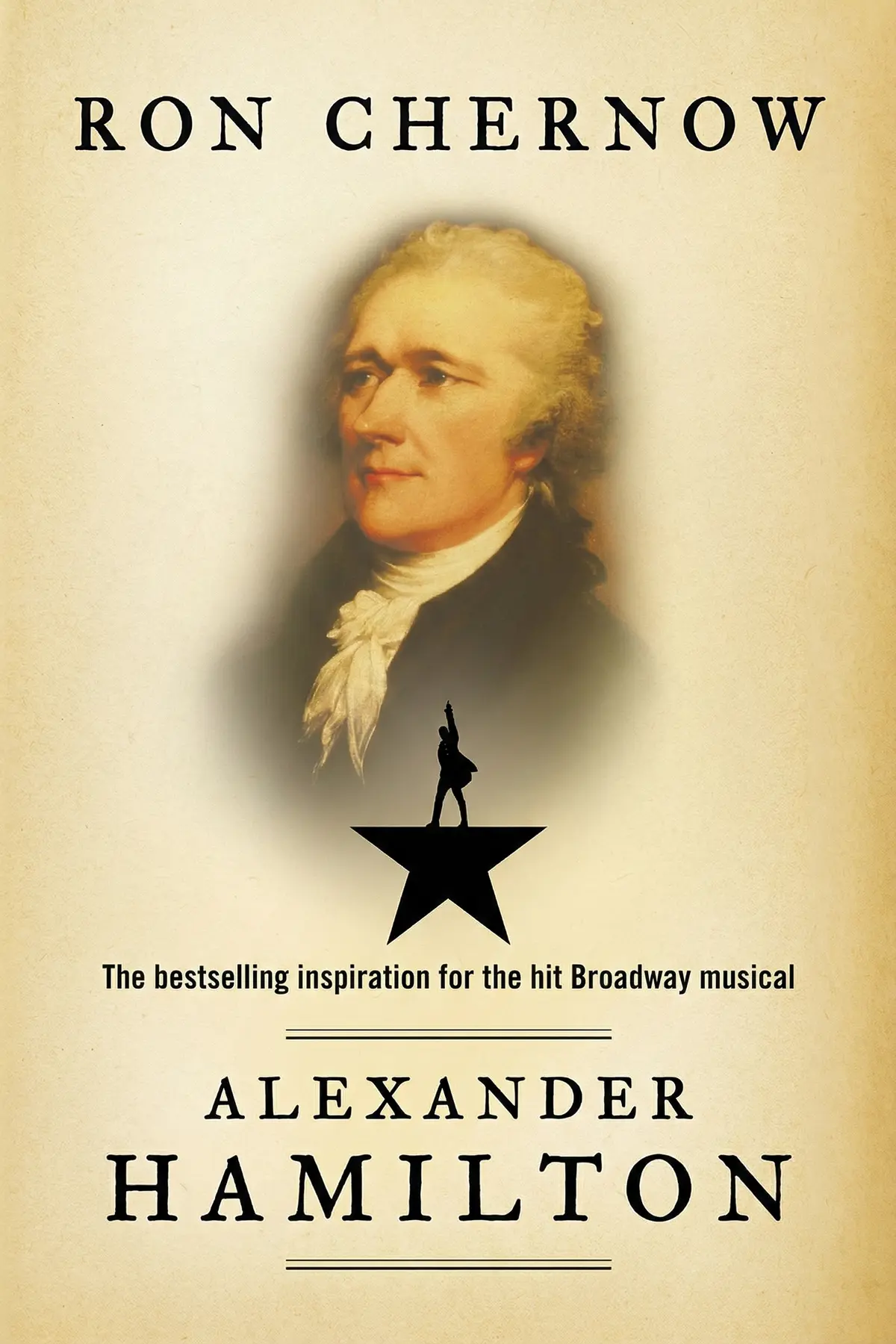
Ron Chernow
AUDIO SUMMARY AVAILABLE
Get the key ideas from The Romanovs by Simon Sebag Montefiore, plus 5,000+ more titles in English and Thai.







