
A Liberated Mind: How to Pivot Toward What Matters
Steven C. Hayes
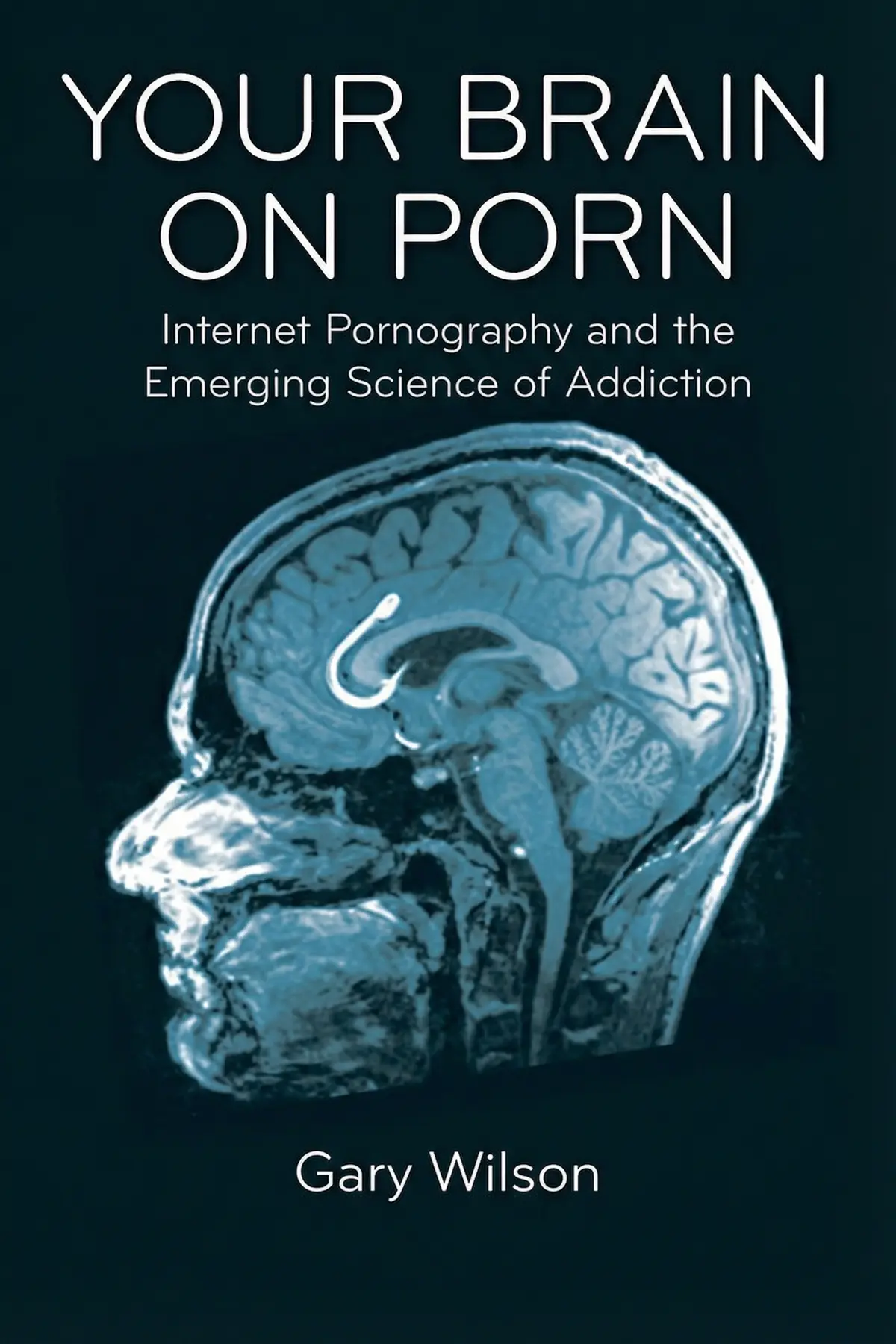
Gary Wilson explores how high-speed internet pornography reshapes the human brain, leading to addiction and sexual dysfunction, while offering a science-based roadmap for recovery and reclaiming natural intimacy.
1 min 42 sec
In the modern age, we are living through a massive, unintended biological experiment. For the first time in human history, nearly every person has a device in their pocket capable of delivering an infinite stream of high-speed, hyper-stimulating content. While we often focus on the convenience of the digital revolution, we are only beginning to understand the toll it takes on our most fundamental biological drives. Specifically, the rise of internet pornography has coincided with a startling increase in anxiety, depression, and sexual dysfunction among young people.
This isn’t just a matter of moral debate; it is a matter of neurobiology. The human brain, evolved over millions of years to seek out connection and reproduction, is now being flooded with levels of stimulation it was never designed to handle. In this summary of Gary Wilson’s groundbreaking work, we are going to explore the mechanics of how digital consumption hijacks the brain’s reward systems. We will look at the alarming statistics regarding physical health and mental clarity that have emerged in the era of high-speed streaming.
But more importantly, we will find a path forward. The throughline of this journey is the concept of neuroplasticity—the brain’s remarkable ability to change and heal itself. While the damage caused by compulsive porn use is real, it is also reversible. By understanding the chemistry of craving and the biological traps set by modern technology, you can begin the process of ‘rebooting’ your mind. Whether you are looking to improve your own life or understand a growing public health crisis, these insights offer a scientific perspective on how to reclaim control over your focus, your relationships, and your future.
2 min 33 sec
Explore how the transition from analog media to high-speed internet created a perfect storm for compulsive behavior, leading to a massive spike in sexual dysfunction among young men.
2 min 31 sec
Go behind the scenes of your brain’s reward system to see how dopamine drives the cycle of craving and why the brain eventually becomes numb to normal pleasure.
2 min 26 sec
Discover the Coolidge Effect, a biological phenomenon that explains why the infinite variety of the internet is so uniquely addictive to the human mind.
3 min 15 sec
Learn the practical, science-backed steps for ‘rebooting’ your brain, from environmental changes to new daily habits that foster long-term healing.
1 min 29 sec
As we reach the end of our journey through the science of porn addiction, the most vital takeaway is that your brain is incredibly resilient. The digital world has created a landscape that is perfectly designed to hijack our evolutionary drives, leading to a rise in anxiety, desensitization, and sexual dysfunction. However, these are not life sentences. The very same neuroplasticity that allowed the addiction to form is the same mechanism that will allow you to heal.
By stepping away from the screen and allowing your dopamine system to return to its natural baseline, you can reclaim your ability to find joy in the real world. This isn’t just about quitting a habit; it’s about reclaiming your focus, your energy, and your capacity for genuine intimacy. The first 30 to 90 days are the most challenging, as your brain learns to function without the ‘supernormal stimulus’ it has become accustomed to. But as the gray matter returns and your receptors reset, you will find a version of yourself that is more present, more capable, and more alive.
If you find yourself struggling, remember the power of environmental change and the biological ‘hack’ of a cold shower to reset your state. Reach out to others who are on the same path. The journey back to a healthy brain is one of the most significant investments you can make in your future happiness and health. You have the power to reboot your mind and take back control of your life, one day at a time.
This summary dives into the neurological impact of modern digital media on the human reward system. It examines the shift from occasional consumption to the high-speed, infinite-novelty environment of the internet, which has triggered a rise in sexual dysfunction and mental health struggles among young people. Gary Wilson explains the biological mechanisms at play, particularly how dopamine and evolutionary drives like the Coolidge effect are exploited by digital content. The promise of the book is one of hope and restoration. By understanding that the brain is plastic and capable of repair, readers learn that the damage caused by compulsive pornography use—ranging from focus issues to physical dysfunction—is not permanent. Through practical strategies like environmental design, community support, and total abstinence, individuals can reset their neurochemistry, improve their mental well-being, and return to healthy, real-world relationships.
Gary Wilson was a dedicated teacher, author, and public health advocate who focused on the physiological and psychological effects of pornography. He gained international recognition for his viral TEDx talk, The Great Porn Experiment, which has been viewed over 13 million times. His work has been instrumental in bridging the gap between neuroscience and the lived experiences of those struggling with digital addictions.
Listeners find this work highly educational and well-researched, providing lucid details on the physiological effects of porn and strategies for recovery. Furthermore, it is regarded as essential reading for 21st-century individuals, containing practical tips and plenty of testimonials from real people. They prize the material's scientific accuracy and approachable tone, characterizing it as both easy to digest and thought-provoking.
Ever wonder why modern life feels so draining despite being surrounded by constant entertainment? This book provides a staggering look at how high-speed internet pornography acts as a "supernormal stimulus" that our primitive brains simply aren't wired to handle. Wilson explains the dopamine loop with such clarity that even someone without a biology degree can grasp how neuroplasticity works against us in the digital age. I found the "junk food" analogy particularly striking because it perfectly describes that sensation of being perpetually hungry but never satisfied. While some might find the heavy reliance on Reddit testimonials a bit unpolished, I think those raw stories add a necessary human element to the data. It is a terrifying yet essential manual for anyone trying to reclaim their focus and sexual health in a world of endless tabs. The strategies for recovery aren't just fluff; they are grounded in a deep understanding of how our reward circuits function. Frankly, it should be mandatory reading for every young man today.
Show moreGary Wilson manages to bridge the gap between complex neuroscience and everyday struggles without sounding like he's lecturing from an ivory tower. The way he describes the brain's evolution—how we transitioned from magazines to a buffet of infinite novelty—is both fascinating and deeply disturbing. I was particularly interested in the sections on porn-induced erectile dysfunction, as it’s a topic people are usually too ashamed to discuss openly. The book is well-documented and uses real-life testimonials to prove that these aren't just theoretical risks; they are affecting people’s marriages and self-esteem right now. I appreciated that he didn't just point out the problems but gave a clear roadmap for "rebooting" the brain to its natural state. It’s not just about porn; it’s about understanding how we consume everything in this hyper-connected era. Not gonna lie, the carbon footprint of the porn industry mentioned toward the end was the final nail in the coffin for me. Essential reading.
Show moreAs someone who appreciates a good dive into human behavior, this book was a revelation regarding the hidden costs of our "on-demand" culture. Wilson doesn't just talk about sex; he talks about the fundamental way our brains seek out rewards and how that mechanism can be hijacked by technology. The section on "Coolidge Effect" was particularly enlightening, explaining why a brain stimulated by endless variety eventually loses interest in a real, monogamous partner. This isn't about being a prude; it's about acknowledging that our biological hardware is being overwhelmed by digital software. The book is very readable and the tone is mostly objective, despite the disturbing nature of some of the user stories. It’s a must-read for 21st-century individuals who want to stay in control of their own desires. Personally, I found the explanation of "hypofrontality" to be the most useful tool for understanding my own lapses in willpower. Truly a thought-provoking piece of work.
Show moreWow, what a wake-up call for anyone who thinks their internet habits are harmless. This book is a deep dive into the "rebooting" process, offering clear explanations of why withdrawal is so difficult and how to navigate the pitfalls of relapse. The author’s ability to take complex psychiatric concepts and turn them into relatable metaphors is brilliant. I loved the distinction between healthy sexuality and the "artificial buffet" of the internet. It makes you realize that we’re all a bit ignorant about the long-term effects of this technology. The book is well-documented and the inclusion of so many real voices makes the science feel much more urgent. It helped me understand that the "brain fog" I’ve been feeling isn't just a part of getting older. If you've ever felt like you're losing your edge or your ability to connect with people, read this. It’s an empowering, scientifically accurate, and deeply human look at one of the biggest challenges of our time.
Show moreI picked this up after noticing my own attention span shortening and feeling like a total slug after too much screen time. Wilson’s breakdown of how porn hijacks the same reward mechanisms as hard drugs was a massive wake-up call for me personally. The concept of "hypofrontality" explains so much about why willpower alone usually fails when you’re staring at a screen late at night. Look, I’m not a puritan and I don’t think all porn is evil, but seeing the correlation between heavy usage and actual physical changes in the brain is hard to dismiss. The book does a great job of outlining the withdrawal symptoms, which are surprisingly similar to quitting nicotine or caffeine. My only real complaint is that the tone can occasionally veer into a bit of a moral panic, though the author tries his best to stay grounded in physiology. It’s an easy-to-read, thought-provoking guide that actually offers actionable recovery strategies for the 21st century.
Show moreNot what I expected at all, as I thought this would be a religious or moralistic rant, but it’s actually a very logical look at brain chemistry. The author focuses on how dopamine spikes lead to sensitization and eventual desensitization, leaving users needing more extreme content to feel anything. It’s a frightening cycle that turns the brain into its own worst enemy. While the book leans heavily on internet forum posts which can feel a bit repetitive, those voices provide a sense of community for those struggling. The truth is, our brains are plastic and we are currently running a massive, uncontrolled experiment on them with high-speed web access. I found the advice on avoiding "supernormal stimuli" like junk food and endless scrolling just as valuable as the porn-specific tips. It’s a bit repetitive in the middle, but the message is vital. We need to collectively calm down and look at what this tech is doing to our reward centers.
Show moreFinally got around to reading this and it definitely changed my perspective on my digital habits. The comparison between the brain on porn and the brain on amphetamines was the most shocking part for me. It explains that "slug" feeling where you lose motivation for real-life achievements because your brain thinks it's already hit the jackpot. The book is easy to understand and the chapters are structured in a way that keeps you moving through the heavy stuff. I did feel that some of the recovery strategies were a bit simplistic, but maybe simplicity is what’s needed when your prefrontal cortex is compromised. I liked the discussion on how "novelty" is the main driver of the addiction, forcing users toward increasingly taboo content. It’s a sobering read that makes you want to throw your smartphone into the ocean. A few more diagrams would have helped, but the testimonials speak volumes.
Show moreThe chapter on the physiological effects of porn was worth the price of the book alone. I had no idea that frequent usage could actually correlate with a decrease in grey matter in the areas of the brain responsible for decision-making. Wilson writes with a sense of urgency that is warranted given how quickly this phenomenon has spread across the globe. Some might find the frequent quotes from NoFap users a bit excessive, but they serve to show that this is a widespread issue, not an isolated one. Look, the book isn't perfect—it's repetitive and focuses almost entirely on the male experience—but the core message is incredibly important. It gives you the vocabulary to understand why you might be feeling anxious or socially paralyzed. It’s a practical guide for anyone looking to reset their brain and find joy in real-life intimacy again. I'm glad I read it before the next generation gets even more submerged in this stuff.
Show moreThis book provides some genuinely eye-opening insights into how our brains react to hyperstimulation, but it definitely has its flaws. My main gripe is that it feels incredibly cis-male-centric, often leaving female perspectives to brief mentions in parentheses or ignoring them entirely. The writing style is also a bit disjointed because Wilson pulls so heavily from the NoFap subreddit and various online forums. To be fair, those anecdotes are often funny—like the guy ladling cold water over himself in a sink—but they don't always feel like the most rigorous scientific evidence. I was looking for more charts, graphs, and peer-reviewed long-term studies rather than a collection of pervert-to-pioneer transformation stories. However, the core message about desensitization and the thinning of grey matter is hard to ignore. It is a decent starting point if you can look past the amateur-blog feel of certain chapters. It's a 3-star read that probably deserves a 5-star conversation.
Show moreTo be fair, the science in this book feels more like "bro-science" than actual clinical research at times. I struggled to find clear information on Gary Wilson’s actual credentials, and his reliance on Reddit anecdotes instead of rigorous, double-blind studies made me skeptical throughout. The book makes huge claims about grey matter and brain shrinkage that feel a bit like fear-mongering when the research in this field is still so new. I also found the writing to be quite immature in places, which makes it hard to take the serious subject matter at face value. If you want a collection of NoFap success stories, this is great, but if you want a medical textbook, look elsewhere. It's too focused on a specific subset of the population and ignores the nuances of human sexuality. I didn't hate it, but I certainly didn't find it to be the scientific powerhouse the Amazon summary suggested.
Show moreSteven C. Hayes
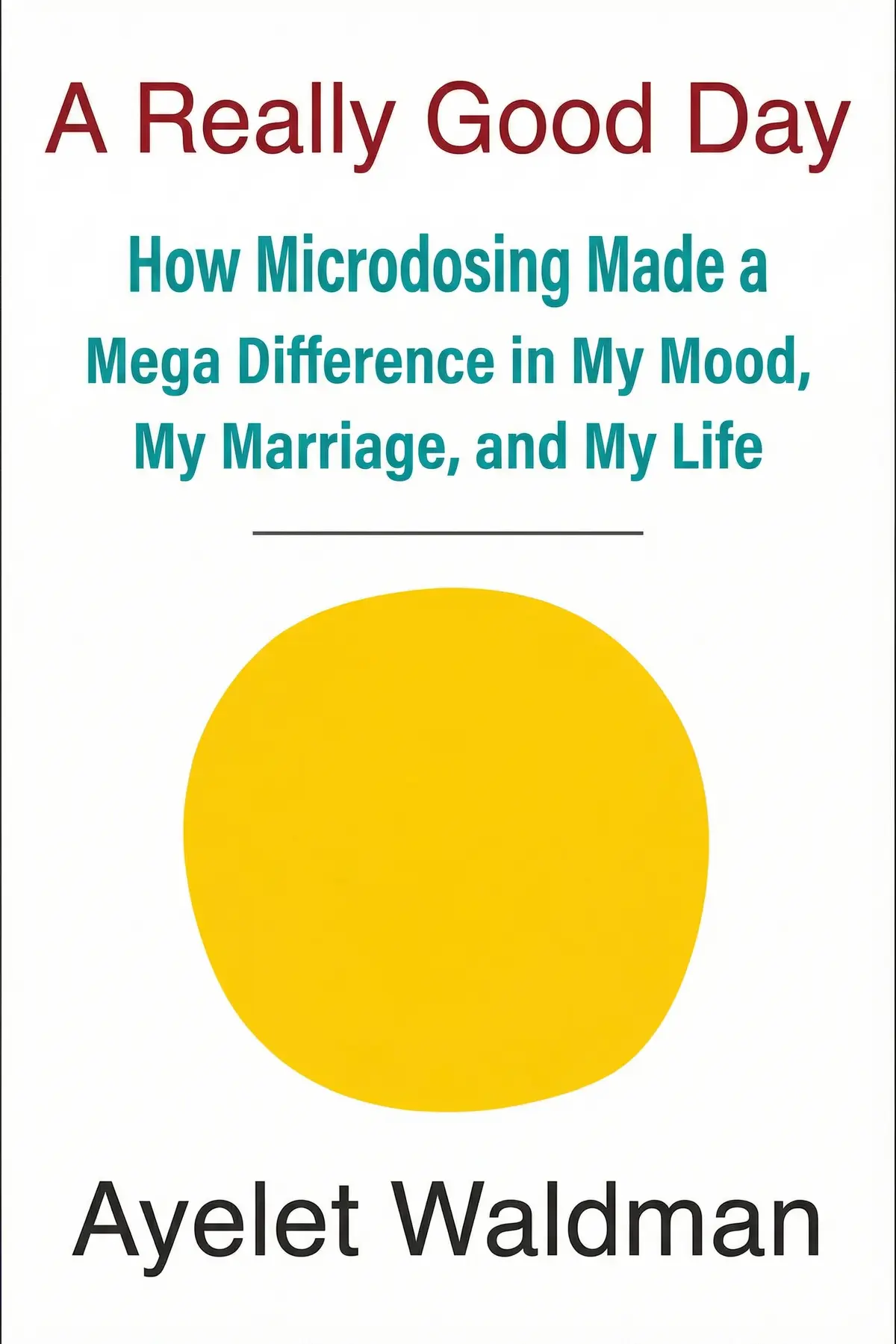
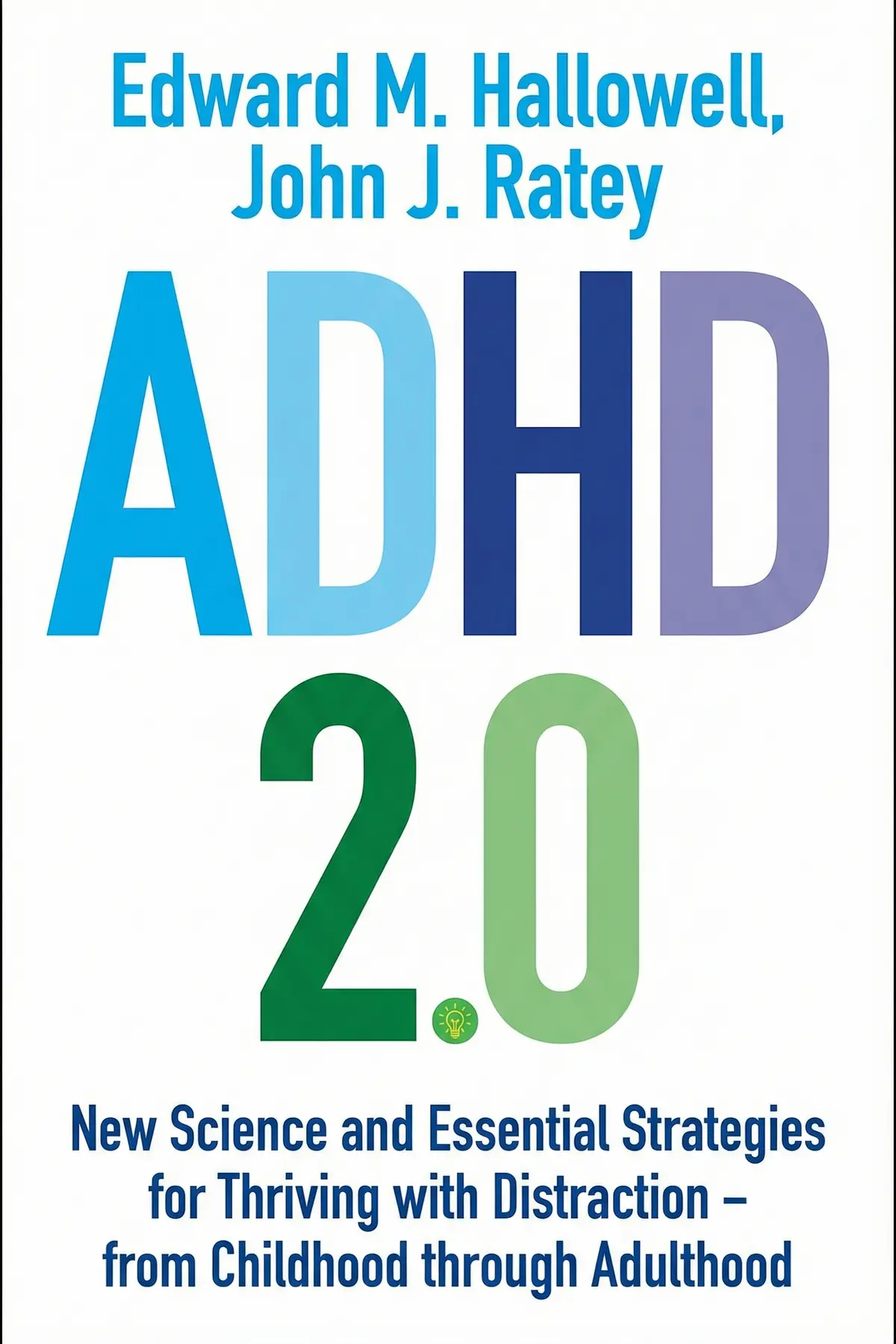

Leanne Maskell
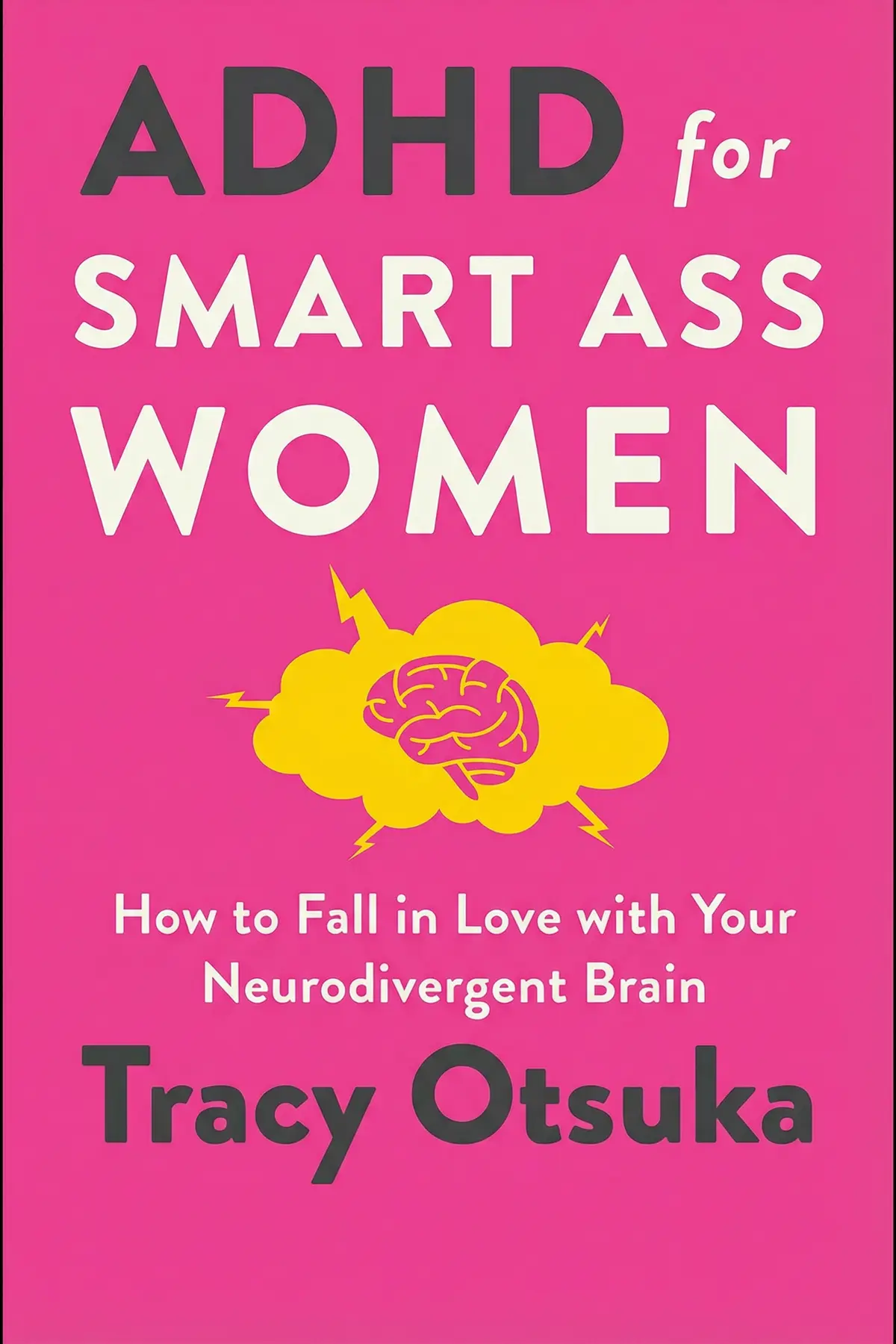

bell hooks
AUDIO SUMMARY AVAILABLE
Get the key ideas from Your Brain on Porn by Gary Wilson, plus 5,000+ more titles in English and Thai.







