
17 min 57 sec
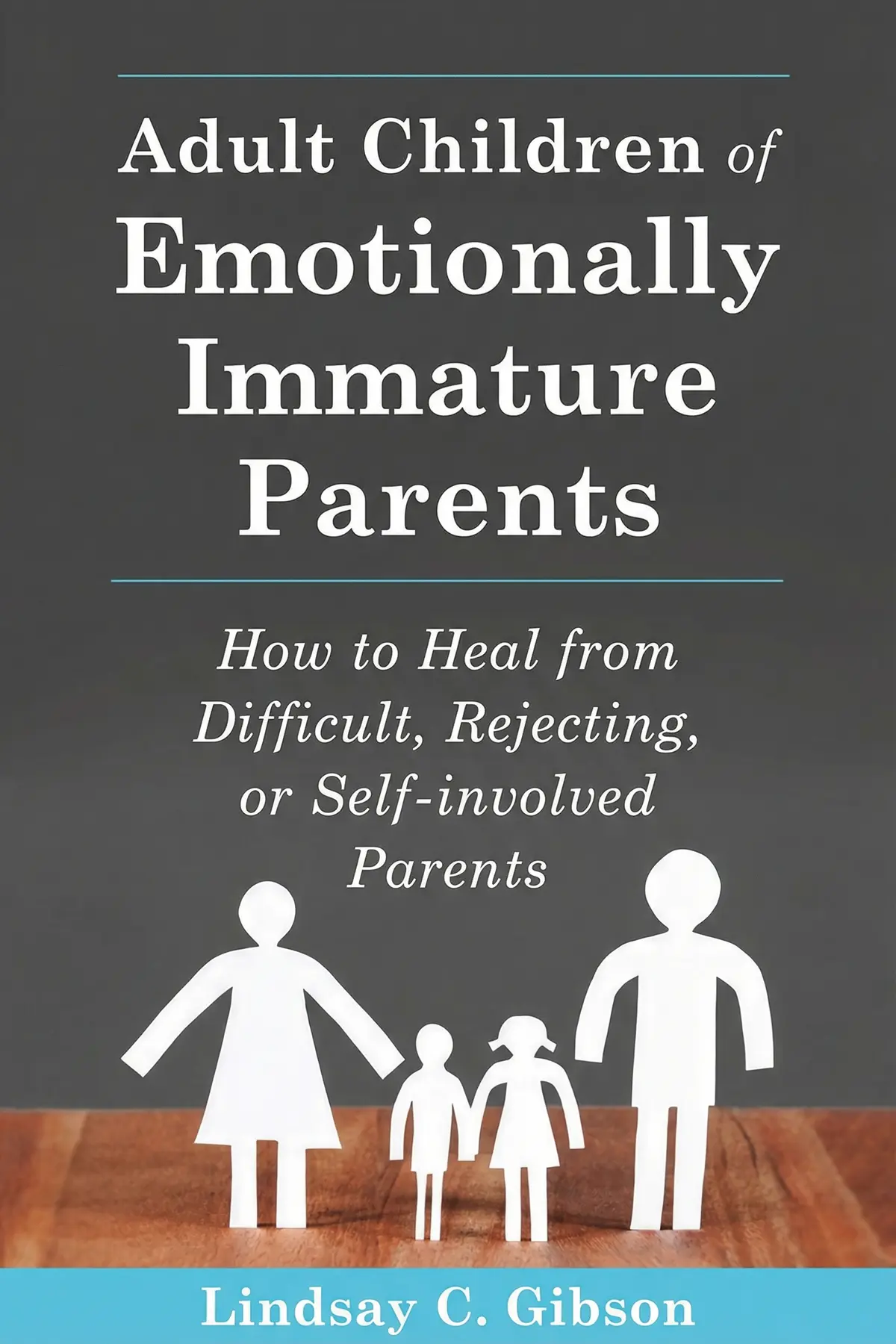
1-2-3 Magic: Effective Discipline for Children 2-12
Discover a straightforward, calm approach to discipline for children aged 2 to 12. Learn how to stop obnoxious behavior, encourage positive habits, and strengthen your parent-child bond without shouting.
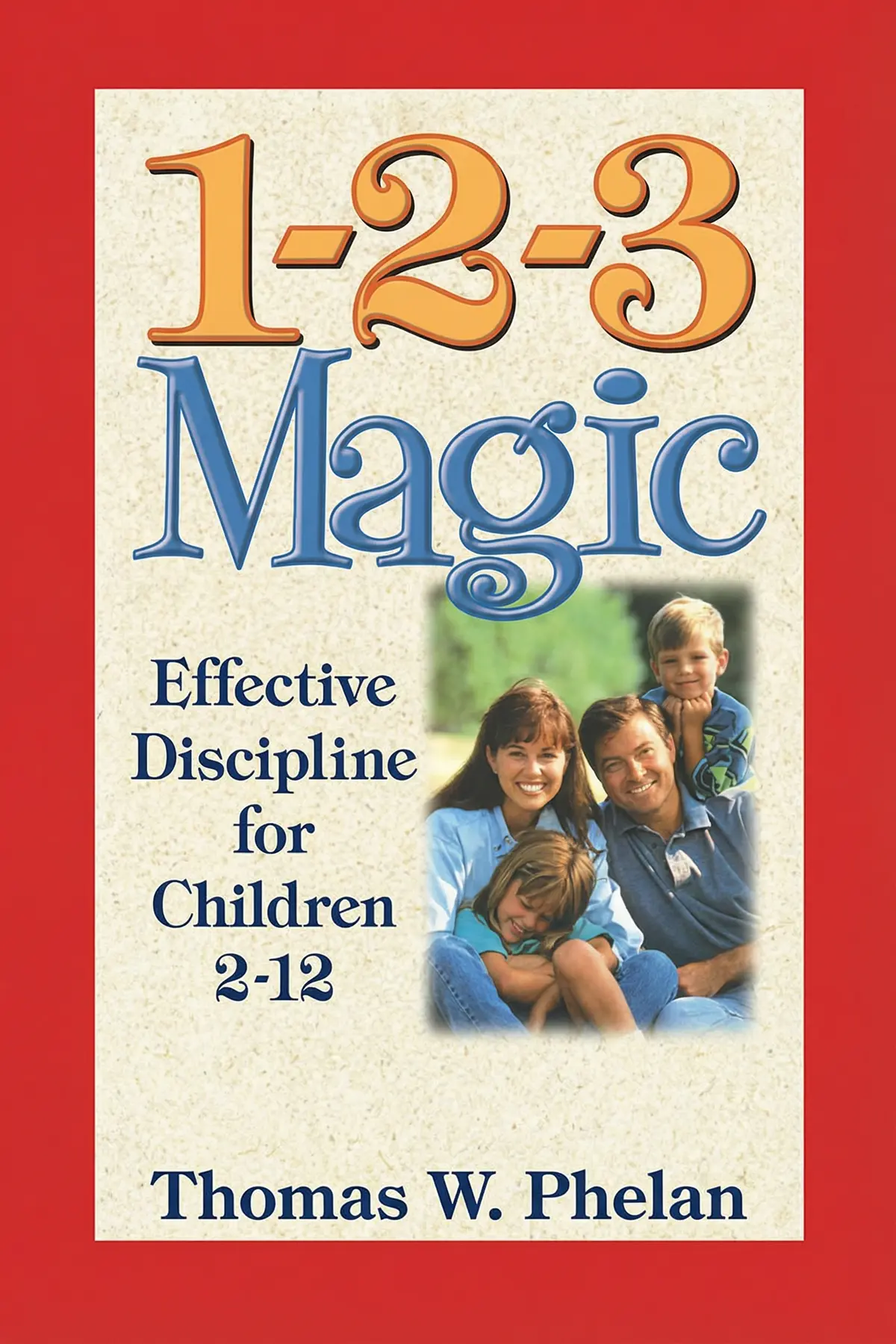
Table of Content
1. Introduction
2 min 13 sec
Every parent enters the journey of raising children with a certain vision of what family life will look like. We imagine cozy evenings, shared laughter, and a sense of harmony that fills the home. We know we will love our children unconditionally, but there is a quiet, often unspoken question that many parents eventually face: Do I actually like being around them right now? It is a difficult admission, but when the days are filled with constant bickering, ignored requests, and ear-piercing tantrums, the joy of parenting can easily be buried under a mountain of exhaustion. Most parents find themselves stuck in a predictable, draining cycle. It starts with a simple request, moves to a logical explanation, devolves into a heated argument, and ends with yelling or emotional outbursts. By the time the conflict is over, everyone is miserable, and the lesson you were trying to teach has been completely lost in the noise.
This is where 1-2-3 Magic changes the narrative. It suggests that the primary reason discipline fails is not because we aren’t trying hard enough, but because we are treating our children like something they aren’t: small adults. We talk too much, we explain too much, and we let our emotions take the driver’s seat. What if you could stop a tantrum or end an argument with just a few words and a calm demeanor? What if you could reclaim the hours spent in conflict and use them to actually enjoy your child’s company? This method provides a clear, actionable framework to do exactly that. It focuses on the ‘Stop’ behaviors—those irritating actions like whining and hitting—and provides a quiet, firm way to end them. Over the next few sections, we will explore why the ‘little adult’ theory is a myth, how to implement the counting system, and how to transition into building the positive behaviors and strong relationships that make parenting truly rewarding.
2. The Myth of the Mini-Adult
3 min 03 sec
Many parents fail because they try to reason with children as if they were peers. Discover why talking too much is actually your biggest obstacle.
3. The Mechanics of the Count
2 min 56 sec
Master the simple counting system that stops bad behavior in its tracks without the need for yelling or long-winded lectures.
4. Effective Timeouts and Alternatives
2 min 36 sec
What happens when you hit three? Learn how to manage the consequence phase effectively to ensure the lesson sticks.
5. Surviving Testing and Manipulation
2 min 45 sec
Children are experts at pushing buttons. Learn to identify and neutralize the tactics they use to get around the rules.
6. Building Positive Habits and Strong Bonds
2 min 49 sec
Discipline isn’t just about stopping bad behavior. Discover how to use reinforcement and routines to encourage the good stuff.
7. Conclusion
1 min 35 sec
Mastering the art of discipline doesn’t require a magic wand, but it does require a shift in how we view our roles as parents. By moving away from the ‘little adult’ fallacy and embracing the simplicity of the 1-2-3 Magic method, you can transform the atmosphere of your home from one of constant tension to one of calm predictability. Remember, the goal isn’t just to produce a child who follows rules; it’s to create an environment where the child can develop self-control and where you can reclaim your role as a loving guide rather than a frustrated adversary.
The core of this philosophy is the ‘No Talking, No Emotion’ rule during moments of discipline. By staying calm and consistent, you provide the emotional safety and clear boundaries that children crave, even if they protest in the moment. As you move forward, keep the three parenting tasks in balance: stop the obnoxious behavior with the count, encourage the good habits with routines and reinforcement, and never forget to nurture the bond that ties you together. Parenting will always have its challenges, but with these tools, you can spend less time being a referee and more time enjoying the unique, wonderful person your child is becoming. Start today, stay consistent, and watch as the peace in your household begins to grow.
About this book
What is this book about?
Raising children is one of life's greatest challenges, often characterized by a cycle of nagging, shouting, and frustration. 1-2-3 Magic offers a practical alternative to the traditional, often ineffective, methods of discipline. This approach centers on a simple counting system that eliminates the need for heated arguments and lengthy explanations that children often ignore. The book promises a path toward a more peaceful household by dividing parenting into three distinct tasks: halting unwanted behavior, encouraging productive habits, and nurturing the emotional connection between parent and child. By understanding that children do not possess adult reasoning skills, parents can learn to manage their own emotional reactions and provide the consistent structure kids need to thrive. This summary explores the mechanics of the counting method, how to handle the inevitable testing and manipulation, and how to transition from simply stopping bad behavior to building lasting, positive routines.
Book Information
About the Author
Thomas W. Phelan
Thomas W. Phelan is a highly respected clinical psychologist with extensive expertise in child discipline and attention deficit disorder. Throughout his career, he has authored several influential books on these subjects, including All About Attention Deficit Disorder, I Never Get Anything!, and Self-Esteem Revolutions in Children. His work is widely recognized for providing practical, evidence-based strategies for parents and educators.
Ratings & Reviews
Ratings at a glance
What people think
Listeners find this parenting guide effective and easy to follow, with one noting its success with ADHD/ADD children. The material offers insightful principles and advice, and listeners report instant progress. Additionally, they appreciate the more peaceful household it fosters and view it as a valuable investment, with one mentioning it saves significant time and frustration. Listeners also find it engaging, noting that even their children picked up the methods right away.
Top reviews
Kaen
Honestly, I was at my wit's end with my four-year-old before a friend handed me this book. I felt like I was spending my entire day either lecturing or losing my temper, which just made everyone miserable. Phelan’s 'no talking, no emotion' rule was a total game-changer for our household. It sounds almost too simple to work, but once you stop the endless explaining, the power struggles just kind of evaporate. I especially appreciated the section on 'little-adult syndrome' because I was definitely guilty of treating my son like a mini-philosopher who could be reasoned out of a tantrum. He can't. The counting system gives us both a clear boundary without the huge emotional splash that used to reinforce his bad behavior. It’s not a magic wand, but it’s the closest thing we've found to a calm, functional routine. My house is finally quiet again.
Show moreKom
Best money I’ve spent on a book in years. We were the family you see in the grocery store with the screaming kids, and it was humiliating. 1-2-3 Magic gave us a concrete plan that actually works in public. The kids grasped the concept in about two days, and now I just have to hold up a finger and they know exactly where the line is. It’s incredibly empowering as a parent to have a tool that doesn't involve yelling. I think the key is the 'no emotion' part. When I stay calm, they stay calm. It saves so much time and frustration during the morning rush. I’ve already bought copies for two of my sisters. It’s not about being a dictator; it’s about creating a predictable environment where the kids know what to expect. Huge fan!
Show moreNutnicha
This book is a lifesaver for parents of toddlers. Seriously. If you’re tired of hearing your own voice lecturing a two-year-old who isn't even listening, just read this. The simplicity is the whole point. You don't need a PhD in psychology to implement it, and you don't need to have a twenty-minute discussion about 'feelings' every time your kid hits their brother. It’s just: 1, 2, 3, done. We’ve been using it for three weeks and the house is noticeably calmer. I feel more in control and less like a 'wild animal trainer' than I did before, ironically. The results were almost immediate. I think children actually crave the kind of clear, firm boundaries that this method provides. It’s straightforward, effective, and honestly quite entertaining to read. Highly recommended for anyone losing their sanity to a threenager.
Show moreSun
Finally, a parenting book that doesn't make me feel like a failure. Most of these books are 400 pages of theory that you can’t actually use when your kid is melting down in Target. 1-2-3 Magic is different. It’s short, punchy, and gives you a script to follow. The 'no talking' rule was the hardest part to learn, but it’s been the most effective. It turns out I was accidentally rewarding bad behavior with my attention! By staying neutral and just counting, I’ve taken the 'splash' out of the tantrum. My kids are 5 and 7 and they both responded to it within a few days. It’s even helped with sibling rivalry. If you’re looking for a way to stop the yelling and start enjoying your kids again, this is it. It’s worth every penny.
Show moreOscar
As a parent of a 'differently wired' child with sensory issues, I was skeptical of a 'magic' system. However, the clear structure of the 1-2-3 method has actually reduced my son's anxiety because he knows exactly where the boundaries are. He used to get overwhelmed by my long explanations of why he needed to stop a behavior. Now, the simple count gives him a chance to self-correct before things escalate. It’s been enlightening to see how much of our conflict was caused by my own emotional reactions. While the tone of the book is a bit sarcastic at times, the core principles are solid. It has helped us create a much calmer home environment, and I’ve seen a real improvement in his ability to handle transitions. It’s a very practical tool for the parenting toolbox.
Show moreNum
This was recommended by our pediatrician to help manage our son’s ADHD symptoms, and I have to say, the structure is incredibly helpful. The distinction between 'STOP' behaviors and 'START' behaviors is an enlightening principle that most parenting books seem to overlook. It’s straightforward and doesn't drown you in psychobabble, which I really appreciated. However, I did find some of the author’s tone a bit grating. Referring to children as 'little devils' or comparing parenting to training wild animals felt a little disrespectful to me personally. Despite the sarcastic edge in the writing, the actual methods are very effective if you stay consistent. We’ve seen a massive reduction in whining and arguing since we started the 1-2-3 count. It’s worth the money just for the 'Start' behavior tips alone, even if you don't love every single analogy the author uses.
Show morePatchara
Dr. Phelan provides a very analytical and structured approach to what usually feels like a chaotic mess. I liked the breakdown of consequences—like the 'docking' system and the specific suggestions for chores as punishments. It takes the guesswork out of discipline. My only real gripe is that the book suggests natural consequences for being late in the morning, like letting the kid be late for school. That sounds great in theory, but in the real world, my kid being late means I’m late for my job! The author doesn't really address how a parent's schedule fits into these 'natural' consequences. That being said, the 'Stop' behavior techniques have made our dinner times much more pleasant. It’s a solid, practical guide that avoids being overly sentimental, which I found refreshing even if I didn't agree with every single point.
Show moreTanyaporn
I have mixed feelings about this one. On one hand, the counting system definitely works to stop the immediate obnoxious behavior. On the other hand, my son is smart and he’s realized he essentially gets a 'free pass' on counts one and two. He’ll keep doing the annoying thing until I hit 'two,' and then he stops just in time to avoid the consequence. It’s incredibly annoying! I also felt like the chapters on strengthening the parent-child relationship were just kind of tacked on at the end as an afterthought. The first half of the book is so focused on discipline that it feels a bit lopsided. It’s a quick read and definitely has some good tips for chores and bedtime routines, but it didn't feel like the 'magic' solution the title promised for our specific situation. It's okay, but maybe not the only tool you'll need.
Show moreSue
I really wanted to like this because so many people swear by it, but it just felt cold to me. The book focuses almost entirely on eliminating 'problem' behaviors through what feels like a system of threats. Yes, the counting stops the behavior, but I worry it’s only because the child is scared of the punishment, not because they’re actually learning why their actions were wrong. There’s very little focus on finding the root cause of why a kid is acting out in the first place. I personally felt that withholding affection or using silence as a weapon could be really damaging for a sensitive child. If you’re looking for a way to just 'control' your kids, this might be for you, but it lacks the compassion I was hoping for. I’d recommend looking into Positive Discipline instead if you want to teach self-discipline rather than just obedience.
Show moreJack
I honestly found this book offensive. The way the author talks about children is so patronizing—referring to them as 'noisy little devils' and 'manipulators.' It treats parenting like a power struggle to be won rather than a relationship to be nurtured. The counting method is just a way to shut kids up without actually listening to them. I felt like I was being told to treat my child like a robot. What happens when they have a real emotional need? The book basically says to send them to their room and ignore them. It might 'work' to get quiet kids, but at what cost to their self-esteem? I hated the emphasis on punishment and the lack of real empathy. If you want a healthy connection with your child, stay away from this and look for something that values communication over control.
Show moreReaders also enjoyed

AUDIO SUMMARY AVAILABLE
Listen to 1-2-3 Magic in 15 minutes
Get the key ideas from 1-2-3 Magic by Thomas W. Phelan, plus 5,000+ more titles in English and Thai.
- 5,000+ titles
- Listen as much as you want
- 7-day free trial
- Cancel anytime







