
31 min 08 sec
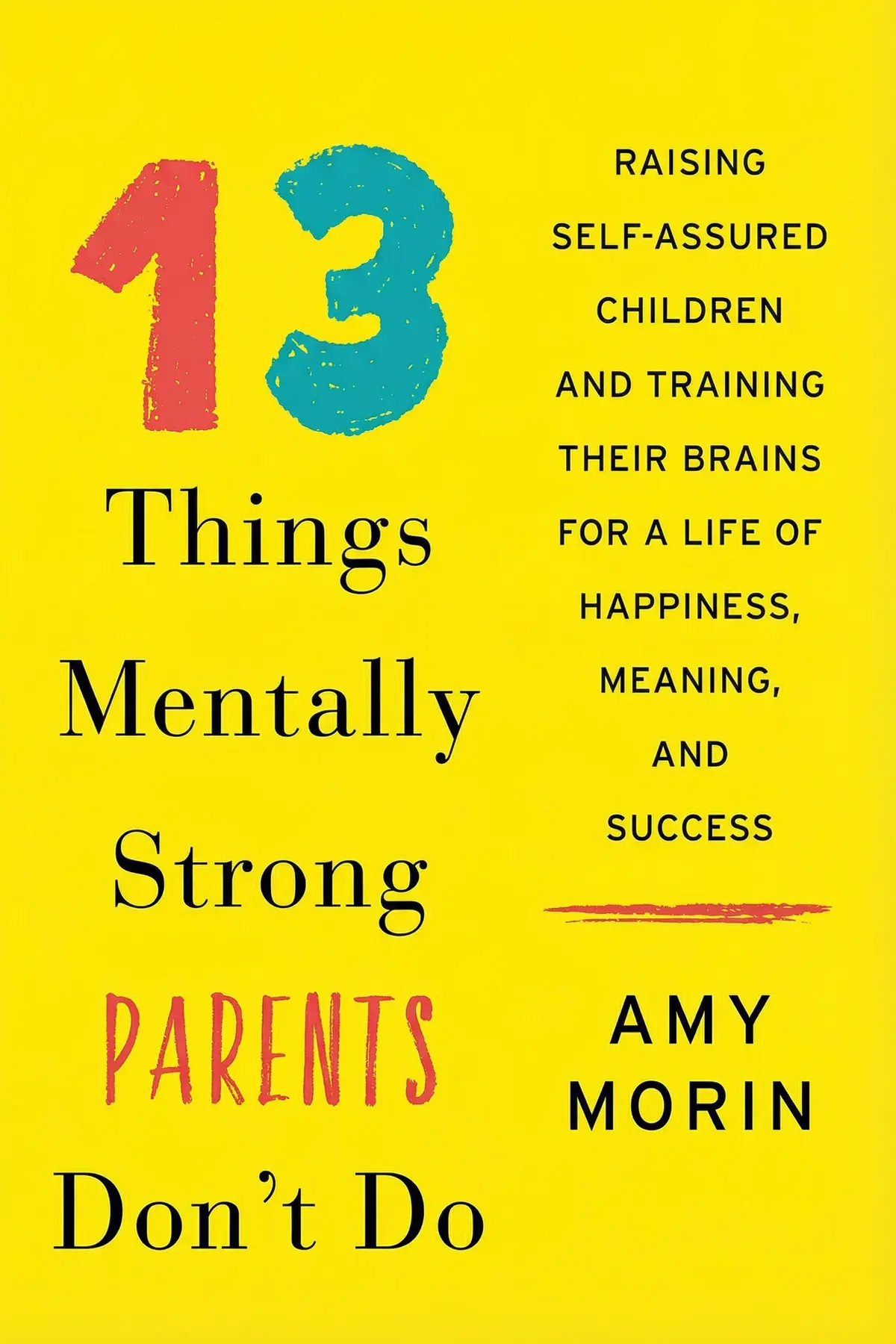
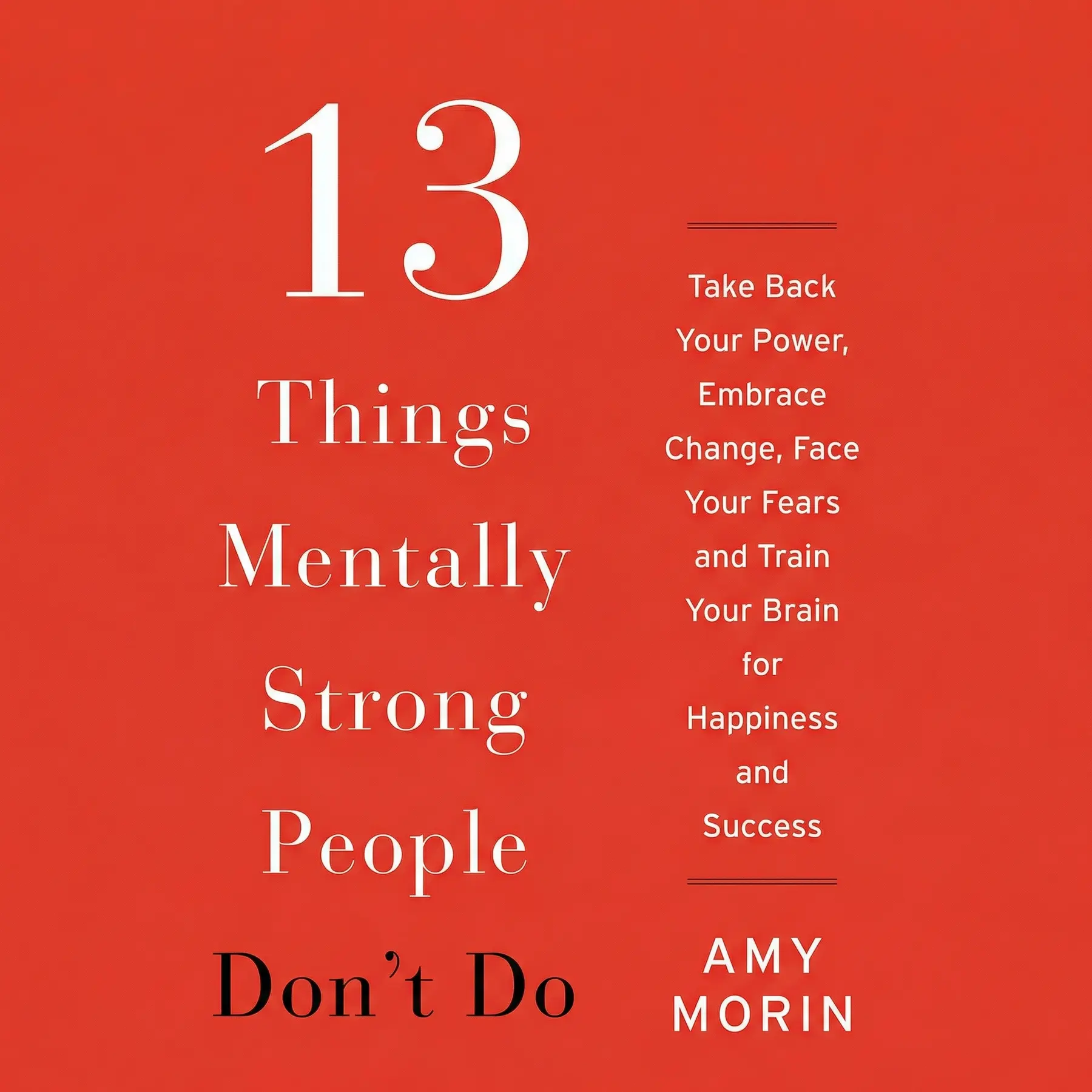
13 Things Mentally Strong People Don’t Do: Take Back Your Power, Embrace Change, Face Your Fears and Train Your Brain for Happiness and Success
By Amy Morin
Discover the essential psychological habits that distinguish resilient individuals. This summary explores thirteen common mental traps and provides a clear roadmap for reclaiming control, embracing change, and building lasting emotional strength.
Table of Content
1. Introduction
2 min 34 sec
Every person experiences moments of profound vulnerability, but the way we respond to those depths defines the trajectory of our lives. In 2013, the author of this work found herself at a crossroads of unimaginable grief. Having already endured the loss of her mother and her husband, she was hit with another wave of adversity when her second father-in-law received a terminal diagnosis. It was a period of life that felt designed to break her spirit. In that darkness, she didn’t look for a miracle; instead, she looked inward. She sat down to write a letter to herself, a manifesto of sorts, outlining the behaviors she needed to avoid if she was going to survive this latest storm. This list wasn’t about being ‘tough’ in the traditional sense; it was about protecting her mental energy from the habits that drain us dry.
When she shared this personal list on her blog, it struck a chord that resonated around the globe. Within a short time, her words reached millions of people who were also struggling to stay afloat. What started as a private reminder to a grieving therapist became a global blueprint for mental strength. The core philosophy here is that mental strength is very much like physical strength. If you want to see results at the gym, it isn’t enough to just lift weights; you also have to stop eating the junk food that counteracts your progress. Similarly, to build a strong mind, it isn’t enough to practice positive habits. You must also identify and eliminate the mental ‘junk food’—the self-destructive patterns that keep you stuck in a cycle of frustration and regret.
As we explore these concepts, we’re going to look at thirteen specific habits that hold us back. We’ll see how they manifest in everyday life, from the way we handle a fender-bender in a parking lot to the way we manage long-held family resentments. This journey is about more than just avoiding mistakes; it’s about a fundamental shift in how you process the world. We’ll learn why it’s more effective to be grateful than to be a victim, why taking back your power is the only way to find peace, and why the most successful people are often the ones who are the most comfortable with failure. By the end of this exploration, you’ll have a complete set of tools to evaluate your own mental habits and replace the ones that serve you poorly with ones that foster resilience, success, and genuine happiness.
2. Choosing Gratitude Over Self-Pity
2 min 31 sec
Discover how our internal reaction to minor setbacks can dictate our overall happiness and why shifting our focus from loss to appreciation is the foundation of mental strength.
3. Retaining Your Personal Power
2 min 16 sec
Learn how allowing others to control your emotions can drain your energy and how setting healthy boundaries can help you reclaim your life and peace of mind.
4. The Art of Embracing Change
2 min 14 sec
Explore why we often resist the very changes that could save us and learn how to break down overwhelming transformations into manageable, successful steps.
5. Focusing Energy on What You Can Control
2 min 06 sec
Discover the peace that comes from letting go of the uncontrollable and learn how to redirect your efforts toward the things that truly matter.
6. The Strength to Say No
2 min 03 sec
Understand the hidden costs of being a ‘people pleaser’ and learn practical strategies to protect your time and energy without feeling guilty.
7. Navigating Calculated Risks
1 min 56 sec
Differentiate between reckless gambling and smart risk-taking, and learn how to overcome the paralysis of fear to pursue your true goals.
8. Moving Beyond the Past
1 min 54 sec
Learn why dwelling on yesterday prevents you from succeeding today and discover how to reconcile with your history to build a better future.
9. Learning From Every Misstep
1 min 58 sec
Break the cycle of repetitive mistakes by developing the self-discipline to analyze your failures and change your future behavior.
10. Collaborating Instead of Competing
1 min 55 sec
Overcome the toxic trap of resentment and learn how to find inspiration in the success of others rather than feeling diminished by it.
11. Persevering Through Failure
1 min 51 sec
Reframing failure as a necessary step toward success and using self-compassion to keep moving forward when things get tough.
12. Finding Peace in Solitude
1 min 53 sec
Discover the hidden power of being alone and learn how meditation and reflection can help you recharge your mental batteries.
13. Overcoming the Entitlement Trap
1 min 52 sec
Recognize the subtle ways an entitlement mindset can sabotage your relationships and learn why humility is the key to earning real success.
14. The Power of Patience
1 min 53 sec
Learn to resist the lure of instant gratification and understand why the most meaningful achievements require a long-term commitment.
15. Conclusion
2 min 12 sec
Building mental strength is not a one-time event; it is a lifelong process of identifying and purging the habits that weigh us down. As we have seen, the journey toward resilience involves a fundamental shift in how we relate to our past, our neighbors, and ourselves. It requires us to trade self-pity for gratitude, to reclaim our power from those who would drain it, and to embrace the slow, often difficult process of genuine change. We’ve learned that the most resilient people aren’t those who never fail, but those who use failure as a stepping stone, and that true power comes not from controlling the world around us, but from mastering our own reactions to it.
Think about the thirteen habits we’ve explored. You likely recognized yourself in some of them—perhaps you’ve been a people pleaser like Megan, or you’ve struggled with the entitlement of Lucas, or the impatience of Marcy. This recognition isn’t a cause for shame; it’s the first step toward freedom. Mental strength is a muscle that grows with use. Every time you choose to sit in silence rather than reach for your phone, every time you choose to take a calculated risk instead of staying in your comfort zone, and every time you choose to celebrate a friend’s success instead of resenting it, you are making yourself stronger.
The throughline of this work is that you are responsible for your own mind. You cannot control what life throws at you—whether it’s an accident in a parking lot or the loss of a loved one—but you can always control how you process it. By stripping away these thirteen destructive habits, you clear the way for a life defined by purpose, resilience, and a deep, abiding sense of peace. The path to your best self isn’t found in a magic pill or a quick fix; it’s found in the steady, disciplined daily practice of these principles. Start today by picking just one habit to change. Be patient with yourself, celebrate your progress, and remember that the strongest version of you is already waiting to be revealed.
About this book
What is this book about?
At its core, this work addresses the invisible hurdles that prevent us from reaching our full potential. It’s not just about what we should do to succeed, but more importantly, what we must stop doing to find happiness. By identifying thirteen specific destructive habits—ranging from dwelling on the past to resenting the success of others—the book provides a practical guide for cognitive behavioral change. The promise is simple but profound: by stripping away these self-limiting behaviors, you can develop the mental fortitude needed to handle life’s greatest challenges. Through relatable anecdotes and therapeutic insights, the text explains how to rewire your brain for resilience, helping you navigate career setbacks, personal losses, and the daily stressors of modern life with newfound grace and effectiveness.
Book Information
About the Author
Amy Morin
Amy Morin is a highly respected psychotherapist and licensed clinical social worker with extensive experience in the field of mental health. Beyond her clinical practice, she is a prominent voice in business psychology, serving as a regular columnist for Forbes. She also reaches a broad audience as the host of The Verywell Mind Podcast, where she shares her expertise on building mental strength and emotional resilience.
Ratings & Reviews
Ratings at a glance
What people think
Listeners describe this personal development guide as clearly articulated and accessible, featuring authentic anecdotes that shed light on various aspects of their lives. It offers highly actionable guidance and supports a shift in perspective, with one listener highlighting how the material assisted them during difficult periods. The tempo of the content is well-received, and one person specifically recommends it for those in management positions.
Top reviews
Ploy
I’ve read a lot of self-help, but Morin’s approach actually stuck with me because it focuses on what *not* to do. It’s easy to list good habits, but identifying the mental drains—like resenting other people's success or dwelling on the past—is where the real work happens. Personally, the chapter on not expecting immediate results was a huge 'aha' moment for me. I tend to give up when I don't see progress in a week, and this book gave me the perspective shift I desperately needed. It’s written in a very accessible way, not too academic, which I appreciated. If you’re feeling stuck or just need a mental 'spring cleaning,' I honestly think this is a great place to start. It doesn't solve every problem, but it definitely gives you the tools to stop sabotaging your own growth. Definitely worth the read if you want something practical.
Show moreChloe
Honestly, I wasn't expecting much, but this book really changed the way I see my daily problems. I’ve always been a bit of a people-pleaser, and the chapter on not worrying about pleasing everyone was exactly what I needed to hear. It’s not just 'don't do it,' she actually explains why we do it and how it drains our energy. The writing style is very straightforward and easy to understand, which I appreciated. I didn't feel like I was being lectured to by an academic; it felt more like a conversation with a wise friend who isn't afraid to tell you the truth. It’s definitely a book I’ll be revisiting whenever I feel my mental strength starting to wane. It’s rare to find a self-help book that is this direct and actionable.
Show moreSamuel
Short, sweet, and to the point. I’ve read a lot of self-help books that are 400 pages of fluff, but this one gets right to the meat of the matter. Each chapter addresses a specific behavior and gives you a clear path to change it. I loved the 'Aha' moments throughout, especially regarding how we often give away our power without even realizing it. It’s really helped me stop dwelling on things that happened years ago and focus on what I can do today. Highly recommend for anyone who wants to take control of their life and stop making the same mistakes over and over! It’s one of the few books that I’ve actually finished and immediately recommended to my sister.
Show moreNongnuch
This was the first non-fiction self-help book I’ve actually finished in years. I’m a naturally negative person (admittedly!), and I realized while reading this that I was throwing myself 'self-pity parties' way too often. Morin’s point about bad habits being the thing that holds us back—even if we have good habits too—really hit home. It’s like trying to drive with the emergency brake on. I’ve started applying the 'calculated risks' principle to my job search, and it’s already making a difference in my confidence levels. It's not a magic cure for everything, but it’s a solid manual for building a tougher, more resilient mindset. Five stars from me for actually providing steps that I could use the next day.
Show moreLucas
This was a solid read with some very practical takeaways. I specifically liked the structure of each chapter; Morin ends them with a 'What's Helpful' and 'What's Not Helpful' section that makes it easy to review the main points. Some of the advice felt like common sense—don't make the same mistakes over and over, don't worry about pleasing everyone—but seeing them laid out like this makes you realize how often you actually fall into these traps. I felt like the writing was a bit dry in places, and some of the stories about successful people like Oprah felt a bit recycled, but the core message is strong. It’s a good book to keep on your shelf for those days when you feel like you’re spiraling into self-pity and need a quick reality check. It's not groundbreaking, but it is useful.
Show moreKan
As someone in a leadership position, I found this book surprisingly relevant to my professional life. It’s less about 'fixing' yourself and more about refining your mindset to handle stress and change more effectively. The chapter on not shying away from change was particularly relevant to my current situation at work. While I think some of the 'mental strength' terminology can be a bit harsh, the underlying principles are sound. I did feel that some chapters were stronger than others—the section on calculated risks was great, while the one on 'not feeling the world owes you anything' felt a little preachy to me personally. Overall, it’s a quick, well-paced read that offers actionable advice without getting bogged down in too much psychological jargon. It helped me reframe how I approach team failures.
Show moreBird
Amy Morin’s personal story is heartbreaking, and her ability to turn that grief into a framework for resilience is genuinely impressive. You can tell she’s speaking from experience, not just from a textbook. I think this book is most useful for people who are generally doing okay but feel like they’ve hit a plateau or have a few 'bad habits' they can't quite shake. I personally struggled with the chapter on alone time, and her insights there were quite eye-opening. However, I’ll admit it’s not for everyone. If you’re in the middle of a deep clinical depression or processing heavy childhood trauma, this might feel a bit too 'tough love.' But for a general audience looking to toughen up their mental game, it’s a very worthwhile read. It’s concise and hits the points it needs to hit.
Show moreArt
Good book, though I would recommend the physical copy over the audiobook. The author narrates it herself, and while she's clearly knowledgeable, the delivery was a bit flat for my taste and lacked that professional polish. Content-wise, it’s a great summary of behavioral therapy principles. It doesn't necessarily break new ground, but it compiles everything into a very digestible format. I found myself highlighting a lot in the 'Don't Waste Energy on Things You Can't Control' section. It's a great reminder that while we can't control the weather or other people's reactions, we can control our own responses. It’s a very practical guide that focuses on small, incremental changes rather than an overnight transformation. Solid four stars for the content alone.
Show moreMichael
I really wanted to like this, especially after hearing about the author’s personal tragedies, but it felt incredibly dismissive. Morin uses this 'buck up' tone that might work for someone looking for a little productivity boost, but for anyone dealing with genuine trauma or complex mental health issues, it borders on victim-blaming. The analogy she used about the guy going to the gym but eating donuts on the way home was particularly frustrating—it’s such a reductionist view of how mental health works. It felt like a collection of 1950s clichés repackaged for a corporate audience. I didn't find the advice on 'not giving away your power' helpful when the 'how-to' part was basically just telling you to stop being upset. If you want something with more empathy and clinical depth, I’d suggest looking elsewhere. This felt very surface-level.
Show morePot
This book felt like it was written for a corporate seminar rather than for real people with real life struggles. The '13 things' are basically just a list of ways to be a more efficient worker bee. I found the tone to be quite cold, and the emphasis on 'mental strength' felt like it was stigmatizing anyone who shows vulnerability or takes time to process their emotions. She tells us not to be self-pitying, but her definition of self-pity seems to include just about any form of sadness or frustration. It lacks the warmth and empathy you find in authors like Brene Brown. If you want a checklist of how to act like a robot and 'pull yourself up by your bootstraps,' this is for you. Otherwise, skip it. I honestly felt worse after reading it.
Show moreReaders also enjoyed
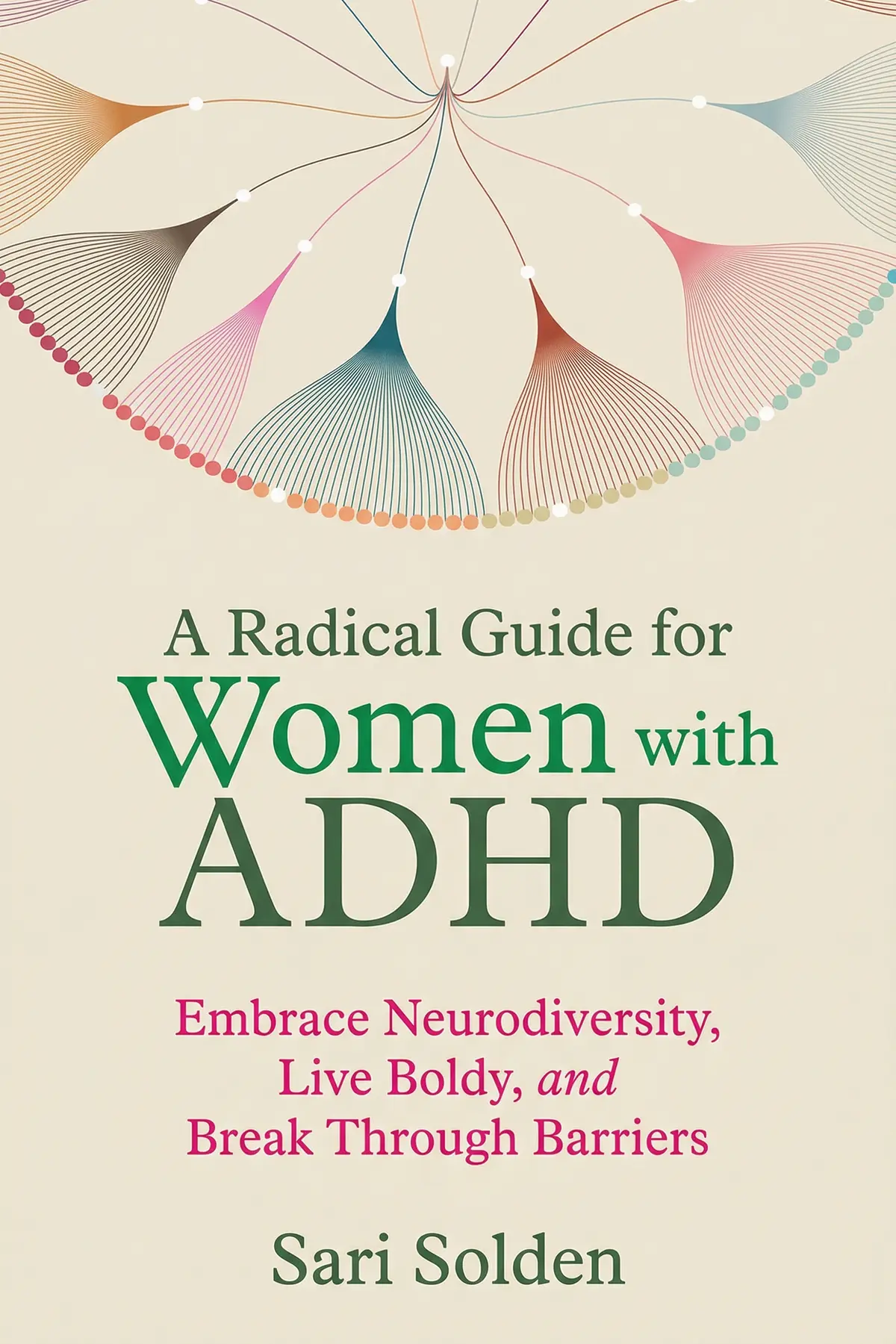

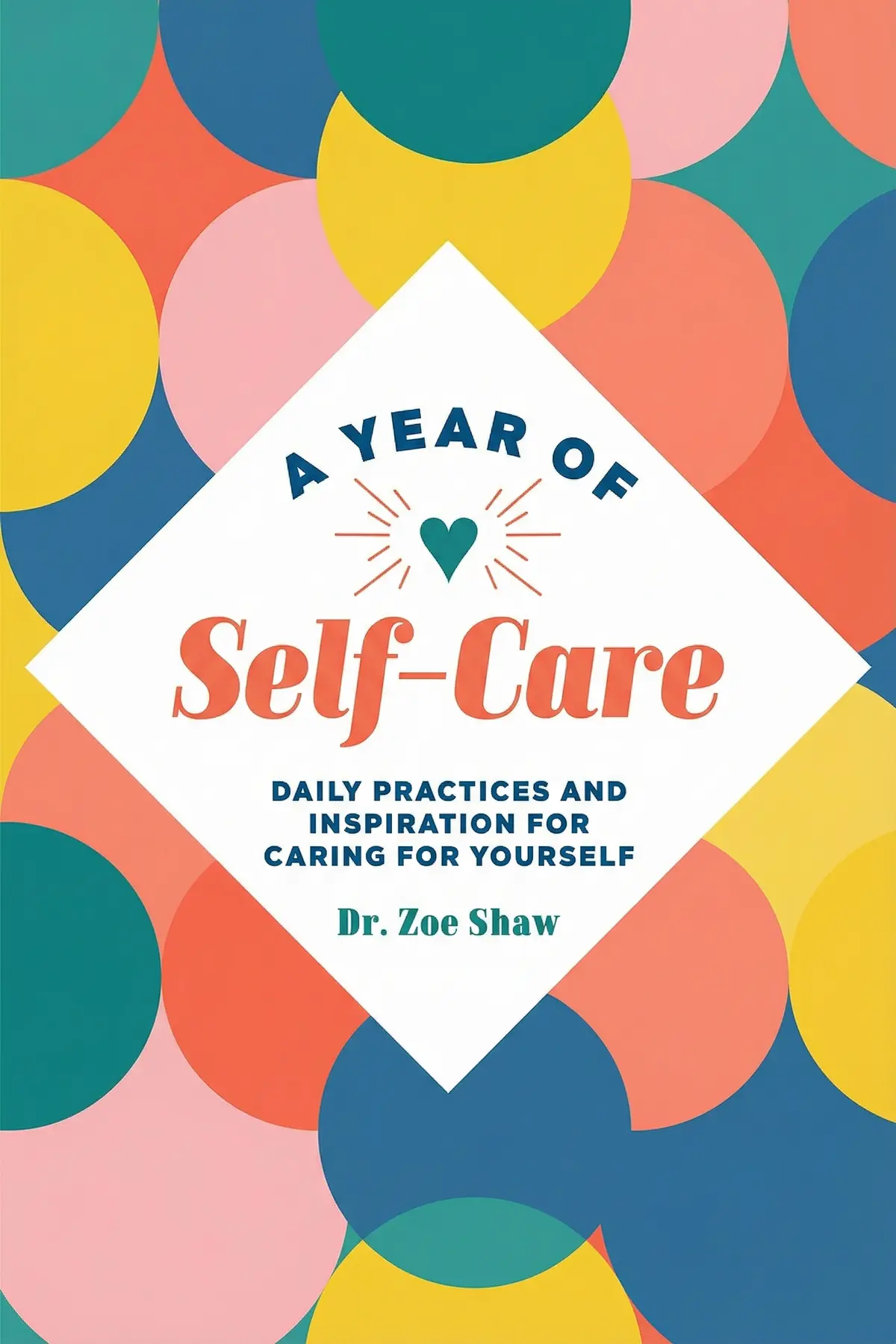
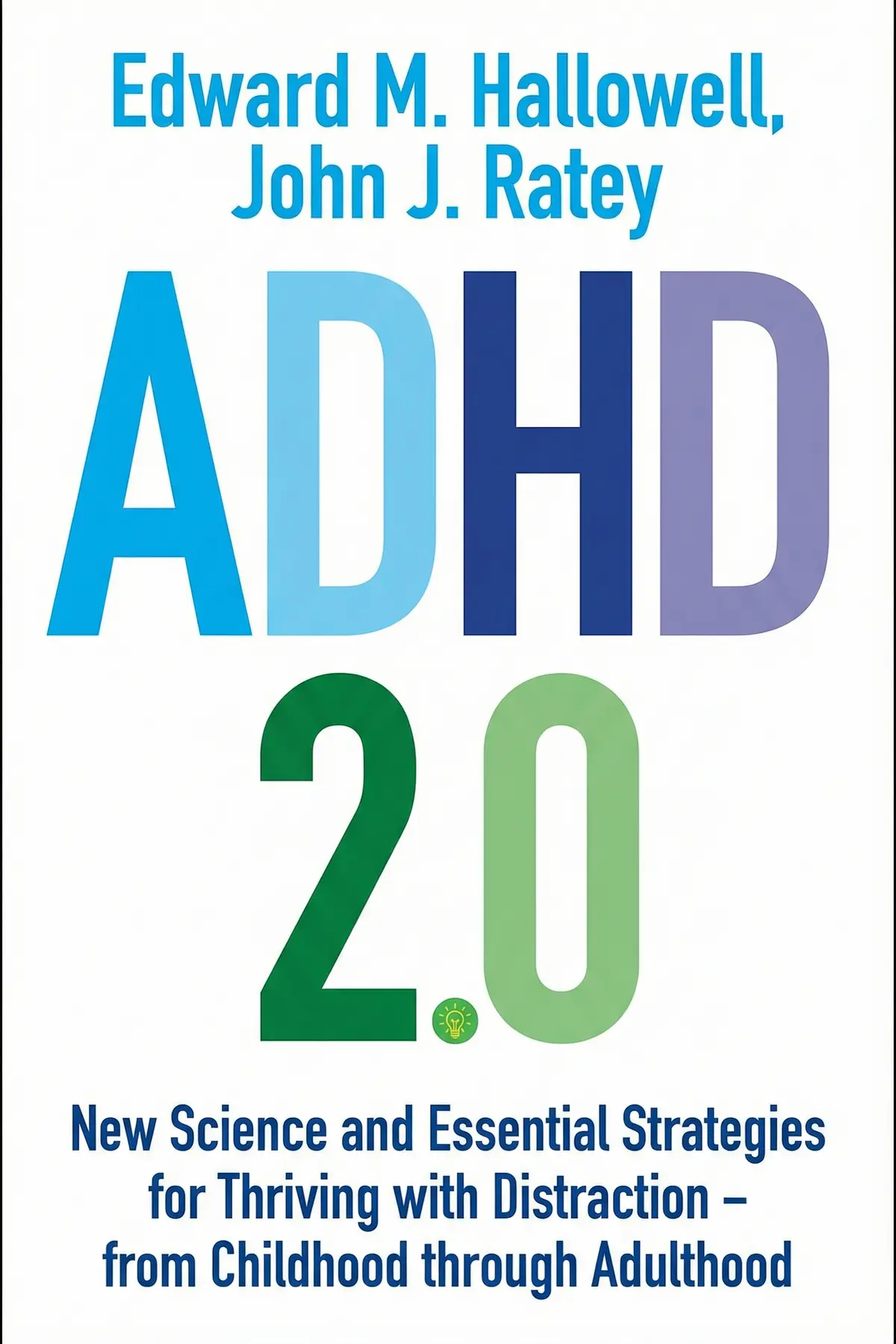
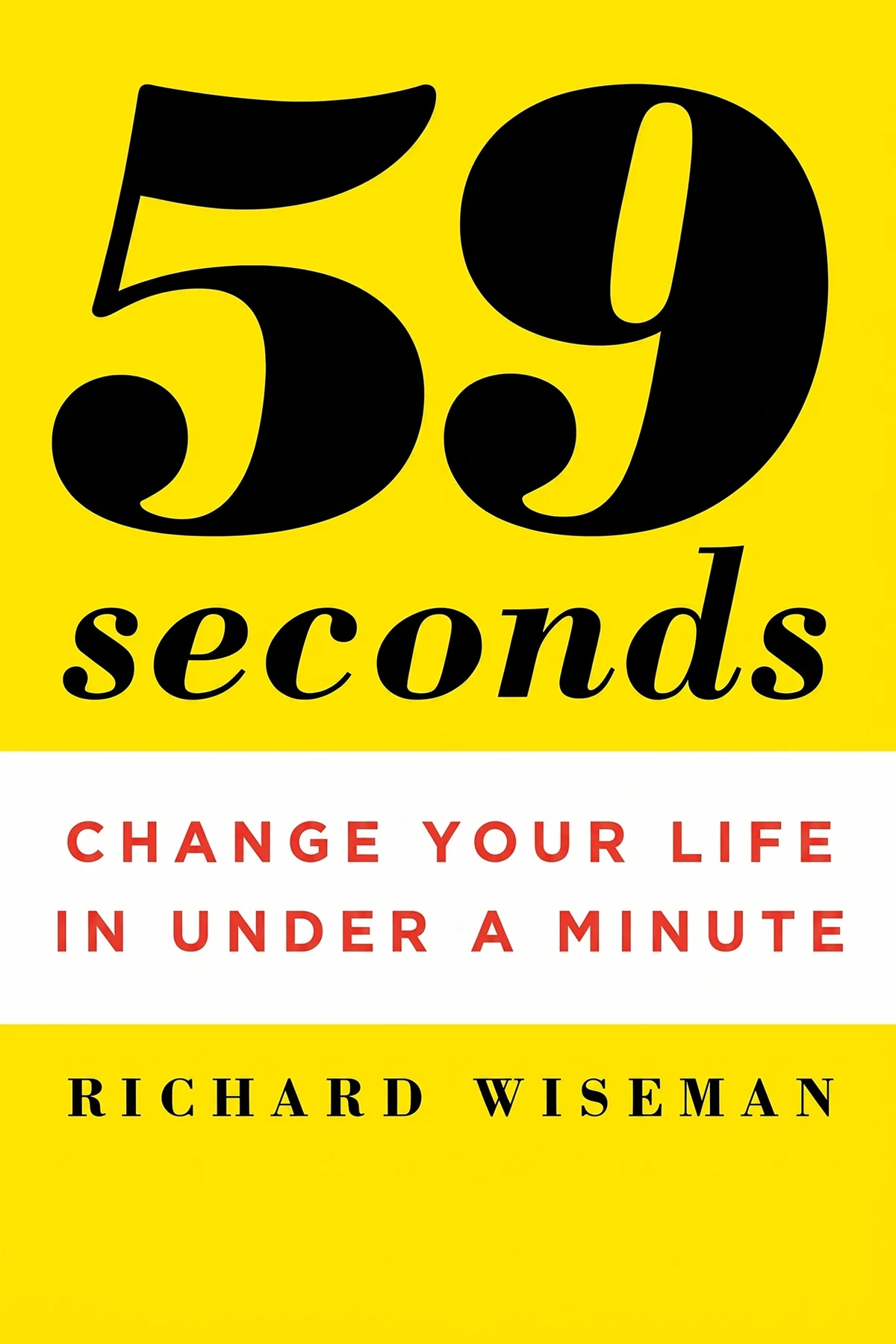
59 Seconds: Change Your Life in Under a Minute
Richard Wiseman
ADHD an A-Z: Figuring It Out Step by Step
Leanne Maskell

AUDIO SUMMARY AVAILABLE
Listen to 13 Things Mentally Strong People Don’t Do in 15 minutes
Get the key ideas from 13 Things Mentally Strong People Don’t Do by Amy Morin, plus 5,000+ more titles in English and Thai.
- 5,000+ titles
- Listen as much as you want
- 7-day free trial
- Cancel anytime







