
Abolish Rent: How Tenants Can End the Housing Crisis
Tracy Rosenthal
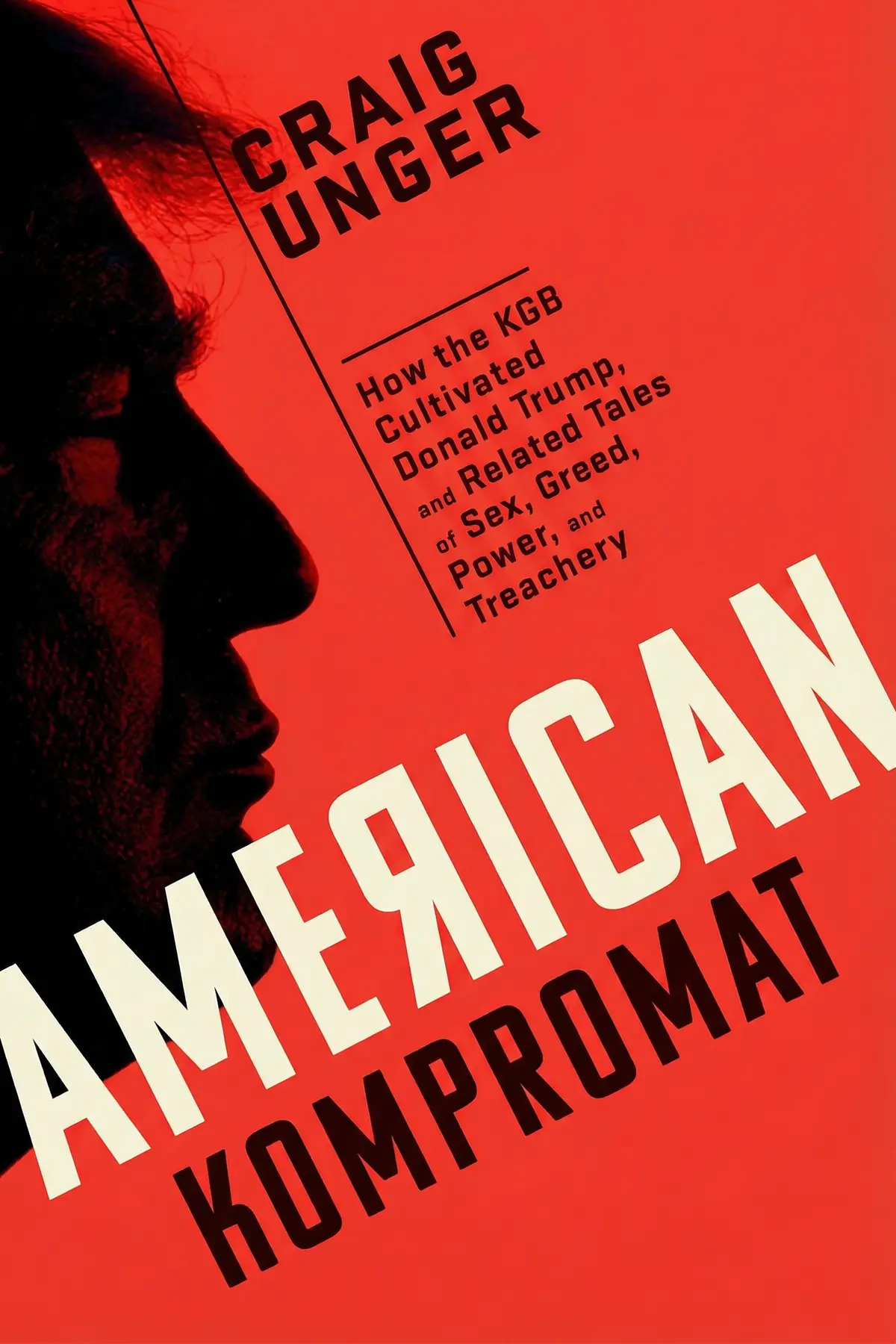
American Kompromat explores the decades-long relationship between Donald Trump and Russian intelligence, investigating how compromising material and strategic alliances shaped a presidency and influenced the highest levels of American power.
1 min 44 sec
In the world of international espionage, there is a term that carries more weight than any weapon or bribe: kompromat. It refers to compromising material—information, photographs, or recordings—that can be used to hold a powerful individual hostage to the will of a foreign entity. For decades, intelligence professionals have watched the trajectory of one particular American figure with growing alarm, wondering if he was caught in just such a web. That figure is Donald J. Trump.
To the casual observer, the allegations that a sitting American president could be a Russian asset might sound like the plot of a spy novel. Yet, for seasoned veterans of the CIA and FBI, the patterns were unmistakable. They didn’t see a series of coincidences; they saw a decades-long operation of cultivation and capture. This isn’t just a story about a single man, however. It is a story about how systemic vulnerabilities in the American financial and legal systems allowed foreign interests and authoritarian movements to find a foothold in the highest offices of the land.
As we explore these revelations, we will travel back to a time before the gold-plated towers and the reality television fame, to a gritty Manhattan where a young developer first appeared on the radar of the Soviet Union. We will look at how the Russian Mafia used luxury real estate to move billions, how the dark secrets of Jeffrey Epstein may have provided a treasure trove of leverage, and how a secretive religious organization sought to reshape the American judiciary. Through it all, a single question remains: was the leader of the free world operating of his own volition, or was he following a script written in Moscow? By the end of this journey, the throughline connecting these disparate events will become disturbingly clear.
2 min 16 sec
How did a simple purchase of hundreds of television sets in 1980 mark the beginning of a decades-long relationship between a developer and Soviet intelligence?
2 min 04 sec
How did a sudden trip to Moscow in 1987 transform an American businessman into a megaphone for Soviet foreign policy talking points?
1 min 57 sec
How did luxury condos in New York City become a vital financial lifeline for the Russian Mafia and a source of leverage?
1 min 53 sec
What was the true nature of the relationship between the future president and the notorious financier Jeffrey Epstein?
1 min 54 sec
How did a secretive and authoritarian Catholic sect find an ally in the White House to further its vision for the American legal system?
1 min 58 sec
How did the legal theories of one man provide the ultimate cover for the expansion of presidential power and the suppression of investigations?
1 min 58 sec
In what ways did American foreign policy shift to directly benefit the Kremlin’s long-term strategic goals during the Trump years?
1 min 45 sec
The narrative of the Trump presidency is often framed as one of chaos and disruption, but when viewed through the lens of international espionage and institutional capture, a much more deliberate pattern emerges. It is the story of a man whose financial vulnerabilities and psychological needs were expertly exploited by the KGB and later the FSB. It is also the story of how home-grown authoritarian movements, like those represented by Opus Dei and the Federalist Society, saw in that man a unique opportunity to dismantle the democratic guardrails that stood in their way.
We have seen how the journey from a suspicious credit purchase of TV sets to the Oval Office was paved with Russian capital, strategic flattery, and a likely collection of compromising material that kept the leader of the free world in a state of perpetual debt to foreign interests. This wasn’t a sudden coup; it was a slow, methodical infiltration that took advantage of the greed and ego of an individual to subvert the interests of a nation. The alliances formed between the Kremlin and the American far-right created a pincer movement that squeezed the life out of traditional democratic norms.
Ultimately, the lesson is one of vigilance. The events described here serve as a stark warning about the fragility of democratic institutions in the face of sophisticated foreign influence operations. It highlights the need for radical transparency in the worlds of high finance and real estate, and for a judiciary that is independent of secretive, ideologically driven organizations. As we reflect on this era, the question is not just how it happened, but whether we have learned enough to prevent it from happening again. The shadows of kompromat are long, and as history shows, the consequences of ignoring them can reshape the world in ways we are only beginning to understand.
This investigative deep dive explores the disturbing intersection of international espionage, high-stakes real estate, and judicial maneuvering. It traces the history of Donald Trump’s interactions with Soviet and Russian actors, beginning with seemingly minor business deals in the late 1970s and culminating in a presidency that frequently appeared to align with Kremlin interests. The book promises to connect the dots between disparate worlds: the tactical recruitment methods of the KGB, the murky financial dealings of the Russian Mafia in New York, the predatory underworld of Jeffrey Epstein, and the quiet but powerful influence of the authoritarian Catholic sect, Opus Dei. By weaving these threads together, it offers a provocative explanation for the geopolitical shifts of the late 2010s, suggesting that a sophisticated web of kompromat—compromising information—was used to manipulate the American political landscape from the inside out.
Craig Unger is a distinguished journalist who has contributed to Vanity Fair for fifteen years and previously served as the editor in chief of Boston magazine. He is a recognized expert on the intersections of power and foreign influence, having authored several best-selling investigative works, including House of Bush, House of Saud and House of Trump, House of Putin.
Listeners find the writing highly engaging, with one listener observing that it reads like a fictional political thriller, and they value the thoroughly researched and detailed content. Listeners characterize the book as both sobering and well-written, with one review highlighting the inclusion of high-resolution color pictures that support the narrative. Feedback regarding the work's connectivity is mixed; one listener points out how it organizes and clarifies complex relationships, while another feels the connections are lacking. There is also negative feedback regarding the physical cover quality, specifically from one listener who mentioned that the spine was creased.
Finally got around to finishing this massive undertaking by Craig Unger. To be fair, the level of detail regarding how the KGB identifies and grooms potential assets is absolutely chilling. While some critics argue it’s mostly conjecture, Unger provides a mountain of circumstantial evidence that paints a terrifying picture of 1980s New York. The story about Trump purchasing television sets from a KGB-linked electronics store sounds like something out of a Cold War spy novel, yet it’s grounded in historical context. Truth is, the connections between real estate, money laundering, and foreign intelligence are often hidden in plain sight. This isn't just a political hit piece; it’s a sobering look at how vulnerable our systems are to manipulation by patient, long-term adversaries. I found the writing style to be incredibly engaging and far more readable than your average investigative journalism book. It really forces you to question everything you thought you knew about the rise of the 45th president.
Show moreWow. This is easily the most sobering book I have picked up in the last five years. Unger doesn't just make assertions; he backs them up with high-resolution color pictures and documents that make the claims hard to ignore. Frankly, the section discussing the infamous 'pee-pee tape' is handled with more journalistic integrity than the tabloids usually offer. It’s less about the salacious details and more about the systemic use of blackmail to control powerful men. The way the author connects the dots between the fall of the Soviet Union and the rise of the Russian mafia is brilliant. You start to see how certain figures were perfectly positioned to be 'useful idiots' for a regime that never truly went away. It reads like a fictional political thriller, but the reality is far more haunting. Every American needs to read this to understand the depth of the shadow play happening behind the scenes.
Show moreEver wonder how a failed businessman could suddenly find unlimited lines of credit when every American bank had blacklisted him? Unger provides a roadmap through the world of Russian money laundering that is both exhaustive and eye-opening. The truth is, the financial ties discussed here are much more damning than any specific 'tape' or scandal. By following the money through various shell companies and shady real estate deals, the author shows how someone can be 'bought' without even realizing it. The inclusion of high-resolution color pictures really helps to put faces to the names of the various oligarchs and fixers involved. I loved how the book didn't just focus on the President, but also looked at the wider network of enablers who made his rise possible. It's a sobering reminder of how easily greed can be weaponized against a democratic society. This is top-tier investigative journalism that reads like a high-stakes thriller.
Show moreIs it possible for a non-fiction book to feel more like a Tom Clancy thriller? Unger manages to weave together disparate threads involving Jeffrey Epstein, Robert Maxwell, and the Kremlin into a narrative that is both gripping and deeply unsettling. Not gonna lie, some of the links felt a bit tenuous at first, especially when diving into the murky waters of international sex trafficking and arms dealing. However, the author’s research into the 'kompromat' system explains so much about the bizarre behavior we’ve witnessed on the world stage recently. My only real gripe is that the physical copy I received had a creased spine, which is annoying for a book I plan to keep. Regardless of your political leanings, the questions raised about leverage and power are vital for any citizen to consider. It’s a fast-paced read that manages to be both informative and terrifyingly plausible.
Show moreAs someone who usually avoids political books, I found myself unable to put this one down. The way Unger unravels the complex relationships between Robert Maxwell and the intelligence community is absolutely masterclass. Gotta say, the link between old-school British power players and modern-day Russian oligarchs was a revelation I wasn't expecting. The book does a great job of explaining how 'kompromat' works as a currency in a world where money is no longer an object. While some parts of the narrative feel a bit speculative, the sheer volume of coincidences he documents is hard to dismiss as mere chance. It’s a dark, gritty look at the underbelly of global elite society that makes you feel like you need a shower afterward. I appreciated how organized the chapters were, even when the subject matter got incredibly dense. A very solid piece of investigative work that mostly delivers on its big promises.
Show moreThis book is a deep dive into the 'long game' played by Russian intelligence. Unger makes a compelling case that the recruitment of high-level assets isn't something that happens overnight, but is rather a decades-long process of flattery and financial entanglement. The concept of the 'dangle'—using a Moscow hotel deal to entice an ego-driven businessman—is explained with terrifying clarity. Look, some might call this a conspiracy theorist's dream, but the author uses actual intelligence sources to ground his claims. I found the sections on how the Russian Mafia essentially merged with the state to be particularly illuminating for understanding current geopolitics. The only downside was the physical production of the book; the cover felt cheap and the spine creased almost immediately upon opening. However, the content inside is high-quality and essential for anyone trying to make sense of the last decade. It’s a complicated study, but the author’s clear prose makes it accessible.
Show moreThe intersection of high finance and low-stakes espionage is where this book truly shines. Craig Unger does an excellent job of detailing how various power players, like William Barr, used their positions to shield the executive branch from any real oversight. The analysis of the Federalist Society and its influence on the Supreme Court was particularly enlightening, even if it felt a bit tangential to the Russia story. Truth is, the book reveals a broader pattern of institutional decay that goes far beyond a single election cycle. I appreciated how the author used interviews with former KGB and CIA agents to provide a balanced perspective on how intelligence operations actually function. While some of the connections between the various characters seem a bit thin, the overall narrative is chillingly plausible. It’s a well-written, thoroughly researched account of how easily a nation can be subverted from within. Definitely worth your time if you're interested in the mechanics of modern power.
Show moreThe chapter on Opus Dei was the most fascinating part of this entire experience for me. I’ve read a few things about William Barr’s religious leanings before, but Unger really digs into the 'Praetorian Guard' mentality. Look, I wanted to love this, but the connectivity between the Russian subversion plot and the religious extremism sections felt a bit disjointed. It's like two different books were mashed together without a clear bridge to hold them up. One minute you're learning about 1980s real estate deals, and the next you're deep in Catholic fundamentalism. Personally, I found the lack of a cohesive thesis made the middle section a bit of a slog to get through. While the information is clearly well-researched, the way it’s organized left me feeling more confused than enlightened. It’s definitely an exhaustive study, but it needs a stronger editorial hand to tie the various conspiracies together into a unified whole.
Show morePicked this up expecting a definitive exposé, but I left with more questions than answers. While the writing is undeniably readable, I often felt like Unger was making massive leaps in logic based on circumstantial evidence. For example, suggesting a guy is a KGB asset because he bought some TVs is a bit of a stretch, even for a skeptic like me. Frankly, it sometimes feels like a crackpot with a tinfoil hat is trying to connect every bad thing that's happened in the last forty years to a single conspiracy. To be fair, the research into the Russian Mafia's takeover of various industries is quite detailed and interesting on its own. However, the attempt to tie it all into a neat bow involving Trump and Epstein didn't always land for me. It’s a decent read if you want a summary of various scandals, but don't expect a 'smoking gun.' It’s a bit of a grab bag that works better in pieces than as a whole.
Show moreAfter hearing so much hype about new 'dirt' on Trump, I found this to be a massive disappointment. Most of what Unger presents here has been reported a gazillion times by every major news organization since 2016. There is very little 'new' information, unless you count long-winded speculations about television purchases in the eighties. In my experience, if you've followed the Mueller investigation or read any decent long-form journalism lately, you can skip this one. The book winds up feeling like a rambling rant that lacks a coherent center. It frequently veers into conspiracy theorist territory without providing the 'smoking gun' evidence the subtitle promises. To be fair, the writing is decent, but the substance just isn't there to justify the length. It feels like a collection of existing news clips stitched together with thin threads of assumption. Save your money and just browse the author's Twitter feed instead.
Show moreTracy Rosenthal
Jessica Valenti
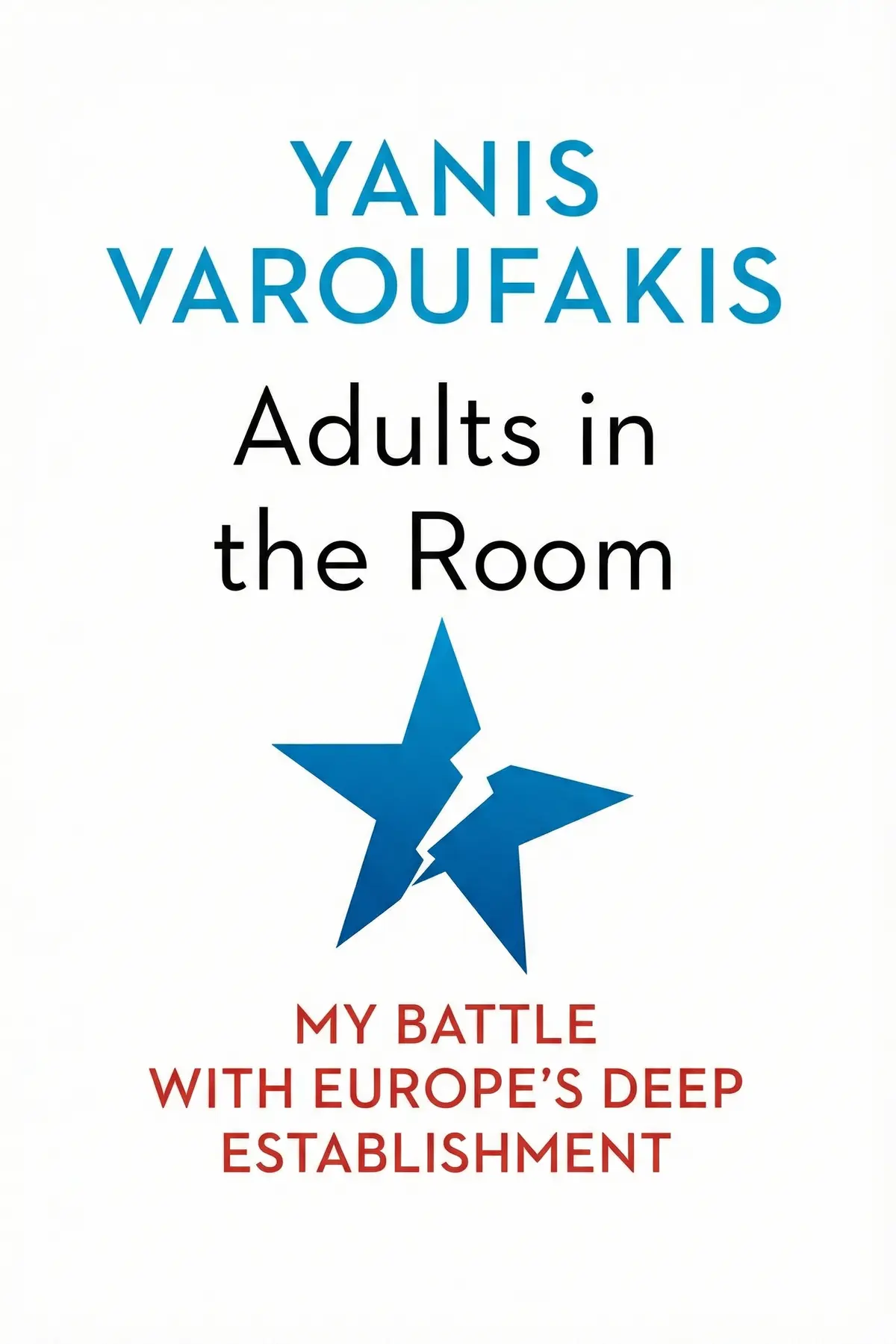
Yanis Varoufakis
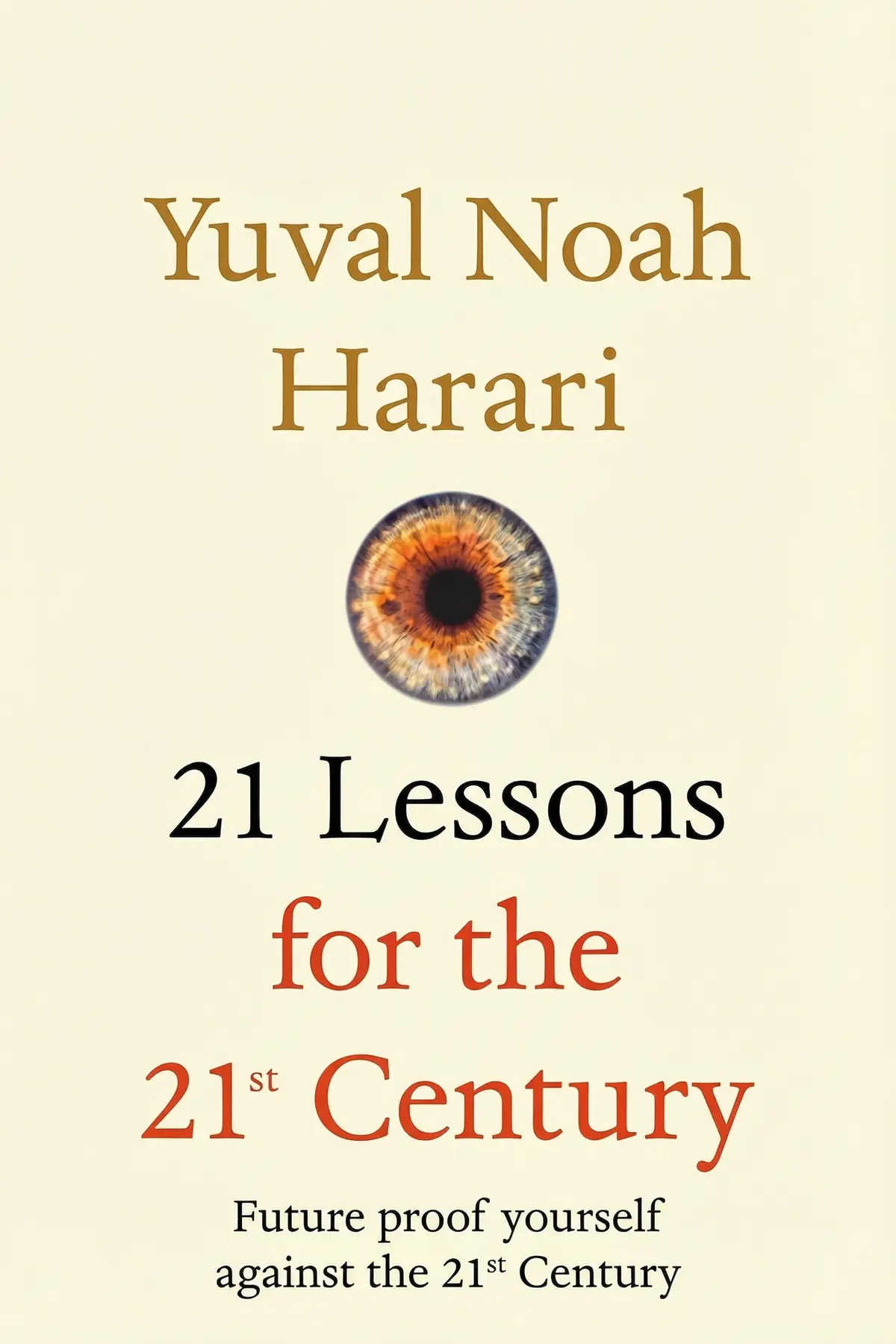
Yuval Noah Harari
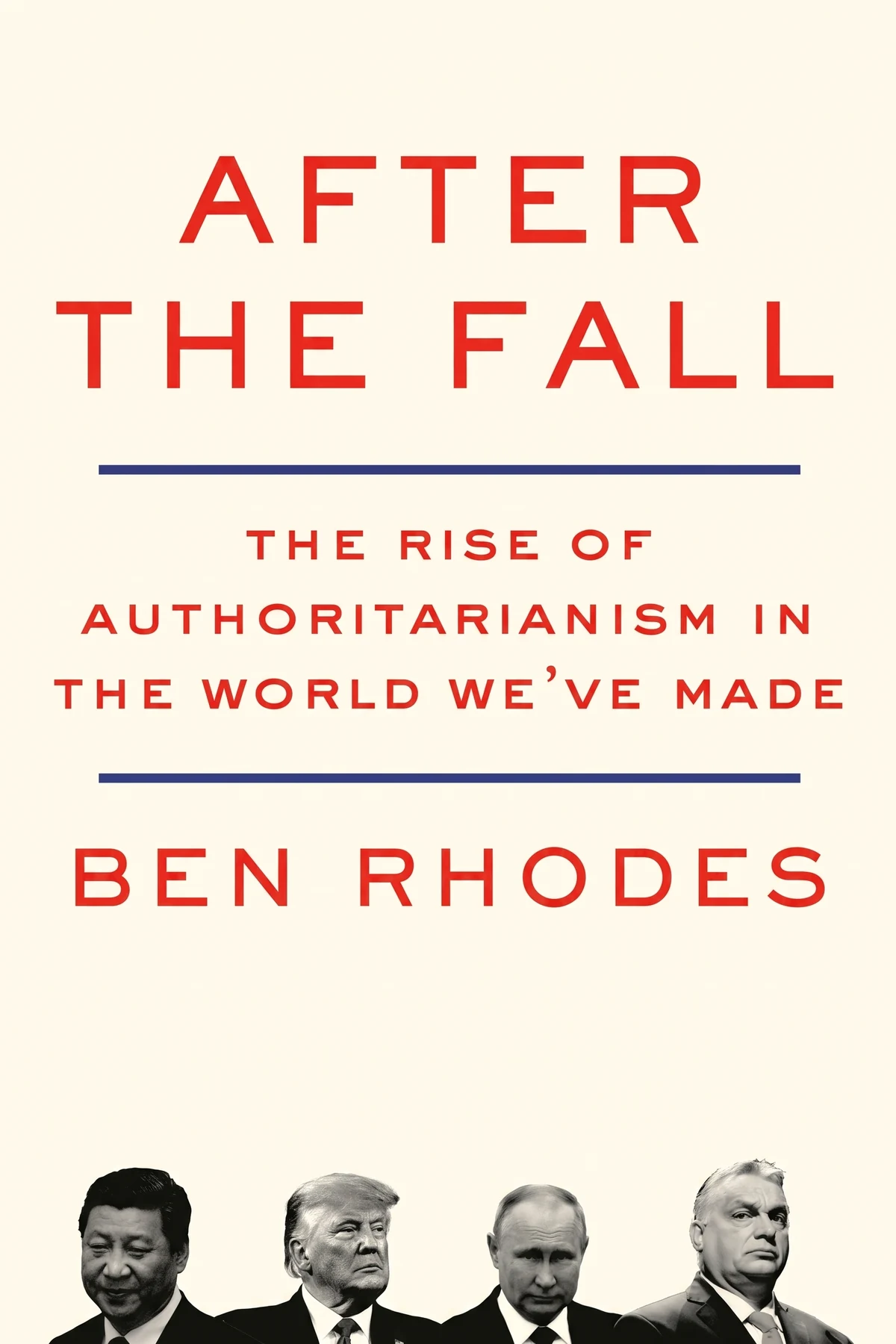
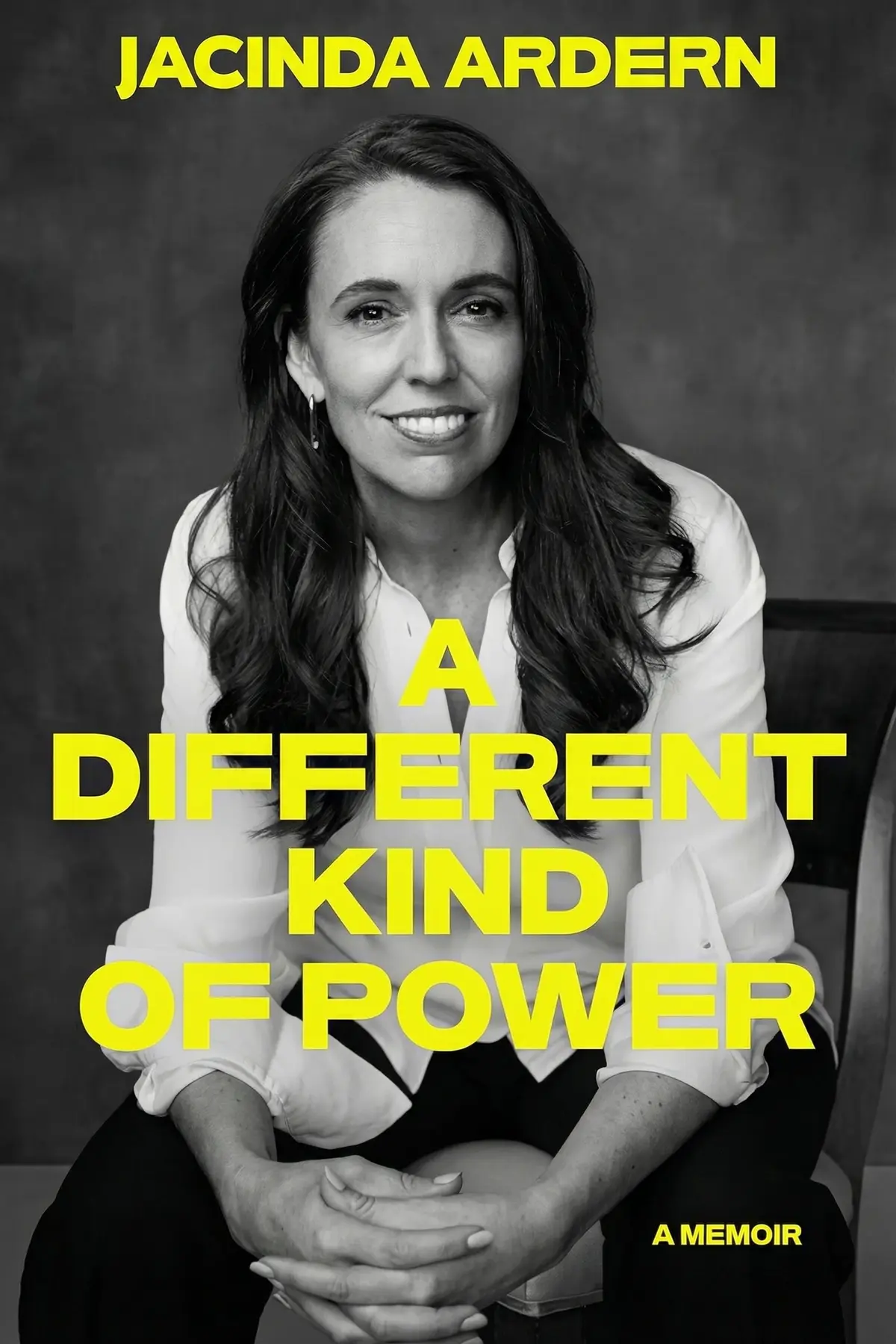
Jacinda Ardern
Pankaj Mishra
James Comey
Anthony Pratkanis

AUDIO SUMMARY AVAILABLE
Get the key ideas from American Kompromat by Craig Unger, plus 5,000+ more titles in English and Thai.







