
22 min 02 sec
Anxious: Using the Brain to Understand and Treat Fear and Anxiety
Explore the biological roots of fear and anxiety with neuroscientist Joseph LeDoux. This summary breaks down how our brains process threats and offers science-backed strategies for regaining control over anxious thoughts.
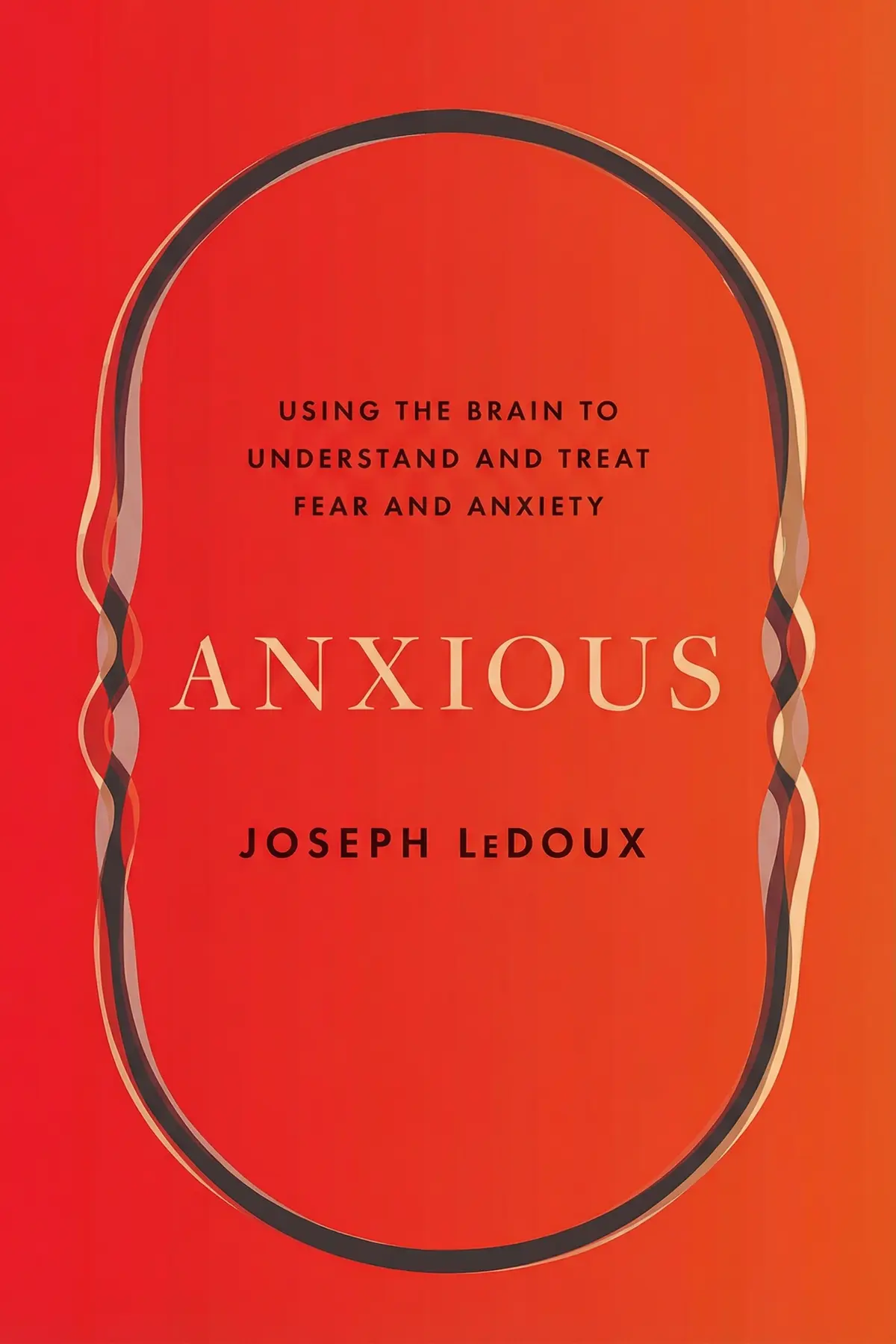
Table of Content
1. Introduction
1 min 48 sec
Have you ever found yourself lying awake at night, your heart racing as you replay a conversation from earlier in the day? Or perhaps you’ve felt that sudden, sharp spike of adrenaline when you see a suspicious shadow while walking alone? These sensations are deeply familiar to millions of people. In the United States alone, roughly 40 million individuals live with a diagnosed anxiety disorder, making it one of the most widespread mental health challenges of our time. But what is actually happening inside our heads when these feelings take over? Why does the brain sometimes seem to turn against us, treating everyday social interactions or common chores like life-or-death situations?
In this exploration of Joseph LeDoux’s work, we are going to look under the hood of the human mind to understand the mechanics of fear and worry. We often treat anxiety as a single, overwhelming cloud, but it is actually the result of several different systems in the brain working—sometimes in conflict—at the same time. We will trace the history of how humans have viewed anxiety, moving from the idea that it is an essential part of the human soul to the modern view that it is a clinical condition that can be managed.
The throughline of our journey today is the distinction between our unconscious survival instincts and our conscious emotional experiences. By separating these two, we can begin to see why anxiety is so persistent and how we can use targeted strategies to find relief. We will look at how our ancestors’ survival mechanisms still live within us, how the way we define anxiety has shifted over the decades, and how cutting-edge research into memory and behavior offers a roadmap for moving forward. Whether you struggle with occasional stress or a more persistent disorder, understanding the biological ‘why’ behind these feelings is the first step toward reclaiming your peace of mind.
2. The Evolution of Anxiety as a Human Concept
2 min 08 sec
Explore how anxiety shifted from a philosophical marker of free will to a medical diagnosis that reflects the complexities of modern psychological health.
3. Defining the Boundary of Disordered Anxiety
2 min 12 sec
Learn how the psychiatric community attempts to categorize the wide spectrum of human worry and the factors that make some individuals more vulnerable.
4. The Biological Machinery of Survival
2 min 06 sec
Uncover the ‘fight or flight’ mechanisms that operate within us and how these ancient instincts help us navigate a dangerous world.
5. When the Alarm System Won't Turn Off
2 min 03 sec
Examine how hypervigilance and avoidant behaviors create a cycle that can make an individual’s world feel increasingly small and threatening.
6. Separating Automatic Responses from Conscious Feelings
1 min 57 sec
Distinguish between the brain’s instinctive defensive circuits and the complex, conscious stories we tell ourselves about our emotions.
7. Retraining the Mind through Exposure and CBT
1 min 54 sec
Discover how modern therapeutic techniques help individuals dismantle dysfunctional beliefs and replace fear with neutral associations.
8. The Challenges and Nuances of Lasting Recovery
2 min 06 sec
Explore why fear can sometimes return unexpectedly and the simple lifestyle changes that can make therapy more effective.
9. The Dynamic Power of Memory and Its Limits
1 min 55 sec
Investigate the science of how memories are formed and the controversial possibility of ‘updating’ or erasing traumatic associations.
10. Building Resilience through Active Coping
2 min 11 sec
Learn how proactive strategies like mindfulness and breathing can shift the focus from a threatened self to a more stable, neutral perspective.
11. Conclusion
1 min 42 sec
As we have seen, anxiety is far more than just ‘being nervous.’ it is a complex intersection of ancient survival circuits and modern conscious thought. Joseph LeDoux’s work helps us realize that while we may share a basic alarm system with other animals, our human capacity for memory, language, and self-reflection is what turns that biological spark into the emotional experience of anxiety. This might make the problem seem more daunting, but it also provides us with more avenues for healing.
The throughline of this summary has been one of empowerment through understanding. When we recognize that our racing hearts and sweaty palms are just the body’s ‘defense circuits’ doing their job—albeit sometimes at the wrong time—we can begin to separate our identity from our symptoms. We can use therapies like CBT and exposure to build new, neutral associations, and we can use active coping strategies like mindfulness to keep our conscious minds from spiraling into the future.
If there is one key takeaway from this work, it is that your brain is remarkably adaptable. You are not stuck with the patterns of the past. By being proactive and using the tools of neuroscience, you can retrain your mind to see the world not as a minefield, but as a place of possibility.
For a practical first step, consider the science of memory consolidation. The next time you finish a therapy session or spend time practicing a new skill to manage your stress, give yourself some quiet time afterward. Better yet, take a short nap. By allowing your brain those few hours of peace, you are giving it the best possible chance to lock in that new learning and make your path to calm a little more permanent.
About this book
What is this book about?
Anxious provides a comprehensive exploration of the neurological and psychological landscape of human worry. Joseph LeDoux, a leading expert in the field of emotional brain research, distinguishes between the automatic survival responses we share with animals and the unique conscious experience of human anxiety. By understanding the distinction between these two systems, we can better appreciate why traditional treatments work and where new frontiers of neuroscience are headed. The book promises to bridge the gap between complex brain science and the everyday reality of living with an anxiety disorder. It covers the evolution of how we define anxiety, from existential philosophy to clinical pathology, and examines the effectiveness of modern therapies like Cognitive Behavioral Therapy. Beyond theory, the work highlights practical coping mechanisms, the role of memory in sustaining fear, and how we can use mindfulness and active strategies to rewire our responses to perceived threats.
Book Information
About the Author
Joseph Ledoux
Joseph LeDoux is a distinguished academic holding the title of Henry and Lucy Moses Professor of Science at New York University. His leadership roles include directing the Emotional Brain Institute at New York University as well as the Nathan Kline Institute. As a prolific author and researcher, he has contributed significantly to the field of neuroscience through his previous acclaimed books, Synaptic Self and The Emotional Brain.
Ratings & Reviews
Ratings at a glance
What people think
Listeners find the book educational and captivating, with one individual mentioning that it provides a solid breakdown of neurological functions. Additionally, they value how it explores the complex nature of anxiety disorders and details the brain patterns of fear and worry. However, the quality of the prose has drawn varied reactions.
Top reviews
Carlos
Joseph LeDoux has delivered a masterclass on the neuroscience of the defensive brain, providing a dense but necessary deep dive into how our minds process perceived threats. This isn't a breezy read, but for those willing to put in the work, the distinction he draws between non-conscious physiological responses and the conscious feeling of anxiety is revolutionary. The book explains the complex brain dynamics of fear and worry with surgical precision, showing how these systems operate independently yet interact to create our emotional reality. While the writing leans toward the academic, the clarity of his diagrams and the sheer depth of the research make it an invaluable resource. If you want to understand the biological foundations of human emotion beyond the surface level, this is the definitive text. It truly elaborates on the compound essence of anxiety disorders in a way that few other popular science books even attempt.
Show moreTan
Wow, what an incredibly thorough exploration of the mechanics of human emotion. Joseph LeDoux manages to dissect the very nature of worry and fear, showing how our conscious minds often misinterpret the signals coming from our non-conscious defense systems. It’s a fascinating look at brain dynamics that totally changed how I think about my own internal state. To be fair, it’s not a light read and you need some stamina to get to the end, but the insights into the 'defensive brain' are worth every minute. I especially liked the final chapter on meditation and breath exercises, as it finally tied the high-level science back to something practical. If you have the patience for a scholarly work, this is easily one of the best books on the brain I’ve read in years.
Show morePalm
Ever wonder why your brain stays in a state of high alert even when there is no immediate threat? LeDoux provides a fascinating, high-level explanation of why we feel 'anxious' versus why we feel 'fear.' The book is heavily laced with specialist terms, which might turn off casual readers, but the insights into the 'defensive brain' are well worth the effort. I particularly enjoyed the discussion on how inherited emotional states from our animal ancestors shape our modern experience. While the writing quality receives mixed feedback from some, I found his arguments about the conscious construction of emotion to be logical and well-supported by study after study. It’s not a manual for living, but it is a brilliant map of the mind. Just be prepared for a very technical journey that doesn't offer many real-world tools until the very end.
Show moreWyatt
Picked this up because I wanted to understand the biological roots of my own persistent worry, and I came away with a much clearer picture of brain function. LeDoux is a distinguished professor, and it shows in his authoritative tone and the sheer volume of scientific data provided. I found the section on memory and consciousness particularly gripping—the idea that we can potentially 'unlearn' certain anxious responses is a game-changer. That said, I do agree with other reviewers that the book is quite dense and dry in parts. It requires small doses to fully digest the material. The illustrations and graphs help quite a bit to break up the text, but you still need a fair amount of scientific literacy to get through it. It’s a serious, scholarly look at how we become who we are through our synaptic selves.
Show moreSarocha
After hearing LeDoux on a podcast, I expected a dense read, and this book certainly lived up to that expectation. It offers a great overview of the state of understanding in the present day regarding the neuroscience of anxiety. I appreciated how he compares and contrasts the work of different labs, giving a real sense of the 'fault lines' in the field. The discussion on how drug-based treatments haven't proven reliably effective was eye-opening and provides a strong case for alternative psychotherapeutic approaches. The book isn't easy—it sits somewhere between a textbook and a popular science book—but it’s deeply rewarding. It elaborates on the compound essence of anxiety disorders with a level of detail you won't find in your average self-help book. A solid four stars for anyone interested in the technical side of psychology.
Show moreVimolwan
Finally got around to finishing this massive tome, and the insights into how brain activity results in emotional experience are genuinely profound. As someone who has struggled with worry, seeing it explained through the lens of neuronal pathways and cognitive behavior techniques was actually quite comforting. The book does a great job describing the brain dynamics of fear and how it differs from the more 'grinding' long-term effects of anxiety. My only real complaint is that the writing quality is a bit hit-or-miss; some chapters flow well, while others feel like a collection of data points stitched together. Still, it provides a very good explanation of brain functions and why humans are uniquely prone to these disorders. It’s a high-level technical reference that manages to be mostly accessible if you take it slow.
Show moreLogan
If you are looking for a quick self-help guide with actionable tips for your panic attacks, you should probably look elsewhere. I found the title to be a bit of a bait-and-switch; it’s marketed like a book for the average person, but it reads like a 300-page academic article. Frankly, the middle section becomes a bit of a slog as it descends into excruciating detail about rat experimentation and the mechanics of the amygdala. I appreciated the later chapters on the problems with antianxiety drug research and the potential of cognitive behavior techniques, but getting there requires immense stamina. It’s an informative and fascinating look at brain functions, but the jargon is incredibly thick. I would only recommend this to psychology students or those with a very strong background in the biological sciences. For the rest of us, it’s just a bit too pedantic.
Show moreDream
The chapter on consciousness was the highlight for me, yet it felt buried under mountains of animal experimentation data that I simply didn't care about. Look, the truth is that this book is a bit of a ruse. It’s titled 'Anxious,' but it spends the vast majority of its time dealing with the physical response of fear in lab rats rather than the human experience of anxiety. While I certainly agree with his key point that our terminology for fear is a mess, the way he delivers that point is tedious and often repetitive. It’s an authoritative technical reference, no doubt, but the writing is extremely dry. If you aren't an academic or a hardcore science nerd, you’ll probably find yourself skimming the middle 200 pages. It's informative, but definitely not the 'popular science' book I was hoping for.
Show morePan
Not gonna lie, this book made me feel more anxious just trying to finish it! The title is very applicable in that sense. While I found the author’s observations regarding the cultural aspects of fear to be interesting, the rest of the book was just too much scientific jargon for me. It reads like the textbook the author didn't want to write, and at times it feels like he’s trying to settle academic scores rather than educate the general public. The unconditioned stimulus here was my interest in mental health, but the conditioned response is now wariness whenever I see a neuroscientist trying to write for 'popular consumption.' It’s not a bad book, and it's certainly informative, but it's marketed to the wrong audience. If you aren't ready to parse 300 pages of medical terms, you might want to pass.
Show morePatcharaporn
Frankly, this was a massive disappointment based on how it was pitched. I picked this up expecting 'tips and tools' for coping with my own anxiety, but instead, I spent hundreds of pages reading what felt like a prolonged professional journal article. The first two chapters are excellent and provide a good overview of our thinking, but then the author spends 200 pages arguing about why scientists shouldn't believe animals have emotions. It felt like an 'angels on pinheads' type of argument that has no relevance to someone actually suffering from a disorder. By the time I reached the six pages of actual advice at the end, I was exhausted. The recommendations basically boiled down to 'eat your vegetables' and 'don't drink too much.' For all that arduous reading, I expected something much more profound than general health tips. This is for neuro students only.
Show moreFeatured in
Readers also enjoyed
A Liberated Mind: How to Pivot Toward What Matters
Steven C. Hayes
A Life Decoded: My Genome: My Life
J. Craig Venter
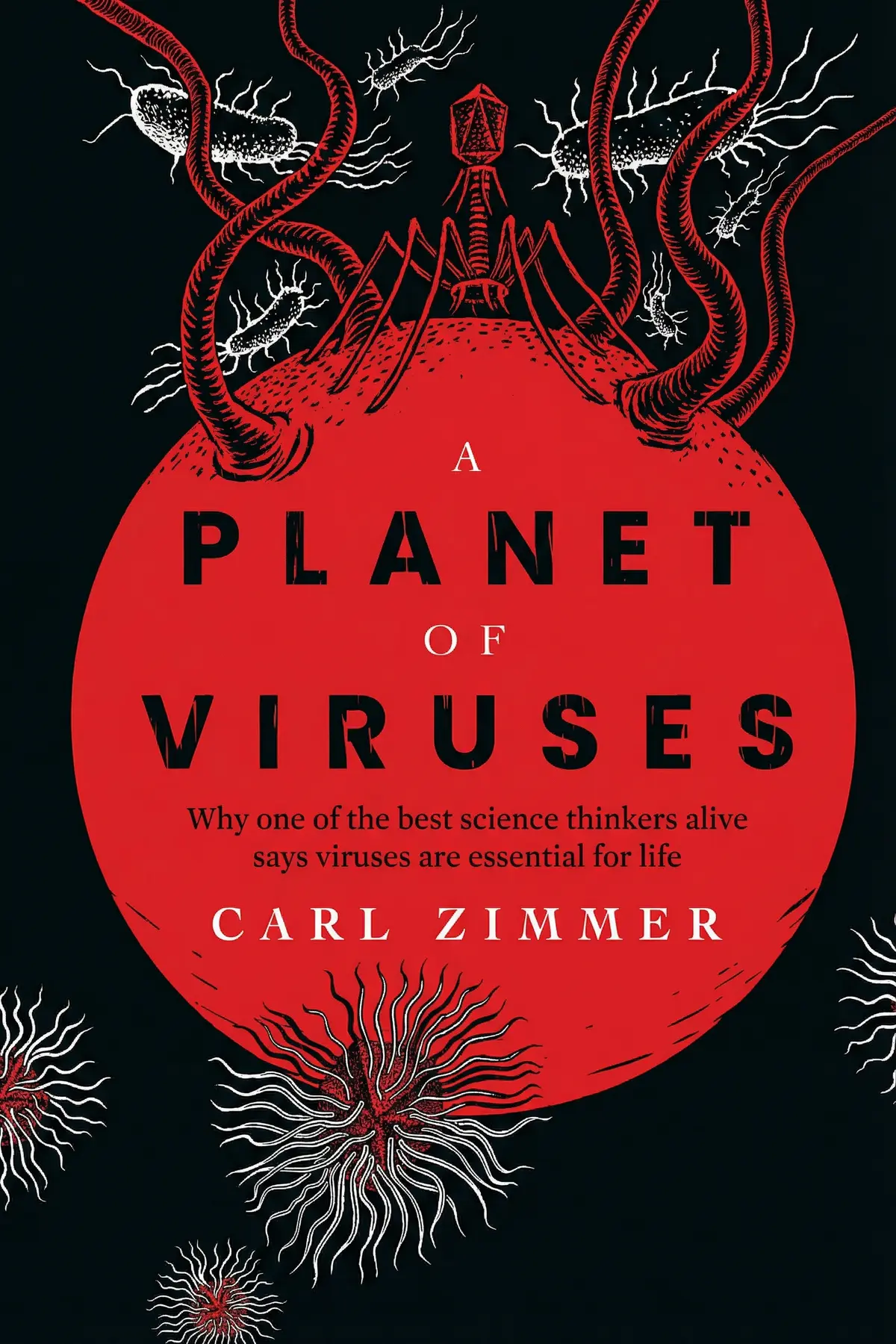
A Planet of Viruses
Carl Zimmer
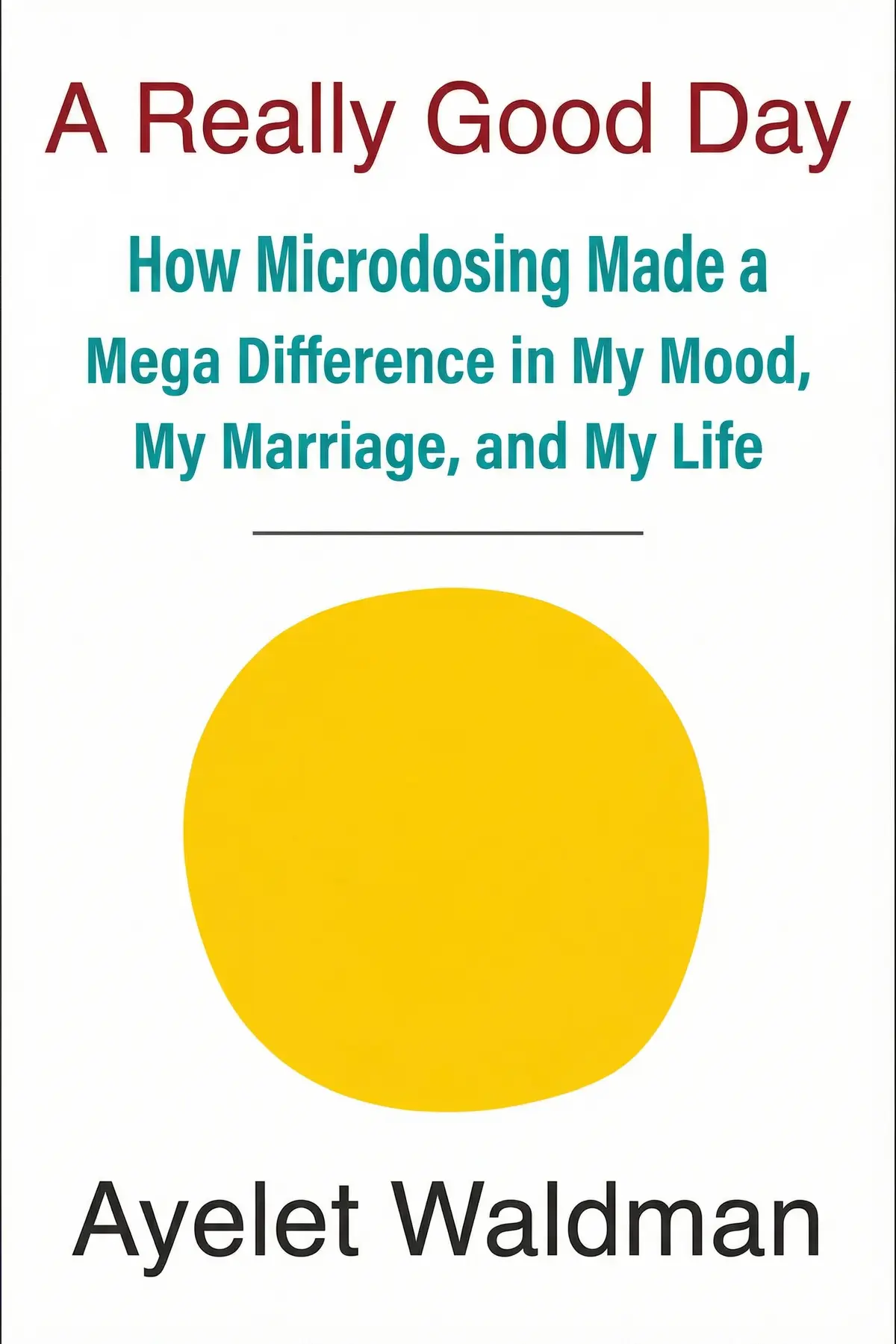
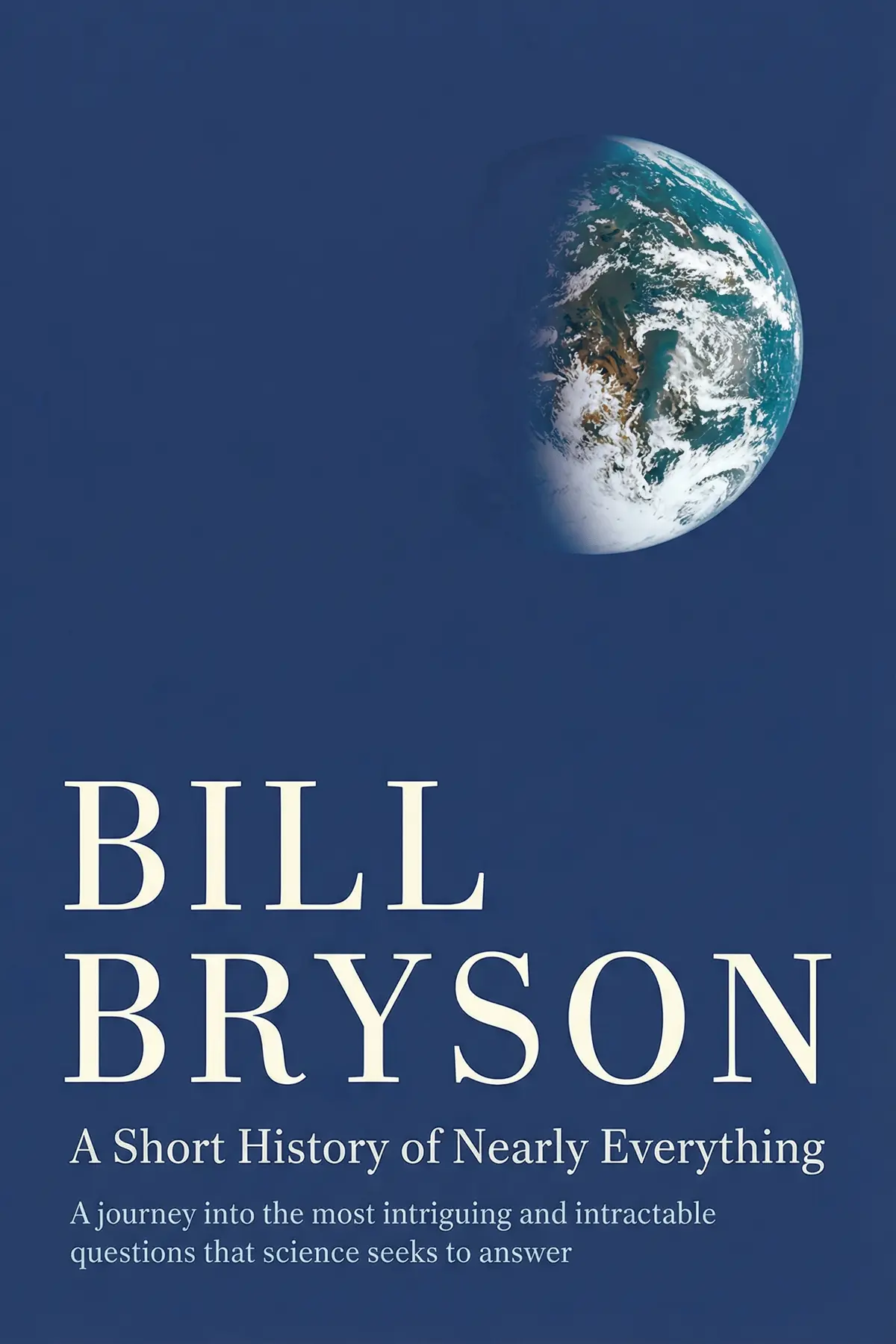
A Short History of Nearly Everything
Bill Bryson
A Thousand Brains: A New Theory of Intelligence
Jeff Hawkins
AUDIO SUMMARY AVAILABLE
Listen to Anxious in 15 minutes
Get the key ideas from Anxious by Joseph Ledoux, plus 5,000+ more titles in English and Thai.
- 5,000+ titles
- Listen as much as you want
- 7-day free trial
- Cancel anytime







