
14 min 27 sec
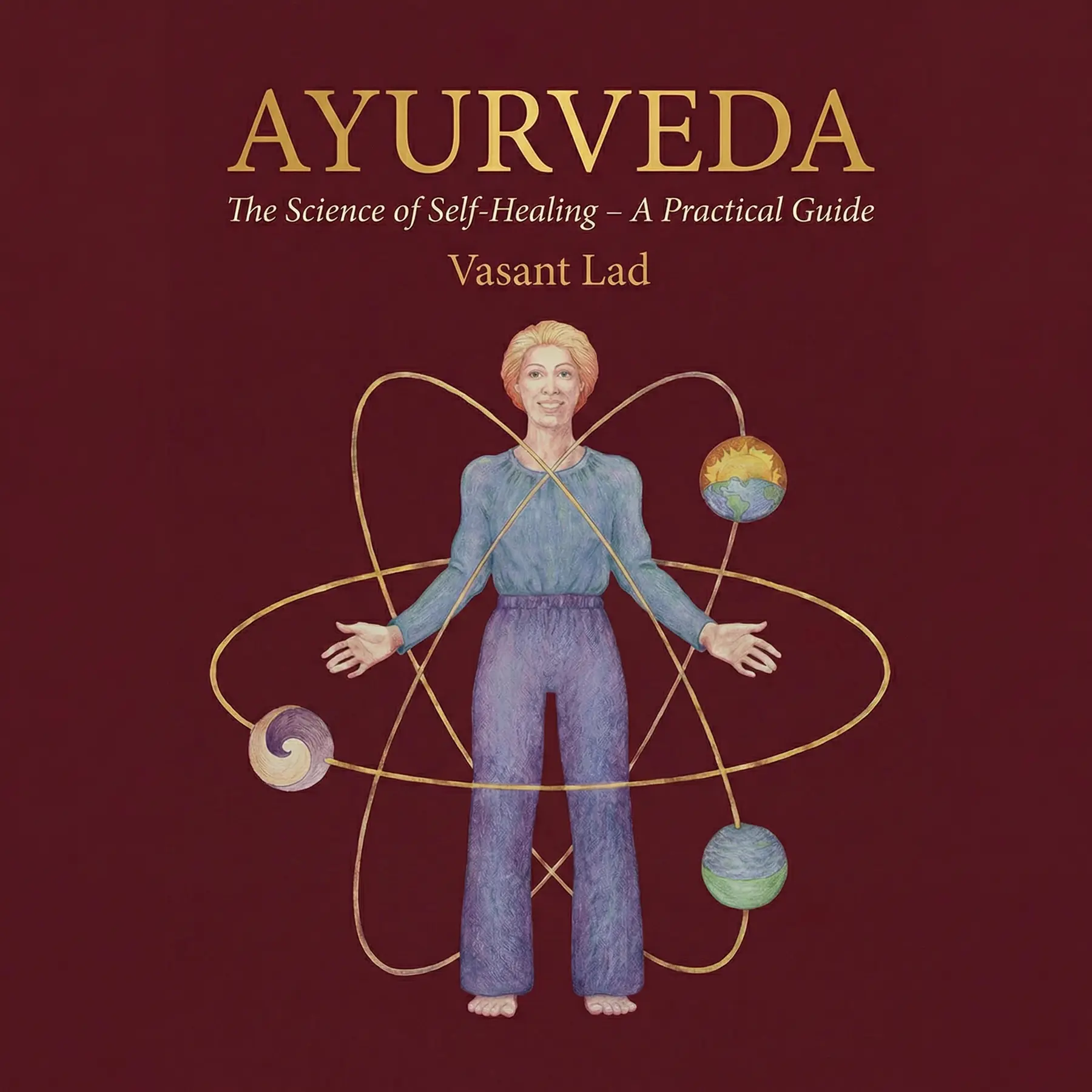
Ayurveda: The Science of Self-Healing - A Practical Guide
By Vasant Lad
Discover the ancient wisdom of Indian medicine through a holistic lens. This guide explains how balancing the three doshas and aligning with natural elements can transform your physical health and mental clarity.
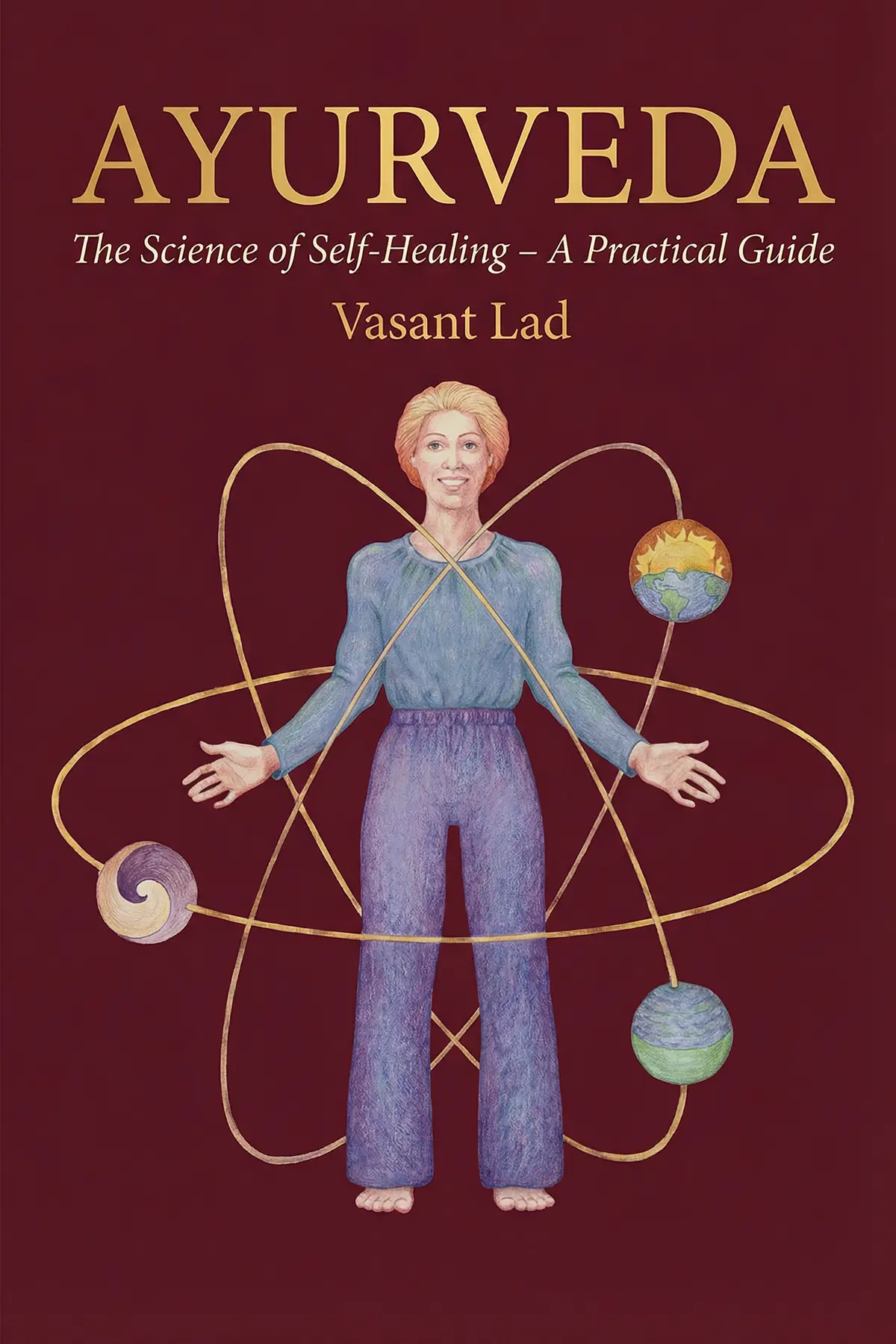
Table of Content
1. Introduction
1 min 29 sec
Have you ever considered that the secret to your well-being might not be found in a new laboratory discovery, but in a wisdom that has survived for thousands of years? Many of us are accustomed to a reactive approach to health—waiting until something breaks before trying to fix it. However, there is a profound alternative that views health as a continuous state of harmony rather than just the absence of symptoms. This is the world of Ayurveda, a name that translates from Sanskrit to mean the study or science of life. It is an ancient Indian discipline that invites us to look at our bodies not as machines, but as living landscapes deeply connected to the universe around us.
In this exploration, we are going to peel back the layers of what many in the West perceive as a mystical or esoteric practice. What we find underneath is a remarkably logical and practical system for living. We will see how the elements of the natural world—from the wind to the heat of the sun—are mirrored within our own physiology. We’ll learn how to identify our unique biological blueprint and how to maintain it through simple, everyday choices. By the end of this journey, you will understand that healing isn’t something that only happens in a doctor’s office; it is a process of self-discovery and a commitment to living in sync with the natural laws of existence. Let’s begin by uncovering the foundational philosophy that makes this system so enduring.
2. The Unified Philosophy of Life
2 min 04 sec
Uncover how ancient wisdom combines medicine, spirituality, and philosophy to create a complete framework for human happiness and growth.
3. The Elemental Building Blocks
1 min 51 sec
Learn how the five fundamental elements of nature manifest within your body to shape your unique physical and mental constitution.
4. Understanding the Roots of Imbalance
1 min 47 sec
Explore the transition from health to disease and why your internal metabolic fire is the most important factor in your immunity.
5. The Art of Emotional and Physical Cleansing
1 min 52 sec
Discover how clearing away internal toxins and processing repressed emotions can prevent long-term illness.
6. The Kitchen as Your Primary Pharmacy
1 min 54 sec
Transform your relationship with food by using common spices and ingredients to balance your specific constitutional needs.
7. Daily Rhythms for Lasting Health
1 min 53 sec
Establish a personal routine that aligns your internal clock with the natural cycles of the sun and the seasons.
8. Conclusion
1 min 37 sec
As we conclude this journey into the science of self-healing, it becomes clear that Ayurveda is much more than a collection of health tips. it is a profound way of seeing the world and our place within it. We have seen how our health is a reflection of the five elements and how the balance of our unique doshas—Vata, Pitta, and Kapha—determines our physical and mental well-being. We’ve learned that the secret to a long life lies in the strength of our internal fire and our ability to clear away both physical and emotional toxins.
The beauty of this system is that it empowers you. It suggests that you don’t have to be a victim of your genetics or your environment. By making mindful choices about what you eat, how you move, and how you structure your day, you can steer your life toward harmony. Whether it’s adding a pinch of turmeric to your meal, adjusting your sleep position, or simply taking a moment to breathe and observe your emotions, these small actions accumulate into a powerful force for transformation.
Take these principles and start observing. Watch how you react to different foods, different seasons, and different times of day. Ayurveda isn’t a destination; it’s a lifelong practice of awareness. As you begin to live in sync with your own nature, you will find that health is not something you have to chase—it is the natural result of being in balance with the universe. Carry this wisdom with you, and let it guide you toward a life of vitality, purpose, and lasting peace.
About this book
What is this book about?
Ayurveda explores the ancient Indian tradition of holistic healing, positioning it not just as a medical system but as a comprehensive philosophy for living. At its heart is the belief that every individual is a unique microcosm of the universe, governed by a specific blend of five elemental forces: ether, air, fire, water, and earth. By understanding these forces—expressed through the three biological humors known as doshas—readers can identify their own constitutional needs and address imbalances before they manifest as disease. The book promises a practical path toward self-healing by integrating diet, daily routines, and spiritual practices. It moves beyond the symptomatic treatment of modern medicine to examine the root causes of illness, such as impaired digestion and repressed emotions. Readers will learn how to use their own kitchens as pharmacies, utilizing common spices and herbs to maintain vitality. Ultimately, it offers a blueprint for longevity and harmony, teaching us how to sync our internal rhythms with the natural cycles of the day and the seasons.
Book Information
About the Author
Vasant Lad
Vasant Lad is a highly regarded Ayurvedic physician, educator, and the founder of the Ayurvedic Institute located in Albuquerque, USA. Throughout his distinguished career, he has served as the medical director of the Ayurveda Hospital in Pune, India. Additionally, he spent 15 years as a professor of Clinical Medicine at Pune University’s College of Ayurvedic Medicine. A prolific writer, he has authored 12 books on the principles of this ancient science, including notable works such as The Complete Book of Ayurvedic Home Remedies and the Textbook of Ayurveda.
Ratings & Reviews
Ratings at a glance
What people think
Listeners find this book on Ayurveda to be an excellent informational resource that offers a straightforward primer on the subject. The writing is articulate and simple to follow, featuring thorough dosha explanations and broad topical coverage. They value its readability and clear text, with one listener highlighting the inclusion of many helpful charts. Listeners respect its philosophy on wellness, with one noting that these practices have been healing people for 4000 years.
Top reviews
Watchara
Looking for a clear entry point into Vedic traditions can be overwhelming, but Vasant Lad makes it remarkably simple. This book serves as a fantastic informational guide that breaks down the three doshas without making your head spin. I particularly appreciated the inclusion of various charts which help visualize how different foods and habits affect our internal balance. It’s written with a clarity that is often missing in spiritual texts, focusing on practical application rather than just abstract theory. Truth is, the 4,000-year-old wisdom contained here feels surprisingly relevant to our high-stress modern lives. If you are a beginner, this is the text you want on your nightstand for quick reference.
Show moreValentina
After struggling with western medicine's limitations for years, I finally picked up this guide on the recommendation of a holistic health practitioner. It is an amazing introduction that outlines the major principles of self-healing in a way that is both concise and deeply insightful. I love how the book encourages you to look at your body as a system of interconnected forces rather than just a collection of symptoms. The sections on pulse diagnosis and tongue examination were particularly eye-opening for me as a newcomer. Not gonna lie, I was skeptical at first, but the results I’ve seen from adjusting my diet according to my dosha have been undeniable.
Show moreSupaporn
This is the definitive primer for anyone curious about the laws governing life and health according to this 4,000-year-old system. Vasant Lad’s writing is exceptionally clear, making it one of the most readable books on Indian medicine I’ve ever encountered. He manages to condense a massive amount of traditional knowledge into a slim volume that doesn't feel like a dry textbook. Every chapter provides practical steps you can take to improve your quality of life through simple changes in your daily routine. Look, it’s not going to make you an expert overnight, but it gives you the tools to start your journey toward self-healing immediately.
Show moreEnd
Gotta say, I was surprised by how much this changed my perspective on my daily morning routines and eating habits. I had always heard about the "three doshas" but never really understood what they meant until I read this specific guide. The author explains the concept of toxins and how they accumulate in the body in a way that actually makes sense for once. I’ve started incorporating some of the herbal recommendations into my diet and I’ve noticed a significant boost in my overall energy levels. It’s a beautiful, well-written text that serves as a bridge between the physical body and our deeper consciousness.
Show moreSaowalak
Bridging the gap between human consciousness and physical health is no small feat, yet Lad manages it with grace and simplicity. This book is a wonderful informational resource that I find myself returning to whenever I feel like my life is getting out of balance. The chapters are organized logically, guiding the reader from basic concepts to more advanced theories about the elements and our senses. I particularly appreciated the gentle tone of the writing; it feels like you are being taught by a wise and patient mentor. For anyone looking for a comprehensive yet accessible entry into Ayurveda, look no further than this classic text.
Show moreGabriel
Vasant Lad has a way of making complex, ancient wisdom feel accessible for the modern reader who might be tired of Western approaches. The book covers a vast horizon of topics ranging from diet and lifestyle to the more spiritual aspects of Cosmic Consciousness. I enjoyed the detailed explanations of how our constitution dictates our health, though some of the therapeutic suggestions like induced vomiting were a bit hard to stomach. The writing is gentle and respectful, clearly coming from someone who lives and breathes these principles every single day. Even if you don’t buy into every single claim, there is a lot of value in his approach to seasonal health and mindful living.
Show moreSawit
The layout of this book is actually quite helpful for a beginner, especially the detailed charts that categorize various herbs and foods. It functions well as a reference guide where you can quickly flip to the index when you’re feeling under the weather. I do think the book is a bit lopsided, focusing heavily on certain physical traits while offering very little information on pranayama or specific breathing techniques. In my experience, it works best when paired with another text that provides more of the philosophical history of the Vedic period. However, for a quick overview of how to balance your life through Ayurvedic principles, this is a solid choice.
Show moreLevi
To be fair, this book provides a massive amount of information, but the structure often felt like a total info-dump that left me floundering. While I find the topic of Ayurveda fascinating, the way terms are presented without enough historical context made it difficult to connect the dots. I felt like I was reading an internet survey at times, especially during the sections on body types and personality traits. Some of the concepts, like the zodiac’s influence on our organs or the curative power of specific gemstones, felt a bit too alien for my skeptical mind. It's a decent starting point if you want the basics, but you might need a more comprehensive book to fill in the gaps.
Show morePloy
While the text is well-written, I'd suggest consulting an actual Ayurvedic practitioner before diving headfirst into the lifestyle changes suggested here. The book makes identifying your dosha seem easy through simple questionnaires, but those can be incredibly inaccurate and misleading for a novice. I found some of the sections, like the ones on zodiac influence and therapeutic gemstones, to be a bit too "woo-woo" for my personal taste. It definitely feels like a product of its time, clinging to ancient explanations that have been largely disproven by modern biology. It’s an interesting cultural read, but take the medical advice with a very large grain of salt.
Show moreBond
I really wanted to respect this cultural perspective, but I just couldn't get past some of the more outlandish claims regarding medical treatments. While the author seems like a genuinely kind soul, suggesting that onions can alleviate severe epileptic seizures feels dangerous and irresponsible in a modern context. Some parts of the physiognomy descriptions felt borderline racist or at least heavily biased toward specific body types over others. Frankly, I checked out once the book started discussing how garlic is too sexually stimulating for celibate people and should be avoided. It’s an interesting look at a historical worldview, but I wouldn't call it a 'science' in any sense that we recognize today.
Show moreReaders also enjoyed





AUDIO SUMMARY AVAILABLE
Listen to Ayurveda in 15 minutes
Get the key ideas from Ayurveda by Vasant Lad, plus 5,000+ more titles in English and Thai.
- 5,000+ titles
- Listen as much as you want
- 7-day free trial
- Cancel anytime







