
20 min 12 sec
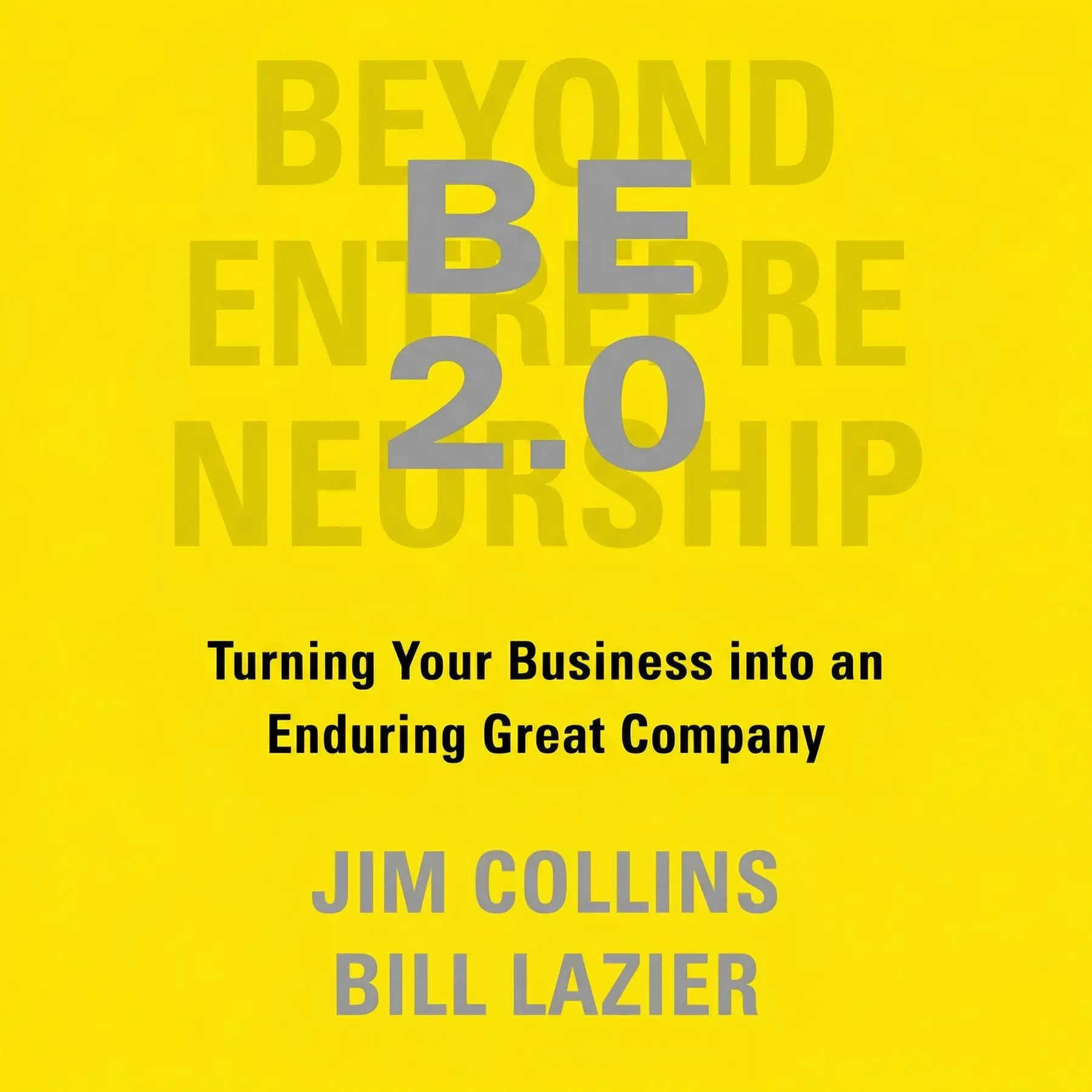
Beyond Entrepreneurship 2.0: Turning Your Business into an Enduring Great Company
Beyond Entrepreneurship 2.0 provides a comprehensive framework for scaling a small business into a lasting legacy, focusing on leadership excellence, disciplined thinking, and the critical importance of a people-first culture.
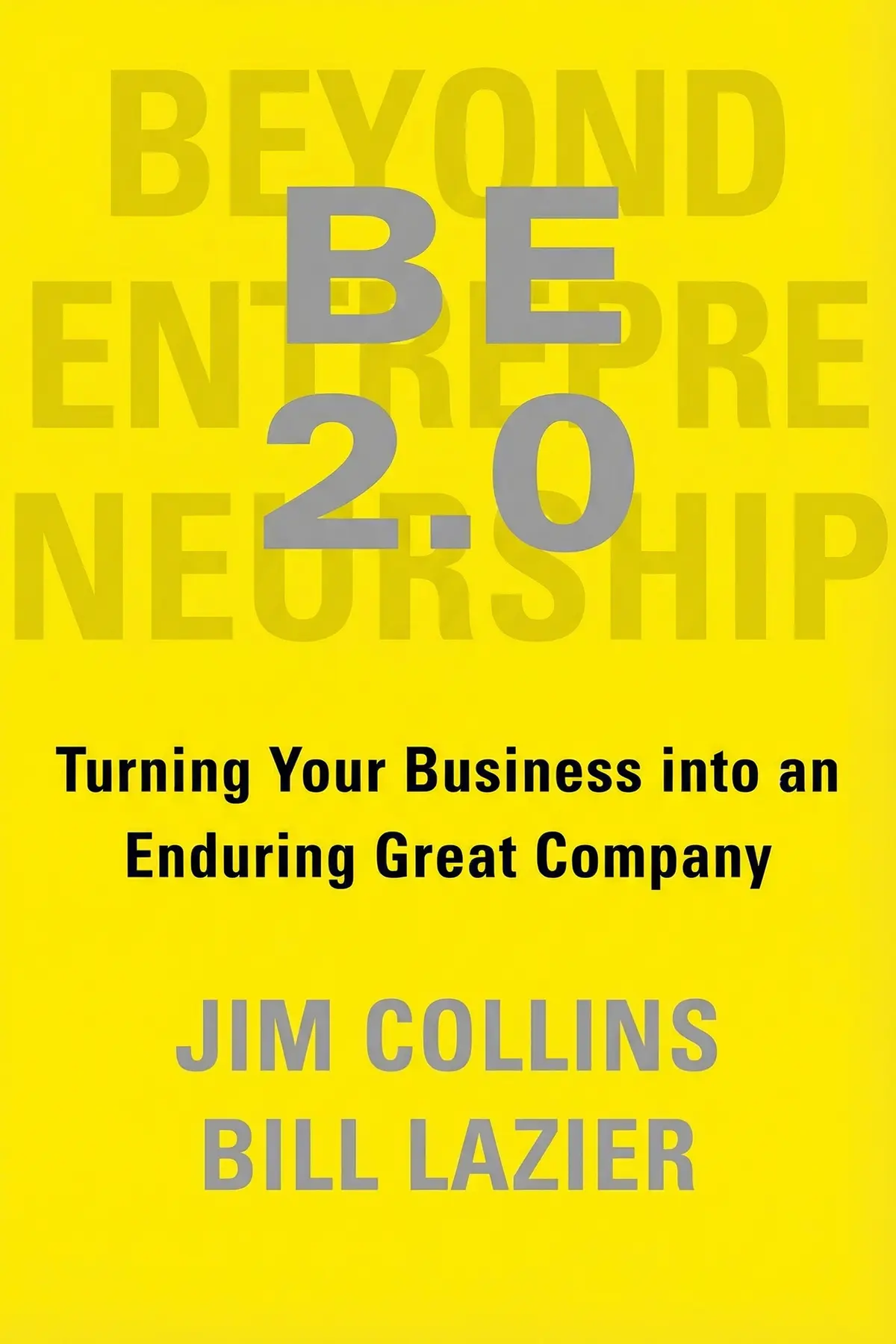
Table of Content
1. Introduction
1 min 36 sec
The transition from a fledgling startup to an iconic, enduring institution is perhaps the most difficult journey in the business world. Many companies flash brightly for a moment, riding a wave of innovation or luck, only to fade away when the initial spark dims. But what separates the businesses that disappear from the ones that become household names and industry benchmarks? The answer lies in a deliberate shift from simply being an entrepreneur to becoming a builder of greatness. This summary explores the updated insights of Beyond Entrepreneurship 2.0, a framework designed to help you navigate this evolution.
In this journey, we will move past the myth that success is driven solely by a single great idea. Instead, we’ll look at why the people you hire are more important than the destination you choose. We will examine the specific traits that allow a leader to act as a multiplier for their team’s potential and how a clearly defined vision serves as the ultimate guide through periods of uncertainty. We will also address the role of luck—not as something to hope for, but as a variable to be managed and capitalized upon.
As we progress, we’ll see how discipline and simplicity are not just administrative virtues but competitive advantages that allow for rapid innovation and flawless execution. By the end of this exploration, you will have a comprehensive understanding of the throughline that connects small beginnings to massive, sustainable impact. It is a path defined by rigorous thought, intentional culture-building, and the relentless pursuit of excellence. Let’s begin by looking at the most fundamental building block of any great enterprise: the individuals who make it run.
2. The Primacy of the Team Over the Product
2 min 09 sec
Discover why the individuals you bring into your organization are far more critical to your long-term success than the initial business plan you hope to execute.
3. Leadership as a Cultural Multiplier
2 min 05 sec
Explore how a leader’s personal style and core qualities ripple throughout an entire organization, setting the tone for every success and every failure.
4. The Power of a Clear Visionary Framework
2 min 02 sec
Understand how defining your core beliefs, purpose, and mission creates a sense of meaning that sustains a company through its toughest challenges.
5. Maximizing the Return on Luck
1 min 57 sec
Learn how the most successful entrepreneurs manage the unpredictable nature of luck by preparing for opportunities and building resilience against setbacks.
6. Discipline as the Foundation for Momentum
2 min 18 sec
See how combining disciplined thinking with consistent action creates a powerful flywheel effect that leads to inevitable breakthroughs.
7. The Art of Strategic Simplicity
1 min 57 sec
Discover why the most effective business strategies are often the simplest and how to focus your efforts on the areas where you have a true advantage.
8. Establishing a Culture of Systematic Innovation
2 min 07 sec
Learn how to move beyond occasional sparks of genius to create an environment where new ideas are constantly generated, tested, and rewarded.
9. Translating Vision into Flawless Execution
2 min 10 sec
Understand why the final step of greatness is the rigorous work of execution and how to build systems that ensure tasks are completed to the highest standard.
10. Conclusion
1 min 51 sec
Building an enduring, great company is not the result of a single brilliant move or a stroke of monumental luck. Instead, it is the cumulative result of a series of intentional, disciplined choices made over a long period. As we have explored through the lens of Beyond Entrepreneurship 2.0, the journey begins with people. By prioritizing the team over the destination, you create a foundation of talent that can weather any storm. From there, your leadership style acts as a multiplier, magnifying the values and the focus of everyone in the organization.
We have seen how a clear visionary framework—anchored in core beliefs, purpose, and mission—provides the essential ‘why’ that keeps a team aligned. We’ve discussed the importance of managing luck, simplifying strategy, and systemizing innovation so that it becomes a permanent part of the company’s DNA. Finally, we looked at the indispensable role of execution, where the high-level dreams of the entrepreneur are translated into the daily reality of a high-performing organization through discipline and accountability.
The most important takeaway is that these principles are not just for giant corporations; they are the roadmap for any small business that aspires to reach big places. To apply this today, start by looking at your current mission. Is it bold enough? Does it inspire your team to reach for something beyond the ordinary? If not, it might be time to set a Big Hairy Audacious Goal—a target so ambitious that it requires everyone to step up their game. By combining that level of ambition with the disciplined frameworks we’ve discussed, you don’t just build a business; you build a legacy. The market will always be fast-paced and unpredictable, but with the right people, a clear vision, and a relentless commitment to execution, your company can be one of the few that doesn’t just survive, but truly endures.
About this book
What is this book about?
Beyond Entrepreneurship 2.0 acts as a vital roadmap for founders and business leaders who want to move beyond the initial startup phase and build something truly enduring. The book bridges the gap between raw entrepreneurial energy and the structured excellence required to sustain a world-class organization. It explores the foundational elements of greatness, emphasizing that a company’s longevity isn't just about a clever product or a lucky market break, but about the quality of the people involved and the clarity of the vision they share. Listeners will discover the promise of a sustainable framework for growth. By focusing on leadership traits, strategic simplicity, and the power of disciplined execution, the book explains how to transform a volatile venture into a resilient powerhouse. It offers a blend of practical tactics and high-level philosophy, helping leaders navigate the complexities of scaling up while maintaining their core values. The promise here is not just short-term profit, but the creation of a company that stands the test of time and continues to innovate long after the first big win.
Book Information
About the Author
Jim Collins
Bill Lazier was a pioneering entrepreneur and a distinguished business professor at Stanford University. He served as a mentor to Jim Collins, who has since become a globally recognized consultant and the author of influential leadership titles such as Good to Great and Built to Last. Together, they originally wrote Beyond Entrepreneurship. Following Lazier’s passing in 2005, Collins updated and expanded this classic text to address the unique challenges facing today’s modern entrepreneurs.
Ratings & Reviews
Ratings at a glance
What people think
Listeners find the book’s insights to be highly useful, with one listener highlighting the way it merges enduring principles with new outlooks. Additionally, the writing style earns praise for its clarity, and listeners believe it is essential reading for those who own businesses. They also speak highly of the information quality, characterizing the text as an excellent resource.
Top reviews
Kob
The Map alone makes this entire purchase worthwhile for any serious leader. I’ve always appreciated Collins' research, but seeing how the Flywheel, Hedgehog Concept, and 20 Mile March all connect provides a level of clarity I didn’t have before. Frankly, it feels like a culmination of a life's work rather than just a simple update to a 1990s business text. The new content blends seamlessly with Bill Lazier’s original wisdom, creating a comprehensive guide for scaling an enduring company. I found the section on 'First Who' particularly poignant because it moves beyond theory into actionable hiring frameworks. You aren't just reading about great companies; you're receiving a tactical blueprint for organizational excellence. It’s dense, yes, but every page contains something you’ll want to highlight and bring to your next leadership meeting. If you’re trying to move from a chaotic startup to a disciplined enterprise, this is the manual you need on your desk.
Show morePick
Finally got around to this 'bible' of entrepreneurship and it lived up to the hype surrounding it. There’s a reason why the founders of Netflix and Google point to this text as a foundational influence on their corporate cultures. The emphasis on getting the right people in 'key seats' is a game-changer for anyone struggling with growth bottlenecks. Truth is, most business books are fluff, but this one provides a rigorous framework for tactical excellence and long-term vision. I loved the distinction between just having a job and having a set of responsibilities that drive the mission forward. The writing style is authoritative yet accessible, making complex organizational theories easy to digest during a busy week. It’s more than just a business book; it’s a masterclass in leadership. Every entrepreneur should have a dog-eared copy of this version on their shelf for constant reference.
Show morePierre
Ever wonder how a small business actually transforms into an enduring institution? This book answers that question with surgical precision. It isn't just about starting a company; it’s about the grueling work of building something that lasts long after the founders are gone. The sections on defining vision and strategy are the clearest I’ve ever encountered in business literature. I particularly liked the advice on 'Fire Bullets, then Cannonballs' as a way to innovate without risking the entire enterprise. It’s a very readable guide that balances high-level philosophy with the 'brutal facts' of daily operations. Not gonna lie, I was worried it would be too academic, but the case studies kept me grounded. It’s rare to find a book that manages to be both inspirational and intensely practical at the same time. This is mandatory reading for my entire executive team from now on.
Show moreTanyaporn
This book is a masterclass in organizational health and strategic clarity. Jim Collins has managed to blend the timeless principles of Bill Lazier with fresh perspectives that reflect the challenges of the 2020s. I found the '20 Mile March' concept particularly relevant for our current volatile economic climate. It teaches you that consistency is often more important than occasional bursts of genius or luck. The writing is punchy and the layout makes it easy to find specific topics when you need a quick refresher on strategy. I’ve recommended this to several other business owners who were feeling overwhelmed by the sheer scale of their operations. Frankly, it’s one of the few business books that actually delivers on its promise to provide a roadmap for greatness. It’s a heavy lift to implement everything, but the results are undeniably worth the effort.
Show moreTawee
Wow, the level of actionable detail in these chapters is staggering. If you run a smaller company, you will walk away with more ideas than you can possibly implement in a single year. I was particularly struck by the discussion on when to get rid of the 'wrong people.' It’s a hard truth to face, but keeping someone who costs you other employees is a recipe for disaster. The book provides a clear method for defining your vision and then aligning your tactics to support it. I appreciate how Collins emphasizes that you can't control luck, but you can certainly prepare to capitalize on it. This is a great guide for anyone who wants to stop just 'time-telling' and start 'clock-building.' It’s the kind of information that turns a struggling startup into a powerhouse enterprise. This should be required reading for every MBA student and entrepreneur alike.
Show moreEthan
As someone who skipped the 1995 original, I wasn't sure if this would feel dated in our current tech-heavy climate. To be fair, some of the core principles like 'Productive Paranoia' and 'Preserving the Core' have been echoed in so many other books that they might seem like common sense now. However, Collins has a way of framing these ideas that makes them feel fresh and urgent again. The real-life examples provided are fun to read, though I sometimes felt the new sections were a bit repetitive compared to his other major hits like Good to Great. I still think it's a 4-star read because the tactical advice on vision and strategy is incredibly solid for small business owners. I did find the audio version a bit difficult to follow when they started diving into the diagrams. Definitely buy the physical copy so you can take notes and mark the pages that resonate with your specific challenges.
Show moreArnav
Not what I expected from a revised edition, but I’m pleasantly surprised by the depth of the added material. You can really see how companies like Trek have embraced this guidance to build a robust corporate culture that survives market fluctuations. Personally, I think the strongest parts are the discussions on leadership styles and how to cultivate discipline within a team. My only gripe is that it doesn't work well as an audiobook. You really want to have this in your hands so you can flip back and forth between the concepts and the Map. Some of the charts and lists are too detailed to just 'nod along' to while driving or working out. To be fair, the information quality is top-notch, and the insights into 'Key Seats' changed how I look at my staff. It’s a solid 4-star guide that bridges the gap between old-school management and modern agility.
Show moreGin
After hearing so much about the 'Collins Map,' I finally dove into this 2.0 version. It essentially functions as a comprehensive summary of all his previous research, which is both a blessing and a curse. If you want one book that covers everything from the Flywheel to the Hedgehog Concept, this is it. However, it is quite long and can feel a bit repetitive if you are already a student of his work. I loved the sections on 'Productive Paranoia' and the importance of having the right people in key roles to mitigate risk. The truth is, the advice is so common sense now only because Collins made it that way decades ago. While it might not feel as 'novel' as it did in the 90s, the tactical excellence described here is still the gold standard. I’d say it’s a must-read for newer managers, even if seasoned pros find some parts familiar.
Show morePenelope
Picked this up on a recommendation from a colleague and found the 'First Who' concept life-changing for my current project. The idea that leadership sets the stage for everything else—success or failure—is hammered home with excellent case examples. Gotta say, the book is a bit of a commitment due to its length and the density of the information. You can't just skim this and expect to get the full value; you have to study it. I really liked the distinction between a job and a set of responsibilities, as it shifts the focus toward autonomy and recognition. While I felt some of the 2021 updates were a little wordy, the core message remains incredibly powerful. It’s a 4-star read because it’s a bit heavy on the self-references, but the quality of the information is undeniable. This is a very readable, high-quality guide for anyone serious about building a great company.
Show morePrim
While the original content remains gold, the 2.0 additions felt a bit like a greatest hits album that repeats too much from Collins' other works. Look, I have massive respect for the author, but if you've already read Built to Last and Good to Great, you might find yourself skimming large portions of this update. The tone is occasionally a bit dry, and I struggled to stay as engaged as I was with The Infinite Game. It’s a bit of a victim of its own success since these concepts have been recycled by every management consultant for the last twenty years. I gave it three stars because the 'Map' is useful, but the new commentary didn't add as much value as I expected. It’s a great introductory text for someone new to Collins, but for longtime fans, it might feel like retreading old ground. I'd recommend it mostly for the historical context and the classic Lazier sections.
Show moreReaders also enjoyed

7 Powers: The Foundations of Business Strategy
Hamilton Helmer
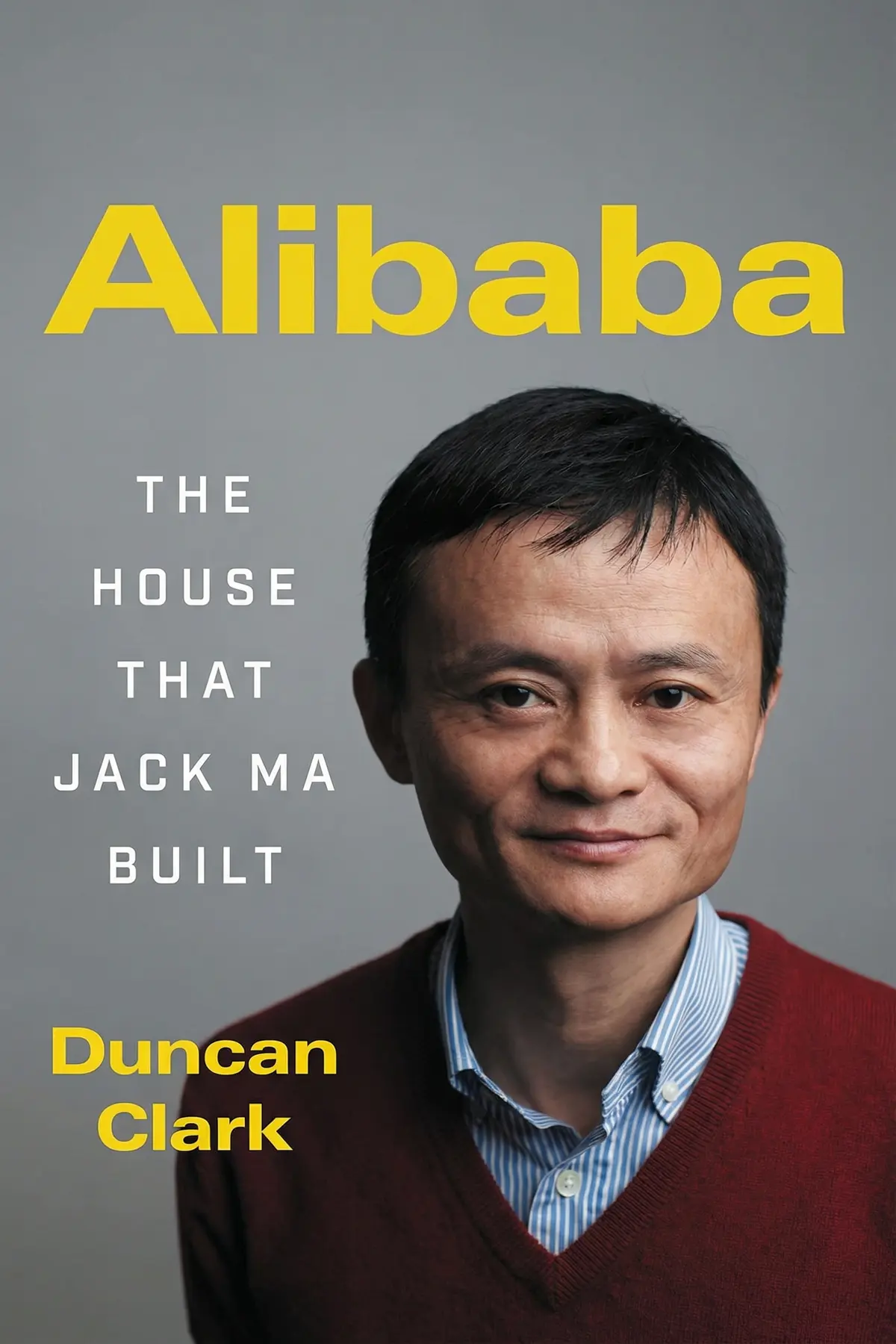
Alibaba: The House That Jack Ma Built
Duncan Clark
AUDIO SUMMARY AVAILABLE
Listen to Beyond Entrepreneurship 2.0 in 15 minutes
Get the key ideas from Beyond Entrepreneurship 2.0 by Jim Collins, plus 5,000+ more titles in English and Thai.
- 5,000+ titles
- Listen as much as you want
- 7-day free trial
- Cancel anytime







