
19 min 47 sec
How the Mighty Fall: And Why Some Companies Never Give In
By Jim Collins
An insightful exploration of how even the most successful organizations can fall into decline and the specific, predictable stages that lead to their collapse, along with strategies for recovery and resilience.
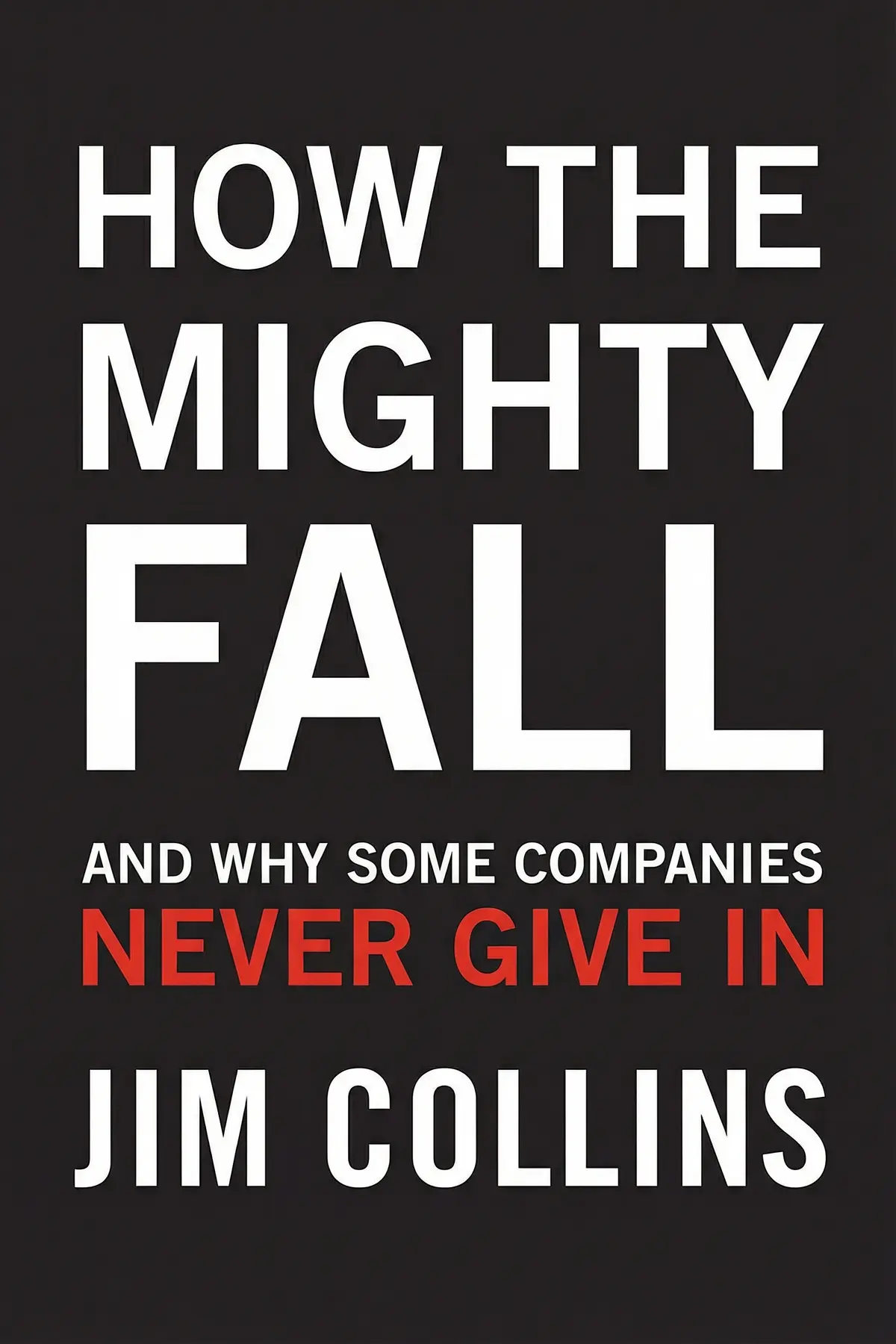
Table of Content
1. Introduction
1 min 45 sec
Imagine standing in the center of a bustling city a few decades ago. You would have seen brands that seemed like permanent fixtures of the landscape, names that were synonymous with reliability and market dominance. Yet, if you look around today, many of those once-mighty giants have vanished. Names like Kodak or Nokia, which once felt invincible, have either disappeared entirely or become shadows of their former selves. It leads to a haunting question: How can an organization that has everything—wealth, talent, and a massive head start—simply fall apart?
In this exploration of institutional decline, we dive into the research of Jim Collins to understand the anatomy of failure. The central throughline of this journey is that greatness is not a permanent state; it is a dynamic condition that must be constantly earned. Most importantly, we will see that the fall of a great company is rarely the result of external shocks or simple bad luck. Instead, it is a self-inflicted wound, often delivered by the very leaders tasked with protecting the institution.
By examining the five stages of decline, we aren’t just looking at a post-mortem of dead companies. We are looking for a roadmap for survival. We will learn how success can breed a dangerous form of arrogance, why the pursuit of growth can sometimes be a trap, and how the drive for a quick fix often accelerates a downward spiral. But this isn’t just a story of gloom. It’s also a guide for recovery. We’ll look at how disciplined leadership and a return to core values can help a struggling firm navigate its way back to the top. Whether you are leading a massive corporation or a small team, understanding these stages is the first step in ensuring that your organization remains on the right side of history.
2. The Universal Fragility of Greatness
2 min 15 sec
No matter how powerful or established an institution appears, it is never immune to the threat of collapse if it stops being disciplined.
3. The Trap of Success-Induced Hubris
2 min 11 sec
When achievement leads to overconfidence, leaders often make reckless decisions that ignore the changing realities of their industry.
4. The Perils of Overreaching for Growth
2 min 08 sec
Pushing for unsustainable innovation or rapid expansion often leads to a loss of the very discipline that made the company successful.
5. Ignoring the Red Flags and Shifting Blame
1 min 57 sec
In the early stages of decline, failing companies often rationalize away bad news or blame external factors instead of facing reality.
6. The False Hope of the Silver Bullet
1 min 53 sec
When panic sets in, many leaders make the mistake of searching for a single, dramatic solution rather than returning to disciplined fundamentals.
7. Cultivating a Learning Mindset to Prevent Hubris
1 min 55 sec
The best defense against decline is a leadership team that remains humble, curious, and deeply connected to the company’s core values.
8. Risk Management and the Waterline Principle
1 min 59 sec
Smart leaders avoid catastrophic risks by taking small, manageable steps and ensuring that no single failure can sink the entire ship.
9. The Path to Recovery Through Grit and Willpower
2 min 10 sec
Coming back from the brink of failure is possible, but it requires a combination of unwavering self-belief and relentless hard work.
10. Conclusion
1 min 34 sec
As we conclude our journey through the stages of decline, the most important takeaway is a sense of empowerment. While the stories of failing giants can be sobering, they also provide a clear set of guidelines for what to avoid. We’ve seen that decline is not an inevitable part of the business cycle; it is a consequence of choices. Success can lead to hubris, hubris to the undisciplined pursuit of more, and overreaching to a denial of reality. If left unchecked, this process leads to a desperate search for silver bullets and, eventually, total surrender.
But we’ve also seen the cure. The antidote to decline is a culture of discipline. It is the humility to keep learning, even when you are at the top. It is the wisdom to take small, manageable risks that keep your ship above the waterline. And it is the grit to face the brutal facts of your situation and do the hard work required to fix them.
The throughline of Jim Collins’ work is that greatness is a choice. It’s not about how big you are or how much money you have in the bank today. It’s about the habits you cultivate and the discipline you maintain. If you find yourself in a position of success, stay hungry and stay humble. If you find yourself in a period of struggle, don’t look for a miracle. Instead, look at your core values, return to the basics, and start taking those small, disciplined steps toward recovery. Your failure is not someone else’s fault, and your recovery is within your control. By staying vigilant and grounded, any organization can not only avoid the fall but build a foundation that lasts for generations.
About this book
What is this book about?
This summary explores the hidden mechanics of corporate failure, revealing that the downfall of great companies is rarely caused by bad luck or a shifting economy. Instead, it is almost always a self-inflicted process driven by the decisions and mindsets of leadership. By analyzing the life cycles of legendary firms, this guide identifies five distinct stages of decline, starting with the arrogance that comes from success and ending with the final surrender to irrelevance. Listeners will discover why some giants, like Nokia and Motorola, lost their way while others managed to claw back from the brink. The core promise of this work is to provide a framework for identifying the early warning signs of trouble. It offers practical wisdom on maintaining discipline, making calculated risks using the waterline principle, and fostering the kind of resilient leadership that can navigate even the darkest corporate storms to find a path back to greatness.
Book Information
About the Author
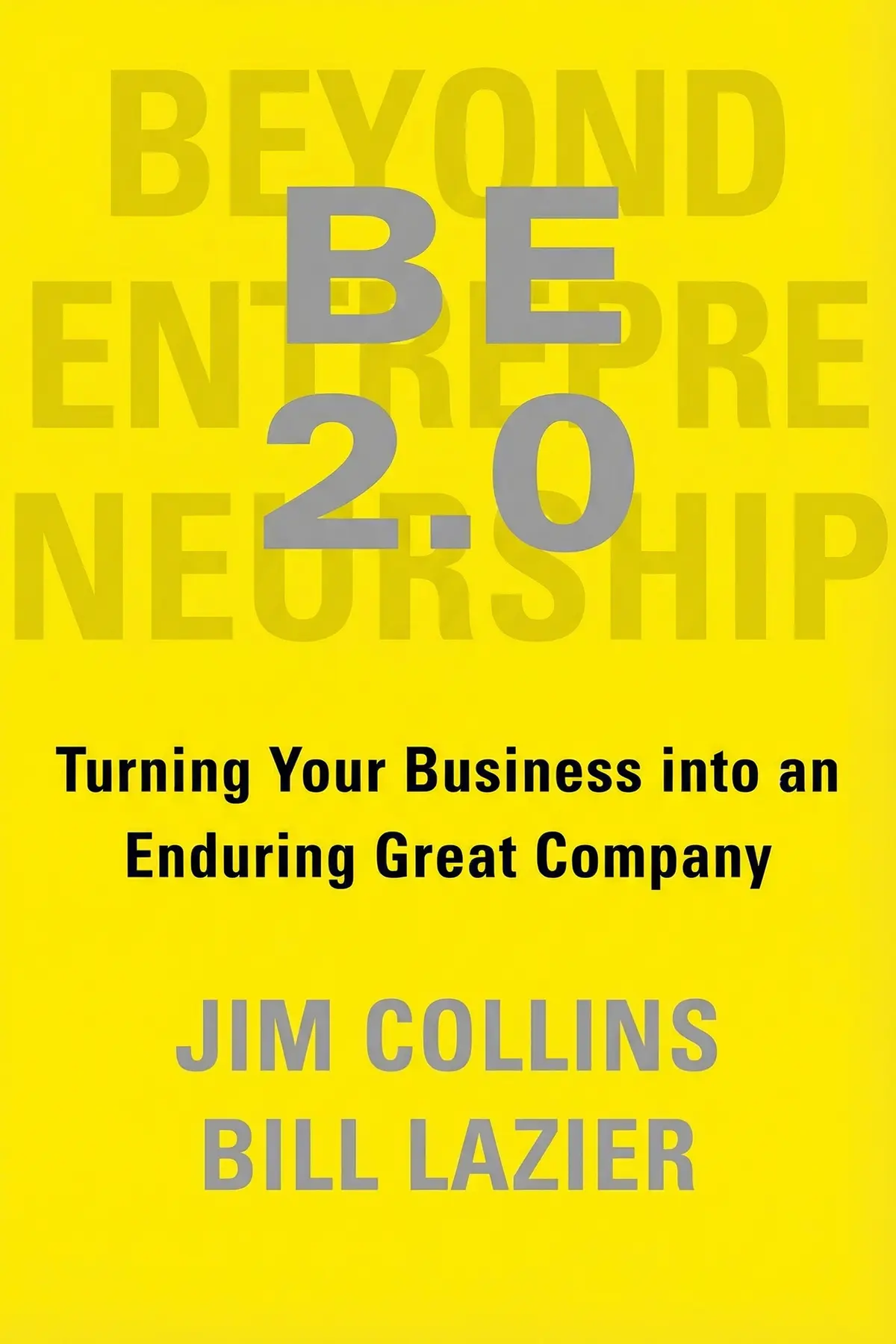
Jim Collins
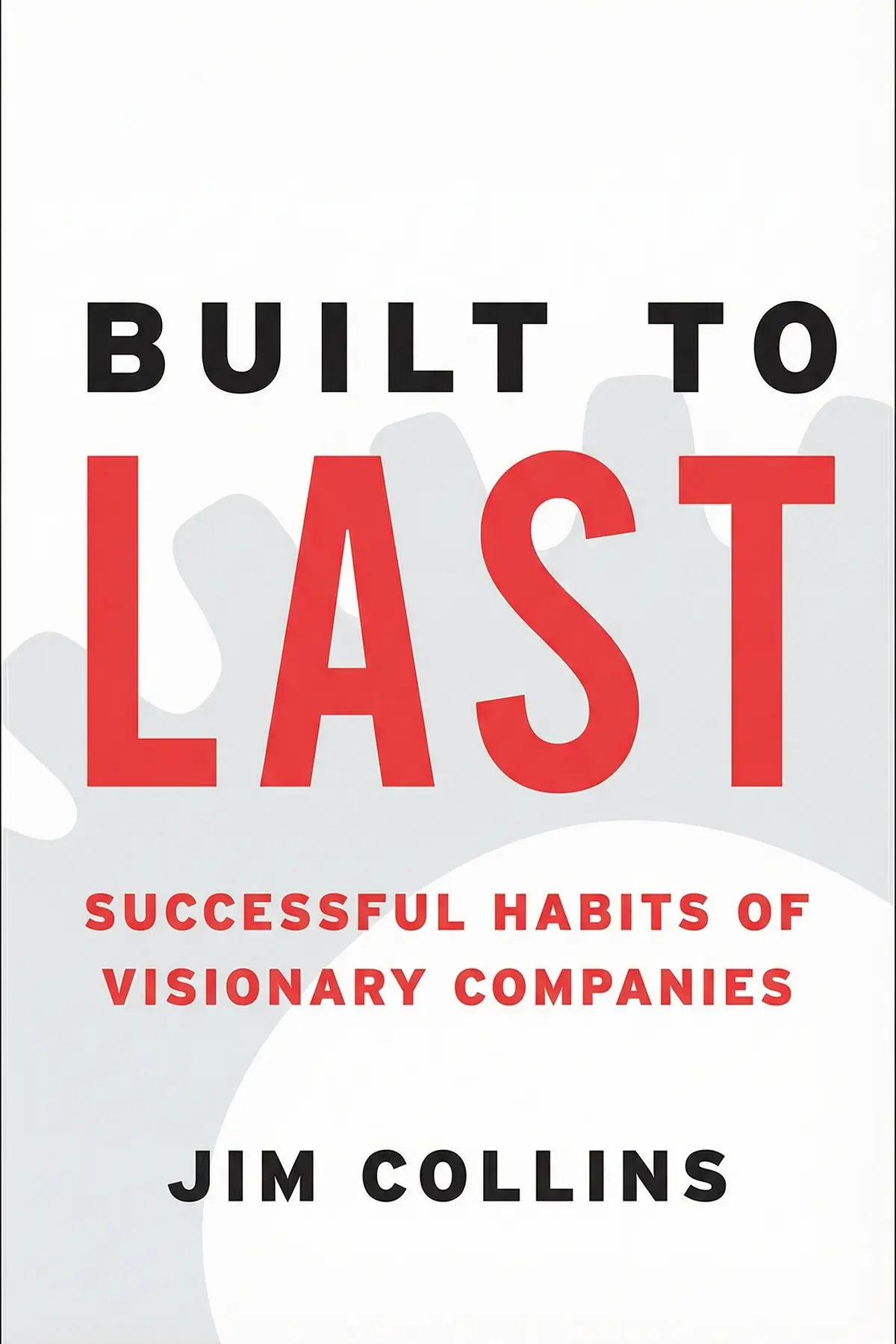
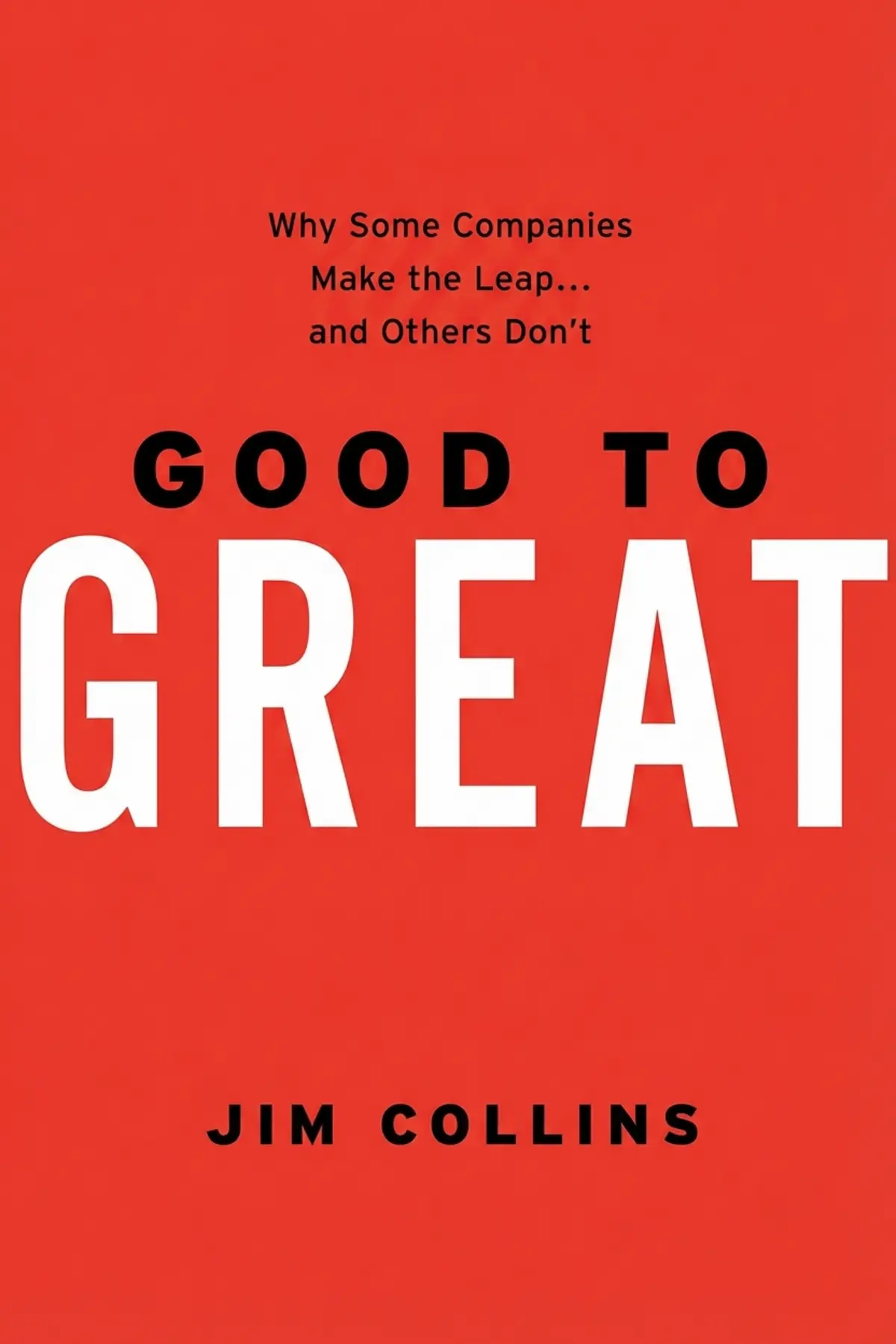
Jim Collins is a renowned business expert and best-selling author, best known for his influential works Good to Great and Built to Last. He is a frequent contributor to prestigious publications such as the Harvard Business Review, Fortune, and Businessweek. Beyond his writing, Collins serves as a strategic advisor to leaders across both the corporate and social sectors, helping organizations achieve enduring greatness.
Ratings & Reviews
Ratings at a glance
What people think
Listeners find the text straightforward and easy to grasp, featuring a deep analysis rooted in solid research. They value the educational insights provided for managers and executives, and one listener points out how it sorts companies by their performance levels. While the writing style is viewed favorably, thoughts on leadership are split. The tempo also gets a mixed reception, with some liking the clear explanation of the stages of decline, while others believe it is not as groundbreaking as Good to Great.
Top reviews
Tim
Collins has finally addressed the elephant in the room: why do the companies from his previous books keep failing? It’s a refreshing change of pace from the typical "rah-rah" business literature that only focuses on success stories. The five stages of decline provide a chillingly logical framework for understanding how arrogance—or "Hubris Born of Success"—can blind even the most brilliant executives. I found the section on Stage 4, "Grasping for Salvation," particularly insightful as it highlights the danger of searching for a charismatic savior CEO. While the tone is admittedly a bit depressing, the "window and mirror" maturity concept is a necessary lesson in accountability. Every manager should keep this on their shelf as a diagnostic tool to ensure they aren't ignoring the "quiet" warning signs of Stage 3. It’s concise, hard-hitting, and surprisingly human for a data-driven business text.
Show moreHannah
After hearing so much about his earlier successes, I found this sobering look at failure far more valuable. Collins has matured as a writer, displaying a level of uncertainty and humility that wasn't as prevalent in his younger years. The way he uses Winston Churchill as an example of perseverance was incredibly moving and provided a much-needed hopeful note in a rather dark book. It’s not just about business; it’s about the humanity of leaders and the choices that either free us or imprison us. We often think failure is due to bad luck, but this book argues it’s usually mismanagement and the denial of peril. The distinction between "right people" having responsibilities versus "wrong people" having jobs is a distinction I’ll be taking back to my own team immediately. This is a brilliant, cautionary tale that doesn't sugarcoat the corporate world.
Show morePisit
The chapter on the 'right people' in key seats is worth the price of admission alone. Collins argues that the right people don't need to be tightly managed because they are "productively neurotic" and self-disciplined. This resonates so deeply with my experience in high-growth startups where the wrong hire can trigger a Stage 2 collapse. The book is remarkably easy to understand and provides a clear roadmap for what to avoid as you scale. I especially liked the comparison between the decline of the Roman Empire and modern corporate collapses. It reminds us that no matter how vast an enterprise becomes, it is always vulnerable to human error. This is essential reading for anyone who wants to build something that actually lasts. It’s a concise, powerful, and necessary addition to any business library.
Show moreDuang
Ever wonder why giants like Circuit City or Zenith just vanish from the marketplace? This book attempts to answer that by showing that decline is a staged disease, much like cancer, which is easier to cure if detected early. The writing style is punchy and accessible, making it easy to digest the heavy concepts in just a few sittings. I particularly appreciated the "markers" at the end of each chapter that serve as a self-diagnostic checklist for leaders. My only gripe is that it lacks the groundbreaking factor of Good to Great. It feels more like a necessary sequel than a standalone masterpiece. Still, the message about not confusing "big" with "great" is a timeless lesson for any expanding firm. It's a solid, educational read for anyone sitting in a key seat who wants to avoid the "Undisciplined Pursuit of More."
Show morePun
Stage Two really hit home for me because I've seen leaders chase growth until the culture frays at the edges. Collins accurately describes the "Undisciplined Pursuit of More" as a trap where companies grow faster than they can find the right people. It’s a terrifyingly accurate depiction of how success leads to entitlement and eventually to the "Denial of Risk." The book is quite easy to read, and I liked how it spelled out the specific markers of decline. I do think the author focuses too much on internal choices while ignoring external economic shifts, which makes the analysis feel a bit one-sided. However, the core message about staying true to your primary flywheel is essential. It’s a great reality check for anyone who thinks their company is "too big to fail."
Show moreThanit
Picked this up during a corporate restructuring and the 'Denial of Risk' section was uncomfortably accurate. It’s fascinating how leaders start to amplify positive data while ignoring the holes being blown "below the waterline." Collins does a great job of explaining why reorganization often creates a false sense of progress when the company is actually in peril. I found the diagnostic checklists at the end of the chapters to be the most practical part of the whole book. My only complaint is that some of the case studies, like A&P, feel a bit dated and less relevant to the tech-heavy landscape of today. Regardless, the psychological insights into executive hubris are spot on. It’s a quick, informative read that forced me to look in the mirror regarding my own leadership style.
Show moreMax
Look, I appreciate the simplicity of the five-stage model, but the analysis feels somewhat vacuum-sealed. The book is well-written and the pacing is brisk, which is a nice change from some of the denser business tomes out there. Collins is clearly an expert at making complex ideas accessible, and his "silver bullet" critique in Stage 4 is a warning every CEO needs to hear. However, I wish there was more discussion on how luck plays into the "Hubris Born of Success" stage. He mentions it briefly but then pivots back to his internal-discipline narrative. Still, the educational value for middle management is high. It’s a solid book that provides a useful language for discussing organizational health. It might not be groundbreaking, but it’s certainly practical and thought-provoking.
Show morePannipa
Is this a business study or just a defensive post-mortem? Frankly, I can't shake the feeling that Collins is simply trying to explain away why the "great" companies he profiled previously ended up in the gutter. The author admits early on that he can't use a control group, which immediately weakens the scientific rigor he claims to value. He relies heavily on anecdotes from Motorola and HP, but he analyzes these risks in a vacuum without considering the dynamic market shifts occurring at the time. To be fair, the Five Stages of Decline are catchy and easy to memorize for a board meeting presentation. However, the book often feels like an expanded article rather than a fully fleshed-out research project. It’s a quick read, but if you’re looking for the deep statistical proof found in his earlier work, you might find this iteration a bit thin and repetitive.
Show morePraepimon
To be fair, this feels like an extended research article that was stretched into a full book. While the five stages are well-defined, the pacing can feel a bit sluggish once you get the general gist of the argument. I appreciate the categorization of companies like Merck and Rubbermaid, but the analysis lacks the depth I’ve come to expect from this field. The truth is, turning around a failing company is much harder than Collins makes it sound with his "just work harder" advice. I also found the lack of raw data frustrating, as the author mostly asks us to trust that he has looked at the numbers behind the scenes. It’s a decent primer for new managers who haven't thought about risk, but seasoned executives might find it a bit elementary. It's informative, but definitely not his most rigorous work.
Show morePrasarn
Not what I expected from a writer who usually prides himself on rigorous data sets. This book comes across more as a defense of his past mistakes than a legitimate piece of business research. He points to one or two flaws in a company and blames them for the entire collapse, ignoring the complex, dynamic nature of modern markets. In my experience, you can't just boil down the fall of a giant like Nokia to a simple five-stage checklist. It feels like he’s looking for patterns in the clouds and calling it science. If you want a more realistic look at business failure, I’d suggest reading The Halo Effect instead. This feels like a collection of inspirational-yet-depressing anecdotes designed to keep the "Collins brand" alive. It's too short and lacks the substance required for a serious strategic tool.
Show moreReaders also enjoyed

A Bigger Prize: How We Can Do Better Than the Competition
Margaret Heffernan
A Year with Peter Drucker: 52 Weeks of Coaching for Leadership Effectiveness
Joseph A. Maciariello



Acting with Power: Why We Are More Powerful Than We Believe
Deborah Gruenfeld
All In: How Great Leaders Build Unstoppable Teams
Mike Michalowicz
AUDIO SUMMARY AVAILABLE
Listen to How the Mighty Fall in 15 minutes
Get the key ideas from How the Mighty Fall by Jim Collins, plus 5,000+ more titles in English and Thai.
- 5,000+ titles
- Listen as much as you want
- 7-day free trial
- Cancel anytime







