

Adults in The Room: My Battle With Europe’s Deep Establishment
Yanis Varoufakis
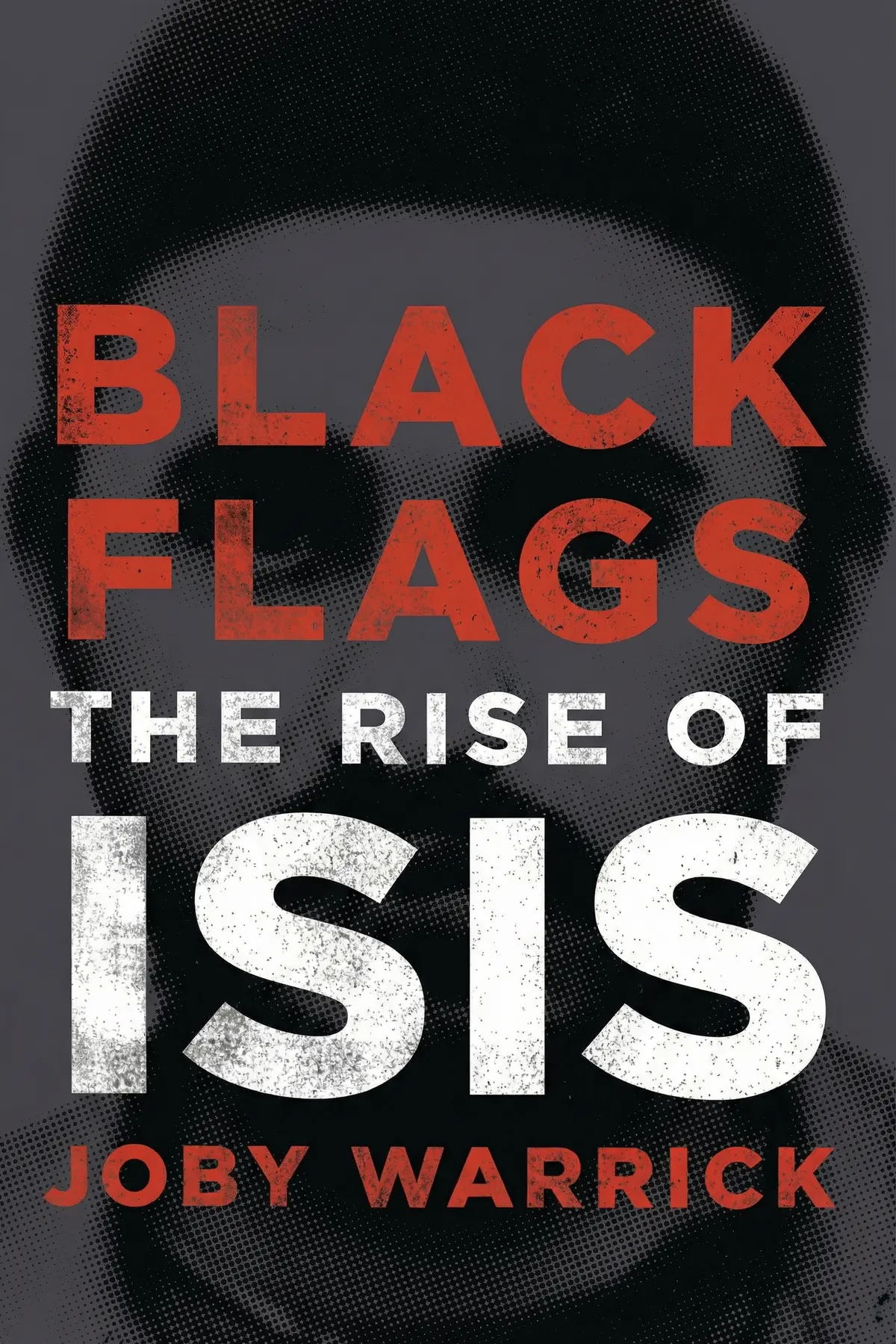
Uncover the origins of the Islamic State through the story of its founders, tracing its growth from a Jordanian prison cell to a global caliphate amidst Middle Eastern political turmoil.
1 min 46 sec
To understand the black flags of the Islamic State that have dominated headlines and haunted global security for the better part of a decade, we have to look back much further than the group’s sudden expansion in 2014. The story is not just one of military conquest, but of a radical ideological evolution that emerged from the shadows of Middle Eastern history. It is a narrative defined by the rise of Salafi Jihadism, an extremist interpretation of faith that claims to represent all Muslims but acts with a level of brutality that has shocked even the most hardened observers.
Historically, this ideology has its roots in the mid-twentieth century, specifically within the Egyptian Muslim Brotherhood. However, back in the 1950s, those who sought change often did so through political and even democratic channels. They were a world away from the insurgents we see today. The shift occurred through decades of state-sponsored repression and imprisonment. When followers of these movements were locked away, their views didn’t just survive; they hardened, turning from political advocacy toward the uncompromising edge of a sword.
In this exploration, we are going to look at the specific throughline that connects a single Jordanian prison cell to the founding of a self-declared caliphate. We will see how individual players, like the thuggish Abu Musab al-Zarqawi and the academic Abu Bakr al-Baghdadi, leveraged the chaos of war and political instability to build an empire of terror. This isn’t just a history of a group; it’s a study of how gaps in intelligence, the vacuum of power following the Iraq invasion, and the tragedy of the Syrian Civil War provided the perfect conditions for a new kind of evil to take root. By the end, you’ll understand how the world’s most brutal terrorist organization was forged in the fire of conflict and missed opportunities.
2 min 13 sec
Discover how a low-level criminal in a Jordanian jail became the unexpected patriarch of a movement that would eventually challenge the entire world order.
2 min 13 sec
Follow the trail from a Pakistani honeybee cover story to the rugged terrain of Iraq, where a fatal hesitation by world powers allowed a terrorist camp to flourish.
1 min 43 sec
Witness how the vacuum of power in post-invasion Iraq provided the perfect environment for a fledgling terror network to recruit and expand.
1 min 50 sec
Explore the calculated brutality that earned a leader a terrifying nickname and forged a strained alliance with the world’s most famous terrorist group.
1 min 59 sec
See how a campaign of terror against fellow Muslims finally turned the tide of public opinion, leading to a high-stakes intelligence hunt.
1 min 43 sec
Observe how the fires of a civil war provided a dying organization with a second chance, led by a scholar who replaced thuggery with tactical sophistication.
2 min 03 sec
Witness the transformation of a militant group into a functioning government, complete with departments, territory, and a global call to arms.
1 min 49 sec
The rise of the Islamic State is a sobering reminder of how historical grievances, individual ambition, and strategic failures can converge to create a global catastrophe. It is a story that began in a small Jordanian prison, where a fringe extremist was allowed to cultivate a loyal following, and reached its peak in the ruins of Iraqi and Syrian cities. We have seen how Abu Musab al-Zarqawi used the vacuum created by the 2003 invasion of Iraq to turn a small cell into a national insurgency, and how his successor, Abu Bakr al-Baghdadi, leveraged the Syrian Civil War to turn that insurgency into a self-declared state.
The throughline of this narrative is the persistent inability of international powers to recognize the threat until it was already established. From the hesitation to strike Zarqawi’s camp in 2002 to the underestimation of Baghdadi’s scholarly appeal, the growth of ISIS was facilitated by moments of indecision. Yet, it was also fueled by the group’s own calculated use of media and brutality to brand themselves as the vanguard of a new order.
Ultimately, the black flags of ISIS represent more than just a terrorist group; they represent a fundamental shift in the landscape of modern conflict. The organization showed the world that a non-state actor could, under the right conditions, seize and hold territory, govern populations, and attract thousands of recruits from every corner of the earth. As we look back on this journey from the cells of al-Jafr to the streets of Raqqa, the lesson is clear: in the absence of stable governance and proactive intelligence, radicalism finds the space it needs to grow from a fringe ideology into a global force. The story of ISIS is a powerful testament to the long-lasting and often unpredictable consequences of war and political instability.
Black Flags explores the improbable and terrifying ascent of the world’s most notorious terrorist organization. It begins with the story of a low-level thug named Abu Musab al-Zarqawi, whose time in a Jordanian prison transformed him into a radicalized leader. The narrative moves through the corridors of power in Washington and the chaotic streets of Iraq following the 2003 invasion, illustrating how missed opportunities and strategic blunders allowed a fringe movement to metastasize into a global threat. The book promises to clarify the complex evolution of extremist ideology, specifically how the relatively moderate political movements of the mid-twentieth century were replaced by a brand of violence so extreme it eventually alienated even al-Qaeda. By following the transition from Zarqawi’s brutal tactics to the more calculated, scholarly leadership of Abu Bakr al-Baghdadi, the story reveals how ISIS managed to establish a pseudo-state. It is an essential guide to understanding the intersection of war, intelligence failures, and religious fervor that reshaped the modern geopolitical landscape.
Joby Warrick is an accomplished long-time reporter for the Washington Post who has garnered significant acclaim for his deep investigative work. He is a winner of the prestigious Pulitzer Prize for journalism, recognized for his ability to uncover complex geopolitical narratives and present them with clarity. In addition to his reporting on national security and the Middle East, his bibliography includes other highly regarded investigative titles such as The Triple Agent.
Listeners find this book to be an absorbing experience that flows like a quick-moving novel, supported by meticulously researched and thorough information. The text offers an excellent historical look at the emergence of ISIS, and one listener points out that it provides significant detail regarding the group’s early development. Listeners value the narrative style, with one describing it as a fast and furious history lesson, and find it beneficial for understanding how ISIS originated.
Ever wonder how a small-time thug in a Jordanian prison becomes the catalyst for a global terror movement? Warrick’s Pulitzer-winning account reads less like a dry history text and more like a high-stakes political thriller that you simply can't put down. The way he traces Zarqawi's evolution from a street criminal to the mastermind of AQI is both terrifying and masterfully detailed. I found the sections on the Jordanian intelligence services particularly illuminating, offering a perspective we rarely see in Western media. While the subject matter is undeniably grim, the prose is so fluid that I finished all three hundred pages in just two sittings without losing interest. It's a necessary look at the series of miscalculations that allowed ISIS to flourish in the power vacuum of post-invasion Iraq. Truly, this is a masterpiece of modern narrative non-fiction.
Show moreAs someone who usually finds history books a bit of a slog, I was pleasantly surprised by how gripping this narrative actually was. Warrick has this incredible ability to weave complex political shifts into a character-driven story that feels immediate and personal. From the botched invasion of Iraq to the eventual rise of Baghdadi, the timeline is laid out with surgical precision. The contrast between the secular Iraqi government’s view of extremists and the Bush administration’s insistence on a specific political narrative was particularly striking to me throughout the middle chapters. You see exactly how the 'spark' was ignited and why the fire grew so large. It’s a depressing read in many ways, especially when you realize how many of these tragedies were preventable. If you want to understand the roots of the caliphate, start right here.
Show moreAfter hearing so many people rave about this, I finally got around to reading it and the Pulitzer was definitely well-deserved. Joby Warrick manages to humanize the intelligence officers on the front lines while never shying away from the brutality of the men they were hunting. The transition from Zarqawi’s savage theatricality to Baghdadi’s scholarly approach to establishing a caliphate is handled with incredible skill and provides deep insight into their shifting strategies. You really get a sense of the momentum that built up after the US withdrawal, showing how easily a vacuum can be filled by the worst elements. Some chapters feel a bit rushed, especially toward the end when the Syrian civil war breaks out, but the core of the book is solid gold. It’s a frightening reminder of global crisis.
Show moreFinally, a book that explains the Middle East without putting me to sleep in the first ten minutes! Black Flags is a tour de force that connects the dots between the 1990s and the modern day with incredible clarity. I was particularly fascinated by the story of Sajida al-Rishawi and how her failed mission bookended the rise of the movement. The research is clearly extensive, drawing on interviews and documents that bring a level of detail you just don't get from daily newspaper reporting. It’s a grim subject, to be sure, but Warrick’s prose makes the history feel alive. Even the parts about the different sects and their historical animosities were easy for a layperson to follow. This is probably your best bet for understanding the crisis.
Show moreTo be fair, Warrick provides a staggeringly detailed roadmap of the chaos that birthed ISIS, focusing heavily on the pivotal figure of Abu Musab al-Zarqawi. Some of the descriptions of the violence and the execution of the Jordanian pilot are genuinely hard to stomach, but they are vital to understanding the group's psychological warfare. The book excels when it dives into the 'jihadi universities' of Arab prisons. Here, radicalization was allowed to fester unchecked for years. However, I felt the narrative leaned a bit too heavily on CIA perspectives at times, perhaps glossing over some of the deeper regional complexities that contributed to the rise of Baghdadi. Despite that minor gripe, the research is top-notch and the storytelling is incredibly cinematic. It’s a fast and furious history lesson.
Show moreWow, this was an intense ride that kept me hooked from start to finish. I picked this up knowing very little about the specific origins of ISIS beyond the basic news snippets, and I came away feeling much more informed. The author focuses on key personalities rather than just dry policy, which makes the rise of these organizations feel like a tragic, avoidable drama unfolding in real time. One thing that stood out was the description of the Mukhabarat and their role in tracking these cells. This adds a layer of regional context often missing from US-centric accounts. I do wish there was more depth on the recruitment methods used to lure Westerners, but the focus on the ground-level leaders is still fascinating. It’s a compelling read.
Show moreThis book is a bit of a mixed bag for me, though the writing is sharp. While the narrative is undeniably excellent and the pace is fast, I found the heavy focus on Zarqawi to be a bit lopsided compared to the later rise of Baghdadi. Truth is, I was looking for more information on the financing of the caliphate and the role of social media in their expansion. Warrick gives us a lot of 'spies and thugs' drama, which is entertaining, but sometimes it feels like a Hollywood script rather than a deep analysis. Also, the portrayal of King Abdullah as an almost flawless visionary felt a bit one-dimensional. Still, the accounts of the prison systems serving as breeding grounds for terror are chilling. It’s a good book.
Show moreGiven the complexity of the subject, Warrick does a fantastic job of keeping the reader engaged through a character-driven approach. I found the history of Abu Musab al-Zarqawi to be particularly insightful, as it details his transformation from a common criminal into a terrorist leader through the lens of those who tracked him. The focus on the 'spark' in Iraq and how it eventually ignited the Syrian border is handled with great care throughout. However, the book is very much a 'view from the outside' regarding the terrorists themselves. We see their actions and their impact, but we don't get a deep understanding of their internal motivations. It’s an excellent piece of narrative non-fiction that keeps you turning pages. Still, it remains a vital part of the conversation.
Show moreThe information shared here is certainly useful, but I can't help feeling that Warrick relies too much on official government sources. If you’ve followed the news closely over the last decade, much of this might feel like a rehash of familiar headlines rather than a groundbreaking discovery. The book spends an enormous amount of time on Zarqawi’s early life, which is interesting, but it ignores significant factors like the broader geopolitical role of Saudi Arabia. Frankly, it feels a bit like a defense of the intelligence community's efforts while blaming political leaders for every failure. I appreciated the clear writing style and the helpful 'who’s who' list at the beginning. However, for a truly radical analysis of Middle Eastern politics, you might need to look elsewhere. It’s a solid introductory text.
Show moreLook, I wanted to love this, but the journalistic instincts on display here feel a bit too aligned with the Washington establishment. The book gives enormous credit to the CIA while largely ignoring the more uncomfortable aspects of Western intervention that fueled this fire in the first place. It reads like a polished narrative designed to tell a specific, safe story about 'bad guys' and 'good guys.' There is some useful information tucked away in the chapters about Jordan. I couldn't shake the feeling that I was being sold an agenda. The lack of attention paid to Pakistani or Saudi influences makes the whole analysis feel incomplete. It’s a readable book, certainly. Take some of these 'revelations' with a grain of salt.
Show moreYanis Varoufakis

Yuval Noah Harari
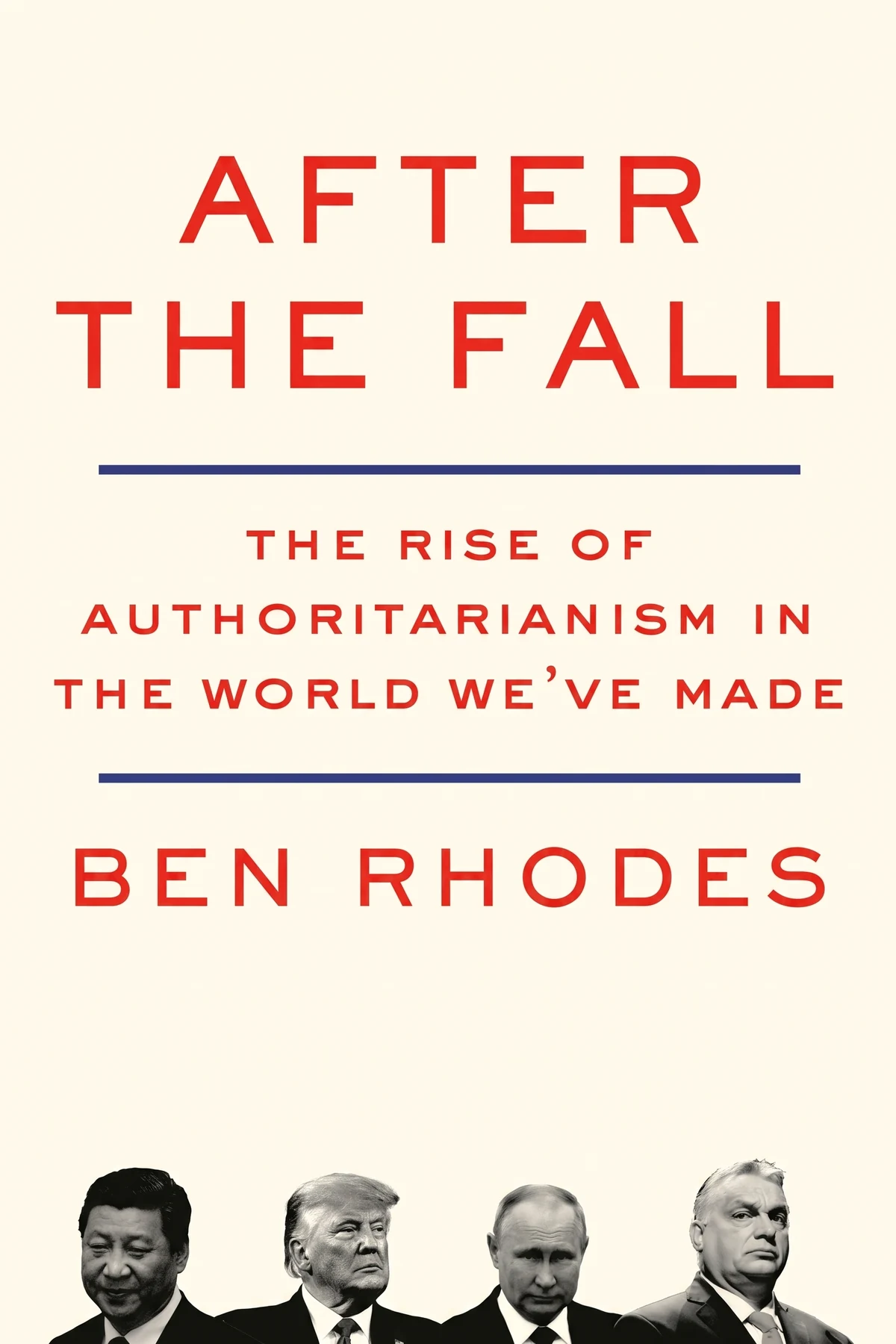

Jacinda Ardern
Pankaj Mishra
Michael Axworthy
James Comey
Anthony Pratkanis
AUDIO SUMMARY AVAILABLE
Get the key ideas from Black Flags by Joby Warrick, plus 5,000+ more titles in English and Thai.







