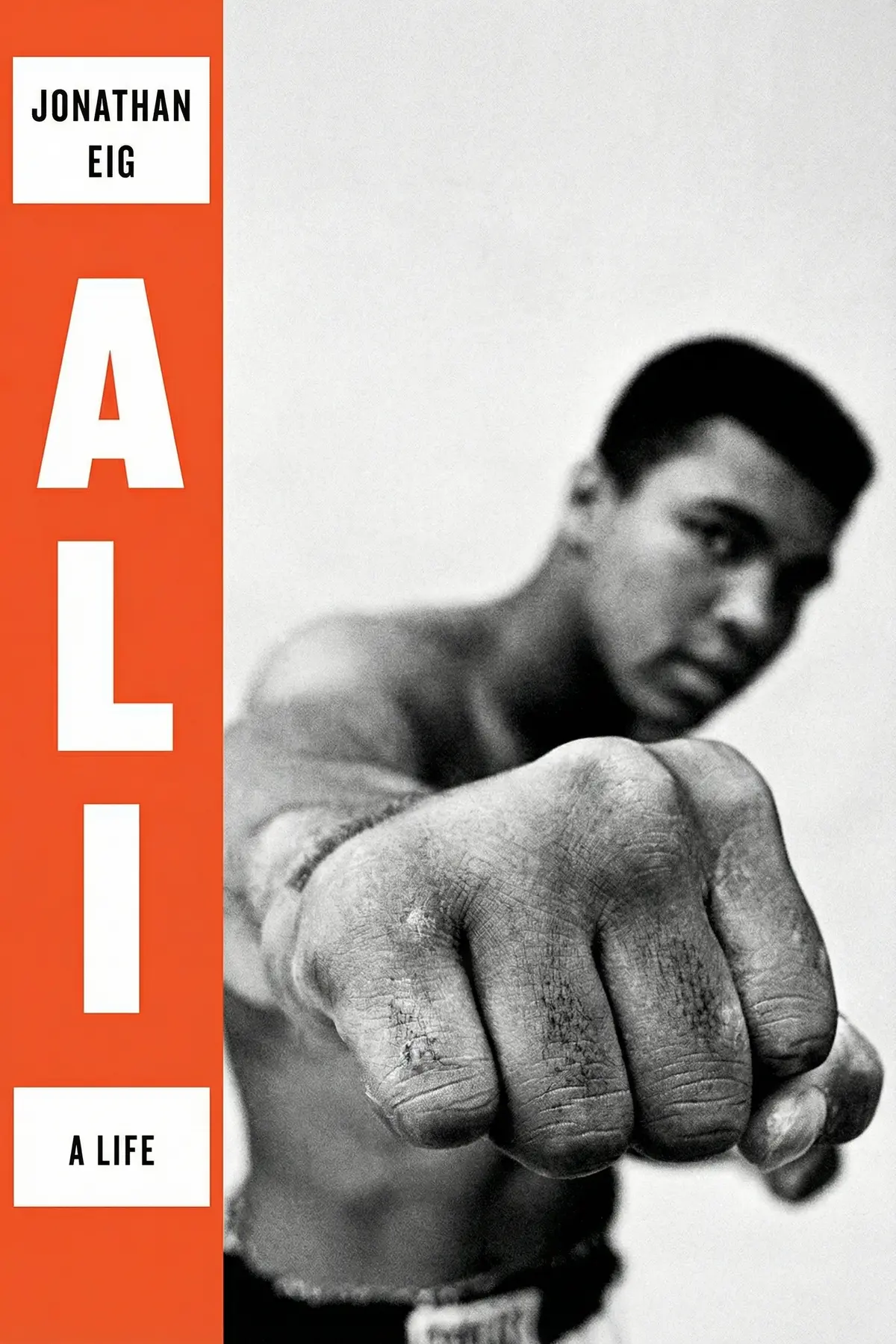
Ali: A Life
Jonathan Eig
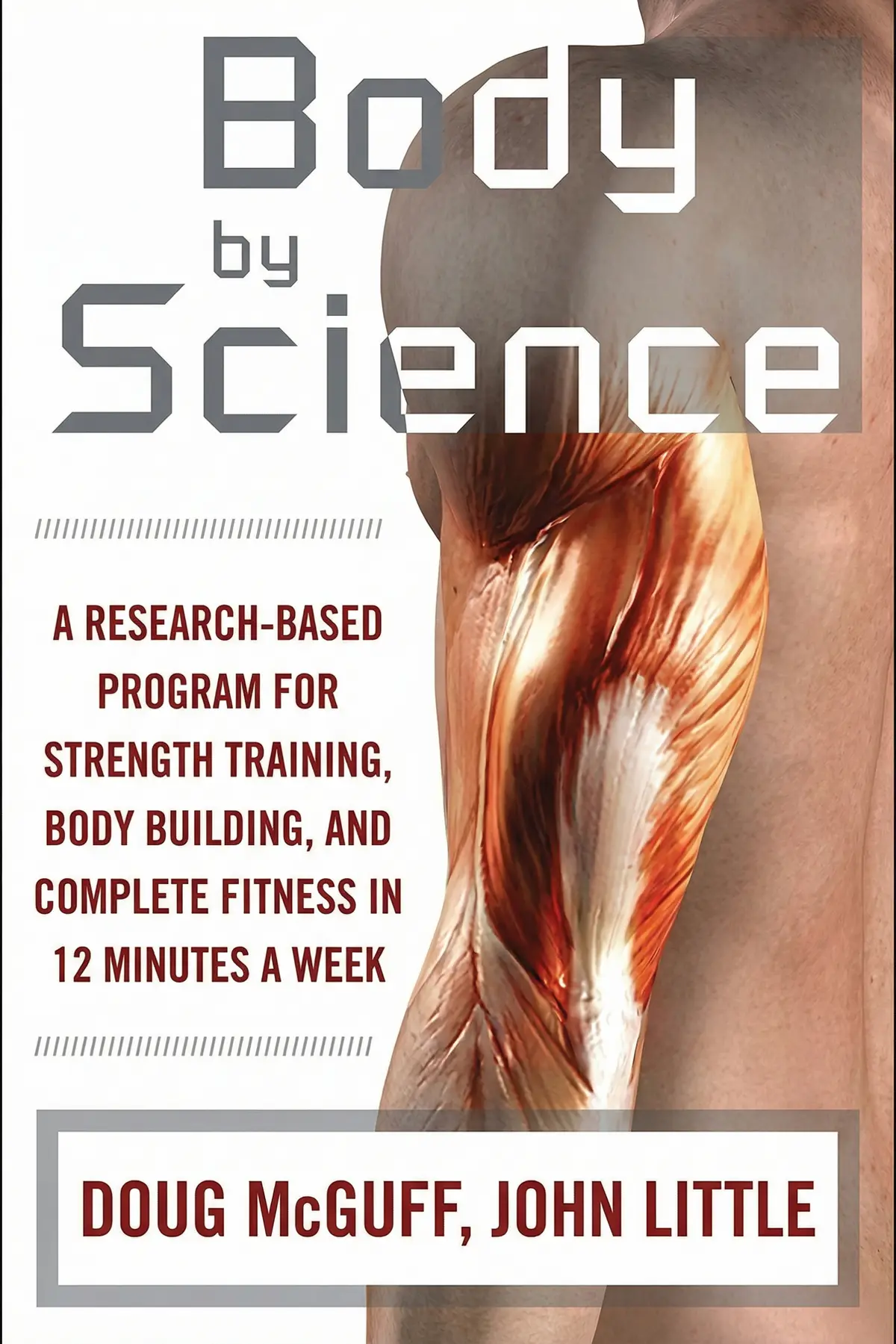
Discover a science-based fitness protocol that replaces hours of cardio with twelve minutes of high-intensity strength training. This guide explains how to trigger maximum metabolic health and muscle growth using proven biological principles.
1 min 43 sec
In the modern world, the pursuit of fitness often feels like a full-time job. We are bombarded with images of marathon runners, high-impact aerobics classes, and complicated daily gym routines that require hours of commitment. But what if the science actually suggests that much of this effort is not only unnecessary but potentially counterproductive? What if the secret to a robust, healthy, and lean body wasn’t found in the duration of your workout, but in its intensity?
This is the central premise we are going to explore. We’re moving away from the myths of the fitness industry and into the realm of empirical medical research. The goal here is to establish a throughline between how our cells actually function and how we choose to move our bodies. Most of us have been taught that ‘more is better,’ but the biological reality is that our bodies respond most effectively to a very specific type of stress applied for a very short period.
Throughout this journey, we’re going to dismantle the idea that you need to spend hours on a treadmill to protect your heart. Instead, we will look at how high-intensity resistance training can trigger a systemic metabolic response that improves everything from your insulin sensitivity to your bone density. We are looking for the minimum effective dose of exercise—the exact amount of work required to produce a positive change without causing systemic exhaustion or injury. By the time we finish, you’ll see why a twelve-minute weekly commitment can be more powerful than five hours of traditional cardio. Let’s dive into the science of why your body builds muscle and how you can hack that process for maximum efficiency.
2 min 30 sec
Is a marathon runner truly the pinnacle of health, or are they sacrifice their longevity for a specific skill? Learn why high-performance activity often contradicts internal physical well-being.
2 min 17 sec
Could thirty seconds of extreme effort be worth more than an hour of jogging? Discover the research that challenges the foundational myths of aerobic exercise.
2 min 32 sec
Your body has hidden energy reserves that are only accessible under extreme stress. Learn how to unlock these fast-twitch fibers for total metabolic transformation.
2 min 17 sec
Forget complicated gym routines with dozens of machines. A simple five-move circuit is all you need to trigger a full-body evolution in mere minutes.
2 min 11 sec
The body is a master of adaptation, which can lead to a fitness standstill. Learn how to stay ahead of your own biology by varying your training intensity.
2 min 13 sec
We aren’t all destined to be world-class bodybuilders. Discover how genetics set the boundaries for your physical transformation and why that’s okay.
1 min 56 sec
Running miles to burn a candy bar is a losing battle. Learn why building muscle mass is the only logical strategy for permanent fat reduction.
1 min 39 sec
As we wrap up our look into the science of the body, the message is clear: the road to peak fitness doesn’t have to be a long, exhausting grind. By moving away from the ‘more is better’ philosophy and embracing a research-based, high-intensity approach, you can achieve better results with significantly less time spent in the gym. We’ve seen that true health is about balance and metabolic efficiency, not just athletic performance. We’ve learned that a simple, twelve-minute routine focusing on the Big Five movements can trigger the same—or better—results than hours of traditional aerobics.
What this really means for you is freedom. It’s freedom from the guilt of not spending enough time at the gym and freedom from the wear and tear that high-volume training places on your joints. But this efficiency comes with a trade-off: when you do work out, you must be willing to push yourself to the absolute limit. You have to be comfortable with the discomfort of positive failure, knowing that it is the exact signal your body needs to grow.
Beyond the gym, remember that your body does its actual building while you rest. One of the most actionable things you can do today is to prioritize your sleep. Aim for eight hours in a cool environment to allow your hormones to reset and your muscles to recover. Consistency is key, but so is patience. Respect your genetic blueprint, keep challenging your limits, and trust the science. By treating exercise as a precise medical dose rather than a grueling chore, you can build a stronger, leaner, and healthier body that lasts a lifetime.
Have you ever felt that the traditional approach to fitness—hours spent jogging or daily visits to the gym—is yielding diminishing returns? This summary explores a revolutionary, research-backed method that challenges everything you think you know about exercise. Rather than focusing on the quantity of time spent working out, the program emphasizes the quality and intensity of the stimulus applied to your muscles. By understanding the underlying physiological mechanisms of the human body, you can achieve superior results in just twelve minutes a week. The promise here is a complete transformation of your physical health through a data-driven approach. You will learn the critical difference between being 'fit' for a specific sport and being biologically healthy. The summary breaks down the 'Big Five' workout routine, explains the hierarchy of muscle fibers, and illustrates why building muscle is the most efficient way to burn fat. Whether you are a busy professional or a dedicated athlete, these insights provide a streamlined path to peak physical condition without the wear and tear of traditional high-volume training.
Doug McGuff, MD, is a highly respected expert in the field of emergency medicine. He previously served as the chief resident at the University of Arkansas for Medical Sciences, bringing a deep clinical perspective to the science of physical exertion. John Little is a renowned fitness expert and the proprietor of the Nautilus North Strength & Fitness Centre. He has spent years training elite athletes and is a prolific author in the fitness space, with notable titles including The Time-Saver’s Workout and The Warrior Within: The Philosophies of Bruce Lee.
Listeners regard this fitness guide as the premier work ever published on the topic, commending its innovative exercise protocols that produce peak results with little exertion. Furthermore, the material is deeply educational and technical, decoding complex scientific principles, and listeners value the health improvements, with one listener noting it can save lives. They also describe enhancements in strength and muscle mass, with one listener specifically mentioning improved muscle tone within a week, while another notes reduced wear and tear on the body.
Ever wonder why you spend hours in the gym every week only to see minimal returns? This book completely dismantled my understanding of exercise. McGuff and Little provide a fascinating, science-heavy look at how our bodies actually build muscle and process energy. The 'Big Five' protocol is deceptively simple, but don't let the twelve-minute timeframe fool you; it is incredibly intense. By pushing to momentary muscular failure, you trigger a survival response that most traditional programs never touch. I’ve noticed a significant increase in my muscle tone and general strength in just a few weeks. More importantly, the focus on recovery has eliminated the constant joint pain I used to feel from overtraining. It’s a paradigm shift for anyone tired of the 'more is better' philosophy that dominates the fitness industry. Truly one of the best books written on the subject.
Show moreFinally got around to reading this after hitting a plateau, and it's completely shifted my paradigm on recovery. For years, I believed that if I wasn't in the gym four days a week, I was losing ground. The authors argue that high-intensity stimulus requires much longer recovery windows—sometimes up to ten days for fast-twitch fibers to fully mend. I was skeptical, but after switching to once-a-week sessions, my lifts have actually started moving up again. It turns out I was just chronically overtrained. The writing is crisp and the authors don't repeat themselves, which is rare for fitness books. It’s liberating to realize that you can achieve peak health without making the gym your second home. This book is a life-saver for busy professionals who still want to maintain a high level of physical capability.
Show moreThis book might actually save lives by making resistance training accessible to those of us who aren't genetic mutants. Most fitness programs are designed for twenty-year-olds with elite genetics, but McGuff and Little focus on the average person dealing with the realities of aging and sarcopenia. They explain how building muscle is the most effective way to manage glucose and prevent the systemic inflammation that leads to chronic disease. The super-slow cadence is a revelation; it makes the weights feel twice as heavy while keeping your joints perfectly safe. It’s not about looking like a bodybuilder, though you will certainly gain muscle mass. It’s about creating a biological buffer against the decline of old age. I’ve never felt more informed about how my own metabolism works. Highly recommended for anyone over 40.
Show moreWow, my muscle tone improved within just two weeks of switching to this super-slow cadence. I used to spend five hours a week in the gym and felt constantly exhausted. Now, I do one 15-minute session on Saturdays and I’m actually seeing better results in the mirror. The truth is, most of us are just wasting time with 'junk volume.' This book teaches you how to make every single second of your workout count toward stimulating a growth response. The section on how the heart and lungs respond to high-intensity muscular work was particularly enlightening. It completely debunked my need for boring 'cardio' sessions on the elliptical. If you value your time and want a science-backed way to stay in shape, you need to read this. It’s the most efficient system I’ve ever found.
Show moreIn my experience, very few books successfully bridge the gap between academic research and practical application, but this one nails it. The authors do a masterful job explaining how insulin sensitivity and circulating glucose levels dictate our body's inflammatory state. They move beyond the simple 'calories in, calories out' myth to show how high-intensity training can fundamentally alter your biochemistry for the better. The writing is dense but accessible, and the logic is ironclad. I especially appreciated the discussion on the 'hunter-gatherer' recovery times and why our instincts often try to prevent us from reaching true muscular failure. It’s a challenging read that requires you to intellectually override your desire to stop when things get uncomfortable. If you can do that, the results are nothing short of transformative for your health and longevity.
Show moreMcGuff brings a refreshing medical perspective to a field often dominated by 'bro-science' and marketing hype. As an emergency physician, he understands the difference between pathology and true health, making a compelling case that our current obsession with 'aerobics' might be misplaced. The book explains how cardiovascular benefits are actually peripheral adaptations resulting from intense muscular work. It’s technical, dense, and requires a second reading to fully grasp the biology of the myostatin genes and insulin sensitivity. My only gripe is the dismissive tone toward athletes who need explosive power. While this is perfect for the average person looking to stay healthy and strong, it might not be the complete answer for a competitive sprinter or baseball player. Still, the data on the ratio of HDL to LDL being a marker of inflammation was eye-opening.
Show moreAfter hearing about the 'Big Five' workout for years, I finally decided to dive into the source material. The book is much more than just a workout plan; it’s a deep dive into exercise physiology that explains the 'why' behind the 'what.' I particularly liked the distinction between health—the absence of disease—and fitness—the ability to handle physical challenges. The explanation of the 'stop-and-start' nature of treadmill running versus ground running was a highlight for me. However, I do wish there was more guidance on how to progress once you hit a wall. To be fair, the authors suggest the protocol is almost infinitely scalable by increasing the 'inroad,' but more specific troubleshooting would have been nice. Overall, it's a solid, evidence-based approach that cuts through the fluff of most gym magazines.
Show moreThe chapter on barbell form was unfortunately the weakest part of an otherwise stellar theoretical framework. While I found the science regarding metabolic pathways and high-intensity training to be incredibly credible, the actual implementation for free weights left me cold. The photographs of the deadlift and squat form were borderline negligent, showing positions that would make any Starting Strength fan cringe. If you are going to attempt this protocol, I highly recommend sticking to the machines as suggested to avoid being pinned under a bar while training to failure. To be fair, the authors' explanation of how we recruit fast-twitch muscle fibers is the best I've ever read. However, the lack of detail in the movements makes it hard to recommend to a complete novice who doesn't have access to a high-end Nautilus gym. It's a great theory book, but a questionable instruction manual.
Show moreFrankly, the reliance on high-end Nautilus equipment makes the protocol difficult for the home-gym crowd. I enjoyed the scientific breakdown of how the body handles stress and the evolutionary arguments for short bursts of activity, but the implementation is tough if you don't live near a specialized facility. The authors emphasize that you need a specific type of resistance curve that only certain machines provide. When they do show barbell exercises, the form is questionable and the descriptions are far too brief. I tried to do the 'Big Five' with free weights, and it just didn't feel as effective or safe as they described. It’s a brilliant book on theory and biology, but it feels more like an advertisement for Dr. McGuff's specific type of gym than a universal training manual.
Show moreLook, I appreciate the research on fast-twitch fibers, but telling people that walking or swimming is essentially useless feels extreme. The authors have a very narrow definition of 'fitness' that seems to exclude anything that isn't high-intensity resistance training. While the metabolic science is interesting, the practical advice is almost entirely dependent on having access to specific, expensive machines. If you work out at home with a few dumbbells, most of this isn't very helpful. Also, the claim that you can get 'complete fitness' in 12 minutes a week is a massive oversimplification that ignores the skill-based aspects of most sports. I found the tone a bit too 'my way or the highway,' and the lack of attention to proper form in the few free-weight exercises they did include was worrying. Not for me.
Show moreAUDIO SUMMARY AVAILABLE
Get the key ideas from Body by Science by Doug McGuff, plus 5,000+ more titles in English and Thai.