
19 min
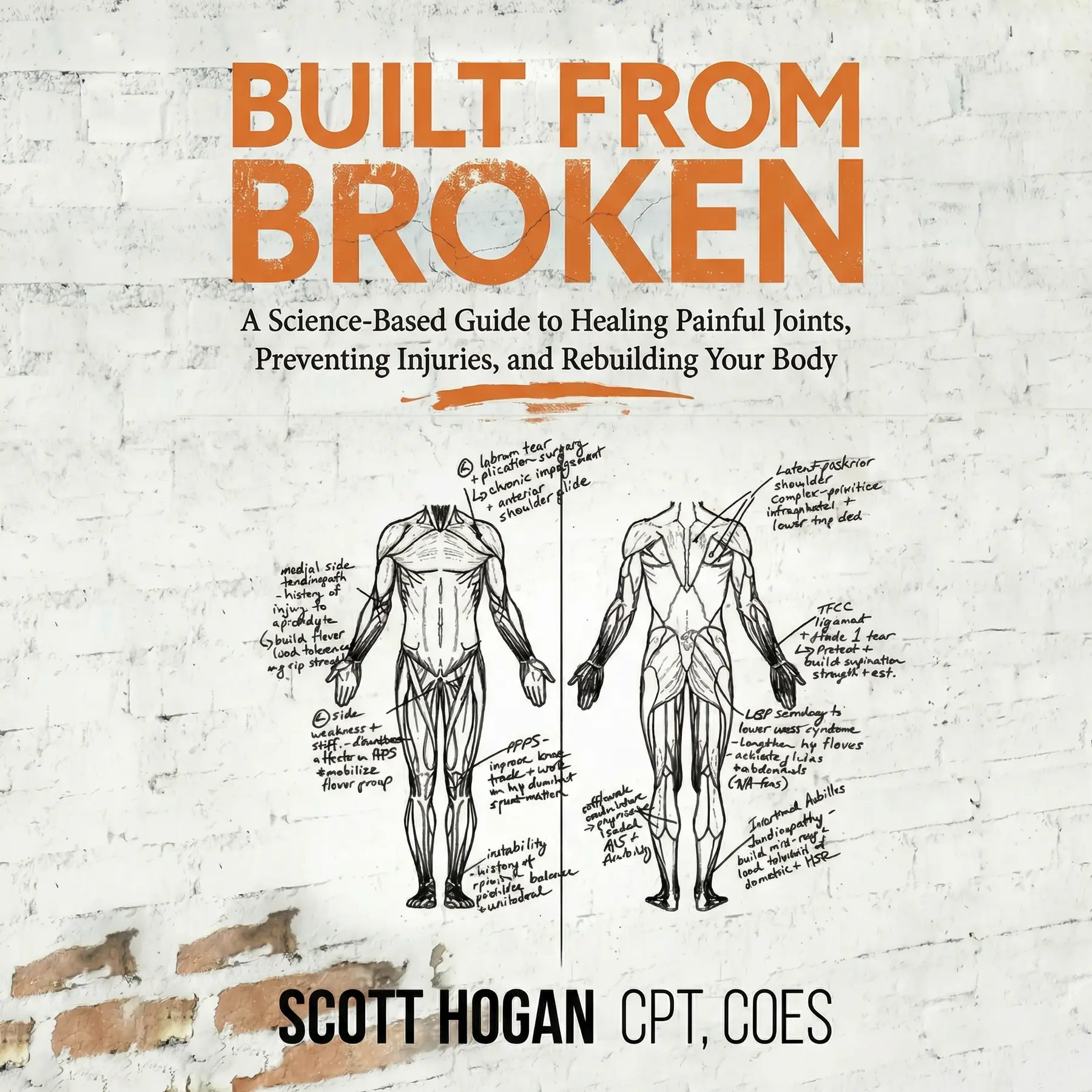
Built from Broken: A Science-Based Guide to Healing Painful Joints, Preventing Injuries, and Rebuilding Your Body
Built from Broken explores the science of joint health, offering a comprehensive strategy to reverse chronic pain and restore functional strength through corrective exercise, targeted nutrition, and movement-based recovery.
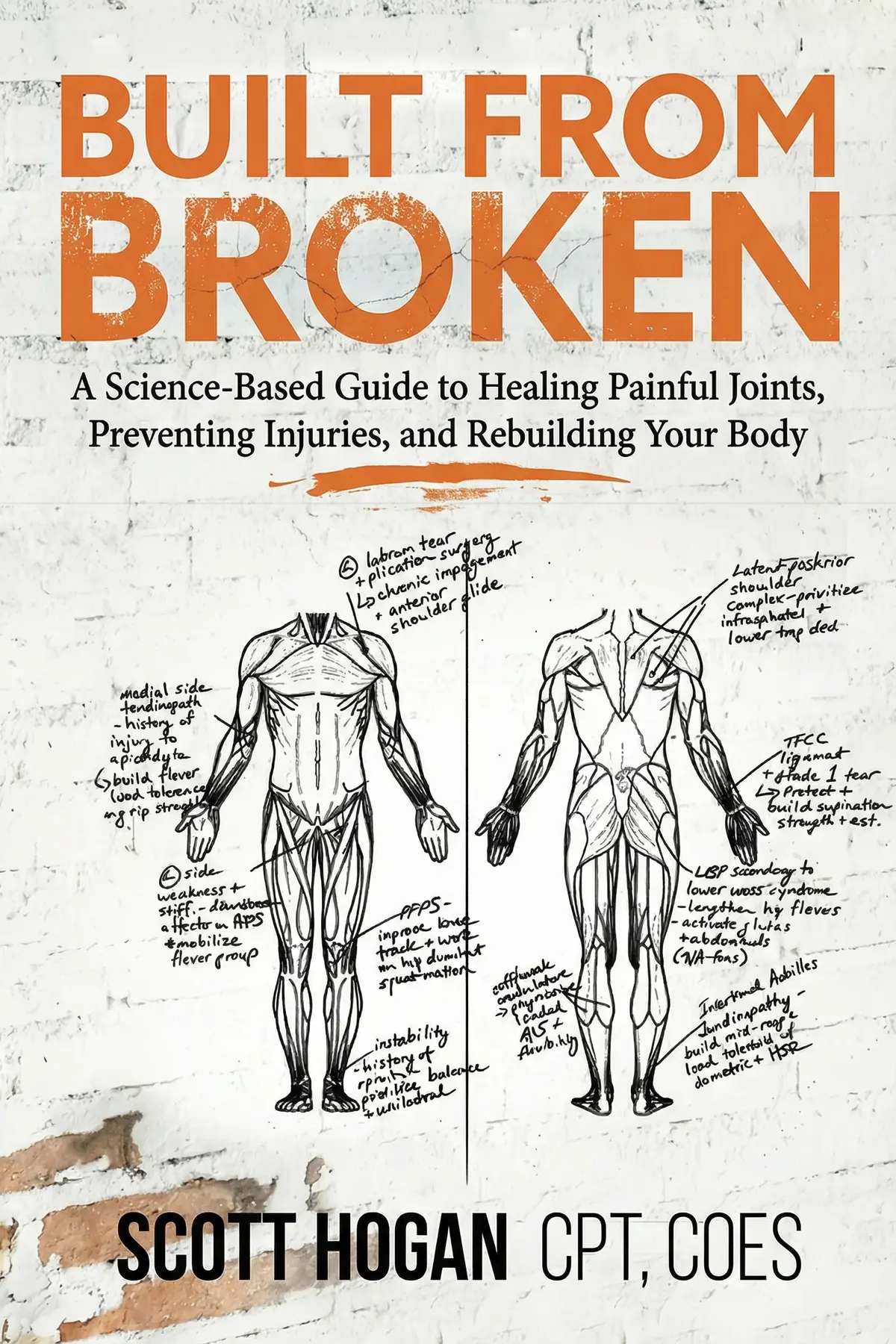
Table of Content
1. Introduction
1 min 49 sec
We have all experienced that moment of frustration when a body part simply stops cooperating. It might be a sharp pinch in the shoulder when reaching for a high shelf, a dull ache in the lower back after a day at the office, or a persistent clicking in the knees during a morning walk. For many, the standard response is to reach for a bottle of ibuprofen or schedule an appointment for a cortisone shot. We have been conditioned to believe that joint pain is a problem to be suppressed rather than a signal to be decoded. But what if the very things we do to avoid pain—like resting for weeks on end or relying on temporary medical fixes—are actually preventing us from truly healing?
This is the central challenge addressed in the work of Scott H. Hogan. The fundamental truth of human biology is that we are built for movement, yet our modern environments and training habits often work against our natural mechanics. When joints start to fail, it is rarely a random stroke of bad luck. More often, it is the result of a slow breakdown in the way we move, sit, and support our weight.
The journey toward a pain-free life requires a total paradigm shift. Instead of seeing your body as a machine with parts that simply wear out, you must begin to see it as a living system capable of remarkable adaptation and repair. Through the lens of functional movement and corrective exercise, we can identify the weak links in our physical chain and reinforce them. This summary will walk you through a roadmap for overcoming chronic dysfunction, exploring everything from the microscopic health of your collagen to the macroscopic patterns of how you walk and lift. By the end, you will understand how to transition from a state of being broken to a state of being resilient, using a science-based approach to reclaim your physical freedom.
2. The Strategic Case for Resistance Training
2 min 43 sec
Discover why lifting weights is the most effective way to address the five primary drivers of chronic joint dysfunction and age-related decline.
3. Designing a Joint-Friendly Training Framework
2 min 43 sec
Learn the essential principles for building a workout program that prioritizes long-term durability over short-term vanity.
4. Fortifying the Core Problem Areas
2 min 30 sec
Deep dive into the ‘Big Three’—the back, shoulders, and knees—and discover the specific movements that bulletproof these high-risk joints.
5. The Necessity of Constant Natural Movement
2 min 22 sec
Understand why a one-hour gym session cannot fix a sedentary lifestyle and how to integrate ‘movement snacks’ into your daily routine.
6. Supporting the Body’s Internal Repair Mechanisms
2 min 36 sec
Explore the biological factors of joint health, including the roles of inflammation, synovial fluid, and targeted supplementation.
7. A Modern Approach to Injury and Recovery
2 min 40 sec
Move beyond the outdated RICE method and embrace a recovery strategy that uses movement and optimism to accelerate healing.
8. Conclusion
1 min 37 sec
The path from chronic joint pain to lasting physical resilience is not found in a pill or a single surgical procedure. It is found in the deliberate, daily practice of movement. As we have explored, the body is a self-healing organism that responds to the demands we place upon it. When we provide the right stimulus—through functional strength training, natural daily movement, and supportive nutrition—we trigger a cascade of biological repairs that can rebuild even the most battered joints.
Everything begins with a change in perspective. You are not a victim of your age or your genetics; you are the architect of your own physical structure. By mastering the fundamentals of movement, balancing your muscle groups, and respecting the body’s need for both load and recovery, you can silence the nagging aches that have held you back. The principles of lifting with intent, moving frequently, and nourishing your tissues from the inside out form a comprehensive shield against the decline we often mistake for normal aging.
As you move forward, remember that consistency is your most powerful ally. You do not need to transform your entire life overnight. Start by adding a twenty-minute walk to your day. Incorporate a few glute bridges or shoulder rotations into your morning routine. Pay attention to the way you sit and stand. Over time, these small adjustments compound into a body that feels capable, strong, and truly built to last. You have the tools and the science-based roadmap to leave pain behind. Now, it is time to get moving.
About this book
What is this book about?
Many people live with nagging joint pain, assuming it is an inevitable consequence of aging or an active lifestyle. Often, standard medical solutions like painkillers or injections only mask the symptoms without addressing the underlying mechanical failures. Built from Broken challenges this approach by providing a science-backed framework for rebuilding the body from the ground up. The book promises a shift from temporary relief to long-term resilience. By focusing on the root causes of dysfunction—such as muscle imbalances, poor posture, and tissue degradation—it teaches readers how to use resistance training and functional movement to heal. It bridges the gap between physical therapy and strength training, offering a roadmap to a body that is not just pain-free, but stronger and more durable than before.
Book Information
About the Author
Scott H. Hogan
Scott H. Hogan is an A.C.E. Certified Personal Trainer and a Certified Orthopedic Exercise Specialist. He also works as a formulator for nutritional supplements, combining his expertise in sports nutrition with fitness training and functional movement. Hogan’s professional focus is deeply personal, rooted in his own history of battling chronic injuries and joint pain. His mission is to empower individuals to overcome physical limitations and achieve their peak fitness through evidence-based methods.
Ratings & Reviews
Ratings at a glance
What people think
Listeners find this resource exceptionally detailed and thorough, offering superb recommendations for overcoming injuries and alleviating pain, specifically for knee and back problems. Additionally, the text incorporates workout samples that work for any fitness stage, and listeners value the scientific foundation alongside the straightforward, accessible language. Furthermore, listeners report getting stronger every day by sticking to the book’s protocols.
Top reviews
Kofi
The level of scientific rigor in this guide is miles ahead of your typical fitness influencer's ebook. While the first few chapters feel remarkably dense—almost like a kinesiology textbook—the payoff is absolutely worth the effort for those with chronic joint issues. Hogan provides nearly 300 citations to back up his claims, which gave me a lot of confidence in the 4-week resistance training cycle. I’ve been struggling with nagging knee pain for years, but the focus on slow, deliberate movements and isometric stretches has made a noticeable difference in my daily mobility. Truth is, you have to be willing to do the reading because skipping straight to the workouts means you'll miss the critical context about why these movements work. It is definitely not a quick fix for the impatient reader. I am feeling stronger every week, and the morning routine has become a non-negotiable part of my day.
Show moreRose
Ever wonder why your joint pain keeps coming back even after you've tried generic physical therapy? This book explains the underlying mechanics of why we break down and, more importantly, how to systematically rebuild. Personally, the most valuable part for me was the section on collagen health and the role of isometric loading. Hogan takes a very science-based approach that feels authoritative, even if it gets a little heavy on the jargon at times. I’ve integrated the morning routine into my schedule and have noticed a significant reduction in my lower back stiffness. It’s been a relief to find a program that prioritizes longevity over just hitting a new personal best in the gym. If you're tired of being 'broken' and want a logical path forward, look no further than these detailed protocols.
Show moreLena
Picked this up on a whim after a nasty meniscus tear, and it has since become my primary reference for longevity. The author does an incredible job explaining the 'why' behind resistance training, especially for those of us who are getting older and feeling it in our joints. Not gonna lie, the first half is a bit of a slog through anatomical details, but the second half is pure gold with its detailed routines. I’ve followed the beginner protocol for six weeks now and the improvement in my knee stability is undeniable. I feel stronger every day and much more confident in my ability to return to my favorite sports without another injury. This is a comprehensive guide that actually treats the reader like an intelligent adult capable of understanding complex concepts without watering them down too much.
Show moreDaranee
Finally got around to implementing the intermediate resistance protocols, and the difference in my knee stability is night and day. What sets this book apart is the way Hogan bridges the gap between complex sports science and practical gym applications. I’ve dealt with a recurring bicep tendon issue for a year, but following the 'Built from Broken' philosophy of proactive prevention has finally allowed me to lift heavy again without fear. The section on the morning routine and collagen-boosting movements is particularly enlightening. It’s rare to find a book that offers such a high level of detail without becoming completely unreadable, even if it does border on textbook territory at times. If you are willing to invest the time to read the whole thing, you will be rewarded with a very effective recovery blueprint for your body.
Show moreEllie
This volume serves as a comprehensive blueprint for anyone tired of being 'the person with the bad back' in the gym. Scott Hogan has compiled an impressive array of science-backed strategies that focus on rebuilding the body from the ground up rather than just masking symptoms. I particularly appreciated the varied workout templates that make it easy to start regardless of your current fitness level. Personally, I found the advice on preventing future injuries just as valuable as the recovery protocols themselves. The book is definitely academic in tone, which might be a turn-off for some, but I’d rather have too much information than not enough. After months of following the guidelines, I’m feeling more resilient and capable in my training than I have in a decade. It is a must-have for the home library of any athlete.
Show morePhu
As a recreational athlete who's been sidelined by nagging shoulder issues, I found Hogan's approach refreshing. This isn't just a list of stretches; it's a deep dive into how our bodies actually repair connective tissue and build resilience. To be fair, some of the sections on chemical activity and cellular recovery can feel a bit dry if you aren't a science nerd. However, the workout templates in the back are incredibly clear and cater to everyone from total novices to advanced lifters. My AC joint pain has finally started to subside after incorporating his specific advice on varied movement patterns. My only real gripe is that the book could have been edited down to be a bit more concise, as some points get repeated across different chapters. Still, for anyone serious about injury prevention, it is a vital resource for your shelf.
Show morePawinee
The chapter on connective tissue health alone is worth the price of admission for anyone over forty. As someone with chronic spine issues, I’ve tried just about every 'fix' on the market, but Hogan’s focus on the psychological aspect and stoicism was a refreshing addition to the physical advice. It’s true that the book is quite lengthy and can feel a bit overwhelming at first glance. However, if you take the time to digest the core principles—specifically the importance of slow resistance training—the results will speak for themselves. I don't think this is a miracle cure for every type of pain, but it provides a much-needed framework for taking control of your recovery. To be fair, you really have to be patient with the dense writing style to find the practical gems hidden within.
Show moreTalia
Wow, Hogan really doesn't hold back on the technical explanations, which might scare off someone looking for a quick fix. I found the sections on how physical activity influences chemical processes in the body to be absolutely fascinating. Look, the book isn't perfect—the formatting in some of the workout sections could be a bit more user-friendly for a Kindle reader. But the actual content is top-tier for anyone struggling with nagging hip or shoulder injuries. I’ve started applying the isometric stretching techniques and my mobility has improved more in three weeks than it did in three months of traditional stretching. It’s a dense read, and you definitely shouldn't skip the introductory chapters, but the payoff for your joints is significant. This is a solid, well-researched resource for anyone serious about their physical health and longevity.
Show moreRyan
Not what I expected when I first opened the package, mostly because it reads more like a university thesis than a workout manual. While I appreciate the effort that went into the research, a closer look at the 280+ references suggests many are just opinion pieces or small-scale studies rather than rigorous clinical data. That said, the actual training plans are quite solid and follow sound principles of progressive overload and joint preservation. I’m currently halfway through the intermediate cycle and my SI joint feels more stable than it has in months. Gotta say, the author makes some big assumptions about causality that don't always hold up under scrutiny, but the practical advice is still better than most fitness books. It's a bit of a slog to finish, but the exercise templates salvaged the experience for me.
Show moreKanokporn
Frankly, this was a massive disappointment for someone actually living with severe degenerative osteoarthritis. While the book is marketed as a solution for chronic pain, many of the suggestions feel geared toward minor athletic injuries rather than actual anatomical deterioration. The writing is incredibly dense and frustratingly repetitive throughout the first two hundred pages. In my experience, the exercises recommended are fairly standard for anyone who has ever seen a physical therapist, and I didn't find the 'scientific' explanations particularly groundbreaking. I was hoping for more unique insights into managing bone-on-bone pain, but instead, I got a textbook-style lecture on things I already knew. It might be helpful for a younger person with a simple tendon strain, but for those of us with significant spinal damage, it falls short of being a real cure.
Show moreFeatured in
Readers also enjoyed

Ali: A Life
Jonathan Eig
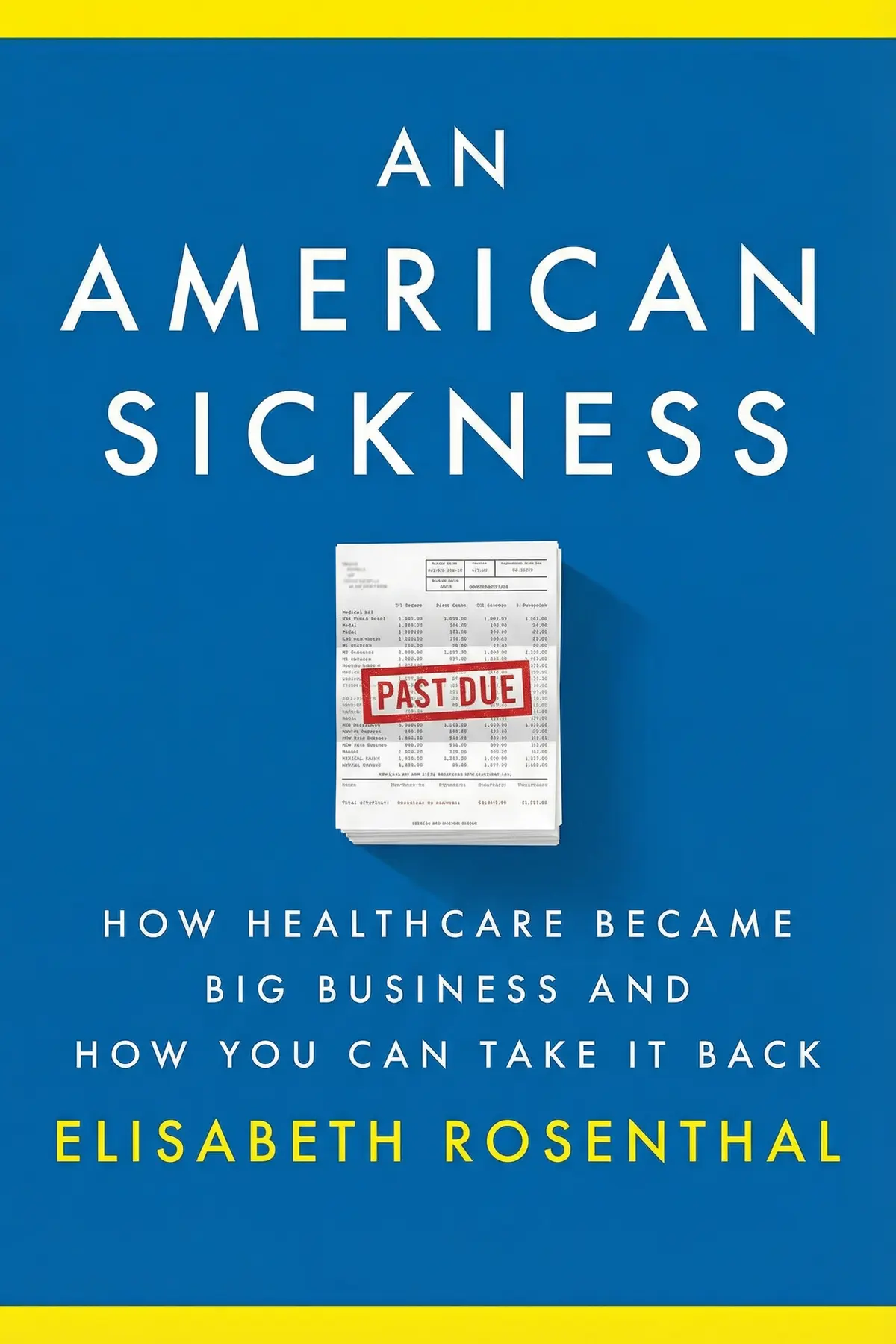
An American Sickness: How Health Became Big Business and How You Can Take
Elisabeth Rosenthal
AUDIO SUMMARY AVAILABLE
Listen to Built from Broken in 15 minutes
Get the key ideas from Built from Broken by Scott H. Hogan, plus 5,000+ more titles in English and Thai.
- 5,000+ titles
- Listen as much as you want
- 7-day free trial
- Cancel anytime







