
16 min 42 sec
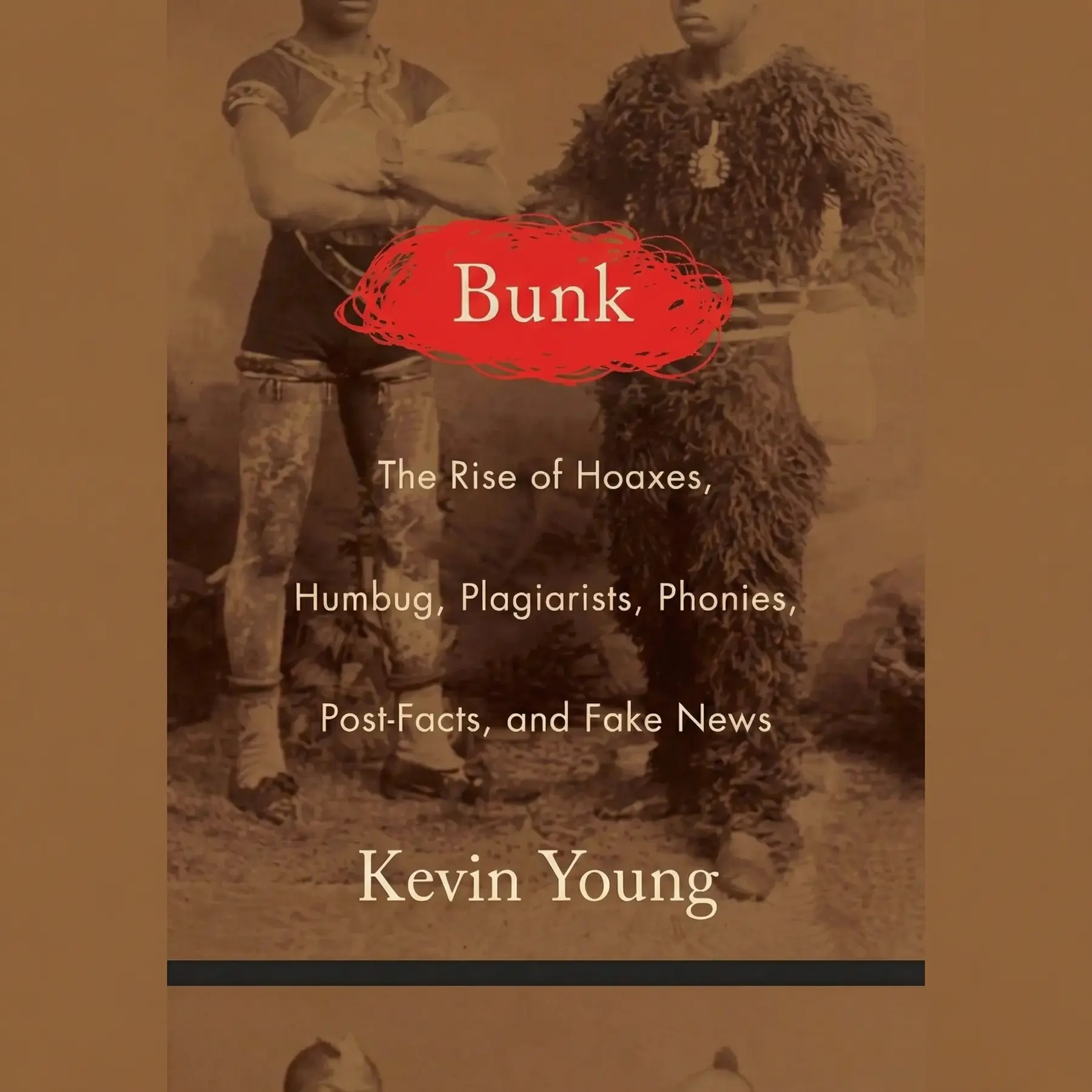
Bunk: The Rise of Hoaxes, Humbug, Plagiarists, Phonies, Post-Facts and Fake News
By Kevin Young
Explore the deep-seated history of deception in American culture. This summary uncovers how hoaxes, from 19th-century spectacles to modern fake news, have consistently shaped the nation's identity and its relationship with the truth.
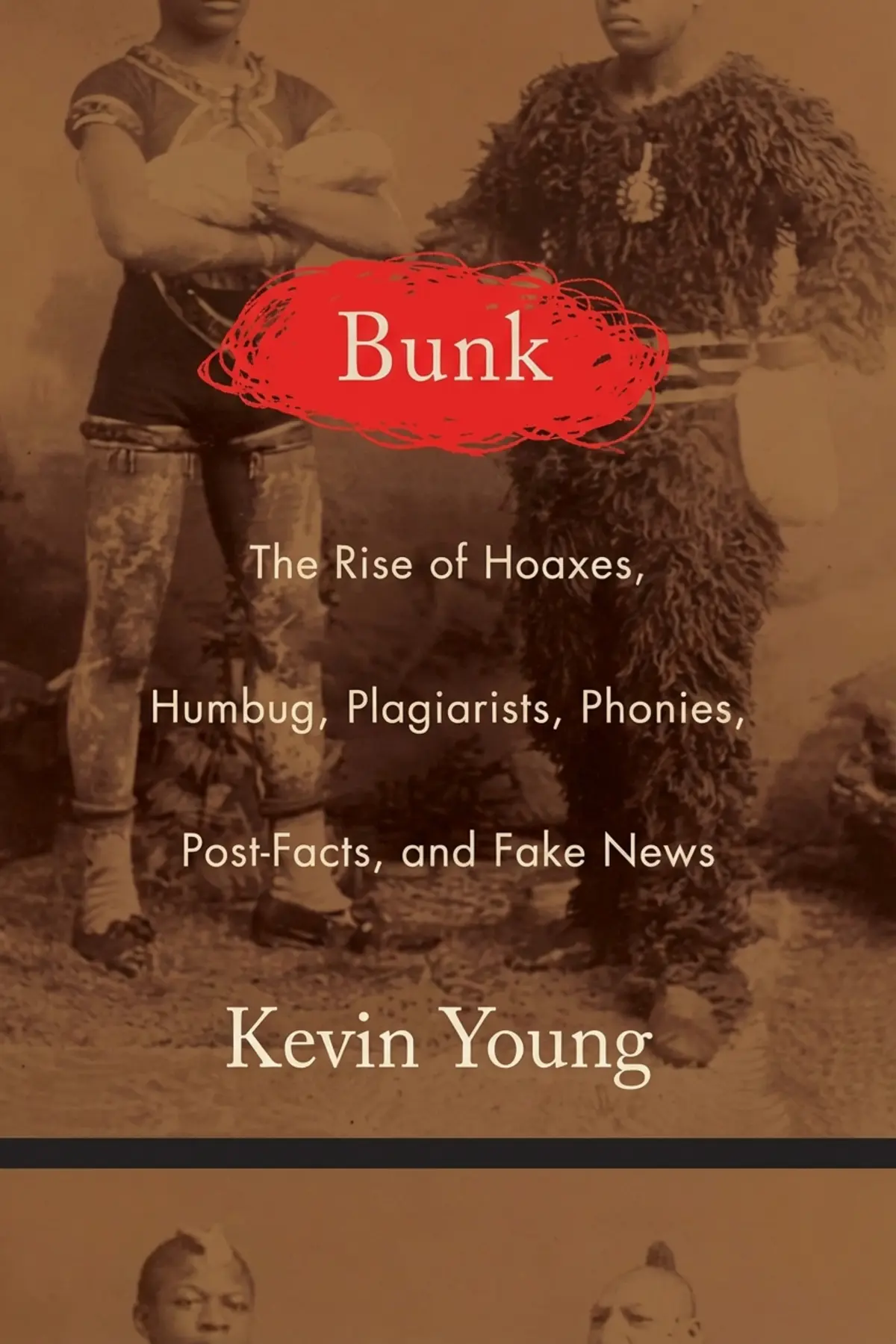
Table of Content
1. Introduction
1 min 35 sec
In recent years, our daily conversations have been dominated by terms that would have seemed strange just a few decades ago. We hear about ‘fake news’ and ‘alternative facts’ so often that they have become part of the background noise of modern life. It feels as though we are living through a unique crisis where reality itself is up for debate. But if we pull back the curtain and look at the broader timeline of history, we start to see that this isn’t actually a new phenomenon. The American experience has always been deeply intertwined with the hoax, the fraud, and the intentional lie.
In this exploration of Kevin Young’s work, we are going to trace the lineage of the ‘humbug’ from its 19th-century roots to its current manifestation in our digital feeds. We aren’t just looking at harmless pranks; we are examining how myths and fictions have actively constructed the culture and politics of the United States. This journey will take us through the early days of sensational newspapers, into the tents of P.T. Barnum, and through the corridors of modern power.
The central throughline here is that the hoax is not an accident of history—it is a tool. It functions as a mirror, reflecting our deepest desires and our most persistent prejudices. By peeling back these layers of fabrication, we can begin to understand why we are so susceptible to trickery today. We’ll see how the line between entertainment and truth became blurred and why, in many cases, the American public has historically preferred a good story over a hard fact. Let’s begin by looking at how the very idea of the ‘fake’ became a foundational part of the American narrative.
2. The American Tradition of the Hoax
2 min 17 sec
Discover how the roots of modern disinformation trace back to a massive 19th-century deception about life on the moon and why Americans embraced it.
3. The Psychology of Belief and Desire
2 min 14 sec
Explore why we fall for frauds and how showmen like P.T. Barnum leveraged our deepest wishes to sell the impossible.
4. The Dark Intersection of Hoaxes and Race
2 min 17 sec
Uncover the troubling link between the rise of public deceptions and the development of racial hierarchies in America.
5. The Erasure of History through Fabrication
2 min 12 sec
See how phony memoirs and fake poetry do more than just lie—they can actually wipe out the real voices of marginalized cultures.
6. From Wonder to Horror
2 min 24 sec
Witness the shift in American hoaxes as they moved from harmless curiosities to dark stories that exploit our deepest societal fears.
7. Navigating the Age of Euphemism
2 min 06 sec
Understand the modern ‘narrative crisis’ where fact and fiction merge, and why spectacle has become more important than truth.
8. Conclusion
1 min 37 sec
As we wrap up our journey through the history of the American hoax, it’s clear that we are living in a moment that requires more vigilance than ever before. We are surrounded by disinformation, but as we’ve seen, this isn’t a new struggle. From the moon hoaxes of the 1800s to the digital fabrications of today, the impulse to deceive and the desire to be deceived have always been part of the national fabric.
The most important takeaway is that hoaxes are rarely harmless. They are often deeply rooted in racial stereotypes and the erasure of cultural histories. They thrive by exploiting our fears, our grief, and our prejudices. When we choose to believe a story just because it feels good or confirms what we already think, we are participating in a cycle that has been used to marginalize others for centuries.
So, where do we go from here? The first step is to recognize the ‘narrative crisis’ for what it is. We must learn to distinguish between spectacle and reality. This means being skeptical of stories that seem too perfectly tailored to our emotions. It means demanding transparency and accountability from our media and our leaders.
Ultimately, the antidote to the hoax is a commitment to the hard work of seeking the truth, even when that truth is uncomfortable or doesn’t fit into a neat, entertaining narrative. By understanding the history of the ‘humbug,’ we arm ourselves with the tools to navigate the web of lies in our modern world. Let’s start having the honest conversations that can actually bring about change, moving beyond the ‘age of euphemism’ and back toward a reality we can all share.
About this book
What is this book about?
Have you ever wondered why the modern world feels so saturated with misinformation? In this exploration of the American hoax, we dive into the fascinating and often troubling history of 'humbug.' From the early days of sensationalist journalism and P.T. Barnum’s staged spectacles to the digital age of alternative facts, the narrative of America is shown to be inseparable from the art of the con. This summary provides a comprehensive look at how deceptions are not just random lies, but deeply calculated stories that reflect our collective desires, fears, and prejudices. It promises to reveal the persistent link between the history of the hoax and the history of race in America, showing how fabricated stories have been used to both entertain and marginalize. By understanding these patterns, listeners gain a clearer perspective on today’s political landscape and the 'narrative crisis' that makes spectacle more appealing than reality.
Book Information
About the Author
Kevin Young
Kevin Young is a highly distinguished figure in the literary world, currently serving as the poetry editor for the New Yorker. His prolific career includes the authorship of ten books of poetry, such as Blue Laws: Selected & Uncollected Poems 1995–2015. Beyond poetry, Young is recognized for his significant contributions to nonfiction. His work The Grey Album: On the Blackness of Blackness received high praise and was named a Notable Book by the New York Times.
Ratings & Reviews
Ratings at a glance
What people think
Listeners find this book to be an excellent read. Opinions on the depth of research are varied, though several listeners point out that it is well researched.
Top reviews
Yam
Wow, what a staggering achievement this book is. Kevin Young has managed to trace the DNA of the "fake" from P.T. Barnum all the way to the current era of fake news with such acrobatic skill. This isn't just a collection of fun facts; it's a profound study of how we as a culture allow ourselves to be lied to. The writing is gorgeous—it’s essentially a book of poetry masquerading as a historical study. I loved the way he dissected the "Noble Savage" tropes and the way white hoaxers often appropriate minority suffering for profit. It’s a masterpiece that should be mandatory reading for anyone trying to navigate our modern misinformation landscape. Don't let the page count scare you off.
Show moreTan
Picked this up expecting a light history of scams and ended up with a life-changing perspective on the American "post-truth" condition. Young is brilliant at revealing how the hoax changes history and the future. From the Cottingley Fairies to the heartbreaking reality of fake Holocaust memoirs, he handles each subject with a mix of poetic grace and righteous indignation. The book is long, yes, but every page feels necessary to build the case that truth is a matter of life and death. His analysis of how institutions feed off stereotypes is both enlightening and terrifying. This is easily one of the most important nonfiction books I've read in years. It is well researched and absolutely essential for understanding today's world.
Show moreDek
Ever wonder how a book about circus sideshows could feel so vital to our modern political moment? While it’s true that Young’s writing style is dense and occasionally moves in circles, the connections he draws between 19th-century "humbug" and today’s "fake news" are brilliant. The chapter on Rachel Dolezal is particularly sharp, written with a personal touch that some of the more academic chapters lack. To be fair, it is a very long read and requires some patience to navigate the nonlinear structure. However, the sheer depth of research and the unique perspective on how hoaxes reinforce social hierarchies made it worth the effort for me. It’s a challenging but ultimately rewarding look at the American psyche and our obsession with the fake.
Show moreWatcharin
Finally got around to finishing this behemoth, and while it's a lot to process, the insights are incredibly timely. Young argues convincingly that the hoax isn't just a harmless prank, but a tool often used to maintain social and racial hierarchies. Seeing the parallels between the 1800s "penny press" and today’s internet chaos was a total "aha" moment for me. The book is definitely not light reading—it’s thick and sometimes the academic tone can be a bit sapping—but the cultural analysis is top-notch. If you’re interested in the "post-truth" era and where it actually came from, this provides a necessary, if uncomfortable, historical context. It’s well researched and far more profound than your average history book.
Show moreHiroshi
As someone who loves obscure history, I found the deep dives into characters like Nasdijj and the Hitler Diaries quite compelling. Young does an admirable job of debunking these "spectacular falsehoods" while showing the very real human cost involved. I did feel the book was a bit "trim-challenged," as it circles back to the same themes of race and identity a bit too frequently for my taste. Some might find the focus on the racial underpinnings of hoaxes to be "reaching," but I thought those arguments were some of the strongest and most original parts of the book. It’s a dense, challenging work that demands your full attention, but the payoff is a much deeper understanding of the history of American deception.
Show morePairot
To be fair, Young is an incredible poet, and that lyrical quality shines through in his descriptions of various historical frauds. He treats these hoaxes like confessions of our cultural desires, which is a fascinating lens. However, the book is a bit of a shaggy mess. One minute he's talking about Edgar Allan Poe, and the next he's rambling about modern plagiarism in a way that feels more personal than objective. It’s like a collection of beautiful but disjointed Christmas lights; some spots are brilliant, but there’s too much murkiness in between for a clear pattern to emerge. I learned a lot of trivia, but I wish he had honed his arguments into something more concise and less like a graduate sociology seminar.
Show moreIsaiah
Frankly, the early chapters on the evolution of "bunkum" and the penny press were the highlight for me, though the momentum died once we hit the deep dives into literary plagiarists. Kevin Young clearly knows his stuff, and the historical images and playbills included throughout are a delight to look at. But the book suffers from a lack of stylistic consistency; it oscillates between being a rigorous history and a ruminative collection of prose poems. Some readers will love the intellectual posing, but I found it a bit much after four hundred pages. It’s a solid 3-star read—highly informative and deeply researched, but just way too long for the points it's trying to make. A good editor could have made this a classic.
Show moreSienna
Let's be real: this book is massive, and for all its 600+ pages, it feels remarkably repetitive and unfocused. I found the early sections on P.T. Barnum and Joice Heth somewhat interesting, but the narrative flow is nonexistent as the chapters progress. Young jumps from one con man to another without providing enough historical context for the reader to keep up. It’s a very interesting subject yet somehow incredibly boring at the same time. I kept putting it down and struggling to find the motivation to pick it back up again. It feels like a giant info dump where the author is more interested in settling literary scores than providing a cohesive narrative. Not recommended if you value your time.
Show moreChaiwat
The table of contents promised a thrilling journey through history's greatest deceits, but the reality was an exhausting academic slog. While the research is clearly extensive, the author spends the bulk of these 600 pages rambling through sociopolitical theories rather than actually recounting the history of the events. It felt less like a book for a general audience and more like a dense PhD thesis that desperately needed a more aggressive editor to trim the fat. Every time I thought we were getting to a juicy bit about a historical forgery, Young would pivot back to the same repetitive arguments about systemic racism. I appreciate the intellectual effort, but the delivery is just too dry and disjointed to be engaging for a casual reader. It's a waste of time for anyone looking for a readable, chronological history.
Show morePrae
I was hoping for a fascinating exploration of American humbuggery, but "Bunk" is exactly what the title suggests—complete nonsense. The author reaches for predetermined conclusions, attempting to link every single historical lie, from the Feejee Mermaid to fake child prodigies, directly to racial animus. It is an illogical stretch that gets old by page fifty, yet the book drags on for hundreds of pages more. The prose is needlessly dense, full of poetic posturing that obscures the facts rather than illuminating them for the reader. If you want a lecture from the academic clouds that ignores the more nuanced or "fun" side of historical trickery in favor of a navel-gazing seminar style, this is for you. Otherwise, steer clear and save your money.
Show moreReaders also enjoyed

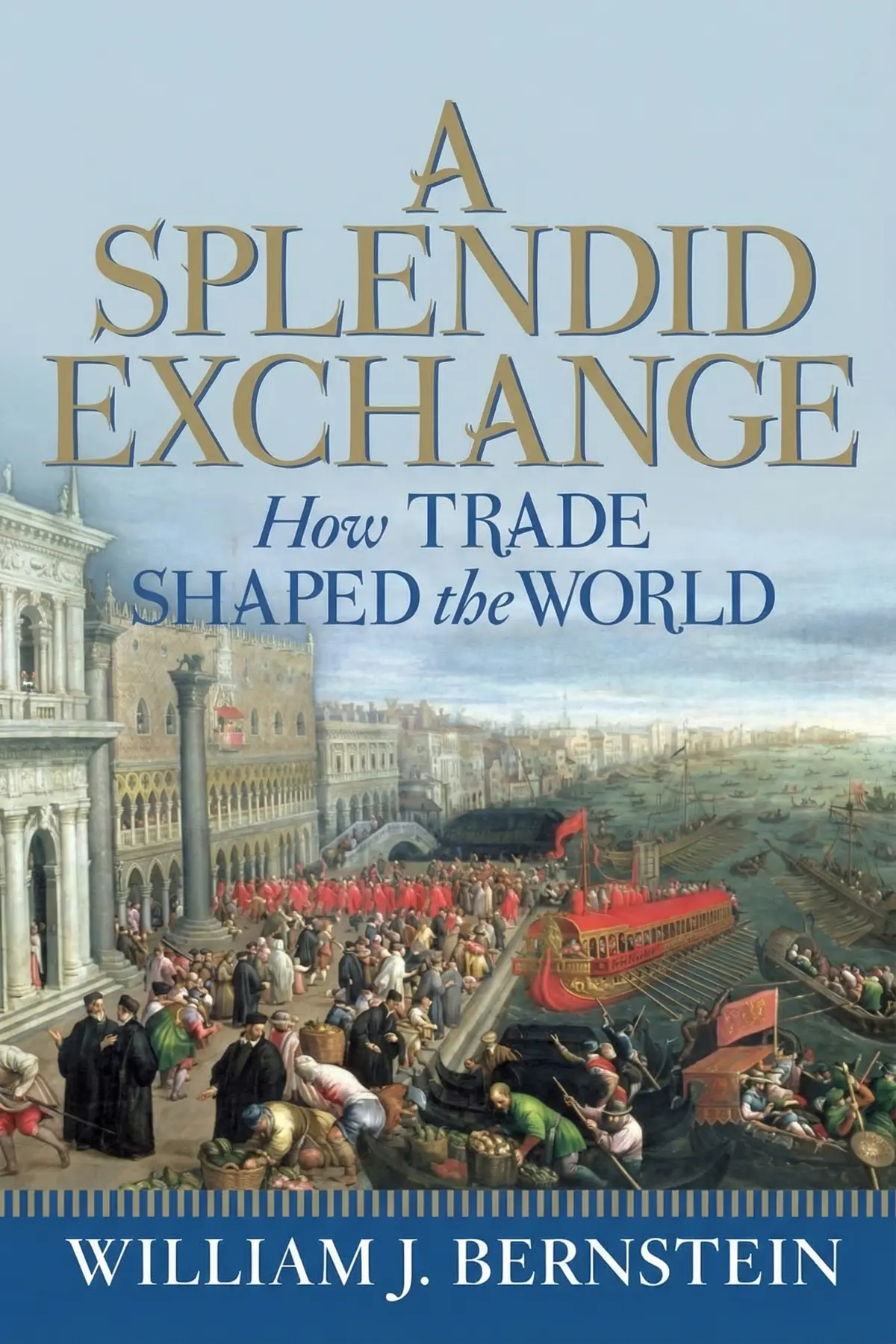
A Splendid Exchange: How Trade Shaped the World
William J. Bernstein
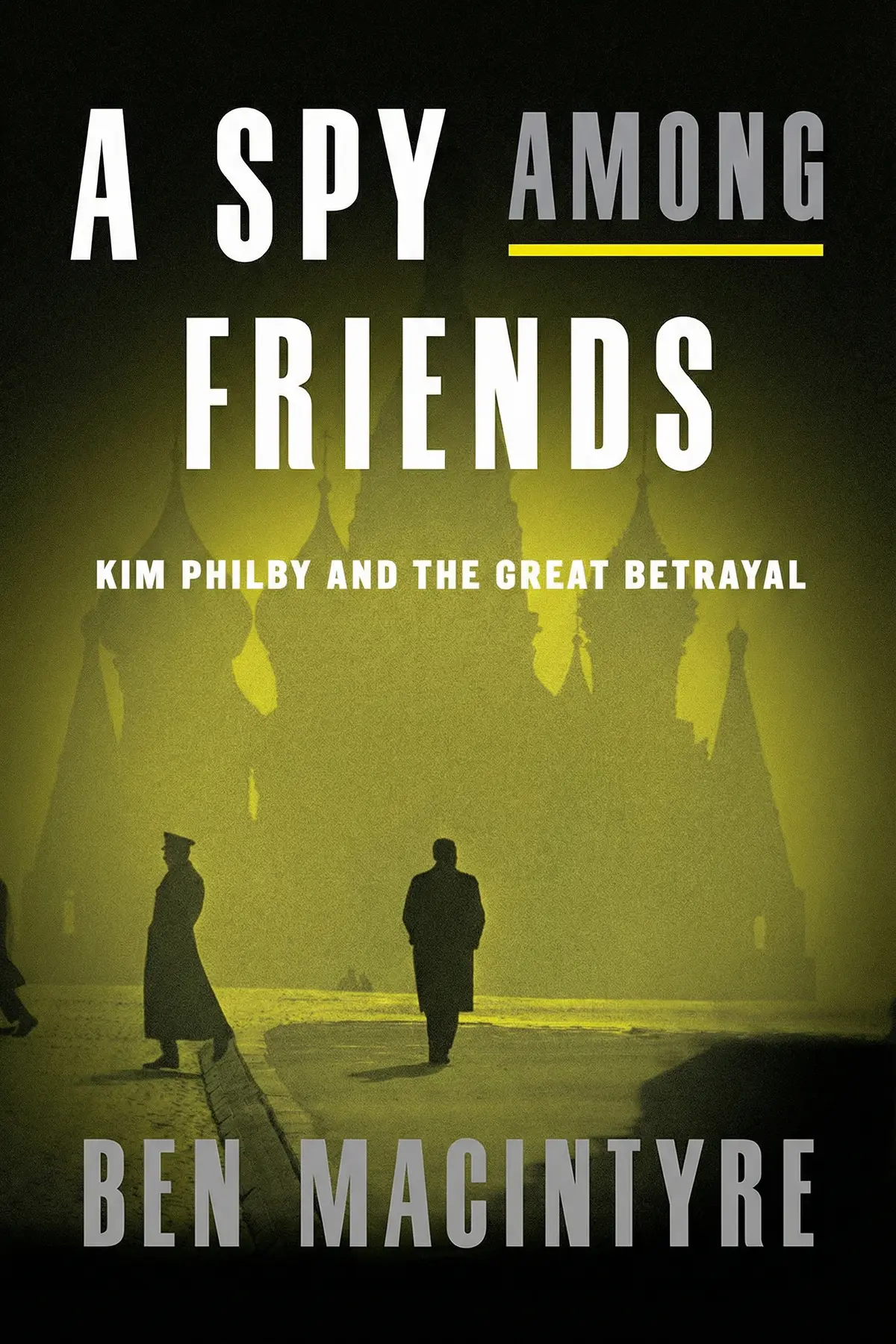
A Spy Among Friends: Philby and the Great Betrayal
Ben Macintyre
1491: New Revelations of the Americas Before Columbus
Charles C. Mann
A Year in the Life of William Shakespeare: 1599
James Shapiro
AUDIO SUMMARY AVAILABLE
Listen to Bunk in 15 minutes
Get the key ideas from Bunk by Kevin Young, plus 5,000+ more titles in English and Thai.
- 5,000+ titles
- Listen as much as you want
- 7-day free trial
- Cancel anytime







