
A Higher Loyalty: Truth, Lies and Leadership
James Comey
A high-level whistleblower reveals the internal rot behind Facebook’s meteoric rise. This account exposes a culture of extreme overwork, ethical compromises with dictators, and the disregard for democratic stability in the pursuit of growth.
1 min 54 sec
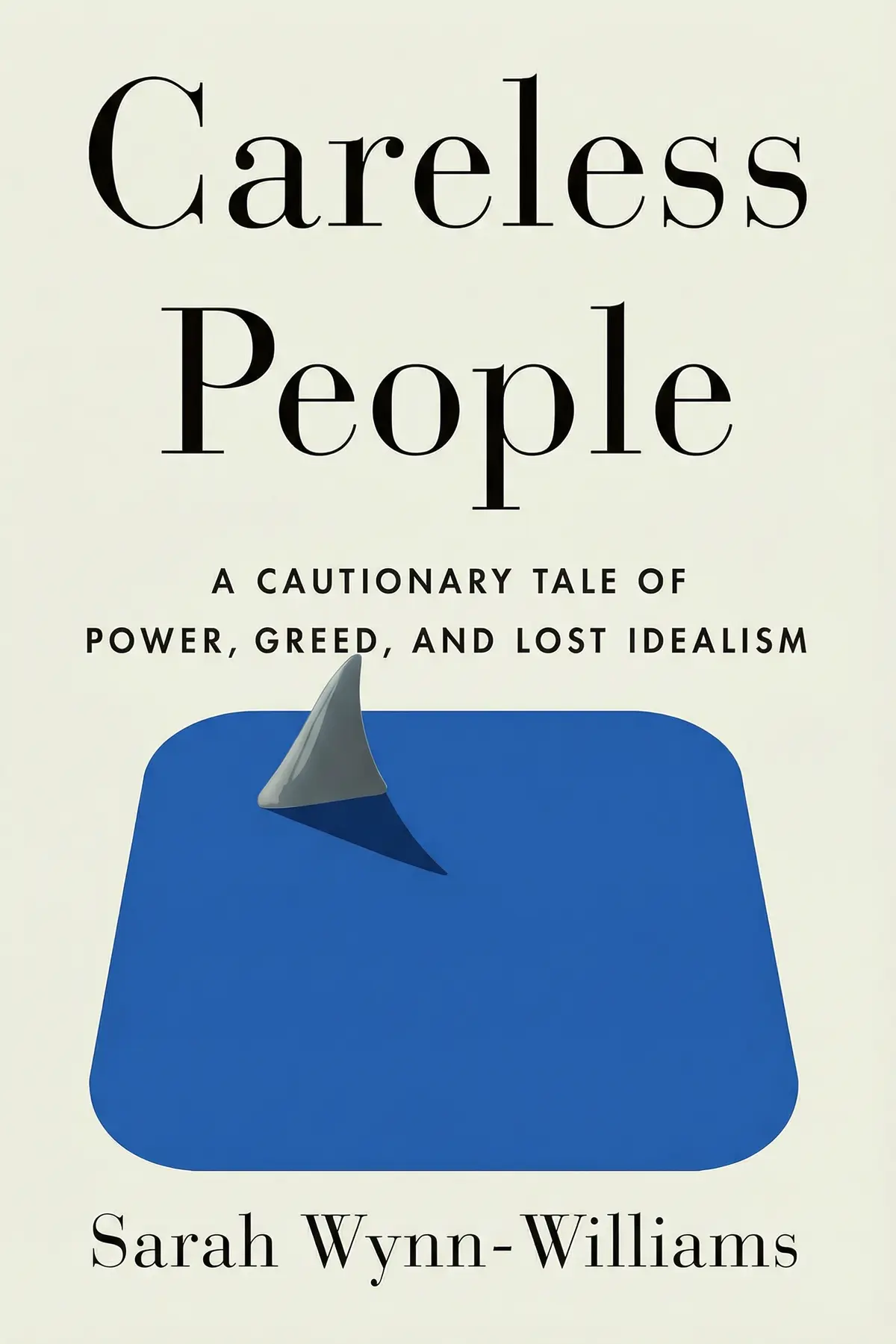
In the early days of social media, there was a sense of boundless optimism. We were told that a more connected world would inherently be a better one. This was the promise of Facebook: a platform that would bridge divides, foster democracy, and bring us all closer together. But as the company grew from a Harvard dorm room project into a global empire, that idealism began to fray. The title of this narrative, Careless People, evokes a certain kind of elite negligence—the idea of powerful individuals who smash things up and then retreat into their wealth, leaving others to clean up the mess.
In this account, we follow the journey of Sarah Wynn-Williams, a woman who didn’t just observe this transformation from the outside, but lived it from the very inner circles of power. As a former diplomat and high-ranking policy executive at Facebook, she witnessed the reality behind the company’s famous motto: “Move fast and break things.” What she discovered was that when you move that fast, the things you break aren’t just pieces of software—they are lives, communities, and the very foundations of democratic society.
This isn’t just a corporate memoir; it’s a behind-the-scenes look at the high-stakes world of global tech policy, where growth metrics often outweighed moral imperatives. We will see how the pursuit of the next billion users led the company into dark corners of the globe, from the gilded halls of military juntas in Myanmar to the high-pressure political landscape of Washington, D.C. It is a story of how greed and a lack of accountability turned a tool for connection into a weapon of influence. As we walk through this history, we’ll see why this story matters more than ever today, as we face a new frontier of power in the realm of artificial intelligence. It’s a cautionary tale about what happens when the people at the helm are too careless to notice the wreckage they leave behind.
2 min 23 sec
One woman’s journey from the United Nations to Silicon Valley began with a radical idea: that a social media giant would eventually need its own ambassadors to handle world leaders.
2 min 08 sec
Behind the graffiti-covered walls and exposed pipes of Facebook’s offices lay a calculated philosophy that prioritized perpetual growth over stability and safety.
1 min 54 sec
The company’s internal culture was built on a model of artificial scarcity, forcing employees to sacrifice their personal lives for the sake of an unattainable workload.
1 min 54 sec
In its desperate search for new markets, Facebook found itself negotiating with military regimes that viewed the platform as a tool for control rather than connection.
2 min 00 sec
When corporate loyalty is demanded above all else, personal health and family milestones become secondary to the relentless march of the algorithm.
2 min 04 sec
A legal crisis in South America revealed the disturbing way Facebook’s leadership viewed their employees as martyrs for the corporate cause.
1 min 59 sec
By embedding staff within political campaigns, Facebook transformed its advertising tools into a powerful and divisive engine for electoral influence.
2 min 01 sec
The pursuit of the world’s largest market led to a secret betrayal of user privacy and a blatant contradiction of the company’s public testimony.
2 min 06 sec
The internal rot of the company eventually manifested in a toxic environment of sexual harassment and professional retaliation at the highest levels.
2 min 02 sec
The lessons learned from the rise of social media must serve as a stark warning as we enter an era dominated by even more powerful tech giants.
1 min 51 sec
The rise of Facebook is often framed as a classic American success story—a tale of innovation and entrepreneurial spirit. But as Sarah Wynn-Williams has shown us in Careless People, that narrative hides a much darker reality. The company’s success was built on a foundation of extreme overwork, the exploitation of user data, and a fundamental disregard for the stability of the global communities it claimed to serve. From the streets of Myanmar to the voting booths of the United States, the consequences of this ‘carelessness’ are still being felt today.
We’ve seen how the company’s leadership viewed their employees not as people, but as martyrs for a corporate cause, and how they viewed the law not as a set of rules to follow, but as an obstacle to be bypassed. The ‘move fast and break things’ era didn’t just disrupt industries; it disrupted the social fabric of our world. But perhaps the most important takeaway from this story is that it isn’t over. The same dynamics that gave rise to Facebook are now driving the development of artificial intelligence.
The actionable message here is clear: we cannot afford to be as careless as the people who build these platforms. We must demand transparency, insist on ethical oversight, and recognize that growth without accountability is a recipe for disaster. As we navigate the next wave of technological change, let us remember the human cost of the last one. We must hold the ‘careless people’ of the tech world to a higher standard, ensuring that the tools of the future are used to build, rather than break, the world we share. The story of Facebook is a warning, but it’s also a call to action to ensure that our technology finally starts serving humanity, rather than the other way around.
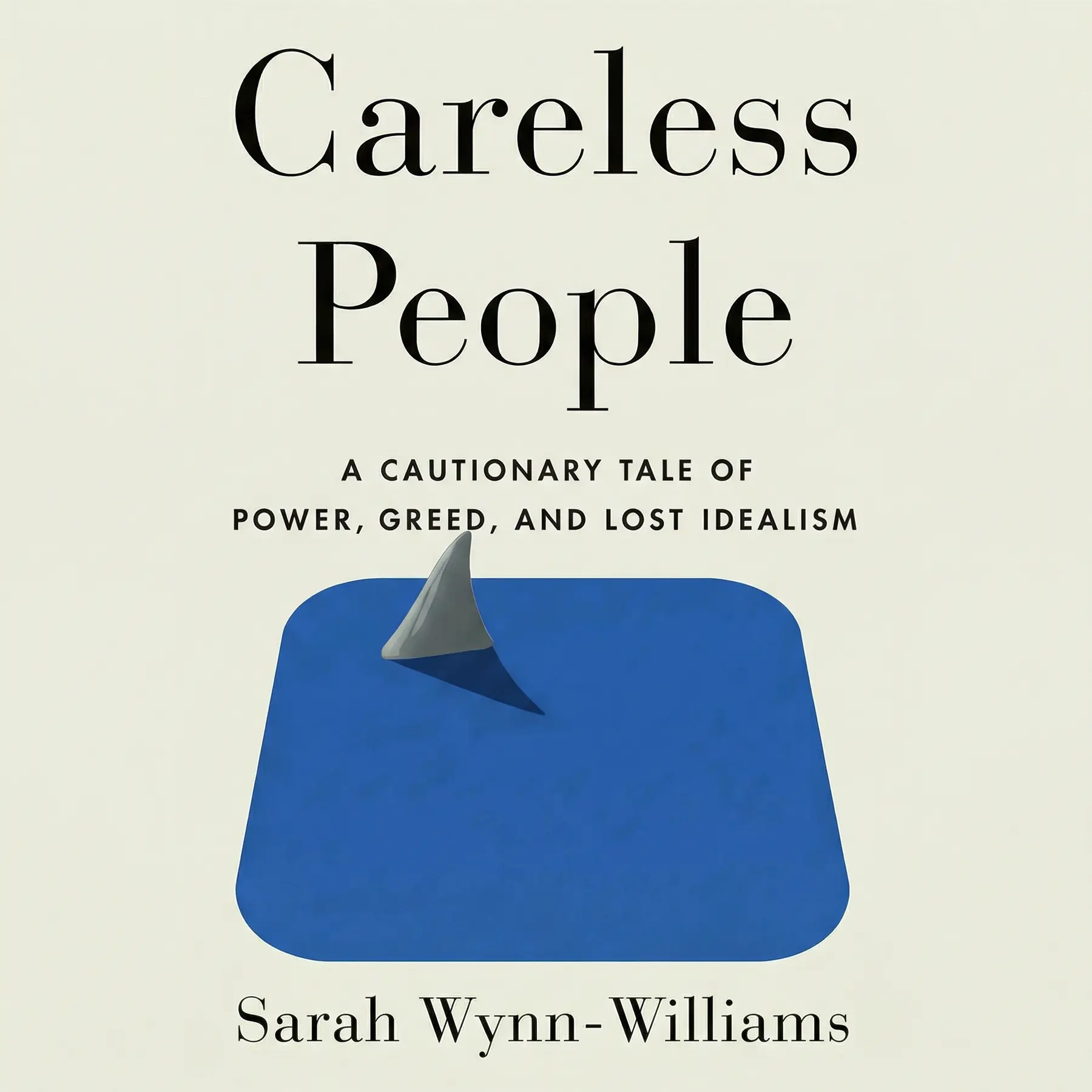
The book explores the inner workings of Meta, formerly known as Facebook, through the eyes of Sarah Wynn-Williams, a former high-ranking policy executive and diplomat. It charts the company's trajectory from a naive startup with a mission to connect the world to a global juggernaut that prioritized market expansion over human rights and employee well-being. Wynn-Williams provides a firsthand account of the company's 'move fast and break things' philosophy, revealing how this mindset led to catastrophic consequences in countries like Myanmar and Brazil. She details the grueling corporate culture that demanded total devotion, often at the expense of health and family. The narrative culminates in the company's controversial role in the 2016 U.S. Presidential Election and its ethically questionable attempts to enter the Chinese market. Ultimately, the book serves as a cautionary tale about unchecked corporate power, the loss of idealism, and the urgent need for accountability in the age of artificial intelligence.
Sarah Wynn-Williams is a distinguished international lawyer and former diplomat for New Zealand. Her career includes serving as a policy expert at the United Nations before joining Facebook’s global policy team. During her tenure at Meta, she rose to become the director of global policy, handling complex negotiations with governments around the world. Since departing from the tech giant, she has focused her expertise on the global policy challenges surrounding emerging technologies, specifically artificial intelligence.
Listeners view this book as a gripping, essential read filled with revelatory insights and prose that effectively captures its themes. This memoir recounts an incredible narrative that listeners feel is both authentic and credible. There are varying opinions on how captivating or challenging the material is, with some finding it unsettling while others value its directness. The pacing of the story is characterized as somber.
After hearing about the legal battles Meta fought to bury this book, I knew I had to get my hands on a copy. It is every bit as explosive as the rumors suggested. Wynn-Williams offers a chilling look at the 'boys club' culture where ethics are an afterthought compared to growth metrics. The section on the 2016 election and the intentional placement of staff within the Trump campaign is particularly gut-wrenching. While she occasionally paints herself as the only moral person in the room—which feels a bit convenient—the sheer volume of documented corporate negligence is impossible to ignore. It’s a sobering reminder of how much power we’ve handed over to people who view global stability as a secondary concern. If you use social media, you owe it to yourself to see what’s happening behind the curtain. This is a compelling must-read for our current moment.
Show moreSarah Wynn-Williams pulls zero punches when it comes to the toxic 'Lean In' culture promoted by Sheryl Sandberg. For me, the most eye-opening parts weren't just the global scandals, but the granular details of workplace abuse and the casual sexism that permeated the executive ranks. It’s truly appalling how leadership could speak about empowerment while simultaneously gaslighting their own employees during medical crises. I did find some of the dialogue, especially her supposed plane conversation with Mark, to be a bit too 'perfect' to be entirely believable, but the broader themes of greed and lost idealism ring true. It’s an enthralling, if deeply unsettling, look at the reality of the social media empire. This isn't just an office memoir; it's a documentation of how global policies were crafted with a reckless lack of foresight. It feels truthful and brave.
Show moreThis book left me feeling physically ill, yet I couldn't put it down. The level of detail Wynn-Williams provides about the internal cover-ups regarding child safety and misinformation is simply horrifying. She does an excellent job of illustrating how a platform built for 'connection' became a tool for division and ethnic cleansing in countries like Myanmar. Frankly, I don't care if she's trying to make herself look better—the information she's sharing about the internal rot at Meta is too important to ignore. The chapters are short and punchy, making the heavy subject matter easier to digest. It’s a sobering wake-up call for anyone who still thinks these tech giants have our best interests at heart. Meta is right to be afraid of this book; it exposes the man behind the curtain for exactly who he is.
Show moreCareless People is a sobering wake-up call that every social media user needs to hear. Sarah Wynn-Williams gives us a front-row seat to the 'lethal carelessness' of a company that treated global democracy like a beta test. The anecdotes about Zuckerberg’s inability to handle being told 'no'—or even losing at a board game—paint a picture of a leadership team that is fundamentally unfit to manage the digital town square. I found the section on their refusal to act in Myanmar particularly harrowing. It’s an amazing, truthful story that highlights the absolute necessity for corporate regulation. Despite some moments where the author’s self-defense feels a bit too polished, the core message is undeniable. We are living in a world built by people who retreated back into their money. Truly eye-opening and believable.
Show moreEver wonder how exactly the social media algorithm was weaponized to create the 'Red Feed/Blue Feed' divide we see today? This book provides the blueprint. Sarah Wynn-Williams recounts her seven years in the social media empire with a mix of regret and sharp-edged observation. Her description of Zuckerberg as a 'fourteen-year-old with superpowers' is both hilarious and terrifying. The way she details the internal mechanics of how they sucked up to authoritarian regimes is nothing short of a must-read for anyone interested in geopolitics. While the book is definitely a spicy office memoir at times, its real value lies in the documentation of power and greed run amok. I was particularly struck by the 'boys club' atmosphere she describes; it explains so much about the company's blind spots. It’s an enthralling, disturbing, and absolutely necessary book for our time.
Show moreThe Gatsby quote at the start sets a haunting tone for what follows: a story of people who smash things up and then retreat into their money. Sarah Wynn-Williams provides a vivid, often disturbing account of her time at Facebook, dealing with everything from Zuckerberg's awkward Catan games to the literal incitement of violence in Myanmar. The book is well-written and incredibly fast-paced, though I found her excuses for staying at the company—specifically the health insurance bit—to be quite flimsy given her early equity status. Still, the insight into how they exploited teenage insecurities through 'emotional targeting' is the kind of revelation that stays with you long after you finish the chapter. It's a compelling piece of journalism disguised as a memoir. Definitely an eye-opening read for anyone concerned about tech's role in the erosion of democracy.
Show moreWow, what a wild ride through the Silicon Valley looking glass. This book reads like a thriller, but the fact that it's based on reality makes it so much more disturbing. I was fascinated by the 'emotional targeting' chapter; the idea that a company would intentionally prey on teenagers feeling 'worthless' to drive ad revenue is peak dystopia. Wynn-Williams captures the arrogance of the 'paragon' tech bros perfectly. However, I did find the pacing a bit uneven toward the end, and some of her personal anecdotes felt slightly embellished to make her look like the hero of every story. Despite that, the book is a necessary exposé. It provides a sobering look at how 'careless people' with too much money can break the world and just keep moving. It's an amazing story that everyone should hear.
Show moreI finished this memoir in two sittings, mostly because the pacing is so relentless and the content so disturbing. Not gonna lie, seeing the internal logic behind 'zero rating' and how it essentially turned Facebook into the only (and most dangerous) version of the internet in developing nations was terrifying. Wynn-Williams writes with a clarity that makes complex policy decisions easy to understand, even if her own role in those decisions remains conveniently blurry. The chapters on 'Emotional Targeting' are particularly sobering; knowing the company targeted vulnerable teenagers based on keywords like 'worthless' is a special kind of evil. My only real gripe is the occasional descent into office pettiness, like the Catan anecdotes, which feel a bit trivial compared to the literal war crimes discussed in other chapters. Nonetheless, it’s a necessary addition to the tech-critical canon.
Show moreIt is hard to reconcile the author's claim of being a 'blameless' bystander with her actual position as a high-ranking executive for nearly a decade. While the information regarding Meta’s role in the Rohingya genocide and their capitulation to authoritarian regimes is vital, Wynn-Williams spends an exhausting amount of time trying to convince the reader she was the only one with a conscience. Truth is, her claims of staying for 'health insurance' feel remarkably tone-deaf coming from someone who helped the company go public. The writing is engaging and the stories are undeniably juicy—especially the bits about Zuckerberg wanting to be President—but the lack of deep introspection makes it feel more like a reputation-cleansing exercise than a true confession. It's an interesting read for the tea, but take her self-portrayal with a massive grain of salt.
Show moreThe lack of self-awareness in these pages is truly staggering. Sarah Wynn-Williams presents herself as a martyr who was somehow 'forced' to organize riots and facilitate meetings with dictators, all while being too afraid to quit because of American health insurance premiums. Let’s be real: she was an early employee with millions in shares. The attempt to appeal to the 'everyman' here is insulting. Furthermore, her inclusion of a conversation with a boss that leaned heavily into anti-Semitic tropes felt unnecessary and poorly handled, serving only to make her look 'uneasy' rather than actually standing up for anything. While the exposé on Facebook’s data weaponization is objectively important, the delivery is so bogged down in self-exculpation and 'shower thought' dialogue that it loses its impact. I expected a whistleblower account, but I got fan fiction where the author is the hero of every interaction.
Show moreJames Comey

Philip Freeman

Jonathan Eig
J. Craig Venter

Ishmael Beah
AUDIO SUMMARY AVAILABLE
Get the key ideas from Careless People by Sarah Wynn-Williams, plus 5,000+ more titles in English and Thai.







