
22 min 40 sec
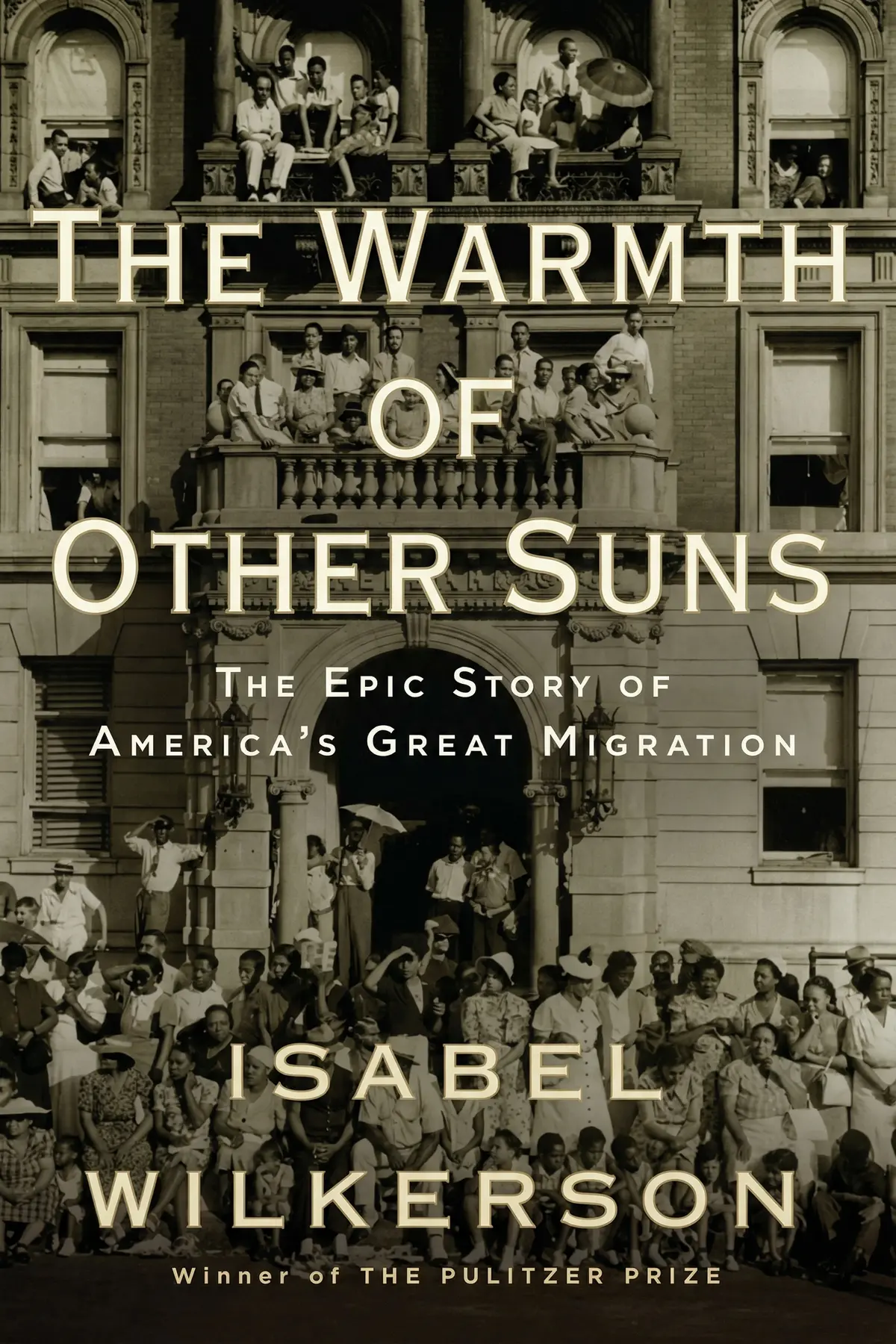
Caste: The Origins of Our Discontents
Explore the unseen architecture of social hierarchy in America. This analysis reveals how a deep-rooted caste system, rather than just race or class, shapes inequality and influences the nation's past, present, and future.
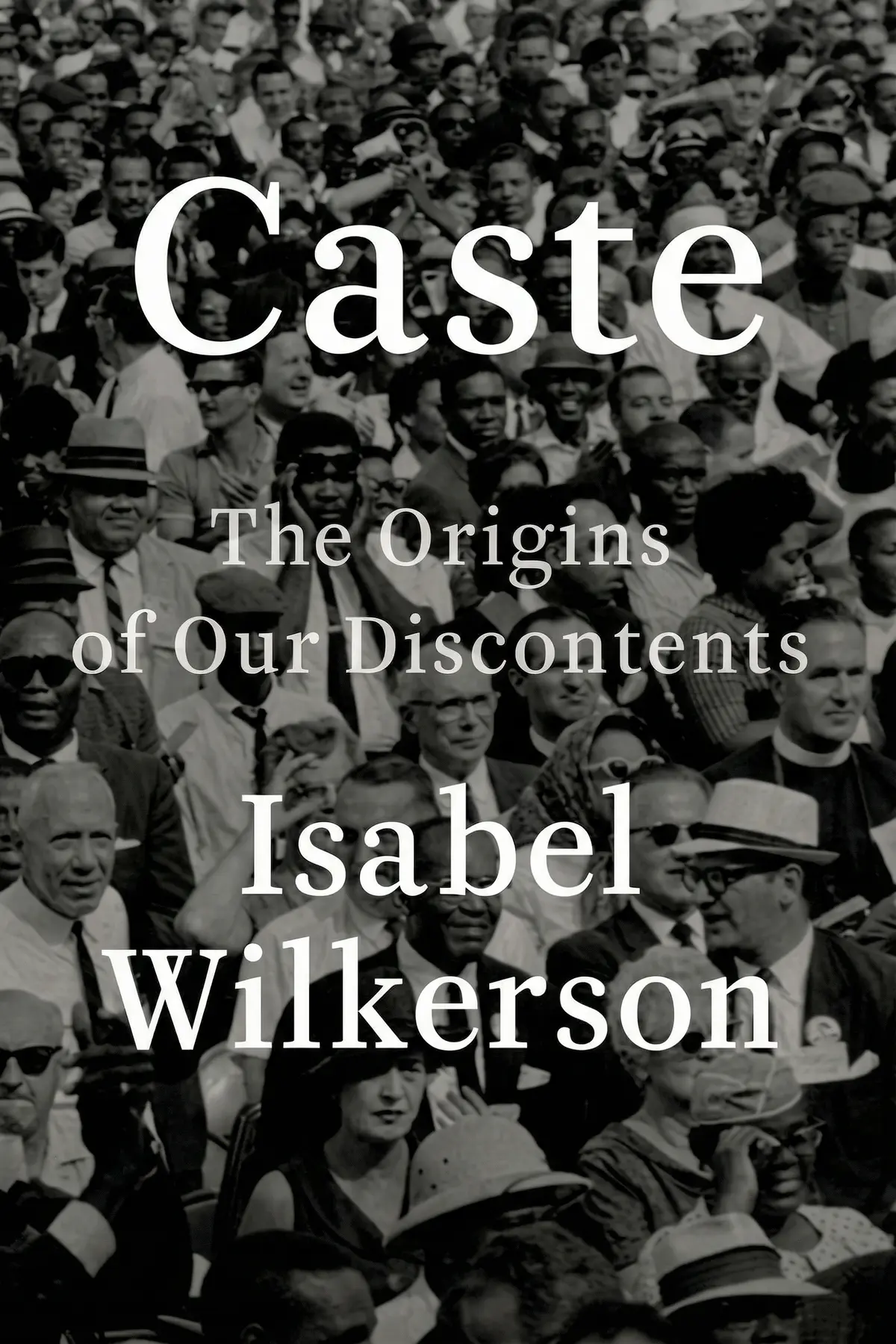
Table of Content
1. Introduction
1 min 49 sec
Why does it feel like progress toward equality is so slow and met with such fierce resistance? Even decades after the most significant milestones of the civil rights movement, the United States continues to grapple with deep social divisions, economic disparities, and systemic violence. We often speak about these issues in terms of racism, but there is a deeper, more structural force at play that often goes unmentioned. To truly understand the current state of American society, we have to look beneath the surface at the invisible architecture that governs our lives. We have to talk about caste.
A caste system is more than just prejudice; it is an elaborate and ancient social hierarchy that assigns value to human beings before they are even born. It is a rigid framework that dictates who gets to lead, who must serve, and who is considered worthy of basic dignity. While we might associate the word with distant cultures or historical periods, the reality is that the United States has operated under its own version of a caste system since its inception. This system is the hidden foundation upon which the entire American social structure is built.
In the following minutes, we are going to explore the origins and mechanics of this hierarchy. We will examine the eight foundational pillars that keep the system upright, from religious justifications to the control of marriage and the dehumanization of entire groups. We will also see how the American model provided a blueprint for other regimes, including Nazi Germany, and what we can learn from how other nations have attempted to confront their own dark histories. Most importantly, we will look at the psychological toll this system takes on everyone involved and how we might begin to chip away at these ancient walls to build something more equitable. This is a journey into the heart of our social discontents, offering a new way to see our history and a potential path toward a more human future.
2. The Metaphor of the Inherited House
2 min 23 sec
Think of society as an old house you’ve inherited. Even if you didn’t build it, you’re responsible for the structural cracks in the foundation that threaten everyone inside.
3. Distinguishing Caste from Race and Class
2 min 43 sec
Caste is the invisible bones of society, while race is the skin and class is the clothing. Understanding the difference is key to seeing the true structure of power.
4. The Resilience of the American Hierarchy
2 min 40 sec
For the majority of its history, the U.S. has legally enforced a subordinate status for Black Americans, creating a system that resists even the most earnest attempts at change.
5. Divine Will, Heritability, and the Control of Marriage
2 min 17 sec
The first three pillars of caste use religion, ancestry, and the restriction of love to ensure the hierarchy remains permanent and unquestioned.
6. Purity, Pollution, and the Hierarchy of Labor
2 min 18 sec
Caste systems are obsessed with the idea of ‘purity,’ leading to the exclusion of lower castes from shared spaces and the relegation of the most difficult labor to those at the bottom.
7. Dehumanization, Stigma, and the Tool of Terror
2 min 15 sec
To keep a hierarchy in place, the system must strip away the humanity of the lower caste and use violence to ensure no one steps out of line.
8. The Psychological Toll of Status and Group Narcissism
2 min 10 sec
The final pillar of inherent superiority creates a ‘group narcissism’ that can lead to fascism and even physical illness when the social order is threatened.
9. A Path Forward through Memory and Empathy
2 min 35 sec
By looking at how other nations handle their dark pasts and by practicing radical empathy in our daily lives, we can begin to dismantle the pillars of caste.
10. Conclusion
1 min 30 sec
The American story is often told as a steady march toward freedom and equality, but the reality of the caste system tells a more complicated tale. By looking at our society through the lens of a fixed hierarchy, we can see why the same problems of inequality and violence keep resurfacing. We are living in a structure that was designed to rank human value, and the eight pillars we’ve explored—from the control of marriage to the use of terror—have held that structure in place for centuries.
However, understanding the architecture of the system is the first step toward changing it. We can see how the American model influenced the horrors of Nazi Germany, and we can also see how modern Germany has attempted to heal by prioritizing the memory of the victims over the glory of the oppressors. We can recognize the group narcissism that fuels our divisions and choose instead to find our worth in our shared humanity rather than our social rank.
The throughline of our exploration is that while we didn’t build this house, we are the ones who inhabit it now. We are responsible for its future. By practicing radical empathy, challenging the arbitrary boundaries of race and class, and being honest about our history, we can begin to repair the foundation. The goal is to move beyond a system of winners and losers, of superiors and subordinates, and to build a society where every individual is recognized for their unique character and dignity. It is a long journey, but it is the only way to truly resolve our deep-seated discontents and create a home that is strong enough to shelter us all.
About this book
What is this book about?
This exploration of American society moves beyond the traditional conversation about racism to examine the underlying infrastructure of caste. It defines caste as an artificial and fixed hierarchy that determines human value and sets groups against one another. By drawing parallels between the American experience, the historical caste system of India, and the laws of Nazi Germany, the text uncovers the eight pillars that support these social structures. The promise of this work is to provide a new language and a clearer lens through which to view the persistent social fractures in the United States. It explains why legislative changes often fail to produce social equity and how the psychology of group status affects everyone within the system, from the dominant to the marginalized. Ultimately, it offers a path toward dismantling these barriers through radical empathy and the recognition of our shared humanity.
Book Information
About the Author
Isabel Wilkerson
Isabel Wilkerson is an accomplished author and journalist whose distinguished career includes winning a Pulitzer Prize for her work at the New York Times. Her academic contributions include serving as a journalism professor at prestigious institutions such as Princeton University, Emory University, and Boston University. She is also the author of the critically acclaimed and award-winning book The Warmth of Other Suns.
Ratings & Reviews
Ratings at a glance
What people think
Listeners find this work to be a remarkable and accessible title that offers deep historical perspectives and thoroughly investigated material. They view it as essential consumption for everyone, highlighting its significance for individuals of every background. The book is lauded for its stimulating subject matter; one listener observes that it enlightened them regarding the struggles of disenfranchised groups, while another points out how it illustrates modern viewpoints through individual stories.
Top reviews
Gai
Isabel Wilkerson has crafted a masterpiece that transcends the typical discourse on racial tension in the United States. By reframing our history through the lens of a global caste system, she provides a vocabulary for the invisible architecture that governs our lives. It is a profound, easy-to-follow narrative that connects the dots between the Jim Crow South, Nazi Germany, and India's ancient hierarchies. I found the personal anecdotes particularly moving, especially when she describes being questioned about her own identity as a journalist. While some chapters felt a bit heavy on metaphor, the overall impact is undeniable and eye-opening for anyone willing to look beneath the surface. This is mandatory reading for all humans who want to understand how we got here and how we might finally dismantle these rigid structures.
Show moreVimolwan
Ever wonder why certain societal rungs seem impossible to climb regardless of your effort? Wilkerson tackles this head-on, stripping away the myth of a post-racial society to reveal the underlying caste system that dictates our status. The way she links modern voter suppression to historical terror as enforcement is both brilliant and terrifying. It is a well-researched tome that feels more like an urgent conversation than a dry history lesson. Some might find her tone a bit provocative, but the truth usually is. If you are looking for a book that provides a comprehensive explanation for the current state of American history, this is it. I have already recommended it to several friends because I think it is essential for people of all ethnicities to engage with this content.
Show moreApichat
Finally got around to reading this after seeing it on every must-read list from the last couple of years. It completely lived up to the reputation. The book is organized beautifully, making complex historical concepts accessible without dumbing them down. I was particularly struck by the section on endogamy and the control of marriage as a tool for maintaining caste boundaries. It makes you realize that our current social divisions are not accidental; they were designed. Wilkerson’s ability to weave together the stories of Nazi Germany and the American South is masterful and provides a global perspective that is often missing from these discussions. My only minor gripe is that she occasionally leans too hard into the old house metaphor, but that is a small price to pay for such a life-changing read.
Show moreNannapat
After hearing so much about this book, I did not think it could live up to the praise, but it truly is a phenomenal achievement. Wilkerson uses the metaphor of an old house to explain our responsibility to the past. It is a moving and intimate look at the plight of marginalized communities throughout history. I listened to the audiobook narrated by Robin Miles, and her performance brought an extra layer of gravity to the already powerful text. The way Wilkerson describes radical empathy as the solution to our discontents is something I will be thinking about for a long time. It is not just a history book; it is a call to recognize our shared humanity in a system designed to divide us. You will likely finish this book feeling both exhausted and enlightened by the sheer scope of her research.
Show moreSkylar
Wow, this was an absolute gut-punch of a read that I simply could not put down. It is an absolutely necessary experience for everyone. Wilkerson manages to take a massive, complicated topic and make it feel both personal and incredibly urgent for the modern reader. I was especially gripped by the sections on dehumanization, as they explained so much about our current political polarization. It is an amazing, easy-to-follow book that does not shy away from the darkest parts of our shared history. You cannot fix a house if you refuse to look at the rot in the foundation. This should be required reading in every high school and university across the country. It provides current attitudes through personal experiences that make systemic issues feel visceral rather than abstract.
Show moreJulian
Looking at the American experience through the lens of a caste system changes everything about how you perceive your daily interactions. This book is a tour de force of historical research and narrative non-fiction that feels both timely and timeless. Wilkerson’s breakdown of inherent superiority helped me understand why we still struggle with deep-seated inequality. The truth is, we are all part of this machine, whether we like it or not. I appreciated how she did not just point out problems but encouraged a new sense of humanity. It is an extraordinary book that provides a roadmap for understanding our discontents. Do not just read it; sit with it and let it challenge your basic assumptions about the world we live in today.
Show moreKofi
As someone who has followed the discourse on race for years, I appreciated how this book moves beyond the binary of black and white. Wilkerson’s research into the eight pillars provides a sturdy framework for understanding the heritability and dehumanization inherent in our social order. However, I must admit that the writing can feel slightly repetitive toward the middle of the book. She often circles back to the same points using different stories, which might frustrate a reader looking for a more concise sociological analysis. Despite that, her comparison between American laws and the formation of the Nuremberg Laws in Germany is chilling and deeply necessary history. It is a heavy read, but the clarity she brings to the concept of purity versus pollution is something I will not soon forget.
Show moreAom
The chapter regarding the eight pillars of caste is where this book truly shines, offering a clinical yet empathetic look at human cruelty. Wilkerson does a fantastic job showing how the dominant caste maintains power through stigma and occupational hierarchy. I learned so much about how the American legal system influenced the Nazis, which was a horrifying revelation. To be fair, I think she could have spent more time discussing how economic forces and class intersect with these caste boundaries. Sometimes the focus on race-as-caste overlooks the ways in which wealth can occasionally blur those lines, even if it does not erase them. Still, the book is incredibly thought-provoking and provides a current look at attitudes that still persist today. It is a dense read but well worth the time for the historical insights alone.
Show moreDarius
Not exactly what I was expecting from the hype, though I recognize why many find it groundbreaking. While Wilkerson is a beautiful writer, I felt that the caste terminology was often just a synonym for racism without adding enough new sociological depth. The comparisons to India felt a bit underdeveloped, focusing mostly on surface-level similarities rather than the complex religious and cultural nuances of those systems. There were moments where the personal anecdotes felt more like a memoir than a scholarly analysis, which made the argument feel more emotional than data-driven at times. I still think it is worth reading for the historical context, but I would not call it the definitive work on the subject. It is an interesting perspective, just not as transformative for me as I had hoped it would be.
Show moreChee
Frankly, the central premise feels forced when applied to the modern American economy, which functions much more like a meritocracy than a rigid caste system. Wilkerson seems to ignore the success of many minority groups, such as Asian Americans, who are currently among the most educated in the country. By focusing almost exclusively on a black-white binary, she misses the nuance of a multi-ethnic society where competence often determines status. The writing is undeniably flowery and emotive, but it lacks the rigorous economic data I was looking for. It feels more like the work of an activist than a dispassionate scholar. While the historical sections on Jim Crow are well-documented, the leap to calling contemporary America a caste system feels like a reach that does not hold up under scrutiny.
Show moreReaders also enjoyed
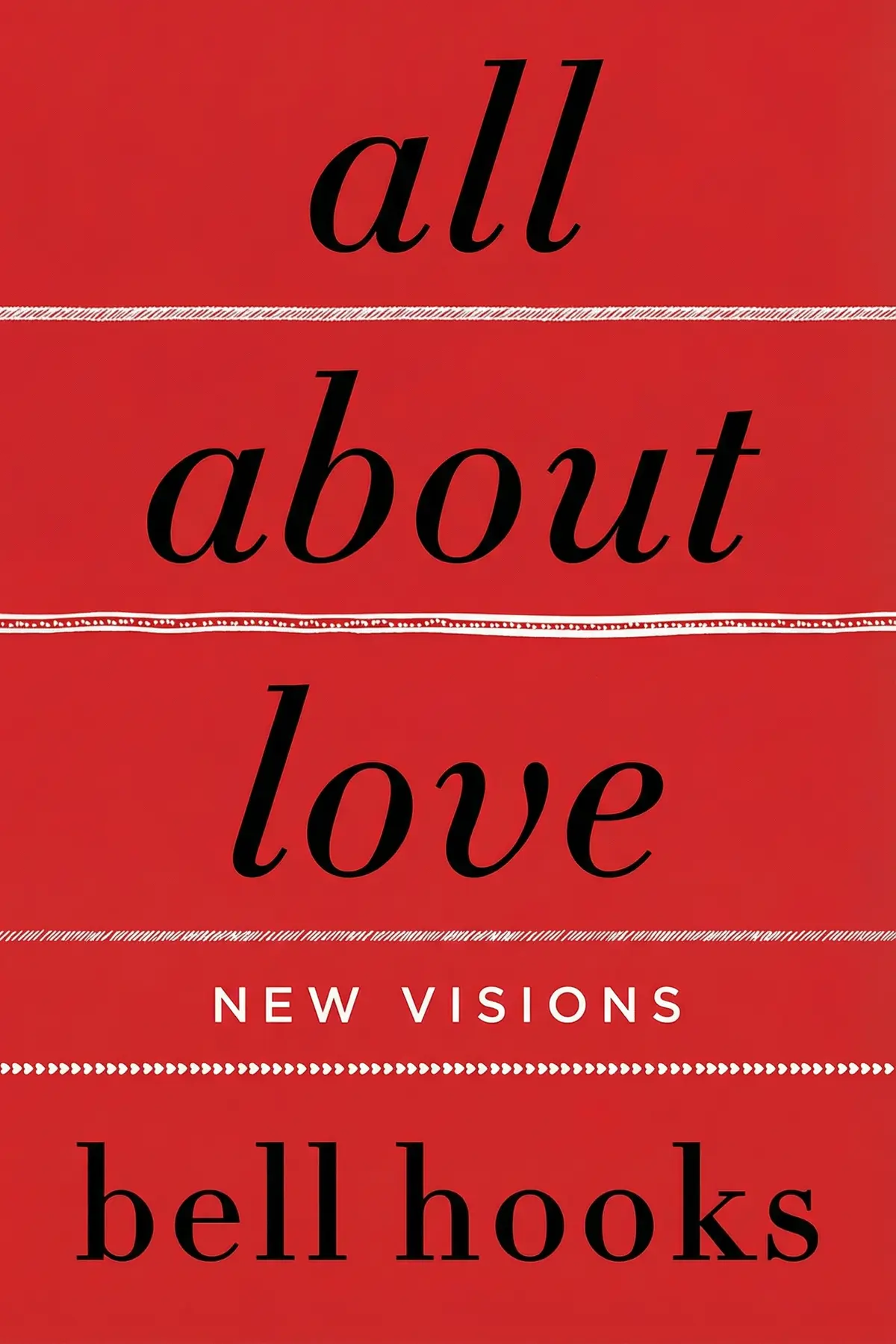
All About Love: New Visions
bell hooks
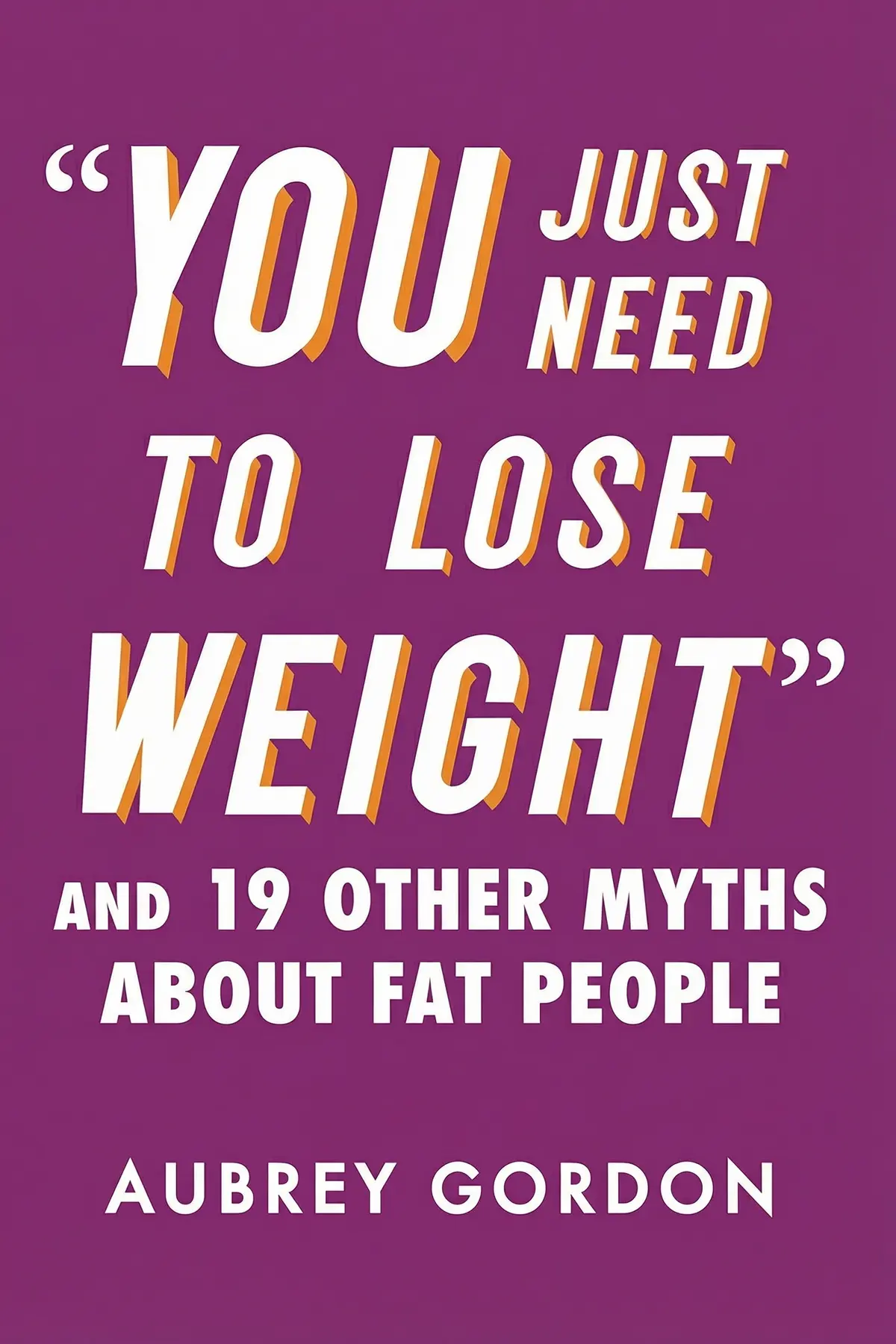

A Biography of Loneliness: The History of an Emotion
Fay Bound Alberti
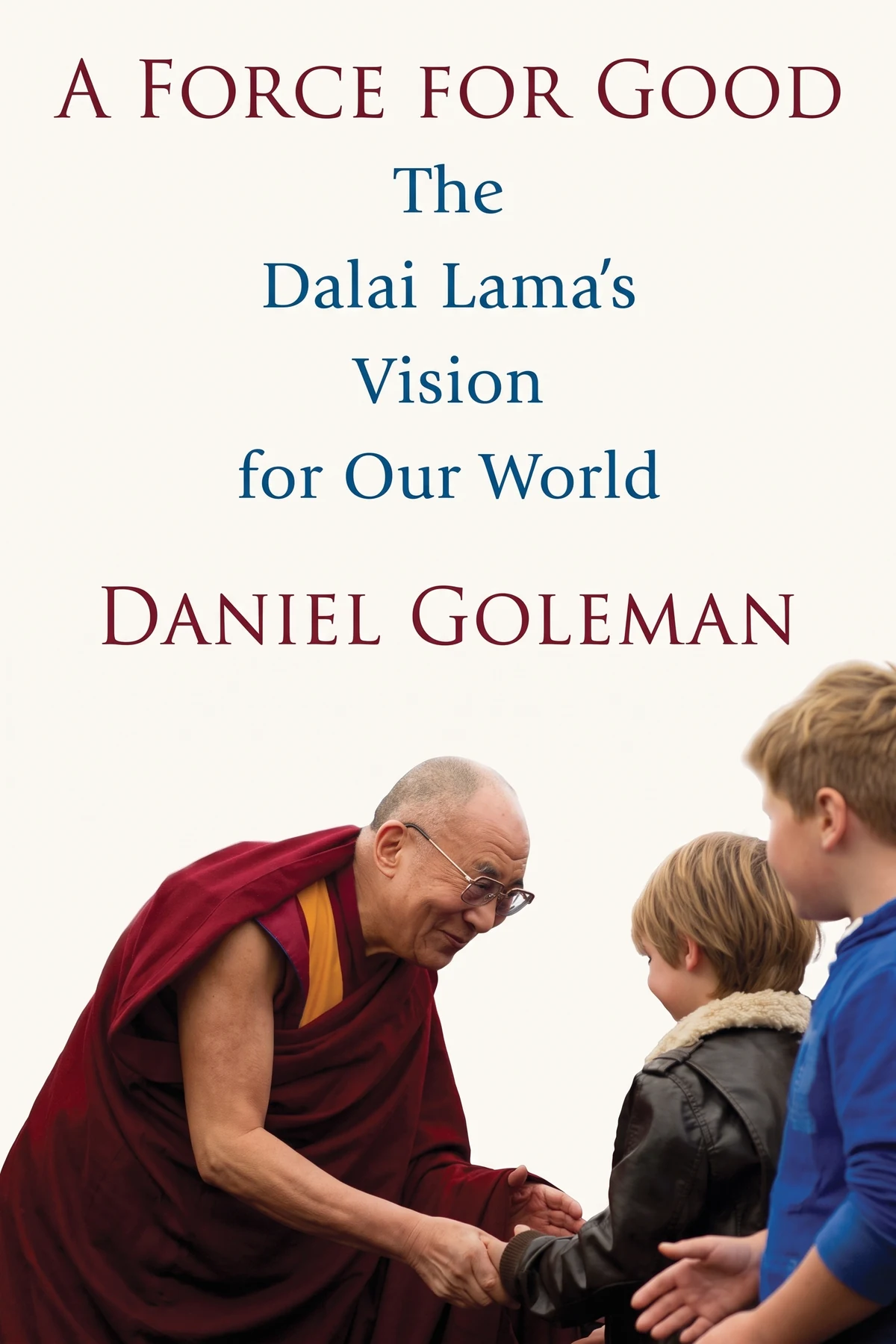
A Force for Good: The Dalai Lama's Vision for Our World
Daniel Goleman
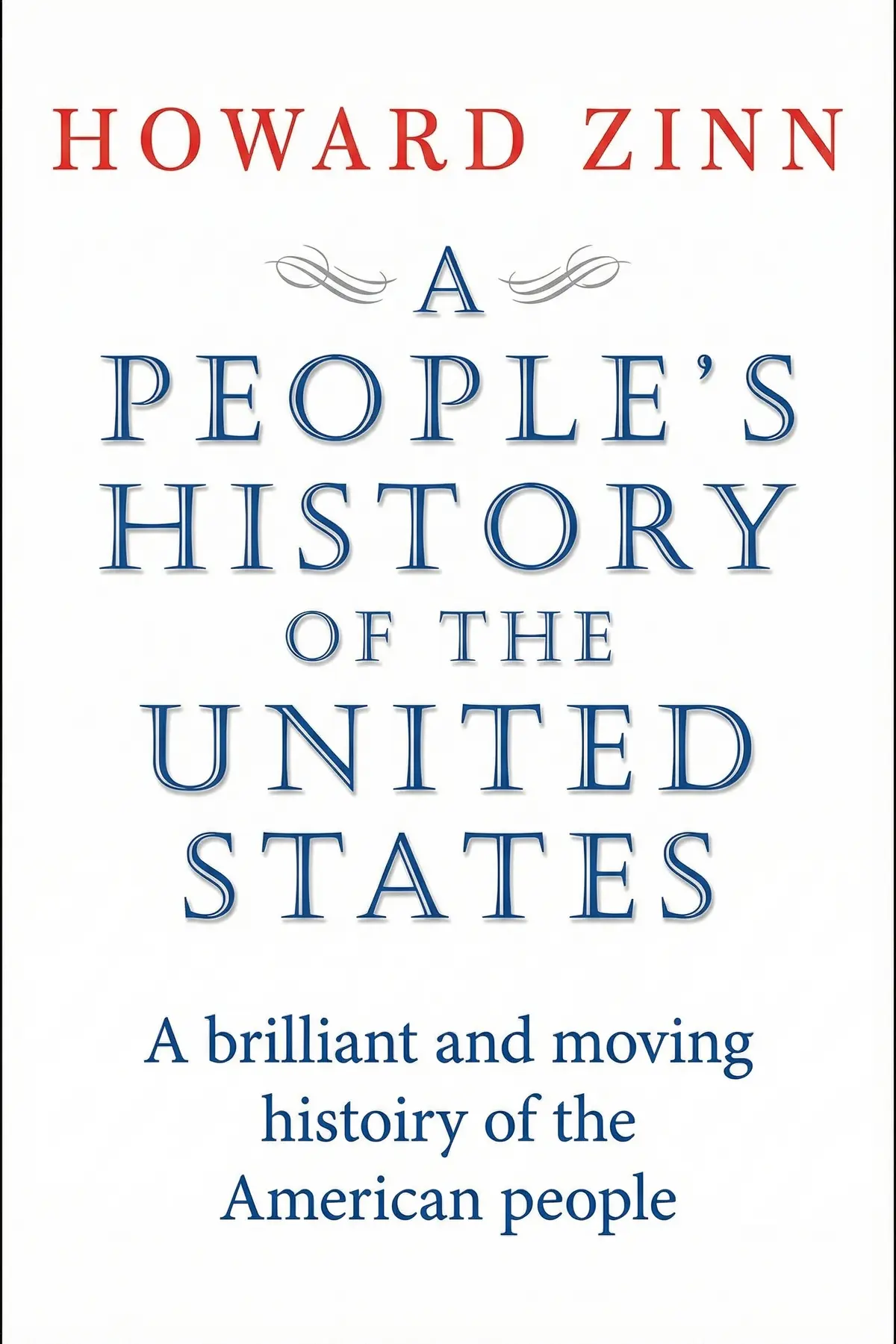
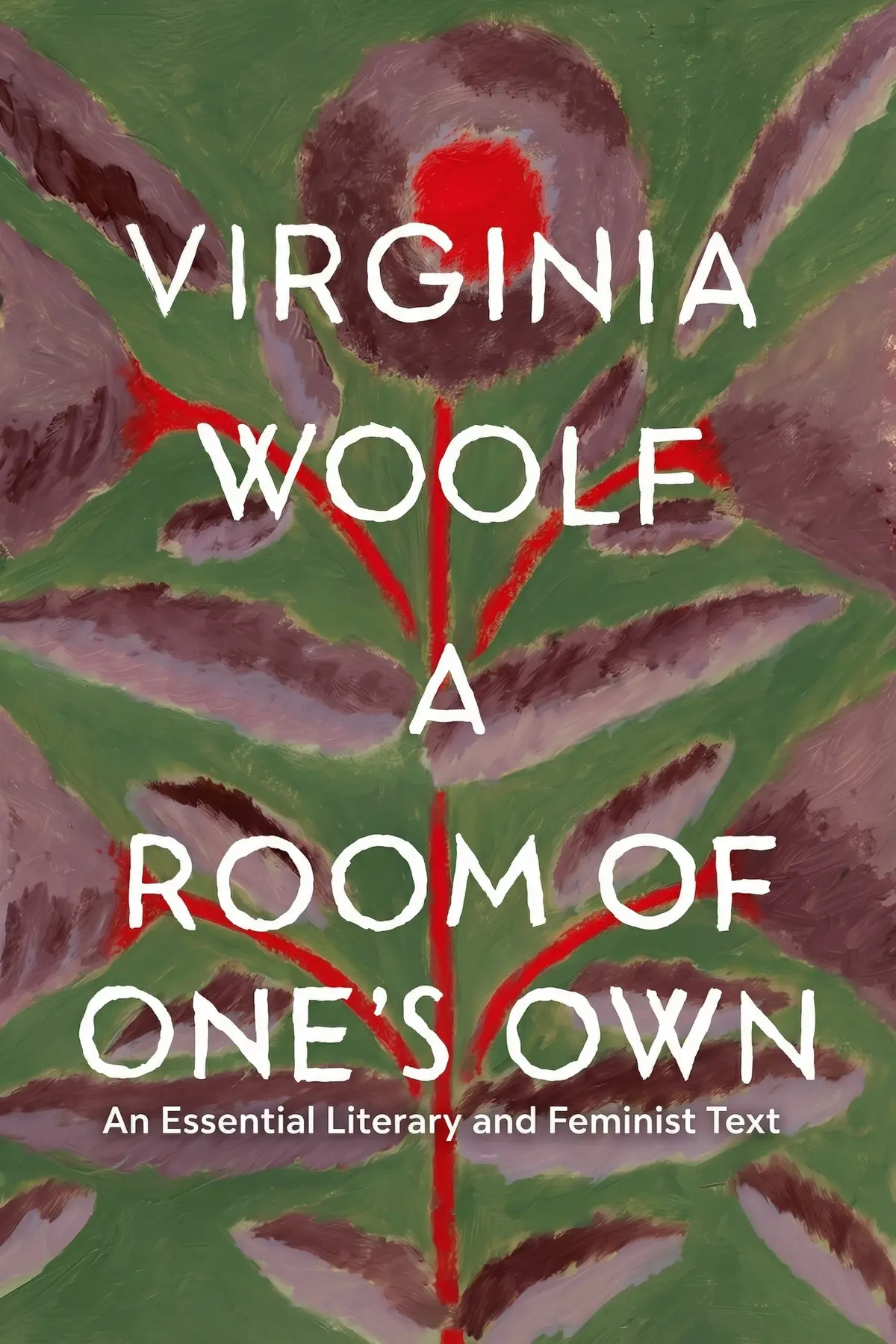
A Room of One’s Own
Virginia Woolf
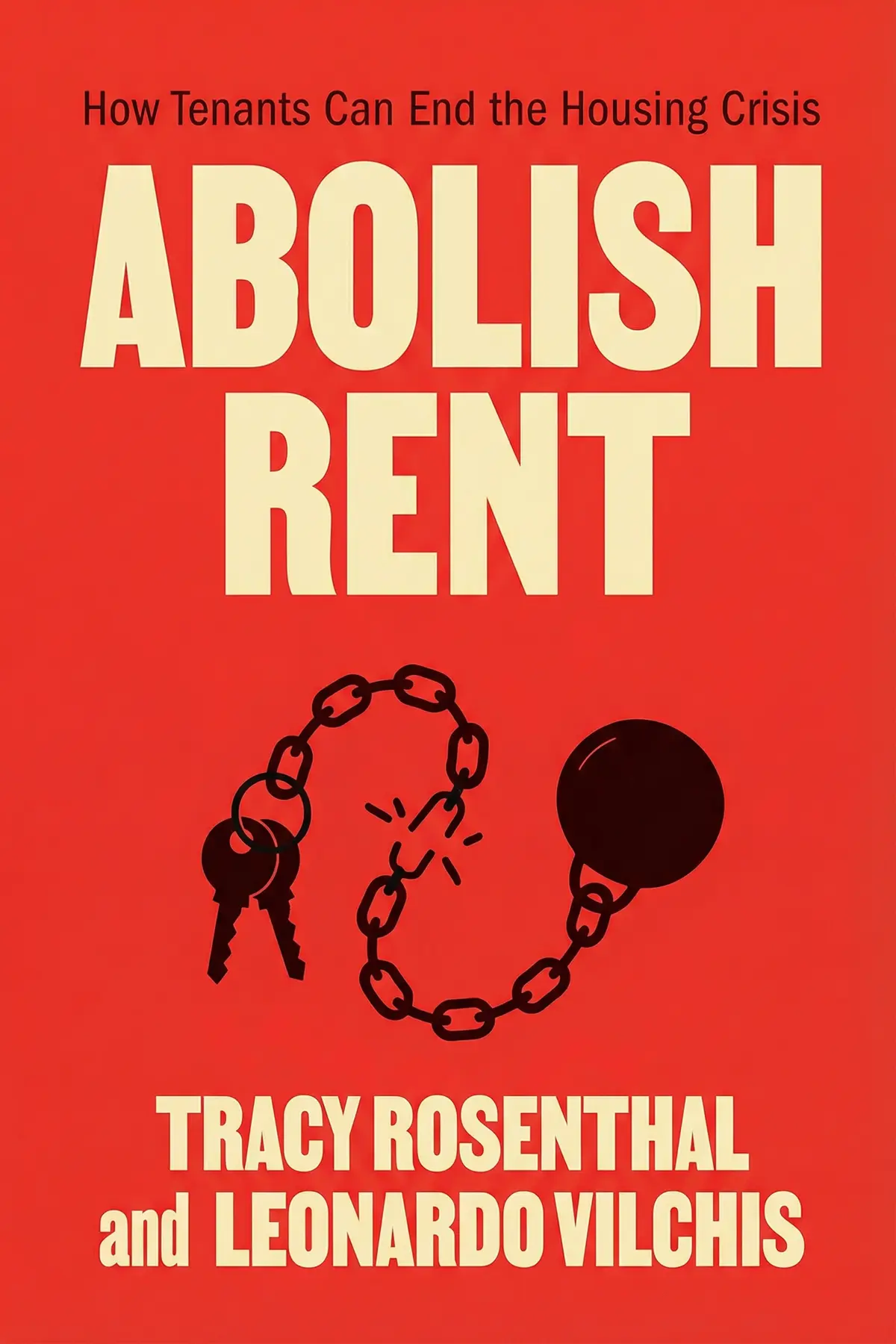
Abolish Rent: How Tenants Can End the Housing Crisis
Tracy Rosenthal
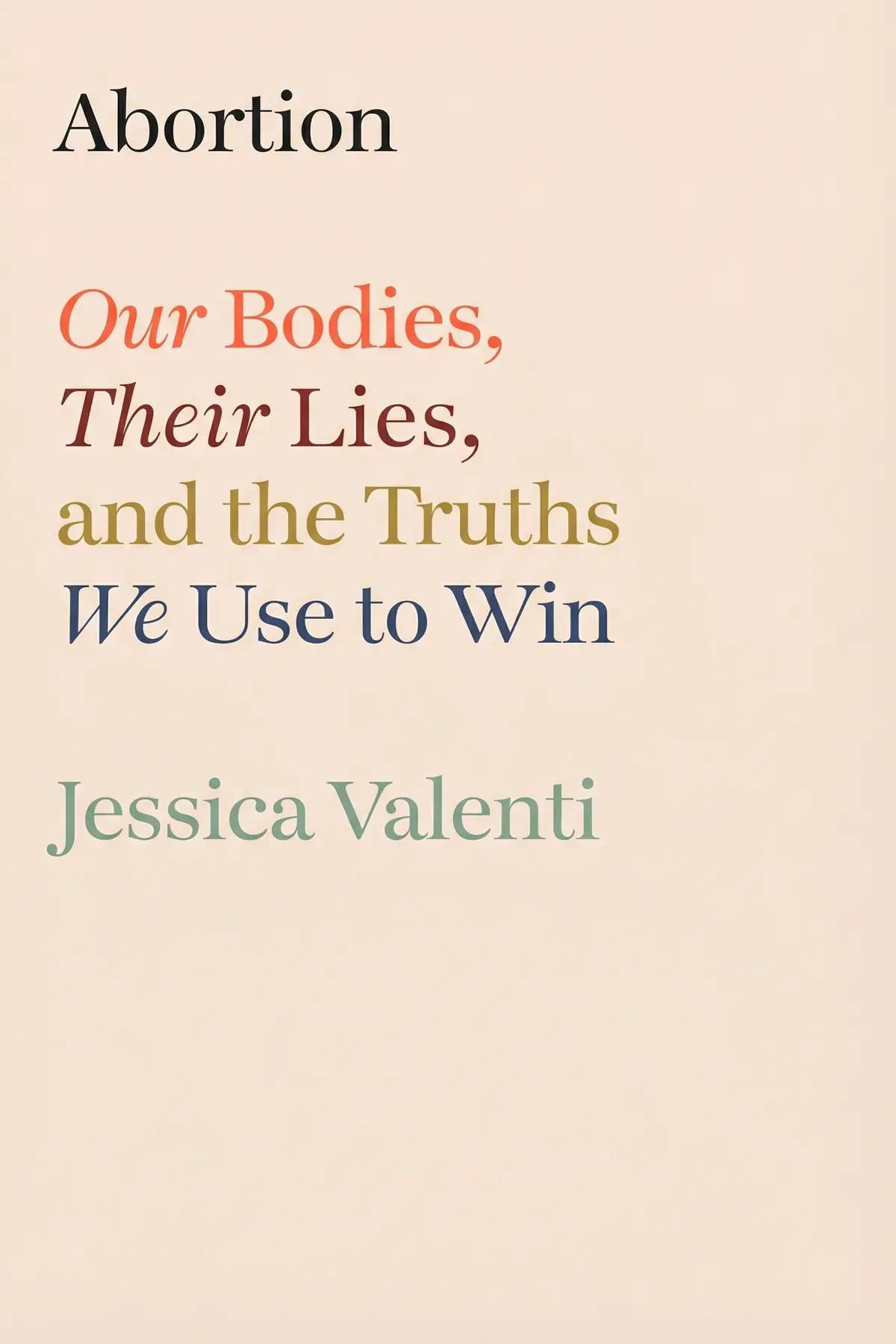
Abortion: Our Bodies, Their Lies, and the Truths We Use to
Jessica Valenti
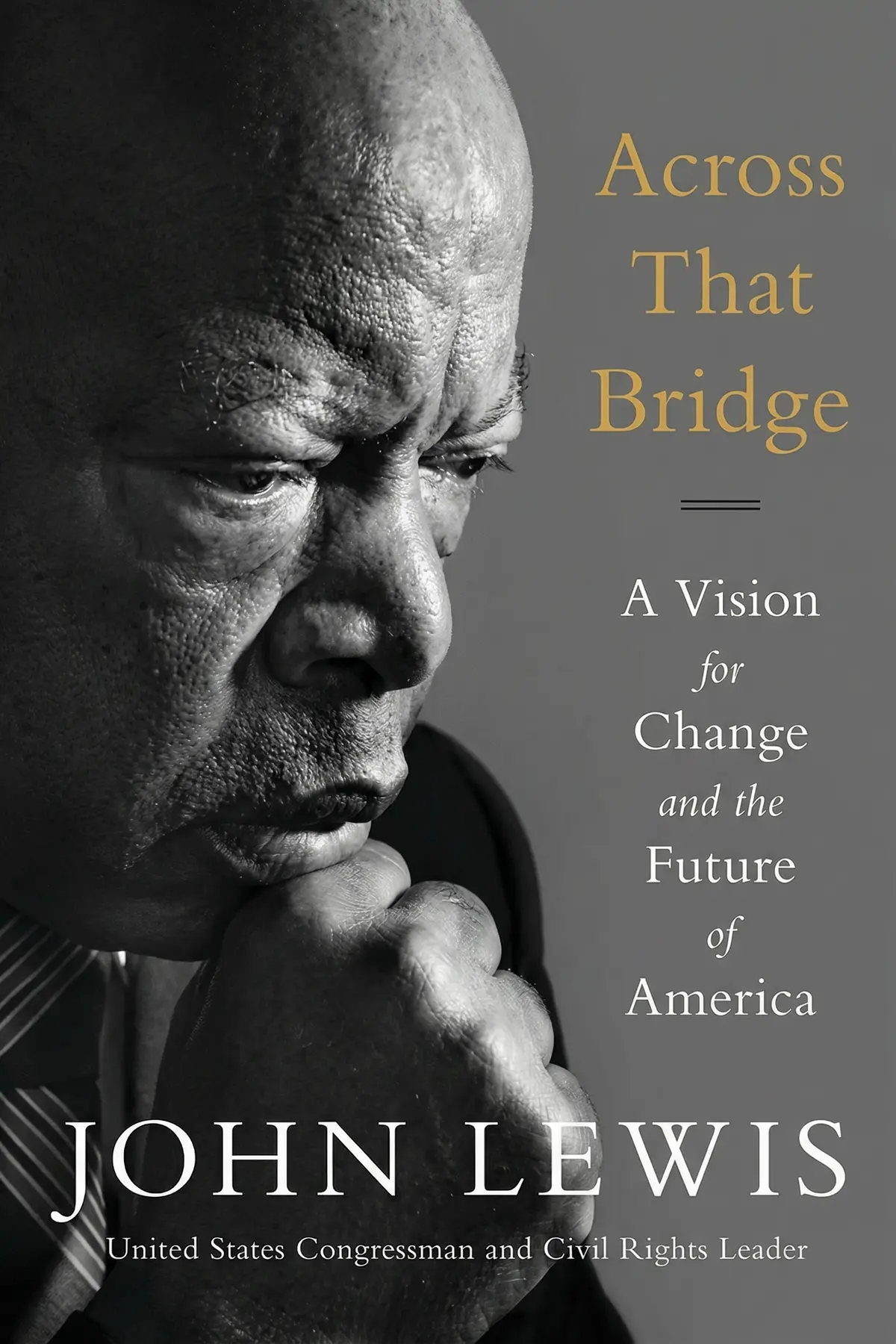
AUDIO SUMMARY AVAILABLE
Listen to Caste in 15 minutes
Get the key ideas from Caste by Isabel Wilkerson, plus 5,000+ more titles in English and Thai.
- 5,000+ titles
- Listen as much as you want
- 7-day free trial
- Cancel anytime







